
Male Psychology magazine
ISSN 2755-1466 (Online)
Trending

Spotlight

90% of men in prisons have come from generational family violence… So when they're violent - which is what they've learned - we then perpetuate the violence by putting them in prison.
Popular


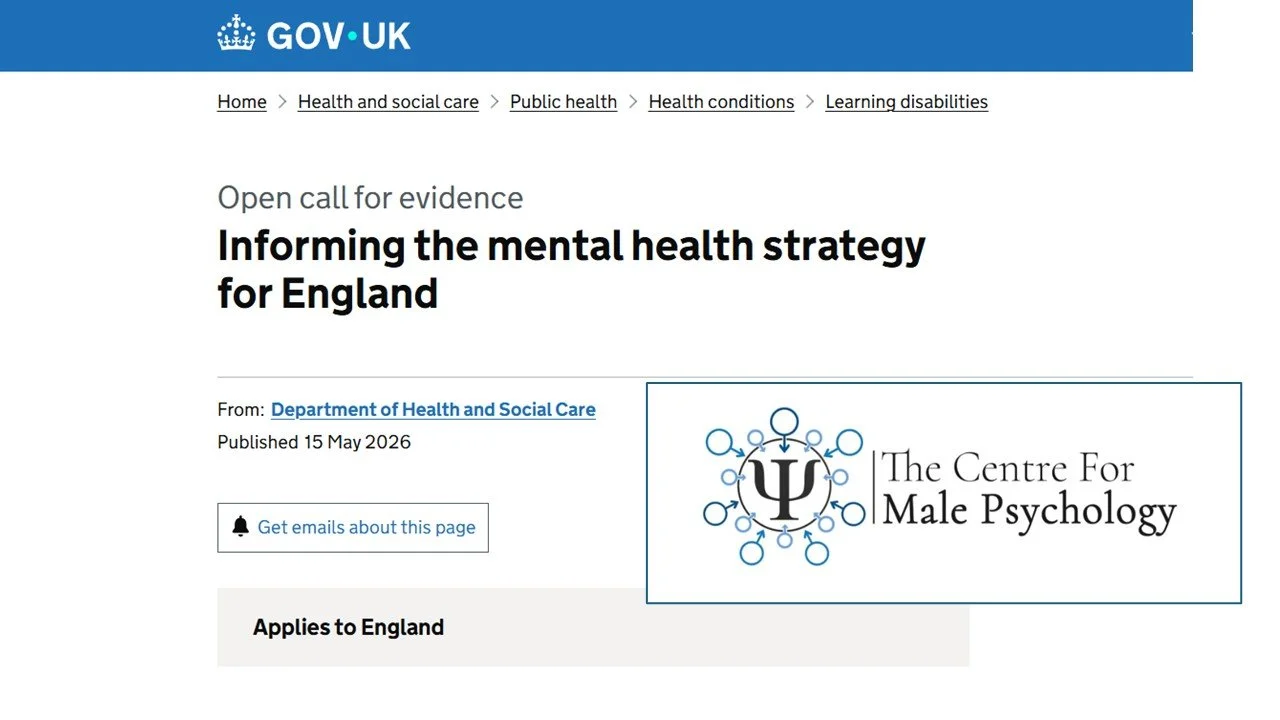
Men might benefit greatly from a government strategy aimed at improving their health. Here are suggestions from the Centre for Male Psychology on how that might be done. This article ends with some comments on potential pitfalls in the process of putting this strategy in place.

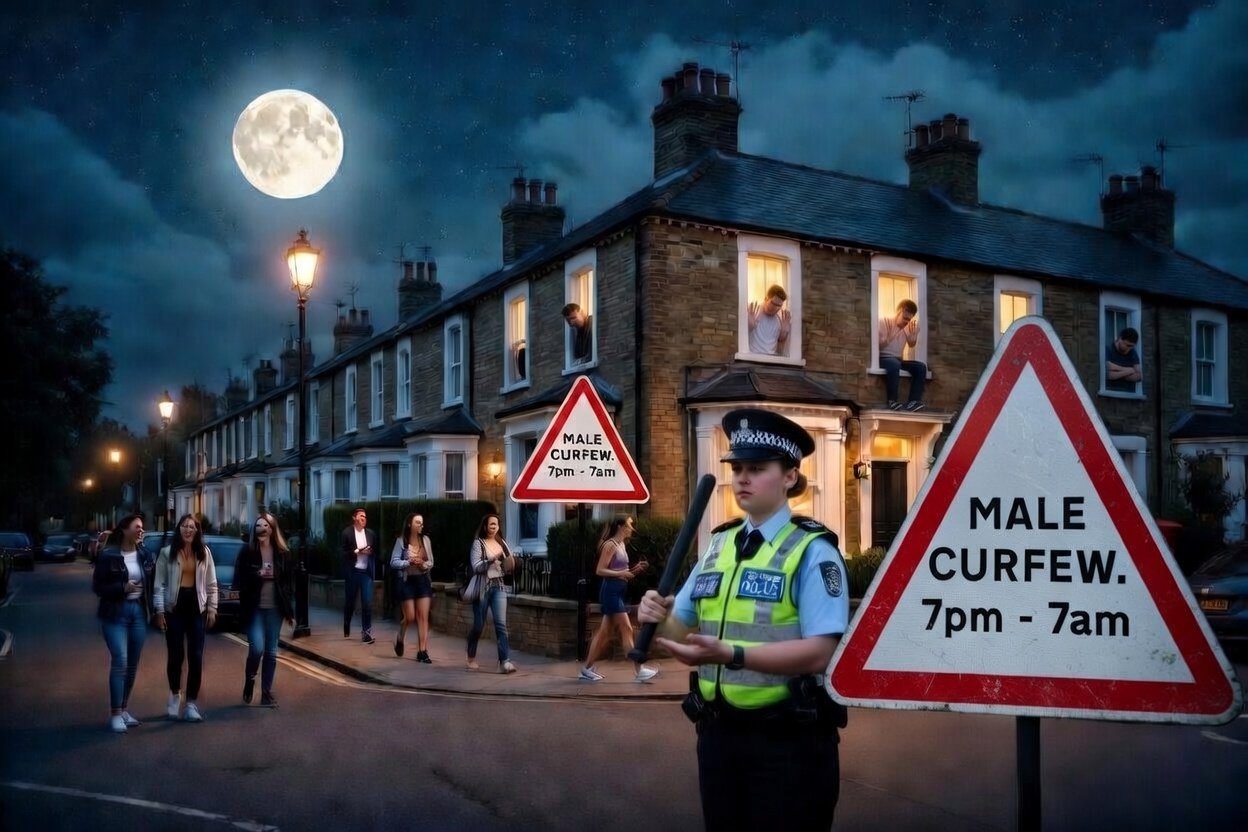
people are more aware of the fact men can be victims of this type of violence, but this often isn’t translated into policy, practice or indeed provision of resources
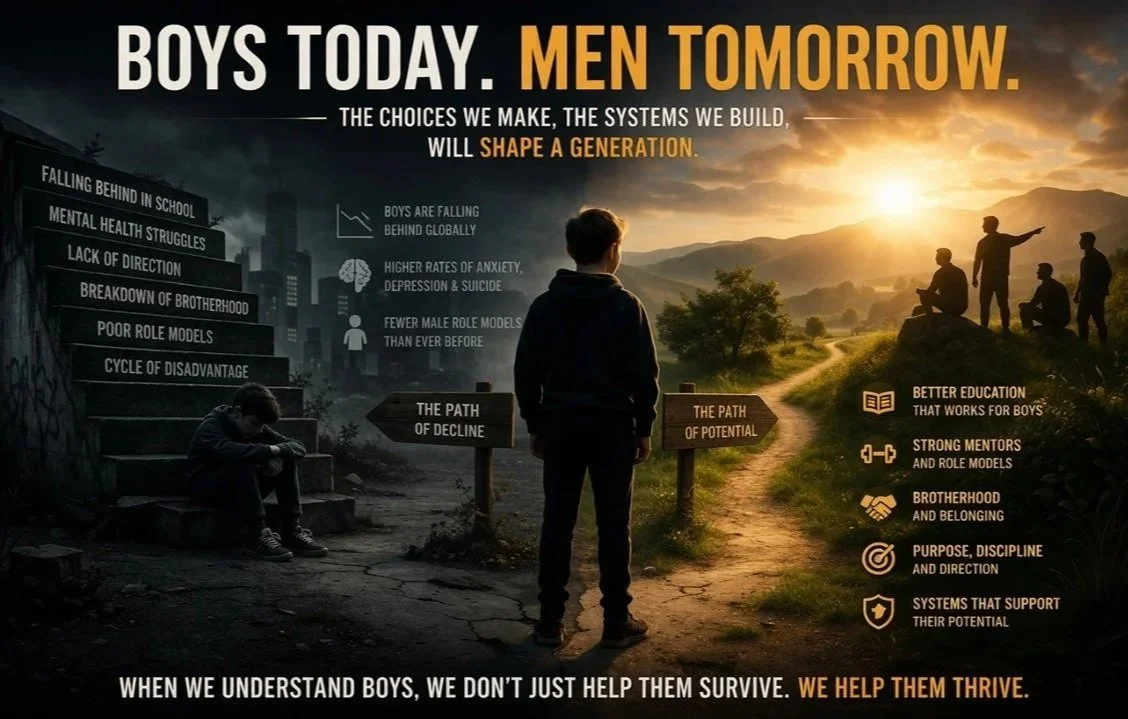
hyper-masculine gender norms are typically embedded within military institutions, and while adherence to these norms can contribute to combat and military success, they conversely make clinical work challenging
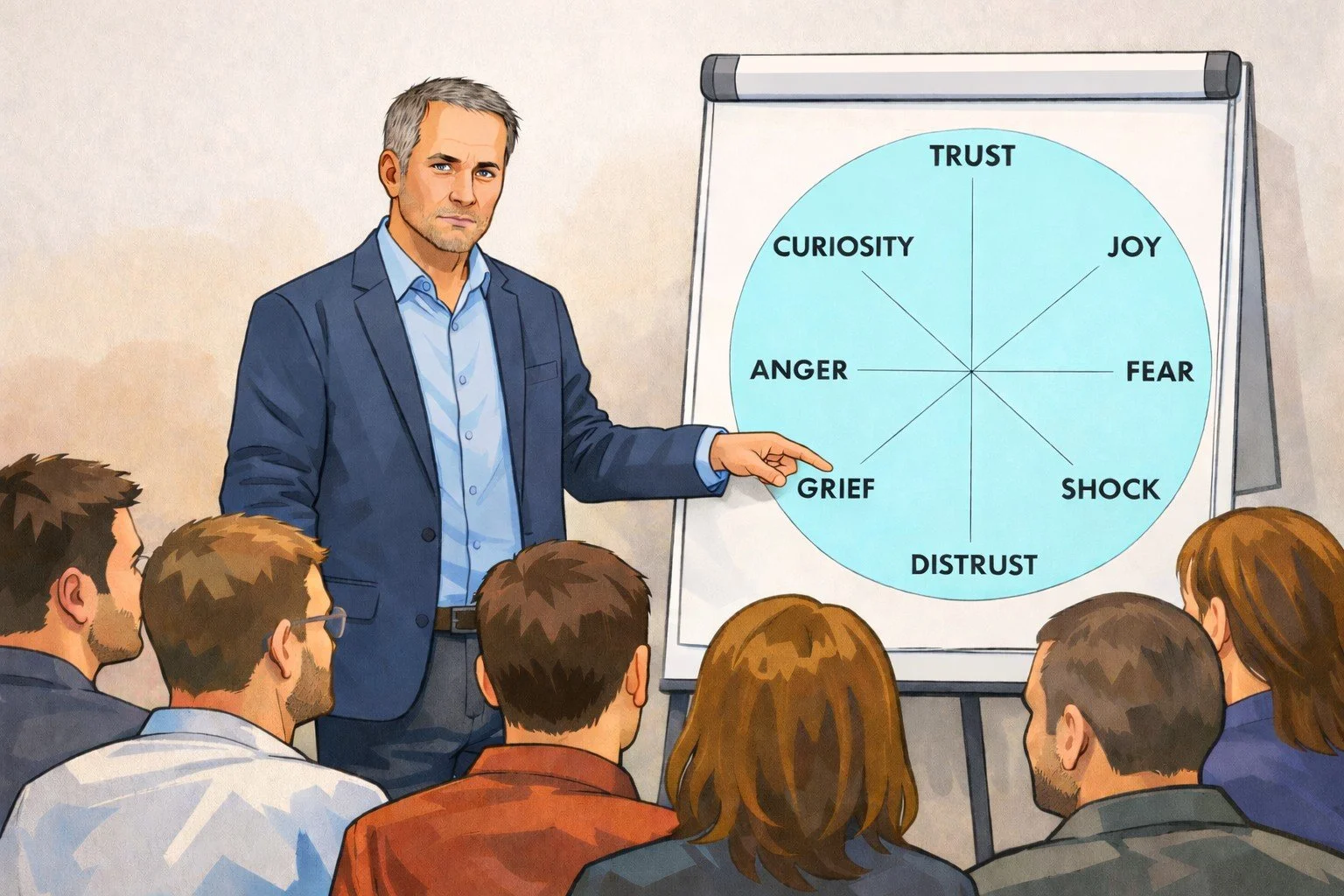
There is social power, there is structural power, and there is physical power. What women have in our society is the power of the state behind them, and men do not. Men only have that physical power, and most men don’t want to use it
people are more aware of the fact men can be victims of this type of violence, but this often isn’t translated into policy, practice or indeed provision of resources


people are more aware of the fact men can be victims of this type of violence, but this often isn’t translated into policy, practice or indeed provision of resources


people are more aware of the fact men can be victims of this type of violence, but this often isn’t translated into policy, practice or indeed provision of resources
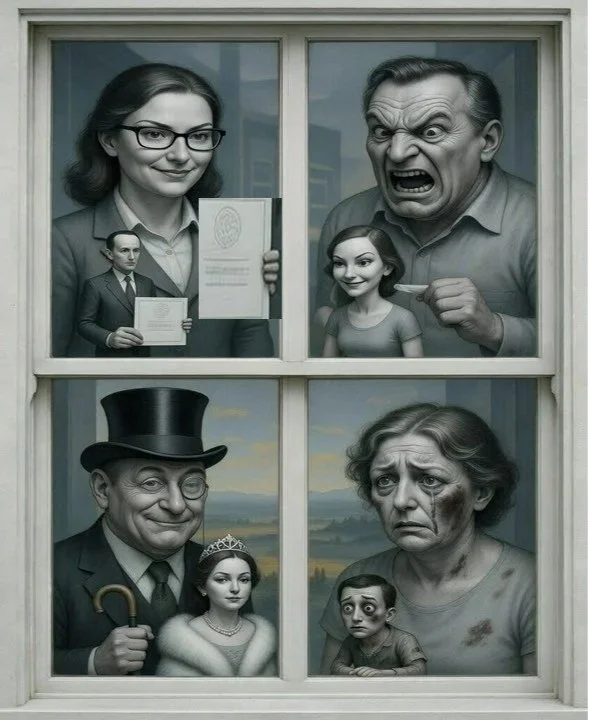
people are more aware of the fact men can be victims of this type of violence, but this often isn’t translated into policy, practice or indeed provision of resources

Against the backdrop of this thinking, the Centre for Male Psychology has come up with 'bite size' guidance of five points to think about in relation to men’s mental health.
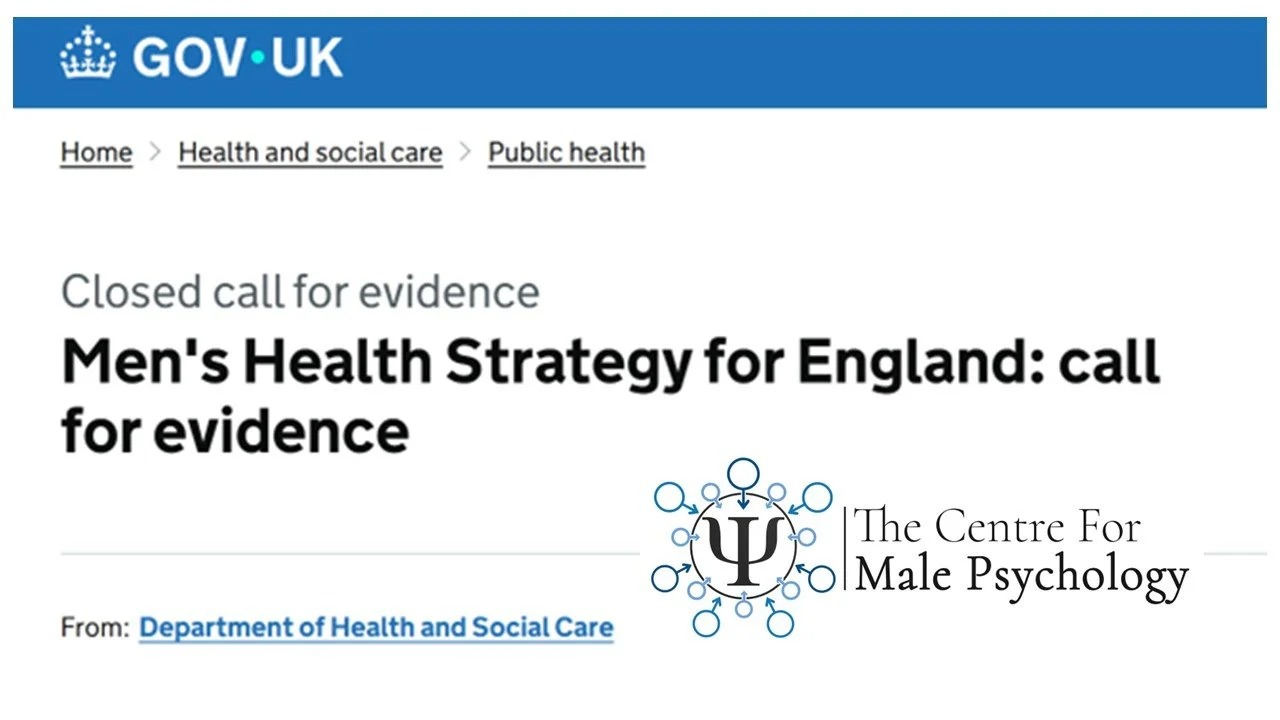
Men might benefit greatly from a government strategy aimed at improving their health. Here are suggestions from the Centre for Male Psychology on how that might be done. This article ends with some comments on potential pitfalls in the process of putting this strategy in place.

people are more aware of the fact men can be victims of this type of violence, but this often isn’t translated into policy, practice or indeed provision of resources






hyper-masculine gender norms are typically embedded within military institutions, and while adherence to these norms can contribute to combat and military success, they conversely make clinical work challenging


If the situation was reversed, I would never dismiss the contributions from female colleagues purely because they were female and their experiences were different to my own.

New in!
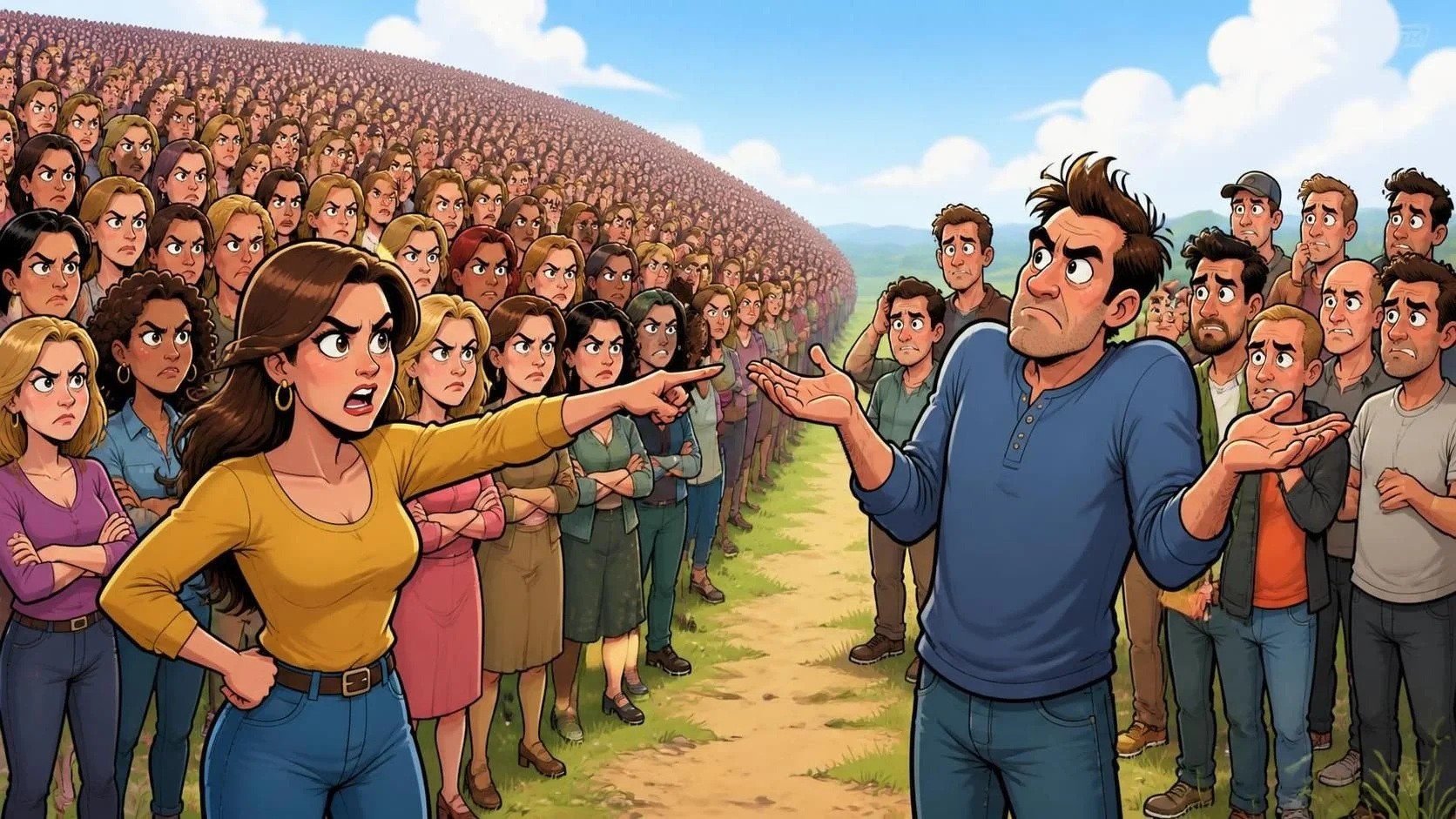


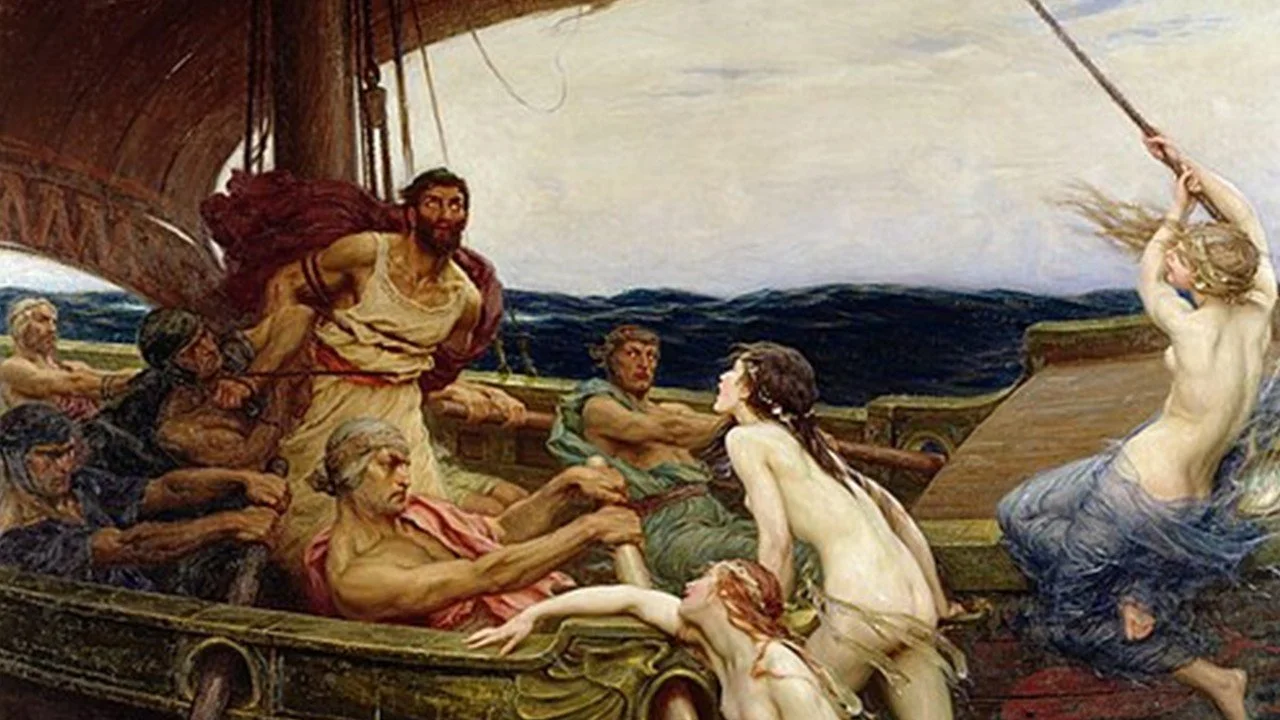

When a male is in a power imbalance, at least two masculine instincts are disempowered…
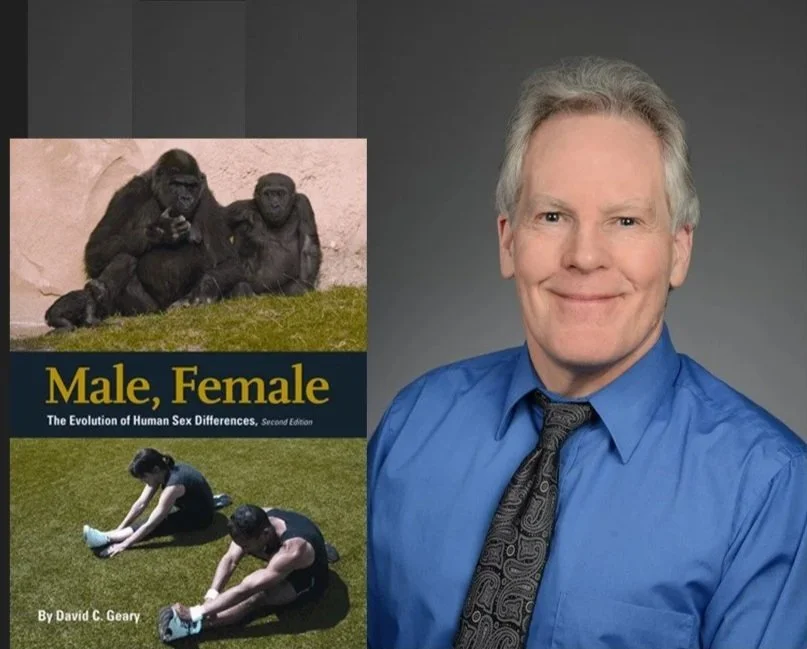
…people – men and women alike – respond less positively to male-favouring sex differences than they do to female-favouring sex differences.
hyper-masculine gender norms are typically embedded within military institutions, and while adherence to these norms can contribute to combat and military success, they conversely make clinical work challenging
Men might benefit greatly from a government strategy aimed at improving their health. Here are suggestions from the Centre for Male Psychology on how that might be done. This article ends with some comments on potential pitfalls in the process of putting this strategy in place.




…people – men and women alike – respond less positively to male-favouring sex differences than they do to female-favouring sex differences.
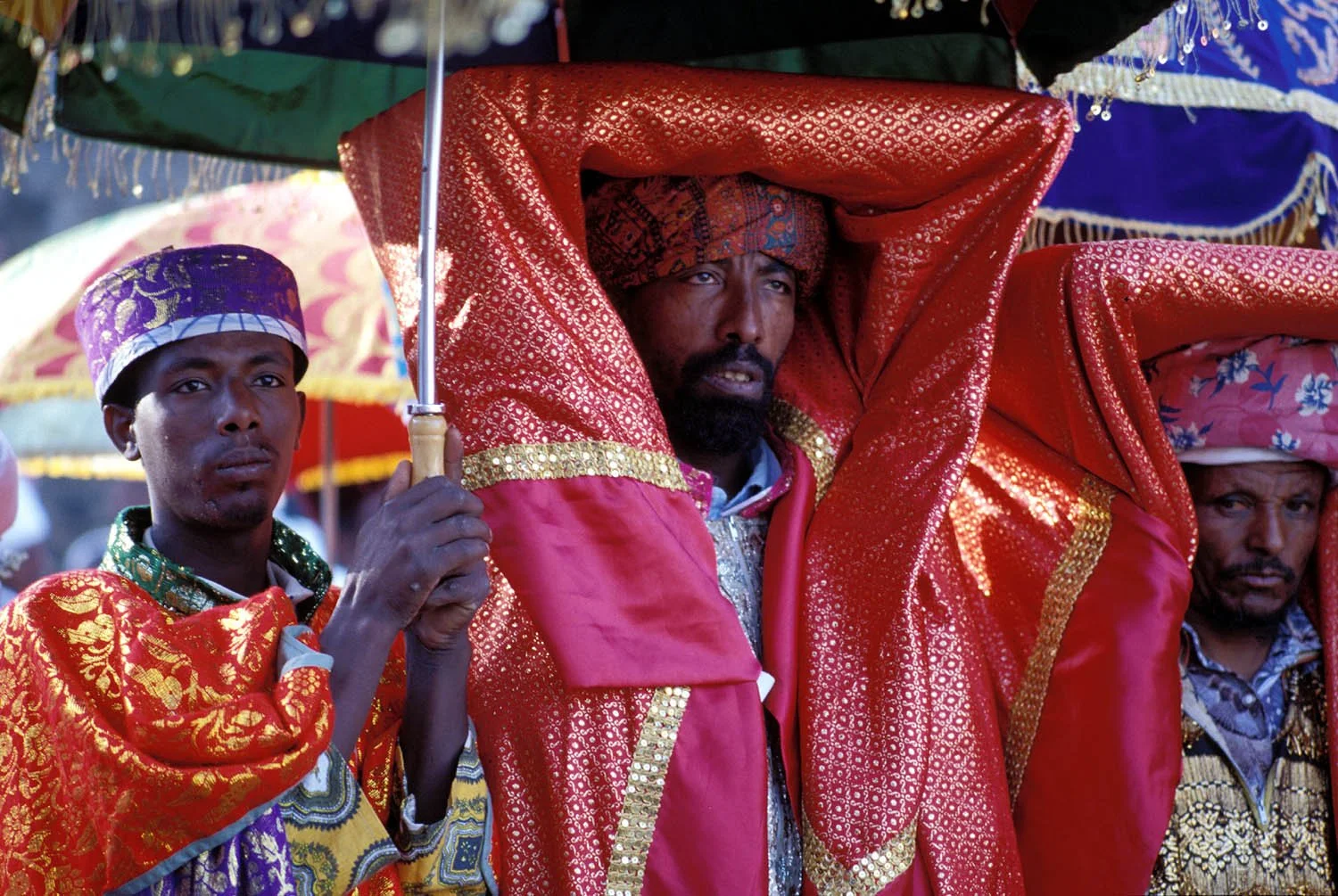

… many papers do not even bother to identify or justify the nationality of their samples…

hyper-masculine gender norms are typically embedded within military institutions, and while adherence to these norms can contribute to combat and military success, they conversely make clinical work challenging

Interviews
…people – men and women alike – respond less positively to male-favouring sex differences than they do to female-favouring sex differences.
There is social power, there is structural power, and there is physical power. What women have in our society is the power of the state behind them, and men do not. Men only have that physical power, and most men don’t want to use it



Masculinity may be just the tonic (remedy) needed by society at a time when it has recently suffered so many fractures.

“The place that people feel least free to speak their minds are oftentimes university, which I found absolutely stunning.”
Peer reviewers seem to be more accepting of my research on physiological differences between men and women (e.g., muscle fatigability) and less accepting of my research on psychological differences.

Generally speaking men’s humour is a good predictor of relationship satisfaction, as long as the woman appreciates it. A lot of studies show that men try to impress women with humour.

I was left with no doubt that men were struggling in myriad ways with stress and psychological illness – yet it has always been the discourse of the ‘desperate housewife’ that has attracted the most publicity, both in medicine and popular culture

…many professionals seem to interpret the evidence “most convicted child sex offenders are men”, as “children are more at risk from their father than their mother.

…people – men and women alike – respond less positively to male-favouring sex differences than they do to female-favouring sex differences.
IMD is not recognized by the UN because many believe we live in a patriarchal world and that the focus of the UN should be on women and children.

I’ve become curious why people, including very smart people with Ph.Ds, tend to leap at moralistic conclusions, adhere to them and consider them “science” when they are no such thing.

…critical gerontology focuses on the political-economic approach and consequently had a limited perspective on women and men: economically the former were seen as deprived and men privileged. Men were therefore disregarded.

…There is a reason why men who speak up on these issues tend to be retired or unemployed.

People depart a man in trouble [but as] soon as a man's got someone to talk to he will pour his heart out.
people are more aware of the fact men can be victims of this type of violence, but this often isn’t translated into policy, practice or indeed provision of resources
The brutality of the person's offence is generally related to the brutality of what they've experienced during childhood.

There is social power, there is structural power, and there is physical power. What women have in our society is the power of the state behind them, and men do not. Men only have that physical power, and most men don’t want to use it
90% of men in prisons have come from generational family violence… So when they're violent - which is what they've learned - we then perpetuate the violence by putting them in prison.

“I feel very strongly that the pendulum has swung too far, as it always does, the swing from a very male dominated patriarchal society to a very, very female dominated society where men …”

…the feminist movement has done inestimable damage to the mental health of boys and men. Making boys second class at school, teaching them that males are bad by nature and that women have suffered at the hands of men inevitably leads to boys feeling unhappy about themselves and adopting the unruly, delinquent behaviour which is expected of them.

Some people blame drill music – a form of rap - for the rising murder rate in London. Drill is known for aggressive lyrics about gang violence, but rather than seeing this as a valuable way for young men to express their feelings, some people want to ban it.

Gender scholars and activists were aghast a few years ago at the depiction of a feminist, in a documentary movie called The Red Pill, who unexpectedly learned to empathise with men. In a rare interview, director and star of The Red Pill, Cassie Jaye, reflects upon the impact the movie has had on herself and others.
Crime, Forensics and the Criminal Justice System
hyper-masculine gender norms are typically embedded within military institutions, and while adherence to these norms can contribute to combat and military success, they conversely make clinical work challenging
people are more aware of the fact men can be victims of this type of violence, but this often isn’t translated into policy, practice or indeed provision of resources

There is social power, there is structural power, and there is physical power. What women have in our society is the power of the state behind them, and men do not. Men only have that physical power, and most men don’t want to use it
people are more aware of the fact men can be victims of this type of violence, but this often isn’t translated into policy, practice or indeed provision of resources
Therapists can work effectively with men experiencing distress without asking them to change. Telling them they are ‘doing masculinity wrong’ is judgemental and victim blaming.
people are more aware of the fact men can be victims of this type of violence, but this often isn’t translated into policy, practice or indeed provision of resources
people are more aware of the fact men can be victims of this type of violence, but this often isn’t translated into policy, practice or indeed provision of resources

The brutality of the person's offence is generally related to the brutality of what they've experienced during childhood.
people are more aware of the fact men can be victims of this type of violence, but this often isn’t translated into policy, practice or indeed provision of resources


people are more aware of the fact men can be victims of this type of violence, but this often isn’t translated into policy, practice or indeed provision of resources
people are more aware of the fact men can be victims of this type of violence, but this often isn’t translated into policy, practice or indeed provision of resources


“The place that people feel least free to speak their minds are oftentimes university, which I found absolutely stunning.”
Peer reviewers seem to be more accepting of my research on physiological differences between men and women (e.g., muscle fatigability) and less accepting of my research on psychological differences.

Many local authorities will use ungendered language, but given the predominant “male violence” narrative, ungendered language may not be enough to convince a man he’s in the right place.
Boys must be taught how to turn their negative emotions of hate, anger and depression, as a result of violence, into a productive medium.

London Transport trains are used by people of all kinds from all over the world, including ordinary people from cultures where staring is not seen as threatening e.g. Spain

Gage claimed the witch trials were a way that religion was used to oppress women. [However] a sizable proportion of victims of the witch trials were men.

Despite the fact that violence against men has been invisible in research, in the wider social discourse and in the historical narrative about men, it seems that men are generally able to speak openly about their own experiences of violence without defining themselves as victims.

Education and Work
people are more aware of the fact men can be victims of this type of violence, but this often isn’t translated into policy, practice or indeed provision of resources

The term ‘patriarchy’ [is] a concept, not a theory. For something to be a theory, it should be testable, empirical, and capable of making predictions.


If the situation was reversed, I would never dismiss the contributions from female colleagues purely because they were female and their experiences were different to my own.

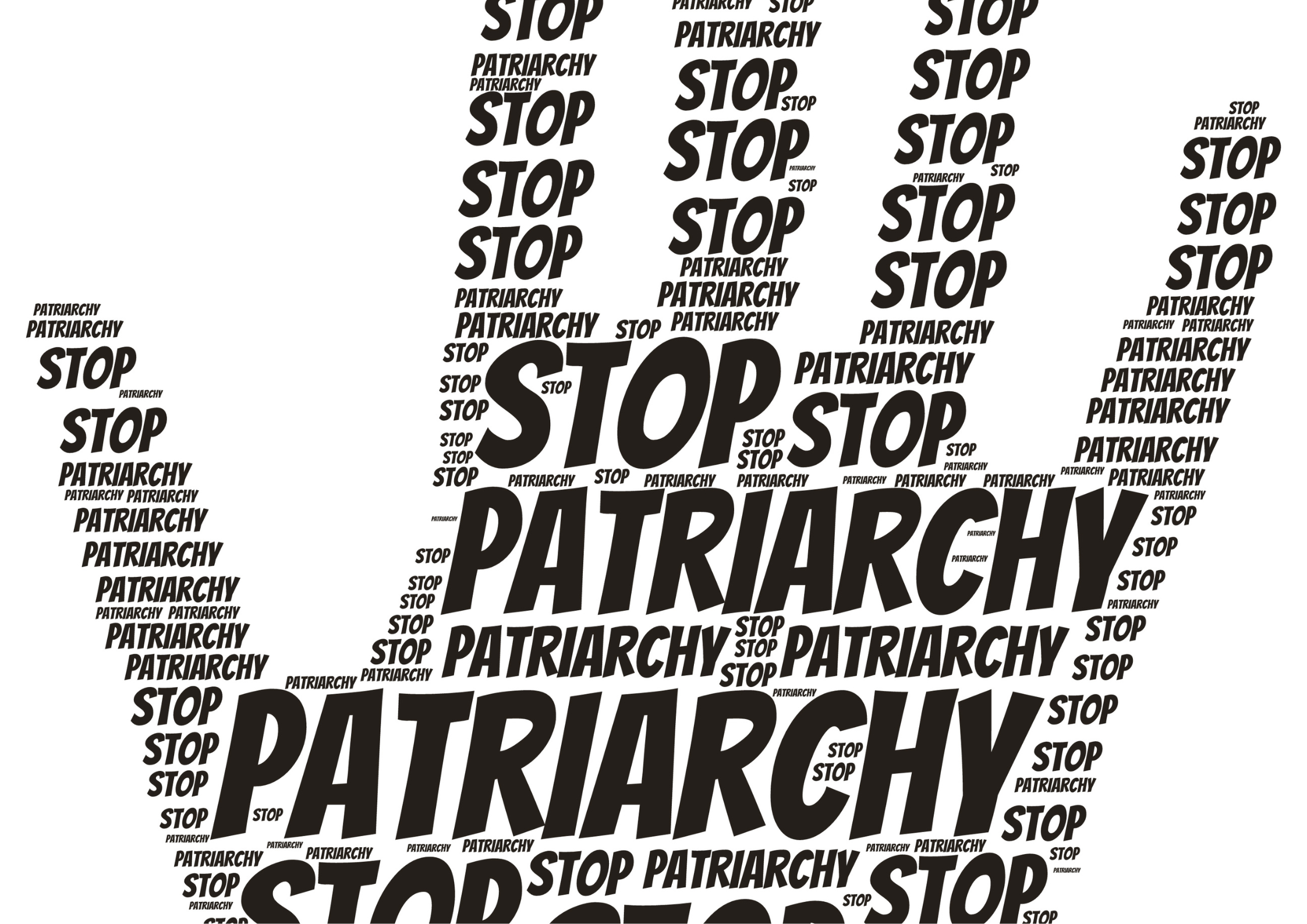
The term ‘patriarchy’ [is] a concept, not a theory. For something to be a theory, it should be testable, empirical, and capable of making predictions.

My classes have a gender imbalance with an average of 80% to 90% being females. This sometimes seems intimidating to the young men who opt to remain quiet in classes.

By providing books boys might want to read, there is a genuine chance of inspiring boys to read more.

This is the second part of a two-part article. Part 1 can be found here.
“This brings me to a final value of tonic masculinity as I see it emerging. And that is the work to be done of restoring harmony between the sexes, to return relations in the nuclear family and local community to a degree of genuinely democratic responsibility and caring for the other.”

…post-war maintenance of an enlarged Civil Service […] led to a strong presence of women in the governance of State endeavours such as the NHS. It also seems that once […] clinical psychologists were allowed to practice ‘talking therapies,’ for which women arguably have a natural aptitude, the floodgates for women in psychology were fully opened.

Brazil is plural... There are those who still see masculinity as a Tarzan archetype, which must be rescued. …Many people (especially women) criticise traditional masculinity, but reinforce it.

This is the second of a two-part article. In Part 1 we saw that men make up only about 20% of clinical psychologists. For a field so focused on equality, this is a very large elephant in the room. Here, in the second part of this article, efforts to address this disparity - and responses to these efforts - are discussed.

I want to argue in favor of what I term tonic masculinity and what a dose of it might provide society to dispel some of the mystifications and often ironic ambiguities about sex and gender.
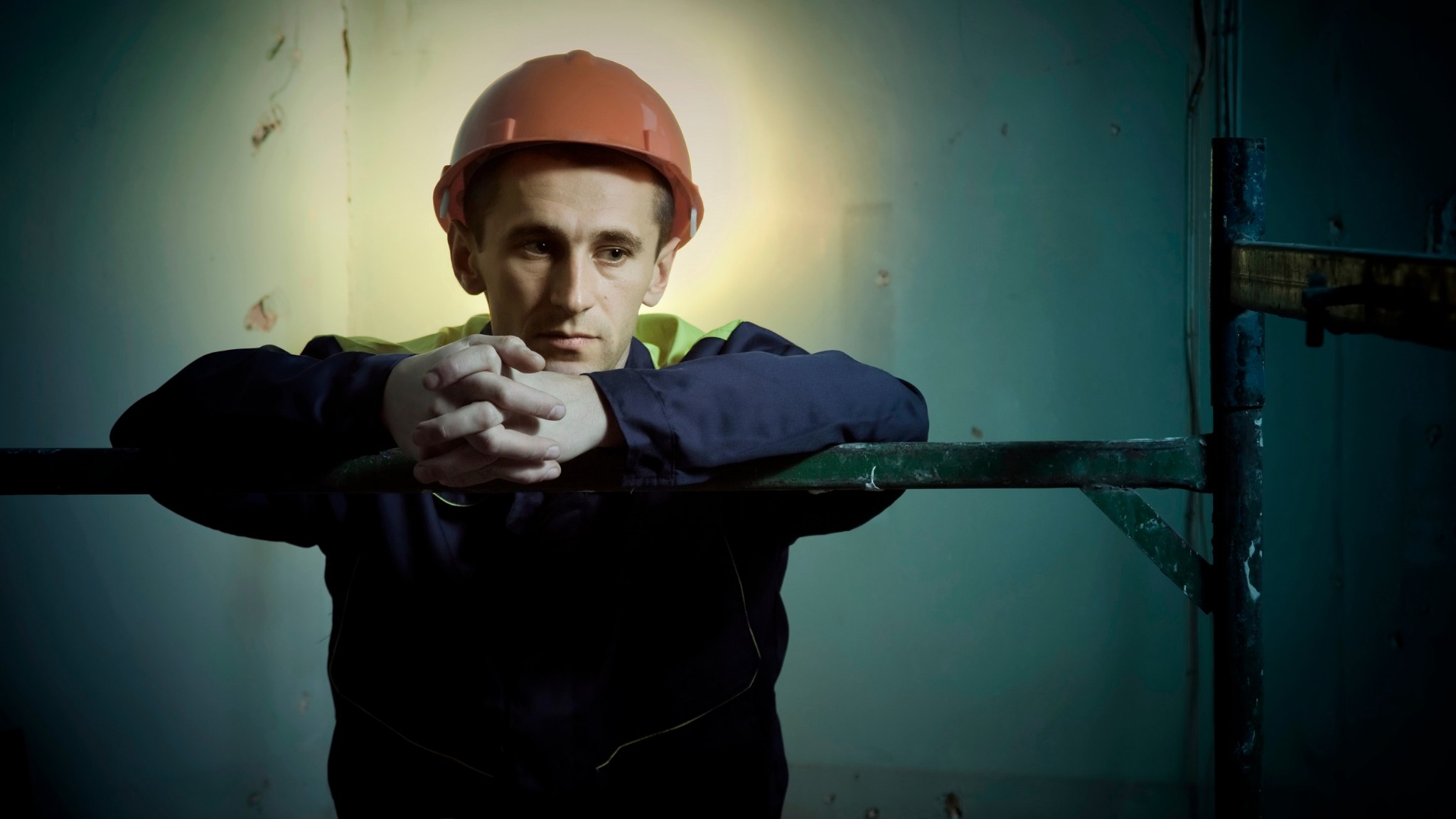
Blue collar males in the U.S. are experiencing higher incarceration rates, dying younger, using drugs more, and marrying less than ever before. Why?

If the situation was reversed, I would never dismiss the contributions from female colleagues purely because they were female and their experiences were different to my own.

I have concerns as to how these inconsistencies and sweeping generalisations about men and boys go unchallenged.

Male psychology is a recent development in academia. Unlike gender studies, feminism, and men’s studies, male psychology takes the view that we can gain more by recognising and harnessing the positive aspects of masculinity than we can by taking a relentlessly negative approach to men.





Fatherhood and Family

Therapists can work effectively with men experiencing distress without asking them to change. Telling them they are ‘doing masculinity wrong’ is judgemental and victim blaming.




According to the publisher, Palgrave Macmillan, the Handbook of Male Psychology is, with over 82,000 chapter downloads and almost 100 citations, one of their “best-performing titles within the psychology list, and at Palgrave Macmillan in general

While it is important that children are supported, financially and otherwise […] child maintenance payments appear to be moving many non-resident parents into poverty
Boys must be taught how to turn their negative emotions of hate, anger and depression, as a result of violence, into a productive medium.

The potential benefits of paternity leave on the father, the child and the family unit are numerous.
…critical gerontology focuses on the political-economic approach and consequently had a limited perspective on women and men: economically the former were seen as deprived and men privileged. Men were therefore disregarded.

Mother ‘explained’ to me that we had to leave our father for our own protection. Father, I was told, was a very dangerous man.

"In training, they forced me to listen to the Barney [the Dinosaur] "I Love You" song for 45 minutes. I never want to go through that again".
People depart a man in trouble [but as] soon as a man's got someone to talk to he will pour his heart out.
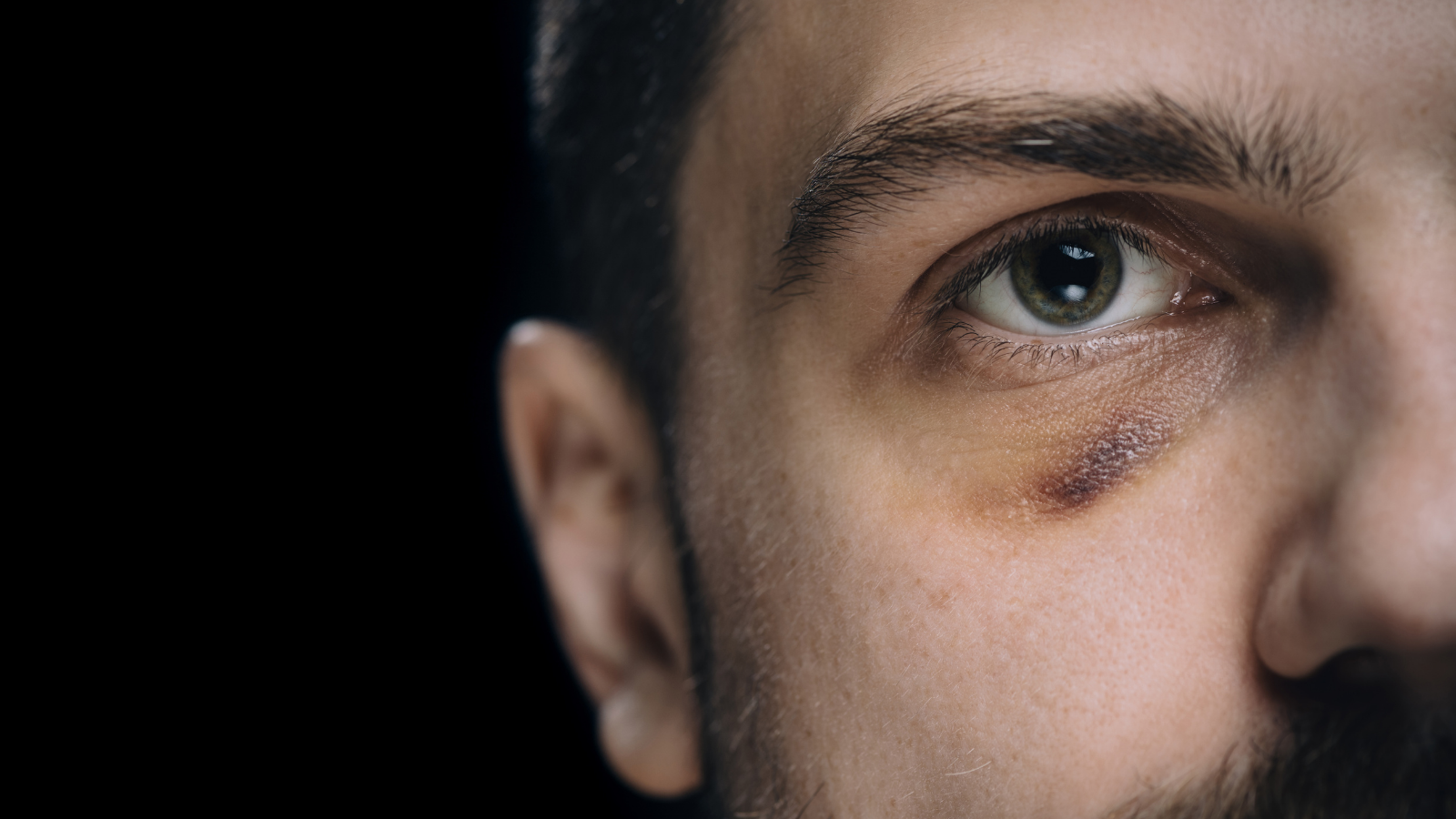
Although a ‘survivor’ of domestic abuse… I was never going to give my career up to make me financially eligible for legal aid.

I was ignorant of these horrors until I had my own skirmish in the family courts. Being a therapist, I emerged wondering if I could support other separated fathers


What are the facts about sperm quality? Well, a debate on this topic was featured in the December 2021 edition of the leading fertility journal in the US, Fertility & Sterility. One side argued that sperm rates are in decline worldwide, and the other side argued there was no real evidence for this
“I feel very strongly that the pendulum has swung too far, as it always does, the swing from a very male dominated patriarchal society to a very, very female dominated society where men …”
…the feminist movement has done inestimable damage to the mental health of boys and men. Making boys second class at school, teaching them that males are bad by nature and that women have suffered at the hands of men inevitably leads to boys feeling unhappy about themselves and adopting the unruly, delinquent behaviour which is expected of them.
Health and Wellbeing

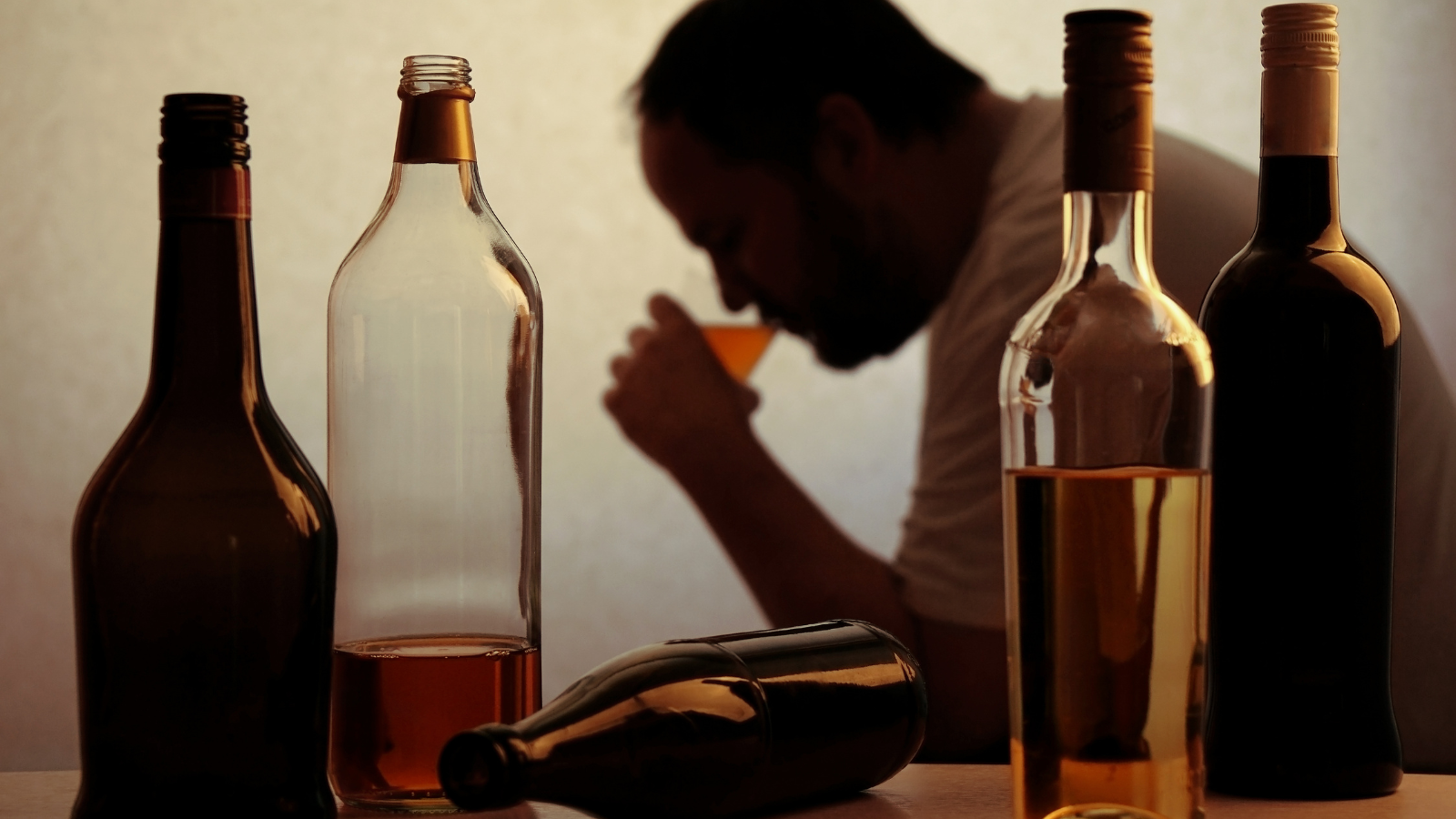
Alcohol abuse clearly appeared to affect men in much larger numbers than women, but nonetheless, discussions rarely mentioned why this might be.

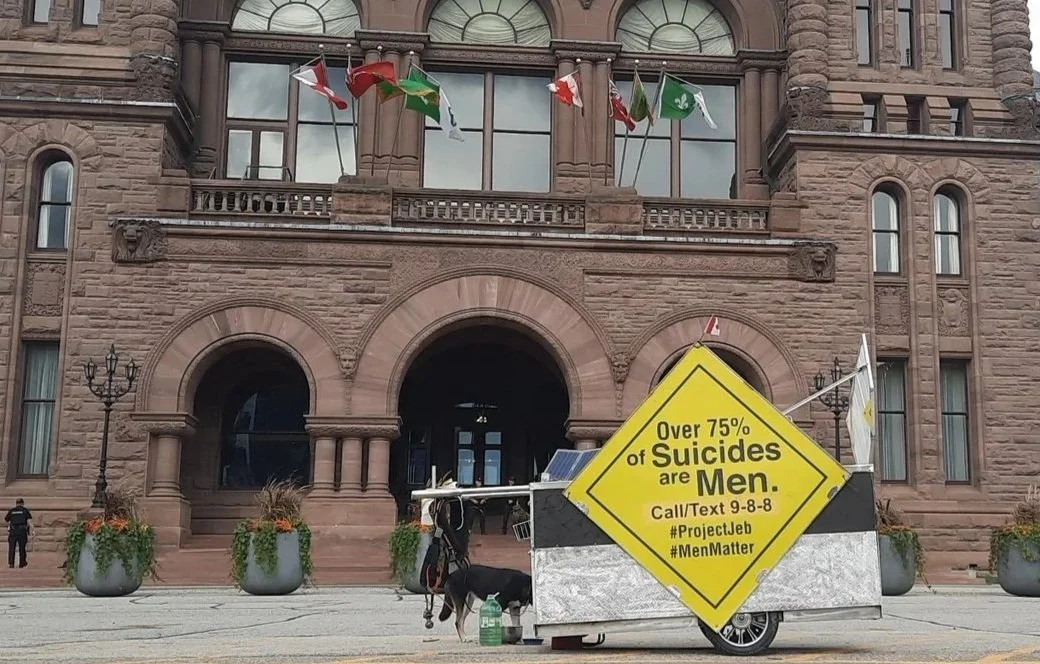
Fear is a huge motivator for me and Project Jeb. Fear it will happen again to another close long time friend, or their son.


Mental distress in men was more common than generally acknowledged, and was treated in different ways e.g. alternative drugs, or self-medication with over-the-counter remedies.
What are the facts about sperm quality? Well, a debate on this topic was featured in the December 2021 edition of the leading fertility journal in the US, Fertility & Sterility. One side argued that sperm rates are in decline worldwide, and the other side argued there was no real evidence for this

There is an assault from many factions in our society dominated by a postmodern outlook, which seeks to deconstruct the identity of men, masculinity, and men’s role in the pursuit of truth.


"I wanted to take a minute to say, especially to the young women in the room here, do everything you can to be the best in science, in math, in engineering. It's our actions that will determine this new stereotype around women being the best in science

International Men’s Day 2017 saw the launch in Westminster of the first Harry’s masculinity report. The report found evidence justifying why the general public think men are basically ok, despite the fact that so many academics seem to use men as a blank screen onto which to project their negative feelings about masculinity.

through incredibly innovative technological design, a small, automated device would run complex analyses on only a fingerpick of blood. The idea was to transform healthcare as we know it. [There was only one problem: it didn’t work]





The way in which yoga is often perceived, especially for men, is that are they unable to get into the poses as they are not flexible in their bodies as women and not able to “do it”. This perception is often created by images of people in bendy poses, predominately women, who have different body frames and structure to men.

Love and Relationships
people are more aware of the fact men can be victims of this type of violence, but this often isn’t translated into policy, practice or indeed provision of resources




…are men being discouraged from showing sensitivity and awareness about their experiences because it implies insensitivity and a lack of awareness towards women?

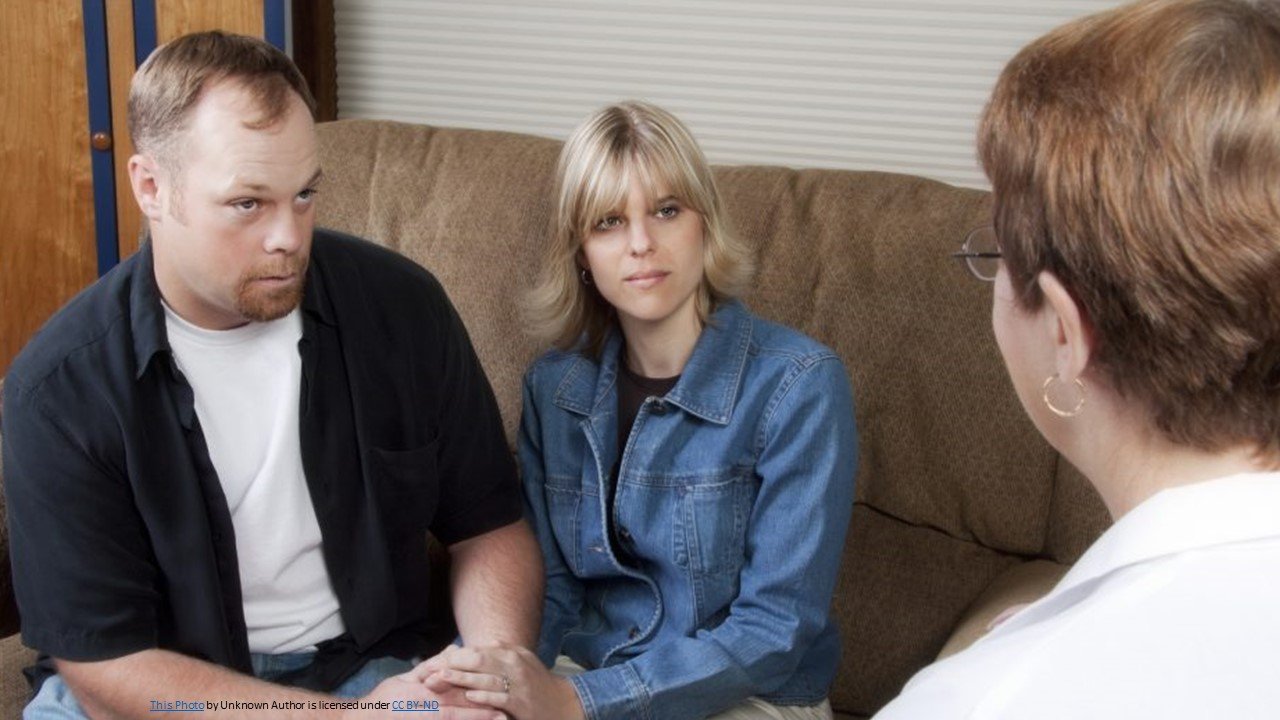
Although a ‘survivor’ of domestic abuse… I was never going to give my career up to make me financially eligible for legal aid.


More than at any time in history, we need now to grant each other this gift of mutual care. That is because the love of women no longer saves men from the battles they face, and the love of men no longer saves women from wolves that prey on their peace of mind.
International Men’s Day 2017 saw the launch in Westminster of the first Harry’s masculinity report. The report found evidence justifying why the general public think men are basically ok, despite the fact that so many academics seem to use men as a blank screen onto which to project their negative feelings about masculinity.

hyper-masculine gender norms are typically embedded within military institutions, and while adherence to these norms can contribute to combat and military success, they conversely make clinical work challenging

During that holiday whilst not with me, the oldest boy started self-harming and talked about killing himself. …What do you think was the action of social services at the case conference? Case closed, the children were taken off the At Risk Register. The father was no longer in the family home and now the children were deemed safe.

Although mental illness has increased since covid-related restrictions began, the suicide rate has reduced. This is welcome news, but why has it happened?
I have concerns as to how these inconsistencies and sweeping generalisations about men and boys go unchallenged.

The male has been designed to “look”, not only at the female, but to “look out” for prey, for danger, and for ways to protect his family unit.

If his child is allowed to live, this man must be available, for the rest of his life, to love and provide for his child… If, on the other hand, it is decided that his child is to be destroyed, he should be able to go about his life as if nothing has happened



Mental Health and Support Services
hyper-masculine gender norms are typically embedded within military institutions, and while adherence to these norms can contribute to combat and military success, they conversely make clinical work challenging
hyper-masculine gender norms are typically embedded within military institutions, and while adherence to these norms can contribute to combat and military success, they conversely make clinical work challenging
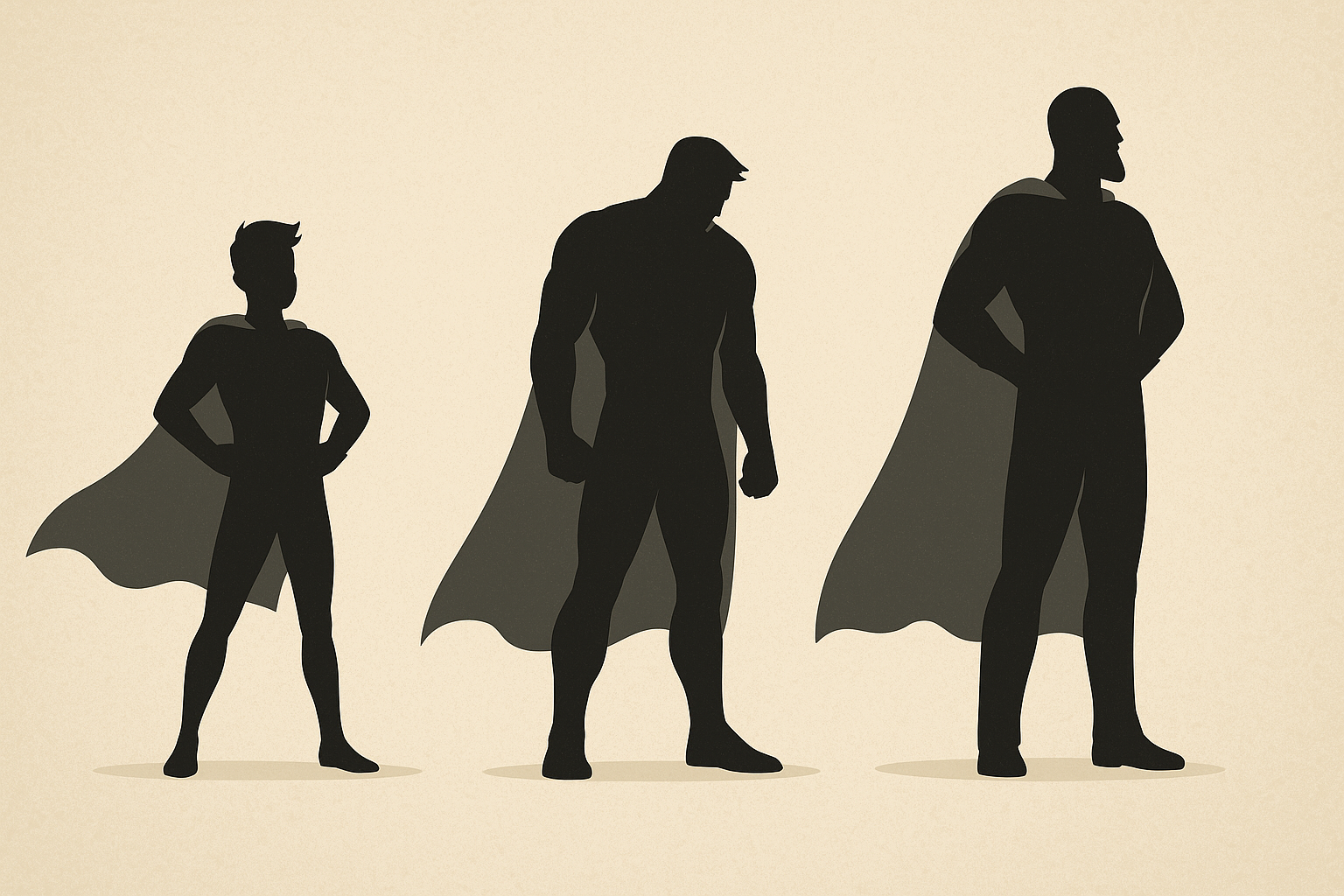
hyper-masculine gender norms are typically embedded within military institutions, and while adherence to these norms can contribute to combat and military success, they conversely make clinical work challenging
The brutality of the person's offence is generally related to the brutality of what they've experienced during childhood.
people are more aware of the fact men can be victims of this type of violence, but this often isn’t translated into policy, practice or indeed provision of resources
people are more aware of the fact men can be victims of this type of violence, but this often isn’t translated into policy, practice or indeed provision of resources
people are more aware of the fact men can be victims of this type of violence, but this often isn’t translated into policy, practice or indeed provision of resources

hyper-masculine gender norms are typically embedded within military institutions, and while adherence to these norms can contribute to combat and military success, they conversely make clinical work challenging

hyper-masculine gender norms are typically embedded within military institutions, and while adherence to these norms can contribute to combat and military success, they conversely make clinical work challenging
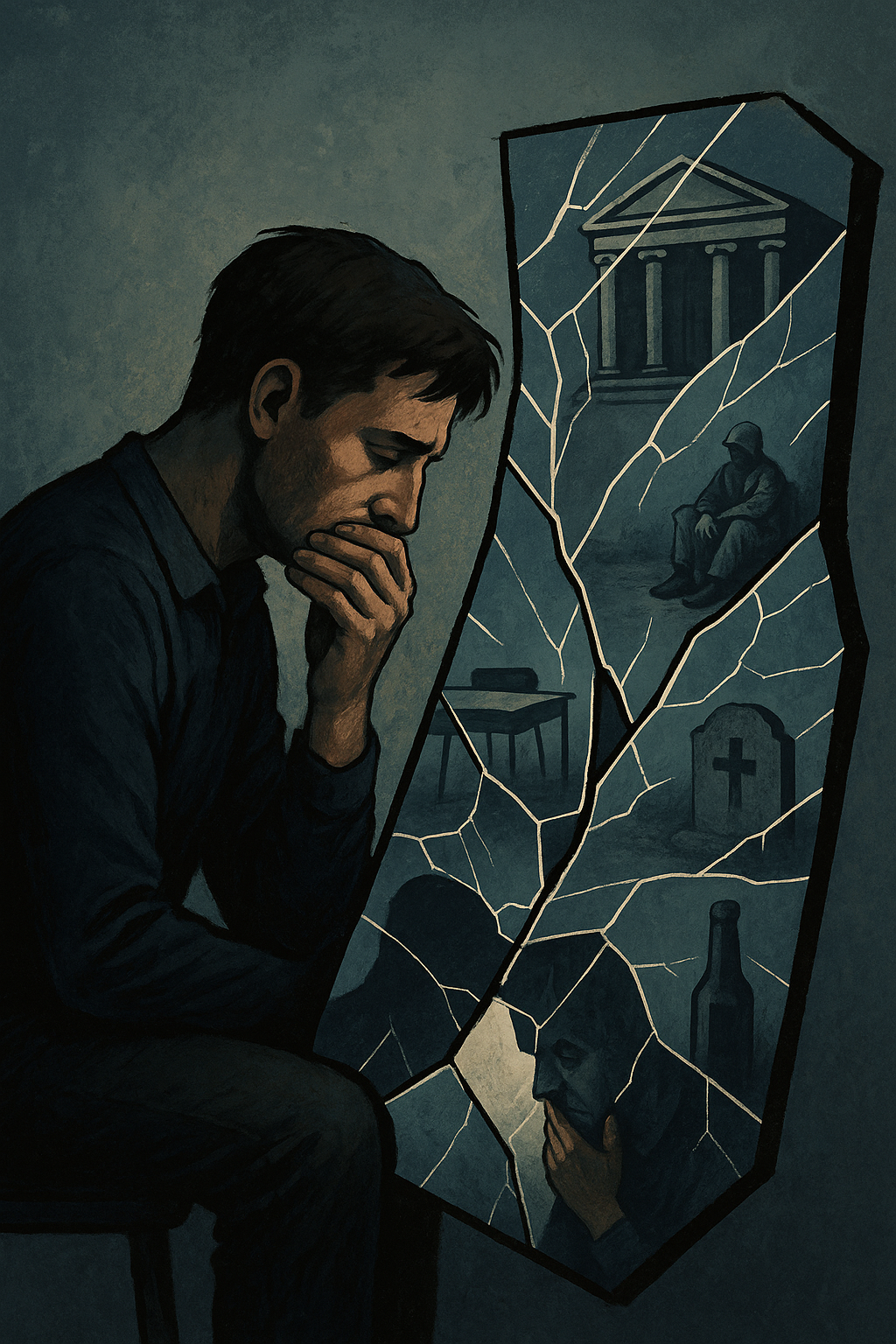
hyper-masculine gender norms are typically embedded within military institutions, and while adherence to these norms can contribute to combat and military success, they conversely make clinical work challenging
hyper-masculine gender norms are typically embedded within military institutions, and while adherence to these norms can contribute to combat and military success, they conversely make clinical work challenging

hyper-masculine gender norms are typically embedded within military institutions, and while adherence to these norms can contribute to combat and military success, they conversely make clinical work challenging
If the situation was reversed, I would never dismiss the contributions from female colleagues purely because they were female and their experiences were different to my own.

The two ways of regulating emotions have implications for the field of mental health, which relies predominately on talking therapy – in particular talking about feelings.

Many local authorities will use ungendered language, but given the predominant “male violence” narrative, ungendered language may not be enough to convince a man he’s in the right place.

Masculinity is a set of masculine instincts—whose expression and use generate and are energized by the feeling of passion for life.
people are more aware of the fact men can be victims of this type of violence, but this often isn’t translated into policy, practice or indeed provision of resources

Open up more, notice more how you feel, keep focused on your goals, put your goals first because you know they are good for you
The brutality of the person's offence is generally related to the brutality of what they've experienced during childhood.
Mental distress in men was more common than generally acknowledged, and was treated in different ways e.g. alternative drugs, or self-medication with over-the-counter remedies.

“Although psychiatry is criticised for reducing people to diagnostic categories, the PTMF reduces men even further to a narrow and unforgiving stereotype of masculinity”
Masculinity
Men might benefit greatly from a government strategy aimed at improving their health. Here are suggestions from the Centre for Male Psychology on how that might be done. This article ends with some comments on potential pitfalls in the process of putting this strategy in place.
hyper-masculine gender norms are typically embedded within military institutions, and while adherence to these norms can contribute to combat and military success, they conversely make clinical work challenging

hyper-masculine gender norms are typically embedded within military institutions, and while adherence to these norms can contribute to combat and military success, they conversely make clinical work challenging
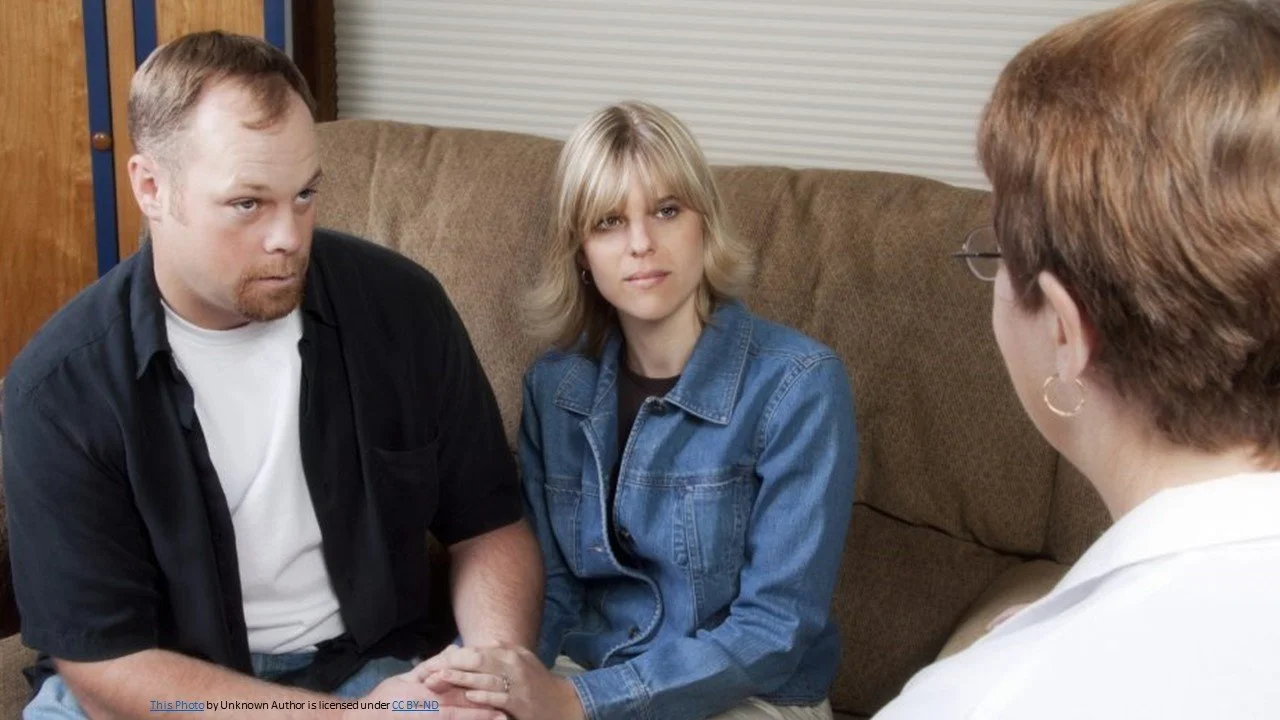
Men might benefit greatly from a government strategy aimed at improving their health. Here are suggestions from the Centre for Male Psychology on how that might be done. This article ends with some comments on potential pitfalls in the process of putting this strategy in place.
hyper-masculine gender norms are typically embedded within military institutions, and while adherence to these norms can contribute to combat and military success, they conversely make clinical work challenging

hyper-masculine gender norms are typically embedded within military institutions, and while adherence to these norms can contribute to combat and military success, they conversely make clinical work challenging
hyper-masculine gender norms are typically embedded within military institutions, and while adherence to these norms can contribute to combat and military success, they conversely make clinical work challenging
hyper-masculine gender norms are typically embedded within military institutions, and while adherence to these norms can contribute to combat and military success, they conversely make clinical work challenging

hyper-masculine gender norms are typically embedded within military institutions, and while adherence to these norms can contribute to combat and military success, they conversely make clinical work challenging


Want to write for
the magazine?
Find out more here
Around the world
people are more aware of the fact men can be victims of this type of violence, but this often isn’t translated into policy, practice or indeed provision of resources

people are more aware of the fact men can be victims of this type of violence, but this often isn’t translated into policy, practice or indeed provision of resources












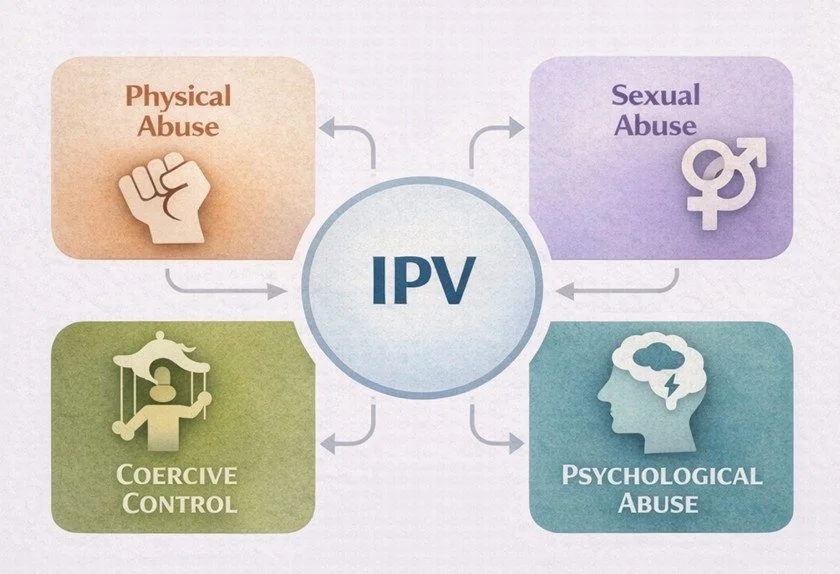
La violencia de pareja es un constructo multidimensional en el que se suelen distinguir la violencia física, la psicológica, la sexual y las conductas coercitivas y de control. En este artículo voy a abordar un tipo de violencia de pareja que no ha sido tan estudiada aunque -por su frecuencia y consecuencias- lo merece.
o Brasil é plural... Há quem ainda veja a masculinidade como um arquétipo de Tarzan que precisa ser resgatado. Há os MGTOWs (Men Going Their Own Way, Homens que seguem seu próprio caminho) e ADHs. Mas essas pessoas não são as que estão no poder (pelo menos, não ficam por muito tempo). Muitas pessoas (especialmente mulheres) criticam a masculinidade tradicional, mas a reforçam
All articles and interviews
…people – men and women alike – respond less positively to male-favouring sex differences than they do to female-favouring sex differences.
hyper-masculine gender norms are typically embedded within military institutions, and while adherence to these norms can contribute to combat and military success, they conversely make clinical work challenging
Men might benefit greatly from a government strategy aimed at improving their health. Here are suggestions from the Centre for Male Psychology on how that might be done. This article ends with some comments on potential pitfalls in the process of putting this strategy in place.
…people – men and women alike – respond less positively to male-favouring sex differences than they do to female-favouring sex differences.
… many papers do not even bother to identify or justify the nationality of their samples…
people are more aware of the fact men can be victims of this type of violence, but this often isn’t translated into policy, practice or indeed provision of resources
hyper-masculine gender norms are typically embedded within military institutions, and while adherence to these norms can contribute to combat and military success, they conversely make clinical work challenging
© Copyright 2021 The Centre for Male Psychology
Please not that our articles are for information purposes only and are not a substitute for therapy, legal advice, or other professional opinion. Never disregard such advice because of an article or anything else you have read from The Centre for Male Psychology. The views expressed here do not necessarily reflect those of, or are endorsed by, The Centre for Male Psychology, and we cannot be held responsible for these views. See our full disclaimer here.