

Why Men’s Depression Can Be Easy to Miss

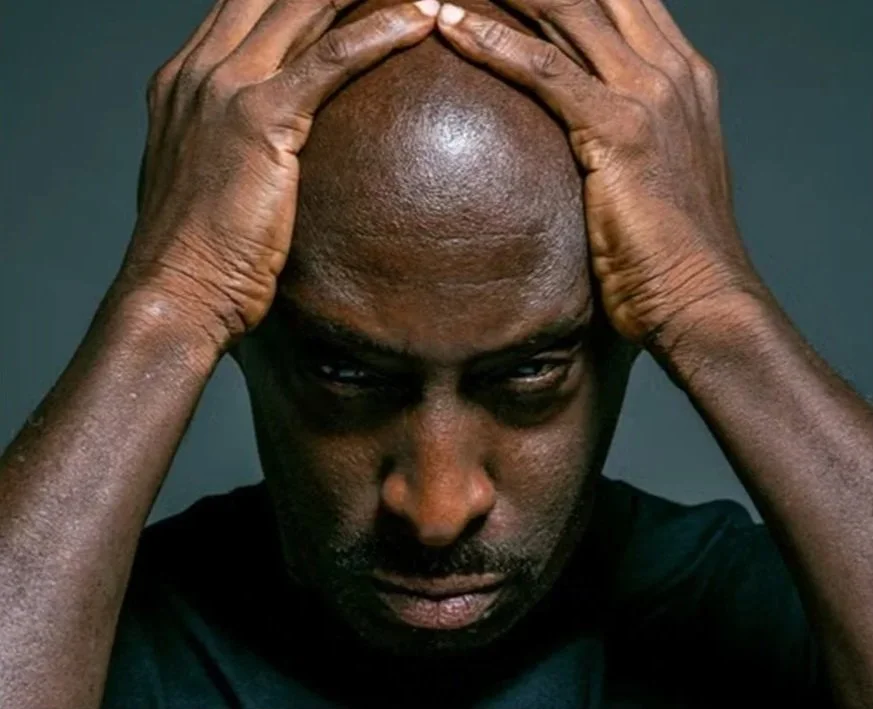
Image: Photo by Ketut Subiyanto/Pexels
Depression does not always look like visible sadness. Cross-cultural research suggests that some men may show distress through anger, withdrawal, risk-taking or substance use, creating challenges for families and clinicians.
The Centre for Male Psychology recently highlighted cross-cultural research on externalising depression in men. The discussion matters because public awareness often focuses on sadness, tearfulness and verbal expressions of hopelessness. Some men may instead become irritable, socially withdrawn, reckless or more dependent on alcohol and other substances. These behaviours can hide the underlying distress. These changes are reasons to seek assessment, not proof of depression on their own.
The World Health Organization describes depression as involving persistent depressed mood or loss of interest, often with changes in sleep, energy, concentration and self-worth. Its effects on daily functioning matter. Irritability can be part of the picture, but symptoms need to be considered together and in context.
Even though there are common themes in masculinity across cultures, specific expectations around work, family responsibility, emotional control and help-seeking differ across countries and communities. That means screening and therapy models developed in one context may not capture every form of male distress elsewhere.
“Public awareness often focuses on sadness, tearfulness and verbal expressions of hopelessness. Some men may instead become irritable, socially withdrawn, reckless or more dependent on alcohol and other substances.”
Irritability or aggression should not be treated as harmless simply because someone is struggling. Harmful behaviour still needs boundaries and accountability. At the same time, clinicians and families can ask whether a sudden change in anger, sleep, drinking or risk-taking may reflect a deeper mental-health problem.
For some men, employment is strongly tied to self-worth and family role. Job loss, debt or inability to provide can therefore create psychological stress beyond the financial problem itself. Support services should recognise these pressures without reducing male wellbeing to income alone.
A South African account of depression and recovery
In a November 2014 report by Lindsay Ord for IOL, Daryl Brown was described as a 27-year-old master's student from Cape Town. Brown traced his depression to being bullied during his adolescence. He described keeping his emotions private, feeling that he did not belong, and later becoming hopeless and feeling worthless. Changes of job, hobbies and a move to London did not resolve his distress. After a suicide attempt in London, a psychiatrist diagnosed depression during his hospital stay. Rehabilitation in Britain and South Africa included medication and cognitive behavioural therapy, alongside support from family and friends. At the time of the report, Brown described working, taking part in sport and managing his depression. His account described an ongoing process of recovery rather than a simple cure. This is a summary of an existing public account, not a new interview or a claim about Brown's present health.
One account cannot represent all African men or establish how often particular symptoms occur. It does, however, make the discussion less abstract: distress can remain private, efforts to cope alone can fail, and professional treatment and personal support can both matter.
Making recognition and support more practical
Some men respond better to support framed around solving problems, improving sleep, managing stress or restoring relationships than to broad messages telling them to 'open up'. Services can meet people where they are while still creating space for emotional discussion.
Men who would never contact a psychologist may still visit a doctor for pain, fatigue, sleep problems or sexual-health concerns. Primary-care professionals can use those contacts to ask brief questions about mood, stress and substance use when appropriate.
A man may not describe himself as depressed, but people close to him may notice that he has stopped seeing friends, become unusually reckless or lost interest in activities. Specific observations are often easier to discuss than labels.
Much of the evidence on externalising depression comes from Western populations. More research is needed on how South African and other African men describe distress across different languages and communities.
Male-sensitive practice should not assume every man avoids emotion or prefers the same style of therapy. The point is flexibility. Clinicians can offer structured, goal-focused approaches where useful while remaining open to each person’s preferences and circumstances.
“Alcohol or drug misuse may become the most visible issue, while grief, depression, trauma or relationship breakdown sits underneath it.”
Standard questionnaires are useful, but clinicians should not treat a low score as proof that serious distress is absent when behaviour has changed dramatically. Clinical judgement, history and collateral information can add context where appropriate.
Alcohol or drug misuse may become the most visible issue, while grief, depression, trauma or relationship breakdown sits underneath it. Integrated services can address both the substance problem and the psychological distress rather than treating them as unrelated.
Some people find it easier to talk while walking, working on a practical task or participating in a peer group than in a formal face-to-face setting. Services can experiment with formats while still maintaining clinical standards and confidentiality.
Parenting stress, separation, custody conflict or fear of failing children can contribute to distress. Support that recognises fatherhood as an important identity may improve engagement. This should be approached without assuming every family situation is the same.
“Managers are not therapists, but they may notice absenteeism, declining performance or unusual conflict.“
Public campaigns can make their messages more useful by telling people where to go, what an appointment is like and what signs require urgent help. Practical routes into care help turn awareness into treatment.
Managers are not therapists, but they may notice absenteeism, declining performance or unusual conflict. Clear employee-assistance routes can help staff seek support without turning the workplace into a diagnostic setting. Confidentiality remains essential.
Peer communities organised around fatherhood, sport, recovery or practical interests can give men social connection before distress becomes acute. These groups are not substitutes for clinical care, but they can make help-seeking feel more normal.
Male mental-health work should not portray men only as problems to be fixed. Strengths such as responsibility, loyalty, problem-solving and community contribution can become entry points for therapy and prevention. That strengths-based approach may improve engagement.
Campaigns that describe only sadness may miss men who identify more with exhaustion, anger, numbness or loss of purpose. Using a wider vocabulary can help people recognise distress without forcing them into one stereotype.
“Men can experience sadness, fear and emotional pain directly. The practical lesson is simply that depression may also appear through behaviour, relationships and coping patterns that deserve closer attention.”
Changes in work performance, sleep, relationships and everyday routines can reveal distress even when a person does not use mental-health language. Questions about functioning may therefore open useful conversations.
No single model explains every man. Some will want talk therapy, others structured problem-solving, medication, peer support or a combination. Good care starts with the person rather than a stereotype about masculinity.
Effective treatments include psychological therapies and, when appropriate, medication. A healthcare professional can help assess symptoms and discuss suitable options. Anyone who may be in immediate danger of harming themselves should contact emergency services or a crisis line (see below).
Externalising symptoms should expand the way we think about depression, not replace one narrow image with another. Men can experience sadness, fear and emotional pain directly. The practical lesson is simply that depression may also appear through behaviour, relationships and coping patterns that deserve closer attention. An information campaign by the Centre for Male Psychology shows how you can learn to recognise male depression, and what you can do to help. Recognising a wider range of depressive symptoms does not pathologise ordinary male behaviour. It simply gives families and clinicians more chances to notice when a persistent change may signal that someone needs support.
If you, or someone you know, is experiencing a mental health crisis, please contact a trusted family member or friend, or contact your doctor or health service (e.g. in the UK, phone 111). You can find here the contact details for helplines in most countries in the world, including South Africa.
You can find out more about the cross-cultural approach to masculinity in Module 2 of the Centre for Male Psychology’s online course.
Scroll down to the comments section to join the conversation.
Disclaimer: This article is for information purposes only and is not a substitute for therapy, legal advice, or other professional opinion. Never disregard such advice because of this article or anything else you have read from the Centre for Male Psychology. The views expressed here do not necessarily reflect those of, or are endorsed by, The Centre for Male Psychology, and we cannot be held responsible for these views. Read our full disclaimer here.
Like our articles?
Click here to subscribe to our FREE newsletter and be first
to hear about news, events, and publications.






















Have you got something to say?
Check out our submissions page to find out how to write for us.














.