

1 in 12 men and 1 in 200 women are colour blind, but colour blindness can impact anybody at any time
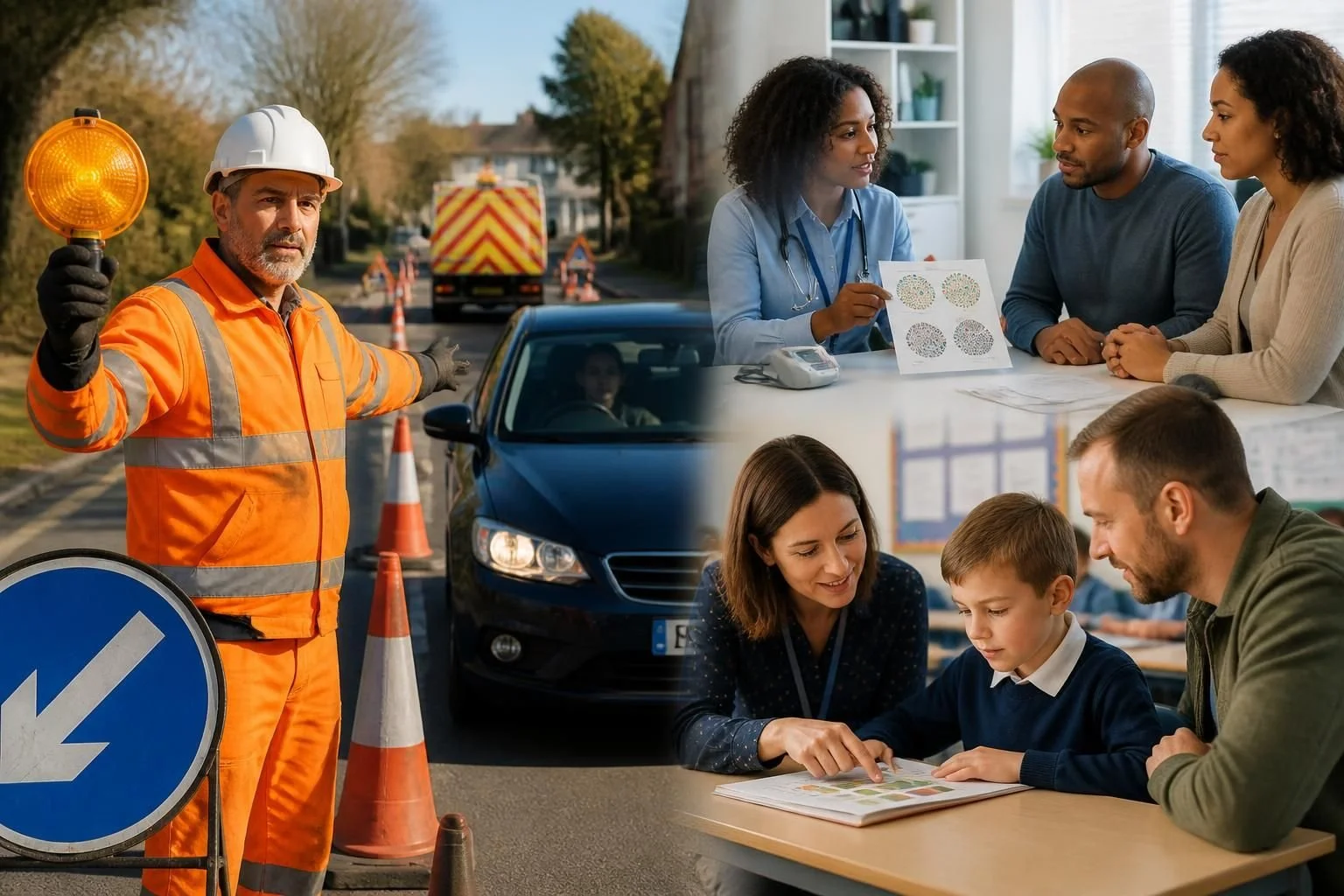
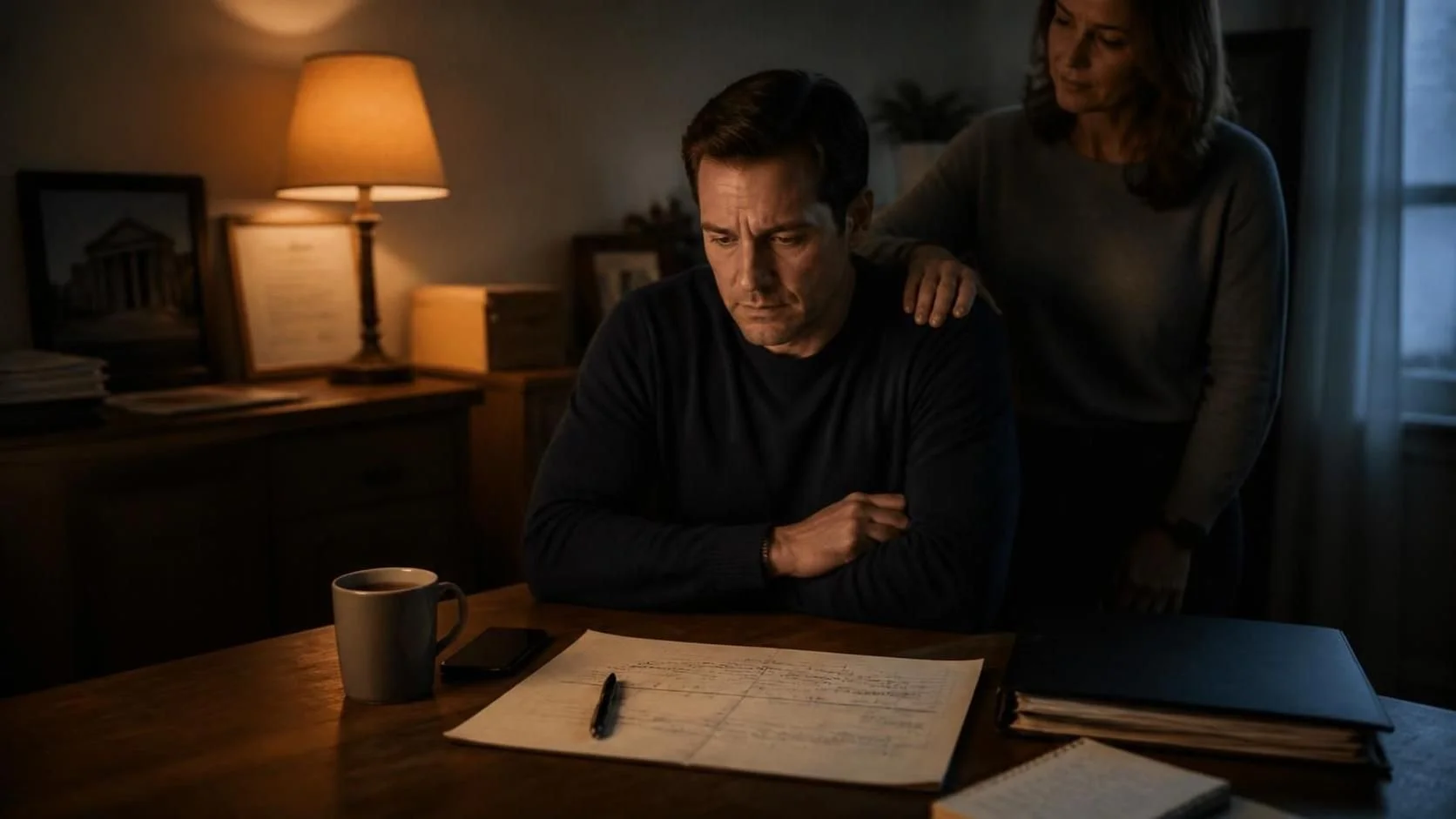
Image: Colour blindness impacts everyone. Created using AI image generation (ChatGPT) from concept by John Barry.
I’ve been fascinated by colour blindness almost all of my life, having been identified as colour blind at the age of 4. Like many other people with this condition, it’s been a persistent obstacle in my work and career, not least because coloured charts and colour coding are so common in academia and elsewhere.
September 6th is Colour Blindness Awareness Day. Around 300 million people worldwide are colour blind. Colour blindness has some surprisingly serious implications (e.g. accident prevention, early diagnosis of cancers) and once you know the risks, it’s surprising how few people take the issue seriously. For example, when I ran conferences on male psychology at UCL for several years, I would always ask people to take colour blindness into account when creating their PowerPoint slides, but many people didn’t seem to notice, even though I had given them a link to tips on how to make their graphs, charts and text clearer. So I was really pleased when Colour Blind Awareness campaigner, Marie Difolco, wrote a book on the topic, and was very grateful that she too the time for this interview.
John Barry: Marie, how did you get interested in this field?
Marie Difolco: I got interested because I'm the parent of a severely colour blind child. I say child, he's just turned 18, he's an adult now. So it all started with my son, Marcus. And, he was 7, really, when I, diagnosed him myself. So he came running in from the conservatory where he'd been sat colouring in, and he held up an orange felt-tip pen and a lime green felt-tip pen. And he said to me, Mummy, is this orange [holding up the lime pen] or is this orange [holding up the orange pen]? And I was absolutely horrified, to be honest, because To me, they are, and to most people with normal colour vision, they are very highly contrasting colours, like I know blue and yellow are to colour blind people. and so for him to actually ask which was which, I knew there was a problem, I knew he must be colour blind.
“My own son was colour blind, and It was a huge concern that he hadn't been screened, and then a worry about how it would impact his life going forward.”
What was most upsetting is he'd already had eye tests, so at the age of 5, he had had the NHS eye test, I think, that is offered to all children of reception age, school age. And he'd come out of that test, actually, with a slip of paper, which I thought was a bit odd at the time, because he was a very articulate child, he was very bright, he didn't, seem to have any special educational needs (SENs), he was an early talker, early reader. And I knew he wasn't having any problems with words on the page. But I did what any dutiful parent would do, and I took him to another optician for another test. And that optician tested him again for what I was told was all common eye problems. And he actually said to me that, Marcus is still young he's only just turned 5, and he was probably messing about in the school test. you don't have to worry, he's got 20-20 vision, absolutely fine, on you go. And it was another year, actually, he was 7 years old before he came running into the kitchen with the two felt-tip pens and asked me if this is orange or is this orange. So that's where the problem started. So at that point, he had been seen by two opticians, one at school, and one independent optician, who hadn't actually screened him for colour blindness. Now, it's different in Scotland to in England, but in England, I believe opticians don't have to screen for colour blindness unless you specifically ask. Some do, some don't, but it's very ad hoc, so if you take a child under the age of 16 to an optician and you assume they're going to be tested for all common eye problems, colour blindness may not be one of them. Now, as somebody with a family with no history of colour blindness, I didn't know to ask for this, I didn't. No, it had been removed from the NHS screening that schools do. And that's really how he fell through the net. But I know nothing's changed in a decade, and children are still falling through the net like that. And that worries me a lot. So yes, that's how I got started in the field - my own son was colour blind, and It was a huge concern that he hadn't been screened, and then a worry about how it would impact his life going forward.
John Barry: And how might it impact his life going forward?
Marie Difolco: Way back then, in the beginning, I didn't understand how it would impact his life, and I looked for literature and lots of books on colour blindness. I wanted to educate myself quickly, but I couldn't actually find anything at all about the impact. There were a lot of books about the biology of the eye, how color vision works. And I was like, well, that's great, I need the headline explanation of that, but what I really want to know as a parent, and I'm sure as teachers will want to know. How is this going to impact his life? How is it going to impact him in the classroom? How is it going to, impact him when he plays sport, because he was a sporty kid? What about his confidence? What about exams? What about safety? Life in general. And there really wasn't much information out there at all, which is why I found myself starting to gather information and ultimately writing a book.
“When we found out my son was colour blind at the age of 7, His head teacher was very supportive. She didn't know anything about colour blindness, neither did his class teacher. We looked back at all of his work, and we saw some things that had obviously been a problem to him, color by number maths tasks. That explained why his confidence had been waning in maths.”
The first practical support that I found was really the website called colourblindawareness.org set up by an amazing lady, Kathryn Albany-Ward, who had actually found herself in a very similar situation to me a couple of years previously. So she had a colour blind son and again found that there was very little information out there about the impact it would have on his life or his education. And she was quite horrified, really, that schools didn't understand his condition, teachers weren't trained to spot the signs or to support him. And that children weren't screened because it's hugely prevalent. It affects 1 in 12 boys and 1 in 200 girls. And if you look at that statistically, that boils down to one child in every co-ed class of 30. And that's a huge statistic, to think a teacher will have a colour blind child in every classroom. But when I started to ask teachers have you ever taught a colour blind child, most of them just look at you and say, well, no, or I can't recall. And it wasn't that they hadn't taught a colour blind child, it's just that child hadn't been identified. And actually, when we found out my son was colour blind at the age of 7, His head teacher was very supportive. She didn't know anything about colour blindness, neither did his class teacher. We looked back at all of his work, and we saw some things that had obviously been a problem to him, color by number maths tasks. That explained why his confidence had been waning in maths. Because he was good at maths, but add a color element to it, and ask him to do something like color the balloon with the highest number blue. He was obviously getting very confused.
“it was a school of about 130 children, just a village school, co-ed. And, when Marcus was first diagnosed, [the head teacher] said there was only him in the school. A couple of months later, she'd screened the whole school and she found 9 more boys”
So you can see very quickly, if you don't identify colour blindness in a child, how it can knock their confidence in certain subjects, perhaps put them off certain things, like Geography, or sport, or something like that. So, yeah, I got interested purely because of my son, and I quickly understood that there was a lot of systemic problems. Because children weren't being identified at schools. And his school went on to. Actually screen the whole school, because the head was very interested in, the statistics. And it was a school of about 130 children, just a village school, co-ed. And, when Marcus was first diagnosed, she said there was only him in the school. A couple of months later, she'd screened the whole school and she found 9 more boys they never knew about. that was quite shocking to her as a head teacher who'd been in the profession for about 30 years. It was shocking to all of the class teachers, and a bit of a revelation, actually, because once I'd spoken to some of those class teachers afterwards, they said, oh wow it really explained, About that child's behaviour and I now understand much more about that child. I knew there was something not connecting there. Now I know what it is. And it can be those simple things, I think, so. a real-life example of what had happened to Marcus. His teacher said to me. I always wondered why he was messing about at the back of the classroom. And it turns out that in his primary education, they had tables. that were labelled the green table, the blue table, the orange table. And they had water bottles, and he had his name, Marcus, on his water bottle, and each morning the water bottles would be put out at the back of the class in trays that corresponded to the color of the table. So he would ask to go and get a drink, but of course he couldn't find which tray his water bottle was in, and the teacher quickly said, oh yes he'd always be messing about when he was trying to look for his water bottle. And I think this is the thing that concerned me the most, that children who are colour blind can quickly get mislabeled or casually diagnosed with other problems. And really, it's because the task that you've given them is not accessible to them, rather than anything to do with a behavioural issue. So yes, that's how I got into this field. I wanted to understand my child as a parent. I wanted to understand my child and I wanted to do everything I could to support him and help him through his education, to navigate his education. But I found myself quickly . I'm helping his teachers to understand as well because I quickly understood there was lots of systemic failures, systemic problems, and that is because teachers aren't trained. There's no part of a PGCE talks about colour blindness. I don't think it's even mentioned in a SEND seminar. So not only are teachers not trained, SENDCOs aren't trained either. because it affects so many children, this was something that really shocked me. So I think it was just a want at first to help my child, but I realised there was a huge problem, that, there were other colour blind children that needed support too. So, it snowballed, really, just wanting to , Make the situation better for my son and for other children like him.
John Barry: So I'm encouraged that it's snowballed. How much has it snowballed beyond your school?
Marie Difolco: So, I set out about five years ago to write a book and I think really, it was about writing down my own experience. So, the book is very, practical, and it explains, in simplistic terms, what colour blindness is and why it matters. That was very important to me, because as a parent, when I first started picking up books, reading about colour blindness, it's actually quite a complex topic. The eye is a complex mechanism, and I really wanted, as a parent, to understand in simple terms what colour blindness is, what causes it, and how I can help. And because that information wasn't readily available, I started to make notes and started to write things down. Other parents whose children were diagnosed started to ask me what I had done or what would help. And again, it was the snowball effect. The book came about because it was the book I really, really wanted to read when Marcus was first diagnosed, but it didn't exist. So I wanted to put something out there that would help. other parents that were in my situation. And really, it was a bit like Rabbit in the Headlights, because When he was eventually diagnosed properly. So I self-diagnosed him when he ran in with the pens. I then took him to my own optician to say, I think Marcus is colour blind, can you do a test to screen him? The optician did a test, the Ishihara test. And he said, oh yeah, yeah he's, he's col is fine. It's like a mild green colour blindness. He used this big word, deuteranomalous, side of, colour blindness. And I just looked at him, I thought, that's a big scientific word, I don't know what he's talking about. And I said, well, have you got a leaflet I can take to the school? Oh, no, we don' Okay, well, can you write a letter? So I've got something to take to school. And that seemed quite inconvenient to him. It was like, well made me feel like a fussy mother. And, that was far from it. I just wanted some simple information, some bullet points, a sheet of paper I could absorb, and something I could take to the school. Unfortunately, opticians still don't do that. I'm not aware of any optician, when a child is diagnosed, that will hand a parent A simple leaflet, an explanation, so I think that , needs to be addressed. I think with any other. medical problem or visual problem, or. Anything you might go to the doctors with you can go into a doctor's surgery and there's a leaflet for breast cancers and, all sorts of things, diabetes. But that there's nothing that exists as to tell a parent. That this is what your child has been diagnosed with, and these are the things that you may find to be a problem, or your child may find to be a problem, and this is the help and support that's available. A decade later, there still isn't anything out there like that. I'd very much like. to work with some opticians to see something like that happening, because I think it's so important that when your child is diagnosed with anything, that you feel supported as a parent. And I very much didn't feel supported as a parent. I felt I was just lost in a system that didn't know what to do with me or my son. There were many, many times that I felt, that I was being a parent who was making a fuss. So many people told me that, he'll be fine, he mixes up his colours, he'll be fine. But I somehow instinctively knew there was so much more to it than that, and that's why I set about writing a book. and researching this as much as I can, because I think, Knowledge helps. And, I don't ever see this as something that, Is finished so I wrote a book and I think I was very careful in the book to say that. this is not prescriptive. I very much want to keep the conversation going, to invite other people who are interested in this subject, be they academics, be they other parents. To contribute because I have certainly. built on my own knowledge in the past decade, and I'm still building on that knowledge. I'm still finding things out about this subject and about my son and my son is of an age now where he. is speaking up more, and he's grown up with this, and he's grown up with my research, and he's now ready to contribute himself, which is amazing, because even very recently, I've found out some really interesting things about how he coped in school, and how he's coped through exams and things like that. That's really how the book, Came about and, I believe that's why it matters, it matters that we. Have an understanding of early years and. how children travel through school. Primary education is different to secondary education. The impact of sport is different to the classroom. Impact and, Obviously, there's an impact on safety as well, which is something I try to address in the book. And yes, it's been. Very well received, I was quite overwhelmed really by how it was received at first. And really well received by other parents, which validated the work that I'd done, really, because I did write it for other parents and for teachers. And so the feedback has been phenomenal from educators, from other parents. But really, from colour blind people themselves, especially colour blind adults, My boss at work is colour blind, and he's told me lots of anecdotes and stories, some of which are in the book, about his own experience of education, and how lots of things make sense to him now he's an adult that didn't make sense to him then. And how it was trivialized back then, and So he's quite passionate about, helping as well. So it's good when adults who are colour blind read the book and, understand that they're not alone, and there are other people who've had similar experiences to them.
“with things like dyslexia now, there is a bit more of a pathway and a bit more of awareness amongst the general education population. […] But for colour blindness […] there isn't anything to say, ‘this child is colour blind, he's age 5, we've diagnosed him early, and this is the steps that we'll follow throughout his education’.”
John Barry: Yeah, it's a brilliant book. And I must say that if anyone is interested in colour blindness and wants some practical guidance on how to minimize the problems, your book is absolutely excellent. I would recommend it. Has it been adopted in many schools? Is it part of the curriculum for education in any way?
Marie Difolco: It, it certainly isn't, and I think this is part of the problem, obviously Teachers aren't trained through no fault of their own. Children aren't screened. The book seems to be a revelation when teachers read it. But it's certainly not, part of any teacher training or anything like that there. Unfortunately, I know there are still many, many SENDs out there, and I'm very, very aware as a parent of a child that has SEND, that the pathways through education and navigating education are very difficult. But I think with things like dyslexia now, there is a bit more of a pathway and a bit more of awareness amongst the general education population. There are slightly better pathways. I'm not going to say they're excellent, but for neurodiverse children and things, there's certainly a lot more. Awareness of educators. But for colour blindness, that actually can coexist with many other SENDs, so it will coexist with dyslexia. It will coexist with neurodiverse conditions. But teachers and educators aren't aware of it, and I think this is one of the problems.
Navigating the system without a pathway is, is very, very difficult, so. There isn't anything to say, ‘this child is colour blind, he's age 5, we've diagnosed him early, and this is the steps that we'll follow throughout his education’. That still doesn't exist, and I'm very keen to work with people to establish that pathway, because I think it's not just about helping the colour blind child, it's also about helping the teacher too. Teachers need those steps to follow, and I don't think it's fair on educators just to throw things at them and say you have to support these children with this problem, and these children with this problem. They need help and support to navigate, things like colour blindness too. And I think you mentioned in Scotland things are different.
“Screening for colour blindness in schools was actually removed from the Healthy Child Screening Program, around 2009.”
So are teachers more aware? Do schools have a screening program? I don't think the schools have a screening program, no, but I do know in terms of, optician screening in Scotland. If a child presents under the age of 16 in Scotland, I believe, opticians are duty-bound to, make colour blind screening part of those, eye tests in England, that's how my own son fell through the net. Opticians in England Don't, I believe, have to screen unless they're asked, and so some do and some don't, but I think it's really important that. all opticians do, and that's something I'd like to see systemically change as well, especially as screeningfor colour blindness in schools was actually removed from the Healthy Child Screening Program, around 2009. So parents who believe that their child that has a standard eye test age 5 when they have the NHS eye tests, I think parents still believe that colour blindness might be part of those eye tests, but it isn't, but the opticians aren't picking that up, so it's been removed from. The school screening program, but it hasn't been picked up by opticians.
John Barry: That's quite incredible. It used to be, up until 2009, just a mandatory part of a school screening, but it was then removed. Why was it removed? Is it too expensive to screen children?
Marie Difolco: I have no idea, really, ultimately, why it was removed. It was removed, based on a report that relied on faulty and outdated evidence, and actually, There is evidence to suggest they knew it was faulty and outdated at the time, but, I've never actually got to the bottom of ultimately why it was removed, because it's a very simple test. It takes an extra 30 seconds to screen a child for colour blindness. So whether it was about funding or something like that, I don't know, but it really is a simple test.
John Barry: Is it an expensive 30 seconds?
Marie Difolco: It's certainly not. The Ishihara test is the main test for screening for colour blindness. I certainly remember it at school, you might remember it at school, and people of a certain age will remember it's a book where there's a circle with coloured dots. And if you can read the number, you're not colour blind. If you can't read the number, you are colour blind. So, it doesn't diagnose type and severity very well, because there are different types and severities of colour blindness. It's not a , one-size-fits-all condition. But the Ishihara test will be able to tell parents whether their child is colour blind or not.
“Screening for colour blindness was removed because it was thought that colour blindness didn't have a huge impact on educational attainment. But it very, very much does. Back in the 60s or 70s the classroom wasn't so colourful. […] The teacher wrote with white chalk on a blackboard. There wasn't so much colour in schools - but that has massively changed.”
I've campaigned for many years to bring that screening back to schools. There's a lot of talk, I think, across government and throughout the Department for Education and amongst educators as to how it's so important to screen children early, to identify any type of special educational need early, and it's one of the really simple things to diagnose very early. But the screening for colour blindness was removed because it was thought that colour blindness didn't have a huge impact on educational attainment. But it very, very much does. Back in the 60s or 70s the classroom wasn't so colourful. The desks were brown, they lifted up, we kept our pens and paper inside of them, the teacher wrote with white chalk on a blackboard. There wasn't so much colour in schools - but that has massively changed. So when my child started school, his primary classroom was all about colour.
“I would never advocate to strip color from the curriculum. But it has to be used alongside other indicators, […] for example, if the teacher is underlining a noun in red and a verb in green […] a really simple adaptation would be to use a wiggly line under the noun and a straight line under the verb”.
Colour is used a lot to differentiate, to warn, to teach, to instruct, and I can see how it's an extremely useful tool for those of us who see color in a normal way, so I would never advocate to strip color from the curriculum. But it has to be used alongside other indicators, such as patterns, or hatching, or numbering, or something like that, because a colour blind child will not use colour to navigate their way through life. So if you're, for example, underlining a noun in red and a verb in green, that child is going to miss that point. So it could be something very simple, a really simple adaptation would be to use a wiggly line under the noun and a straight line under the verb, because the colour blind child is looking for another way to identify what you're telling them. But if the teacher isn't taught to teach in that way, to make color accessible, there are going to be little bits of education, little bits of information throughout a child's time at school, in every lesson, in every classroom, including sport, that they'll just miss. Micro bits of information, but that all adds up. And that comes at a cost of bashing a child's self-esteem, and making them less confident in certain subjects. Putting them off certain subjects. So I think it's very important that teachers are trained and children are. Screened at an early age. I also think because, colour blindness is just as likely to sit with any other SEND. It will coexist with any other SEND or medical condition. if it's not identified early, it's actually compounding the issues of those other problems.
The teacher said: “‘Oh yes, he was messing about at the back of the class’. But in fact he couldn't find his water bottle because it was in a coloured tray. I think we're all quick to judge sometimes, and to label, and say ‘he’s naughty, he's distracted’”.
So if a child is colour blind and dyslexic, for example, what interventions are you using for that dyslexia? And are they then a problem for the type of colour blindness that the child has? But again, looking back at what happened to my son when he was very young in his primary classroom, his teacher had already started to say, ‘Oh yes, he was messing about at the back of the class’. But in fact he couldn't find his water bottle because it was in a coloured tray. I think we're all quick to judge sometimes, and to label, and say ‘he’s naughty, he's distracted’, and so I think it's so important to be able to Identify something simple like colour blindness, it's a very simple thing to identify, so that if the child then seemingly has other issues, other problems. the teacher will at least know, well, okay, we know he's colour blind, now what else are we dealing with? Rather than confusing the two issues, and then not being able to offer the right interventions.
John Barry: And this is quite an important area. A lot of people are concerned about boys having fallen behind girls in education for the last 3 or 4 decades. We can't say that's all due to colour blindness, but the complaint that ‘boys are naughty’ and ‘boys are distractible’. But I wonder how much of a part of that overall problem colour blindness might be.
“They're going to be distracted and wanting to move on to the next task. I think the way that we use color per se across education obviously places boys more than girls at a disadvantage, because boys are 16 times more likely to be, colour blind […] we're putting them in a position of indirect sex discrimination”
Marie Difolco: I think so. I think, unfortunately, there doesn't seem to be any statistics or data on this, and I don't think colour blindness is added to any statistics on SEND. So when I look at SEND statistics, how many children, what percentage of boys or girls have SEND, right now in our education system there's around 450,000 children with colour blindness, most of whom aren't identified. The majority of whom are boys. So if you're looking at statistics on attainment, for example, in maths, if you haven't accounted for the number of boys being colour blind, those statistics don't make sense. That’s because they miss the fact that at a very early age you'll have boys sitting in a classroom, trying to work with coloured resources, which are used very much in early maths, and they'll be very alienated by the task. They're going to be distracted and wanting to move on to the next task. I think the way that we use color per se across education obviously places boys more than girls at a disadvantage, because boys are 16 times more likely to be colour blind than girls.
“He would for example, be looking at that whiteboard where the teacher might be underlining verbs in red and nouns in green or whatever. And he'd be so fixated on trying to understand what she meant because it wasn't accessible to him that she's then moved on to the next question. And in fact, then, he's not followed onto the next question, because he's still trying to work out what on earth that was all about. So you can see naturally how a child would come across as distracted, disengaged, not interested, or in fact messing about if they just think ‘this is not for me’.”
So in lots of ways, we're putting them in a position of indirect sex discrimination constantly by the way colour is used across the curriculum. And I think of my son when he sits in a classroom. He would for example, be looking at that whiteboard where the teacher might be underlining verbs in red and nouns in green or whatever. And he'd be so fixated on trying to understand what she meant because it wasn't accessible to him that she's then moved on to the next question. And in fact, then, he's not followed onto the next question, because he's still trying to work out what on earth that was all about. So you can see naturally how a child would come across as distracted, disengaged, not interested, or in fact messing about if they just think ‘this is not for me’. So I think, yes, it's very important to screen early so that mislabeling doesn't happen and. Really that the boys can reach their full potential and obviously colour blind girls.
John Barry: It sounds like it’s to everybody's benefit to reintroduce colour blindness screening in schools. You would really wonder what was the motivation to withdraw it? If the report was based on evidence from the 1960s, when it was white chalk on blackboards, well that’s just not comparable to today’s classrooms with colourful digital screens.
Marie Difolco: Yes. It probably wasn't so much of a problem in the 50s and 60s when there wasn't as much color in education. I'm sure it did still have an impact, but certainly not as much as it does today in our digital environment, and it really is a huge concern of mine that we're moving towards having digital exams. Both of my kids use Chromebooks at school and iPads and that type of thing. And those online resources are very difficult to navigate. Also, people expect when you're using something online that there's a button you can press to help you, and that's not always the case with something like colour blindness, so I'm very aware that there are lots of apps and gadgets and out-of-the-box solutions for, making things accessible. But unfortunately, with colour blindness, it's not so easy. There are filters where you can change the colours on your screen and that type of thing, but it's not actually addressing that core accessibility that needs to be built into anything. And I think it's very important that educators understand the needs of colour blind people if we're moving towards a digital exam environment.
John Barry: Absolutely. The government in 2009 dropped the ball on this issue. Is the solution to this going to happen at a grassroots level or is it a government level?
“colour blindness does not just impact people who are colour blind. For example, if you are wearing a high-vis orange jacket when cycling, be aware that 8% of male drivers might not see that orange against a green background. So your high-vis jacket is not keeping you safe, because colour blindness has not been taken into account when designing them.”
Marie Difolco: the Department of Education have a responsibility to help educators seek out SEND at an early age, they've already said this. But I don't see how they can fulfill that promise and say that's important without actually bringing screening back to children very early in school. It's crucial that teachers find out as early as possible if they have colour blind children in their classroom so they can adapt. I think a lot of the strategies and things I talk about in my book are universal strategies that will help all colour blind people. And I think it's very important that anybody in education remembers that there are so many colour blind people. It's not a bit about just focusing one-on-one, on any one colour blind child. It's about making your teaching accessible per se, making your school an accessible, inclusive school. Schools are public buildings. People walk into public buildings every day, there will be colour blind teachers, there will be colour blind parents.
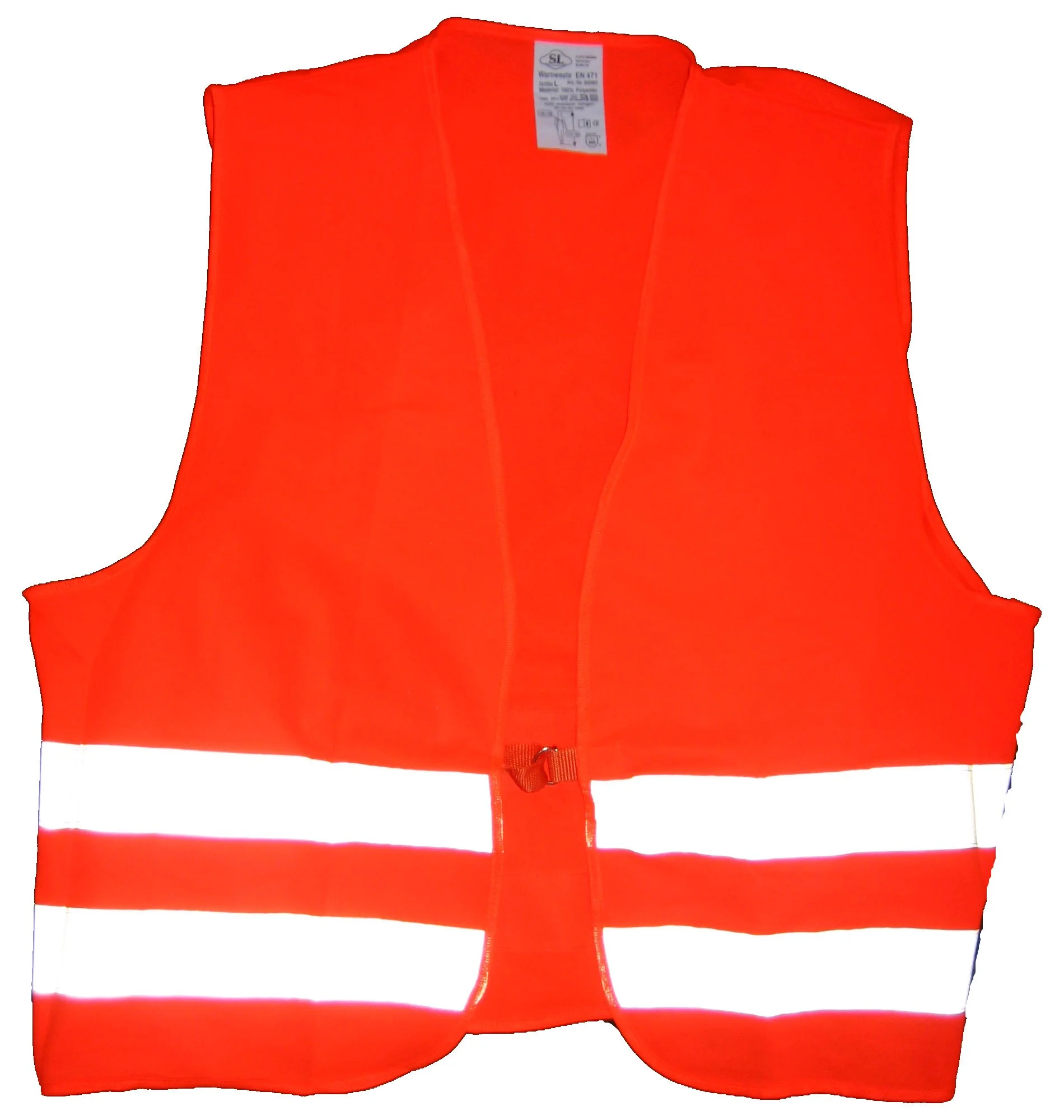
And colour blindness does not just impact people who are colour blind. For example, if you are wearing a high-vis orange jacket when cycling, be aware that 8% of male drivers might not see that orange against a green background. So your high-vis jacket is not keeping you safe, because colour blindness has not been taken into account when designing them.
“Many restaurantkitchens use coloured chopping boards to make sure that they don't cross-contaminate for people with allergies. But if that person using those chopping boards is colour blind,they may pick up the wrong chopping board. So it's a colour blindness issue, but it’s the person sitting in the restaurant who suffers massively if they have an allergy […] Never use colour alone to convey information”.
Color coding is an issue in various places, such as hospitals, libraries, and kitchens, for example. I wrote an article recently for Anaphylaxis UK, and it really highlights why accessible color is important. “Many restaurant kitchens use coloured chopping boards to make sure that they don't cross-contaminate for people with allergies. But if that person using those chopping boards is colour blind, they may pick up the wrong chopping board. So it's a colour blindness issue, but it’s the person sitting in the restaurant who suffers massively if they have an allergy”.
Now, I'm not saying that we should remove anything from anybody that's colour blind. We don't want to stop them from driving. We don't want to stop them from being a chef or anything like that. But we really do need the world to understand that if color is not accessible, it impacts us all. So I think the government certainly has a role to play in promoting accessible color, in ensuring that we are all safe, in ensuring that where color is used. to put across information, or labelling, or anything like that, where it's used to label which drugs which, anything like that. We have to make sure that it is used in an accessible way. I can actually summarize this critical issue in one sentence: Never use colour alone to convey information. Colour is a fantastic tool to use for differentiating or, getting information across, but if you use it on its own, you're alienating a huge percent of the population. So I think worldwide, the statistic is there's something like, around 300 million people worldwide are colour blind.
“a friend of mine went skiing recently, and he's colour blind, and it was the first time he'd ever been skiing, and he couldn't tell the black run – the most difficult route - from the red run – the moderately difficult route. […] Accidents can happen and there's nothing recorded to say the role that color has played”
I think in terms of risk assessments and that of thing, in whichever environment you work, a friend of mine went skiing recently, and he's colour blind, and it was the first time he'd ever been skiing, and he couldn't tell the black run – the most difficult route - from the red run – the moderately difficult route. You can see how, if color isn't used in an accessible way, and people don't understand how color is being used. Accidents can happen and there's nothing recorded to say the role that color has played. Accidents or mishaps or things that have gone wrong when people have had perhaps anaphylactic shocks or people have had an accident on a ski run or an accident on the road, it doesn't ever seem to get recorded as part of a risk assessment, but it very much. Should be understood and looked at from that perspective.
“By all means use color on a graph, on a pie chart, on safety indicators. But use another simple symbol as well, it can be as simple as just using a number alongside a colour”.
So really m work has expanded from focusing on just children and education. Absolutely, that's really important. But my understanding has grown and I now really know that this is not something that's niche. This is not something that just impacts one child in a classroom.This is not about one-on-one support for that child. This is about the world getting to grips with color and how it's used and how it's used online, how it's used in sales, how it's used in health and safety and information. And people understanding that where color is used, think, what am I using it for? Color is not just decorative. It's often used as a tool to convey information, and it's in those situations where you have to stop and think ‘Am I really getting across what I want to say if I'm only using color, or can I add something else’? So, by all means, use color on a graph, on a pie chart, on safety indicators. But use another simple symbol as well, it can be as simple as just using a number alongside a colour, or some pattern, or some hatching, or a letter. Something else that somebody who may not use color in the way the majority of us do can actually find that information out.
John Barry: Those safety issues that you mention remind me of how men are often criticised for not seeking help for medical issues until it's too late. But men are more likely than women to be colour blind and so more likely to miss symptoms that involve colour, like blood in feces. If a man is colour blind, unless he's got somebody there who will notice these things, he could end up with a diagnosis that comes too late. It’s incredible how often masculinity is blamed for men not seeking help – because men supposedly think seeking help makes them look weak - when other explanations are more credible and might be more useful in saving men’s lives.
“There's an argument for saying that colour blindness should be on somebody's medical records. GPs [family doctors] should actually take note: This man is colour blind, therefore he might not see some of those early warning symptoms that the rest of us can see, so is it worth actually doing those routine tests on all men who are colour blind”.
Marie Difolco: I certainly think I think much more research and understanding is needed in that area because some people think colour blindness is simply about just getting colours wrong or just confusing a few colours. But colour blindness is just so much more than that, and the impact is vast. And you're right - if you have a man who is colour blind, he is going to miss things. In fact, I do have a story in my book about a man who, was diagnosed with colorectal cancer. And, what had happened is he had gone to the loo in the middle of the night. He hadn't flushed the loo because he was concerned about waking his wife up. When she woke up the next morning, she went into the bathroom and she saw blood in the bowl. Now, this is just something that he'd missed. So, I think there's an argument for saying that colour blindness should be on somebody's medical records. GPs [family doctors] should actually take note: This man is colour blind, therefore he might not see some of those early warning symptoms that the rest of us can see, so is it worth actually doing those routine tests on all men who are colour blindbecause we know they're going to miss some of those things that other people would perhaps notice. That could be blood in faeces or blood in vomit or urine. A colour blind person would perhaps find it difficult to detect sunburn, changes in colour, skin colour, bruising -
John Barry: Jaundice?
Marie Difolco: Jaundice, yes. And so, colour blind people can miss those things in themselves, but colour blind teachers, colour blind parents could also miss those things in their child. And that's where it's really important that we look at colour blindness not just as a problem, if you like, for people that are colour blind. It's something that we need to be aware of as a society. I think if you pick up men who have those early warning signs and they might not see those, if there are things in place to do routine testing for colour blind people, if things are detected early, then they cost the NHS less going forward. So by not actually screening people, by not actually, putting those support mechanisms in place, we're going to just push those problems elsewhere, or push that expense elsewhere. So I think it's so important that children are screened at a very early age, and this information follows them through their lives, on their medical records and that thing, because it really is so much more than just not being able to tell the difference between red and green.
“In those guidance notes [of the Equality Act 2010] it says that it wouldn't be considered to be a disability if one could merely not tell the difference between red and green. Now, if that is actually an attempt to describe colour blindness, it's actually incorrect, and the government are aware […] but I think it puts people off taking cases of discrimination forward”.
There's still huge myths out there that colour blindness is just something that means you can't tell the difference between red and green. And a lot of people have heard the term red-green colour blindness, so they think, oh, people who are colour blind can just not tell the difference between red and green. And in fact, this is such a myth that, unfortunately. Although colour blindness can actually be classed as a disability, and it falls squarely under what the 2010 Equality Act would describe a disability might be, there's some guidance notes that go with the Equality Act 2010. And in those guidance notes there's just a sentence, and it's a throwaway sentence, really, that even lawyers might miss. But it says that it wouldn't perhaps be considered to be a disability if one could merely not tell the difference between red and green. Now, if that is actually an attempt to describe colour blindness, it's actually incorrect, and the government are aware, I've written to them, Colour Blind Awareness have written to them, the government are aware that this is an error of fact in that guidance, but I think it puts people off taking cases of discrimination forward, because, if a lawyer was to look at that, those guidance notes, they think, well this isn't going to wash this person can't possibly have been discriminated against because colour blindness isn't a disability. But it very much is, and it very much does have an impact on, the whole of a person's life and their quality of life. We've just discussed those health implications. So I think it's important that the government address that. I think that error of fact needs removing. Not just a red and green problem at all.
John Barry: Even for red-green colour blind people, it cuts across a lot more than red and green. It’s browns, gray, pink, yellow too… pretty much all of it. Even blue and purple can get mixed up.
Marie Difolco: So, a colour blind person sees no color in a normal or typical way at all. So, how I would describe a colour blind person's world is it's almost like a sepia photograph. It's very murky. greys and greens and, those , I guess, I would describe them as sludgy colours, camouflage, khaki colours, where only blues and yellows stand out. Now, the reason that blues and yellows stand out, - and this is where the term red-green colour blindness comes from - it's nothing to do with those just being the only colours that can be confused. I try to describe it very simply in my book: we look at an object, light bounces off it, it hits the retina at the back of the eye, and the cone cells make sense of what it's looking at. You have cone cells that react to red, cone cells that react to green, and ones for blue. In a person with colour blindness, the green or the red cells will be faulty or missing. So, when somebody is described as red-green colour blind, it's not because they are the colours or the only colours they struggle to differentiate between. Red-green colour blindness purely means that that person is likely to have a physical problem with the cone cells in their eyes. If somebody has a whole cone cell set missing, for example red cells, they will have a severe type of colour blindness. Or they may just have a few red cells missing, and they will have a less severe type of color blindness. But anybody that's colour blind will see the world in a similar way, on the red-green colour blind spectrum. So there are, rare types of colour blindness, where somebody may be missing their blue cone cells, or somebody may be missing all of the cells, and they actually do see in black and white, but it's very rare. So the most common types of colour blindness are on that red-green spectrum. But it's a spectrum. Some people will be more severely colour blind than others. But strategies and interventions described in my book will help anybody with severe to a mild type of colour blindness.
“People are very careful these days to be politically correct around a lot of disabilities, but it seems that with colour blindness, people can still make a joke of it. And men have to just ‘man up’ and take these microaggressions on the chin, because it's manly to do so”.
It's important that teachers in schools understand that colour blind person is individual, and I think I've really learned this through following my own son through his education. Every child that has a SEND has to be on a pathway where they're individually monitored. And although you can put all of those strategies in place to support them, how is this impacting that particular child, and what do they actually need in terms of exam access. It's going to be different from one colour blind child to another, but unless the impact on their education is recorded. We'll not know what ultimately access arrangements we could perhaps put in place for an exam. And I've looked a lot recently at how a colour blind person processes things cognitively. Because I think teachers just sometimes do think, ‘oh let's just change the colours up and it'll be fine’. What is the impact on a child where you're having to. put an intervention in place, for example, like to annotate a map. So if you've got a great big coloured map and it's not accessible to that colour blind child, if you're adding arrows and adding a color name to it to make that task accessible, there's a knock-on effect of that in terms of a different way of processing that information. And I've started to look at it really in terms of colour blindness is a sensory processing issue. Does it take the child longer to do? Do they need, therefore, extra time to do those tasks? If they are going into an exam where they are, they have just a black and white paper, for example. So, a child who's colour blind has never seen the world in a normal way. They've never had the privilege of normal color vision. So, every day, in every classroom, from lesson to lesson, they are taking in information in a different way and having to cognitively process that differently to a child that doesn't have a problem with their colour vision. Just because the exam might be in black and white, is the mark scheme accessible? Does the person marking the exam understand that child has colour blindness? Are you asking them, for example, to describe a rock formation or are you asking them to describe the effects of oil on water? Now, if the examiner doesn't know that that child has colour blindness. Are they marking them down because they cannot describe it in the way that the examiner is expecting them to describe it, so I think there's so much more research needs to be done. As to the impact it can have on a child's education from an academic point of view, but also from a well-being point of view, because I certainly know, even looking at my own son, there have been times where he's just been teased, perhaps, on the football pitch, because he's passed the ball to a different team member, because the shirts look the same. And I think with colour blindness there's a lot of microaggressions about.
“It's good to have that healthy ability to laugh at yourself. But it's not a laughing matter when there are questions on an exam paper that are inaccessible, or where there are safety issues like coloured chopping boards in kitchens”.
People are very careful these days to be politically correct around a lot of disabilities, but it seems that with colour blindness, people can still make a joke of it. And men have to just ‘man up’ and take these microaggressions on the chin, because it's manly to do so. But I know my own son has experienced a lot of them, and I know that people still feel that colour blindness is something that they can joke about and laugh about. Now, I'm not saying that my own son laughs about himself. It's good to have that healthy ability to laugh at yourself. But it's not a laughing matter when there are questions on an exam paper that are inaccessible, or where there are safety issues like coloured chopping boards in kitchens and things like that, and the impact that could have on the general public. That's not to be laughed at. While I understand that you have to have a sense of humor around lots of things in life. I think we really have only scratched the surface with colour blindness, and there's so much more research that needs to be done in terms of how it impacts education, self-esteem, well-being, quality of life… there's just lots of things we don't really have information on yet.
John Barry: I've done a survey on the quality of life impact of being colour blind and found a massive impact on careers. But also I was a little bit surprised how much a lot of people actually find it embarrassing or frustrating to be colour blind. Interestingly, colour blind women, although there's a smaller number of them, they seem to be affected really quite badly. We didn't ask enough deep, free text-type questions to allow people to give voice to exactly what their issues were, but I just wonder whether it's more difficult for women in certain ways to navigate life being colour blind,
Marie Difolco: I think there are unique problems for women that have colour blindness, because it's far less common, as 1 in 200 women, as opposed to 1 in 12 men. having said that I think men are very interested in fashion these days, and even makeup, but they are some of the things that, I have talked to colour blind people about, colour blind females, the way, we name colours, I think, things like, makeup, or even, paint colours if you go in somewhere like B&Q, they often have these fancy names, like, Pebble, or Warm Peach, or something like that, Fuzzy Peach, and I think those labels really alienate people with colour blindness, so for a woman, if she's shopping for makeup she really wants to be able to understand what does this color look like when it's on my face, and am I doing the right thing, or are people going to laugh at me. And similarly with fashion, nail varnishes, all that thing, home décor. Sometimes we don't mind being laughed at, but sometimes it really touches a nerve, and sometimes we're very hurt, and even though we might be laughing along with people, what we really want to be is to be independent and to make those choices for ourselves. And so my son, he finds it frustrating sometimes shopping for clothes and things, he'll want my help and support, and he tends to stick to colours he knows are safe. Those greys, blues, blacks, whites. He doesn't experiment much with colour and isn't interested in it, but I think for a woman who is colour blind, that might not be the case, and they therefore need accessible labelling. It's very important, I think, for colour blind people.
“If you're a shop and you're concerned about your sales, why would you not want to make something accessible that impacts such a huge proportion of the population? […] We talk a lot about inclusion, don't we, but I think If you believe in inclusion, you can't pick and choose what you include. You have to include everybody”.
But this is where it goes back to it impacts us all, because if you're a shop and you're concerned about your sales, why would you not want to make something accessible that impacts such a huge proportion of the population? So, if you're a menswear department, 8% is a huge number of people to alienate from your clothing brand, so I think people need to think more about that accessible labelling. How can we make labelling accessible? How can we help people to understand that this garment coordinates with that garment, or this color makeup looks nice with this color nail varnish, or whatever it may be? Accessible labelling is important for the person with color blindness, but I would have thought it's very important for the brand as well. We talk a lot about inclusion, don't we, but I think If you believe in inclusion, you can't pick and choose what you include. You have to include everybody.
John Barry: Yeah, that's inclusivity for you. So I'm sure the people reading this interview are going to be thinking at this point, it's great to have all these ways for people to adapt the education system to, to colour blind people. But what about these special glasses we see on Tik Tok that apparently correct colour blindness. I know you've got views on this. Also, is there anything coming down the line in terms of stem cell technology to help? People rebuild the cells in their cones or something like that?
“I'd love there to be just a pair of glasses that would fix my son's colour blindness, but nothing can help somebody with colour blindness, sadly, see colour in a normal way”.
Marie Difolco: Very naturally we want out-of-the-box solutions. We'd all love to just fix things. There's been lots of stuff on YouTube about people putting glasses on and going ‘Wow, I can see the world, I can see the colours’. I'd love there to be just a pair of glasses that would fix my son's colour blindness, but nothing can help somebody with colour blindness, sadly, see colour in a normal way because you cannot replace what is genetically missing. You cannot replace those missing cone cells with a gadget, an app, or a pair of glasses, or anything like that. I believe they were originally invented to help surgeons actually be able to differentiate the veins from the background when they were doing operations, so colour blind people that do try these glasses, they can help some colour blind people in some very limited situations. So, for example, if you were doing a job where you needed to be able to differentiate between two pieces of coloured wool - with the glasses on, you might at least be able to tell the two colours apart. But what they're not doing is allowing somebody to see the colour in a normal way. If they really did work, there's 300 million people worldwide with colour blindness, so you'd see people every day wearing these miraculous glasses… but you don't, and that's because the glasses cannot allow people to see color in a normal way.
“If you hover over a color, the app might call it orange if you're hovering over it on your living room floor. If you, take whatever that piece of carpet outside and look at it in different lighting conditions, it might name it as bright yellow.”
There are apps out there that exist, color naming apps. My son and I have tried many of them, where you hover over a color, and it will name that color for you. But they have limits, and that's because we do not see color, we see light. So, for example, if you were looking at a beautiful green field on a sunny day, you would look at the grass and you would see it as a lush, vibrant yellowy green. Now, if the clouds come over and it gets thunderous and it starts raining, you're still looking at the exact same field, but the color green turns to a very deep, dark, what we'd call bottle green. The grass is the same, the grass hasn't changed, the lighting conditions have changed. And so that's the limit with these apps. If you hover over a color, the app might call it orange if you're hovering over it on your living room floor. If you, take whatever that piece of carpet outside and look at it in different lighting conditions, it might name it as bright yellow. So these apps are limited. They are not able to translate exact colors. They can only tell you what the color is or what it might look like in that environment at that time. So yes, there's apps, there's glasses.
“It's decades off being safe as a cure in humans and it’s uncertain whether every human will want that cure, because it will involve injecting good cone cells into the eyes”.
John Barry: Stem cells?
Marie Difolco: That's the only way that there'll ever be a true cure, and it will be a stem cell cure. It has actually been cured in monkeys.
John Barry: What, really?
Marie Difolco: Research led by Maureen and Jay Neitz in America in 2009 was the first to successfully cured red-green color blindness in monkeys. It's decades off being safe as a cure in humans and it’s uncertain whether every human will want that cure, because it will involve injecting good cone cells into the eyes, and lots of people may not be candidates for it, or indeed want it to be done.
But I think it's very important, even if there is a cure one day for humans, that the world still understands why color has to be accessible. But yes, unfortunately, that is the only thing that would ever cure color blindness, is, a genetic cure. And there is no, gadget, glasses, apps, anything like that. or plug-and-play system for your laptop. There's nothing that will cure colour blindness. There's things that can support and help, and there are things that certain colour blind people will like, and some colour blind people won't.
John Barry: Has anyone done an economic costing of the health problems, and safety issues, not to mention the educational impact, of colour blindness? And other issues - that's all bound to add up. Do you think that if there was an economic costing, that might have some influence on a future government decision to reintroduce screening in schools, and any other necessary measures?
Marie Difolco: I certainly think if people actually knew those economic costs, then perhaps there may suddenly be some more interest in this topic. There is going to be a cost of not screening people, not identifying them, not supporting them across their life. And yes, it could be as simple as something like a colour blind man recognizing early warning signs of a disease, and that could save the NHS huge amounts of money further down the line if caught early. So, there are many, many, many examples I could, tell you about where there's an obvious economic impact, such as road safety or high-vis colours that are used in industry, because when accidents happen or people end up in hospital, there's always a cost, a knock-on effect that comes back on the taxpayer that causes problems further down the line.
John Barry: Well, let's, fingers crossed, a clever health economist is going to read this article and think to themselves, ‘Wow, I could really do some good in the world by looking into this.’
Marie Difolco: That would be marvelous. I'd like to see more research done actually on how children are put off different subjects. So, my son took geography at A-level. In some ways he was supported by the school, but because there's no pathway, some things got missed.
I would really like to look at what type of subjects colour blind children are put off. Are they put off subjects like geography, because they're more color heavy? Are they put off going into, perhaps, medical professions, because they're actually put off at an early age, because chemistry has a lot of colour coding? Imagine looking at a pH chart, or trying to see if a liquid has changed color if you're colour blind.
John Barry: Some people will resist change, saying ‘it’s always been done this way’.
Marie Difolco: For a football team, it's very emotive isn't it, when you talk about team colours. Wales play in red and Ireland play in green, so colour blind supporters and players can't tell them apart. But even colour blind supporters and players might not want this to change the tradition. But you don't have to change the whole color – there are other ways to make them distinct from each other while keeping the colours. colour blind colour blind colour blind
“I really think we need more high-profile people, celebrities, to step forward and to say, ‘look, I am colour blind’, these are the things I struggled with in my life, this is why it's important to help children.”
And what is the world missing in terms of talent if we're not actually encouraging all children to fulfill their full potential. And I think it's so important in terms of self-esteem, quality of life, that type of thing, to set expectations early. So, certainly in this country, my son could never be a pilot. Now, it's heartbreaking if somebody sets their life goal to go into the armed forces, or they want to be a pilot, or something like that. If they're going to be screened out in adulthood, after years of growing dreams and ambitions, that is actually utterly heartbreaking. So I think it's so important from a self-esteem and a mental health perspective for children to be screened early, so that you can manage those expectations. Careers teachers need to have an understanding of the impact of inaccessible color and colour blind people so they can gently guide people towards things that are going to be more realistic for them.
John Barry: Are there any jobs or careers where being colour blind is an advantage? I suppose, in an evolutionary sense you would think if it's a common enough characteristic that there must be some advantage to it.
Marie Difolco: I think again there's lots of room for interesting research here. Some research has found people with colour blindness can perhaps pick things out against camouflage better. So, people with colour blindness were actively sought out in the World Wars, the First World War, to be snipers. And that's because, people with color blindness, naturally, they're looking at, the movement and the shape rather than color. [Edit: apparently colour blind people can also see can also see better in the dark]. So perhaps you could say it's an advantage, but I wouldn't like to talk too much about advantages, because I think then people think, well, okay we don't actually have to help or mitigate against the disadvantages.
John Barry: It’s good news for some people, but I guess being a sniper is not everyone’s dream job. But it would make sense in terms of there being more male than female colour blind people in terms of the idea of hunter gatherer societies where men would be more inclined to be the hunters and women the gatherers.
Marie Difolco: Yep. colour blindness, or the faulty gene, if you like, sits on the X chromosome [Edit: women have two X chromosomes, and men have one X and one Y chromosome] which is why, more males are affected than females, because if you're female and colour blind, you have to inherit the genetics from both your mother and your father. Whereas, I'm not colour blind, I'm a carrier, my son, inherited it from me. And that's why there are far more men who are colour blind than women.
I think it's certainly probably tempting for researchers to look at, things that could be advantageous, and I do know that there's a few colour blind cricketers, and my son's extremely keen and good at cricket, and I've often wondered to myself, again, this is anecdotally, but I know my son has a problem with the red ball when there's a green backdrop of trees, so he doesn't like to field in certain positions. But then again he's a really, really good cricketer, and I do know that there are, several professional colour blind cricketers, and I've often wondered. Do they concentrate more? My son tells me that when the red ball's coming towards him, he's really, really concentrating on the seam. Does that make him more accurate? I don't know. Are there any eye-tracking studies? I don't know, but I think yes, anecdotally, in certain situations it may be an advantage, but I can't say without looking at research.
John Barry: Are these cricketers, are they particularly good at batting or bowling, or is it-
Marie Difolco: I'm trying to think of the ones that I know have been in the news. So, Ian Botham is colour blind, Gary Balance is colour blind. There was a lot in the news about Gary Balance, actually, because he was having a problem with the night cricket, because again, it was the problem with the ball against the backdrop.
I really think we need more high-profile people, celebrities, to step forward and to say, ‘look, I am colour blind’, these are the things I struggled with in my life, this is why it's important to help children. But I don't know whether it's that embarrassment factor of a lot of men who are colour blind, or older men or because they were teased at school, but there seems to be a lot of people are willing to step forward and, for example, Jamie Oliver. Rod Stewart is colour blind. There's lots of colour blind celebrities. Prince William and Mark Zuckerberg are colour blind.
I watched an amazing film the other night, I Swear, I don't know if you've seen that, but it's about a guy that had Tourette's, and it's an amazing film, absolutely amazing film, and what I'd really like to see is colour blindness somehow brought to the public in that, in that way, either as a film or a documentary or something like that, because I think it captures the public's imagination then. There's nothing better than that widespread awareness of using the arts to get a message across. And I think that's what I've struggled for a decade getting this out there to the masses, because when I talk to people one-on-one or when I talk to individual teachers or employers, and I'll do free INSET for schools and things. Anybody I talk to is usually hugely interested and hugely supportive and wants to help make those changes, and they get it. But as a one-man band, it's difficult to take that to the world and say, look, this is the reasons why we all need to wake up quickly to this.
I think the tools exist to be able to allow other people to see how colour blind people see. So in a creative way you could dip in and out of colour blind vision and normal vision. I think that could be quite impactful. I think that the general public need to understand it more, because although it's a hidden disability, it's a hidden disability that can impact everybody, not just those people that live with it.
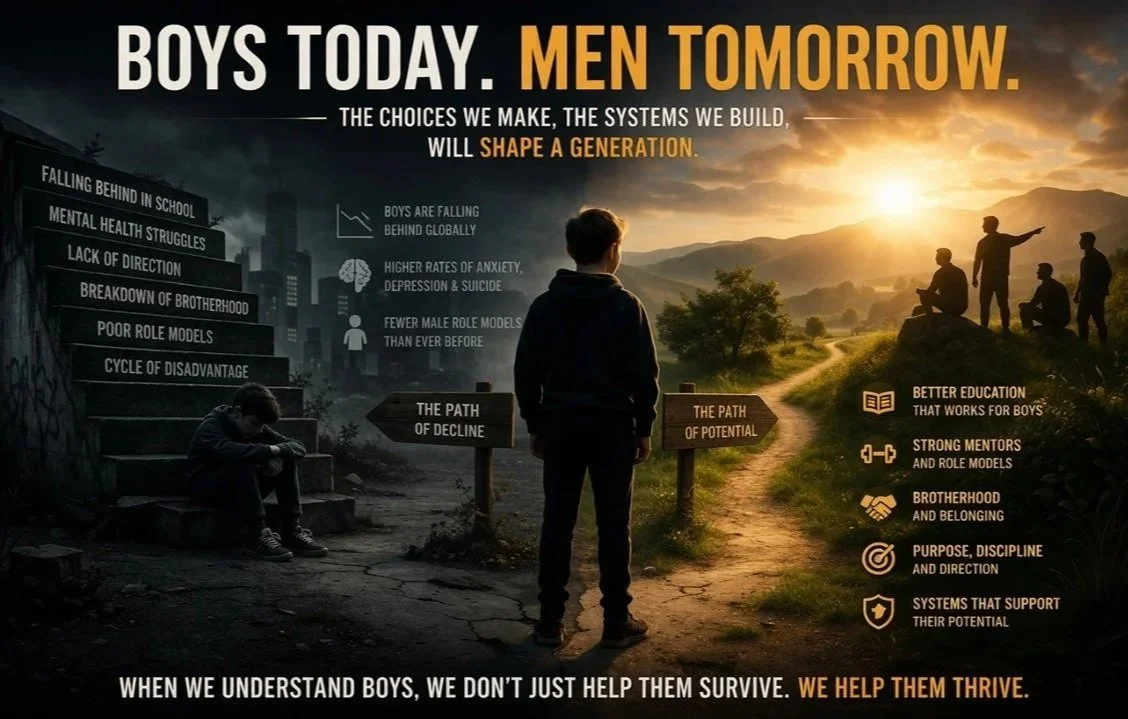
John Barry: Absolutely. And just I have to comment that this reminds me of a problem in men’s mental health. Teachers think the colour blind schoolboy is being naughty, whereas in fact the school system doesn’t know he has a problem – thanks to that ridiculous report in 2009 - and in fact he probably doesn’t know it either. So he accepts the label that he is naughty. In a similar way, men often express mental health problems as irritability or substance abuse, but the mental health system – and legal system - often fail to recognize this, and the men themselves don’t realise it either. So the men don’t seek help and none is offered. Even if they realise their drinking or aggression is a sign of male depression, and seek help for it, they might not find anyone who understands male depression. It’s like the colour blind schoolboy - the teachers might not understand the problem, even if they did there's not any proper pathway to help the boy. But getting back to celebrities, I am guessing to that many people won’t boast about being colour blind because it might damage their career in sports or wherever.
“A lot of adult colour blind males I talk to were actually told by their parents not to talk about it. ‘Don't mention it, stop making a fuss - it's nothing’”.
Marie Difolco: Well, I think that's the problem. I think, men especially are concerned if they speak up. if they say, I am colour blind, they're worried ‘Will I be kicked off the team?’ Will they lose their job? Will they look less competent? Will they look less credible? So I think this is why it's something that people keep to themselves and in fact a lot of adult colour blind males I talk to were actually told by their parents not to talk about it. ‘Don't mention it, stop making a fuss - it's nothing, it's fine’. And I think if you grow up with that, you learn to mask and to stifle it, and colour blind people can actually name colours very well often. And that's because colour blind people, like the rest of us, they learn color names by association. My son knows the grass is green, he knows the fire engine's red. because I taught him from an early age, fire engines are red. So if you ask him what color's a fire engine, he'll say red. And I think that gives people a false sense of security, because they then think, well, how much does it matter? That kid knows his colors, he knows the fire engine's red. But if you put red on a graph, or a pie chart, or a bar chart in an A-level exam, then it's not accessible to him. It's out of context. So I think people actually often think, because it's a hidden disability, and because people seem to cope, then it can't be a problem.
John Barry: Absolutely. Marie, thanks a million for taking so much time to explain this to me and the readers of Male Psychology magazine.
Final thoughts
Before this interview I thought about colour blindness as an issue impacting just the colour blind individual themselves. However, now I see it as a problem that potentially impacts everyone, not only because the world is less safe when we rely on colour coding (e.g. hi-vis jackets that aren’t hi-vis) but also in terms of serious illness. For example, what if your male relative or partner is colour blind and misses signs of bowel cancer until it’s too late? This avoidable scenario dumps a lot of unnecessary grief on the patient, their family and colleagues, and is an added healthcare cost to the taxpayer. Marie Difolco said “I think the government certainly has a role to play in promoting accessible color, in ensuring that we are all safe”, but in the UK the legislation is actually evolving backwards, with the removal of colour blindness screening in schools being a fundamental step away from health, safety and wellbeing for everyone.
Scroll down to the comments section to join the discussion
Disclaimer: This article is for information purposes only and is not a substitute for therapy, legal advice, or other professional opinion. Never disregard such advice because of this article or anything else you have read from the Centre for Male Psychology. The views expressed here do not necessarily reflect those of, or are endorsed by, The Centre for Male Psychology, and we cannot be held responsible for these views. Read our full disclaimer here.
Like our articles?
Click here to subscribe to our FREE newsletter and be first
to hear about news, events, and publications.










Have you got something to say?
Check out our submissions page to find out how to write for us.












.