
Mojo is a 12 week skills building and personal development training programme for men who are in distress and want to make changes to their lives. The idea is that men attending our programmes feel empowered to transform their lives and to create positive social change.
Through Mojo, men learn to build their mental and physical fitness, set goals and develop life plans. The group setting provides a space for men to connect and make friendships with other men that continue long after the programme finishes. During the 12 week programme, the men link with local services that can support them to return to work, education or volunteering.
“There is a lot of information out there. I now have my CV updated and have really started to look for jobs. I even went for an interview last week. I didn’t get the job, but I’m back out there which is as a result of Mojo”.
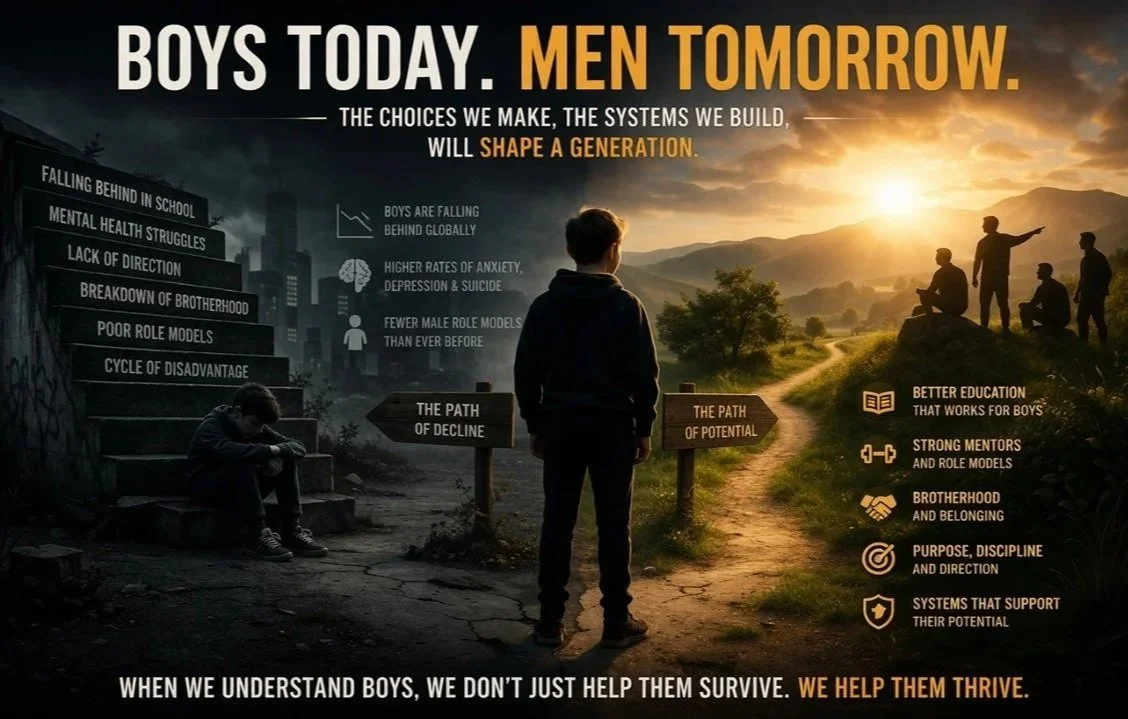
Mojo was developed to respond to the high numbers of men dying by suicide (in Ireland, 80% of those that die by suicide are men) and to address the lack of engagement by men in community-based services, especially those with a mental health focus. The pilot began in 2011 (in South Dublin) bringing together organisations that work across primary care, mental health, employment, education, volunteering, health and welfare.
“It is so different from the work that I do that it was really satisfying to do something so innovative”
The first phase explored why men were in distress and why they did not access local services. Isolation, Emasculation and Shame of Accessing Services emerged as key themes for men. The exploration also found that services were working in silos with an obvious divide between statutory and community led organisations.
The second phase focused on building the capacity of local organisations to work together; agreeing interagency working protocols so that statutory and non-statutory services could operate with parity of partnership and develop a service that men would want to attend.
The third phase engaged men on our training programme that addresses the key themes of isolation, emasculation and shame of accessing services. The programme is divided into two mornings, Wednesday from 10am to 1 pm the men learn tools to build and maintain their mental fitness and Thursday from 10 am to 2 pm they explore options to build a life they are happy with and are introduced to ways of keeping fit.
“Prior to Mojo, I stayed in my house for five years without hardly leaving”
The Programme is underpinned by the principles of Community Development, Adult Education and Mental Health Recovery. Men on our programmes are treated as equals and are encouraged to become their own experts. While all facilitators are qualified and experienced in their field, they identify as people (not experts) who also have times in their lives where they feel challenged. Feedback from the men highlights that our approach helps to build trust which allows them to take more risks in the group, facilitating stronger group bonding and exploration of emerging issues.
“We all threw our stuff on the table, the staff were the gravy that brought it together”.
Crucially, the men attending Mojo are the primary focus of our work. Every decision or change made to our programming must, in the first instance, be of benefit to the men – not the staff, funders or organisations albeit we very much care about them too!
“We were listened to and treated like adults”
Mojo is an evidence based, innovative intervention producing outstanding results for our men including:
* 83% report reduced depression and anxiety
* 90% retention rates on the programme
* 70% progress on to work or education
* 4 out of 5 men report an increase in self esteem
Mojo also:
* reduces social isolation and increases connections to family and community
* positively impacts on self-harm and harmful drug/alcohol use
*reduces the overall level of risk among the men
*has waiting lists of men wanting to attend our programme
* value for money – for every €1 invested Mojo returns €4.96 in social value.
“Thanks to Mojo I’ve reconnected with the world again”.
This article was first published on the Male Psychology Network website in 2018
Scroll down to join the discussion
Disclaimer: This article is for information purposes only and is not a substitute for therapy, legal advice, or other professional opinion. Never disregard such advice because of this article or anything else you have read from the Centre for Male Psychology. The views expressed here do not necessarily reflect those of, or are endorsed by, The Centre for Male Psychology, and we cannot be held responsible for these views. Read our full disclaimer here.
Like our articles?
Click here to subscribe to our FREE newsletter and be first
to hear about news, events, and publications.





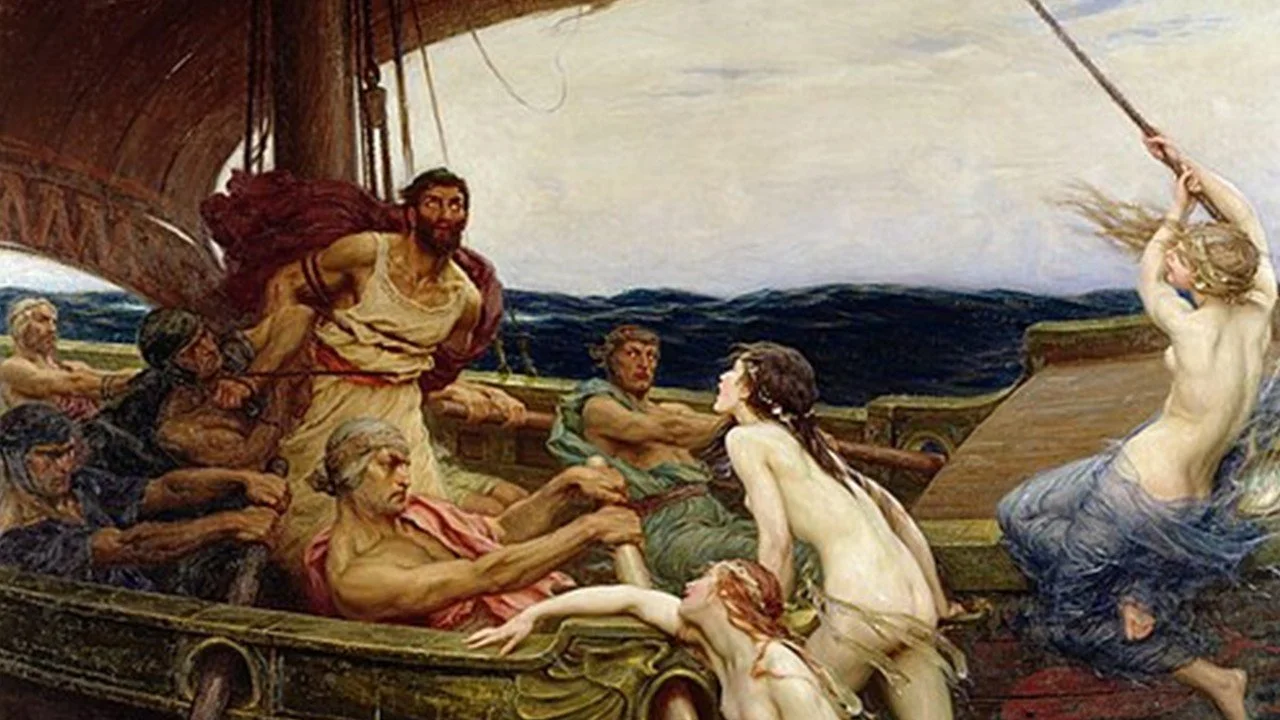
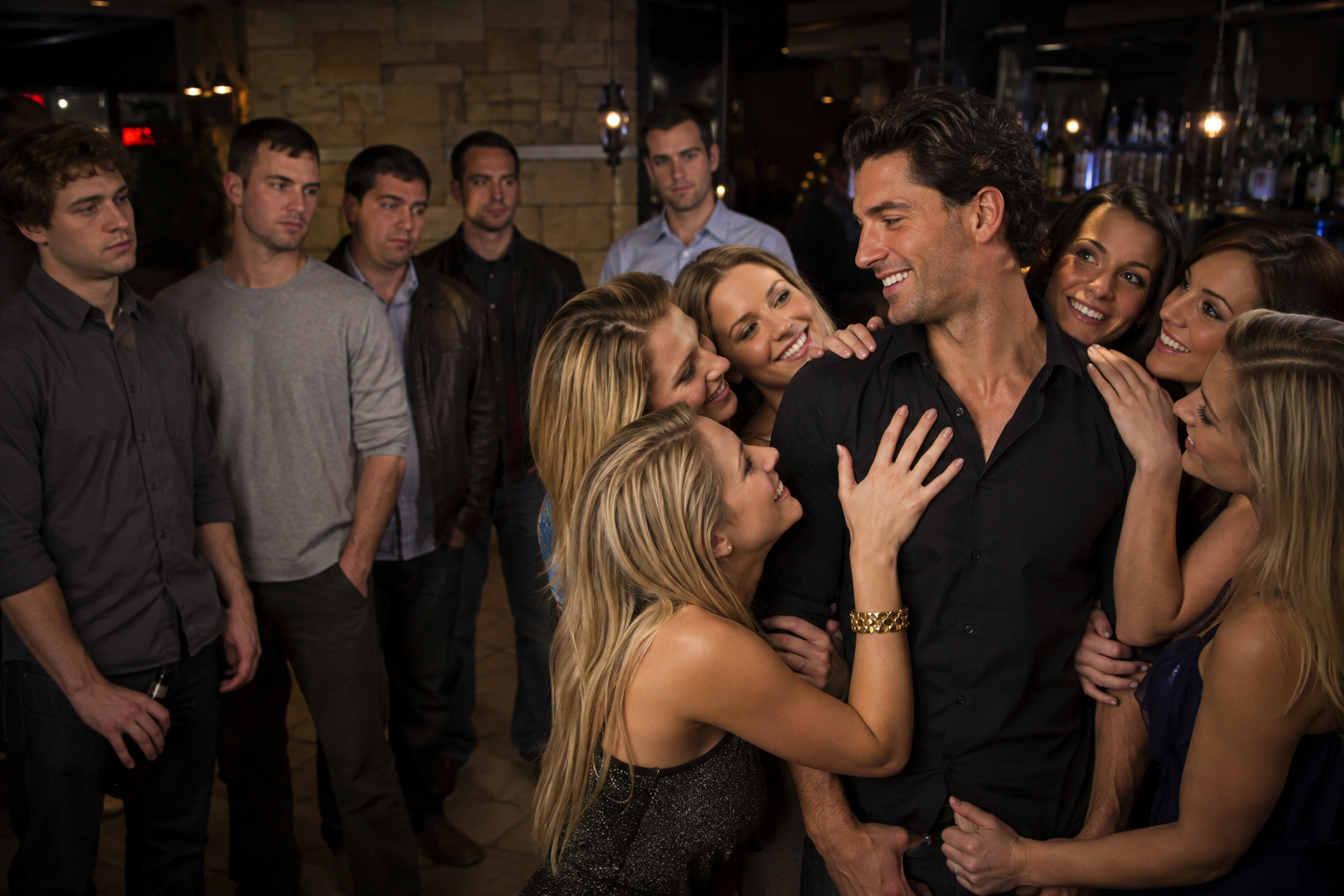
When a male is in a power imbalance, at least two masculine instincts are disempowered…

…people – men and women alike – respond less positively to male-favouring sex differences than they do to female-favouring sex differences.
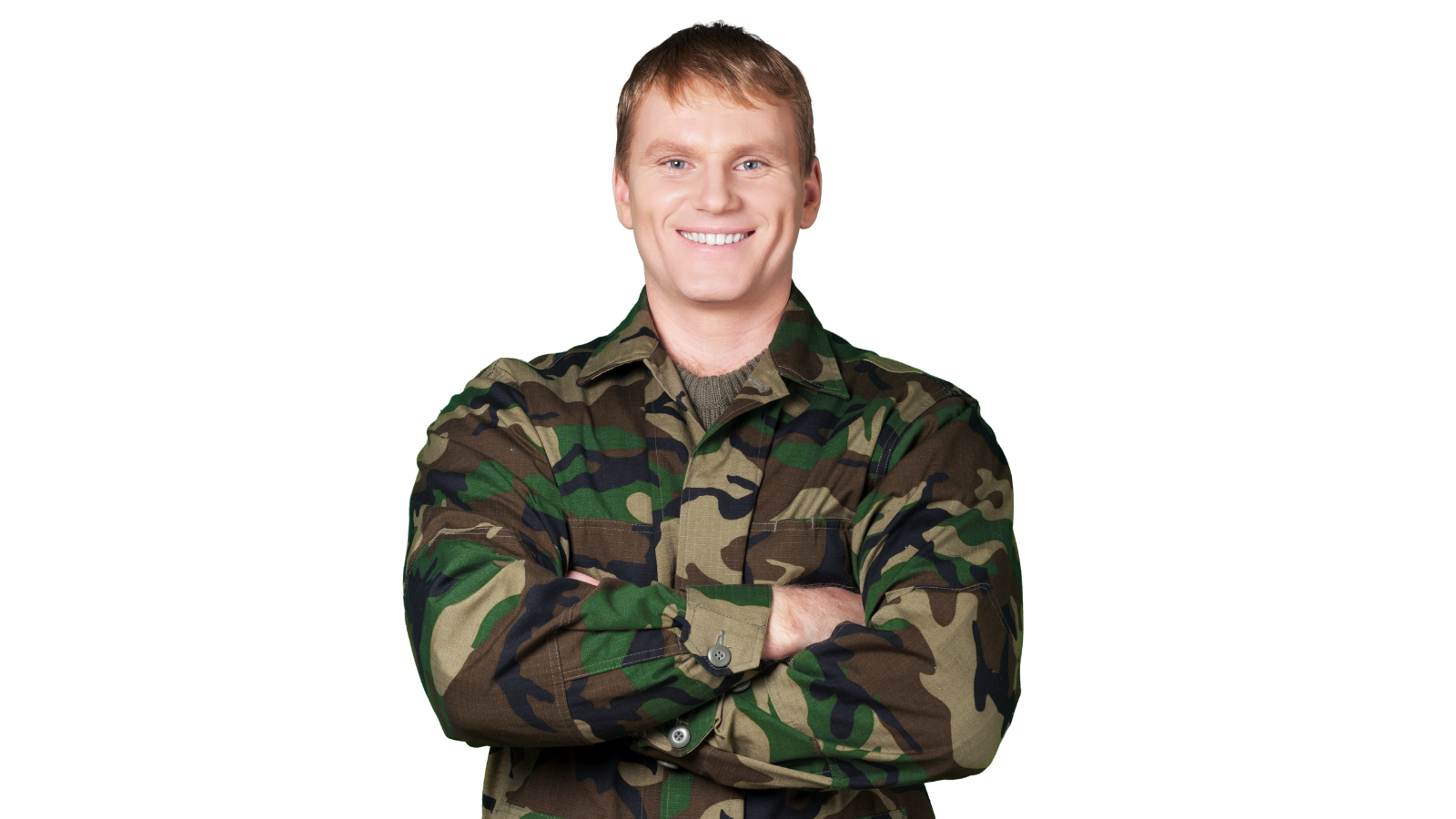
hyper-masculine gender norms are typically embedded within military institutions, and while adherence to these norms can contribute to combat and military success, they conversely make clinical work challenging
Men might benefit greatly from a government strategy aimed at improving their health. Here are suggestions from the Centre for Male Psychology on how that might be done. This article ends with some comments on potential pitfalls in the process of putting this strategy in place.



…people – men and women alike – respond less positively to male-favouring sex differences than they do to female-favouring sex differences.


… many papers do not even bother to identify or justify the nationality of their samples…

hyper-masculine gender norms are typically embedded within military institutions, and while adherence to these norms can contribute to combat and military success, they conversely make clinical work challenging
Have you got something to say?
Check out our submissions page to find out how to write for us.
hyper-masculine gender norms are typically embedded within military institutions, and while adherence to these norms can contribute to combat and military success, they conversely make clinical work challenging
hyper-masculine gender norms are typically embedded within military institutions, and while adherence to these norms can contribute to combat and military success, they conversely make clinical work challenging
hyper-masculine gender norms are typically embedded within military institutions, and while adherence to these norms can contribute to combat and military success, they conversely make clinical work challenging
hyper-masculine gender norms are typically embedded within military institutions, and while adherence to these norms can contribute to combat and military success, they conversely make clinical work challenging

hyper-masculine gender norms are typically embedded within military institutions, and while adherence to these norms can contribute to combat and military success, they conversely make clinical work challenging

Much of our attitudes, theorizing and public debate around men and masculinity is influenced by high profile feminist and Gender Studies scholars in academia. But what is the scientific quality of publications from these scholars?

Some people blame drill music – a form of rap - for the rising murder rate in London. Drill is known for aggressive lyrics about gang violence, but rather than seeing this as a valuable way for young men to express their feelings, some people want to ban it.

To survive… cultures have to use men and women effectively and … in fact, most cultures have used men and women in different ways… what our culture does is [grant] greater status to men and greater protection to women

hyper-masculine gender norms are typically embedded within military institutions, and while adherence to these norms can contribute to combat and military success, they conversely make clinical work challenging
There are around 300,000 veterans living with hearing loss in the UK, according to The Royal British Legion. In addition to being at a greater risk of PTSD, depression, and anxiety, many vets are also battling psychological distress from hearing problems.

The book begins with a description of her therapeutic approach, and an illustration of how to understand and work with the rage often seen in male CSA clients.

I felt in my dealings with some police officers, as though I were treated firstly as a man (assumed to be a perpetrator), but they’d overlooked risks associated with my impairment. Example: How can you dodge a missile you don’t see coming?

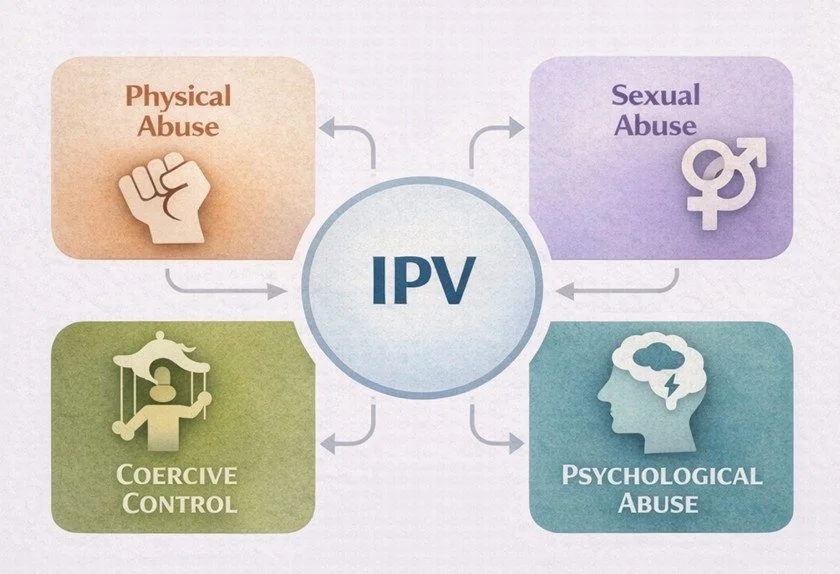
The Panorama programme on domestic violence failed to adequately highlight two important issues: male victims and female perpetrators.

your photograph, name and address, might appear in the local and national press and on TV, insinuating what an evil monster you are

…an attack upon masculinity is an attack upon one’s sense of self, of identity. …What, then, is the right psychological defence against such an attack?

The male has been designed to “look”, not only at the female, but to “look out” for prey, for danger, and for ways to protect his family unit.

If his child is allowed to live, this man must be available, for the rest of his life, to love and provide for his child… If, on the other hand, it is decided that his child is to be destroyed, he should be able to go about his life as if nothing has happened
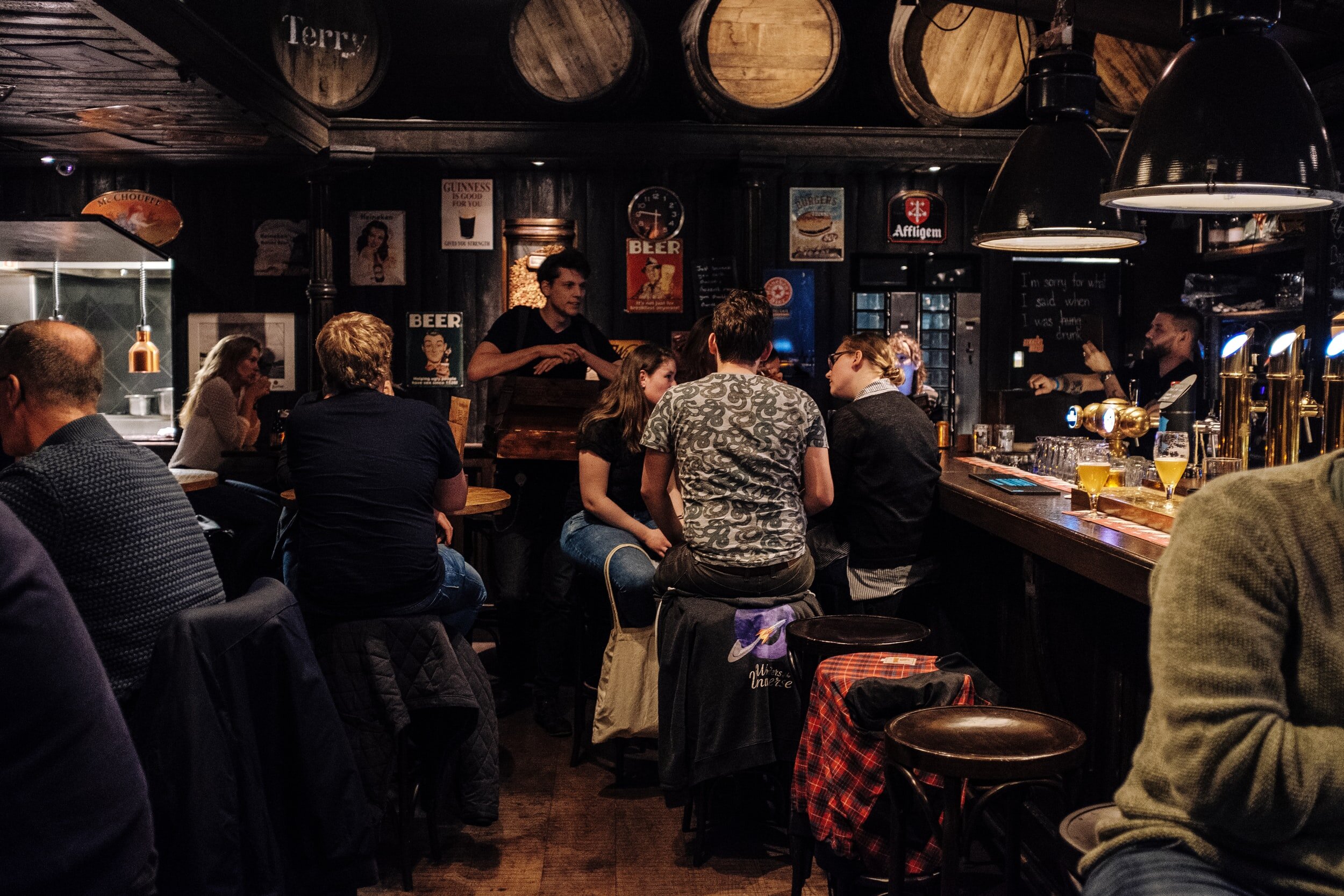
Socialising is a basic human need. The opposite – social isolation – is one of the worst forms of torture. Some people look down on the local pub as a place for undesirable riff raff, but that narrow viewpoint misses entirely the community value of the pub

Male psychology is a recent development in academia. Unlike gender studies, feminism, and men’s studies, male psychology takes the view that we can gain more by recognising and harnessing the positive aspects of masculinity than we can by taking a relentlessly negative approach to men.

.