

If life gives you lemons, forget the lemonade – get a haircut

Photo: John Barry enjoying a visit to Swagger barbers with with barber Alex in central London.
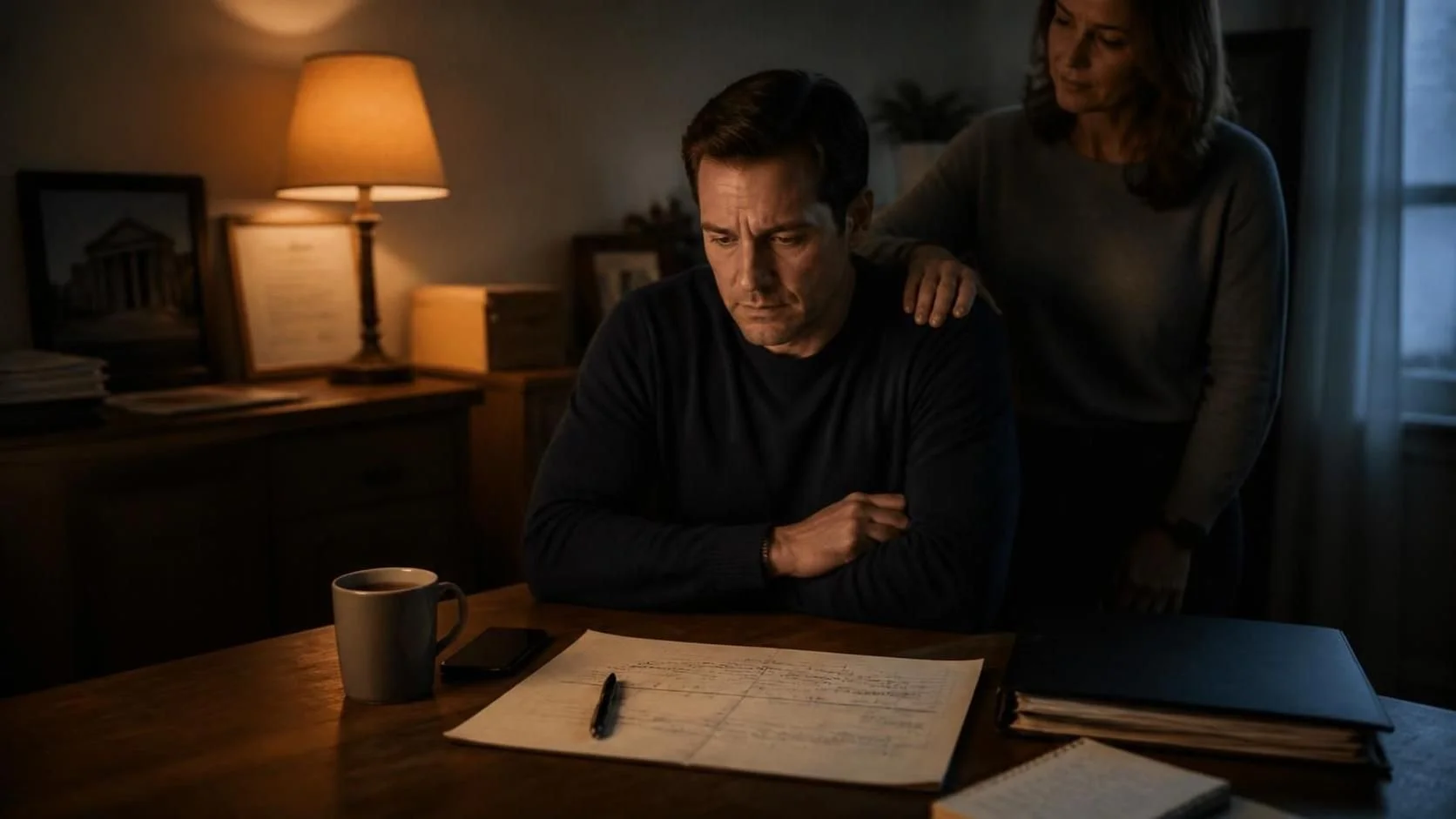
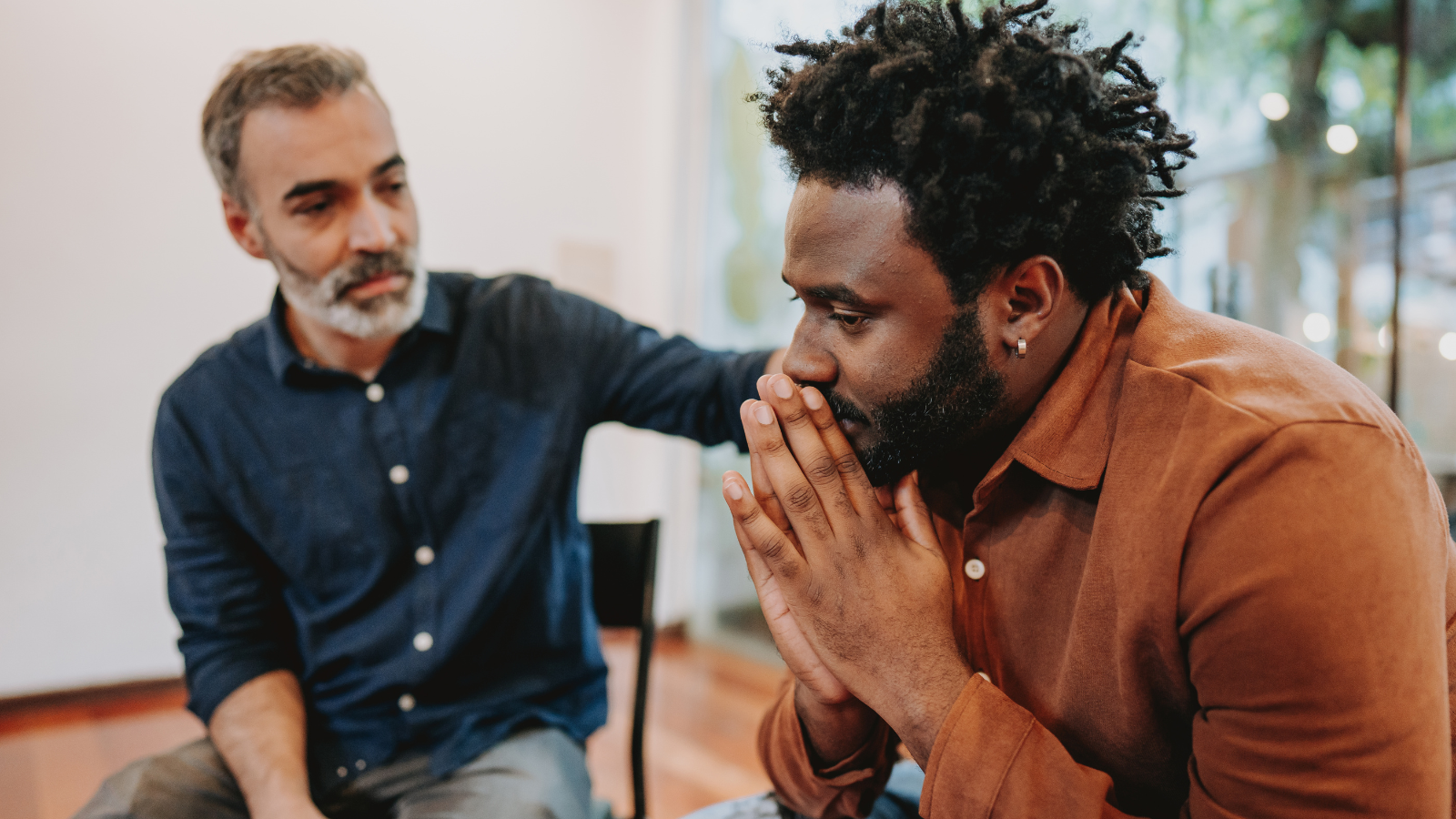
Scenario 1: You have just lost your job and your girlfriend has left you. You are feeling miserable and don’t feel like leaving the house but have been advised by a friend to see a therapist. The therapist seems professional and well intentioned, but she is puzzled when you try to make a joke about being dumped and seems more interested in your ex-girlfriend’s feelings than your own.
Scenario 2: You have just lost your job and your girlfriend has left you. You are feeling miserable and don’t feel like leaving the house but you are forcing yourself to get a haircut for a job interview on Monday. You sit down in the barber’s chair and after exchanging a few jokes about awful bosses and ex-girlfriends, you start to sit back and relax. Pretty soon it doesn’t seem quite so serious anymore.
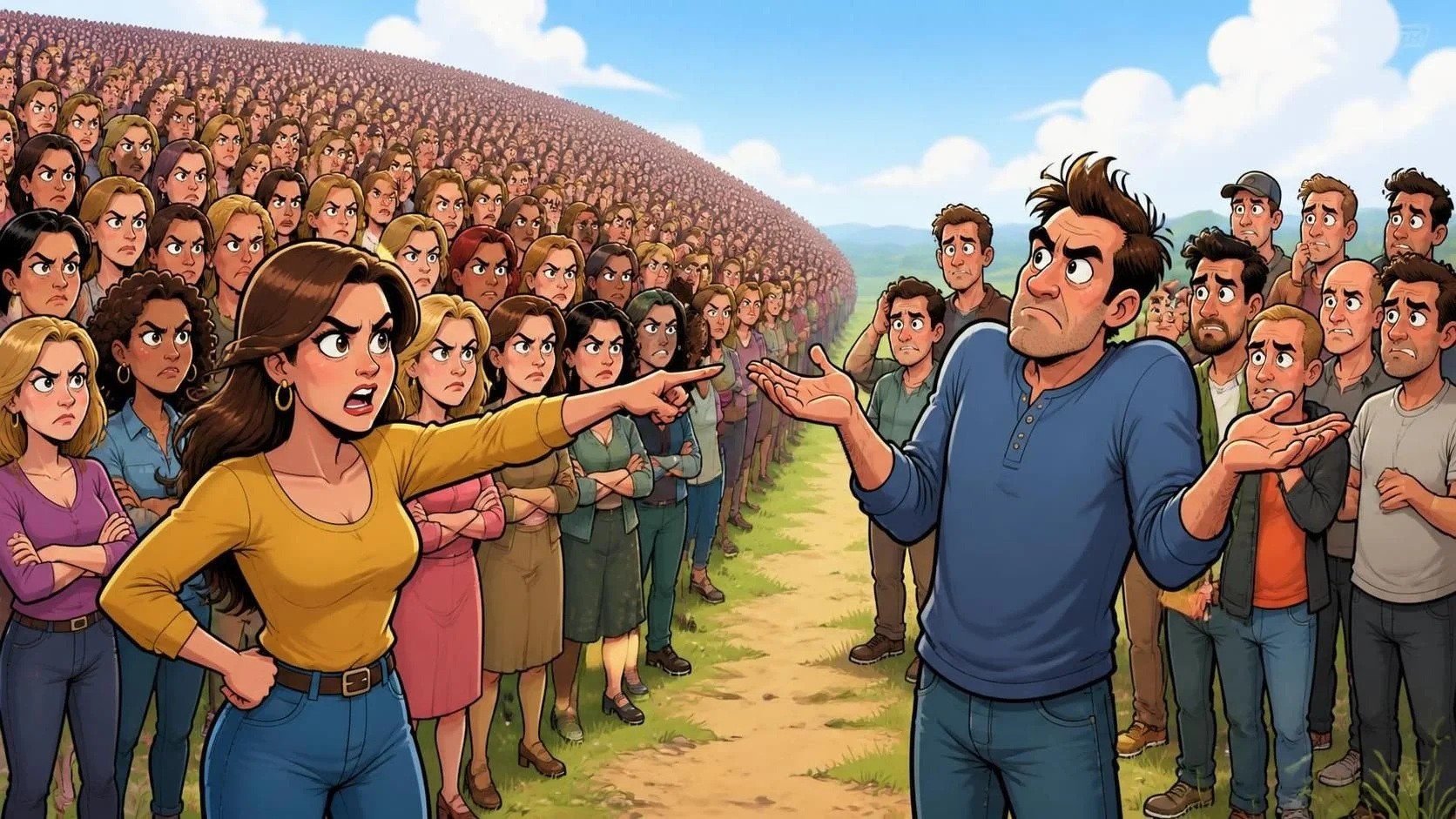
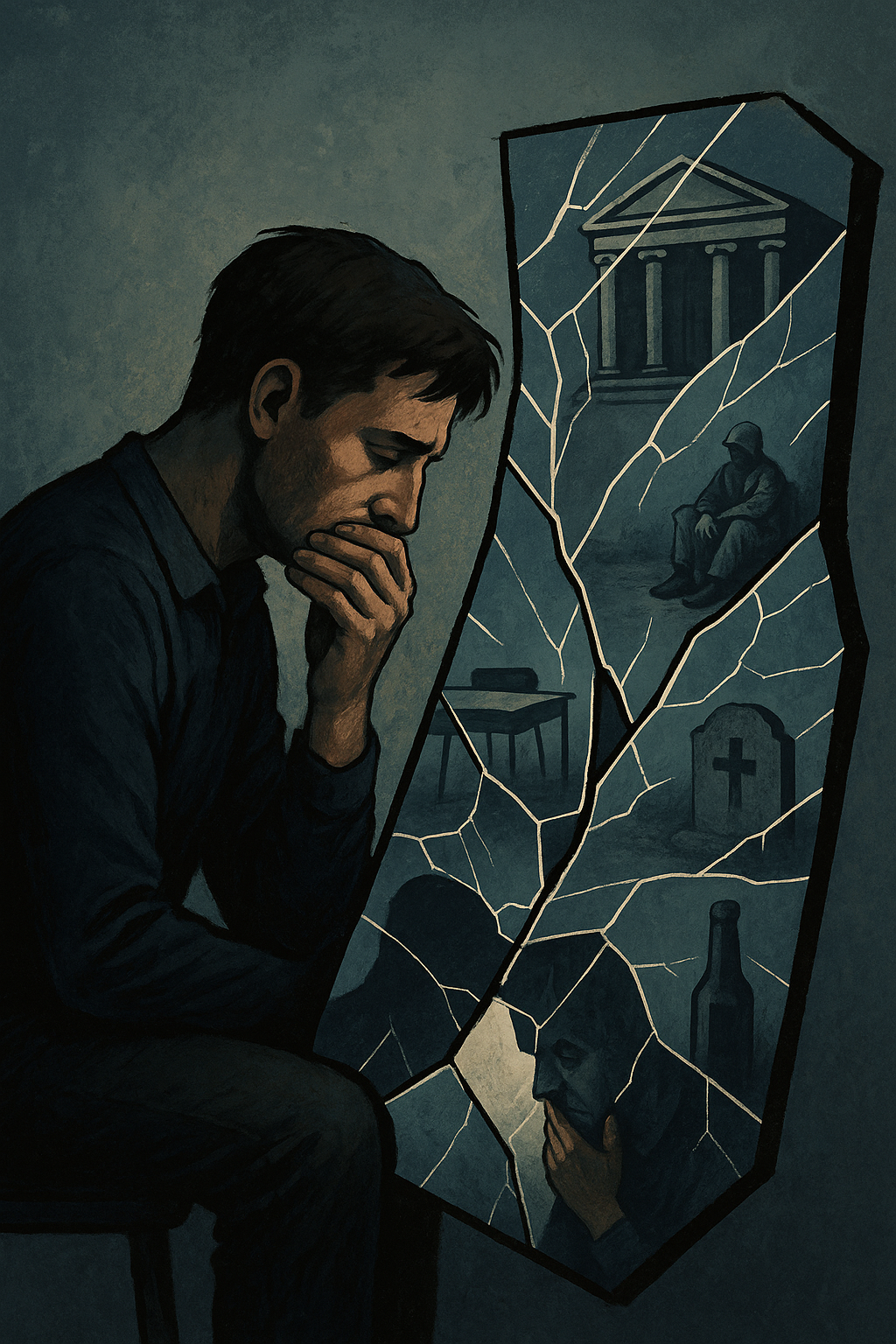
There is a stereotype that when women are depressed they know it. They cry, talk with friends about how they feel, maybe binge eat, and maybe talk to a counsellor. The stereotype for men is that when they are depressed they don’t even know it. They might feel numb or angry, sleep less, drink more and do drugs, play video games, use sex or pornography more. The last thing they will do is see a therapist. But is there any truth to these stereotypes? Well, although we know that everyone is different and that all men don’t act the same and all women don’t act the same, there is also more than a grain of truth in the above stereotypes about sex differences in dealing with stress.
Men are less likely than women to go to a therapist when they have mental health problems. This begs the question: when men are experiencing mental health issues, what do they do? Well, although it is part of traditional masculinity to have control over your feelings, there is evidence that when men are depressed they are more likely than women to ‘act out’ in violence. Worse still, men kill themselves at three times the rate that women do.
In many ways Australia has been ahead of the rest of the world when it comes to dealing with men’s mental health. Several organisations have set the trend for other countries in dealing with the complex problems around men’s mental health. [Edit: a notable example is Men’s Sheds, which helps men’s wellbeing without being a formal therapy. Low-intensity activities like this are useful because it has been well noted that men tend to seek therapy less than women do despite the fact that men are more likely to die by suicide than women are]. This begs some important questions, such as (a) why don’t men like therapy as much as women do? (b) do men prefer to do other things that support their mental health? Let’s explore these questions.
Why don’t men like therapy as much as women do?
My research group has identified several issues. For example, interviews with 46 experienced psychological therapists of various kinds had found that men and women tend to deal with emotional problems differently. In general, although women want to talk about their feelings, men prefer to want a quick solution to their problem, and preferably one that consists of steps that make sense to them. Straight away, you can see that some forms of therapy, especially those focussed on talking about feelings, and going to appeal the men less than women. There is no routine training yet for psychologists in how to deal specifically with male clients.
There is another possible issue: in Australia, as in many countries, there are far more female therapists than male. Although most people don’t mind whether their therapist is male or female, reflecting the fact that women are capable of understanding and treating men, some men will only see a male therapist. This is most likely to occur in cases whether their issue is related to women in some way e.g. a male victim of domestic violence. Because of the lack of research on this topic, we can only guess at how many of these men end up with untreated chronic mental health issues, ending in suicide.
Do men prefer to do things other than therapy support their mental health?
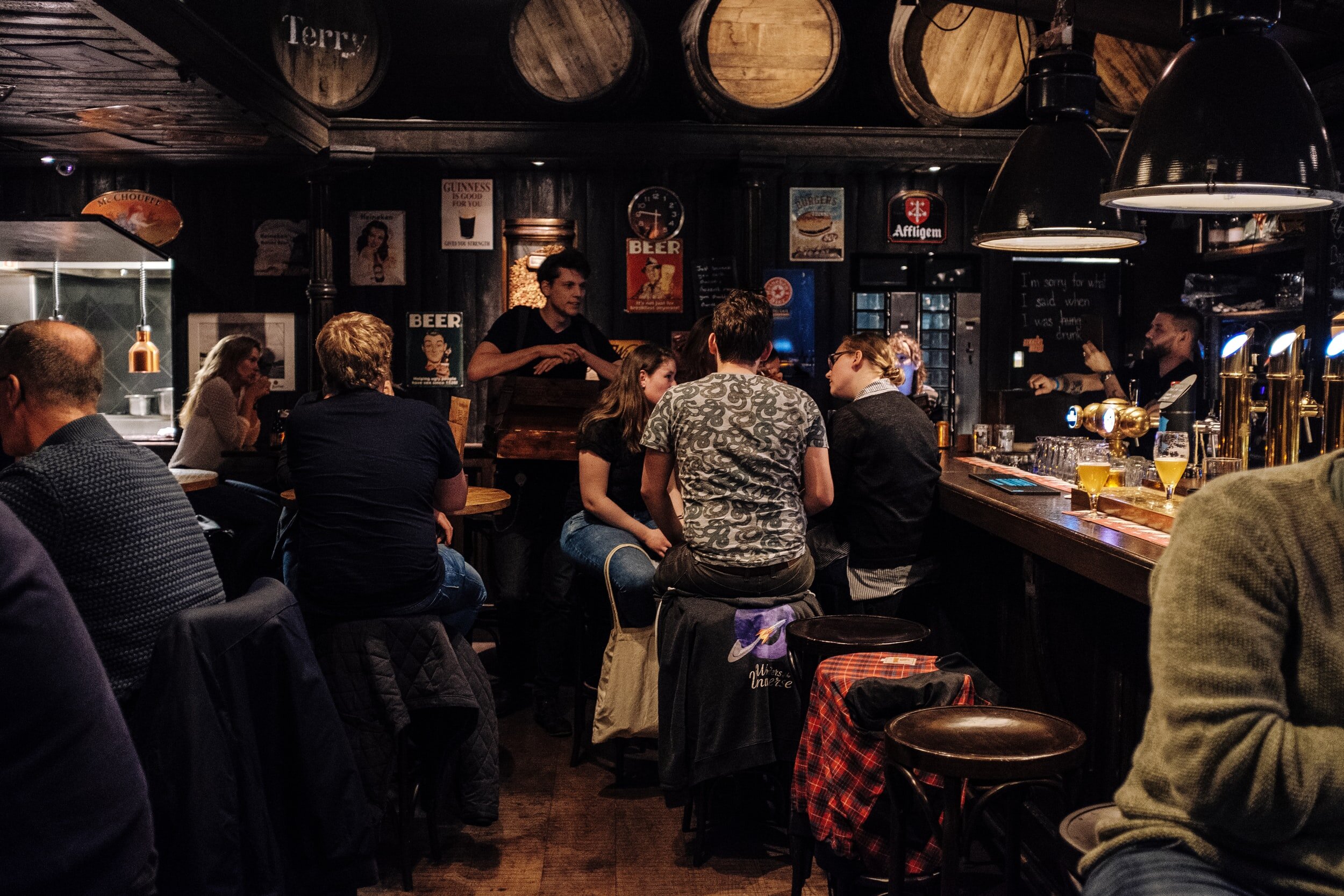
A recent survey of ours found that men and women differ in some ways when it comes to coping with stress. For example, women are more likely to comfort eat, and men are more likely to use sex or pornography to deal with stress. There are many other ways in which men find stress relief. A very popular movement that started in Australia is Men’s Sheds. Although intended mainly as a way for men to get together to work on a common project (e.g. fixing garden furniture), it turns out that ‘shedding’ offers an opportunity for men to chat while working, sometimes talking a little about their personal lives and feelings. This is especially helpful for men who are socially isolated. Studies at the universities of Oxford and Glasgow have found that there are emotional benefits for men of having a social drink in the pub with friends. (Cautionary note: self-medicating and binge drinking usually create rather than cure mental health problems).
Studies in the US since the 70s have found that the hair dressing salon has an important social and mental health function for women. It is only in the past dozen years that the benefits to men of visiting the barber shop have been more recognised. One of the best examples of this is a UK community-based programme called Barbertalk, which encourages men to open up about their issues with mental health. The Lions Barber Collective is the creation of barber Tom Chapman inspired by the suicide of a good friend. Barbertalk trains barbers to recognise when customers are experiencing mental health issues. The barber listens and offers basic advice on where to seek help. Barbertalk has proved very successful and is being rolled out in the US and Holland.
At the Male Psychology Conference in University College London in 2015, Dr Frank Fielding gave a talk on the mental health of black men. He said that black men often didn’t feel comfortable with conventional therapy for various reasons, and added the intriguing comment that visiting the barber shop was one way in which they got informal community-based wellbeing support. This led me to conduct a study, with Tamika Roper of the Male Psychology Network, into whether there are gender and racial differences in the wellbeing benefits of visting the barbershop. We found that black and white women both had moderate wellbeing benefits in terms of talking and socialising at the hairdresser. However black men left everyone else behind in terms of wellbeing benefits. It seems that black men were not simply going to the barber shop for a haircut, but would take their friends along too in order to socialise and have fun. These findings have impressed me so much that I have given up my previous attitude of sitting grimly in the barber’s chair wishing I was somewhere else. These days I make sure I have a friendly chat with my barber, usually with a lot of good natured banter. I now look forward to getting a haircut, and would advise everyone else to use getting a haircut as an opportunity to have fun and connect with another human being.
This article was originally published in the Australian magazine Barber Shop in 2018 (Barber Shop, 7, 2, pp.30-31 ).
Disclaimer: This article is for information purposes only and is not a substitute for therapy, legal advice, or other professional opinion. Never disregard such advice because of this article or anything else you have read from the Centre for Male Psychology. The views expressed here do not necessarily reflect those of, or are endorsed by, The Centre for Male Psychology, and we cannot be held responsible for these views. Read our full disclaimer here.
Like our articles?
Click here to subscribe to our FREE newsletter and be first
to hear about news, events, and publications.



















Have you got something to say?
Check out our submissions page to find out how to write for us.













.