

The Myth of Male Expression: What Mainstream Psychology Gets Wrong About Men
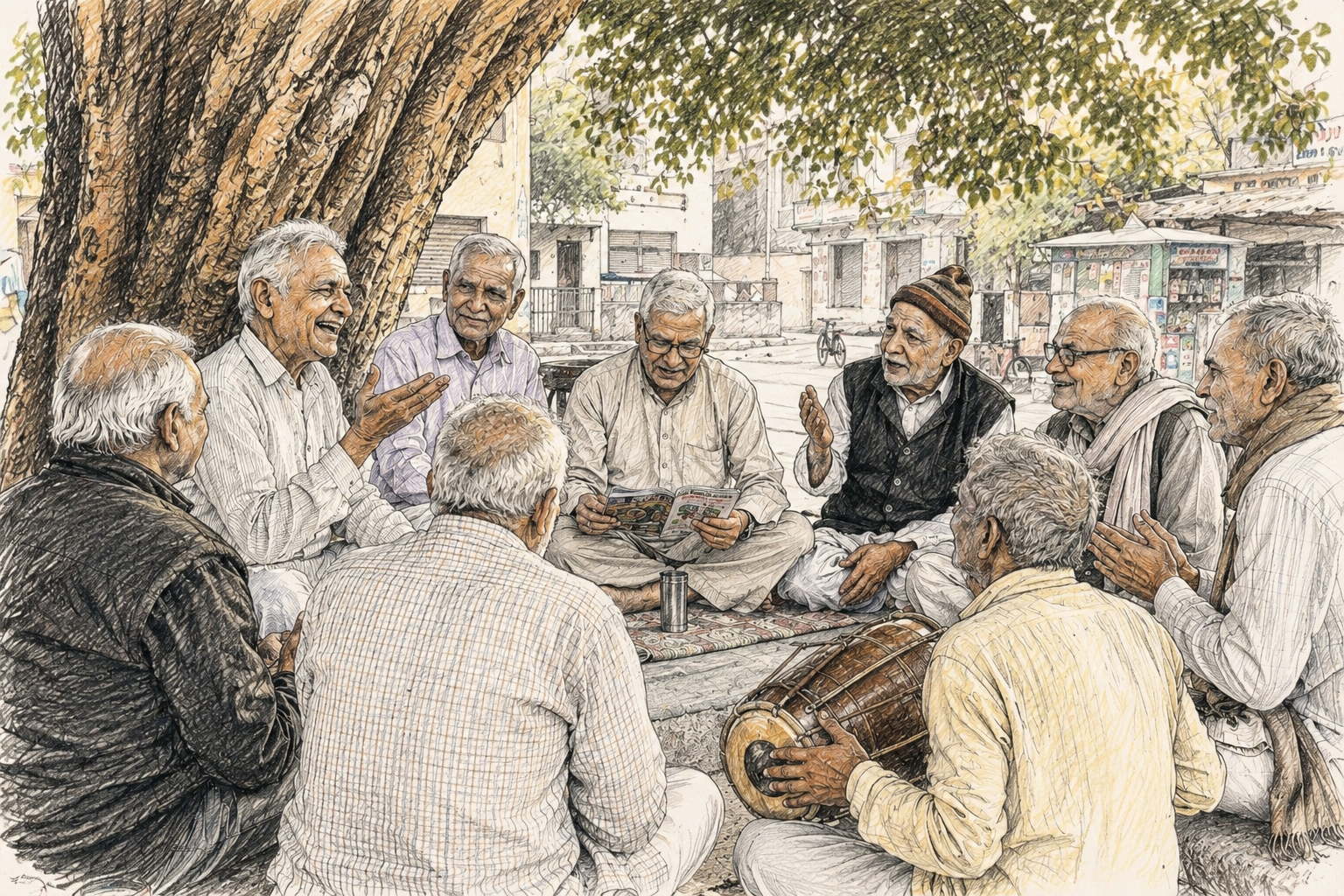
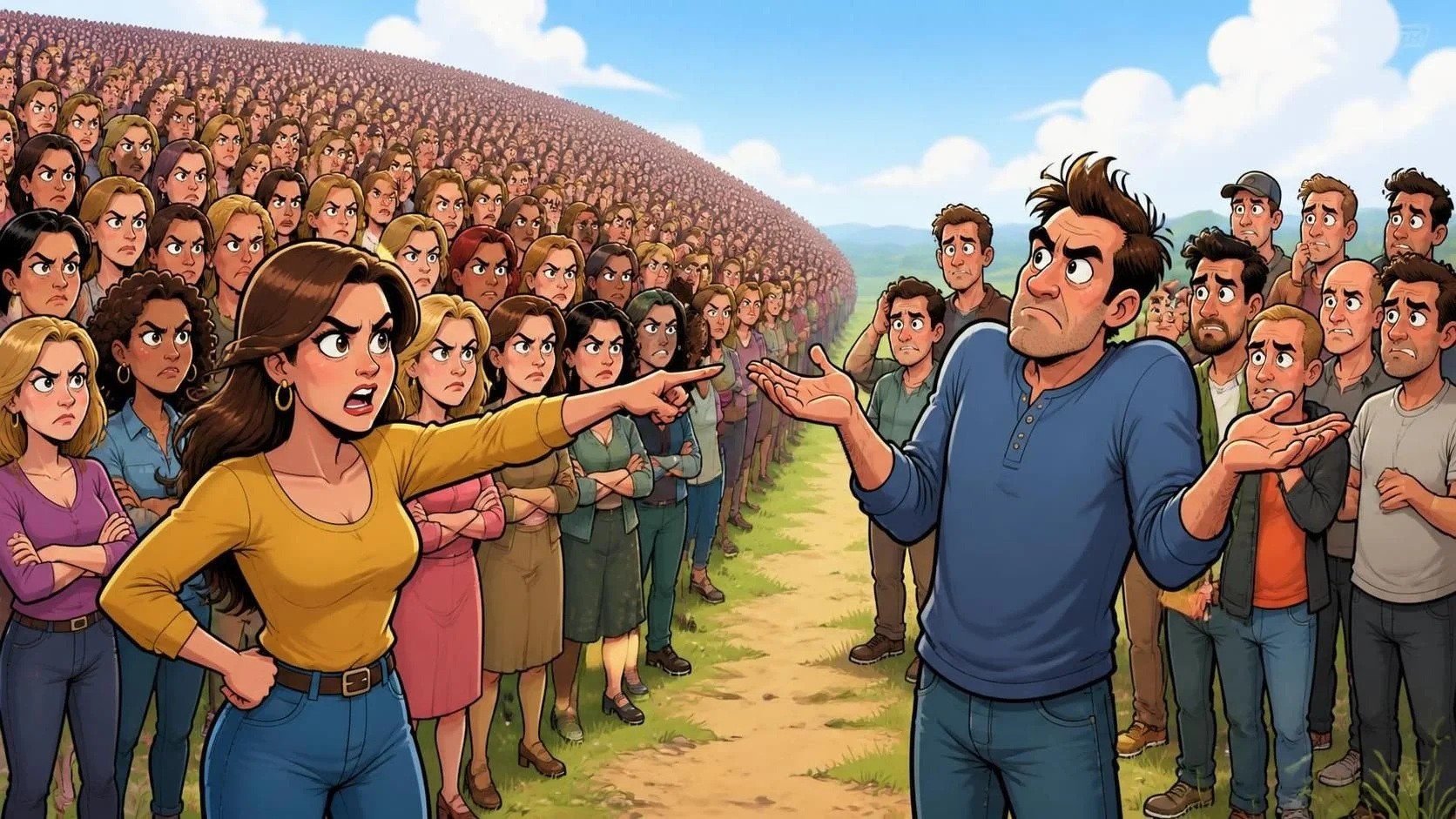
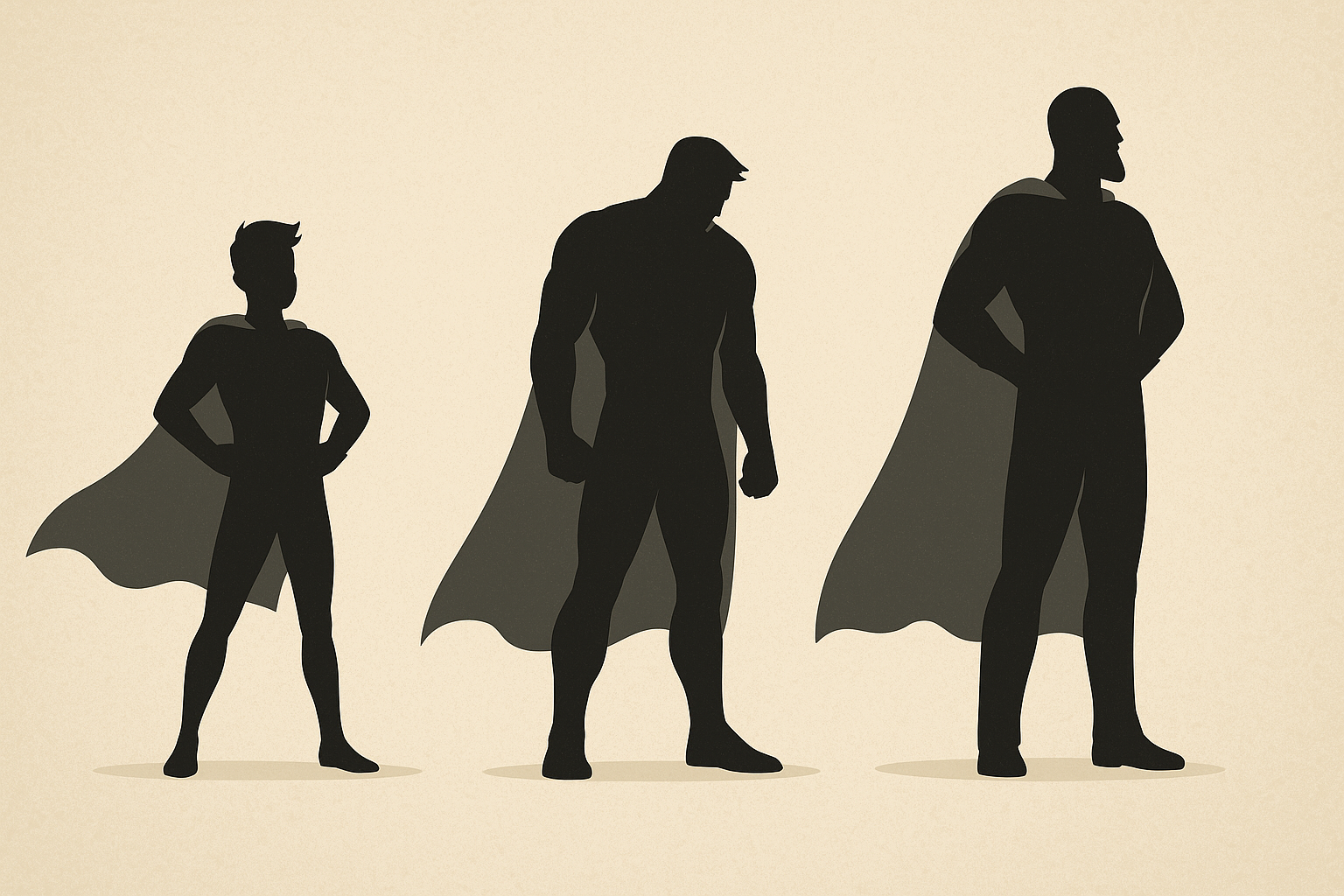
Image: ‘Conversations Under the Trees’. Created using AI image generation (ChatGPT) with prompts by John Barry and Vedant Giramkar.
Introduction
A common claim in discussions about men’s mental health is that men do not express their emotions because masculinity teaches them to hide their weakness. This idea appears pretty much everywhere, in mainstream media, public debates, and even in psychological frameworks. It is often presented as an obvious truth, rarely questioned or examined closely.
According to this view, it is said that men stay silent because they are afraid of looking weak, emotional, or less masculine. Their suffering, we are told, is mainly the result of outdated gender norms that discourage vulnerability.
However, this explanation does not match what I have repeatedly observed in real life.
This article challenges the idea that masculinity itself is the main reason men hold back emotionally.
An Incident That Stayed With Me
This incident took place many years ago.
I was sitting alone in a bus, well before its scheduled departure. At that moment, there were only three people inside, including me, the bus conductor, and another man who appeared to be either his friend or someone known to him.
The two of them were talking. Initially, the conversation was casual. Gradually, it became more serious.
The conductor began speaking about his financial condition, about the debt he was under, the pressure of paying his children’s education fees, and how, despite both him and his wife working really hard, there had been no improvement in their situation.
As he spoke, his tone changed. There were pauses. His voice slowed down.
And then he broke down. His face had filled with tears.
Then something changed. As soon as he noticed other passengers approaching the bus, he wiped his tears, composed himself, and returned to his duties. Within seconds, he was working as if nothing had happened. His problems had not disappeared, but his expression had. He seemed to move on almost instantly. I did not.
Even after I got off the bus, I kept thinking about what I had seen. Even today, after so many years, I still remember his face clearly.
A Conversation at a Small Eatery
During my junior college days, there was a small and affordable eatery just outside the campus. It was a very small place with only two tables, and it was rarely crowded. Over time, it became my regular place to eat.
The eatery was run by a young man and his father. Both of them worked for long hours. The young man would often speak with the customers, including me, even though I was not someone who usually talked much. He spoke about his life, his experiences, and his struggles.
One day, I heard him speaking with another customer. The conversation gradually became more serious. He spoke about the difficulty of running the business, the effort he put in every day, the lack of customers, and the pressure of paying the shop rent regularly.
As the conversation continued, he became emotional and eventually broke down.
He said that on many days, he and his family survived on the leftover food from the shop because they could not afford to waste it.
Conversations in a Barber Shop
In India, many men develop long-term relations with their barbers. It is common for a man to visit the same barber for many years, sometimes decades. Changing a barber is rare.
Barbering is often a generational occupation. Many barbers spend most of their lives in the same shop.
Over time, these places become more than just service spaces. They become familiar and trusted environments. In such settings, conversations often go beyond routine interaction.
I have observed that many men speak openly with their barbers about their personal lives, their struggles, and their experiences. These conversations are often deeply personal.
On multiple occasions, I have seen men become emotional while speaking. In some cases, both the barber and the customer shared difficult experiences, even to the point of tears.
There are things men may hesitate to share even with close family members, yet they speak about them freely in this setting.
At the same time, this openness appears to remain largely confined to such environments.
“while men do express themselves, the spaces and social environments in which they feel comfortable doing so can differ significantly across different cultures and communities.”
What I observed in the Indian context appeared somewhat similar to what is found among Black men in the US, where barber shops are comfortable spaces for open and meaningful conversations. However, this doesn’t necessarily generalise across countries or ethnicities, but although one study found the barbershop experience might not work as well for White men in the UK, other research has found these men express themselves more openly in other settings, such as pubs or in group sports.
Even within the same country, these patterns can vary from one place to another. In some places, strangers rarely interact with each other (for example, passengers on a London Underground train), while in other places, the emotionally open conversations between strangers are far more common. This shows that while men do express themselves, the spaces and social environments in which they feel comfortable doing so can differ significantly across different cultures and communities.
When Strangers Open Up
On several occasions, I have had brief conversations with men whom I had never met before, especially in everyday situations such as during travel, in waiting areas, or in casual public settings.
These men spoke about their lives, the challenges they were facing, and how they were managing them. In many cases, they also shared what they had learned from their experiences.
What stood out was the ease with which these conversations became meaningful, even between total strangers.
Conversations Under the Trees
Another setting where I have observed men expressing themselves is in informal peer groups, especially among older men.
In many places, particularly in the mornings and evenings, groups of elderly men gather and sit together for long periods of time, often under a tree. This is a part of their daily routine.
Their conversations move between humour and serious reflection, a pattern observed by consultant clinical psychologist Martin Seager in group therapy with men in England.
At times they laugh, and at times they speak about their experiences and concerns.
Many of them also engage in activities such as group reading, storytelling, chanting prayers, and singing traditional ballads together. These activities are not merely a way of passing time. They create a sense of emotional connection, belonging, shared identity, and mental engagement. Through such simple collective activities, many of these men remain socially connected and emotionally active even in old age.
Within these groups, there appears to be a level of comfort that allows more open expression.
Inside a Male Support Group
I have also been part of a male support group where men facing serious personal and legal difficulties come together. Many of them are dealing with issues such as legal conflict, alienation from their children, and family breakdown. In most cases, these situations have pushed them into a deeply distressed state.
What’s notable is that the support in this group is not provided by professionals, but by men who have gone through similar experiences.
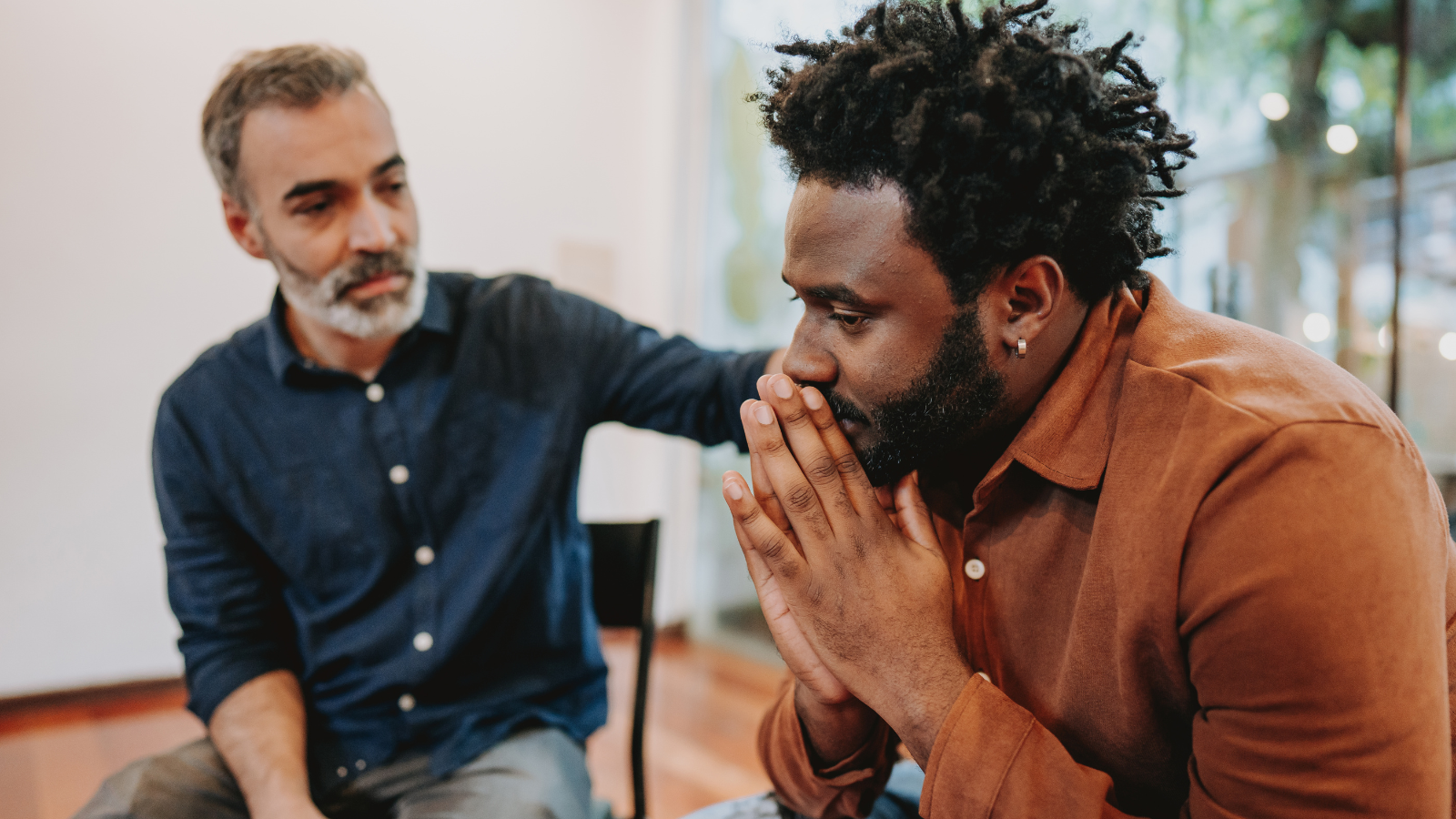
In this setting, men speak openly about their situations. They share details, ask questions, and seek guidance, while those who have gone through similar difficulties offer support, share their experiences, and guide others in a practical way.
Over time, some men who initially joined in distress begin to eventually recover and later support others who are in similar situations.
“When the environment feels safe and the response is understanding, expression becomes easier. When the response is uncertain or dismissive, expression becomes limited. This is not suppression, it is appropriate adjustment to social context.”
The Role of Response and Environment
Across all these observations, one pattern becomes clear, that men do express themselves. However, this expression is not constant. It depends on context, environment, and response. When the environment feels safe and the response is understanding, expression becomes easier. When the response is uncertain or dismissive, expression becomes limited. This is not suppression, it is appropriate adjustment to social context.
The Central Contradiction
At this point, a contradiction becomes difficult to ignore, i.e. Men are repeatedly told that they should open up, express their emotions, and speak about their struggles. At a surface level, this appears supportive. However, when men actually do express themselves, the response they receive often tells a different story. Their experiences may be dismissed, minimised or misinterpreted. In many cases, the conversation shifts away from what they are saying. It becomes a comparison, often with women’s issues where the focus turns to proving who suffers more. In this process, the original issue raised by the man is left unaddressed.
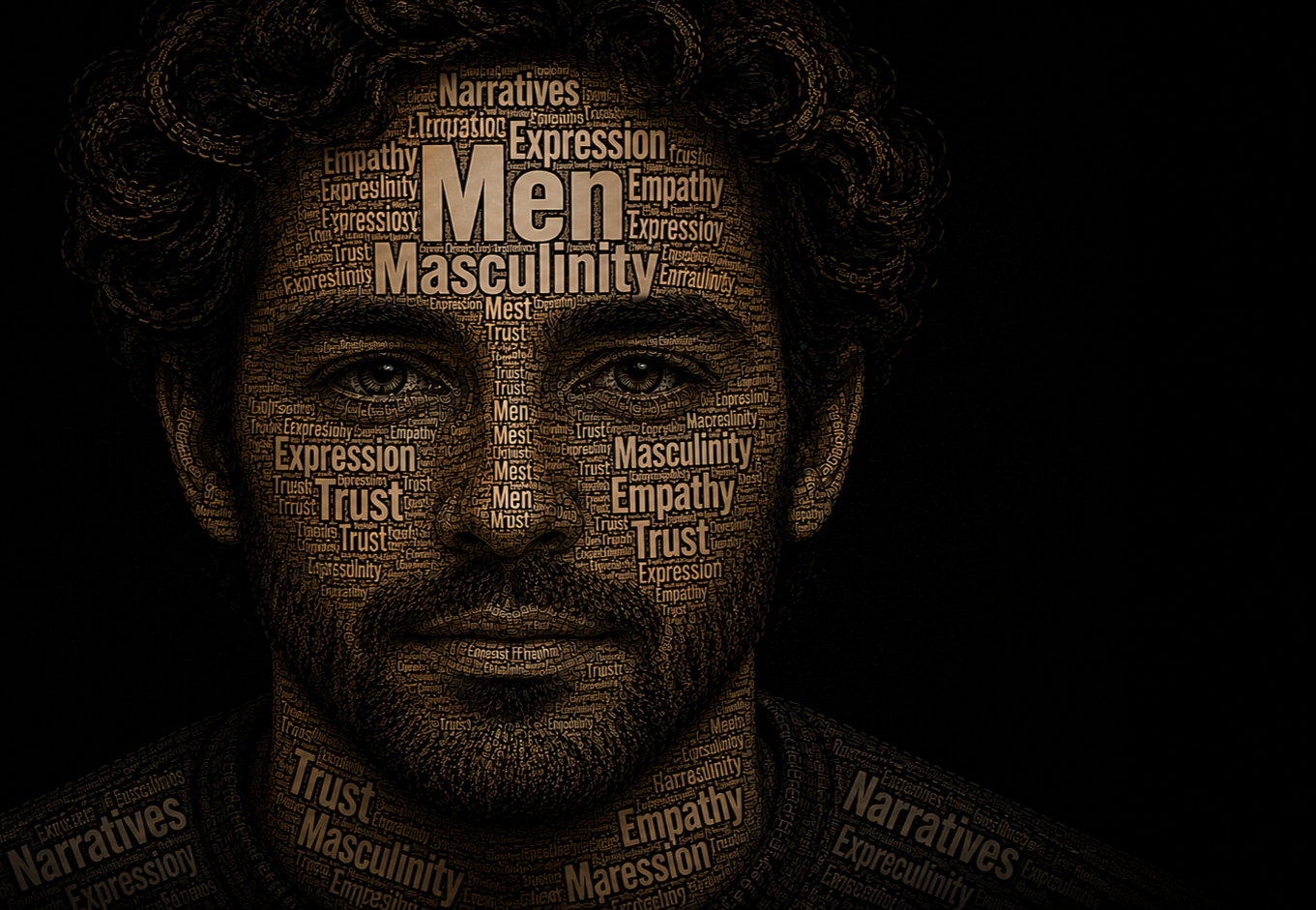
At the same time, men are often allowed to express only certain kinds of emotions .i.e. those that are convenient or pleasing to others. Whereas, expressions such as anger, frustration, disappointment, or resentment, which feel uncomfortable or inconvenient to witness, are often labelled negatively, especially as “toxic”.
A similar pattern can be noticed in how boys are increasingly taught to view their own presence, behaviour, and masculinity as something inherently threatening, especially around women. Over time, this creates shame, anxiety, self-doubt, and a constant fear of being misunderstood or falsely judged. When subjective feelings begin replacing fairness, context, and objective judgement, many boys stop expressing themselves naturally and instead learn to constantly suppress and shrink themselves. This creates a clear inconsistency. Men are being encouraged to express, but only within limits.
Also, many men fear that if they say something personal, it may later be used against them. For example, if a man says he is emotionally struggling and shares what he is going through, someone may later exploit that information against him.
In relationships, a new concept called “Mankeeping” has recently started gaining attention. This term promotes the idea that emotionally listening to, supporting, or understanding one’s husband is a form of emotional burden or unpaid labour placed upon women. Such narratives discourage empathy, emotional patience, and willingness to listen within relationships, while also making many men feel that expressing emotional struggles itself is a burden on others.
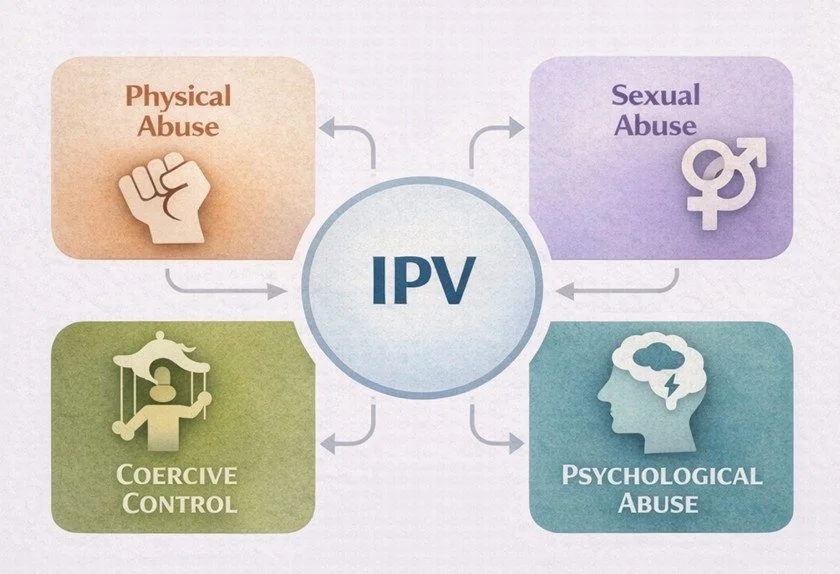
Male victims of intimate partner violence who report that they are being abused can also find that information used against them instead. The frameworks such as MARAM operate through strongly gendered assumptions that often treat men as perpetrators by default, even when they are the victims themselves. As a result, men who seek help end up being treated with suspicion, blamed, or even punished instead of being helped. After facing such harsh realities, many men obviously stop expecting fairness or support, thus preferring to avoid speaking up or seeking any further help.
Even within psychology training, one male trainee described how, on the evening before a major exam, he was told that his fellow trainees had spent the night ridiculing him and gossiping about things he had shared in lectures. He said he did not sleep that night and failed the exam the following day.
There are also some professions where men can be barred from certain roles if they openly disclose their mental health difficulties. In such situations, it is understandable why many men become cautious about speaking openly. Over time, this leads to a predictable outcome. Men learn when it is safe to speak, and when it is not.
Where Current Psychological Narratives Fall Short
Much of modern psychological studies have been heavily influenced by feminist frameworks and broader “woke” ideological perspectives that assume men, as a group, are privileged.
The overgeneralisation of such perspectives has led to the serious underestimation of male vulnerability.
Another contributing factor is the consistently negative portrayal of men across education, media, and wider social narratives. Men are often represented as either privileged, problematic, and inherently responsible for social issues. Over time, this repeated portrayal leads to a desensitisation towards male suffering. As a result, when men experience distress, the response they receive is often less empathetic. This creates a clear empathy gap, where men’s struggles are less likely to be recognised, validated, or responded to with the same level of concern.
Men’s problems are often interpreted through concepts such as masculinity and patriarchy, even when the actual issue lies elsewhere. As a result, real and immediate problems such as financial stress, workplace pressure, substance abuse, etc, are often reframed into abstract discussions about identity. This does not resolve the problem, but shifts attention away from it. In some cases, it also leads to indirect victim-blaming, where men are told that their difficulties are a result of their own conditioning. This approach does not align with observed reality.
This pattern is very relevant to “Gamma Bias.” According to this concept, the negative behaviour associated with men is often amplified and highlighted more aggressively, while male suffering, vulnerability, and disadvantages are more likely to be ignored, minimised, or taken less seriously. At the same time, suffering associated with women is usually given greater emotional attention, sympathy, and urgency. Over time, this creates a distorted social perception where people become more sensitive towards women’s suffering while gradually becoming desensitised towards the suffering of men. Such patterns directly affect how society responds to men’s emotional struggles and vulnerabilities, and their cries for help.
Also, labelling men or masculinity as “toxic” for not expressing feelings does not help them in any meaningful way. In fact, it worsens the situation by creating self-doubt and confusion about their own identity. Instead of encouraging expression, such labelling can make men more hesitant, as it frames their behaviour as a flaw rather than something to be understood. This concern is supported by research, which has found that believing that masculinity causes bad behaviour is associated with poorer mental wellbeing.
Rethinking What “Expression” Means
Another issue lies in how emotional expression itself is defined. In most cases, expression is understood in a very narrow way, usually as visible emotional vulnerability such as crying or speaking in a deeply emotional manner. Unsurprisingly, much of mainstream mental-health messaging often assumes that emotional verbalisation is the primary way men should handle distress. However, Hunt et al. (2025) argued that many modern approaches to men’s mental health place excessive emphasis on verbal emotional disclosure and superficial encouragements for men to “open up,” while paying little to no attention to the social conditions, environments, and forms of support through which many men actually process and communicate distress. Their argument is important because it challenges the narrow definitions of emotional expression and recognises that male emotional communication may not always happen in the generally expected forms.
Predictably, many popular mainstream narratives today consider men’s conversations to be “emotionally meaningless” by claiming that women talk about emotions with each other, whereas men only talk about work, sports, politics, vehicles, or other casual topics. Because of such misleading narratives, many people assume that men do not open up emotionally with each other at all. However, this completely ignores how most men actually communicate. In fact, even through the conversations which appear to be just random, casual or surface-level, men often express stress, attachment, identity, excitement, frustration, humour, ambition, and personal meaning, even if these conversations do not look deeply emotional on the surface.
For many men, emotional connection is often built little through long emotional conversations, but a lot more through shared experiences and activities based on companionship, such as, spending time together, travelling, working, playing sports, joking, helping each other, or even simply being around one another often turns out to be how most men build trust, closeness, loyalty, and emotional support over time. Interestingly, a research in male psychology has similarly pointed out that many men tend to regulate and process emotions more through actions, activity-based interaction, and shared experiences rather than through words alone. Hence, when such forms of expression are ignored, it creates the false impression that men are not expressing themselves or their emotions at all, even when they are already doing so.
What Needs to Change
If the aim is to genuinely understand and support men’s mental well-being, certain changes are extremely necessary.
Men’s issues should be understood without forcing them into predefined ideological frameworks.
There must be genuine empathy, a real willingness to listen and understand, not just surface-level encouragement.
All forms of expression must be allowed, including those that feel uncomfortable or inconvenient.
Comparisons must stop. Men’s issues should not be minimised by comparing them with others.
The mainstream support systems need major improvements. Many existing approaches do not fully align with how men communicate or engage with support. Hence, there is a strong need for male-friendly, or better still, male-centred approaches in professional practices such as counselling, psychotherapy and suicide prevention services.
Without recognising these concerns, any kind of support will continue to be misaligned and ineffective for many men.
Conclusion
The claim that men do not express themselves because masculinity prevents them from doing so does not hold up upon careful examination. Men do express themselves, often clearly and openly. The real issue is not their willingness to express, but whether we are willing to recognise it, understand it, and respond to it appropriately.
Disclaimer: This article is for information purposes only and is not a substitute for therapy, legal advice, or other professional opinion. Never disregard such advice because of this article or anything else you have read from the Centre for Male Psychology. The views expressed here do not necessarily reflect those of, or are endorsed by, The Centre for Male Psychology, and we cannot be held responsible for these views. Read our full disclaimer here.
Like our articles?
Click here to subscribe to our FREE newsletter and be first
to hear about news, events, and publications.















Have you got something to say?
Check out our submissions page to find out how to write for us.













.