
‘Masculinidade tóxica’ é terminologia tóxica
Escrito por John Barry, traduzido por Yago Luksevicius de Moraes.
This article is also available in English here.
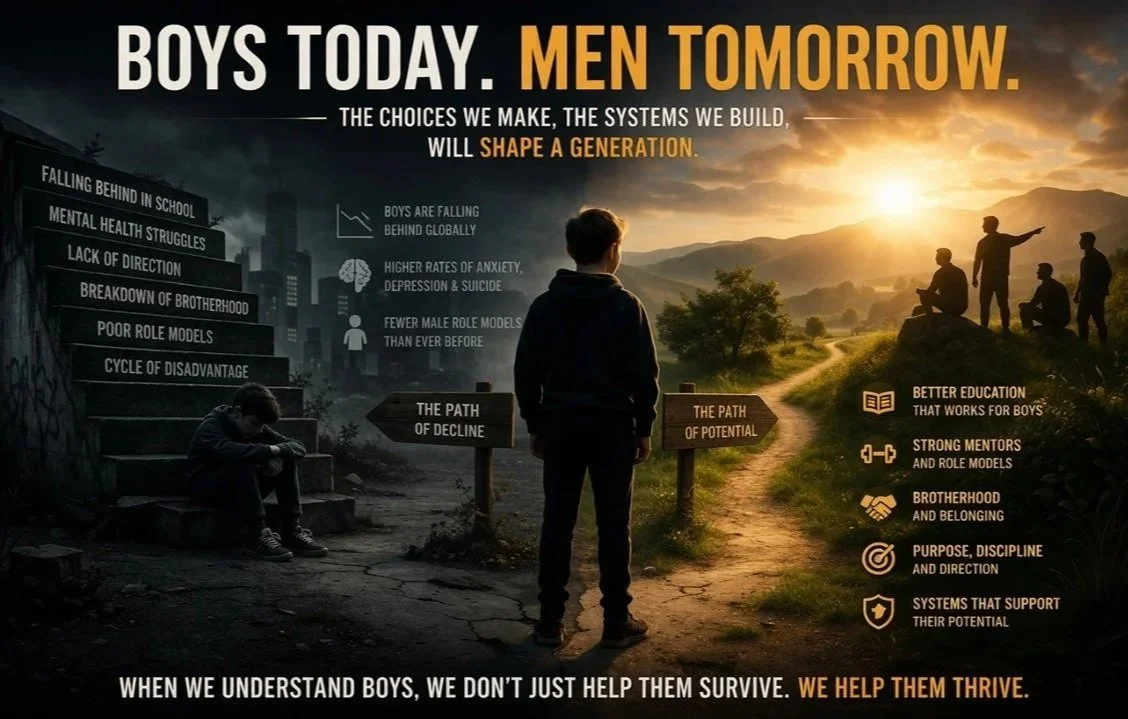
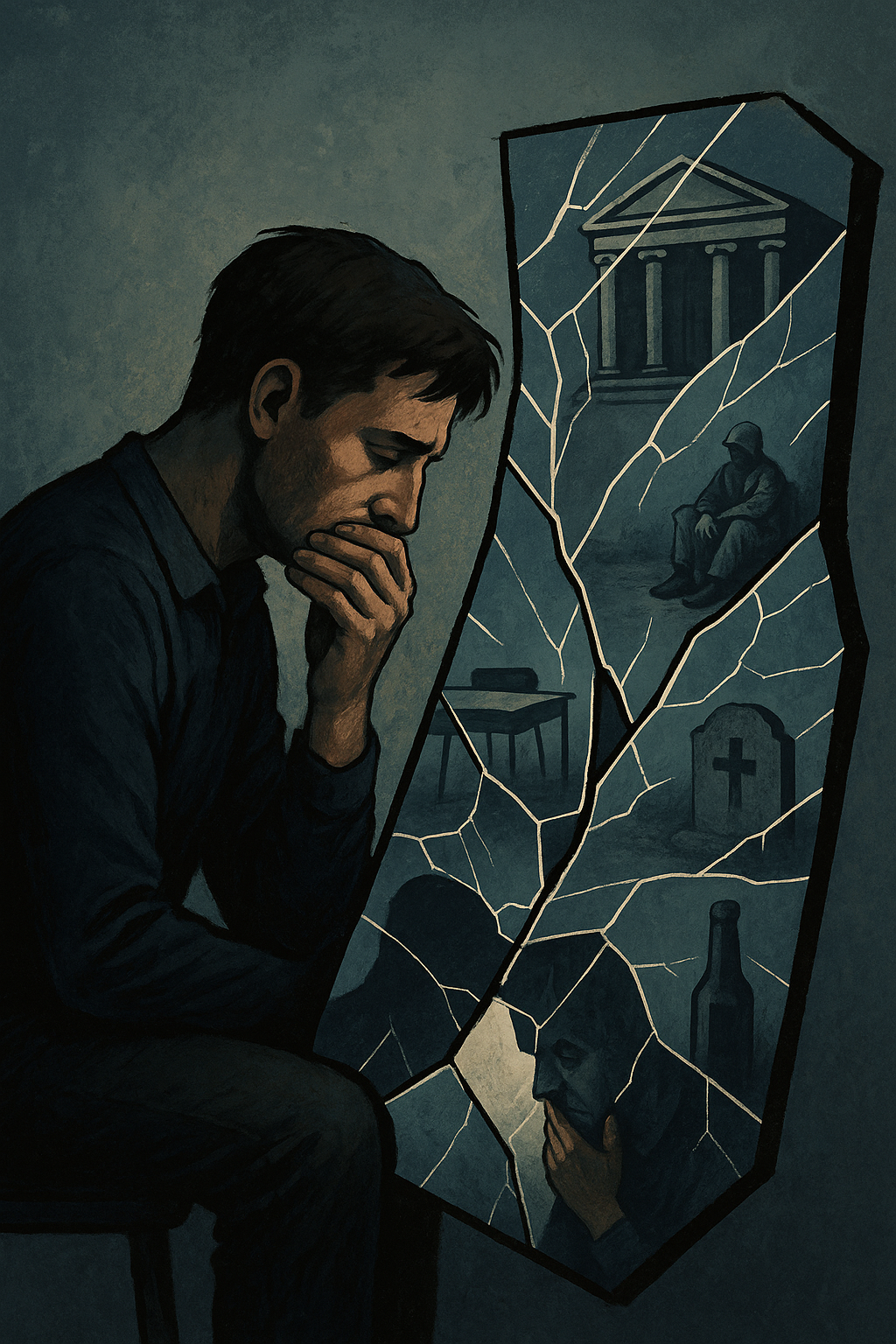
Imagine ser um menino hoje em dia. O garoto mediano está atrasado comparado às garotas em todos os níveis de escolaridade. Os meninos estão mais sujeitos a terem seus deveres escolares impactados pelo TDAH e Transtornos do Espectro Autista. Eles estão 16 vezes mais sujeitos que as meninas a achar a escola difícil por serem daltônicos. Os meninos são mais propensos a serem excluídos da escola. Dos 16 aos 24 anos de idade, é menos provável que eles estejam estudando, empregados ou em treinamento. Enquanto adultos, eles têm o dobro da probabilidade de sofrerem com o abuso de drogas e os homens são 83% dos moradores de rua, 96% da população carcerária e 75% dos suicidas.
Acima de tudo, imagine ser um menino na escola e ouvir sobre masculinidade tóxica em suas aulas de Relacionamento, Saúde e Educação Sexual. Agora, imagine entrar na internet e ser bombardeado com ainda mais negatividade sobre os homens enquanto é culpado pela negatividade que as meninas vivenciam online. O que isso deve fazer com a saúde mental dos meninos? Não é de admirar que muitos deles desliguem-se da mídia convencional, ficando assim inadvertidamente vulneráveis à exploração de outras influências nefastas online.
“…aproximadamente 85% dos respondentes acharam o termo ‘masculinidade tóxica’ ofensivo e possivelmente prejudicial aos meninos.”
Como psicólogo, preocupo-me com a saúde mental, especialmente a saúde mental de homens e meninos porque ela tem sido negligenciada por muito tempo. Por causa do tão pouco interesse sobre até que ponto o discurso negativo sobre a masculinidade impacta os meninos, eu e meus colegas conduzimos um inquérito. Encontramos que aproximadamente 85% dos respondentes acharam o termo ‘masculinidade tóxica’ ofensivo e possivelmente prejudicial aos meninos.”
Minha última pesquisa acabou de ser publicada. Ela avaliou o ponto de vista de mais de 4000 homens no Reino Unido e na Alemanha e encontramos que achar que a masculinidade é ruim para o seu comportamento está relacionado com pior bem-estar mental. Apesar de a direção da causação não ser definitiva neste tipo de estudo (não sabemos se visões negativas sobre a masculinidade prejudicam o bem-estar mental ou se baixo bem-estar mental faz os homens verem a masculinidade negativamente), está claro que visões negativas sobre a masculinidade estão relacionadas ao bem-estar num nível significativo.
“Minha última pesquisa acabou de ser publicada. Ela avaliou o ponto de vista de mais de 4000 homens no Reino Unido e na Alemanha e encontramos que achar que a masculinidade é ruim para o seu comportamento está relacionado com pior bem-estar mental.”
Mas algumas boas notícias do meu estudo é que visões positivas sobre a masculinidade estão relacionadas a melhor bem-estar mental. Isso está de acordo com outras evidências, geralmente ignoradas pela mídia e outras instituições, de que a masculinidade pode ser benéfica à saúde mental. Na verdade, essa notícia não surpreende o cidadão comum, sendo que muitos deles reconhecem o valor da masculinidade mais do que as pessoas nas universidade, mídias e no governo[YL1] .
Há raras exceções, mas a maioria das informações sobre masculinidade a qual somos expostos é irracionalmente negativa, então é perdoável pensar que homens são opressores de mulheres em vez de protetores de mulheres. Interessantemente, meu estudo encontrou que melhor bem-estar mental estava associado com acreditar que a masculinidade torna os homens protetores de mulheres, enquanto pior bem-estar mental estava associado com acreditar que a masculinidade torna os homens violentos em relação às mulheres.
Uma das implicações do meu estudo é que “se queremos que homens tenham boa saúde mental, uma estratégia útil pode ser ajuda-los a apreciar as formas nas quais sua masculinidade pode ter um impacto positivo em seu comportamento e no das pessoas ao seu redor”. Então, minha mensagem às escolas, à mídia, governos e ONGs é: há mais a ganhar sendo positivo. Sendo assim, é hora de parar de falar mal dos homens e da masculinidade.
O texto completo do artigo no qual esse texto é baseado pode ser baixado de graça aqui. Alguns dos materiais acima estão referenciados nesse artigo.
Desça para se juntar à discussão
Isenção de responsabilidade: Este artigo tem apenas propósitos informativos e não substitui uma terapia, consultoria jurídica ou a opinião de outro profissional. Nunca desconsidere tais conselhos por causa deste artigo nem por qualquer outra coisa que tenha lido no Centre for Male Psychology. Os pontos de vista aqui expressos não necessariamente refletem ou são endossados pelo Centre for Male Psychology e não nos responsabilizamos por eles. Leia o texto completo aqui.
Like our articles?
Click here to subscribe to our FREE newsletter and be first
to hear about news, events, and publications.





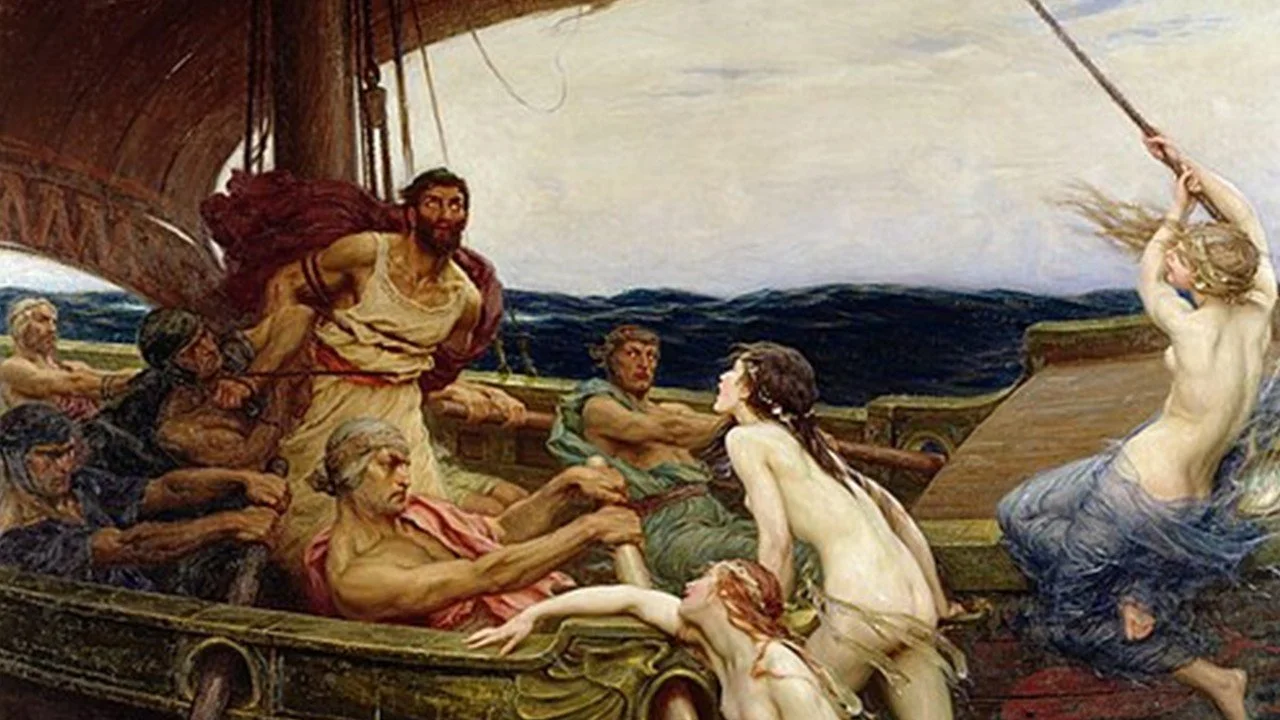

When a male is in a power imbalance, at least two masculine instincts are disempowered…

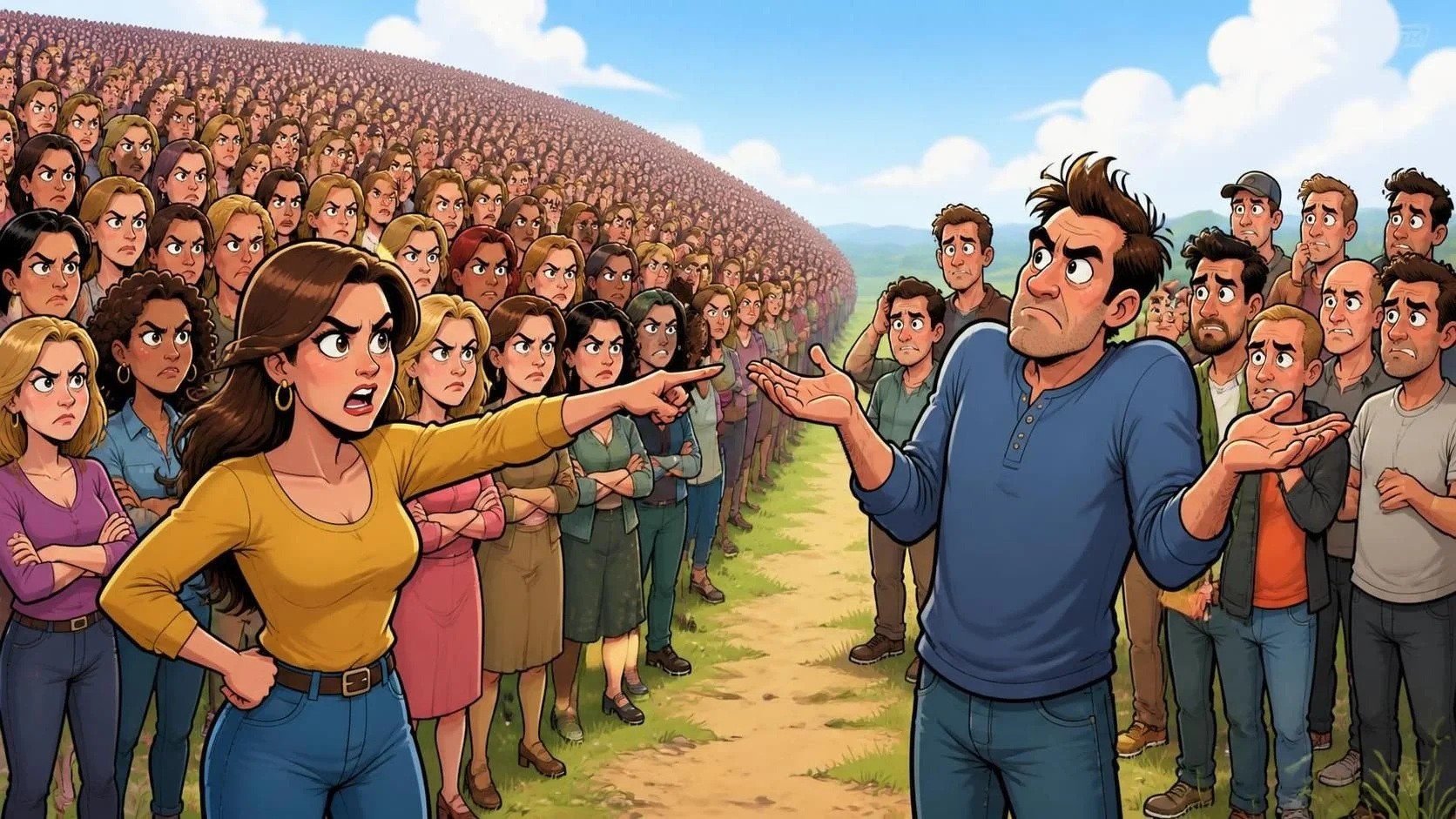
…people – men and women alike – respond less positively to male-favouring sex differences than they do to female-favouring sex differences.
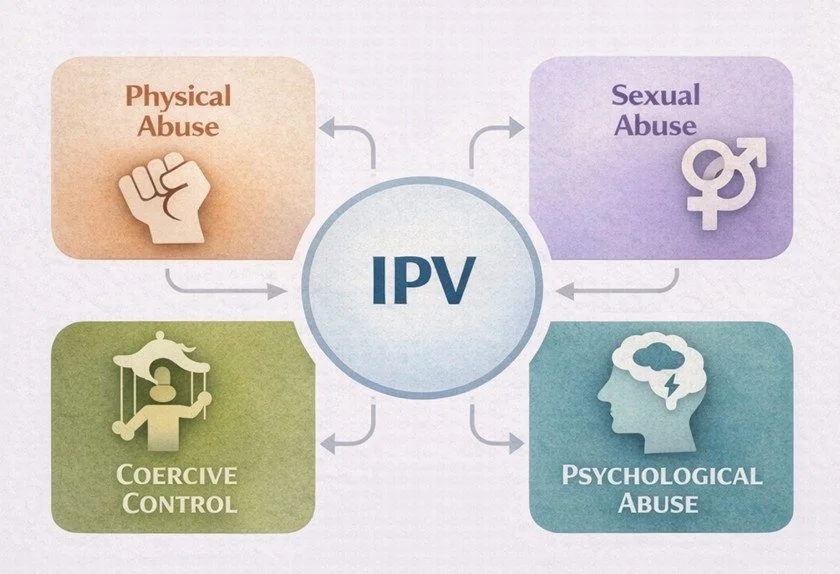
hyper-masculine gender norms are typically embedded within military institutions, and while adherence to these norms can contribute to combat and military success, they conversely make clinical work challenging
Men might benefit greatly from a government strategy aimed at improving their health. Here are suggestions from the Centre for Male Psychology on how that might be done. This article ends with some comments on potential pitfalls in the process of putting this strategy in place.


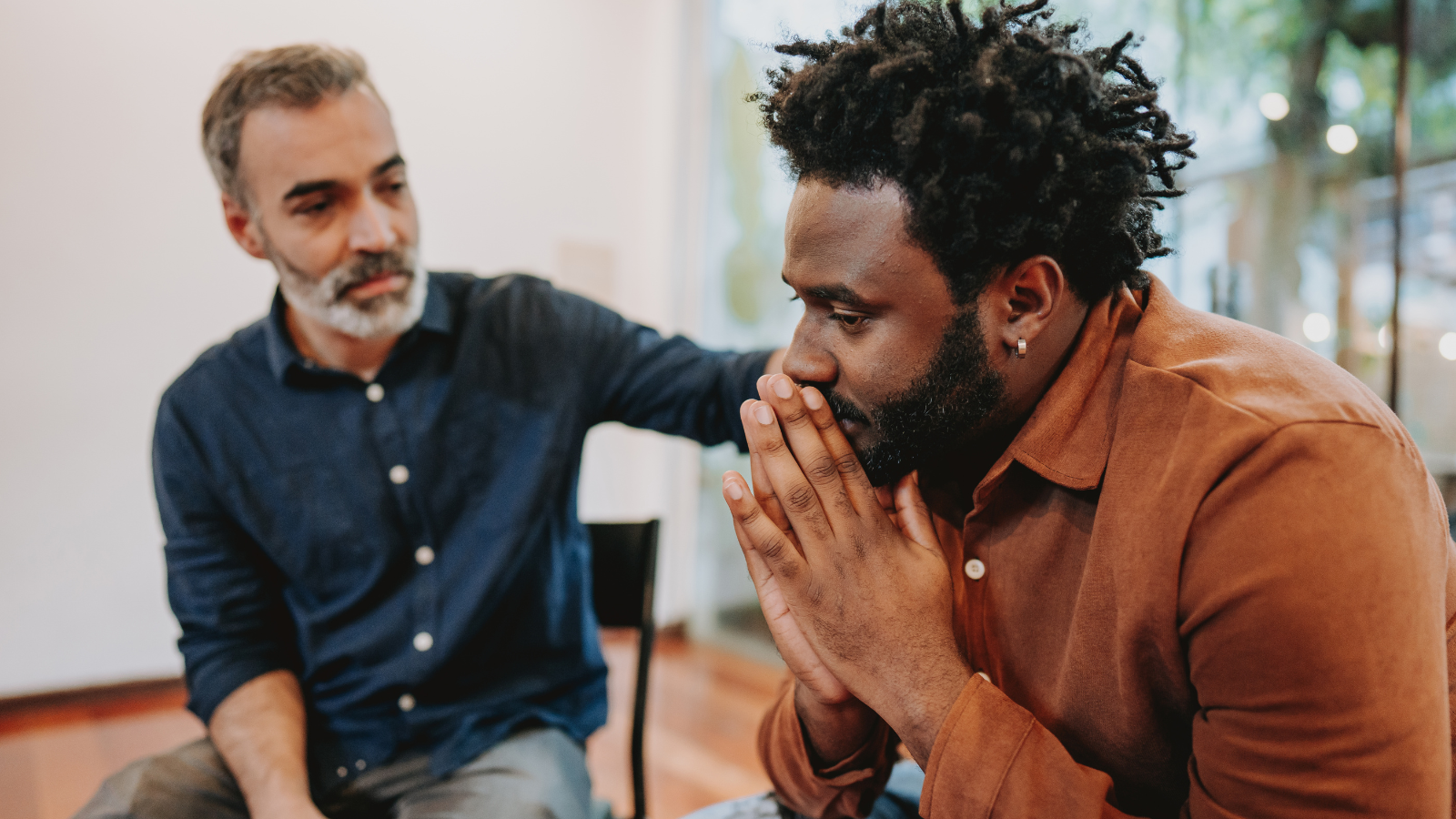

…people – men and women alike – respond less positively to male-favouring sex differences than they do to female-favouring sex differences.



… many papers do not even bother to identify or justify the nationality of their samples…


hyper-masculine gender norms are typically embedded within military institutions, and while adherence to these norms can contribute to combat and military success, they conversely make clinical work challenging


Have you got something to say?
Check out our submissions page to find out how to write for us.
hyper-masculine gender norms are typically embedded within military institutions, and while adherence to these norms can contribute to combat and military success, they conversely make clinical work challenging

hyper-masculine gender norms are typically embedded within military institutions, and while adherence to these norms can contribute to combat and military success, they conversely make clinical work challenging
hyper-masculine gender norms are typically embedded within military institutions, and while adherence to these norms can contribute to combat and military success, they conversely make clinical work challenging

hyper-masculine gender norms are typically embedded within military institutions, and while adherence to these norms can contribute to combat and military success, they conversely make clinical work challenging

hyper-masculine gender norms are typically embedded within military institutions, and while adherence to these norms can contribute to combat and military success, they conversely make clinical work challenging

Much of our attitudes, theorizing and public debate around men and masculinity is influenced by high profile feminist and Gender Studies scholars in academia. But what is the scientific quality of publications from these scholars?

Some people blame drill music – a form of rap - for the rising murder rate in London. Drill is known for aggressive lyrics about gang violence, but rather than seeing this as a valuable way for young men to express their feelings, some people want to ban it.

To survive… cultures have to use men and women effectively and … in fact, most cultures have used men and women in different ways… what our culture does is [grant] greater status to men and greater protection to women

hyper-masculine gender norms are typically embedded within military institutions, and while adherence to these norms can contribute to combat and military success, they conversely make clinical work challenging
There are around 300,000 veterans living with hearing loss in the UK, according to The Royal British Legion. In addition to being at a greater risk of PTSD, depression, and anxiety, many vets are also battling psychological distress from hearing problems.

The book begins with a description of her therapeutic approach, and an illustration of how to understand and work with the rage often seen in male CSA clients.

I felt in my dealings with some police officers, as though I were treated firstly as a man (assumed to be a perpetrator), but they’d overlooked risks associated with my impairment. Example: How can you dodge a missile you don’t see coming?

The Panorama programme on domestic violence failed to adequately highlight two important issues: male victims and female perpetrators.

your photograph, name and address, might appear in the local and national press and on TV, insinuating what an evil monster you are

…an attack upon masculinity is an attack upon one’s sense of self, of identity. …What, then, is the right psychological defence against such an attack?

The male has been designed to “look”, not only at the female, but to “look out” for prey, for danger, and for ways to protect his family unit.

If his child is allowed to live, this man must be available, for the rest of his life, to love and provide for his child… If, on the other hand, it is decided that his child is to be destroyed, he should be able to go about his life as if nothing has happened

Socialising is a basic human need. The opposite – social isolation – is one of the worst forms of torture. Some people look down on the local pub as a place for undesirable riff raff, but that narrow viewpoint misses entirely the community value of the pub

Male psychology is a recent development in academia. Unlike gender studies, feminism, and men’s studies, male psychology takes the view that we can gain more by recognising and harnessing the positive aspects of masculinity than we can by taking a relentlessly negative approach to men.

.
 John Barry
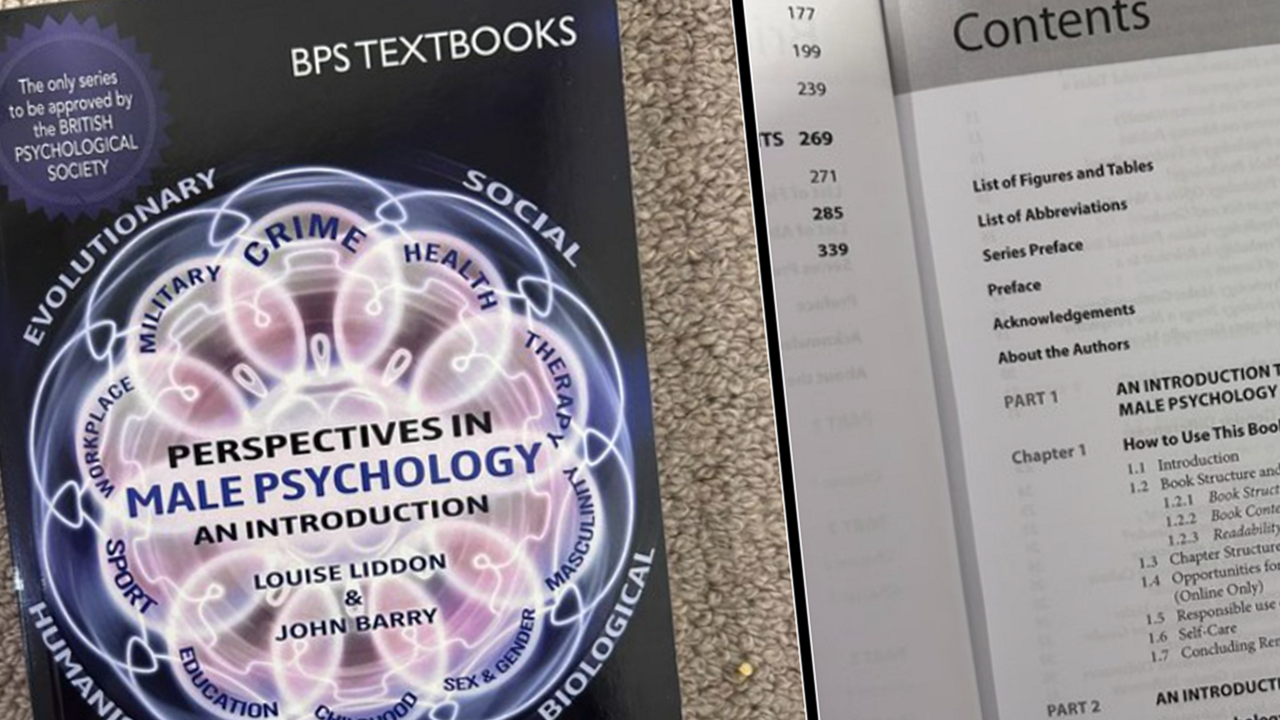
El dr. John Barry es psicólogo, investigador, hipnoterapeuta clínico y cofundador de la Male Psychology Network (Red de Psicología Masculina), la BPS Male Psychology Section (Sección de Psicología Masculina de la BPS) y The Centre for Male Psychology (Centro de Psicología Masculina). También co-editor del Palgrave Handbook of Male Psychology & Mental Health (Manual Palgrave de Psicología Masculina y Salud Mental), y coautor del nuevo libro Perspectives in Male Psychology: An Introduction (Wiley) (Perspectivas en Psicología Masculina: Una Introducción [Wiley]).