
Whatever happened to the heroes? The rise and fall of the male protector role.
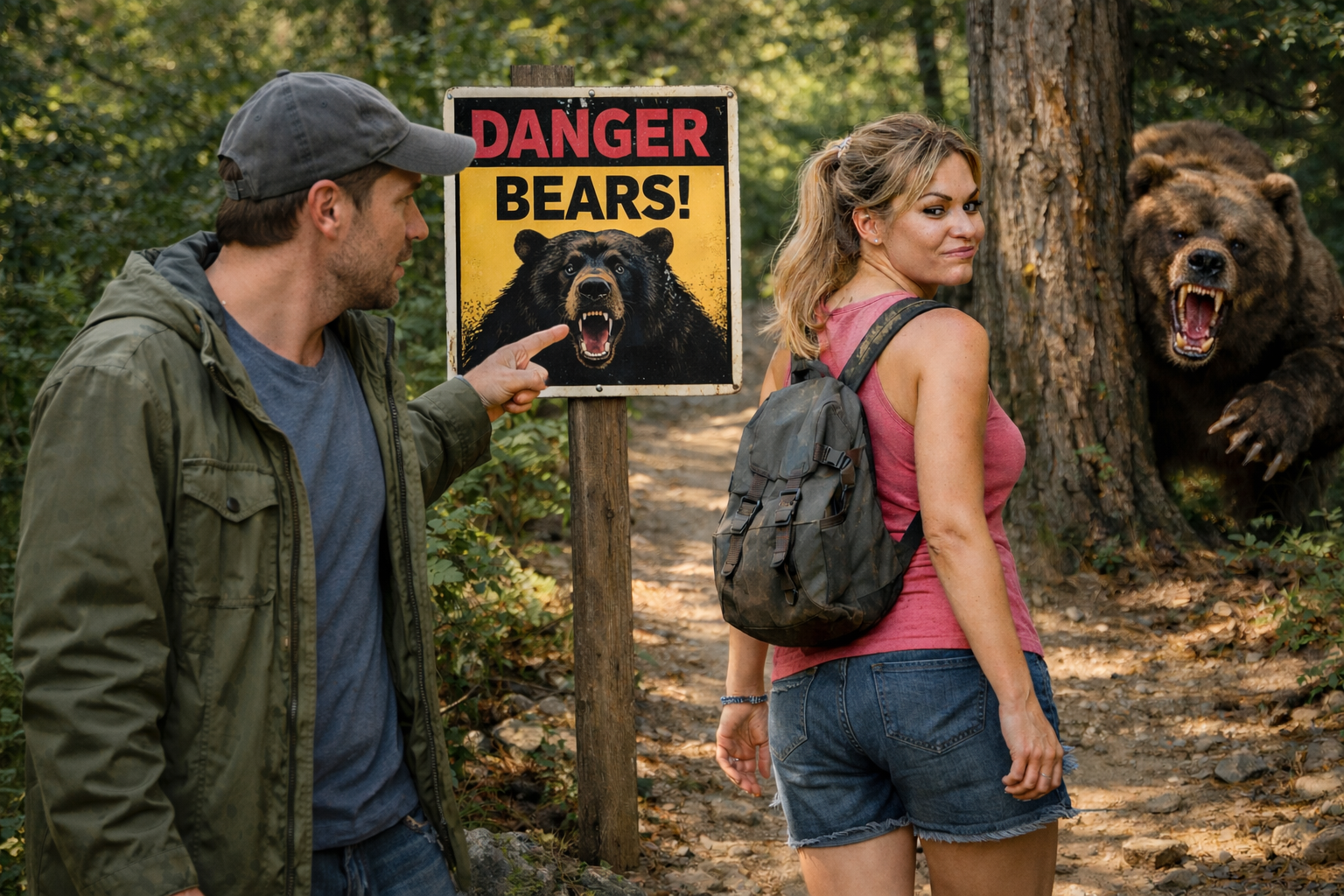
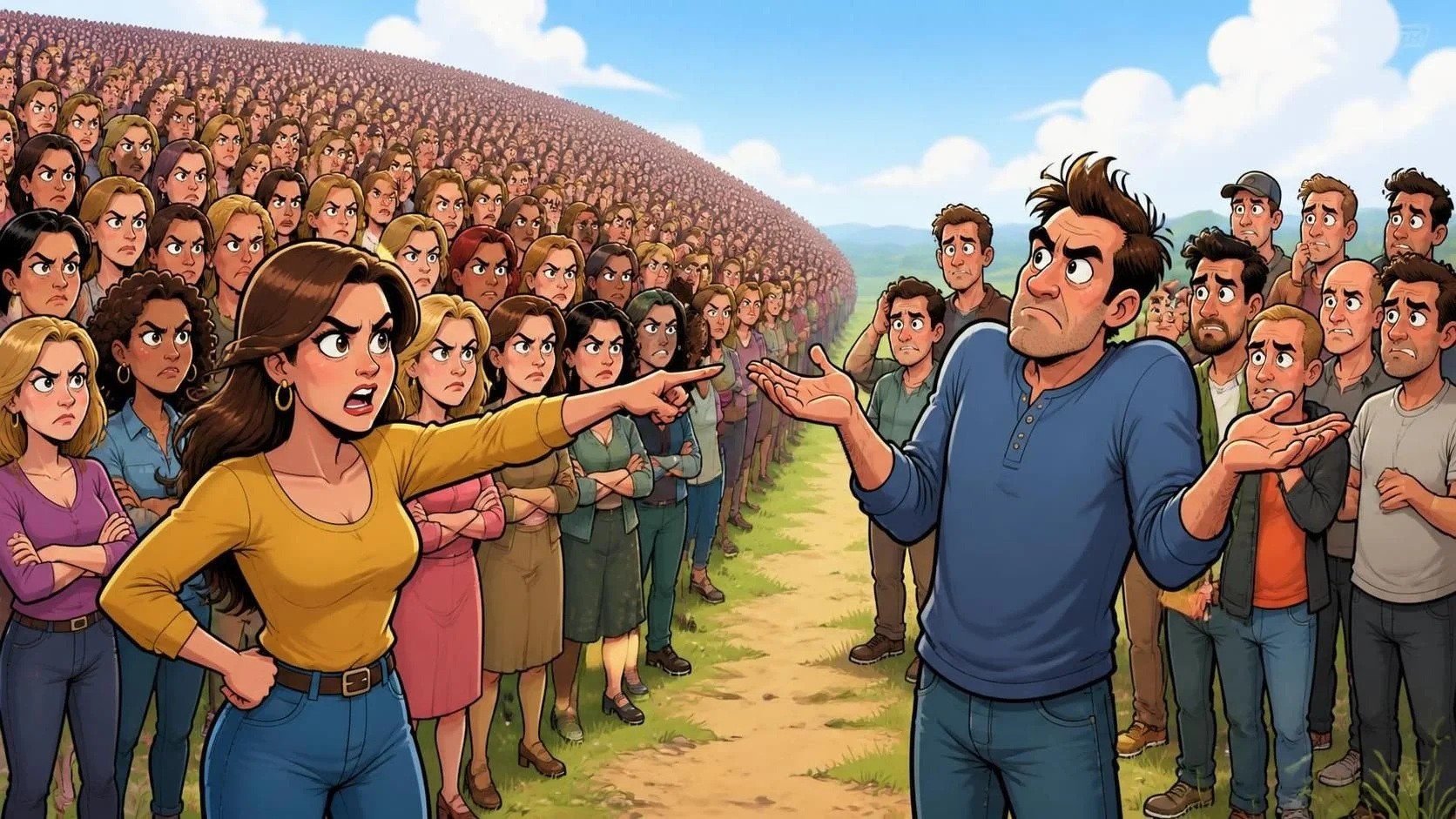
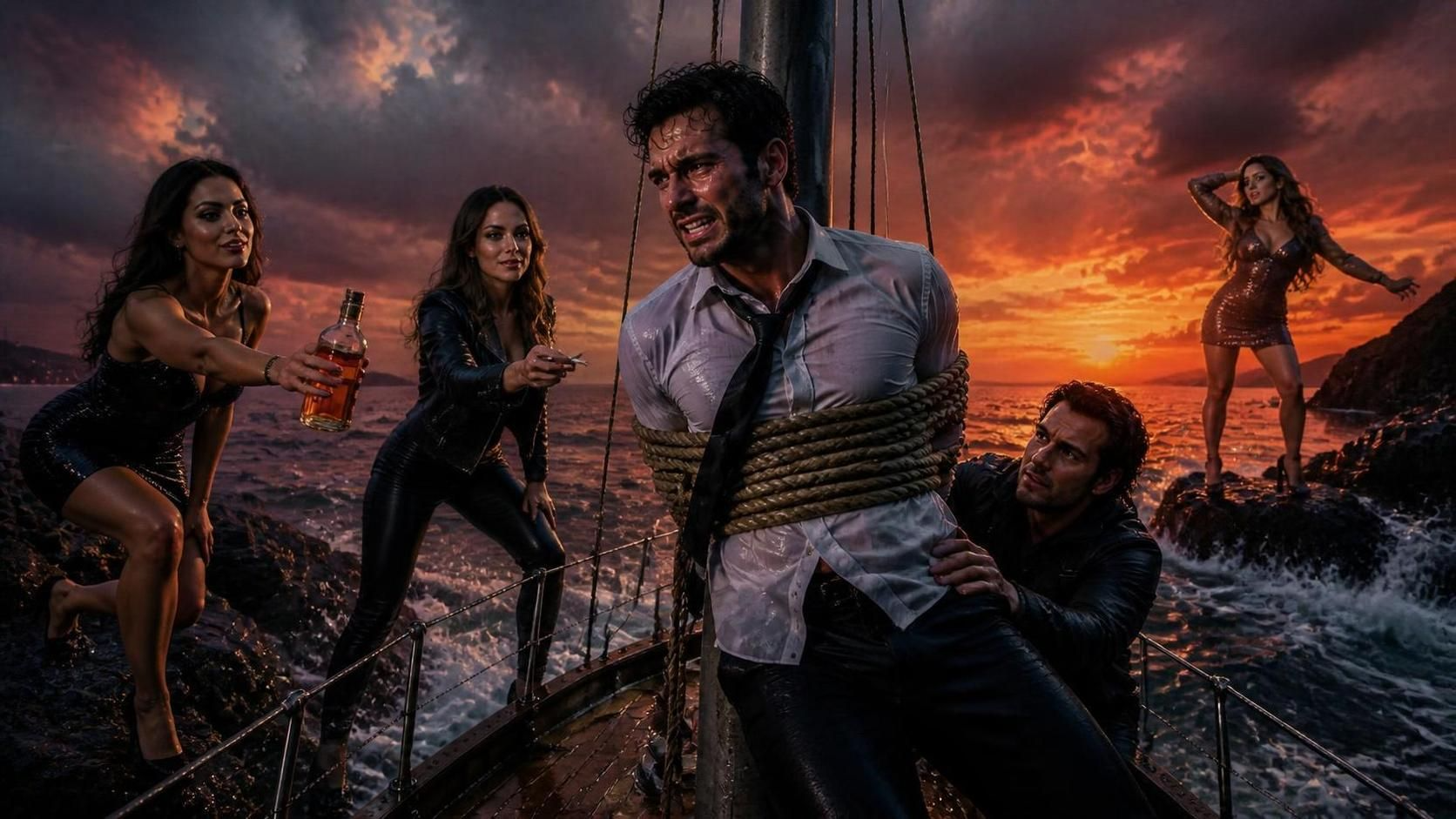
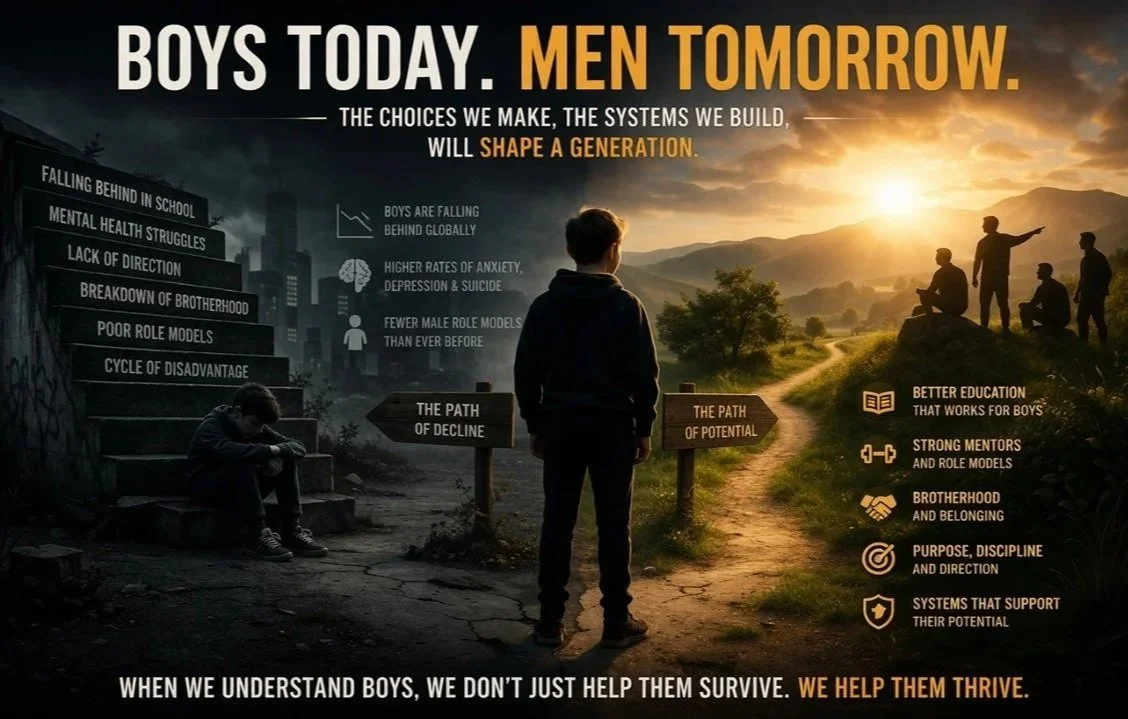
Image: ‘Fall of the male protector role’. Original concept by John Barry, created using AI image generation (ChatGPT).
As an undergrad I learned about the shocking case of Kitty Genovese who was sexually assaulted and murdered by a man in New York in 1964. Bystanders did little to help, and by the time someone called the police it was too late.
Fast forward to today, and a poll of young men aged 16–25 found 77% did nothing when witnessing harassment (e.g., catcalling, staring, unwanted remarks), and there has been criticism that men aren’t doing enough to protect women and girls. Is this a crisis of men callously abandoning women, or is that just one interpretation of a much more complex situation?
Chivalrous knights
Evidence from evolutionary psychology suggests that men lend protection based on kin selection (i.e. the more closely related they are to someone, the more they will protect that person) and to other men for reasons of reciprocal altruism (e.g. when hunting in groups). However, the West has a history of chivalry going back in Europe at least a thousand years, to the days of knights doing battle on horseback. Chivalry started out as a moral military code for the knights, emphasizing honour, courage, religious duty, and respect. Over time, it began to influence their social behaviour - especially towards women. Times of course changed and chivalry began to fade in the 15th century, and by the 18th century people began to look back on chivalry with a somewhat idealised nostalgia. Nonetheless, examples of chivalry have persisted, such as ‘women and children first’ on the Titanic in 1912. In contrast to the days of nostalgia for chivalry, many people today – men and women - question whether chivalry has any place in the modern world at all.
“men helping women has been reframed as ‘benevolent sexism’, which doesn’t sound very motivating for a would-be hero”.
From hero to criminal
So whatever happened to these heroic protectors of women? No doubt there is less incentive to be a hero in a culture that punishes men for protecting others rather than rewarding them. New York, where Kitty Genovese was murdered, provides recent examples of would-be heroes who were treated as villains. For example, John Rote, who fired warning shots to scare away a man who had tried to snatch a woman’s handbag, was rewarded for his chivalry by being arrested and charged with reckless endangerment and menacing. And you might know about the case of ex-marine Daniel Penny who was charged with murder, though was later acquitted, after he intervened to protect subway passengers. These cases demonstrate that trying to be a hero is not as straightforward and rewarding as we imagine it was in the past.
Do women want men’s protection?
Men might be forgiven for thinking that women don’t want or need their help. For example, men helping women has been reframed as ‘benevolent sexism’, which doesn’t sound very motivating for a would-be hero. At the same time, the idea of the ‘strong independent woman’ has been promoted widely for decades, resulting in a background level of scorn in our lives for the idea that women need men. It seems today that not only do many women not want the protection of men, they actually want to be protected from men. It has become popular among some women to claim - apparently without exaggeration – they would feel safer alone in the woods with a wild bear than alone in the woods with an unknown man.
Devaluing masculinity
There can be no doubt that decades of negativity about men and masculinity have encouraged women to be distrustful of men. Many schools and workplaces have been discouraging men and boys from traditionally masculine virtues, such as being competitive and risk-taking. But in the war on specific aspects of masculinity, the collateral damage to the self-image and self-worth of boys has too often been overlooked by educators, despite the fact that most people - 85% in this survey – have exactly these concerns.
“the negative narrative about masculinity, far from making women safer, might inadvertently put women at risk.”
Even though in the past year or two the term ‘toxic masculinity’ has started falling out of favour, other ideas that are equally as toxic - though more covertly so - are still widely believed. For example, ‘hegemonic masculinity’ - which portrays modern Western masculinity as being sexist, homophobic and stunting men’s emotional growth - is a cornerstone of academic thought on gender roles, and very influential on the media, politics and the law.
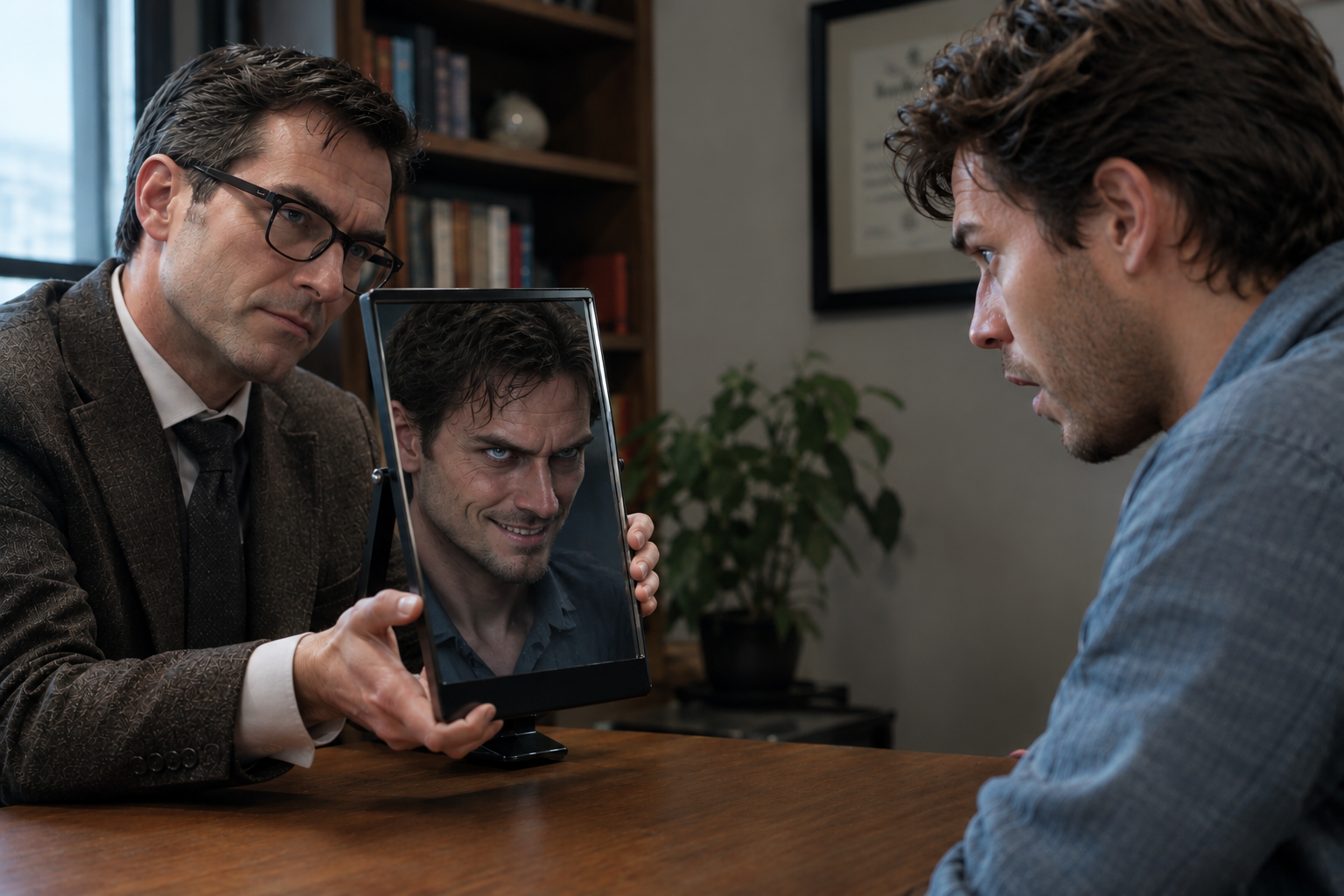
In relation to the male protector role, it’s important to consider that undermining masculinity might have a negative impact on the mental wellbeing of men and boys, which in turn could make them less protective of women. My survey of 4,025 men found that the better a man’s mental wellbeing, the more he feels that masculinity is something that makes him feel protective towards women, and conversely the worse a man’s wellbeing, the more he thinks masculinity makes him feel violent towards women. These findings makes sense in terms of what we know about male depression, which may be expressed through aggression rather than sadness. It seems then there is a risk that the negative narrative about masculinity, far from making women safer, might inadvertently put women at risk.
An evolved tendency to protect
You might expect that if nature had an influence on the protector role, then you could identify the protectors by attributes that would help them do this role effectively. There is lots of research on the sex differences relevant to being a protector, and these differences very clear. Although these differences are seen on a population level rather than seen in every man and women, it’s clear that men generally tend to be taller than women, have more muscle power, stronger bones, and men also show psychological characteristics like physical aggression more than women do. Research with humans has found that whereas women wake up at night for sounds of a baby, men wake up at night for sounds of threat. A large cross-cultural study found that men are significantly more likely than women worldwide to work in law enforcement, an indicator of protectiveness. Given all of thee differences, it’s no surprise then that men identify significantly more with the protector role than women do, and a recent survey found three quarters of Gen Z men and women (age 18-29) agreed that men should protect women. This finding is echoed in animal research, for example, mice seek protection from male mice in an emergency rather than female mice.
This all fits with the idea that women need to be protected more than men because in evolutionary terms they are more important, due to their role in reproduction. If this point isn’t clear, think about the likelihood of growth and survival of two villages, one with a population of 1 man and 99 women, and the other with a population of 1 woman and 99 men. So women are especially vital to survival, which means they especially attract protection from harm. This also means men are left to put themselves in harm’s way, and are thus more ‘disposable’ than women. Indeed the lack of empathy for problems faced by men compared to the greater empathy for the problems faced by women is probably a result of this evolutionary inequality. But that seems to be the decision that mother nature has made, and it explains why women want masculine men who can protect them, which could also be why they prefer tall men, and men of good status and income who can afford to live somewhere safe and well-protected.
“In this age of women’s empowerment and equality, is there any reason why a woman shouldn’t be as capable of protecting men as much as men protect women?”
Going back to the Kitty Genovese murder mentioned at the start of this article, it is worth noting that the bystanders there were a mix of men and women, including a man who shouted at the attacker causing him to run off, and a woman who comforted the victim until help arrived. This reflects a similar pattern found in cases of sexual violence: in general women are more likely to try to comfort the female victim or pull her to safety, whereas men are more likely to confront the perpetrator or seek someone else who will do so. While it’s good to know that both men and women are prepared to help in emergencies, they tend to do so in different ways. An example of this is the finding that while male prison officers meet violence with physical means of restraining, whereas female officers tend to rely on verbal negotiation. Given the typical sex differences in muscle strength and emotional expression, there is nothing very surprising about this.
The 21st century female protector role?
Warren Farrell and colleagues wrote around 20 years ago: “For nearly four decades now, we have become increasingly protective of women and decreasingly protective of men”. In this age of women’s empowerment and equality, is there any reason why a woman shouldn’t be as capable of protecting men as much as men protect women? We live an culture that highly values gender equality, but nonetheless the traits relevant to protecting aren’t equally distributed. You only need to see genetic males compete against genetic women in sports like boxing or sprinting to know this. So although many women are capable of defending men, especially in situations where muscle power is less required (e.g. the armed services), it is not true for women in general. It should go without saying that this is not a criticism of women.
Should women rely on the state to protect them?
Being liberated from marriage, the family and gender roles sounds great to many people. If women are equal to men, or independent of men, it could be taken to imply that each should rely on themselves to protect themselves. Being strong and independent is one thing, but what does that mean if dependence on husbands is simply replaced with dependence on governments and employers? Bureaugamy refers to when the government takes the place of the husband, providing for and protecting women throughout their lives, if they want it. Clearly, in this model women really might feel they don’t need men, although how much the state – with governments changing every few years – will be as committed to a woman’s protection as her husband would be is another matter. The husband may have pledged to love and protect her all her life, and be highly motivated to protect his children too. There are of course cases where family courts decide that the rest of the family needs to be protected from the father, and of course there are cases where that protection is necessary. But there are other cases where the protection of the state is highly questionable, for example, where fathers have tried to protect their daughters from sexual abuse and found themselves arrested for it.
“Or is the level of misandry we are seeing today just a cultural blip, deflecting our awareness from the enduring invisible force within many people, that attracts us to some and protectively repels away others from them.”
There is good evidence that the traditional family is good for people and society, and when it breaks down, this erodes the fabric of society. Despite calls to ‘smash the patriarchy’, there is no ‘patriarchy’ - literally ‘rule of the father’ - in the West today. But calls to smash the patriarchy undermine men in general, including men in relationships, and the role of the father in the family. This creates the conditions where families are too readily broken in family courts, often in a way that leaves everyone traumatised and vulnerable.
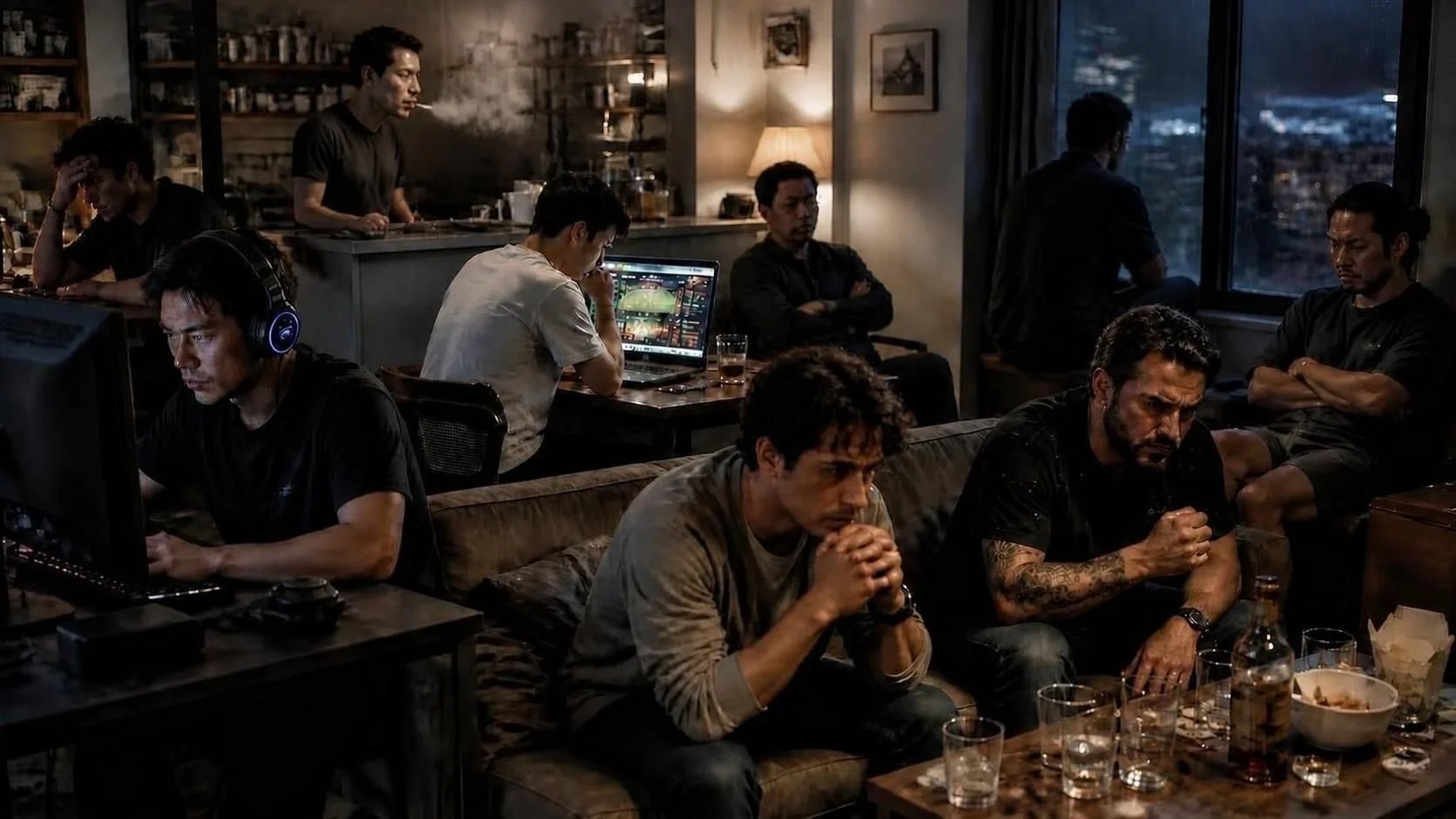
‘Dad deprivation’ is one of the key factors leading to delinquency and prison, but even if young men don’t experience family breakdown first hand, they can see it when it happens to their peers. This quite possibly feeds into the trend against young men forming relationships with women. Having low hopes for a fulfilling relationship is linked to risk of depressive symptoms and social isolation, and may influence some young men to identify as incels.
So does the protector role need our protection?
It seems that the male protector role has fallen out of favour, at least in the West in the past few decades. But does this mean the majority of men and women want to get rid completely of the protector role? Do we now live in a culture where women prefer the company of a wild bear and men are happy to go their own way? Or is the level of misandry we are seeing today just a cultural blip, deflecting our awareness from the enduring invisible force within many people, that attracts us to someone and protectively repels away others from that person.
Although men and women are dating less and marrying less now than in the 1990s, there has been a slight increase in the US since 2019 - from 42% to 44% - in the percentage of those who are partnered. So despite the climate of negativity about men, and the pushing of women to be independent of men, perhaps there is still something that keeps bringing men and women together.
It could be that the protector role is a key aspect of the masculinity archetype, and as such, people can either accept it or not, but they can’t change it very much, and they can’t redefine it very much without creating an implausible construct which is removed from reality. Research evidence in the past few years is pretty clear that women find men who are prepared to protect them more attractive than men who aren’t. Even women who identify as feminists find protective men more attractive. So despite it being terribly unfashionable, it seems that most women want to be protected, and most men want to protect them.
Let them shine
I think the cynicism about male heroes is part of a wider bubble of misandry, and when reality bites – as happens in times of crisis – the bubble will pop and we will find that men and women will revert to behaviours that have served humanity for millennia. However we shouldn’t wait for a crisis to force this change. It seems likely that helping boys to feel more positively about masculinity will not only help their wellbeing but will help them feel better about the people around them too. They might not want to put on shining armour right away and be your hero, but if you let them be themselves they will then have a chance to shine in their own way and in their own time, and become the best possible version of themselves.
Disclaimer: This article is for information purposes only and is not a substitute for therapy, legal advice, or other professional opinion. Never disregard such advice because of this article or anything else you have read from the Centre for Male Psychology. The views expressed here do not necessarily reflect those of, or are endorsed by, The Centre for Male Psychology, and we cannot be held responsible for these views. Read our full disclaimer here.
Like our articles?
Click here to subscribe to our FREE newsletter and be first
to hear about news, events, and publications.






Have you got something to say?
Check out our submissions page to find out how to write for us.















.