

Where do boys learn how to be men?
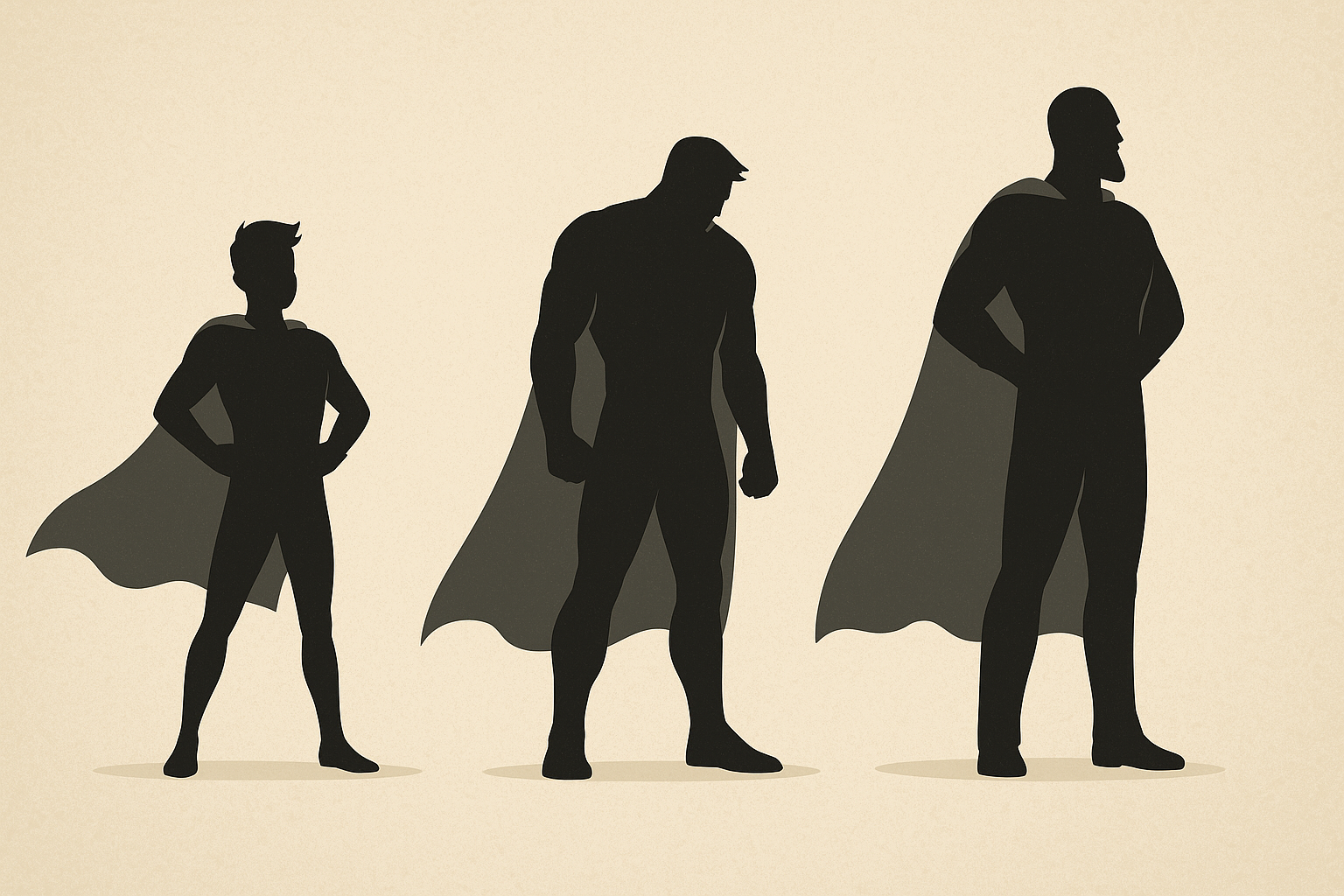
Where do boys learn how to be men?
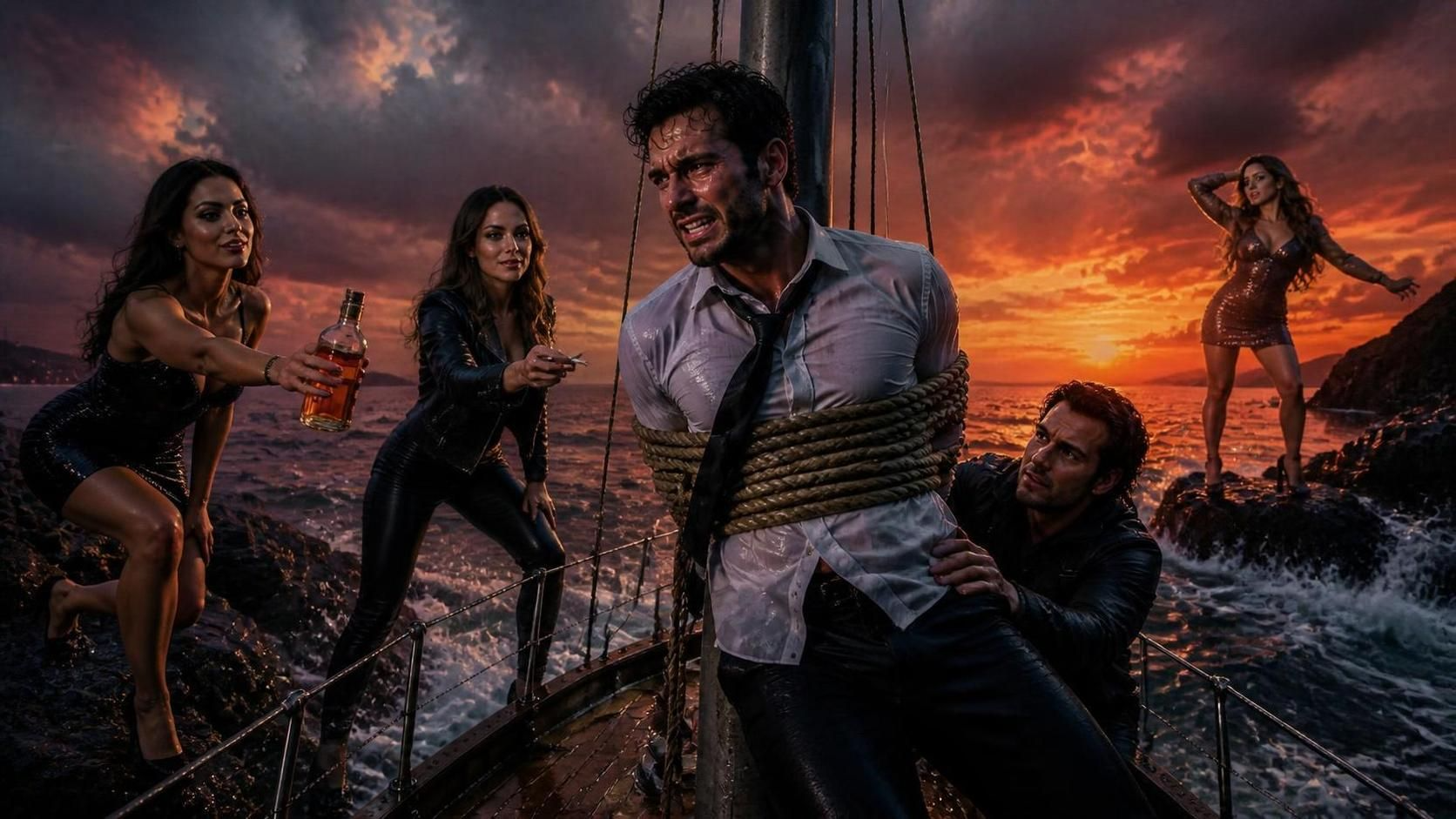
Traditionally, the answer was simple: fathers, mentors, elders. But today, many boys lack stable, guiding male figures. In that vacuum, they turn to cultural myths. And chief among these are superheroes.
Superheroes do more than entertain. They model how to face adversity, control emotion, and pursue justice. They are aspirational yet flawed, powerful yet principled. In the absence of real-world role models, these figures become maps, offering a kind of emotional scaffolding for identity development.
The question isn’t whether this happens. The question is how deeply.
Archetypes and the Deep Structure of Story
Psychologist Carl Jung proposed that humans are drawn to symbolic figures, called archetypes, that represent stages of internal development. Superhero narratives follow these almost exactly.
The Hero: Young, idealistic, full of potential. Think Superman.
The Shadow: Wounded, repressed, dangerous. Think Batman.
The Wise Old Man: Disciplined, integrated, guiding others. Think Obi-Wan Kenobi.
These aren’t just literary devices. They are psychological patterns that boys intuitively recognise. Through story, they learn what it means to be brave, to fall, to recover, and, if the culture allows, to mature.
But modern narratives often stop short. Heroes remain youthful. Shadows remain unresolved. And the elders are absent. Without the full arc, many young men get stuck, aspiring to strength but lost in pain.
Emotional Intelligence: Channel, Not Suppress
Daniel Goleman defines emotional intelligence (EI) as the ability to recognise and manage one’s emotions and those of others. His model includes:
Self-awareness – naming feelings as they arise
Self-regulation – pausing before reaction
Empathy – understanding others’ emotions
Social skills – communicating constructively
In superhero narratives, this is often acted out symbolically. Characters are rarely emotionally fluent, but they evolve. Bruce Wayne becomes less reactive. Peter Parker learns responsibility. Luke Skywalker learns to temper anger with wisdom. These transitions matter, because boys watching them often don’t get to rehearse those skills in real life.
In male psychology, EI develops differently. Males are more likely to externalise distress as anger or withdrawal. Socialised to suppress vulnerability, they may lack both vocabulary and permission for emotional expression. When superhero figures display control, transformation, or regret, they offer indirect emotional modelling, which is crucial where direct modelling is absent.
Cognitive Dissonance and Moral Growth
When beliefs or behaviours conflict, humans experience discomfort. This is known as cognitive dissonance. The discomfort motivates change, either by altering beliefs, dismissing facts, or attacking the source.
Superhero stories repeatedly depict this tension. Characters face moral crossroads, betrayal, or personal failure. Some grow; others resist. For adolescent boys, these moments resonate. The discomfort of doing the right thing under pressure, admitting fault, or losing status is a central developmental challenge. When handled well in a story, it can prime them to handle it better in life.
Critical Point: The greater the emotional investment in a belief, the stronger the resistance to change.
Learning by Watching: Bandura’s Insight
Albert Bandura argued that people learn not just by doing, but by observing. Known as social learning theory, this explains why media figures matter. We model those we admire. If boys admire men who are violent and reactive, that’s what they’ll practice. If they admire those who are strong and emotionally self-disciplined, that’s what they learn to emulate.
Superheroes offer both risks and rewards in this regard. For some boys, a power fantasy becomes escapism. For others, it becomes a blueprint. The difference lies in interpretation—and in whether real-world mentors are available to help them make sense of what they’ve seen.
Trauma, Fatherlessness, and the Shadow
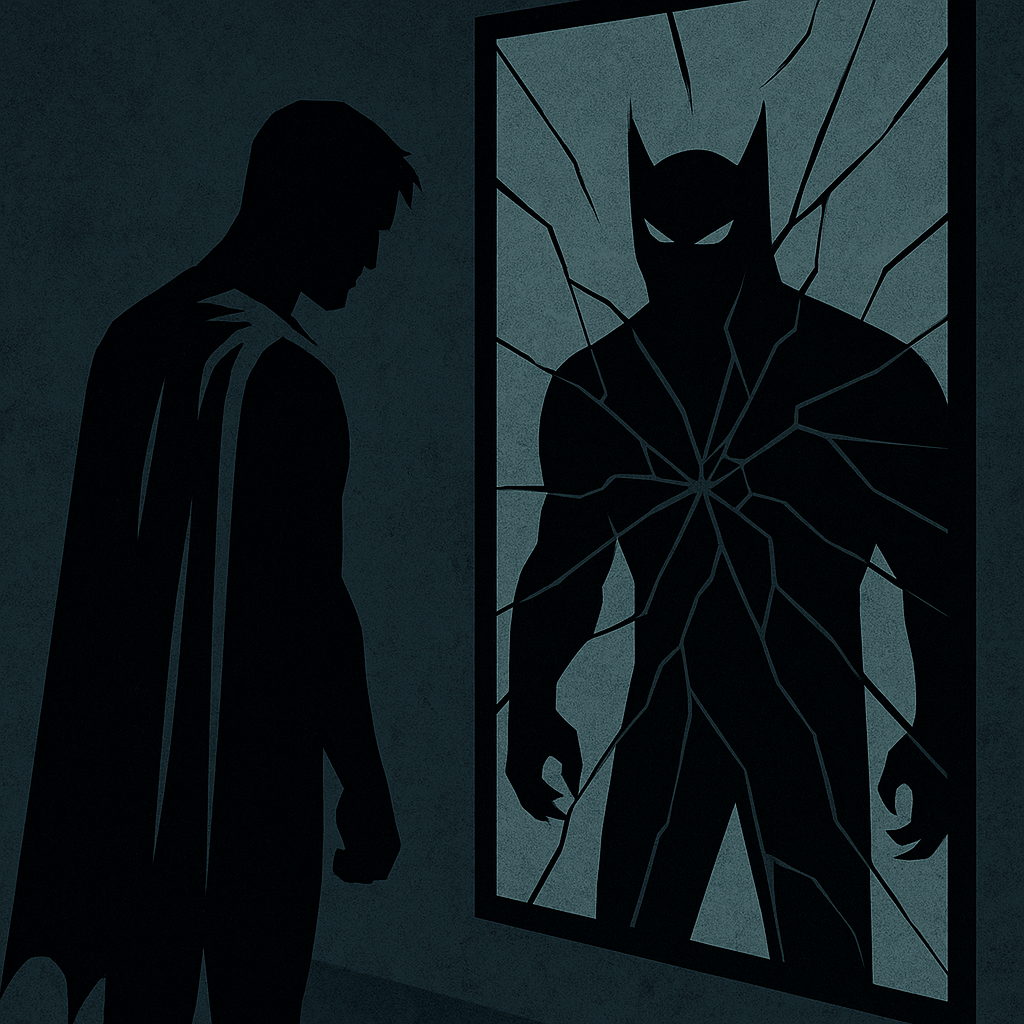
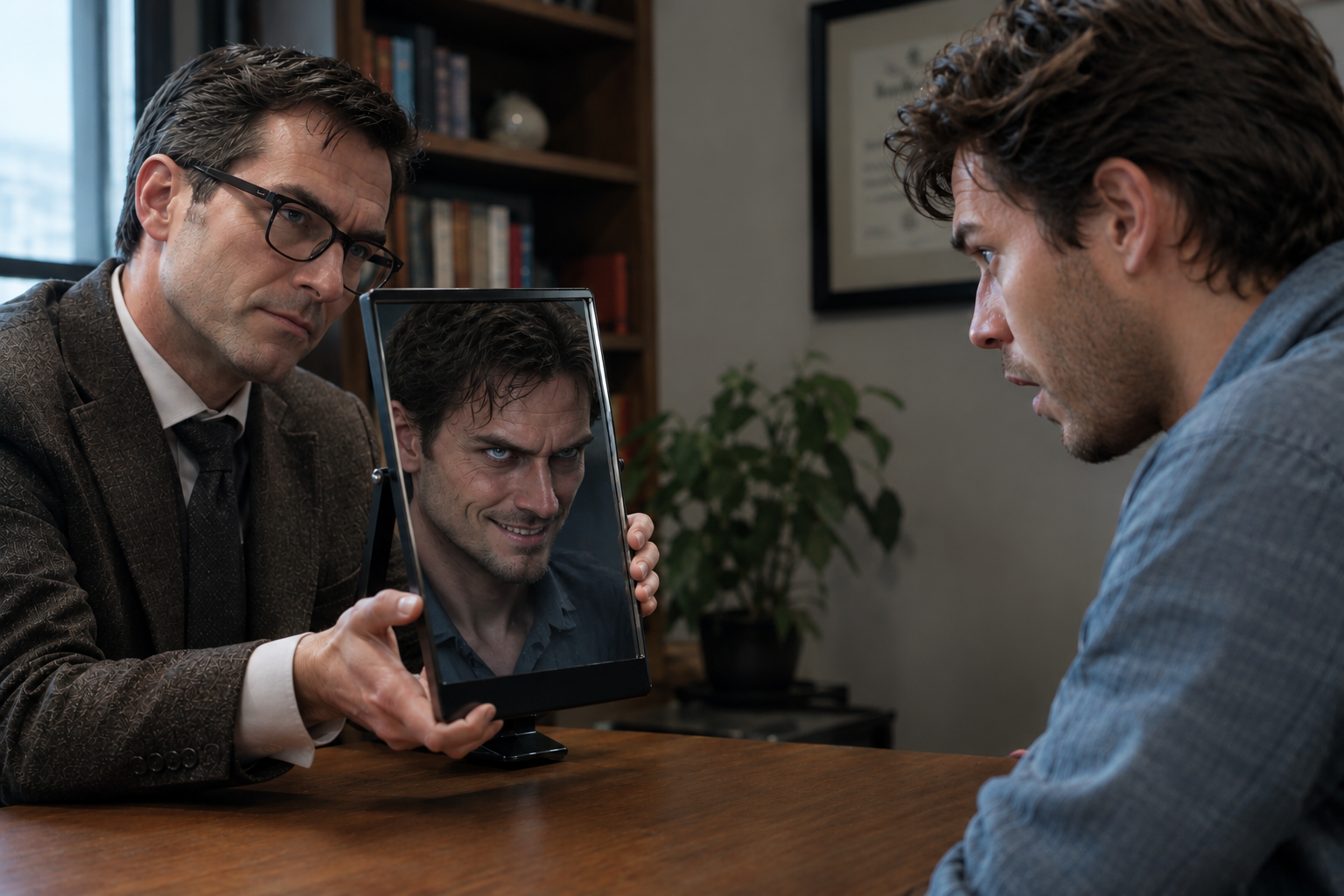
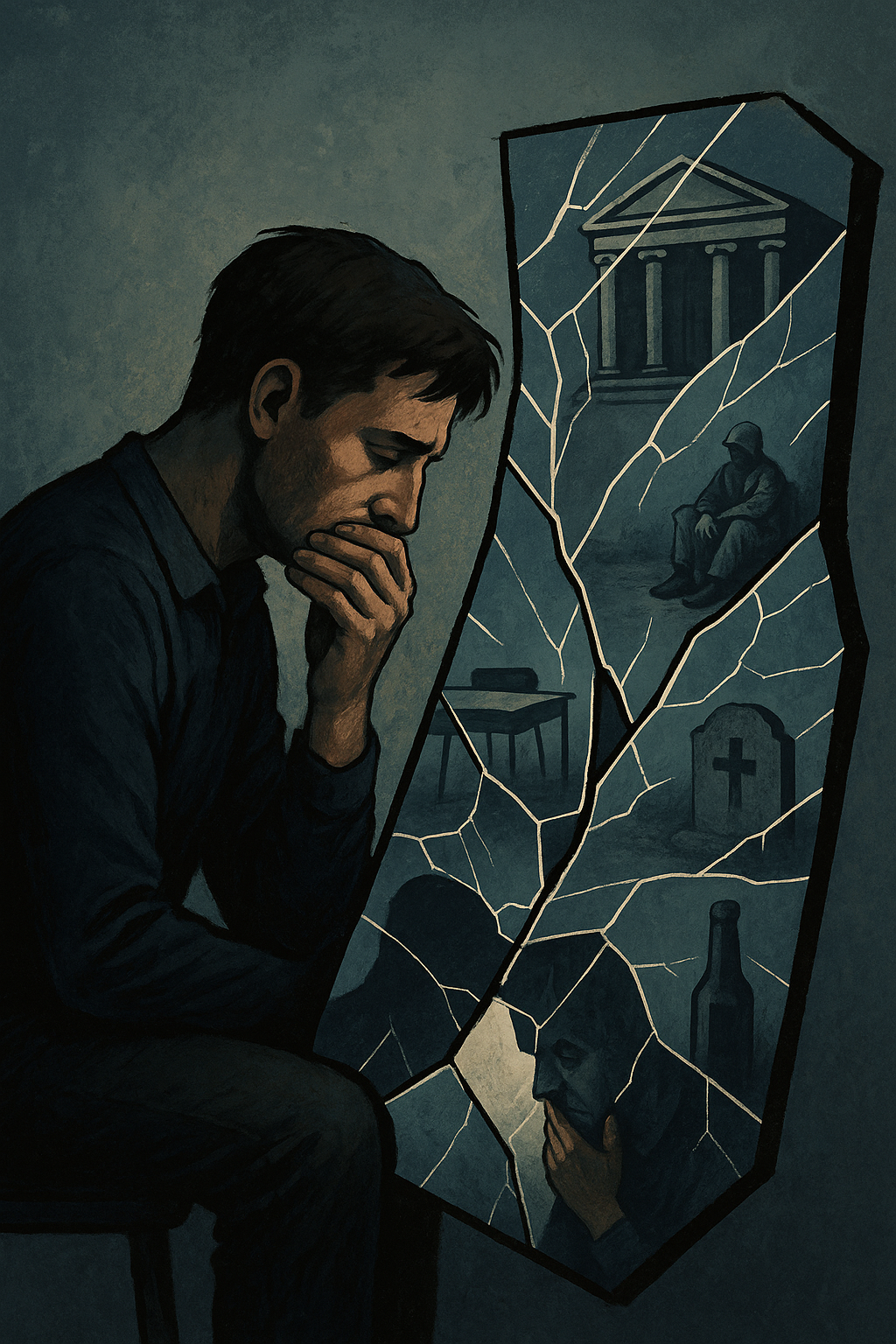
When male suffering is mocked, dismissed, or politicised, it goes underground. This is Jung’s “shadow”, that part of ourselves we reject. It’s not inherently evil. It’s wounded, angry, and often deeply moral. If left unintegrated, it may explode.
Many boys today grow up without consistent male guidance. Father loss - whether through divorce, family court systems, or cultural marginalisation - has been linked to poorer outcomes in education, self-regulation, and identity formation. Without a roadmap, the shadow grows unchecked. Batman resonates with these boys not because he’s violent, but because he’s hurt. He teaches that pain can be redirected, but only if acknowledged.
Cultural Amnesia: Where Are the Elders?
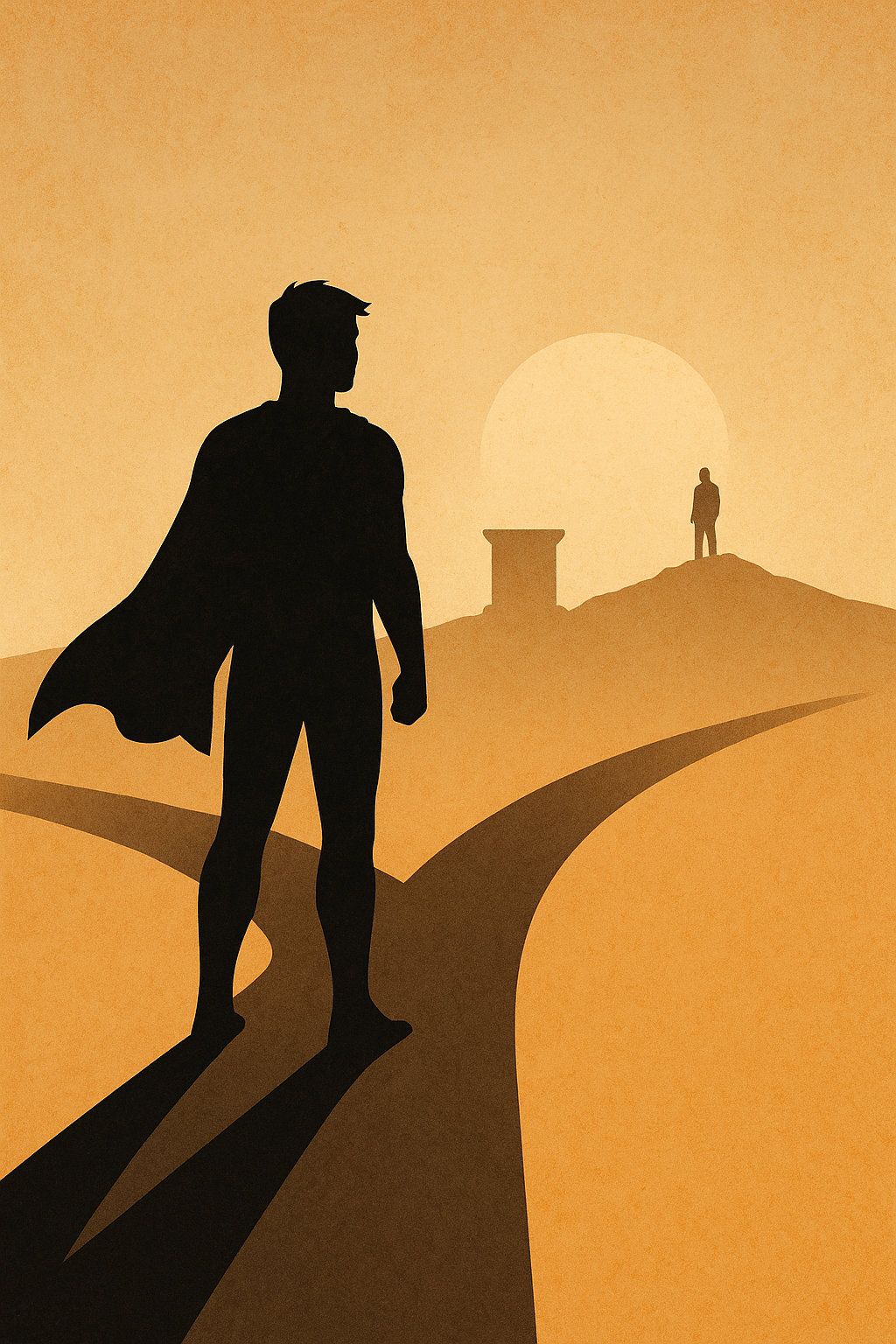
Perhaps the most damaging omission in modern media is the elder. Too many stories end before men become mentors. Young heroes remain trapped in youth or fall into cynicism.
This reflects a cultural fear of male authority - but it’s a mistake. Boys don’t need superheroes to stay forever young. They need to see how strength evolves into wisdom. Obi-Wan Kenobi shows this. So do figures like Professor X or Alfred in Batman. These aren’t just background characters, they are aspirational.
Without elders, we repeat the cycle. Boys become men who are still waiting for the guidance they never received.
Conclusion: Superheroes Are Serious
Superheroes are not childish fantasies. They are mythic structures rooted in psychology. They appeal to something hardwired in the male psyche: the need to strive, struggle, and grow.
They are not enough on their own. But when coupled with real-world mentors, they become powerful tools. They offer something many boys today are desperate for: a story in which masculinity is not the problem, but their journey.
Disclaimer: This article is for information purposes only and is not a substitute for therapy, legal advice, or other professional opinion. Never disregard such advice because of this article or anything else you have read from the Centre for Male Psychology. The views expressed here do not necessarily reflect those of, or are endorsed by, The Centre for Male Psychology, and we cannot be held responsible for these views. Read our full disclaimer here.
Like our articles?
Click here to subscribe to our FREE newsletter and be first
to hear about news, events, and publications.















.