Psychological impact of false accusations on males: An evidence-based analysis

The mental health impact of wrongful accusations on males represents a significant, increasingly observed—but still under-researched—public health and social justice issue. Over the last two decades, a growing body of academic studies, government reports, and institutional data has documented a marked increase in anxiety, stress, depression, post-traumatic stress disorder (PTSD), and a variety of related psychological and sociological consequences among men who experience false allegations. [References 1-5]. These findings are particularly salient given evolving debates over due process, gendered patterns of legal intervention (especially in family and abuse contexts), and the widespread use of media and public forums that can amplify stigma and accelerate reputational damage.
The focus of this report is a rigorous research synthesis on the prevalence and character of anxiety and related mental health disorders among males as a result of wrongful accusations (see Table 1, below). Special attention is given to peer-reviewed studies, systematic literature reviews, qualitative research, and surveys from reputable journals and institutions. The report also evaluates the sociological dimensions—stigma, legal system biases, intersectionality, and community support structures—that mediate these psychological effects.
Prevalence and Scope: Understanding the Magnitude
The empirical evidence indicates a consistently high prevalence of clinically significant anxiety, depression, and trauma responses among men following false accusations, particularly those that lead to legal or reputational consequences.[4-8]
One of the most comprehensive sources is the systematic review by Brooks & Greenberg (2021), conducted at King’s College London, which synthesized 20 primary studies, mostly involving male participants who were wrongfully accused and sometimes imprisoned before eventual exoneration.[1] Across studies, the review documented that:
Between 38% and 60% of wrongfully accused men experience clinical levels of anxiety or panic attacks.
Rates of PTSD range from 42% to 50%.
Depression and suicidal ideation are common, with 46% in one study reporting significant depressive symptoms while 20–30% reported suicidal thoughts or attempts after their ordeal.[1, 9]
These symptoms were often persistent and did not remit even after exoneration; long-term adjustment difficulties are common.[10]
Similarly, a national YouGov survey for DAVIA (2025), found that men are twice as likely as women to report being falsely accused of misconduct. Country-specific rates ranged from 6% in the UK to 18% in Australia. These figures are echoed in a US-based Center for Prosecutor Integrity survey, which found that 11% of men reported having been falsely and publicly accused of at some point in their lives.[8] These findings challenge narratives that false accusations are so statistically rare that their impact is negligible. Even if such events are less common in raw frequency than offenses committed, the intensity and longevity of trauma for those affected is exceptionally high, comparable to trauma endured by prisoners of war, refugees, or disaster survivors. [1, 2, 9-11]
Major reviews describe the psychosocial impact of miscarriages of justice include two from the US and one from the UK. The Innocence Project (US): Over 3,600 exonerations since 1989, with exonerees averaging nine years of wrongful imprisonment. Exonerees consistently report PTSD, depression, and employment discrimination. Criminal Cases Review Commission (UK): Established to investigate miscarriages of justice; its annual reports echo findings of persistent psychological and social harm post-exoneration. California and New England Exoneree Networks: Documented needs for trauma-informed mental health care, financial support, and structured community reintegration programs due to rising impacts of false accusations.
Legally, there are accountability measures in place for false accusations in most developed countries to varying extents.. From perjury to false police report filing to defamation lawsuits to civil damages cases, there are some ramifications. However, the failure rates for any defamation case are approximately 90%. This is attributed to the vaguely worded requirement of 'clear evidence'. This statute requires demonstrable proof that the accuser had malicious intent to their accusation, completely ignoring the pain and suffering endured by the wrongfully accused.
Clinical and Psychological Impact
While injustice itself is grounds for examination, there is a considerably more destructive and verifiable problem occurring. Individuals wrongfully accused suffer severe mental and functional disruptions. The effect of these disruptions is cascading and impacting on multiple socioeconomic levels. Loss of productivity, increased burden of healthcare, shared trauma, even loss of life is seen in scenarios of the wrongfully accused.
Anxiety emerges as a primary mental health consequence across multiple data sources. In-depth interviews and clinical assessments reveal persistent, often debilitating anxiety that permeates daily functioning, particularly in public or institutional settings. This includes hypervigilance, panic attacks, generalized anxiety, and anticipatory anxiety about future false claims or legal action. These symptoms then lead to social isolation and dysfunction in attempts to avoid further triggers of anxiety.
PTSD is prevalent, marked by nightmares, intrusive thoughts, avoidance behaviors, emotional numbing, and suicidal ideation. For example, in Grounds’ (2004) study of 18 exonerated males, 12 met diagnostic criteria for PTSD and 27.8% displayed panic disorder features post-exoneration. Sleep disorders, including insomnia and night terrors, affected between 40% and 80% of study participants across major studies.
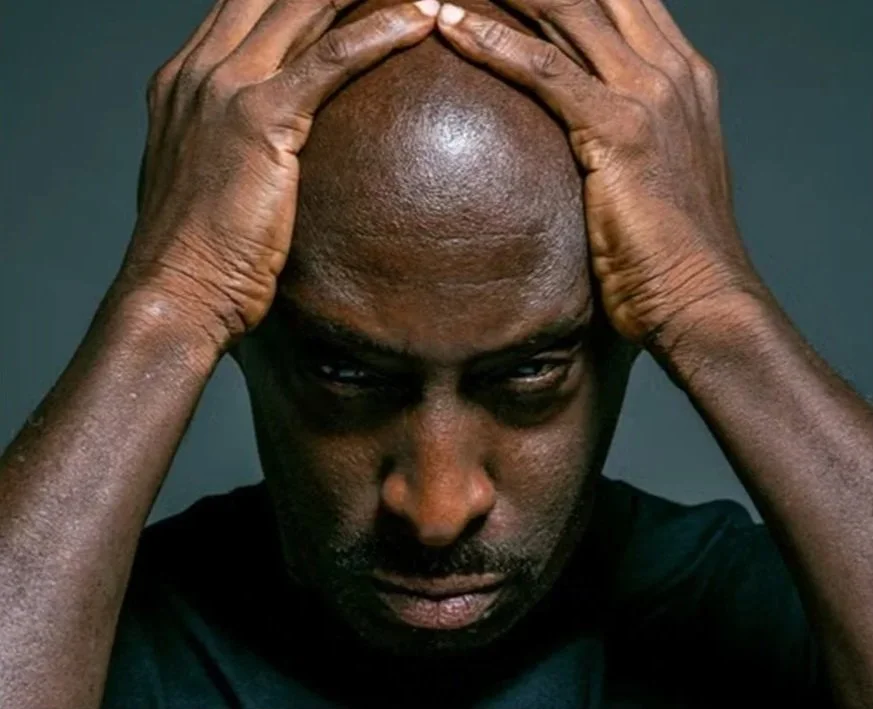
Clinical depression affected up to 46% of participants in the study by Alexander-Bloch et al. (2020) among a cohort of exonerated US males; some studies report even higher rates for shorter time periods after exoneration.[12,13] Suicidal ideation or attempts were reported in 10–30% of cases. Social isolation, loss of reputation, familial relationship disintegration, professional collapse, and financial ruin often lead to a sense of hopelessness that culminate in suicidal crisis.
Many wrongfully accused men develop adjustment disorders, struggling to reintegrate into daily life. This can manifest as loss of trust, diminished social skills, inability to maintain employment, and apathy toward personal relationships. Substance misuse (alcohol, drugs, overeating) is reported as a means of coping with overwhelming anxiety and depressive symptoms. Social withdrawal and avoidance are near-universal, with 60–80% reporting reduced engagement with friends, family, and public life, often due to stigma and internalized shame.[2]
Trauma and disfunctions are not limited to the falsely accused. Close family members, particularly spouses and children, experience “secondary trauma”, exhibiting their own symptoms of anxiety, depression, social withdrawal, and difficulty trusting legal authorities or community members.
Sociological Impact: Stigma, Relationships, and Social Capital
Self-stigma is common: Internalized shame, guilt, and self-blame lead to chronic self-doubt and identity disruption. These psychologically internalized states result in a self-feeding spiraling effect of anxiety, depression, isolation, and self-harm.
Social stigma is one of the most damaging aspects of being falsely accused and is frequently linked to clinical diagnoses. Multiple qualitative and quantitative studies indicate that even after exoneration, men report they are viewed with suspicion and “never truly cleared” in the eyes of their communities. On average, 93% reported persistent stigma—a higher rate than for many other criminal justice-involved groups. More alarming is that this stigmatization occurs most often prior to or without any criminal or legal investigation of truth. Marginalization and social rejection occur before and last after, even in cases shown to have resulted from misidentification or misinterpretation on the part of the accuser.
Over 80% of wrongfully accused men experience relationship breakdowns, including divorce, loss of custody, estrangement from children, and the end of friendships and professional ties. Intimate relationships do not typically survive the ordeal, and family cohesion is shattered by the burdens of public shame, mental illness and financial strain.
Financial ruin is common. In some studies, 28% of participants reported needing to sell their homes; up to a third became “financially destitute” despite legal aid or post-exoneration compensation. Men with criminal records, even if expunged, face persistent barriers to reemployment, reduced earning potential, and skepticism from prospective employers. This economic distress compounds anxiety and increases the risk of homelessness.
Financial strain and occupational barriers are both significant contributors and consequences of psychological distress. Burnett et al. (2017) and related studies found that financial and employment loss was nearly universal among the wrongly accused, with 82 out of 100 surveyed losing jobs, and many forced to change professions or face continued unemployment.[2]
Modern media environments and digital platforms heighten risks and consequences of false allegations. The stigma of accusation, even when legally cleared, leaves a "digital scar" that is nearly impossible to remove from online records and background checks, increasing chronic anxiety. Trial by media often precedes or exceeds legal adjudication, meaning reputational damage occurs instantly—even if later exoneration is achieved or accusations are demonstrated to have occurred with maligned intent. The public and even professional observers show ambivalence about fully reintegrating the wrongly accused, reinforcing their isolation. Negative labels persist in social media, local news, and workplace contexts, often amplified by online “outing” and viral rumor transmission.
Systemic and Institutional Factors
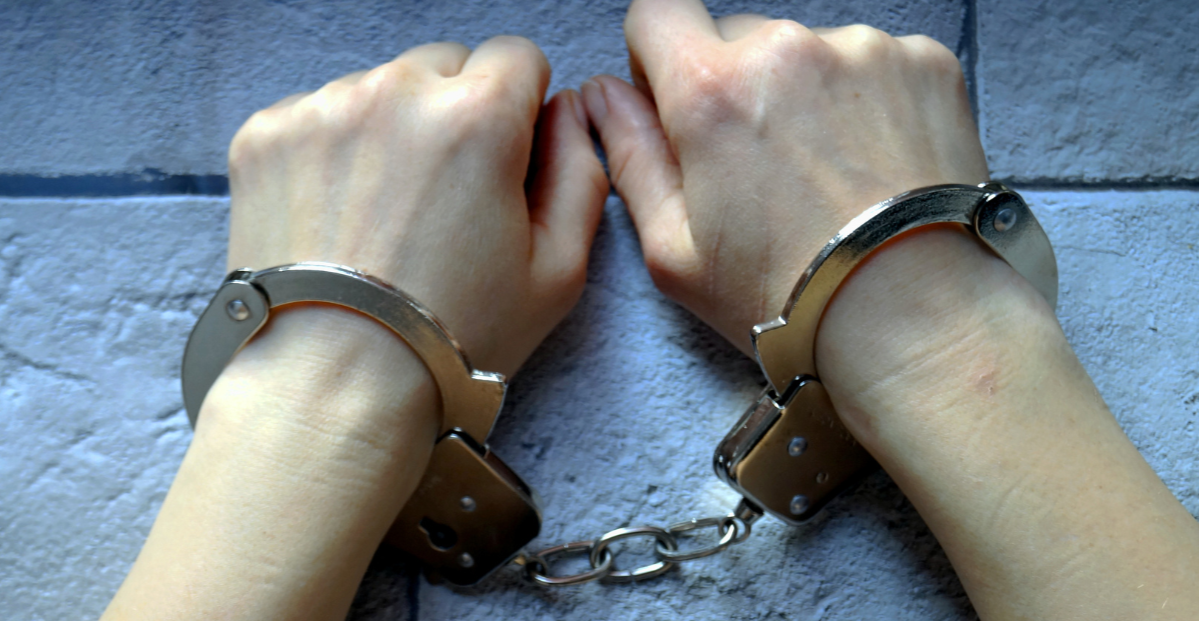
There are several systemic and cultural factors that further exacerbate the struggles of the falsely accused. Systematic reviews and government reports highlight that legal procedures and gender norms can intensify trauma for men experiencing false allegations. Family courts and policies around domestic abuse and custody, especially in the US, UK, and Australia, continue to show a pattern where male testimony is discounted or regarded with suspicion, leading to perceptions (justified or not) of “systemic bias” and differential access to justice. Culturally, men feel that seeking psychological help or expressing vulnerability is perceived as weak or “anti-feminist” or misogynist, creating barriers to accessing necessary support services.
Persistence of Psychological Effects
Several longitudinal and retrospective studies document that the effects of wrongful accusation are enduring and can persist for years, often for life. Studies such as the Exoneree Health and Life Experiences (ExHaLE) project found that even years after release, 50% of male exonerees report symptoms of clinically significant PTSD or depression. Time since exoneration was not strongly linked to improved mental health, but social support and meaningful employment were clear protective factors.[13] Adjustment difficulties worsen over time if stigma, social withdrawal, or chronic unemployment persist, leading to a risk of “developmental stagnation” or “loss of direction” described across multiple studies.[14]
Coping Strategies and Support Systems
Effective coping and recovery are possible—but require institutional change and targeted interventions. Social support from family, friends, and specialized organizations (e.g., Innocence Project, Miscarriages of Justice Organisation, Exoneree Network) is correlated with better long-term outcomes. However, for many men, social support is weakened or severed after accusation, diminishing protective effects. Additionally, social isolation becomes a significant barrier to asking for help.
Peer support groups and therapeutic interventions (trauma-informed mental health care, vocational and financial literacy training) are effective, but underutilized and often inaccessible due to stigma and lack of targeted services. Emotion-focused coping is common among men accused of sex offenses, but such strategies (rumination, avoidance) are less effective than active, task-focused approaches (rebuilding routines, seeking legal recourse, engaging in activism).
Vulnerable Groups
False accusations occur across ethnic, race, and cultural identities, however, studies note higher prevalence, longer duration, and intensified impacts among racial minorities, lower-income men, and those with less education. Intersectionality amplifies stigma and economic hardship. Access to legal defense is stratified by class, increasing the likelihood that marginalized men will be unable to rebut false allegations or clear their names, thus facing greater and more protracted psychological harm.
Gendered Justice and Societal Myths
It is a charged subject, but the presumption of guilt and persistent stereotypes about male aggressiveness contribute to a system where it is more difficult for men to receive support, particularly in "he said, she said" cases. Although some scholars suggest that masculinity norms discourage emotional openness and help-seeking, making recovery and reintegration especially difficult, others suggest that male-help seeking in legal situations is reduced by the fact that men frequently hold a belief and perception that their version of events is discredited without due consideration.. Certainly, increases in the media and elsewhere of messages of female superiority, necessity of male collective shame, and escalation of dislike into public accusations, has normalized wrongful accusations.

Table 1. Summary of findings of key academic studies on psychosocial impact of false allegations
Recommendations
Robust recommendations are consistently made across studies and advocacy organizations to address the needs of the falsely accused and reform unfair policies. Multiple studies recommend mental health screening and long-term trauma care be made available, accessible, and de-stigmatized for the wrongfully accused, with particular attention to male survivors and the unique barriers they face.
Legal and Social Remuneration
Revision of fair compensation laws and vocational support programs are essential—not only financial reparations but targeted investment in job training, digital upskilling, and social reintegration. The burden of proof for an accusation is lower than that of someone seeking defamation remuneration. The falsely accused deserves justice as well and this type of unequal stringency does not allow it. Perhaps a quantified or stratified accuracy scale for accusations and defamation needs to be instituted. While still requiring 'clear evidence' for full remuneration, if a claim can be proven to be 50% or more misinterpretation or malintent of the accuser and no good faith effort was made to correct defamation, then partial remuneration should be provided. For example, Title VII of the Civil Rights Act in the United States prohibits “retaliation” against employees who file complaints, even if those complaints are later found to lack merit.[15] While intent benevolent, this is frequently weaponized to render accusations without any accountability, escaping the civil ramifications of false accusations.
Remuneration does not need to be exclusively financial. A public apology and acknowledgement may suffice. The disproportionate consequences borne by the falsely accused—namely social ostracism and reputational harm—stand in stark contrast to the minimal accountability often afforded to accusers, who may invoke a gesture of minimal accountability, yet be swiftly absolved.. No. The false accusation attacked the character and morality of another individual. Dignity deserves to be restored, whether financial remuneration occurs or not. Education and advocacy campaigns should aim to reframe public perceptions of wrongful accusations and reduce stigma. These campaigns must highlight the psychological consequences and promote fairness, due process, and empathy for the exonerated.
Systemic legal reform is needed: reforms must ensure gender fairness in family and criminal courts, raise evidentiary standards for accusations of severe misconduct, and penalize bad faith claims. Due process is not a legal loophole, but a moral imperative both inside and outside of a court. It is a necessary safeguard. It ensures that truth is pursued with rigor, that evidence—not emotion—guides outcomes, so justice is not reduced to a popularity contest. Upholding due process is not a betrayal of survivors; it is a commitment to fairness for everyone. This would include holding accusers accountable to public defamation prior to investigations and proceedings. Accusers absolutely have the right to be heard and taken seriously. They do not have the right to spread unfounded rumors and accusations without due process occurring.
Culturally Normalize Appropriate Gender Interactions.
Reframe the destructive paradigm that every male has malicious or sexual intent and that every woman is a victim. Platonic relationships are normal and healthy; Normalize them again. Second, shift cultural narratives to emphasize resilience and agency alongside safety for both genders. Bring a stop to modeling overextension of personal discomfort into public accusations. Young women are not being taught how to discern dislike from discomfort. For example, being asked to attend a group dinner to discuss a project is not the same as someone being salacious. Anecdotally, however, many men report concern about false harassment claims from women.[16] Instead, empower all to achieve, rather than encourage acrimony.
Balance Perspective
Finally, listen to accusations. Take them seriously. Acknowledge the accuser’s feelings and experience but also expect verifiable evidence of wrongdoing, before social judgement is rendered. Seek the complete story, not a single perspective. Do not immediately assume malintent if there is not verifiable evidence. Trust that wrongfulness will emerge when it occurs. Otherwise, help bridge the communication or misunderstanding gap between individuals with open-mindedness.
Conclusion
A substantial and growing body of credible research demonstrates unmistakably that wrongful accusations induce severe and lasting psychological trauma in males, with anxiety, PTSD, and related disorders being common and persistent. These psychological impacts are compounded by social stigma, reputational and financial harm, and the often unremitting stress of navigating unsupportive legal systems. While much of the public and media discourse only sporadically acknowledges these realities, the lived experiences—validating robust survey and clinical data—show urgent needs for mental health support, social understanding, and systemic reform.
The evidence also underlines that societal and institutional responses must move beyond mere legal exoneration to comprehensive support, including mental health interventions, economic rehabilitation, and efforts to dismantle stigma. Addressing these issues proactively is not only a matter of justice for the falsely accused, but a public health imperative that strengthens the fabric of society as a whole.
In sum, the academic consensus is clear: wrongful accusations can devastate male mental health—triggering anxiety, trauma, and social breakdowns on a scale found in only the most catastrophic life events. Recognition of this harm is growing, but much remains to be done to support, compensate, and reintegrate the men whose lives have been upended by false allegations.
Justice is not about choosing sides, it’s about choosing principles. Truth. Fairness. Dignity. Let’s build a culture where everyone feels safe to speak, and where the accused are not presumed guilty without evidence. Let’s teach our children, our communities, and our institutions that justice is not a zero-sum game. It is a shared promise—one we must all protect.
If you are experiencing issues related to false allegations, please see the Centre for Male Psychology support page.
References
1. Brooks SK, Greenberg N. Psychological impact of being wrongfully accused of criminal offences: A systematic literature review. Med Sci Law. Jan 2021;61(1):44-54. doi:10.1177/0025802420949069
2. Burnett R, Hoyle C, Speechley N-E. The Context and Impact of Being Wrongly Accused of Abuse in Occupations of Trust. The Howard Journal of Crime and Justice. 2017;56(2):176-197. doi:https://doi.org/10.1111/hojo.12199
3. Huff CR, Rattner A, Sagarin E, MacNamara DEJ. Guilty Until Proved Innocent: Wrongful Conviction and Public Policy. Crime & Delinquency. 1986;32(4):518-544. doi:10.1177/0011128786032004007
4. Project I. Psychological impact of wrongful convictions. Accessed September 15, 2025. https://innocenceproject.org/psychological-impact-wrongful-convictions
5. Bhardwaj K, Raghavan M. Psychological Trauma and Legal Harassment Faced by Men in False Allegations and Financial Exploitation. J Trauma & Treatment. 2024;13(6)
6. DeShay RA. Psychological effects of wrongful conviction: An exploratory study. J Forensic Psychol Res Pract. 2020;20(1):1-20. doi:10.1080/24732850.2019.1706223
7. Grounds A. Psychological consequences of wrongful conviction and imprisonment. Can J Criminol Crim Justice. 2004;46(2):165-182. doi:doi:10.3138/cjccj.46.2.165
8. Stewart R. Survey: Over 20 Million Have Been Falsely Accused of Abuse. YouGov.com. 2025. Accessed September 14, 2025. https://www.prosecutorintegrity.org/pr/survey-over-20-million-have-been-falsely-accused-of-abuse/
9. Barry J. The psychological impact of false accusations, and how men cope. The Centre For Male Psychology; 2025. https://www.centreformalepsychology.com/male-psychology-magazine-listings/the-psychological-impact-of-false-accusations-and-how-men-cope
10. Elliott K. The Post-Exoneration Experience: The Trauma of Prison Never Goes Away. Richmond Public Interest Law Review. 2024. November 11. September 15, 2025. https://pilr.richmond.edu/2024/11/11/the-post-exoneration-experience-the-trauma-of-prison-never-goes-away/
11. Weigand H. Miscarriages of justice and the psychology of wrongful conviction. In: Kapardis A, Krampas I, eds. Psychology and Law in Europe: International Perspectives. Routledge; 2018:147-164.
12. Alexander-Bloch B, Miller MA, Zeringue MM, Rubens SL. Mental health characteristics of exonerees: A preliminary exploration. Psychology, Crime & Law. 2020;26(8):768-775. doi:10.1080/1068316X.2020.1733571
13. Kukucka J, Horodyski AM, Dardis CM. The Exoneree Health and Life Experiences (ExHaLE) study: Trauma exposure and mental health among wrongly convicted individuals. Psychology, Public Policy, and Law. 2022;28(3):387-399. doi:10.1037/law0000358
14. Kukucka J. The Psychological Impact of Wrongful Imprisonment: New research sheds light on how to better support wrongly convicted individuals. Psychology Today. 2022. July 7, 2022. Accessed September 15, 2025. https://www.psychologytoday.com/us/blog/reasonable-doubt/202207/the-psychological-impact-wrongful-imprisonment
15. Civil Rights Act, Pub. L. No. 88-352, §7 (1964). Accessed October 1, 2025.
16. Elesser K. Of All The Gender Issues At Work, Men Are Most Concerned About False Harassment Claims From Women. Forbes. online: Forbes Media LLS; 2019. https://www.forbes.com/sites/kimelsesser/2019/01/10/of-all-the-gender-issues-at-work-men-are-most-concerned-about-false-harassment-claims-from-women/
Disclaimer: This article is for information purposes only and is not a substitute for therapy, legal advice, or other professional opinion. Never disregard such advice because of this article or anything else you have read from the Centre for Male Psychology. The views expressed here do not necessarily reflect those of, or are endorsed by, The Centre for Male Psychology, and we cannot be held responsible for these views. Read our full disclaimer here.
Like our articles?
Click here to subscribe to our FREE newsletter and be first
to hear about news, events, and publications.




















Have you got something to say?
Check out our submissions page to find out how to write for us.













.
