

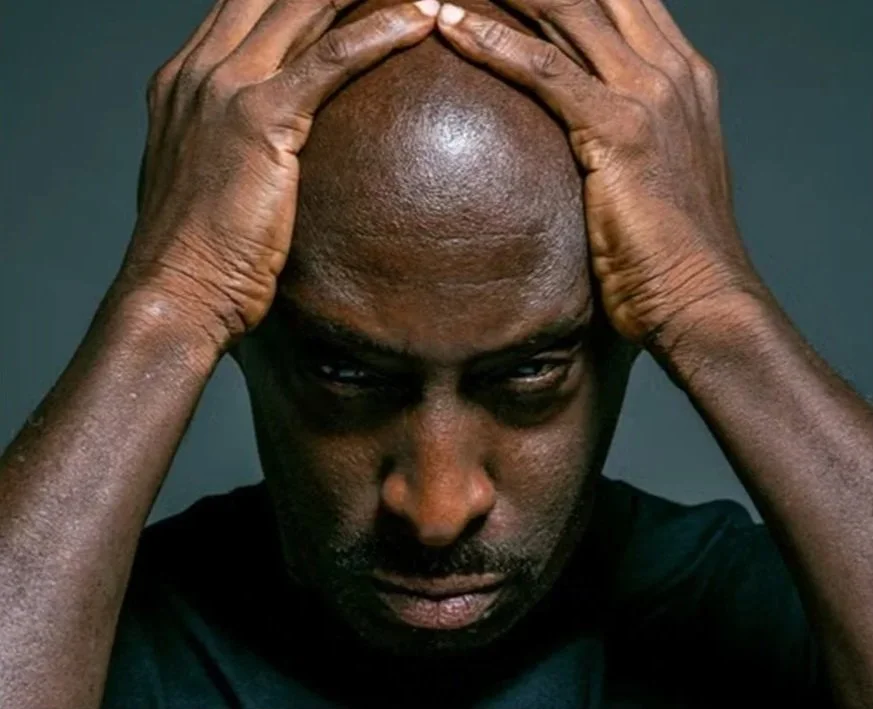
More and more men complain of stress and of problems that can be signs of psychological issues. Depression, anxiety, negative self-image, the feeling of not being enough, listlessness and loneliness are the most important problems. In the last year, more than 30% of all men in Germany had a mental disorder requiring treatment. Due to restrictions related to the Covid-19 pandemic, anxiety disorders in particular have increased in the population. Men are often affected particularly by addictions, anxiety and depression.
Yet men can do a lot to improve their mental health. As a psychotherapist, I have treated many men in the last 30 years. I have noticed again and again how much men think they have to do it themselves, alone, without any input from others. They see it as a strength, have been brought up in this way and see no other way. It is a real strength to be well connected with friends with whom you not only talk about football and women, but also about your innermost issues and problems. And it’s a very important strength is to get help when you need it. It is important to ask for help earlier rather than late. But late is better than not at all. Professional therapy is available, sometimes for free (via the NHS in the UK).
The five steps to becoming mentally fit and healthy again
If you’ve been impacted by too much stress, follow these five steps to get on the road to recovery:
1. Identify the problem
What are your problems, what is going wrong? Ask yourself and write it down, be open and ruthlessly honest. Maybe you've been working too much for many years. Or you absolutely want to please everyone, be perfect, and get praise. Many men have fears, especially of women, because they are verbally stronger, because they could deprive you of the children or because you are afraid of sexual failure. Whatever it is, make your situation clear, write everything down, and then find someone to talk to about it. If you're lucky, it's a good, trusting, friend who can keep a secret. Or find a psychotherapist who knows what to do and can help you. Make sure the therapist feels right for you. Do a trial session.
2. Show yourself!
If you know what your problems are, find someone you trust! Take your time and talk to this person about what it looks like inside you. Also talk about the things that no one knows about you yet - your fears, your secrets. Are you often desperate, feel things are hopeless - do you think of suicide? If your problems are in your relationship, talk to someone about it. Do you think about ending your relationship? Or can't you find a partner who suits you? If you open up and show your inner self, , you will feel a little better. Opening up is the important first step.
3. Build something new!
Once you have taken the first step, take the next step. Check with your friend or therapist to see what you want to change first. Think about how to do what you need. Let us advise you! Give it a try! Look at the roots of your problem, how long has it all been like this? Did the problem already exist in your childhood and youth? The most important thing now is that you feel your energy to change. Think about what you've done in life, when you've had the most energy. Think about your strengths, even if they are not obvious to you at the moment. These are your resources for change.
4. Get started!
If you know what it is you want to change, start with that. What kind of person are you? Do you like to dive in the deep end or do things gradually? Do what you feel is right for you. It is important that you start and do not stay in your comfort zone any longer. Try out new experiences. Open up more, notice more how you feel, keep focused on your goals, put your goals first because you know they are good for you. Put yourself first! You are the most important person in your life. Talk to your coach or therapist about your goals.
5. Don't stop!
The most important thing about change is perseverance. So don't give up at the first hurdle, keep on going! This is training for psychological fitness. It basically works the same way as training for physical fitness. Practice, practice, practice, and then marvel at your own progress. And if progress falters or you fall back into old patterns of behaviour, that’s no problem – pick yourself up and start all over again. Falling down is not bad, but getting up again is crucial. When you have achieved your goals, celebrate, preferably with others, but alone is also okay. You should now feel what is inside you - your energy, your power. Make your change sustainable and irreversible!
I wish you every success and boundless energy in taking these 5 steps!
Scroll down to join the discussion
Disclaimer: This article is for information purposes only and is not a substitute for therapy, legal advice, or other professional opinion. Never disregard such advice because of this article or anything else you have read from the Centre for Male Psychology. The views expressed here do not necessarily reflect those of, or are endorsed by, The Centre for Male Psychology, and we cannot be held responsible for these views. Read our full disclaimer here.
Like our articles?
Click here to subscribe to our FREE newsletter and be first
to hear about news, events, and publications.









When a male is in a power imbalance, at least two masculine instincts are disempowered…


…people – men and women alike – respond less positively to male-favouring sex differences than they do to female-favouring sex differences.
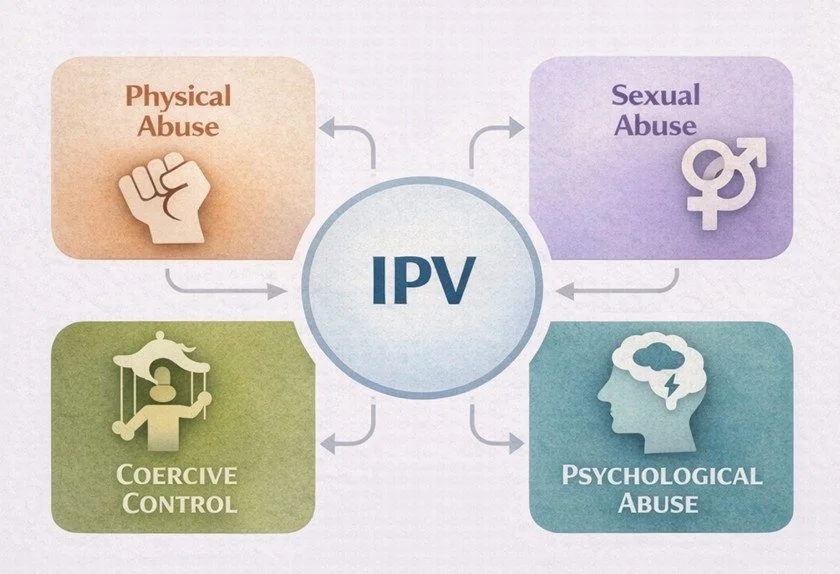
hyper-masculine gender norms are typically embedded within military institutions, and while adherence to these norms can contribute to combat and military success, they conversely make clinical work challenging
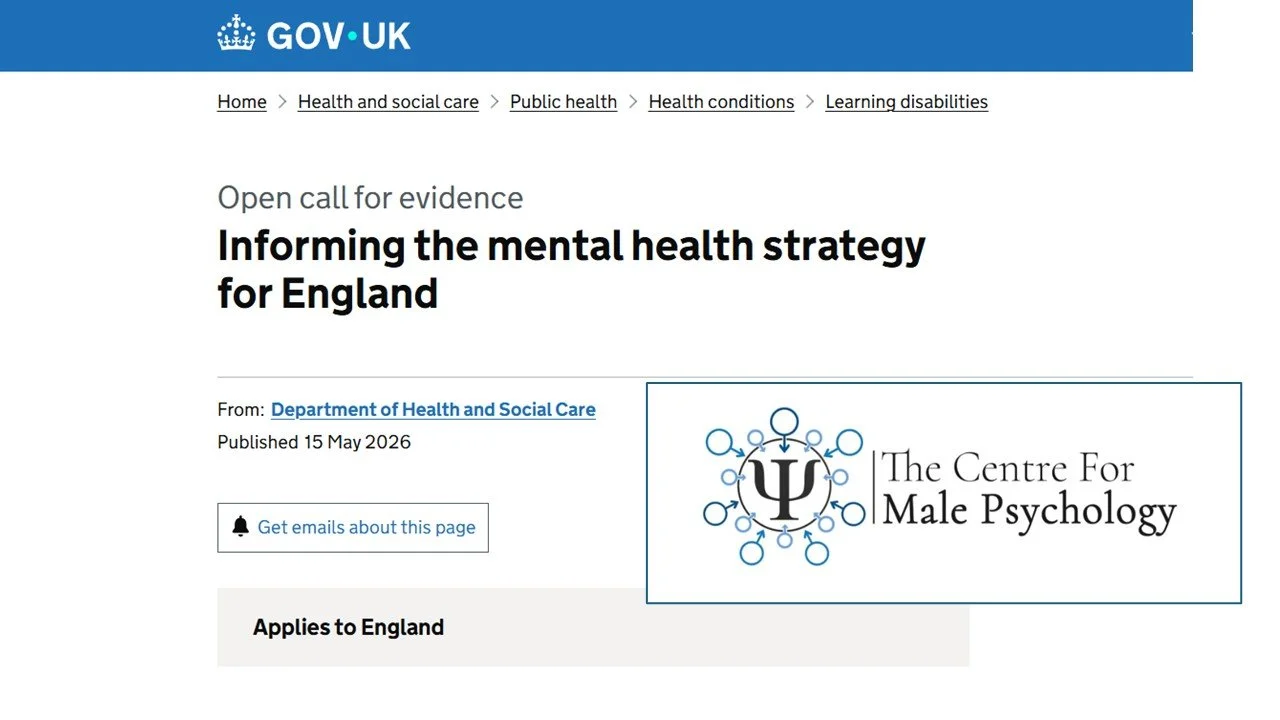
Men might benefit greatly from a government strategy aimed at improving their health. Here are suggestions from the Centre for Male Psychology on how that might be done. This article ends with some comments on potential pitfalls in the process of putting this strategy in place.




…people – men and women alike – respond less positively to male-favouring sex differences than they do to female-favouring sex differences.



… many papers do not even bother to identify or justify the nationality of their samples…

hyper-masculine gender norms are typically embedded within military institutions, and while adherence to these norms can contribute to combat and military success, they conversely make clinical work challenging
Have you got something to say?
Check out our submissions page to find out how to write for us.
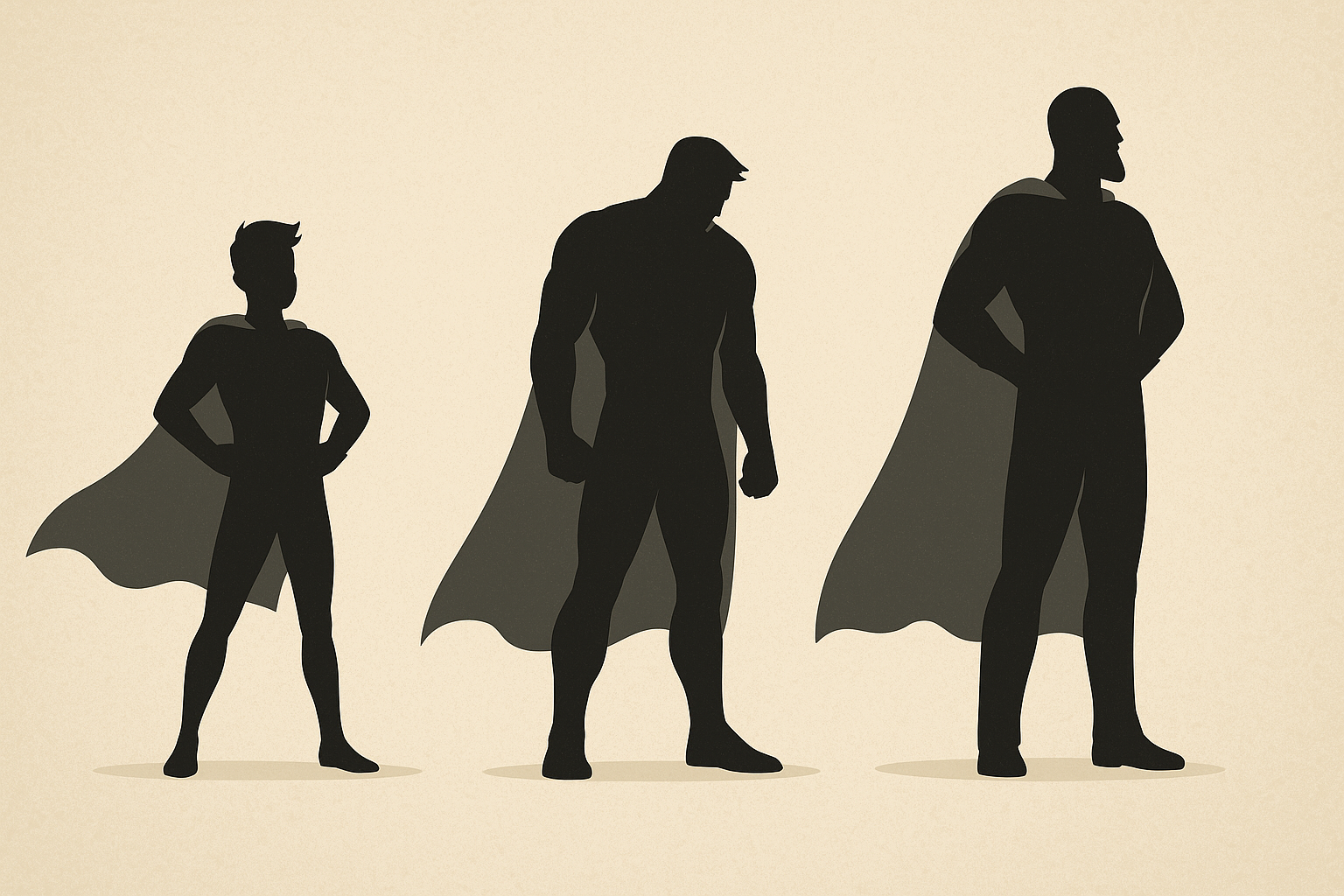
hyper-masculine gender norms are typically embedded within military institutions, and while adherence to these norms can contribute to combat and military success, they conversely make clinical work challenging

hyper-masculine gender norms are typically embedded within military institutions, and while adherence to these norms can contribute to combat and military success, they conversely make clinical work challenging
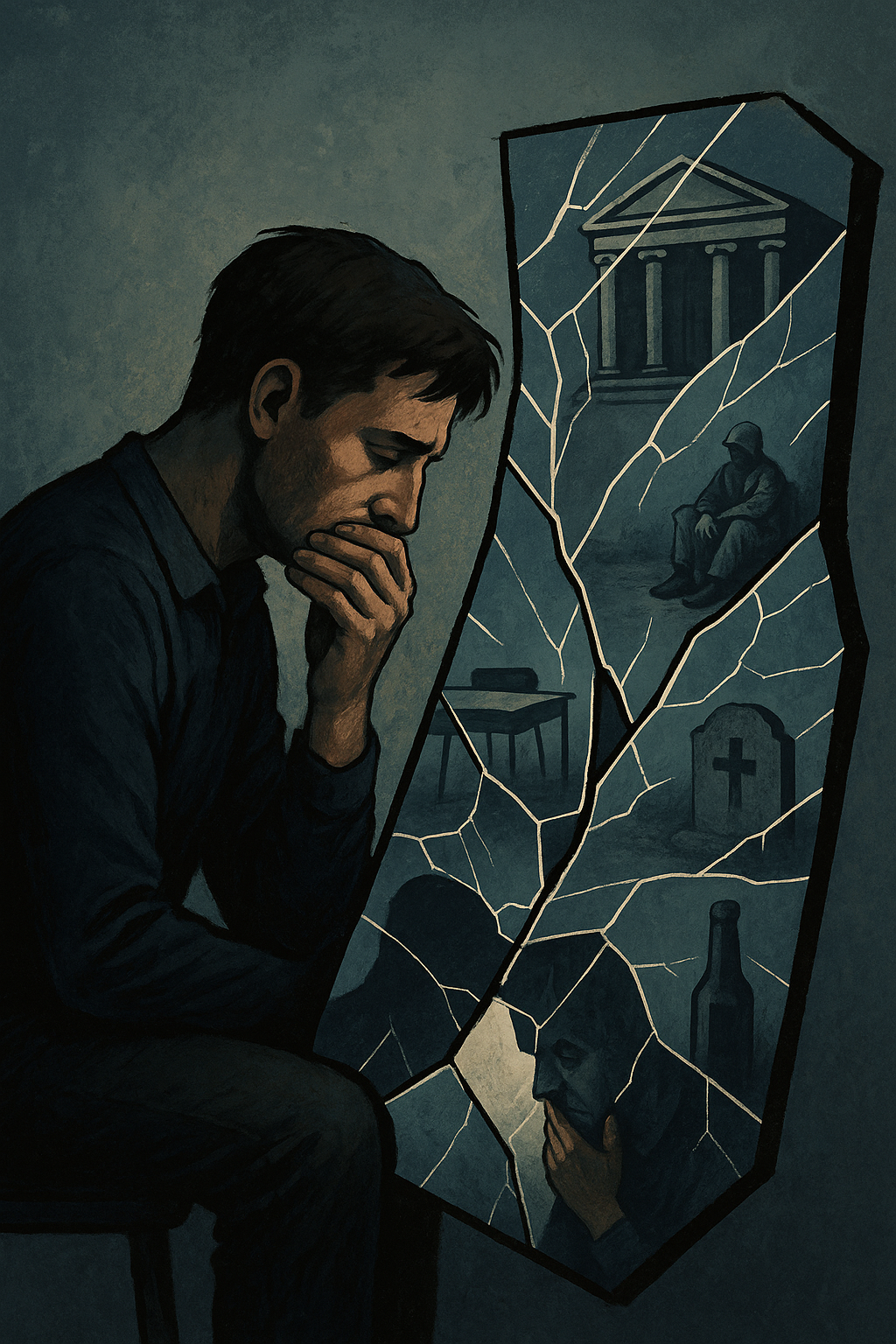
hyper-masculine gender norms are typically embedded within military institutions, and while adherence to these norms can contribute to combat and military success, they conversely make clinical work challenging

hyper-masculine gender norms are typically embedded within military institutions, and while adherence to these norms can contribute to combat and military success, they conversely make clinical work challenging

hyper-masculine gender norms are typically embedded within military institutions, and while adherence to these norms can contribute to combat and military success, they conversely make clinical work challenging

Much of our attitudes, theorizing and public debate around men and masculinity is influenced by high profile feminist and Gender Studies scholars in academia. But what is the scientific quality of publications from these scholars?

Some people blame drill music – a form of rap - for the rising murder rate in London. Drill is known for aggressive lyrics about gang violence, but rather than seeing this as a valuable way for young men to express their feelings, some people want to ban it.

To survive… cultures have to use men and women effectively and … in fact, most cultures have used men and women in different ways… what our culture does is [grant] greater status to men and greater protection to women

hyper-masculine gender norms are typically embedded within military institutions, and while adherence to these norms can contribute to combat and military success, they conversely make clinical work challenging

There are around 300,000 veterans living with hearing loss in the UK, according to The Royal British Legion. In addition to being at a greater risk of PTSD, depression, and anxiety, many vets are also battling psychological distress from hearing problems.

The book begins with a description of her therapeutic approach, and an illustration of how to understand and work with the rage often seen in male CSA clients.

I felt in my dealings with some police officers, as though I were treated firstly as a man (assumed to be a perpetrator), but they’d overlooked risks associated with my impairment. Example: How can you dodge a missile you don’t see coming?

The Panorama programme on domestic violence failed to adequately highlight two important issues: male victims and female perpetrators.

your photograph, name and address, might appear in the local and national press and on TV, insinuating what an evil monster you are

…an attack upon masculinity is an attack upon one’s sense of self, of identity. …What, then, is the right psychological defence against such an attack?

The male has been designed to “look”, not only at the female, but to “look out” for prey, for danger, and for ways to protect his family unit.

If his child is allowed to live, this man must be available, for the rest of his life, to love and provide for his child… If, on the other hand, it is decided that his child is to be destroyed, he should be able to go about his life as if nothing has happened

Socialising is a basic human need. The opposite – social isolation – is one of the worst forms of torture. Some people look down on the local pub as a place for undesirable riff raff, but that narrow viewpoint misses entirely the community value of the pub

Male psychology is a recent development in academia. Unlike gender studies, feminism, and men’s studies, male psychology takes the view that we can gain more by recognising and harnessing the positive aspects of masculinity than we can by taking a relentlessly negative approach to men.

.