
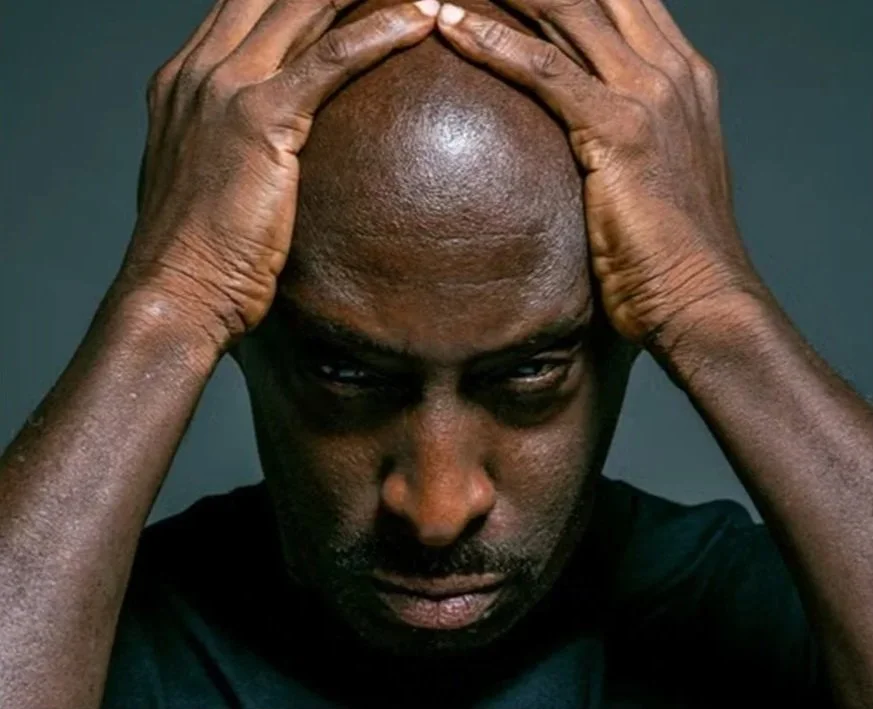
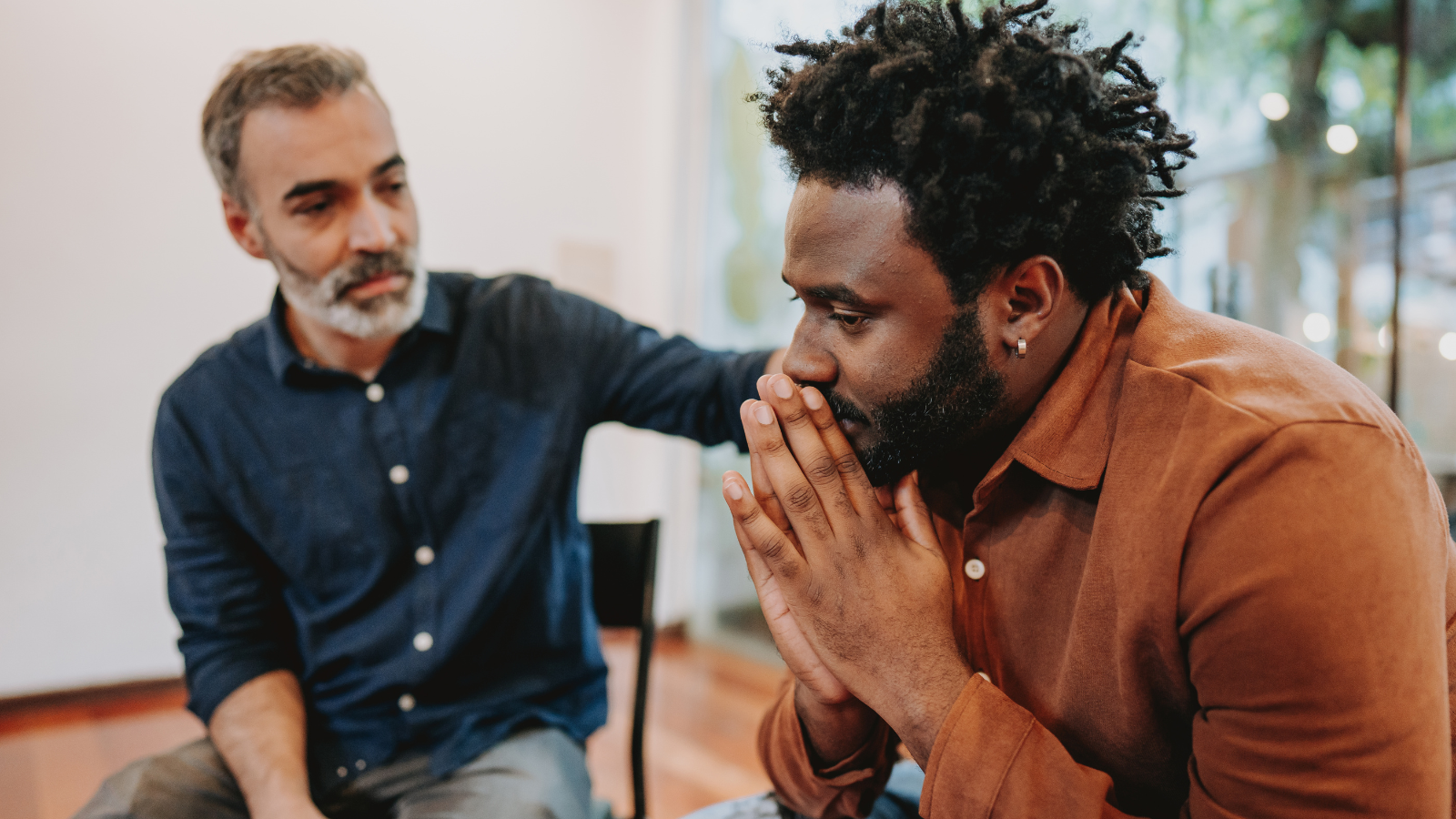
Pictured: Men’s SHARE service users attend weekly support groups. Photo reproduced with permission and consent.
The Men’s Suicide, Harm, Awareness, Recovery and Empathy (SHARE) Project is run by Health in Mind in Midlothian, Scotland. It provides emotional and social support to men in the local community who are at risk of suicide. The project works in partnership with the Dalkeith Citizen’s Advice Bureau (CAB), which offers financial and practical support to service users. This holistic approach allows men to take the time to reflect on and prioritise the different aspects of their psychological wellbeing.
As an active member of the project’s steering group committee whilst undertaking my Doctorate in Clinical Psychology, I witnessed first hand the incredible and life-saving work of the SHARE project. Men bravely shared their histories with me and I was struck by the many stories of negative childhood experiences, including abuse and trauma that these men had faced.
Taking a keen interest in the men’s narratives, I started reading around the topic. I quickly discovered that little is actually known about the reasons why men in particular become suicidal despite statistics suggesting that they are the most at risk. The World Health Organisation, for example, estimates that men account for three-quarters of all completed suicides and those aged 45-49 are nearly twice as vulnerable as the wider male population. It seemed obvious to me that better understanding the causes of male suicidal behaviour would be critical to reducing suicide rates in this high risk population. Indeed, understanding pathways to suicide can inform suicide prevention. So, I set out to work with the SHARE project to conduct research that would help to develop our knowledge and understanding of male suicidality.
The study aimed to explore the relationship between childhood trauma and suicidality. It looked specifically at the role that social inhibition and difficulties managing emotions play in this relationship. The study was novel insofar as it focused on a sample from a socio-economically deprived part of Scotland. Evidence suggests that men from lower socio-economic demographics in higher-income countries are particularly under-researched and under-represented in the research despite bearing the highest risk of suicide.
In total, 86 men who accessed the SHARE project over a five-month period took part in the study. They completed four questionnaires: the first looked at their experience of childhood trauma (physical, sexual, emotional abuse and neglect); the second measured their interpersonal difficulties including social inhibition; the third looked at their difficulties in managing emotions and the final one assessed their suicidal thoughts and feelings.
The results showed that higher ratings on the childhood trauma questionnaire predicted higher score on the measure of suicidality i.e. the greater the degree of childhood abuse, the greater the level of suicidality. This demonstrates the possible negative collateral and compounding effect of childhood trauma. The study also showed that childhood trauma may predict suicidality within the context of emotion management difficulties and high levels of social inhibition. Suicide is clearly a multifactorial phenomenon that is the result of a complex interaction between numerous factors. This novel study showed that difficulties managing emotions and interpersonal difficulties (being socially inhibited) are part of this complex picture.
The findings of the study could potentially help shape guidance on suicidality and enhance clinical practice. Firstly it is important for organizations to identify the presence of early childhood trauma, emotion regulation difficulties and social inhibition when assessing men who are at risk of suicide. Thereafter, targeting social isolation and treating emotion management difficulties as possible interventions to reduce active suicidality in this population is imperative. Offering men emotional and social support is strongly advocated in order to directly address and reduce active suicidal thoughts or feelings.
With these results and conclusions in mind, it is not surprising that services such as the Men’s SHARE project are so successful. The project adopts a prevention and intervention approach, offering weekly support groups and one-to-one sessions that focus on the emotional, social and practical needs of men who at risk of suicide. It is a testament to Men’s SHARE that the men whom the project supports often recount how the project has kept them alive and more importantly, has helped them to live well despite their adverse childhood experiences.
Special thanks to John Murphy (Health in Mind), Julie Podet (Dalkeith CAB) and the service users of the Men’s SHARE Project for their time and contribution. For more information on the Men’s SHARE project, please visit here.
This article was first published on the Male Psychology Network website in 2018.
Scroll down to join the discussion
Disclaimer: This article is for information purposes only and is not a substitute for therapy, legal advice, or other professional opinion. Never disregard such advice because of this article or anything else you have read from the Centre for Male Psychology. The views expressed here do not necessarily reflect those of, or are endorsed by, The Centre for Male Psychology, and we cannot be held responsible for these views. Read our full disclaimer here.
Like our articles?
Click here to subscribe to our FREE newsletter and be first
to hear about news, events, and publications.







When a male is in a power imbalance, at least two masculine instincts are disempowered…

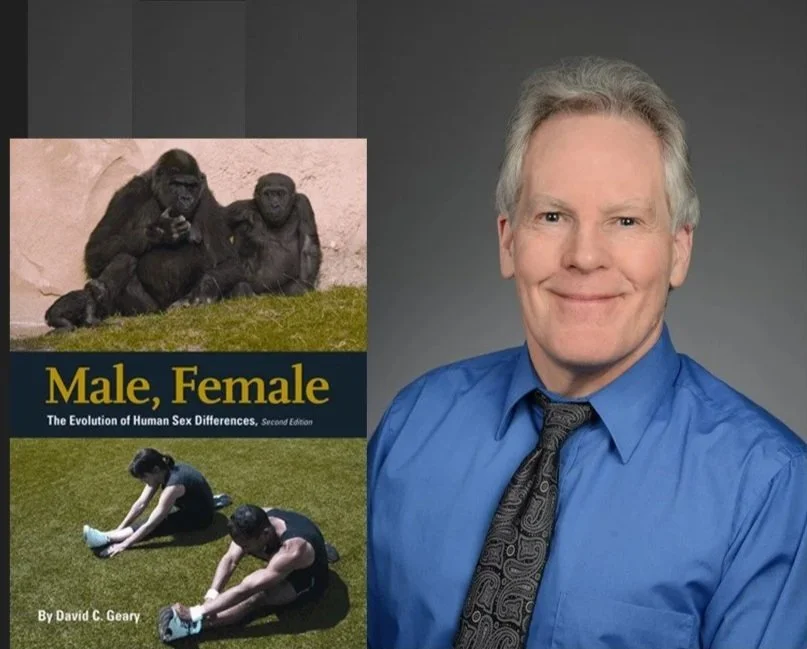
…people – men and women alike – respond less positively to male-favouring sex differences than they do to female-favouring sex differences.
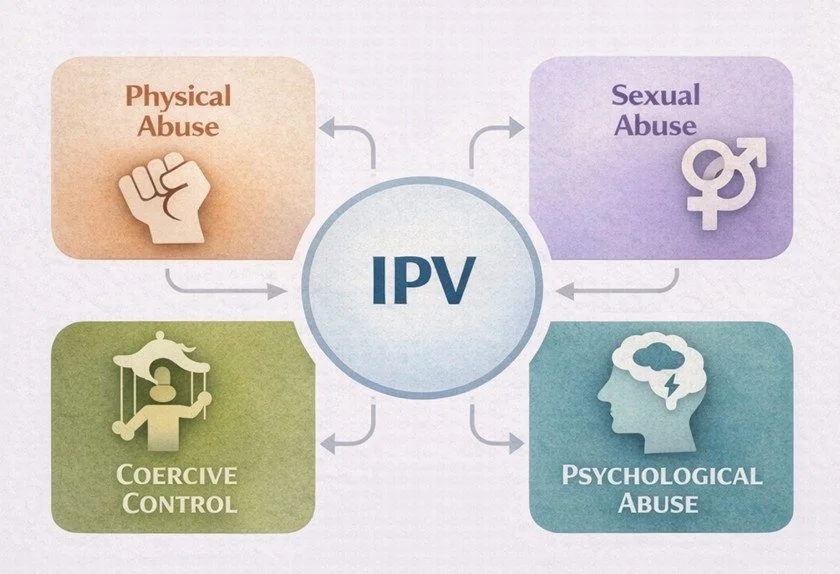
hyper-masculine gender norms are typically embedded within military institutions, and while adherence to these norms can contribute to combat and military success, they conversely make clinical work challenging
Men might benefit greatly from a government strategy aimed at improving their health. Here are suggestions from the Centre for Male Psychology on how that might be done. This article ends with some comments on potential pitfalls in the process of putting this strategy in place.



…people – men and women alike – respond less positively to male-favouring sex differences than they do to female-favouring sex differences.
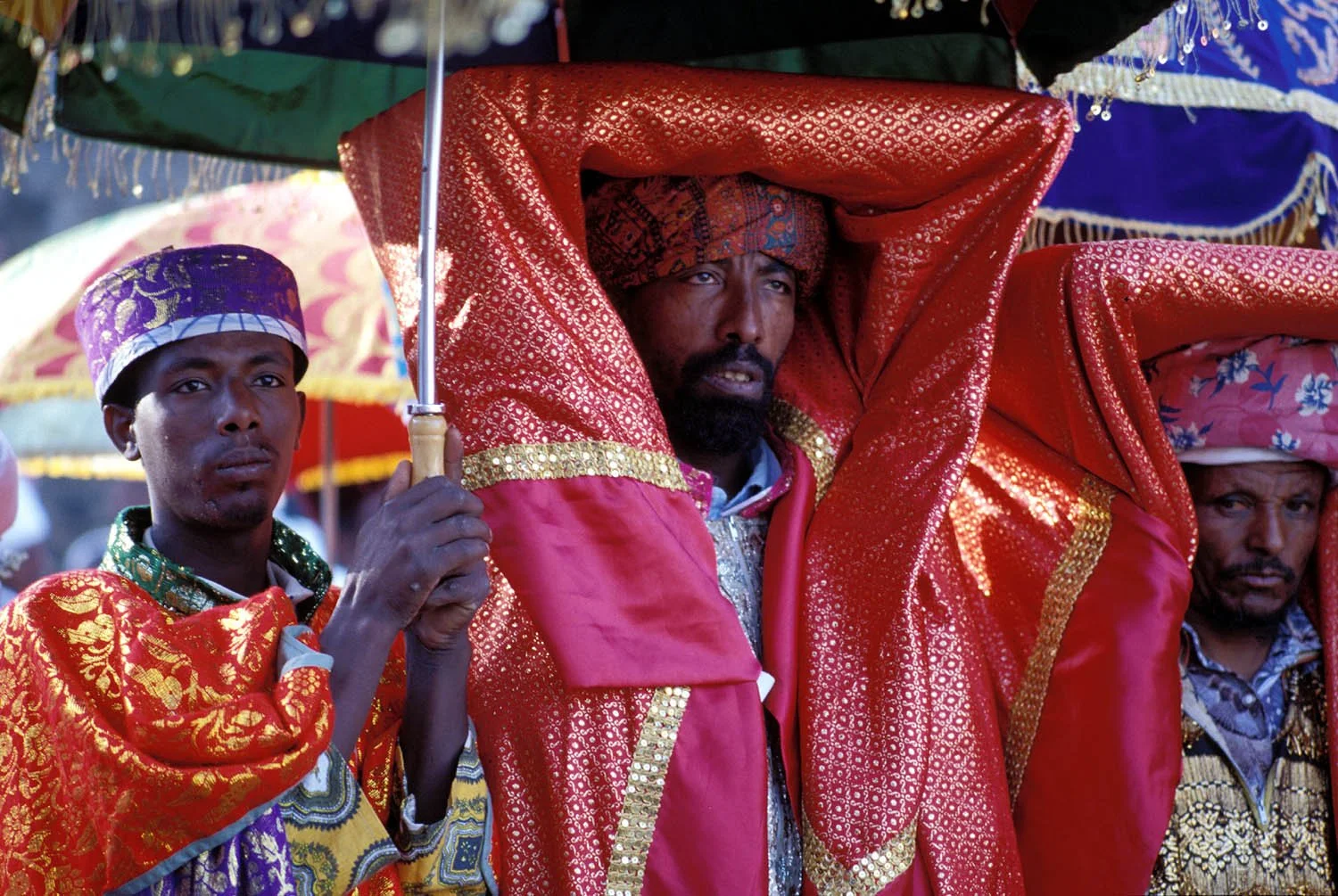

… many papers do not even bother to identify or justify the nationality of their samples…

hyper-masculine gender norms are typically embedded within military institutions, and while adherence to these norms can contribute to combat and military success, they conversely make clinical work challenging
Have you got something to say?
Check out our submissions page to find out how to write for us.
hyper-masculine gender norms are typically embedded within military institutions, and while adherence to these norms can contribute to combat and military success, they conversely make clinical work challenging
hyper-masculine gender norms are typically embedded within military institutions, and while adherence to these norms can contribute to combat and military success, they conversely make clinical work challenging
hyper-masculine gender norms are typically embedded within military institutions, and while adherence to these norms can contribute to combat and military success, they conversely make clinical work challenging
hyper-masculine gender norms are typically embedded within military institutions, and while adherence to these norms can contribute to combat and military success, they conversely make clinical work challenging

hyper-masculine gender norms are typically embedded within military institutions, and while adherence to these norms can contribute to combat and military success, they conversely make clinical work challenging

Much of our attitudes, theorizing and public debate around men and masculinity is influenced by high profile feminist and Gender Studies scholars in academia. But what is the scientific quality of publications from these scholars?

Some people blame drill music – a form of rap - for the rising murder rate in London. Drill is known for aggressive lyrics about gang violence, but rather than seeing this as a valuable way for young men to express their feelings, some people want to ban it.

To survive… cultures have to use men and women effectively and … in fact, most cultures have used men and women in different ways… what our culture does is [grant] greater status to men and greater protection to women

hyper-masculine gender norms are typically embedded within military institutions, and while adherence to these norms can contribute to combat and military success, they conversely make clinical work challenging
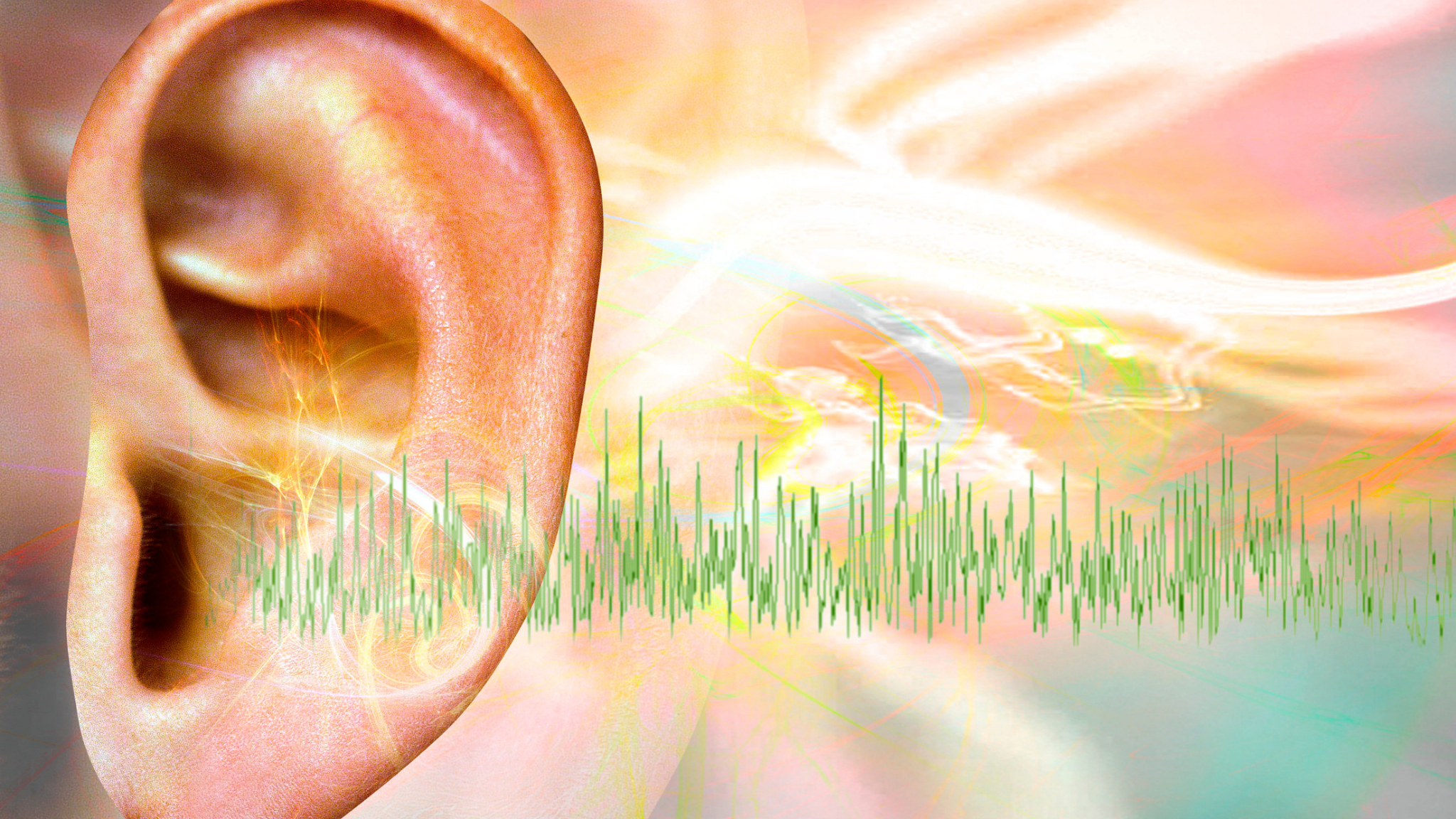
There are around 300,000 veterans living with hearing loss in the UK, according to The Royal British Legion. In addition to being at a greater risk of PTSD, depression, and anxiety, many vets are also battling psychological distress from hearing problems.

The book begins with a description of her therapeutic approach, and an illustration of how to understand and work with the rage often seen in male CSA clients.

I felt in my dealings with some police officers, as though I were treated firstly as a man (assumed to be a perpetrator), but they’d overlooked risks associated with my impairment. Example: How can you dodge a missile you don’t see coming?

The Panorama programme on domestic violence failed to adequately highlight two important issues: male victims and female perpetrators.

your photograph, name and address, might appear in the local and national press and on TV, insinuating what an evil monster you are

…an attack upon masculinity is an attack upon one’s sense of self, of identity. …What, then, is the right psychological defence against such an attack?

The male has been designed to “look”, not only at the female, but to “look out” for prey, for danger, and for ways to protect his family unit.

If his child is allowed to live, this man must be available, for the rest of his life, to love and provide for his child… If, on the other hand, it is decided that his child is to be destroyed, he should be able to go about his life as if nothing has happened
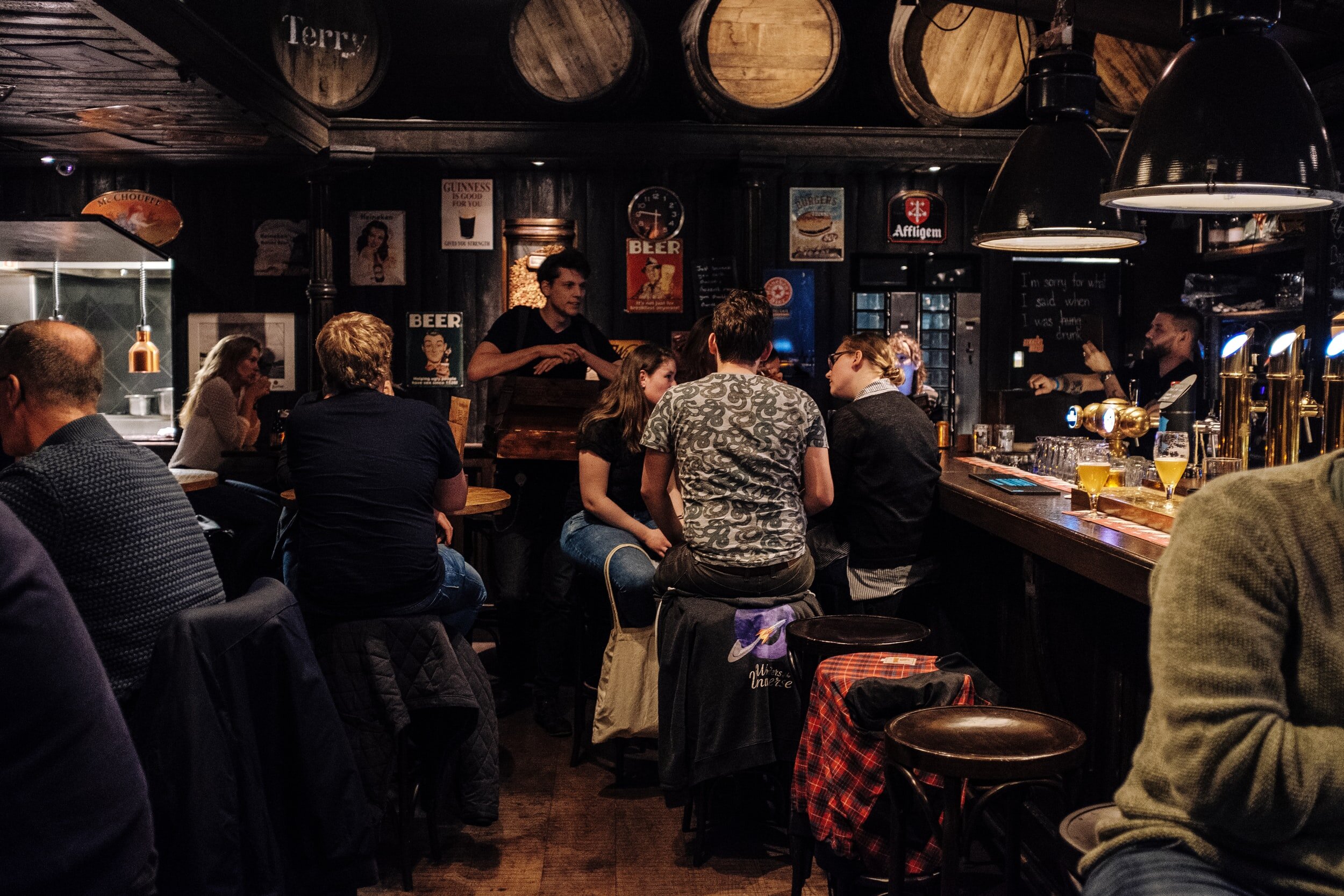
Socialising is a basic human need. The opposite – social isolation – is one of the worst forms of torture. Some people look down on the local pub as a place for undesirable riff raff, but that narrow viewpoint misses entirely the community value of the pub

Male psychology is a recent development in academia. Unlike gender studies, feminism, and men’s studies, male psychology takes the view that we can gain more by recognising and harnessing the positive aspects of masculinity than we can by taking a relentlessly negative approach to men.

.