Notes on a Veteran’s Journey Through Brain Injury and Masculinity

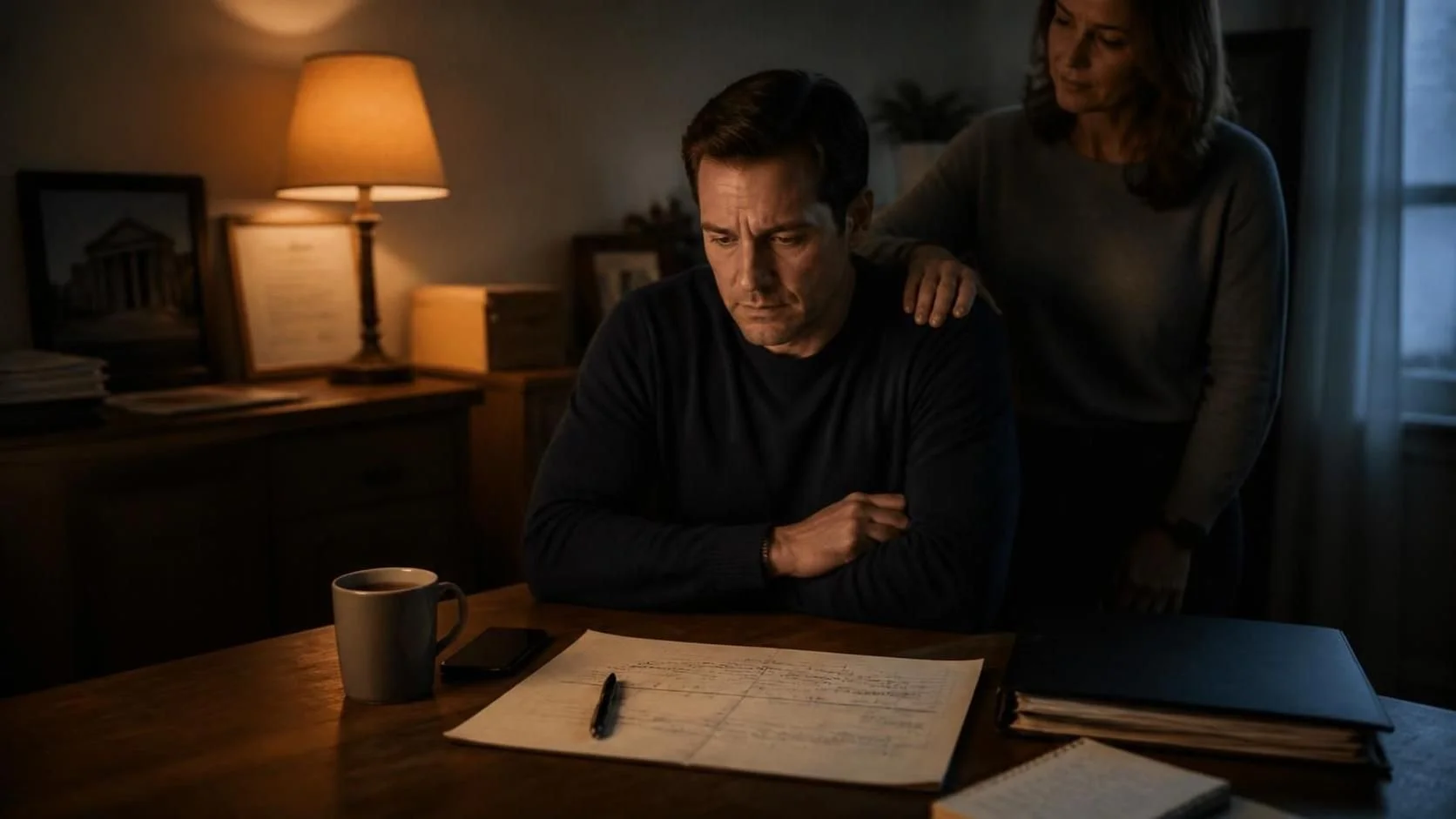
I don’t remember collapsing. I’m told it happened at home, while I was playing a video game with my children. One moment we were sharing laughter—the next, I was unconscious on the floor. My wife called for an ambulance. I was convulsing by the time paramedics arrived.
That’s what I’ve been told. My memories from that day, and the fourteen years before it, are gone.
What followed was a brain aneurysm, emergency surgery, and an eleven-month journey through hospitals and rehabilitation centres. But my greatest battle wasn’t just for recovery—it was for identity.
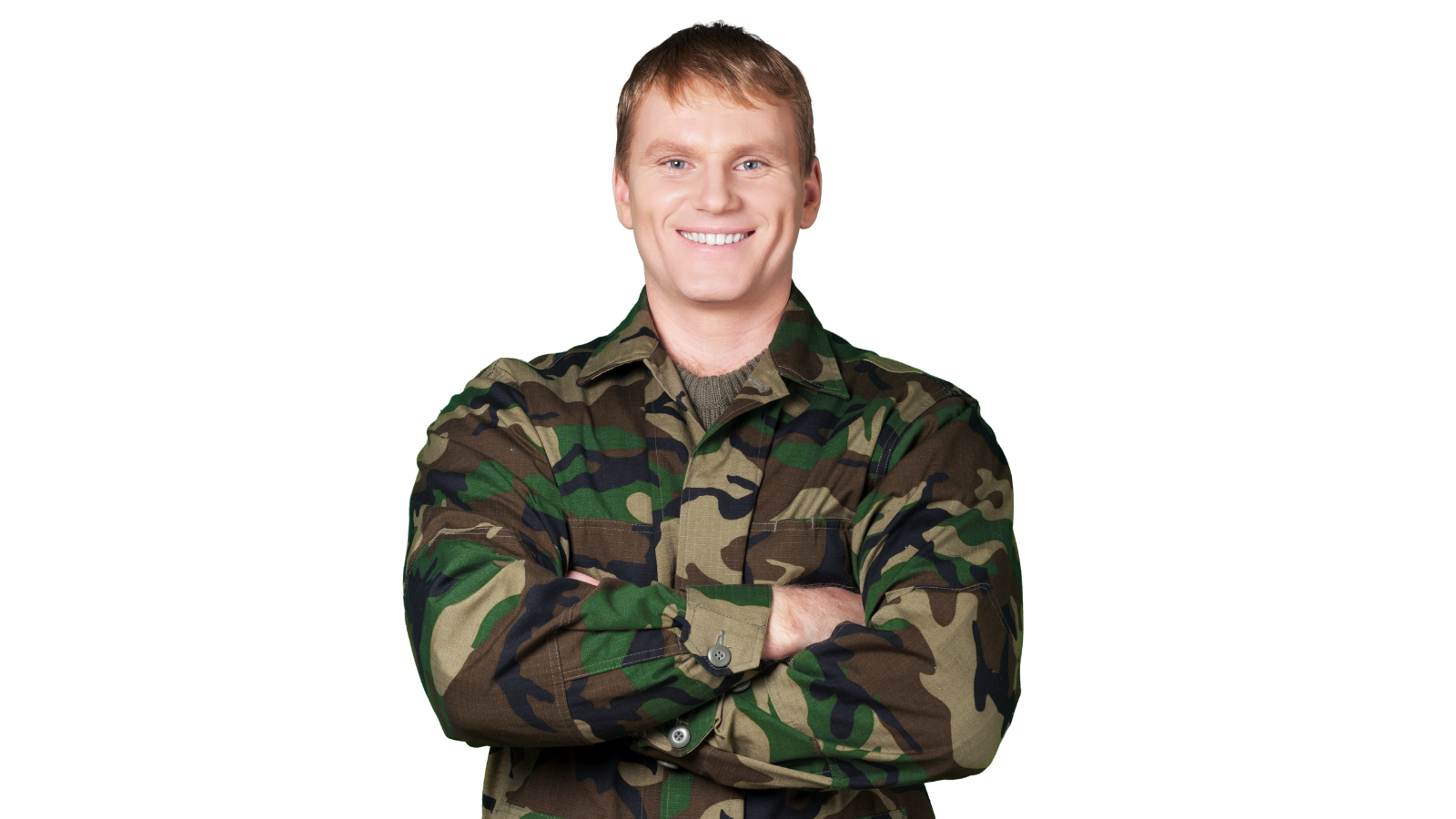
When I woke, I believed I was 36 years old, still serving as an infantry soldier. But I was actually 51. I didn’t recognise my body, my surroundings—or the life I’d built. I had no memory of marrying my wife or the births of my children. I had survived—but I didn’t know who I was.
Before the fall, my identity was anchored in military service and fatherhood. Those roles gave me clarity, purpose, and direction. I knew where I stood, what I stood for, and who relied on me.
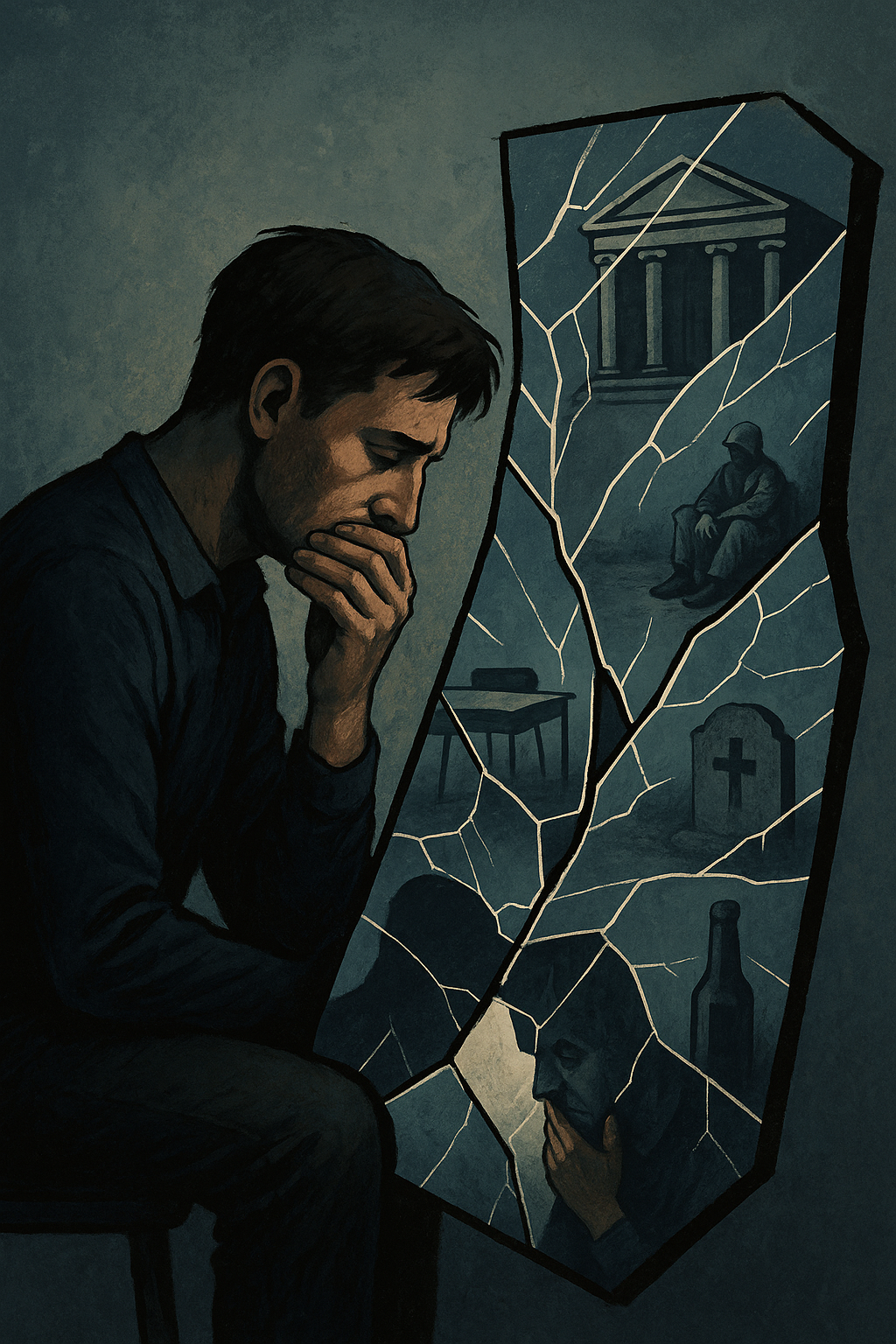
But after the aneurysm, my reflection was unrecognisable. My speech was broken. My hearing and vision were damaged. I was in a wheelchair, surrounded by strangers who insisted they were family.
I had also returned to a cultural landscape that felt entirely foreign. The values I lived by—discipline, responsibility, stoicism—seemed outdated, even offensive. Masculinity itself felt like it was under suspicion. The world had changed, and the rules I’d once lived by no longer seemed to apply.
“I wasn’t simply recovering from an illness; I was wrestling with the overwhelming challenge of being human again, in a body and world that no longer felt like mine.”
My medical and emotional struggles compounded each other:
- Seizures and spasms
- Partial blindness and photophobia
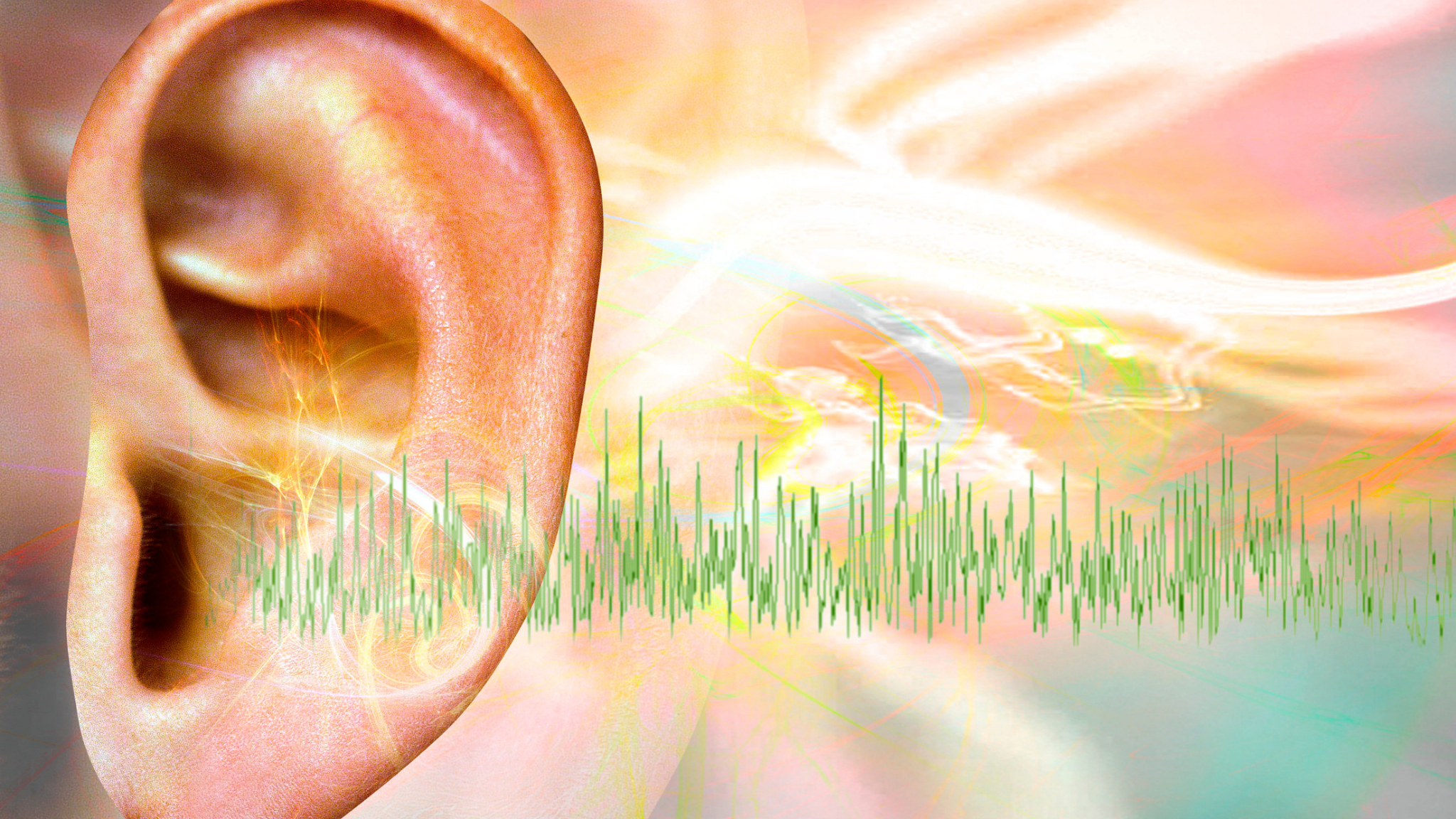
- Severe hearing loss
- Impaired speech
- Wheelchair dependence
- PTSD from military trauma
- Fibromyalgia’s chronic pain
- Functional Neurological Disorder (FND)
- Brain damage from the Subarachnoid Haemorrhage
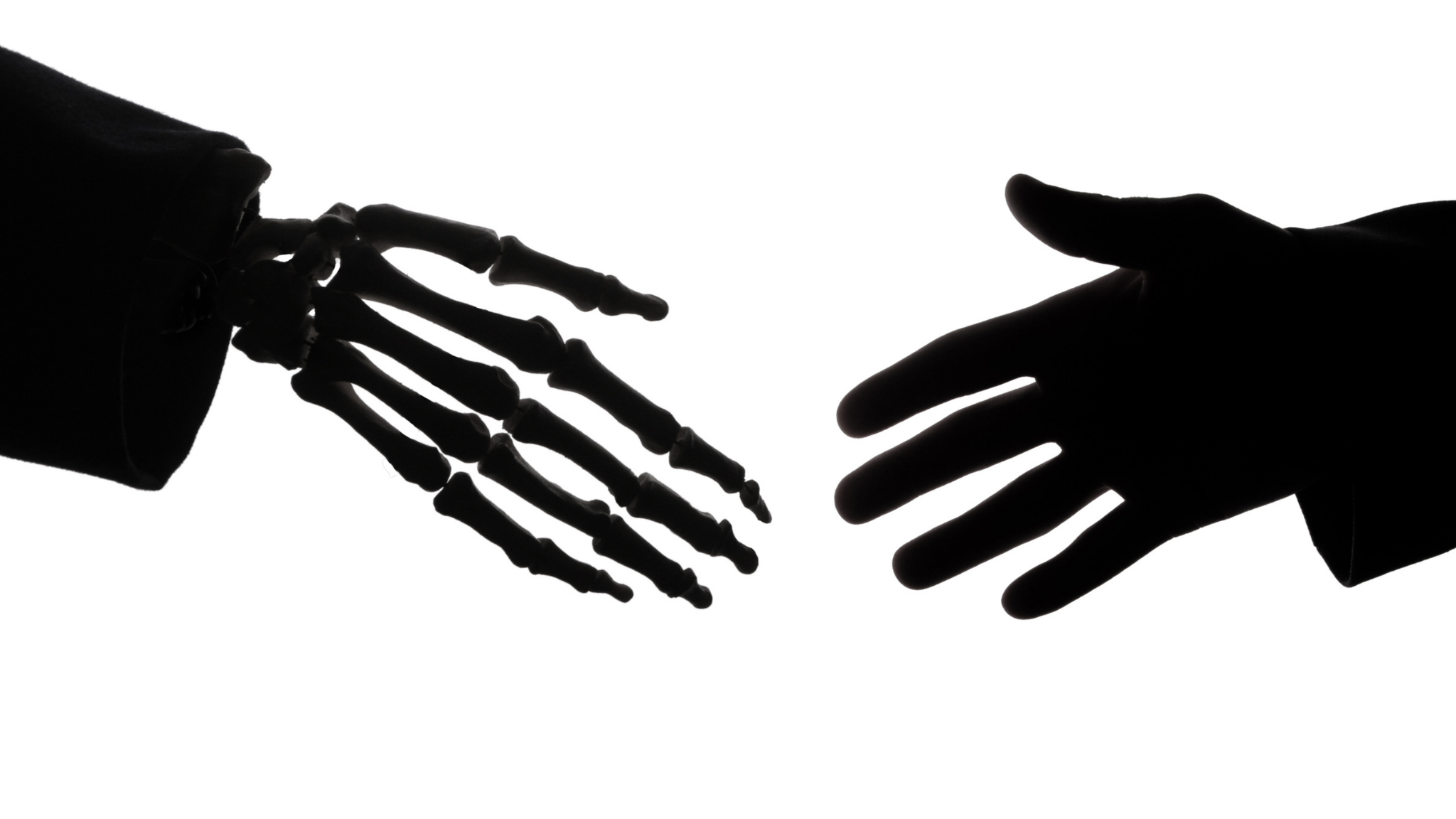
Each condition aggravated the others. Pain triggered anxiety. Anxiety triggered seizures. Seizures stole my voice. I call it a multiple pile-up—where the collision isn’t just physical, but existential.
I wasn’t simply recovering from an illness; I was wrestling with the overwhelming challenge of being human again, in a body and world that no longer felt like mine.
After eleven months, I was discharged. But the support I’d been promised never arrived. Referrals vanished. Assessments were missed. We had to move into accessible housing without adequate guidance or help.
It felt like I had survived the battlefield only to be left behind by the system I thought would catch me.
I wasn’t asking for privilege—just basic dignity. But it seemed that unless you shouted, you weren’t heard.
For someone used to leading quietly, honourably, and without complaint, this was a bitter truth. Civilians often assume silence means strength. In reality, it often means we’re being ignored.
The psychological damage eclipsed the physical. How do you rebuild your identity when you don’t remember the people who love you? When you can’t recall your own milestones? When everything that defined you is either gone or no longer welcome in public discourse?
Masculinity became the invisible battlefield.
I had to relearn how to live—but also how to be a man in a society that increasingly viewed masculinity as toxic. I questioned everything. Was I still a father, if I didn’t remember raising my children? Was I still a husband, if I couldn’t recall saying “I do”? Was I still a man, if my body no longer functioned the way it once had?
An occupational therapist recommended journaling. I began using an app that allowed me to record my voice when typing was too difficult. Over time, that journal became my blog.
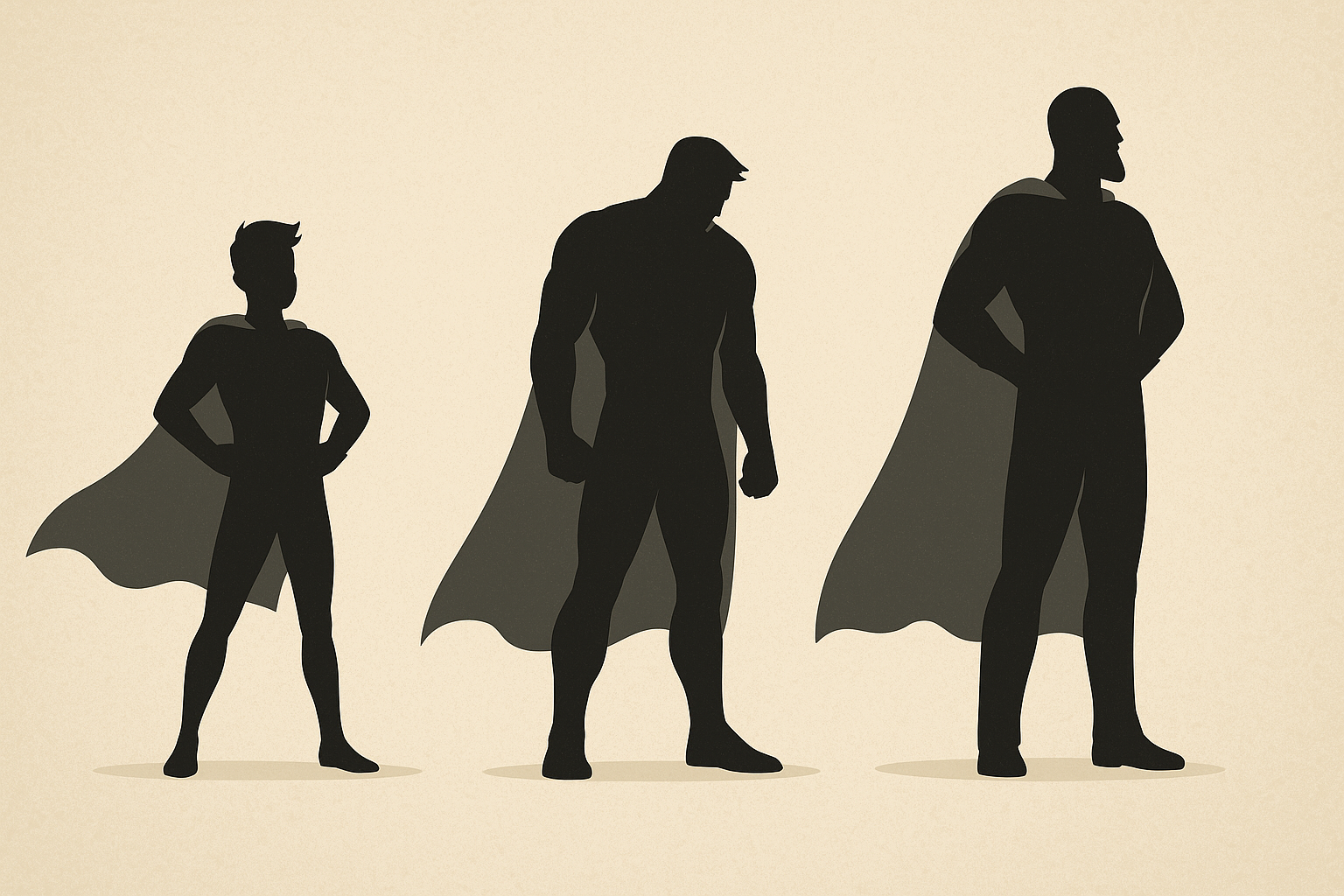
“I discovered that masculinity wasn’t lost—it was evolving. It wasn’t about bravado. It was about presence, integrity, and a commitment to keep going even when everything hurt.”
I wrote not for validation, but for survival. Writing gave me a voice when my body betrayed me. Every post was a fight against silence.
It wasn’t about nostalgia—it was about persistence. Reclaiming purpose. Rebuilding presence.
And in doing so, I discovered that masculinity wasn’t lost—it was evolving. It wasn’t about bravado. It was about presence, integrity, and a commitment to keep going even when everything hurt.
The military had already taught me how to endure discomfort, delay gratification, and push beyond perceived limits.
But it also taught me that real strength is quiet. That leadership is listening. That masculinity isn’t force—it’s restraint, responsibility, and grace under pressure.
Those values—once drilled into me—became the compass guiding me back to myself.
I still grieve for the life I don’t remember. For the man I can’t fully access. But I’ve learned that acceptance isn’t the same as surrender.
It’s a commitment: to build forward with what remains. To be shaped, not shattered.
Even fragile hope has weight. Even in ruins, something solid can be rebuilt.
Some days I still fall short. But I get up. Because the fire that forged me never went out—it simply burns differently now.
If you're facing a pile-up of trauma, disability, or invisible battles—know this: You’re not weak for struggling. You are strong for enduring.
And to those supporting us: thank you. Your presence matters more than you know.
Even when memory fades, even when the world shifts, the fight to reclaim purpose and dignity remains. And that is worth everything.
Scroll down to view comments
Disclaimer: This article is for information purposes only and is not a substitute for therapy, legal advice, or other professional opinion. Never disregard such advice because of this article or anything else you have read from the Centre for Male Psychology. The views expressed here do not necessarily reflect those of, or are endorsed by, The Centre for Male Psychology, and we cannot be held responsible for these views. Read our full disclaimer here.
Like our articles?
Click here to subscribe to our FREE newsletter and be first
to hear about news, events, and publications.










.