

How Watching the 2026 World Cup Can Boost Your Mental Health – Especially With Dad This Father's Day.

[También puedes leer este artículo en español aquí].
The 2026 World Cup is here, and with Fathers Day following close behind, there is no doubt that huge numbers of men and boys will be watching and playing football with their families and friends over the next few weeks.
It’s no surprise that playing sports is good for your physical and mental health. For example, my survey of seven thousand men in the US and UK found that the more a man values sport and leisure, the better his mental wellbeing. But what about watching football - is watching someone kick a ball, rather than kicking the ball yourself, good for your mental wellbeing?
Social and historical significance
Let’s start by recognising that being a football fan is much bigger than just one person being a fan. The experience of watching a match reaches right back into our social and biological roots. Places like Wembley stadium are probably as important to England fans as Stonehenge to ancient Britons. The shared group experience of singing, chanting and cheering a winning team can – at it’s peak – create an ecstatic group experience. The links to our ancient past are not hard to imagine when you hear the roar of a hundred thousand voices singing in unison. Profoundly emotional experiences create profoundly emotional memories shared by hundreds of thousands of fans. These memories last a lifetime and can even be shared through the generations. Say the words “nineteen sixty-six” to any England fan of any age and you will see what I mean.

Each person’s own unique history is important too. A football game takes 90 minutes, but the influence can last a lifetime. Many boys grow up supporting their local club, and often this allegiance is passed on to his son, and then his son after that, on through the generations. Each football game is a part of this history. (Fathers Day is 21st June this year. Remember to get him a gift).
Winning and losing
Watching your team lose can be heartbreaking (literally), but what about if you are lucky enough to support a team that always seems to win? For a kick off, football is a funny old game, and even if you support the very best team, you never truly know if they are going to win or lose. For this reason, football fans learn to be optimistic of the chances of a win, even in the last minutes of the game, and learn to be resilient in the face of losing. So even if losing didn’t improve your mental wellbeing, it made you better able at dealing with adversity.
Advice on how do deal with the stress of losing can be found here. In brief:
It’s a good time to be with fellow fans. Feel sad together. Let it out, but put a limit of 45-60 minutes to go through this.
After 45-60 minutes - move on. Get some exercise. Go for a walk, or a run, or lift some weights.
Don’t keep going over the loss in your mind. Don’t doom-scroll the result or listen to endless commentary on TV.
Change the channel: watch something totally different. Listen to your favourite music, a film you like, something that will keep your attention.
If you can’t shake off feeling bad, talk to a trusted friend or family member, or consider seeking professional support.
Testosterone is essential to men’s physical and mental health, so some good news is that the joy of watching your team winning gives your testosterone levels a small boost, especially for avid fans. The bad news is this mechanism can work the other way if your team loses, reducing testosterone levels a little. So enjoy the wins, and don’t let the losses get you down too much.
The impact of excited fans on the players is not hard to imagine either. Most teams perform better when playing at home, where their own supporters outnumber the ‘away team’ supporters. That’s why when fans were banned from attending matches during the COVID-19 lockdowns, the advantage of playing at the home stadium decreased.
Is watching football as beneficial to mental health as playing football?
Perhaps surprisingly, there isn’t as much research into football and mental health as you might guess, but one study found that playing football can help men with mental health issues. One study even found that playing football can modestly benefit the physical and mental health of people with schizophrenia. These benefits are likely to be mostly because playing football increases fitness, involves socialisation, and creates a sense of purpose.
But what about watching football? There are relatively few studies looking at the impact of watching football on mental health problems, and the ones that have been done have produced a mix of positive and negative findings. This doesn’t mean there is no effect, it just means that more good-quality research needs to be done on this topic. However for people without mental health problems, several studies suggest that football can give fans a psychological boost from time to time, helping with loneliness, mental wellbeing, and stress relief.
Conclusion
Probably no researchers are going to get a Nobel prize for discovering this, but the evidence so far suggests that watching football can lift your mood, especially if your favourite team wins. Football is something that anyone can enjoy. Even when you get too old to play football, there is a slow version called walking football. And even when you get too old to play walking football, you can still benefit from looking back fondly on your footballing memories.
Am I saying there are no down sides to football fandom? Of course not – don’t get me started on the tsunami of gambling adverts in football. But my advice is that whatever age you are, now is a great time to get together with your family and friends - via the internet if they don’t live nearby - and thoroughly enjoy several weeks of watching some of the most exciting football in the world.
Scroll down to post a message and join the discussion
Disclaimer: This article is for information purposes only and is not a substitute for therapy, legal advice, or other professional opinion. Never disregard such advice because of this article or anything else you have read from the Centre for Male Psychology. The views expressed here do not necessarily reflect those of, or are endorsed by, The Centre for Male Psychology, and we cannot be held responsible for these views. Read our full disclaimer here.
Like our articles?
Click here to subscribe to our FREE newsletter and be first
to hear about news, events, and publications.









When a male is in a power imbalance, at least two masculine instincts are disempowered…


…people – men and women alike – respond less positively to male-favouring sex differences than they do to female-favouring sex differences.
hyper-masculine gender norms are typically embedded within military institutions, and while adherence to these norms can contribute to combat and military success, they conversely make clinical work challenging
Men might benefit greatly from a government strategy aimed at improving their health. Here are suggestions from the Centre for Male Psychology on how that might be done. This article ends with some comments on potential pitfalls in the process of putting this strategy in place.




…people – men and women alike – respond less positively to male-favouring sex differences than they do to female-favouring sex differences.



… many papers do not even bother to identify or justify the nationality of their samples…


hyper-masculine gender norms are typically embedded within military institutions, and while adherence to these norms can contribute to combat and military success, they conversely make clinical work challenging


Have you got something to say?
Check out our submissions page to find out how to write for us.
hyper-masculine gender norms are typically embedded within military institutions, and while adherence to these norms can contribute to combat and military success, they conversely make clinical work challenging

hyper-masculine gender norms are typically embedded within military institutions, and while adherence to these norms can contribute to combat and military success, they conversely make clinical work challenging
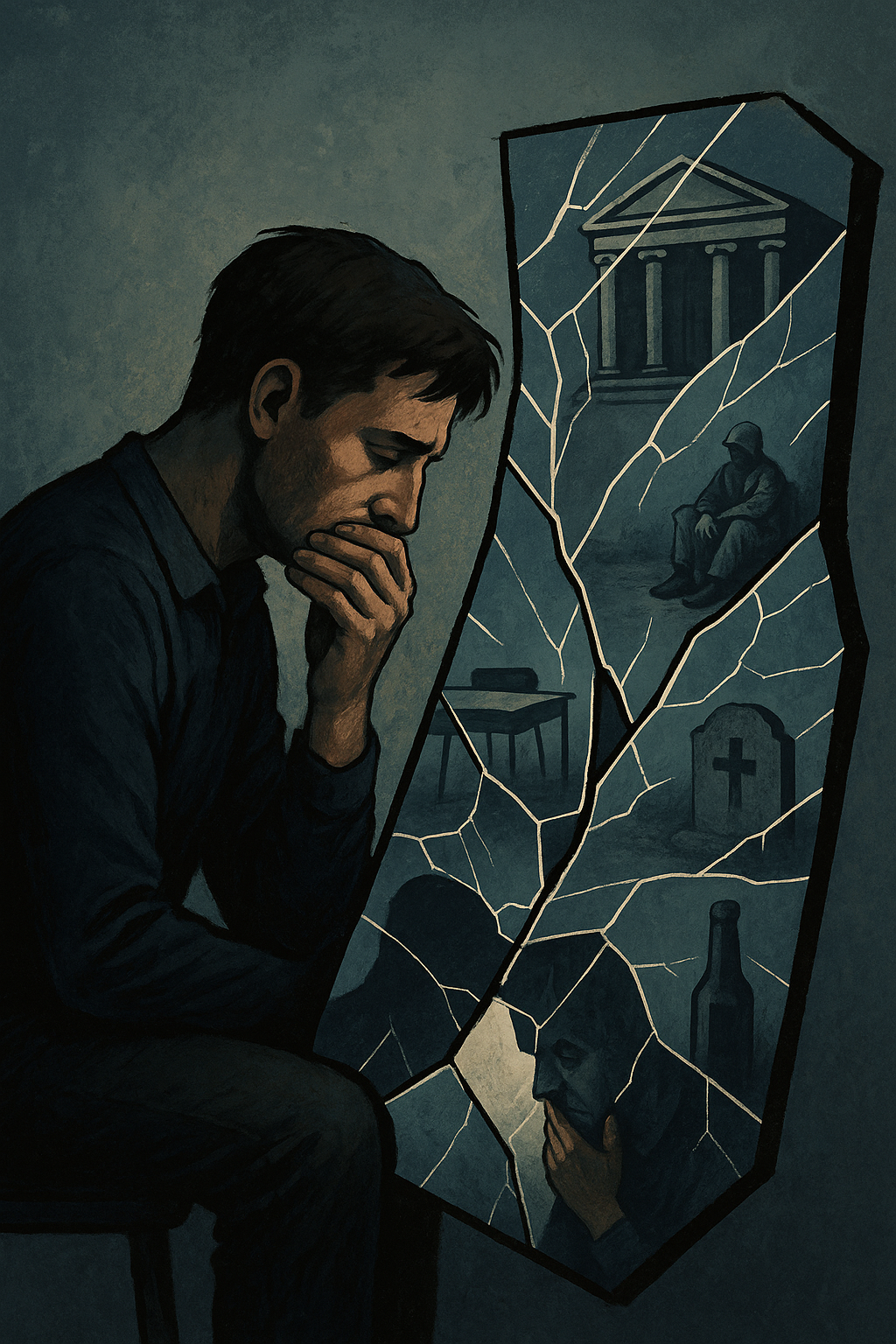
hyper-masculine gender norms are typically embedded within military institutions, and while adherence to these norms can contribute to combat and military success, they conversely make clinical work challenging

hyper-masculine gender norms are typically embedded within military institutions, and while adherence to these norms can contribute to combat and military success, they conversely make clinical work challenging

hyper-masculine gender norms are typically embedded within military institutions, and while adherence to these norms can contribute to combat and military success, they conversely make clinical work challenging

Much of our attitudes, theorizing and public debate around men and masculinity is influenced by high profile feminist and Gender Studies scholars in academia. But what is the scientific quality of publications from these scholars?

Some people blame drill music – a form of rap - for the rising murder rate in London. Drill is known for aggressive lyrics about gang violence, but rather than seeing this as a valuable way for young men to express their feelings, some people want to ban it.

To survive… cultures have to use men and women effectively and … in fact, most cultures have used men and women in different ways… what our culture does is [grant] greater status to men and greater protection to women

hyper-masculine gender norms are typically embedded within military institutions, and while adherence to these norms can contribute to combat and military success, they conversely make clinical work challenging

There are around 300,000 veterans living with hearing loss in the UK, according to The Royal British Legion. In addition to being at a greater risk of PTSD, depression, and anxiety, many vets are also battling psychological distress from hearing problems.

The book begins with a description of her therapeutic approach, and an illustration of how to understand and work with the rage often seen in male CSA clients.

I felt in my dealings with some police officers, as though I were treated firstly as a man (assumed to be a perpetrator), but they’d overlooked risks associated with my impairment. Example: How can you dodge a missile you don’t see coming?

The Panorama programme on domestic violence failed to adequately highlight two important issues: male victims and female perpetrators.

your photograph, name and address, might appear in the local and national press and on TV, insinuating what an evil monster you are

…an attack upon masculinity is an attack upon one’s sense of self, of identity. …What, then, is the right psychological defence against such an attack?

The male has been designed to “look”, not only at the female, but to “look out” for prey, for danger, and for ways to protect his family unit.

If his child is allowed to live, this man must be available, for the rest of his life, to love and provide for his child… If, on the other hand, it is decided that his child is to be destroyed, he should be able to go about his life as if nothing has happened

Socialising is a basic human need. The opposite – social isolation – is one of the worst forms of torture. Some people look down on the local pub as a place for undesirable riff raff, but that narrow viewpoint misses entirely the community value of the pub

Male psychology is a recent development in academia. Unlike gender studies, feminism, and men’s studies, male psychology takes the view that we can gain more by recognising and harnessing the positive aspects of masculinity than we can by taking a relentlessly negative approach to men.

.
 John Barry
El dr. John Barry es psicólogo, investigador, hipnoterapeuta clínico y cofundador de la Male Psychology Network (Red de Psicología Masculina), la BPS Male Psychology Section (Sección de Psicología Masculina de la BPS) y The Centre for Male Psychology (Centro de Psicología Masculina). También co-editor del Palgrave Handbook of Male Psychology & Mental Health (Manual Palgrave de Psicología Masculina y Salud Mental), y coautor del nuevo libro Perspectives in Male Psychology: An Introduction (Wiley) (Perspectivas en Psicología Masculina: Una Introducción [Wiley]).