
Introducing the British Psychological Society’s guidelines on therapy for men
It was the first day of my holiday on 7th Jan 2019 and I was checking Twitter (like you do), when a tweet caught my attention:
“Brilliant and much needed: @APA [American Psychological Association] issues first ever guidelines for practice with men and boys”.
I already knew that men die by suicide more than women do, but seek therapy less, so was acutely aware of the importance of making therapy more appealing to men. So with some excitement, I followed the link, found the guidelines, and began reading. It wasn’t long however before my excitement stopped, replaced by a growing sense of bewildered disappointment.
Although some of the 10 guidelines were excellent (in particular Guideline 9 on therapy for men), some parts of the guidelines were seriously flawed. Not wanting my thoughts on the guidelines to derail the enjoyment of my holiday any further, I quickly wrote a blog about it for the Male Psychology Network site (now part of the Centre for Male Psychology), republished here.
My blog was part of a flurry of commentaries around this time that were critical of the guidelines for various reasons. In essence, my criticism was that two of the guidelines were misguided: Guideline 1 - that masculinity is a social construct - didn’t take evidence from biology into account, and Guideline 3 - that men are the privileged sex and ‘traditional’ masculinity is problematic - seemed based on ideology more than fact.
I was pleasantly surprised that Jordan Peterson tweeted about my article, calling it “A brief, thoughtful rejoinder to the APA’s so-called “guidelines””. Since that time, the rejoinders from various sources have never really gone away, and indeed probably the most comprehensive criticism of the APA guidelines came only a few weeks ago.
In the final paragraph of my 2019 blog, I said that the Palgrave Handbook of Male Psychology and Mental Health (edited by myself, Martin Seager, Roger Kingerlee and Luke Sullivan) described another way doing therapy with men, and that “guidelines based on this handbook will be issued soon”. I am delighted to announce that those guidelines have arrived, even though it means I have stretched the definition of ‘soon’ to almost four years.
So how do the BPS guidelines compare to the APA’s? First, the BPS guidelines are shorter, being a ‘briefing paper’ of around 2,400 words compared to the APA document which is around 16,000 words. Second, the BPS guidelines focus on therapy for men, whereas the APA guidelines also refer to boys (e.g. education) and some other aspects of men’s psychology (e.g. fatherhood). Thirdly, the BPS guidelines overlap with some of the better guidance from the APA guidelines (especially Guideline 9), but specifically reject the worst parts (i.e. Guidelines 1 and 3).
“We also note the need for more research on the factors that impact men’s mental health, including the possibility that men and masculinity being discussed in disparaging ways (e.g. ‘toxic masculinity’) in the media, academia, and elsewhere might be a contributory factor to mental health risk for men and boys.”
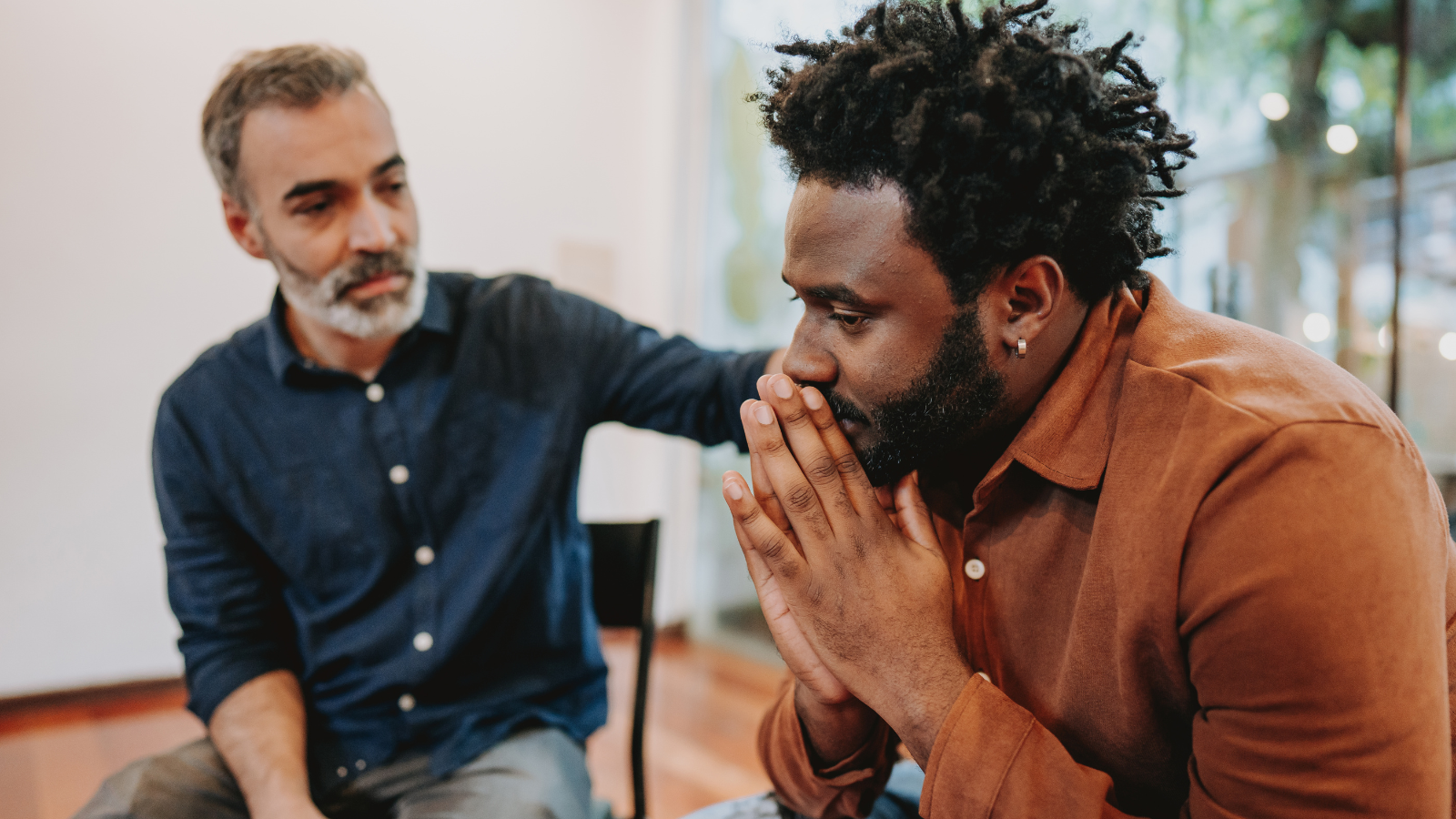
Here are a few examples of what you will find in the BPS guidelines. We start by explaining the reasons why guidance on therapy for men is needed (e.g. the different ways men and women in general cope with distress) and the benefits of offering men new treatment options (e.g. they will be more likely to seek help). We outline the unexpected ways in which men may express mental health problems (e.g. irritability can be a sign of depression). Examples of techniques and approaches are given (e.g. ‘action-orientated’ approaches such as team sports or Men’s Sheds).
These more male-friendly therapies can include existing therapies that place less emphasis on introspecting on feelings, such as coaching and mentoring, and activities – such as team sports or Men’s Sheds – that are not normally thought of as being ‘therapy’. These ways might be sufficient in themselves to help, or might offer men an opportunity to be in a situation where they feel more comfortable to discuss their feelings. It should be noted that many of the suggestions in the guidelines might benefit women too, especially those who are not drawn to talking about their feelings as a way of dealing with their problems.
We also note the need for more research on the factors that impact men’s mental health, including the possibility that when men and masculinity are discussed in disparaging ways (e.g. the term ‘toxic masculinity’) in the media, academia, and elsewhere, this might be a contributory factor to mental health risk for men and boys. Given the how commonplace negativity about men and masculinity has become, some readers may be surprised there is evidence that aspects of masculinity can be harnessed to help men deal with their mental health issues.
Men’s communication style is an important issue. For example, it is crucial to be able to recognise that depression and trauma might be expressed differently in men and women. A widely recognised example is seen in what is commonly called ‘combat stress’, where soldiers can become aggressive and turn to substances such as alcohol to cope with difficult emotions related to military experiences. Also, certain life events might have a different type of mental health impact on men and women (e.g. family breakdown), or in some cases the impact might be more similar than we realise (e.g. miscarriage). Clearly it is important that a therapist is able to recognise the potential impact of such life events on their male clients, which is why the Male Psychology magazine regularly publishes articles about men’s lived experiences in relation to relevant life events.
Although we had been discussing writing up therapy guidelines for several years (and in earnest after Jan 2019), the first official steps to creating this document were taken only in March 2021, after which the document took around 18 months to complete. Martin Seager wrote the first draft, which I developed further, followed by input of members of the BPS Male Psychology Section, before the final version was completed after open consultation across the BPS membership.
We don’t pretend this document is the final answer to all questions about therapy for men, and we are very clear about the need for ongoing good quality research on which to base theory and practice. However we would be very happy for other therapists (counsellors, psychotherapists etc) and therapy organisations around the world to use our guidance to inform their approach to therapy, and join us in developing ever better mental health services.
We have appreciated the better parts of the APA’s guidelines, and I hope the APA will see some good in the BPS guidelines. Although their contentious guidelines remain so far unchanged, to the credit of Division 51 - the part of the APA that deals with the psychology of men - in March this year showed signs of changing their position on masculinity in a more sympathetic direction. We hope that other organisations too, such as the United Nations, can begin to adopt a more understanding and helpful approach to the mental health and wellbeing of men and boys.
You can find the BPS guidelines on therapy for men here, also the BPS press release and BPS blog on the topic by John Barry.
Scroll down to join the discussion
Disclaimer: This article is for information purposes only and is not a substitute for therapy, legal advice, or other professional opinion. Never disregard such advice because of this article or anything else you have read from the Centre for Male Psychology. The views expressed here do not necessarily reflect those of, or are endorsed by, The Centre for Male Psychology, and we cannot be held responsible for these views. Read our full disclaimer here.
Like our articles?
Click here to subscribe to our FREE newsletter and be first
to hear about news, events, and publications.


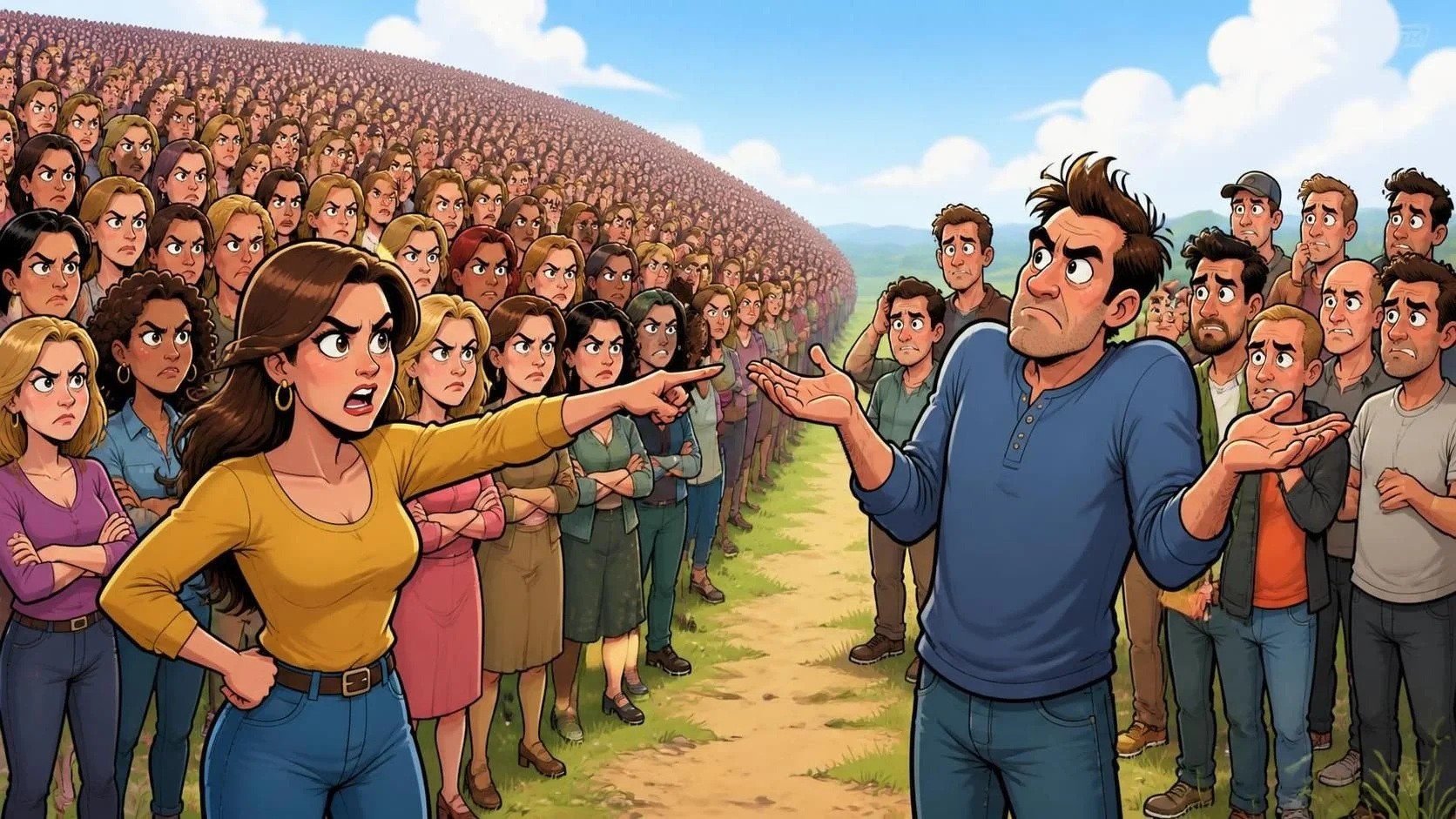




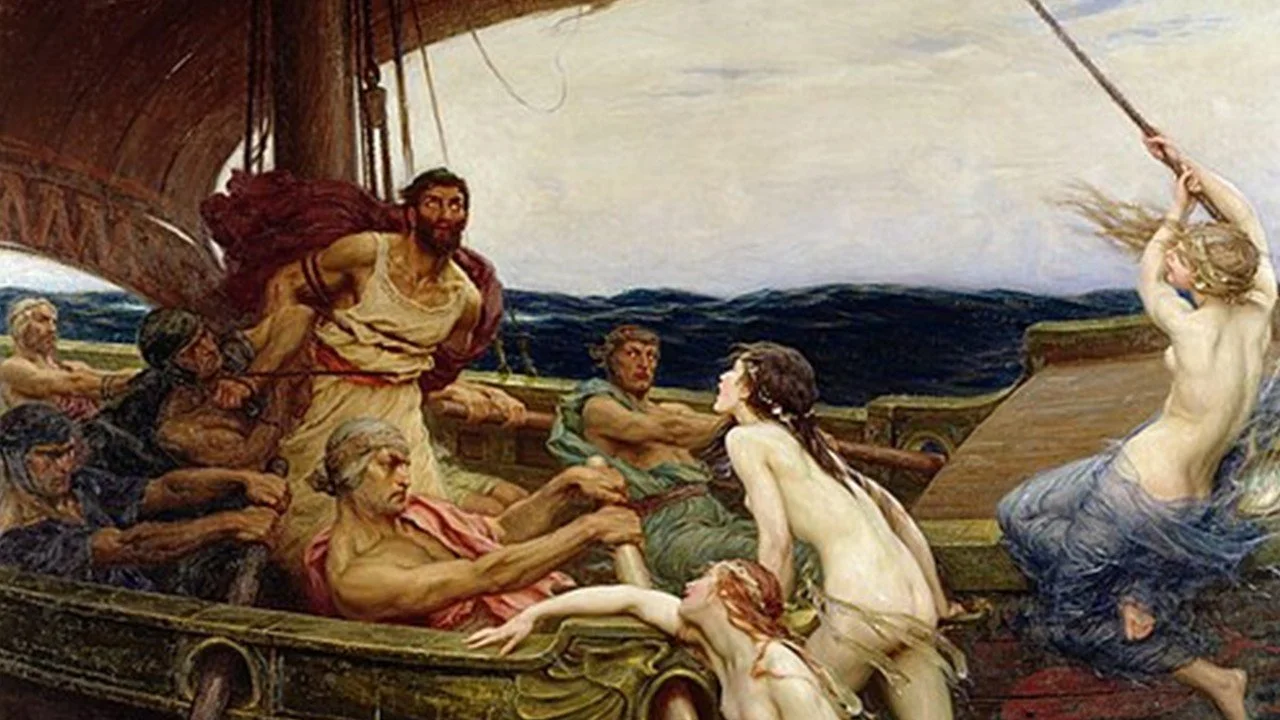

When a male is in a power imbalance, at least two masculine instincts are disempowered…

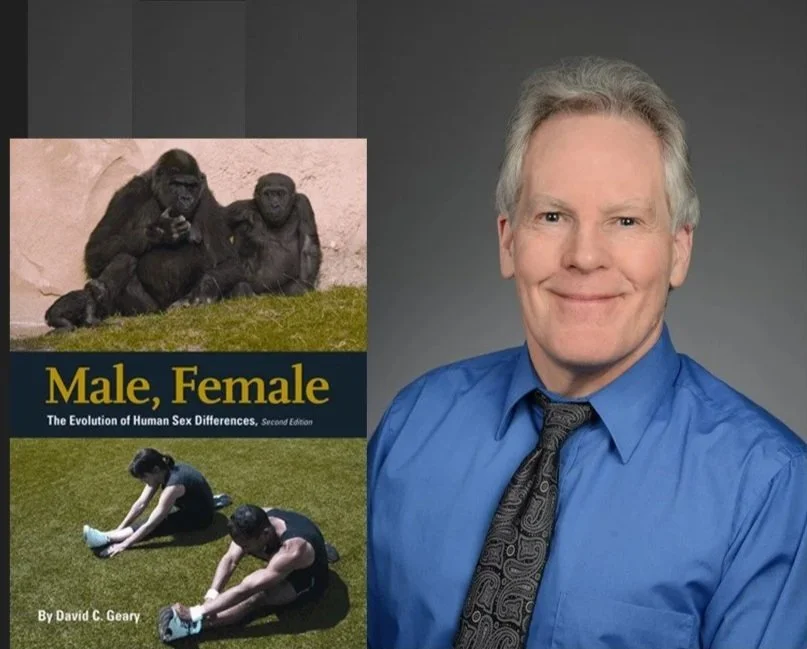
…people – men and women alike – respond less positively to male-favouring sex differences than they do to female-favouring sex differences.
hyper-masculine gender norms are typically embedded within military institutions, and while adherence to these norms can contribute to combat and military success, they conversely make clinical work challenging
Men might benefit greatly from a government strategy aimed at improving their health. Here are suggestions from the Centre for Male Psychology on how that might be done. This article ends with some comments on potential pitfalls in the process of putting this strategy in place.



…people – men and women alike – respond less positively to male-favouring sex differences than they do to female-favouring sex differences.

… many papers do not even bother to identify or justify the nationality of their samples…

hyper-masculine gender norms are typically embedded within military institutions, and while adherence to these norms can contribute to combat and military success, they conversely make clinical work challenging

Have you got something to say?
Check out our submissions page to find out how to write for us.
…people – men and women alike – respond less positively to male-favouring sex differences than they do to female-favouring sex differences.
There is social power, there is structural power, and there is physical power. What women have in our society is the power of the state behind them, and men do not. Men only have that physical power, and most men don’t want to use it



Masculinity may be just the tonic (remedy) needed by society at a time when it has recently suffered so many fractures.

“The place that people feel least free to speak their minds are oftentimes university, which I found absolutely stunning.”

Peer reviewers seem to be more accepting of my research on physiological differences between men and women (e.g., muscle fatigability) and less accepting of my research on psychological differences.

Generally speaking men’s humour is a good predictor of relationship satisfaction, as long as the woman appreciates it. A lot of studies show that men try to impress women with humour.

I was left with no doubt that men were struggling in myriad ways with stress and psychological illness – yet it has always been the discourse of the ‘desperate housewife’ that has attracted the most publicity, both in medicine and popular culture

…many professionals seem to interpret the evidence “most convicted child sex offenders are men”, as “children are more at risk from their father than their mother.

…people – men and women alike – respond less positively to male-favouring sex differences than they do to female-favouring sex differences.
IMD is not recognized by the UN because many believe we live in a patriarchal world and that the focus of the UN should be on women and children.

I’ve become curious why people, including very smart people with Ph.Ds, tend to leap at moralistic conclusions, adhere to them and consider them “science” when they are no such thing.

…critical gerontology focuses on the political-economic approach and consequently had a limited perspective on women and men: economically the former were seen as deprived and men privileged. Men were therefore disregarded.

…There is a reason why men who speak up on these issues tend to be retired or unemployed.

People depart a man in trouble [but as] soon as a man's got someone to talk to he will pour his heart out.
people are more aware of the fact men can be victims of this type of violence, but this often isn’t translated into policy, practice or indeed provision of resources
The brutality of the person's offence is generally related to the brutality of what they've experienced during childhood.

There is social power, there is structural power, and there is physical power. What women have in our society is the power of the state behind them, and men do not. Men only have that physical power, and most men don’t want to use it

90% of men in prisons have come from generational family violence… So when they're violent - which is what they've learned - we then perpetuate the violence by putting them in prison.

“I feel very strongly that the pendulum has swung too far, as it always does, the swing from a very male dominated patriarchal society to a very, very female dominated society where men …”

…the feminist movement has done inestimable damage to the mental health of boys and men. Making boys second class at school, teaching them that males are bad by nature and that women have suffered at the hands of men inevitably leads to boys feeling unhappy about themselves and adopting the unruly, delinquent behaviour which is expected of them.

Some people blame drill music – a form of rap - for the rising murder rate in London. Drill is known for aggressive lyrics about gang violence, but rather than seeing this as a valuable way for young men to express their feelings, some people want to ban it.

Gender scholars and activists were aghast a few years ago at the depiction of a feminist, in a documentary movie called The Red Pill, who unexpectedly learned to empathise with men. In a rare interview, director and star of The Red Pill, Cassie Jaye, reflects upon the impact the movie has had on herself and others.
.
 John Barry
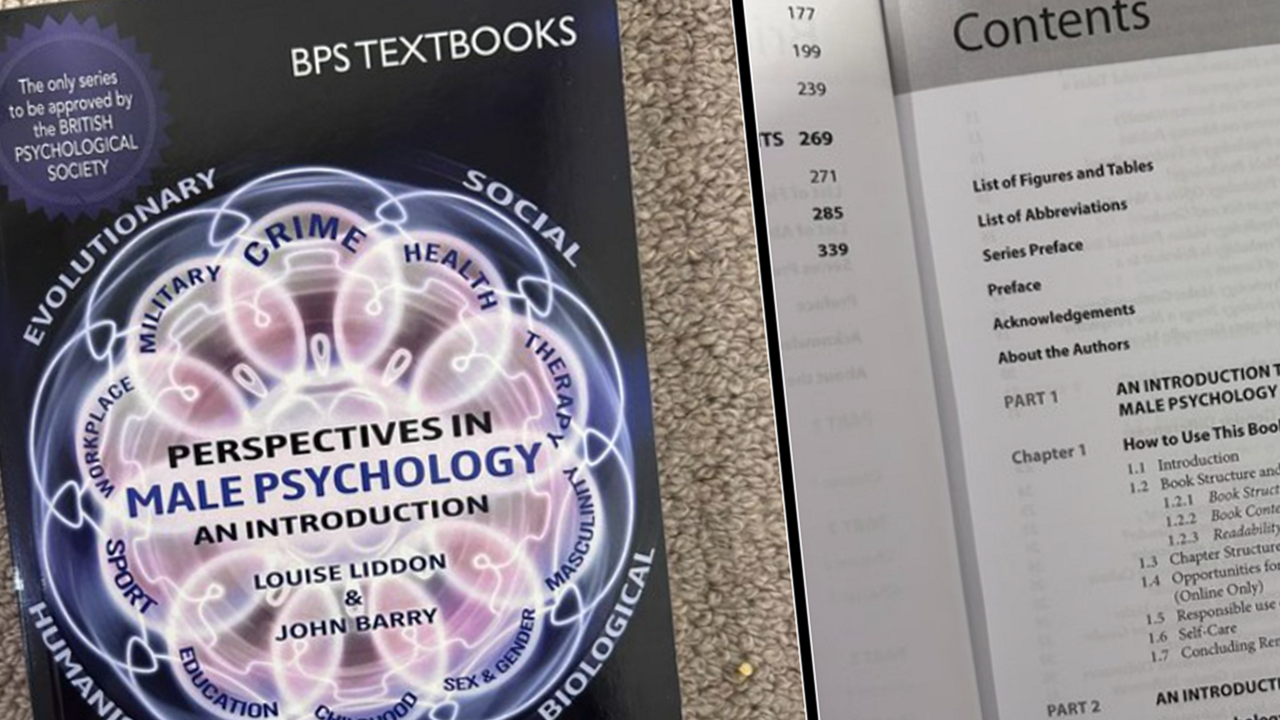
Dr John Barry is a chartered psychologist, researcher, clinical hypnotherapist and co-founder of the Male Psychology Network, BPS Male Psychology Section, and The Centre for Male Psychology (CMP). Also co-editor of the Palgrave Handbook of Male Psychology & Mental Health, co-author of the textbook Perspectives in Male Psychology: An Introduction (Wiley), and presenter on Centre for Male Psychology training courses.