From respected to rejected: A veteran’s masculinity on trial

I went to sleep in one world—and woke in another.
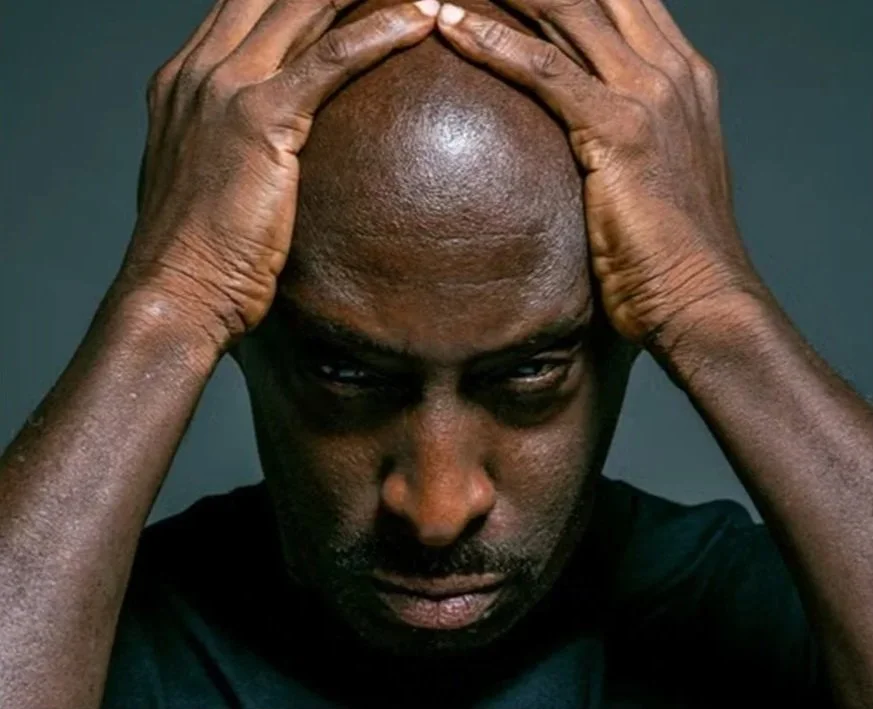
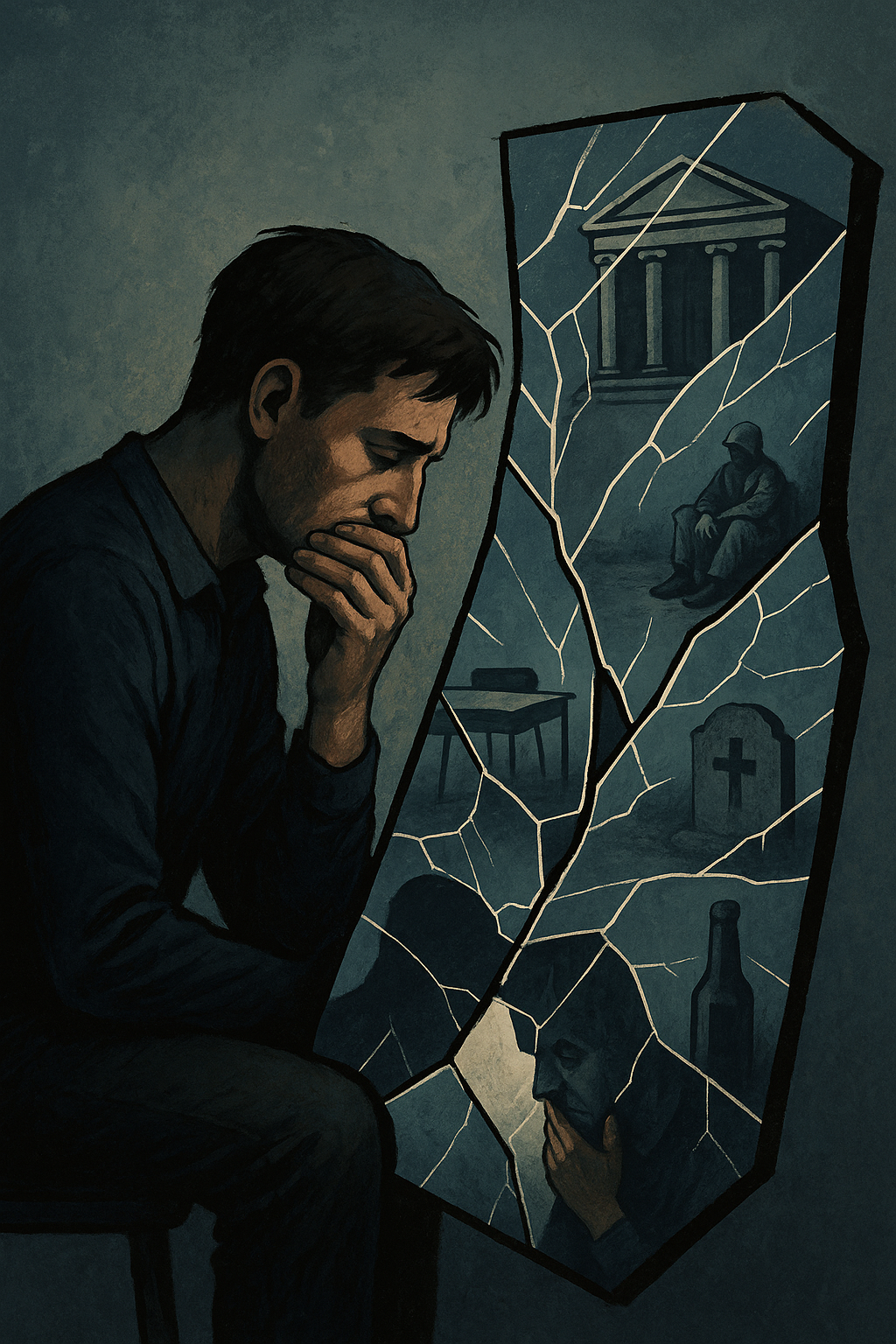
The rupture in my brain took 14 years of memory with it. When I woke from emergency surgery, I thought I was 36—a serving infantry soldier. In reality, I was 51, disabled, and living in a world I didn’t recognise.
Gone was the environment where the values I’d lived by—discipline, restraint, responsibility—were respected. In its place stood a society that viewed those same traits as threatening, outdated, or even toxic. Masculinity, once a source of identity, now felt like a liability.
Then vs. Now: The Shift in What it Means to Be a Man
I grew up in a culture—and later served in a profession—where being a man meant carrying weight. It meant leading with purpose, absorbing discomfort without complaint, and protecting those you loved.
Masculinity wasn’t about volume or bravado. It was about presence.
“Imagine going to sleep in a world that embraced your code of conduct—and waking in one that punishes it. […] Confidence is mistaken for arrogance. Protectiveness for patriarchy. Quiet resilience for emotional suppression.”
The military amplified this. I was taught that true strength was measured not by how loudly you spoke, but by how much you could endure without breaking. The army didn’t train us to bark orders—it trained us to manage pressure, remain calm, and lead by example. Any drill sergeant will tell you, discipline on the parade ground breeds discipline in the field.
But waking into this new cultural moment, I found a society deeply sceptical of men like me. Masculinity had been rebranded—no longer a set of stabilising virtues, but a source of systemic harm.
A Man Out of Time
Imagine going to sleep in a world that embraced your code of conduct—and waking in one that punishes it.
That’s what happened to me.
In my head, I was a soldier trained to lead. But in this world, leadership by men is often viewed as dominance. Confidence is mistaken for arrogance. Protectiveness for patriarchy. Quiet resilience for emotional suppression.
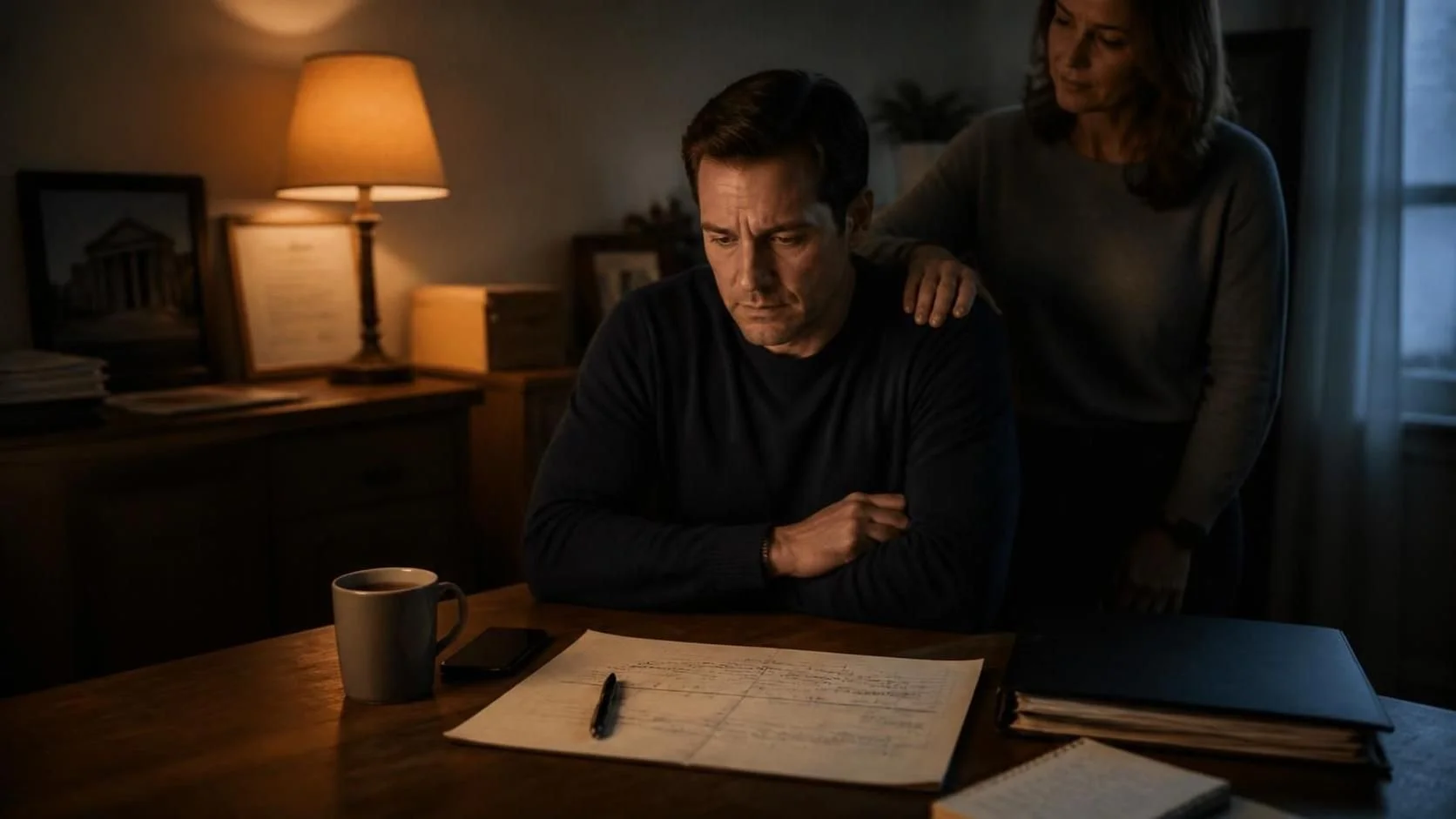
I didn’t just have to recover from brain damage. I had to learn how to be a man again—without offending people by simply existing as one.
It was like waking on trial.
When Strength Is No Longer Welcome
In rehab, I encountered professionals who encouraged vulnerability, open expression, and emotional surrender. I understand the value in that—especially for men conditioned to suppress pain.
But I also knew that my form of masculinity had kept me alive. That it had raised my children. That it had taught me to lead without ego.
Yet instead of honouring that, I was repeatedly made to feel suspect. As if strength and silence meant I had something to hide. As if my way of being male belonged to a less evolved age.
The dissonance ran deep. I was recovering from a catastrophic event while having to second-guess everything about how I carried myself.
The Cost of Cultural Amnesia
There’s a danger in discarding traditional masculinity wholesale. Not because it was perfect—but because, at its best, it offered men something grounding.
While society has made vital progress in redefining women’s roles, it often did so with tunnel vision—modernising one narrative while leaving the other behind. Masculinity was criticised but never reimagined. Men were told to change, but rarely shown how. In the push for equality, something essential was neglected: the balance.
“Men who are constantly accused stop showing up. They stop speaking. Stop trusting. And many never return.”
When society fails to recognise honour, courage, or responsibility as virtues, men become confused about what they’re supposed to be.
The cultural narrative may call for a ‘new man,’ but it offers few maps for how to become him. Instead, we’re told what not to do, how not to speak, and what not to represent. And if you’ve spent your life building from a different blueprint, the result isn’t transformation—it’s dislocation.
This confusion doesn’t just impact the individual. It affects families. Relationships. Recovery.
Men who are constantly accused stop showing up. They stop speaking. Stop trusting.
And many never return.
Masculinity Is a Mirror of Society
Masculinity isn’t just hardwired—it’s handed down. It has biological roots, yes—testosterone, physicality, risk tolerance—but its shape is carved by culture.
Across time and geography, societies have moulded masculinity to fit their needs: warrior, worker, provider, protector. A man in rural Afghanistan is shaped by a different masculine code than one in urban Britain. Neither is universal. Both are constructed.
So when society changes, men don’t just resist for no reason. They’re following a blueprint they were once praised for obeying.
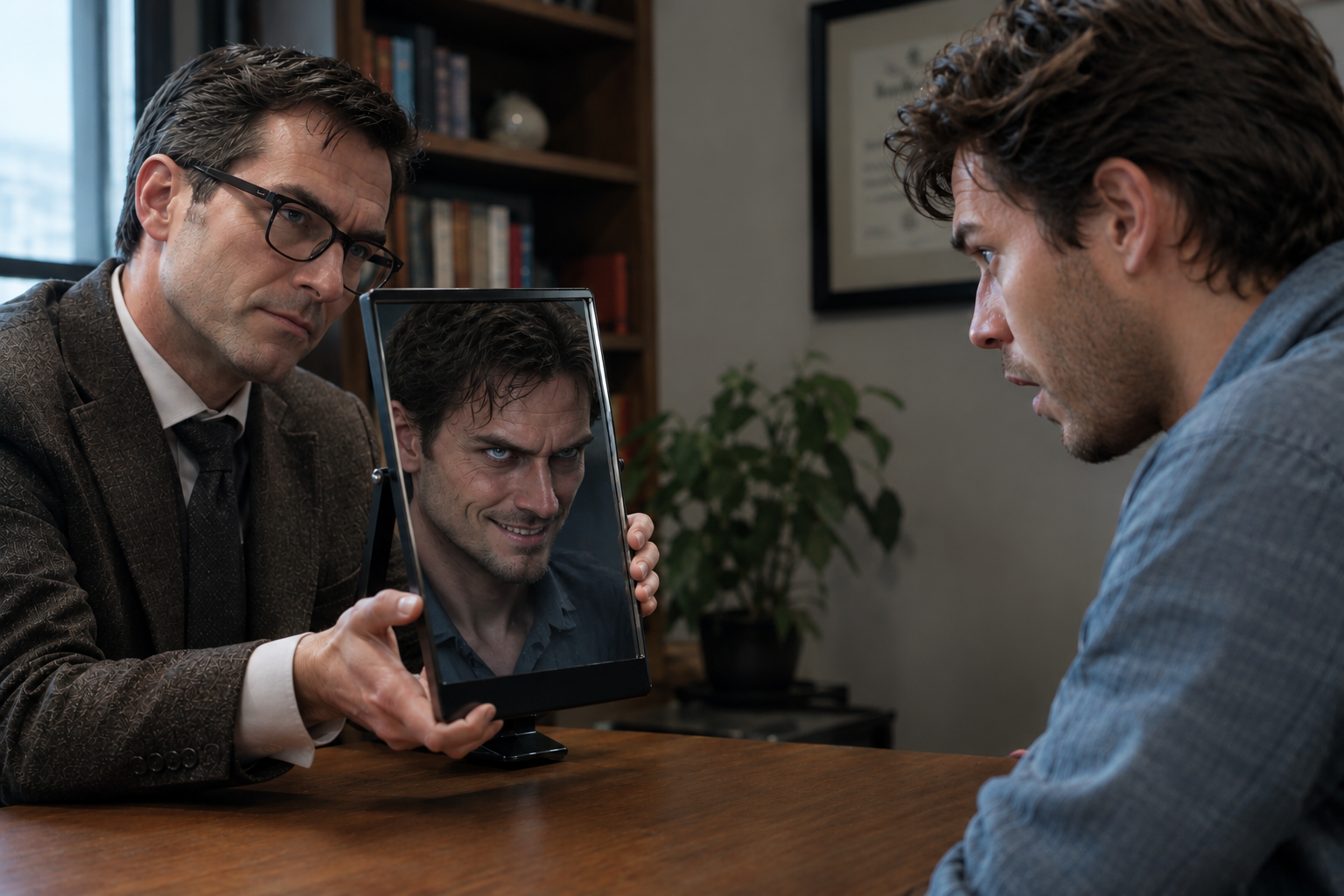
And yet, men are now being blamed for embodying traits that society itself once demanded. Traits we were taught to honour—restraint, emotional control, stoic leadership—are now labelled harmful. But where was the guidance when the rules changed? Where was the bridge?
To constantly blame men for failing to adapt to a new model—without helping them navigate the change—is not just unfair. It’s discriminatory. It shames men not for who they are, but for having followed the code they were given.
If masculinity is part biology and part blueprint, then society shares responsibility. Updating it shouldn’t mean humiliation—it should mean invitation. Because when the game changes without warning, the players aren’t the problem. The rules are.
What Should Masculinity Mean Now?
There’s a cost to a society that tells men to abandon masculinity rather than evolve it. And let’s be clear: that’s what’s happening. Masculine traits aren’t being updated. They’re being erased.
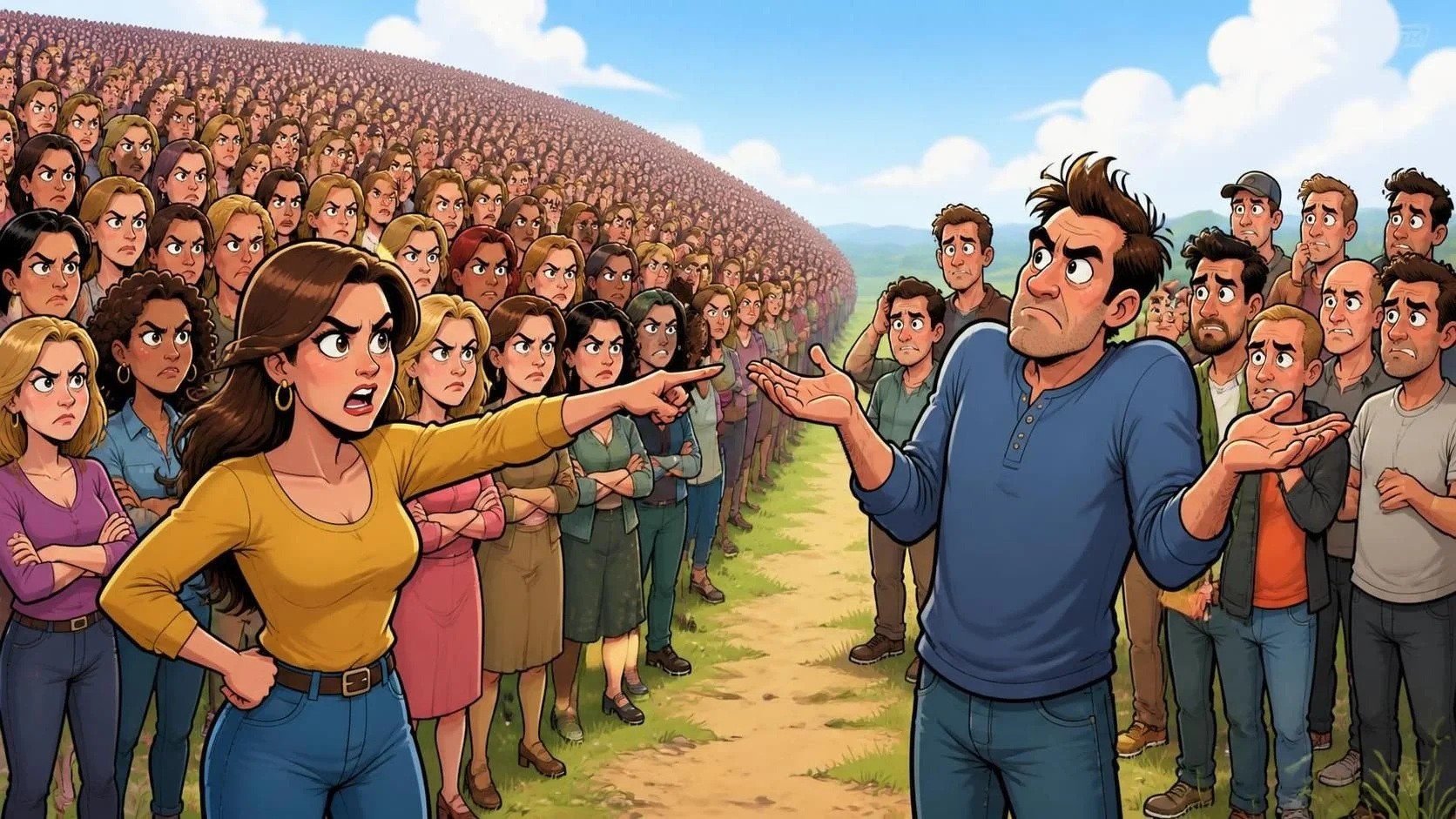
We praise strength, logic, leadership, and endurance in women — but shame them in men. We celebrate male vulnerability — until it shows up as anger, confusion, or silence. Then we ridicule it. The problem isn’t that men won’t talk. It’s that when they do, they’re often punished for not speaking the right way, or for saying things society doesn’t want to hear.
Yes, masculinity has biological roots — testosterone, risk tolerance, physicality — but it also has cultural form. It’s a code that once made sense. You protect. You provide. You lead. You shut up and get on with it. Across centuries, cultures shaped masculinity based on what they needed. Warrior. Farmer. Builder. Father.
Now, the job description has changed — but no one gave us a new manual. Just blame. We’re told to “be better men” but rarely shown what that means. Meanwhile, the traits we were trained to live by are no longer acceptable — unless someone else is using them. When a woman shows strength, we call it empowerment. When a man does, we call it aggression. This isn’t evolution. It’s doublethink.
“You can’t build a better man by shaming the one who came before. You can’t help men rise by first demanding they kneel.”
If society wants men to evolve, it needs to offer a path — not a punishment. We need a masculinity that’s modern but still recognisably male. Something firm, not fragile. Adaptive, not apologetic. Let me offer this:
– Responsibility without control
When my body failed me, I didn’t stop caring for others. I couldn't lift like I used to, but I could still lead through presence, planning, and quiet support.
– Presence without performance
I don’t need to raise my voice or take centre stage to be felt. Sometimes it’s just being in the room — calm, grounded, silent if needed — that makes people feel safe.
– Leadership without domination
In rehab, I helped other patients keep going. I wasn’t in charge, but I gave encouragement, set the tone. Sometimes just showing that you’re not quitting is a form of leadership.
– Vulnerability without victimhood
I’ve been open about my PTSD, my seizures, my damage — but I don’t wear it as a badge or excuse. It’s part of my truth, not the whole of who I am.
– Emotional availability without losing composure
I’ve cried in front of my children, but I did it quietly, without panic. They saw I felt deeply — but they also saw I could carry it, not collapse under it.
Masculinity should not be erased. It should be refined.
I didn’t resist change. I resisted invisibility. I still carry the same code I lived by in war, in protection work, in fatherhood. It’s been reviewed, adapted — but not abandoned.
If society wants men to change, it must start by recognising what we were. You can’t build a better man by shaming the one who came before. You can’t help men rise by first demanding they kneel. When a man goes to sleep in one world and wakes in another, he doesn’t need a lecture. He needs a guide.
Scroll down to view comments
Disclaimer: This article is for information purposes only and is not a substitute for therapy, legal advice, or other professional opinion. Never disregard such advice because of this article or anything else you have read from the Centre for Male Psychology. The views expressed here do not necessarily reflect those of, or are endorsed by, The Centre for Male Psychology, and we cannot be held responsible for these views. Read our full disclaimer here.
Like our articles?
Click here to subscribe to our FREE newsletter and be first
to hear about news, events, and publications.











.