

False Accusations: What you can do if it happens to you
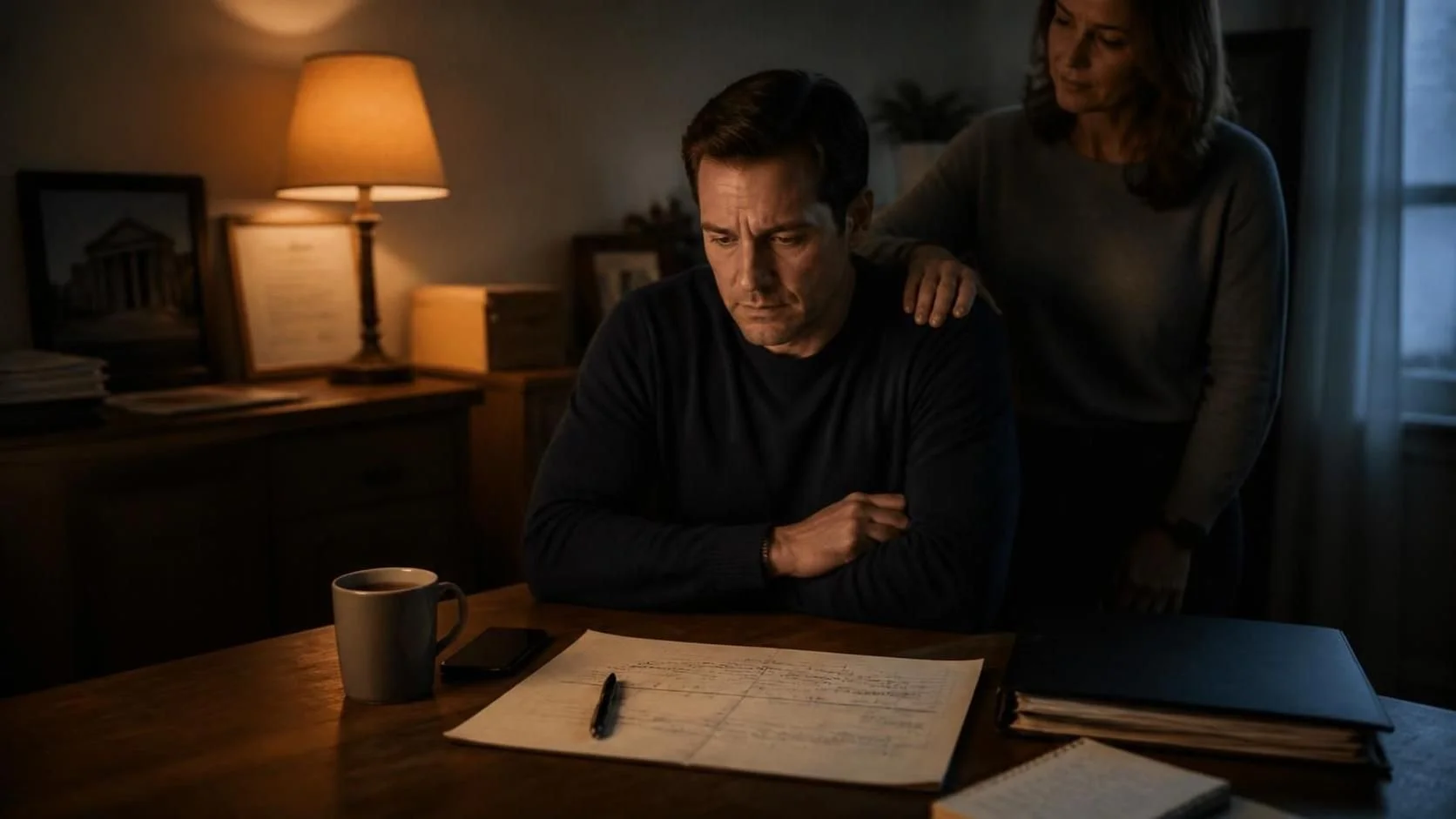
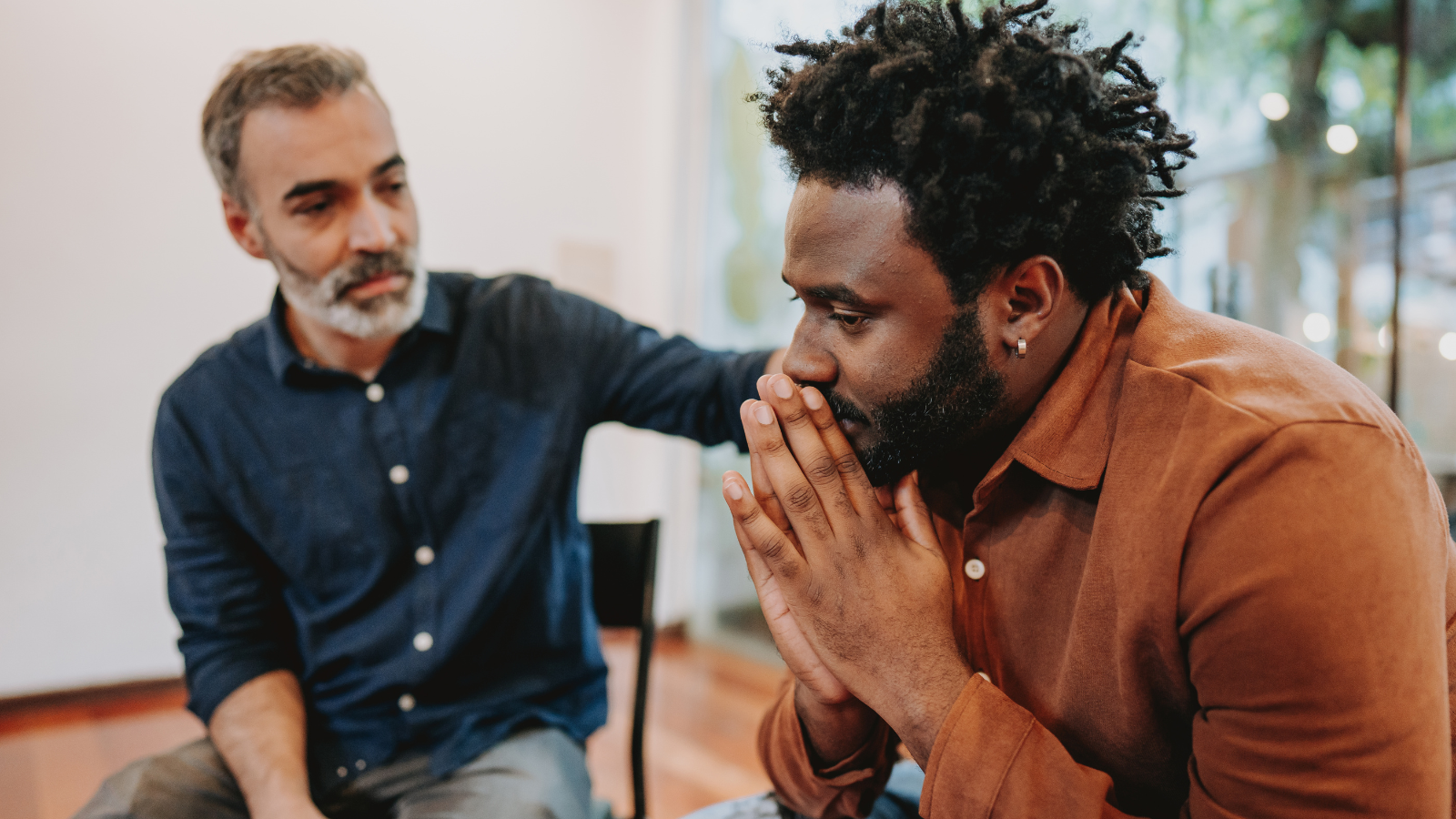
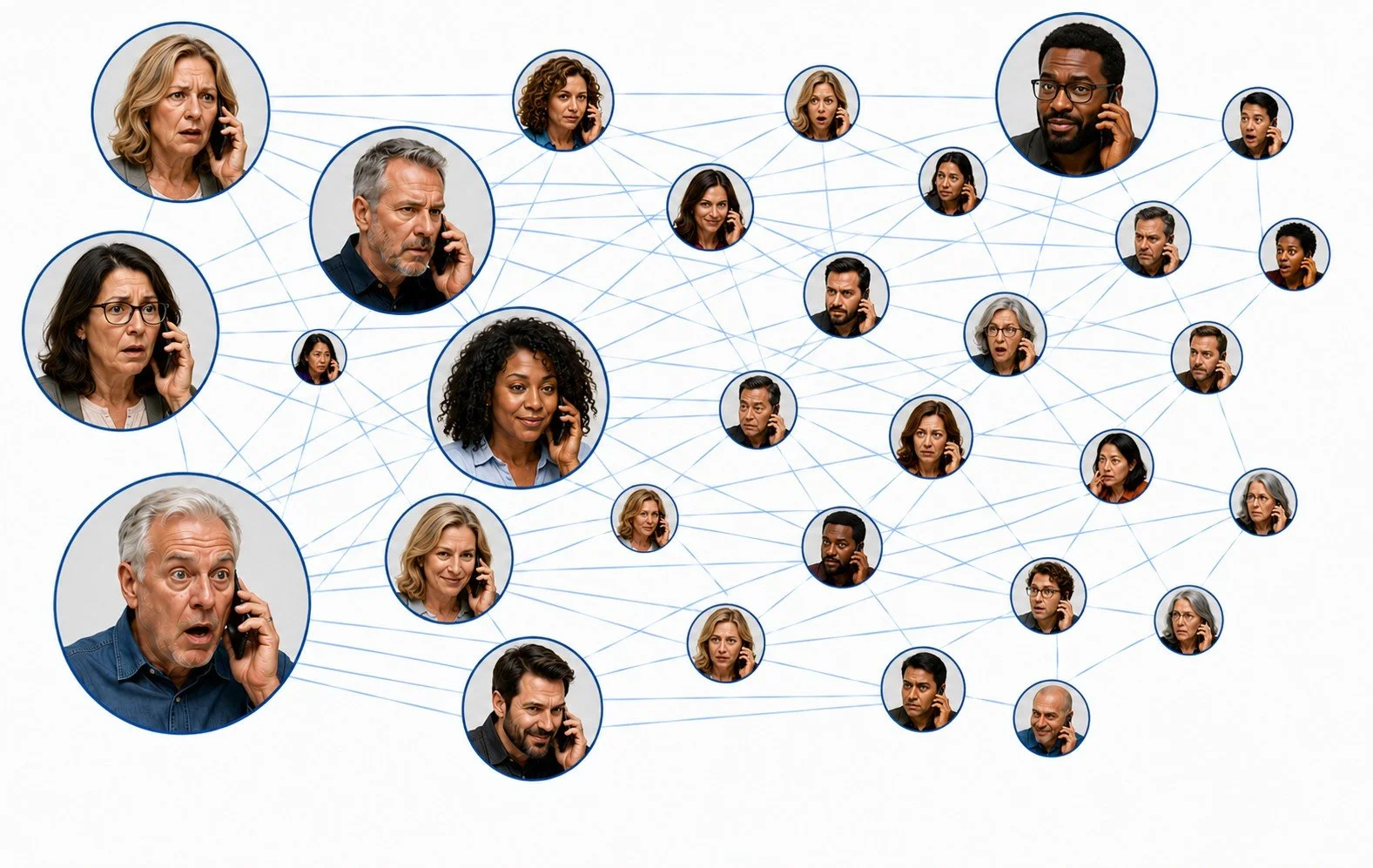
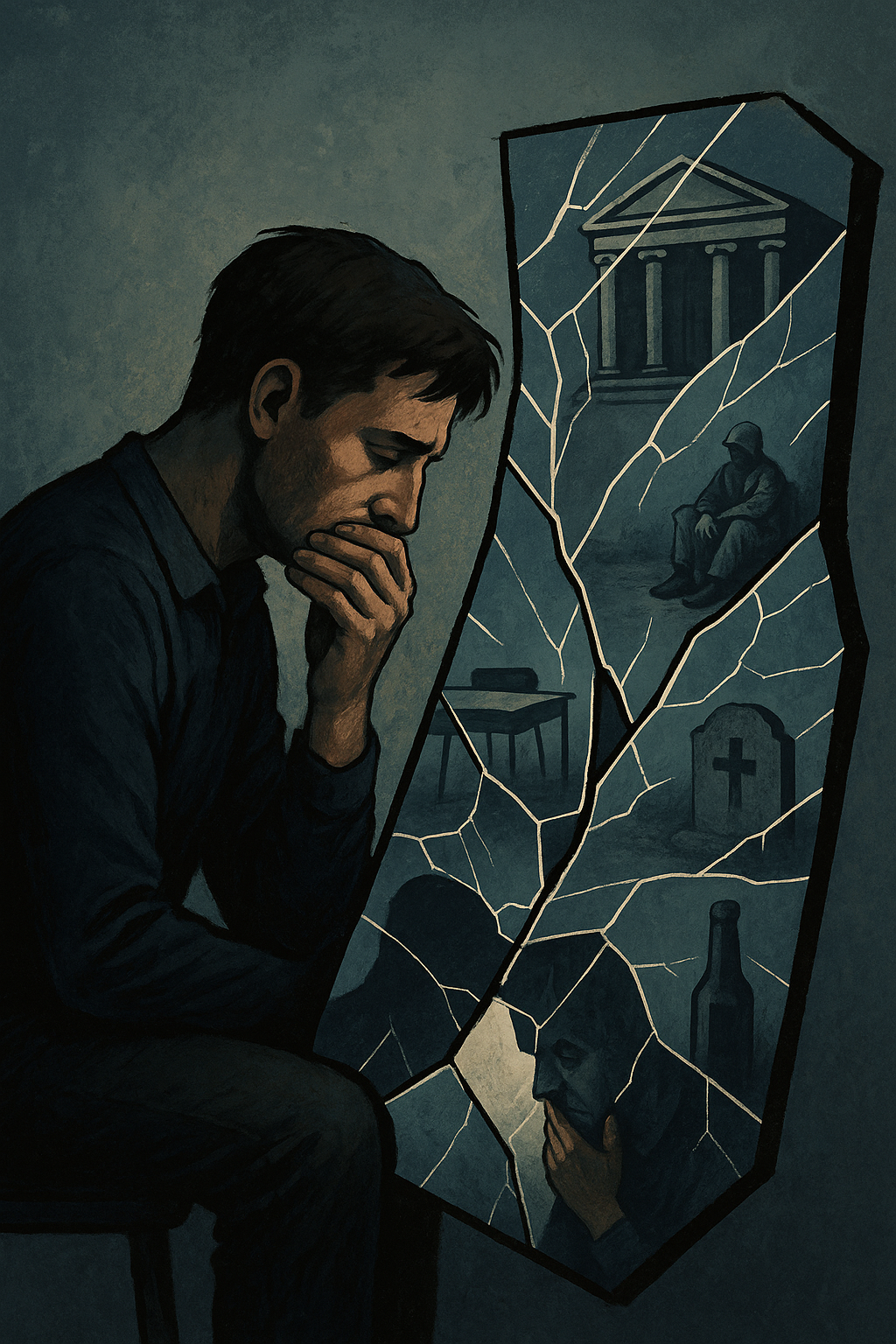
Image: Coping with a false accuation. Created using AI image generation (GPT Image 2) from suggestion by John Barry.
I don’t mean to be flippant about false accusations. They are a very serious issue. They are variously described as ‘no big deal’ and ‘a death sentence’ but the majority of those falsely accused come somewhere along that spectrum. Some find the process relatively short and rebuild their lives, carrying on without too much in the way of upset while others succumb to suicide. At the very least, though, they are unpredictable and dangerous.
September sees the 6th year of International Falsely Accused Day on the 9th of the month, an event begun in 2021 by Lyn Crabtree in an effort to highlight the scourge that is currently affecting more people than feminists and the authorities want to admit. After the first year, Falsely Accused Day became International Falsely Accused Day as multiple counties clamoured to follow suit. This year over 20 countries will be taking part. They are clearly a global issue.
Please note that nothing that follows is legal or medical advice – just a few ‘hints and tips’ based on experience.
So what is a false accusation? It seems no-one in authority can define them, instead using a confession or a conviction for perverting the course of justice as a yardstick. Not even an acquittal at court will do, (legally speaking), but the fact remains that if you have been blamed for something you didn’t do, you didn’t suddenly do it because it cannot be proved that you didn’t in a court of law. If you didn’t do it, you didn’t suddenly do it if you are wrongfully convicted.
Most people think of sexual offences when ‘false accusations’ are mentioned but they take many forms. All the Horizon prosecutions for theft and false accounting were false accusations; The Birmingham 6, the Guildford 4, and all the others railroaded into trials and convictions that were later overturned were victims of false accusations; accusations made by the state. Any accusations of misconduct of any kind of work, from petty theft to bullying can be false if they are made without foundation. They can have serious consequences, (what can be more serious than being executed by the state because you have been wrongly accused of murder as Timothy Evans was), or virtually none, if an accusation is cleared up quickly. They can be made by mistake, as in cases of misidentification, or used as weapons to exact revenge for all kinds of slights, real or imagined.
The gamut is vast; the reason as almost as many and varied as false accusers themselves and the extent of those based on sexual crime is examined comprehensively by Rick Bradford here. Not a lot has changed in the 4 years since this was written apart from maybe the fact that the government has doubled down on providing support for female, (not male), victims of domestic and sexual violence, real or imagined. Huge amounts of government money have been earmarked for a plan to halve violence against women and girls within 10 years, published as recently as May 2026.
How should you react to a false allegation? It’s impossible to be fully prepared or to anticipate a reaction. The shock of being on the receiving end of one is uniquely personal. Besides, who wants to live life second guessing every relationship and constantly looking over one’s shoulder, not forgetting that false accusations can be made by people never met or even machines as in the Post Office Horizon debacle.
That said, as the government doubles down on supporting women, encouraging them to come forward and make reports to the police, genuine or otherwise, men especially need strategies to not only protect themselves if affected by a false accusation, but to cope with the potentially profound effects on their mental health and everyday lives.
First and foremost, perhaps the most important thing to try to NOT do is panic. Many men feel that an accusation of sexual crime is a straight road to a conviction, but it is not. The official UK statistics relating to arrests, charges and convictions as of 2025 can be seen here.
Much is made, by women’s support groups, of the fact that so few reported crimes end in a charge, much less a conviction but they fail to address the point that so many reports do not meet the evidence threshold and therefore are not pursued by police or CPS. One way or another they do a reasonable job of weeding out accusations that cannot be substantiated. It can take months if not years for that conclusion to be reached, however, and the process is punishment in and of itself.
Jobs, families, children and jobs can be lost in the process and there is no way to sugar-coat that fact.
How to cope though? It can be managed to some extent, and as I’ve already mentioned, it’s important to at least try not panic and to make sure that if you are formally questioned by police, you have legal representation. The police are not your friend in these situations and you are entitled to it without cost.
A false accusation of a sexual offence is arguably the most devastating thing that can happen to a man and why ‘revenge’ is one of the many reasons women who explain themselves give for making one. The shock of being on the receiving end can leave a man, (and to a lesser extent his family), reeling, feeling unable to function. This is especially so if the accusation results in an arrest and bail away from home and family plus the immediate suspension from work or loss of his job/career/income.
The head-spinning , unable to cope feeling and perhaps even anger are stress responses and entirely to be expected. Nothing from a police point of view will happen in a hurry, and even if the very worst happens and you are remanded in custody, taking some time to breathe and let your brain trauma settle will serve you well. That feeling WILL subside, and while the worry may remain, the sense of helplessness can be managed.
Shock and trauma is a brain injury that takes time to recover and if necessary, a visit to your GP can bring medical help and some relief. Don’t be afraid to ask. Many, many men have suicidal thoughts and feelings throughout the process, as do their families, and there is no need to try to cope with it alone.
There are organisations that provide information and support, for example, FACT, primarily for those in England, Wales and Northern Ireland, (though they do accept Scottish members), and JIMS (Justice for Innocent Men Scotland). There are also a variety of Facebook groups – AccusedMe, and Falsely Accused Letters to the Establishment to name just two.
Privately funded pre-charge representation is a possibility for those who can afford it as there is only a tiny amount of legal-aid to cover this. There is no obligation to stay with whichever duty solicitor who represented you at interview and it pays to do some calling round and select a solicitor to act for you if you want pre-charge representation or should a charge come. A charge in and of itself isn’t the end of the world as plenty of charges get dropped before trial or even in the middle of the trial (think Liam Allen, for instance).
Remember, though that it’s not a solicitor’s job to investigate your case. They can only work with the information given them, which is why writing down everything that you can think of in relation to the reported event, everything you remember over time and saving anything in the way of messages, texts, screenshots of anything relevant and that kind of thing will help in the long run, even if you never need them. Better to give your solicitor too much information than not enough in the end.
Doing all of this can occupy every waking moment, but it’s important not to let it or you will be consumed to the point of burnout. Remember to do other things – maintain family relationships, friendships, hobbies and exercise. A sad fact of false allegations is that family and friends, sometimes out of fear of being ‘tarnished’ in the same way, take sides and distance themselves. It’s important, if you can, to focus on the people to do stand by and support you. It can be surprising who steps up with support and who does not.
Remember too, that it will all come to an end. The worst case scenario of a wrongful conviction is very slim and there are many ways to minimise that possibility even more.
In a nutshell -
First – don’t panic
Second – get a solicitor for any interview required
Third – write a time-line of everything you can remember relating to the accusation
Fourth – Find some support and medical help if you need it. Having someone to talk to can be invaluable, so you don’t bottle things up
Fifth– find yourself a solicitor you have confidence in for the future if needed and explore the idea of ‘pre-charge representation’ if you can afford it
Sixth – keep busy and your mind occupied with things that have no connection to the legal issues you’re dealing with
Seventh – remember no solicitor is paid to investigate for you, so gather whatever evidence you can and keep it safe, sending copies to your solicitor if and when you instruct one.
Eighth – Remember that ‘this too will pass’
[Editor’s note: Sept 9th is International Falsely Accused Day. To raise awareness of this issue there will be a peaceful protest outside London’s Royal Courts of Justice on that day at 2pm. Further details here].
If you have been falsely accused of abuse, you can contact one of these organisations for help:
FACT
Facing Allegations in Contexts of Trust (FACT) offer support to victims of unfounded allegations of abuse. Email: support@factuk.org, or for the Legal Helpline: 0333 335 5827 (Mon-Fri: 10am-3pm; Sat: 10am-1pm. Website https://factuk.org
FASO
The False Allegations Support Organisation (FASO) helpline number is 03335 779 377, and is for those experiencing false allegations of various types. Their email is support@false-allegations.org.uk
or visit their website http://www.false-allegations.org.uk
Scroll down to the comments section to join the discussion
Disclaimer: This article is for information purposes only and is not a substitute for therapy, legal advice, or other professional opinion. Never disregard such advice because of this article or anything else you have read from the Centre for Male Psychology. The views expressed here do not necessarily reflect those of, or are endorsed by, The Centre for Male Psychology, and we cannot be held responsible for these views. Read our full disclaimer here.
Like our articles?
Click here to subscribe to our FREE newsletter and be first
to hear about news, events, and publications.





















Have you got something to say?
Check out our submissions page to find out how to write for us.














.