

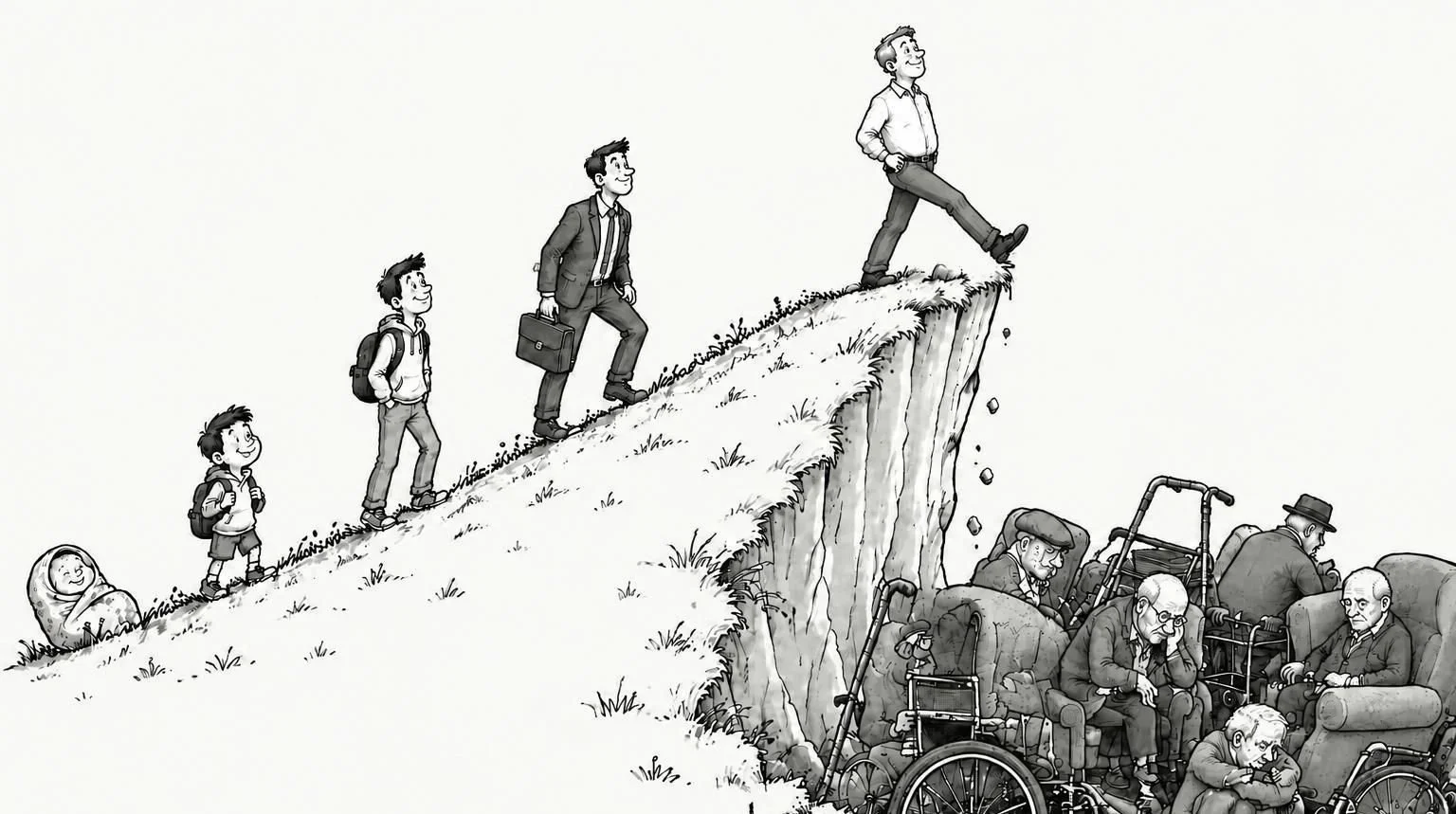
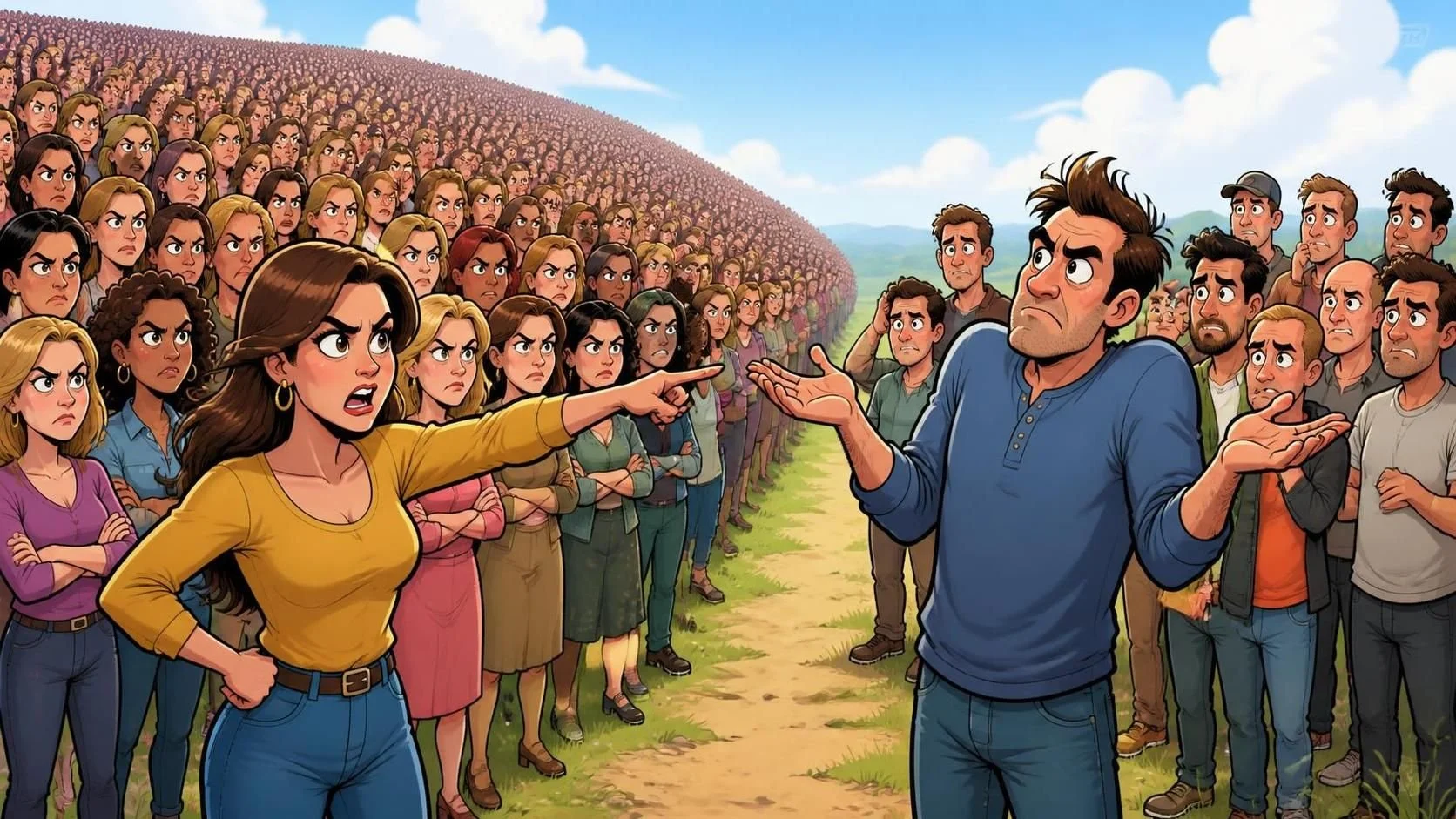
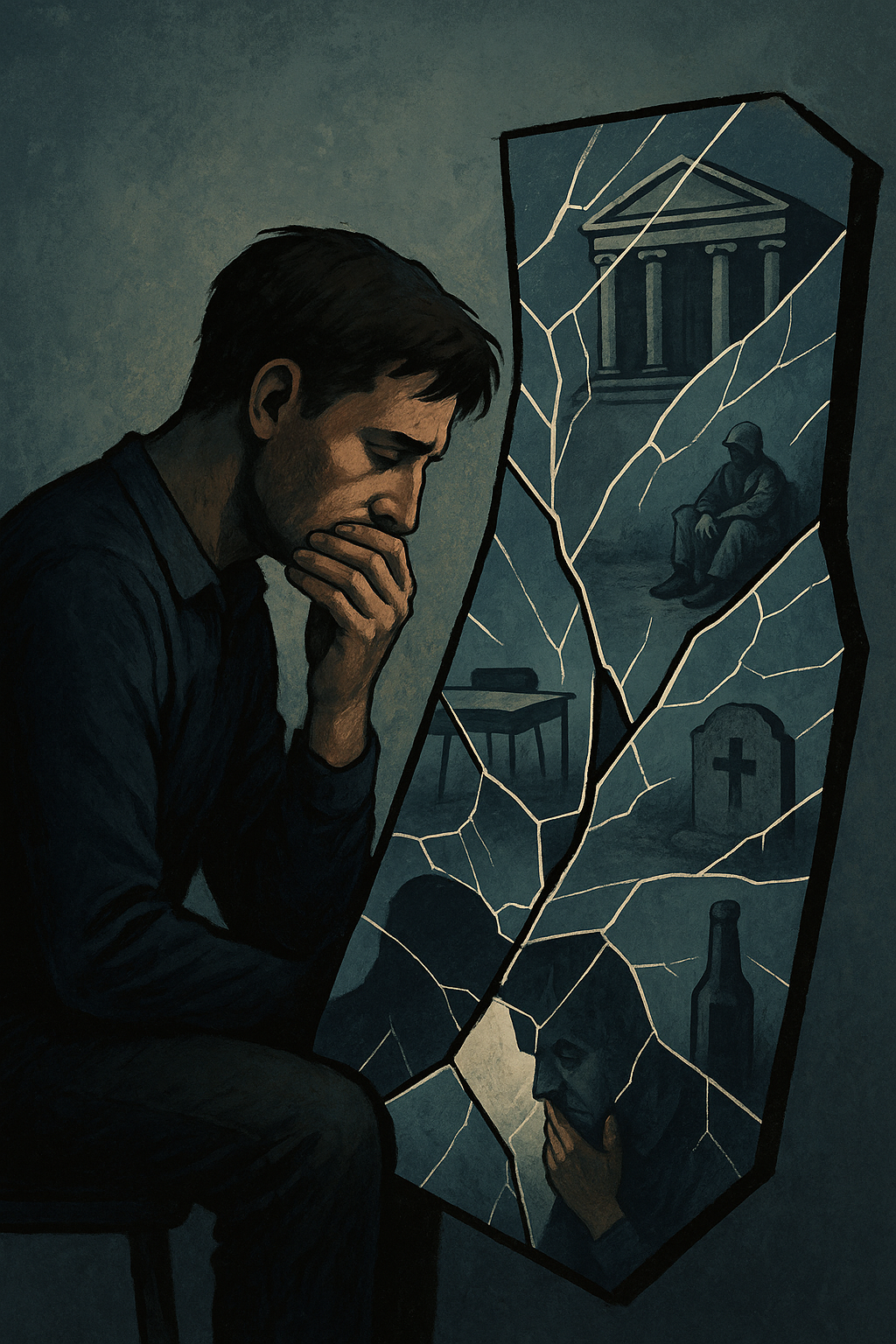
Image. Lifecourse of a childless man. Concept by John Barry, rendered using AI (Chat GPT Image 2.5).
In recent years, headlines across the United Kingdom and internationally have become increasingly dominated by urgent warnings surrounding demographic change: falling fertility rates, a rapidly ageing population, and the decline in male sperm counts and men’s reproductive health. However, understanding how these macro-level demographic shifts translate into individual lives can be examined through the lens of reproductive capital - a framework I and my colleagues developed to capture the complex, multi-layered factors shaping people's reproductive choices and outcomes. Far from being a simple matter of personal preference or lifestyle choice, whether a person becomes a parent is determined by an intricate interplay of biological capabilities, age/ageing, life-stage, economic stability (including class, secure employment, and housing affordability), sociocultural expectations, social status, and upbringing. When men find themselves not becoming a father when they expect, the resulting childlessness is rarely a neutral demographic statistic. Instead, in a society heavily influenced by “meneralization”: the reductive societal tendency to put all men into a stereotype of stoicism, self-sufficiency, and indifference to family life - failing to achieve fatherhood may trigger a life of social isolation, relational marginalisation, and loneliness.
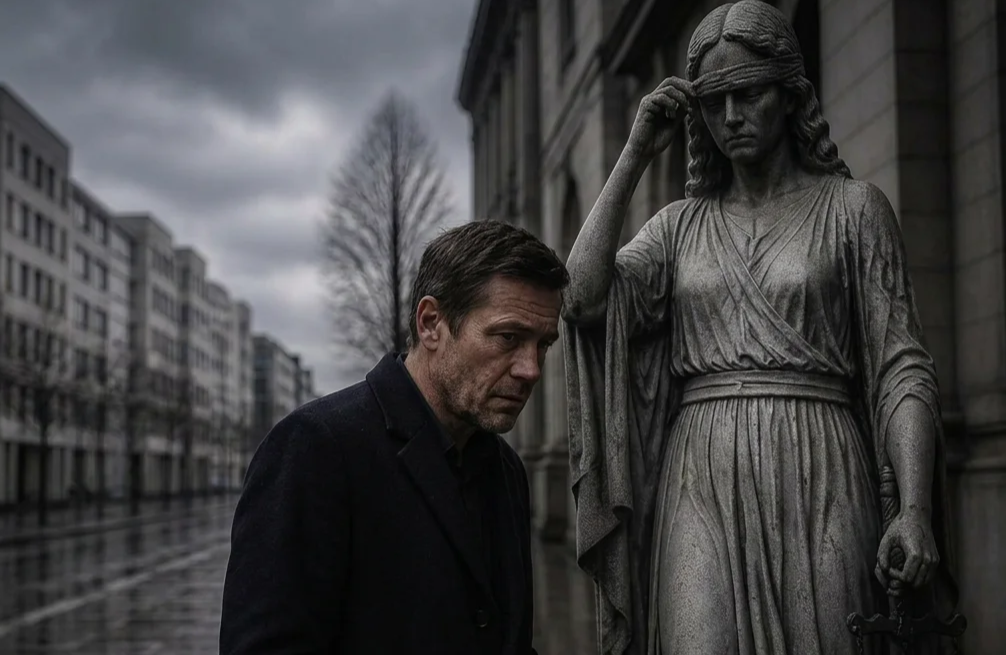
“In the UK, national demographic data on childlessness is calculated exclusively from mothers' fertility histories collected at birth registration; fathers' fertility histories are omitted.”
Reproductive Capital, Meneralization, and Structural Invisibility
Drawing on Pierre Bourdieu’s (1986) sociological framework, reproductive capital views an individual’s capacity to reproduce as the intersection of their biological, cultural, economic, and social resources (the latter three Bourdieu originally termed ‘capital’) that enable or constrain family formation. In most societies, having high reproductive capital confers significant social status, opening doors to social connections and culturally valued adult roles such as fatherhood and grandfatherhood. Men are wrongly ‘meneralized’ as not being bothered about their reproductive desire/output and being fully fertile from puberty onwards. Moreover, when a man does not activate his reproductive capital, he is often exposed to forms of social marginalization and structural exclusion. Circumstantially childless men report persistent sense of “outsiderness” in all forms of relationships. Despite male childlessness affecting 25% of men across Europe, childless men exist in public policy as a structural “non-category”. In the UK, national demographic data on childlessness is calculated exclusively from mothers' fertility histories collected at birth registration; fathers' fertility histories are omitted. As I have highlighted in my research, this omission makes childless men a demographic “known unknown” in public planning and service delivery.
“By positioning fatherhood as the central transition point for health interventions [such as the UK government’s Men’s Health Strategy for England] public strategies diminish non-fathers: actively excluding men who do not have children.”
This structural exclusion becomes particularly stark around annual observances such as International Men’s Day. Established to celebrate men’s positive contributions to society, promote male well-being, and highlight urgent social challenges such as male mental health crisis prevention (“Zero Male Crisis”), International Men’s Day provides a vital national platform for reflection. However, when official policy initiatives - such as the UK Department of Health and Social Care’s (DHSC) Men’s Health Strategy for England - are launched, they frame men's health engagement entirely around “fatherhood” as the primary gateway for healthcare support. By positioning fatherhood as the central transition point for health interventions, public strategies diminish non-fathers: actively excluding men who do not have children.
This policy blind spot illustrates what the writer and researcher William Collins (2019) in his book ‘The Empathy Gap: Male Disadvantage and the Mechanisms of Their Neglect’ terms “the empathy gap” - the structural mechanism through which male disadvantage is overlooked, minimized, or systematically neglected in public policy. Collins shows how institutions often magnify traditional male stereotypes of self-reliance while staying blind to precarity and vulnerability. In the context of healthcare and social policy, this empathy gap ensures that public strategies reinforce the assumption that unpartnered or childless men need no tailored social support or outreach. By focusing health engagement strategies on fathers, state institutions construct a hierarchy of care that leaves childless men without recognized support pathways or state-backed resources at the very moments in their lives when they are most isolated.
“childless men often experience ‘disenfranchized grief’: a loss that is not openly acknowledged, publicly mourned, or socially supported. […] Childless men internalize their pain, treating their childlessness as a ‘secret stigma’”
Young Adulthood and Midlife: Disrupted Trajectories and Silent Grief
My research examined male childlessness across the life course, showed how it affected social and emotional dynamics over time. In young adulthood, men generally believe that fatherhood will occur naturally as part of a bio-psycho-social “package deal” - the culturally expected combination of education, employment, partnership, and children. When the assumed family formation does not occur due one or a combination of factors (economic precarity, relationship dynamics (e.g., timing of entry, duration, ending; quality) or unfulfilled fertility intentions), men may begin to experience an increasing sense of social ‘outsiderness.’ As their peers become parents and form new social networks centred around parenting (childcare, schools, and family activities), childless men may find themselves feeling left behind and/or excluded.
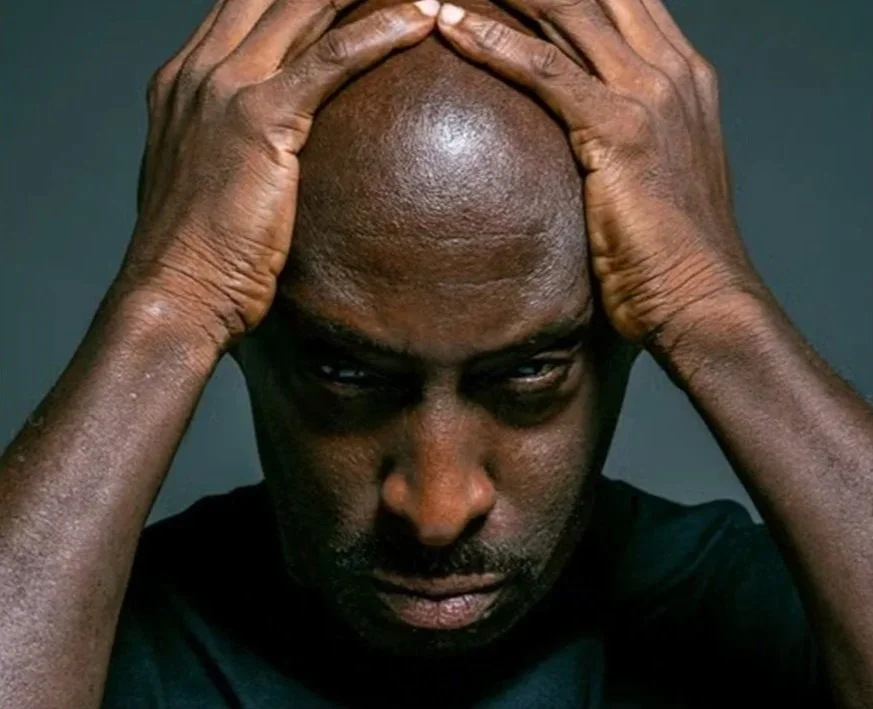
By midlife (ages 35–64), the gap between societal expectations and individual reality may reach consciousness. In midlife, cultural pressures linking masculinity and virility to biological reproduction - the “virility-proved-by-fertility” mandate - are at their most intense. Involuntarily childless men often experience “disenfranchized grief”: a loss that is not openly acknowledged, publicly mourned, or socially supported. Male childlessness fits this framework precisely because society offers no formal mourning rituals, public scripts, or open forums for men to process non-fatherhood; their grief stays unvalidated. Combined with the pressures of socio-cultural expectations, childless men internalize their pain, treating their childlessness as a “secret stigma” that is hidden from colleagues, family, friends, partners, and wider society.
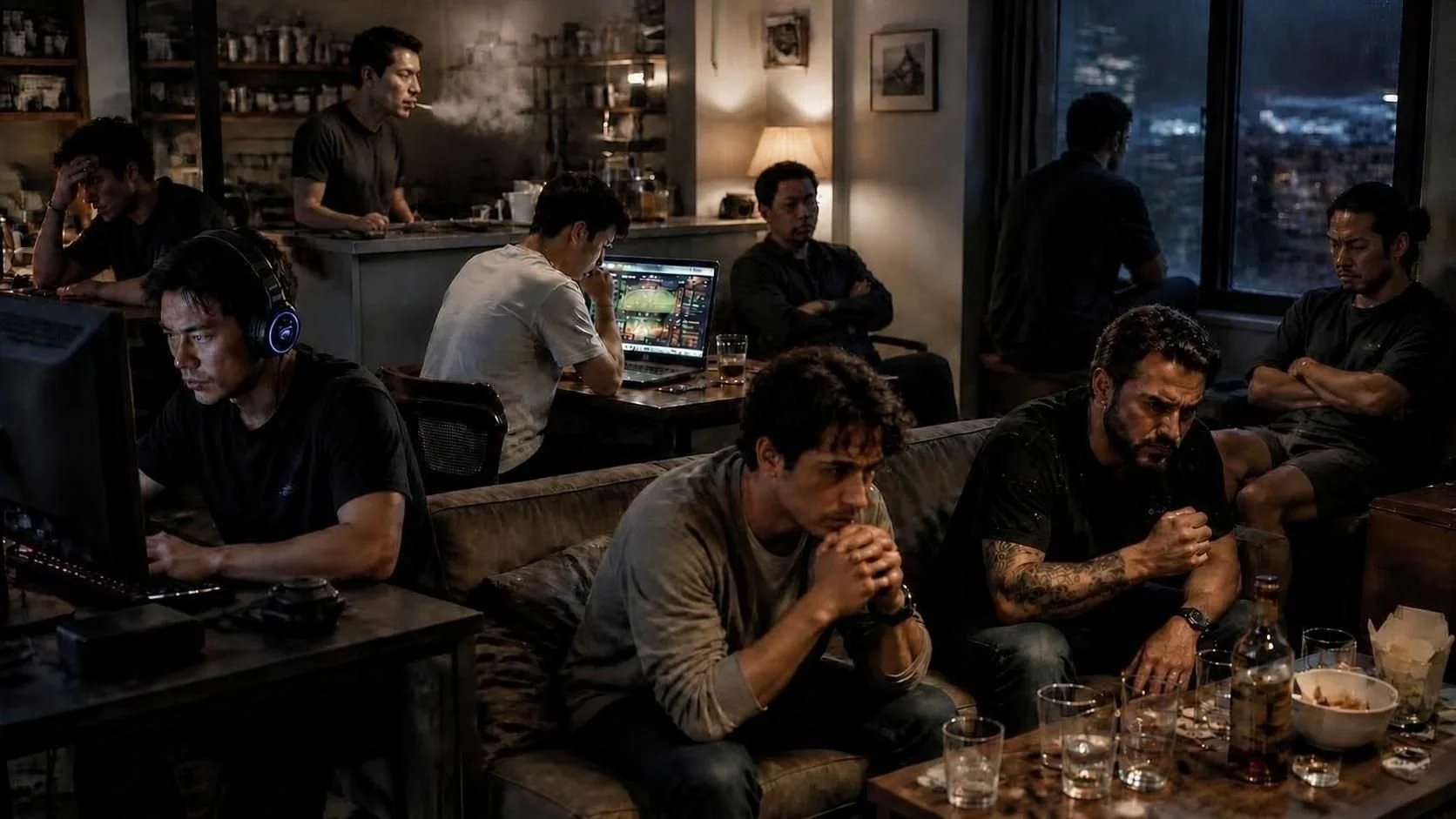
This midlife isolation carries severe physical, social, and psychological consequences. Empirical research consistently shows that unpartnered childless midlife men report the higher levels of loneliness, depression, and social detachment compared to both fathers and partnered peers. Lacking the protective health buffers and daily routines that family life often brings, single childless men face significantly higher risks of premature midlife physical functional decline, accelerated frailty, and mortality from cardiovascular disease, addiction, and injury. Most starkly, my analysis of ‘The National Confidential Inquiry into Suicide and Safety in Mental Health: Suicide by middle aged men’ demonstrated that over 60% of middle-aged men who died in acute mental distress were childless at the time of their death. Lacking the moderating influence, social anchoring, and emotional support that family relationships can provide, isolated midlife men are left acutely vulnerable.
Later Life: Contracting Networks, Stigma, and Imposed Aloneness
As men transition into retirement and older age (65+), social isolation deepens through severe network contraction. In heterosexual partnerships, women traditionally perform much of the “kinship work” that maintains social ties with extended family, neighbours, and community networks. When unpartnered, divorced, or widowed, older men's personal networks contract sharply; sociological studies show that up to 5% of older men have only one close contact or none at all compared to 2% for older women.
“with older childless men, many express a profound sense of generative regret - feeling deprived of the opportunity to pass down life wisdom, practical skills, family stories, and heirlooms to a younger generation. At the same time, spontaneous intergenerational connections in local neighbourhoods are often blocked by ageist and gendered stereotypes.”
Older childless men also navigate unique emotional and relational losses, particularly the loss of “grandfatherhood.” In my interviews with older childless men, many express a profound sense of generative regret - feeling deprived of the opportunity to pass down life wisdom, practical skills, family stories, and heirlooms to a younger generation. At the same time, spontaneous intergenerational connections in local neighbourhoods are often blocked by ageist and gendered stereotypes. Lone older men routinely report to me an acute, pervasive fear of being viewed as a threat or a “dirty old man” around neighbourhood children, leading many to intentionally withdraw from parks, community centres, and local spaces out of self-protection.
“Men are twice as likely as women to “die alone at home and remain undiscovered until severely decomposed.”
The tragic, real-world consequences of severe social dislocation among vulnerable older adults have been starkly illustrated in recent epidemiological research. In a landmark study, Hiam et al. investigated the rising incidence of “undefined deaths” in England and Wales, instances in which individuals die alone at home and remain undiscovered until severely decomposed. Hiam et al. showed that these deaths have been rising steadily over recent decades, with men being more than twice as likely as women to be found in a decomposed state. The authors concluded that this alarming trend reflects a profound breakdown in both formal public services and informal social support networks.
“Charpentier and Kirouac distinguish between ‘chosen solitude,’ where individuals find autonomy, dignity, and fulfilment in solitary activities, and ‘imposed aloneness’”.
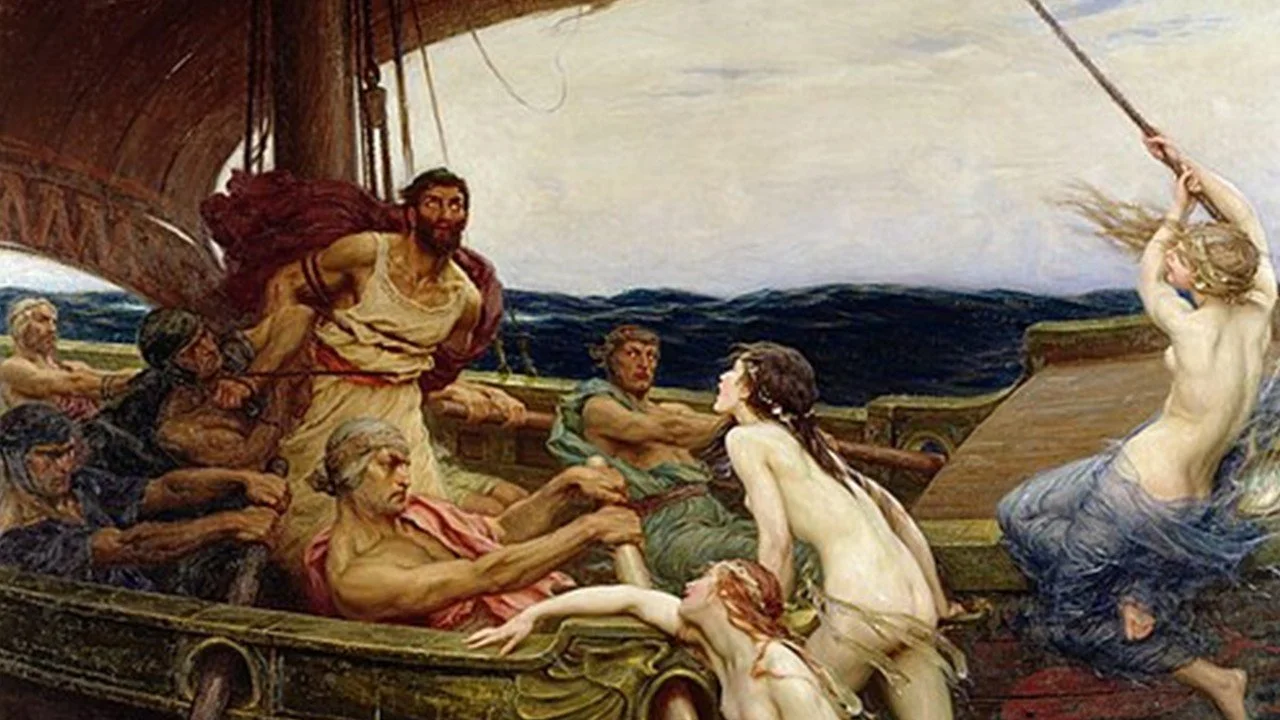
At the same time, qualitative research by Michèle Charpentier and Laurie Kirouac offers crucial insights into how older adults living alone experience loneliness. Charpentier and Kirouac distinguish between “chosen solitude,” where individuals find autonomy, dignity, and fulfilment in solitary activities, and “imposed aloneness,” where severe social isolation and the absence of human contact led to painful feelings of abandonment. For childless men who lack the informal safety net of adult children, the transition from chosen solitude to imposed aloneness can be extraordinarily swift when ill health, sensory impairment, or mobility loss occurs, creating an acute “informal care gap” in later life (75+). This can result in earlier entry to formal care compared to those with familial support.
“Childless older men sometimes try to build “chosen families” by elevating close friends, neighbours, or former workmates into familial-style support roles. […] However, these informal facilities are not always available because of location and/or they are fragile, fragmented, and/or temporary.”
The Fragility of Informal Support and Systemic Solutions
While some academic literature suggests that childless older adults can rely on informal peer networks or community groups, my research cautions against an overly optimistic view of male coping strategies. Childless older men sometimes try to build “chosen families” by elevating close friends, neighbours, or former workmates into familial-style support roles (“nonkin conversion”). In addition, they take may part in activity-based community projects such as Time to Shine, Men’s Sheds, and Andy’s Man Club. However, these informal facilities are not always available because of location and/or they are fragile, fragmented, and/or temporary. For example, friendships often fade when peers become parents and/or grandparents. In terms of care, non-familial ties may lack the formal or legal recognition needed during medical emergencies or social care assessments. Lacking this sort of statutory recognition, this form of informal support is an insecure and unreliable guard compared to reliable, long-term familial care.
I believe that growing older without children does not have to result in late-life exclusion and isolation, and systemic policy reforms could be introduced. For example:
Data Parity: National statistical agencies must begin collecting fathers' fertility histories at birth registration to end the population data gap and allow public health bodies to plan effectively for kinless populations.
Inclusive Public Health Policy: Public health strategies must dismantle “meneralization” and decouple men's health from fatherhood, actively closing the “empathy gap” by recognizing male childlessness and male reproductive health as distinct policy priorities.
Institutional Reform: Health and social care providers recognize the risks of relying on the assumption of family support. For example, by building-in independent advocacy for adults with “no (adult) child to call.”
The risk of loneliness, social isolation, and exclusion can significantly impact childless men’s lives. This can be mitigated by recognizing the complex drivers of male childlessness and acknowledging commonplace damaging stereotypes at all levels of society.
Scroll down to join the discussion
Disclaimer: This article is for information purposes only and is not a substitute for therapy, legal advice, or other professional opinion. Never disregard such advice because of this article or anything else you have read from the Centre for Male Psychology. The views expressed here do not necessarily reflect those of, or are endorsed by, The Centre for Male Psychology, and we cannot be held responsible for these views. Read our full disclaimer here.
Like our articles?
Click here to subscribe to our FREE newsletter and be first
to hear about news, events, and publications.



















Have you got something to say?
Check out our submissions page to find out how to write for us.















.
