
“What message does this send to our sons and daughters?”
As a parenting coach, a coach to children, and father to a daughter and a son of my own, this is always my first question.
This year at Wimbledon, the Men’s champion and the Women’s champion will each receive the same prize money: £3.6 million.
Is that fair, or is it an example of rewarding one sex more than the other as a consequence of gamma bias?
Gamma bias, a term coined by psychologists Martin Seager and John Barry (2019), is a cognitive distortion in which gender differences are magnified and minimised at the same time – typically magnifying women’s disadvantages and men’s failings, while minimising men’s disadvantages and women’s failings.
Is such a thing happening with Wimbledon prize money? And if so what does that say to our children?
“188 minutes for men’s finals, and 84 minutes for women’s. The men’s finals were over twice as long as the women’s… for the same money.”
To answer this question, consider how pay-for-work is decided in the world at large. There are three ways, one of which is most relevant to elite sport:
1. Pay per hour
We all know what this means. Does it apply in tennis?
Even in this age of AI agents, finding the duration of every Wimbledon 2025 singles match online is difficult. Spreadsheets listing all the matches of the tennis season do exist, but only the men’s spreadsheet contains the durations of matches. So I manually looked up the minutes played for the last 10 Wimbledon finals for men and for women, and averaged those.
The results were 188 minutes for men’s finals, and 84 minutes for women’s. The men’s finals were over twice as long as the women’s.
If we assume that finals give an indication of the average duration of matches over the tournament, we can say that the men spend over twice as long on court – for the same money.
But of course being a professional athlete is about much more than time spent on court, so what about the other ways of determining pay?
2. Pay per piece of work
When I pay a baker for bread, I pay per loaf. When I pay someone to wash my car, I pay per car. Does this ‘piecework’ apply in tennis?
In Grand Slams such as Wimbledon, women play best of three sets, men best of five. Last year’s Women’s champion Iga Świątek played 126 games while the men’s champion Jannik Sinner played 197. He played 56% more games than her. For the same money.
But again, a valid argument can be made that ‘games on court’ is not what counts in sport, which brings us to what really matters…
3. Pay for value added
When a brand pays Kim Kardashian to wear a dress, or Leonardo DiCaprio to wear a watch, it doesn’t pay for hours worked or pieces completed; it pays for value added. It asks, “How much is this endorsement worth to the brand?”
“On the UK’s BBC last year, peak viewing for the Women’s Final was 4.1 million, while for the Men’s Final the figure was 8.3 million. The men drew more than double the audience.”
Sport is also an entertainment business – nobody gets paid without an audience – so does this “value added” idea apply not just to celebrity endorsements, but to the actual playing of tennis?
Here “value added” is easily measured by viewing figures – and this is certainly what advertisers, and thus broadcasters, care about.
On the UK’s BBC last year, peak viewing for the Women’s Final was 4.1 million, while for the Men’s Final the figure was 8.3 million. The men drew more than double the audience.
And this is where “pay per hour” starts to be relevant, because the men’s final lasted over three hours and the women’s final lasted less than one hour. So in terms of “viewer minutes” the men’s final added around six times the value for broadcasters and advertisers. All for the same money.
So per unit – whether it’s per hour, per piece or per value add – the fact is that at Wimbledon, like the other Grand Slams, the men make way less money than the women.
In effect the men subsidise the women.
“What is this teaching our sons and our daughters? Firstly, it tells our daughters that the world will pay them more just because they are female. […] Secondly, it tells our sons they need to do more than our daughters just to be paid the same amount of money. Imagine being a young boy and having that penny drop.”
Does this matter?
Let’s return to the key question: what is this teaching our sons and our daughters?
What is this teaching our sons and our daughters? Firstly, it tells our daughters that the world will pay them more just because they are female.
It tells them that adding value and producing results are secondary, when in reality they are the ONLY things that employers and customers pay for. If our daughters expect people to pay them simply out of kindness for the rest of their lives, they are going to be extremely disappointed.
The equality of prize money is held up as a positive, progressive step in female empowerment. But, perversely, it is the opposite.
Secondly, it tells our sons they need to do more than our daughters just to be paid the same amount of money. Imagine being a young boy and having that penny drop.
What can we do about this?
As concerned citizens, we can share articles like these so that people think more deeply and understand what is happening. We can stress that the current situation is bad for girls as well as bad for boys.
And as parents, we can talk this through with our sons and our daughters so that they see it for what it is – gamma bias in action. By doing this you protect your daughters from a victimhood-and-entitlement mentality, and you protect your sons from a victimhood-and-low-self-esteem mentality. Which means you put them both in the driving seats of their lives. Which is priceless.
Former UFC champion Ronda Rousey said it best when a journalist asked her for her view on the Australian women’s soccer team asking to be paid the same as the men. Rousey said, “I think that how much you get paid should have something to do with how much money you bring in. I’m the highest-paid fighter not because Dana and Lorenzo [the promoters] wanted to ‘do something nice for the ladies’ – they do it because I bring in the highest numbers, they do it because I make them the most money. And I think that the money that they make should be proportionate to the money that they bring in.”
The justification of equal prize money for women and men is that it sends the message that “women are of equal value to men”. But it actually sends the message that “women are more important than men”.
And, as father to a son and to a daughter, I, for one, do not believe that. Do you?
This article is an update on the one by the same author in 2022.
Scroll down to the comments section to join the discussion
Disclaimer: This article is for information purposes only and is not a substitute for therapy, legal advice, or other professional opinion. Never disregard such advice because of this article or anything else you have read from the Centre for Male Psychology. The views expressed here do not necessarily reflect those of, or are endorsed by, The Centre for Male Psychology, and we cannot be held responsible for these views. Read our full disclaimer here.
Like our articles?
Click here to subscribe to our FREE newsletter and be first
to hear about news, events, and publications.








When a male is in a power imbalance, at least two masculine instincts are disempowered…

…people – men and women alike – respond less positively to male-favouring sex differences than they do to female-favouring sex differences.
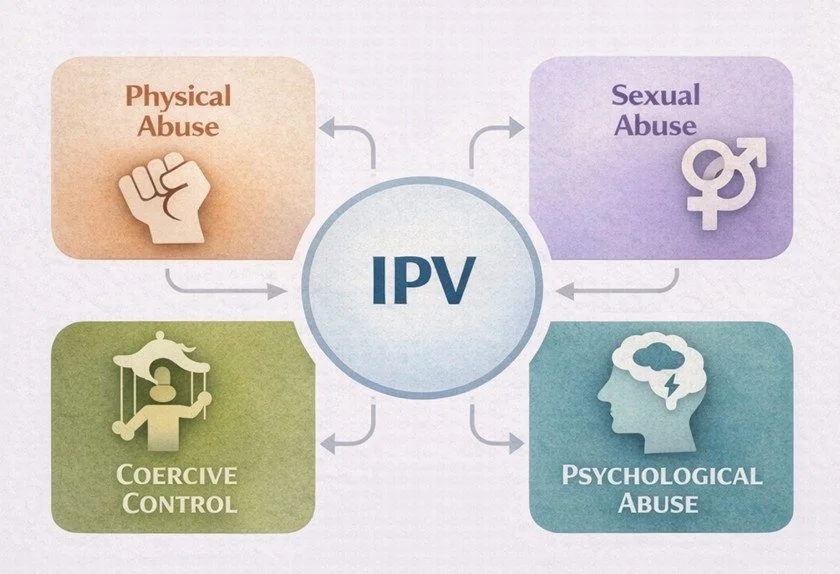
hyper-masculine gender norms are typically embedded within military institutions, and while adherence to these norms can contribute to combat and military success, they conversely make clinical work challenging
Men might benefit greatly from a government strategy aimed at improving their health. Here are suggestions from the Centre for Male Psychology on how that might be done. This article ends with some comments on potential pitfalls in the process of putting this strategy in place.



…people – men and women alike – respond less positively to male-favouring sex differences than they do to female-favouring sex differences.


… many papers do not even bother to identify or justify the nationality of their samples…
Have you got something to say?
Check out our submissions page to find out how to write for us.
hyper-masculine gender norms are typically embedded within military institutions, and while adherence to these norms can contribute to combat and military success, they conversely make clinical work challenging

hyper-masculine gender norms are typically embedded within military institutions, and while adherence to these norms can contribute to combat and military success, they conversely make clinical work challenging

hyper-masculine gender norms are typically embedded within military institutions, and while adherence to these norms can contribute to combat and military success, they conversely make clinical work challenging

hyper-masculine gender norms are typically embedded within military institutions, and while adherence to these norms can contribute to combat and military success, they conversely make clinical work challenging

hyper-masculine gender norms are typically embedded within military institutions, and while adherence to these norms can contribute to combat and military success, they conversely make clinical work challenging

Much of our attitudes, theorizing and public debate around men and masculinity is influenced by high profile feminist and Gender Studies scholars in academia. But what is the scientific quality of publications from these scholars?

Some people blame drill music – a form of rap - for the rising murder rate in London. Drill is known for aggressive lyrics about gang violence, but rather than seeing this as a valuable way for young men to express their feelings, some people want to ban it.

To survive… cultures have to use men and women effectively and … in fact, most cultures have used men and women in different ways… what our culture does is [grant] greater status to men and greater protection to women

hyper-masculine gender norms are typically embedded within military institutions, and while adherence to these norms can contribute to combat and military success, they conversely make clinical work challenging
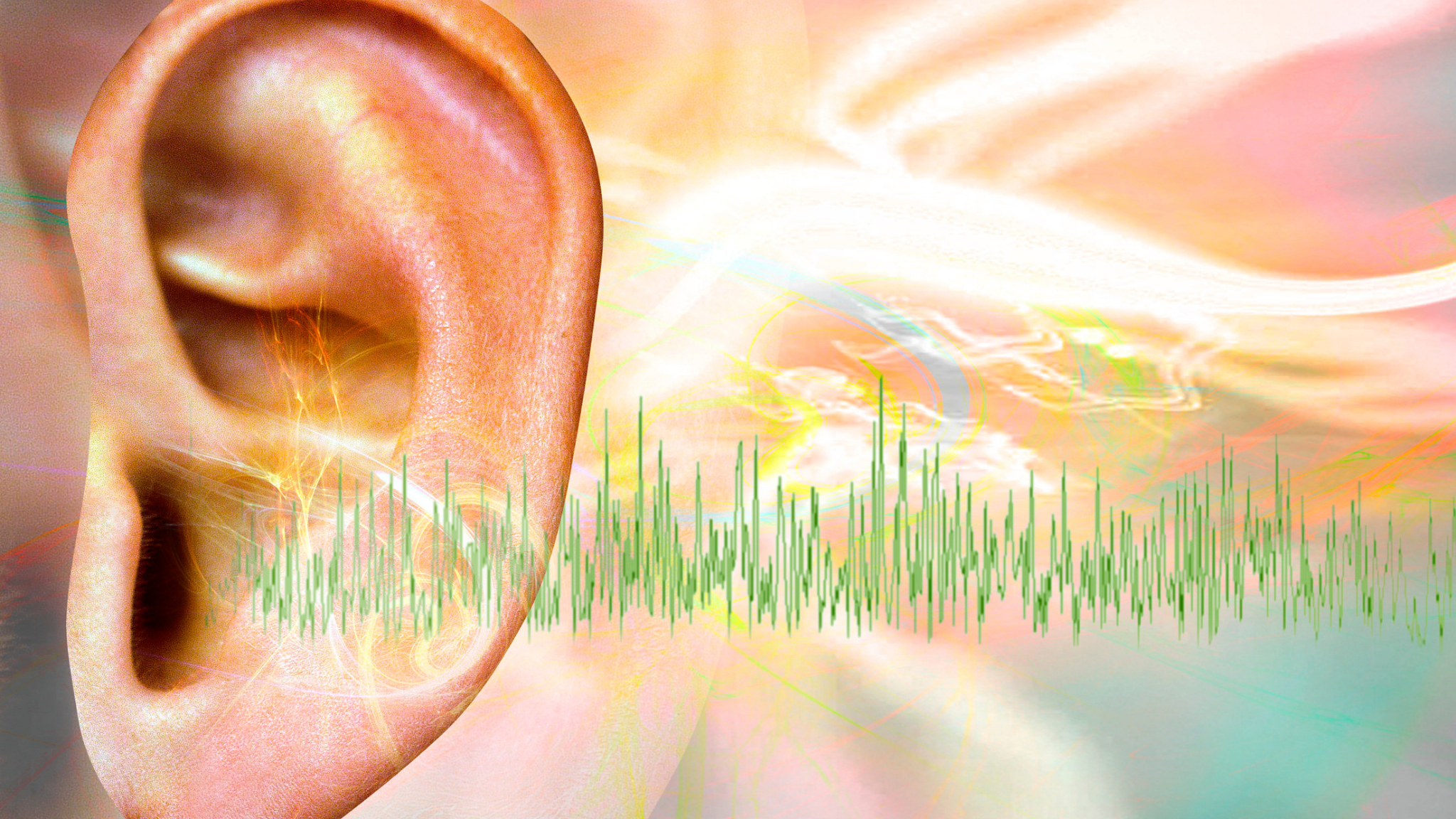
There are around 300,000 veterans living with hearing loss in the UK, according to The Royal British Legion. In addition to being at a greater risk of PTSD, depression, and anxiety, many vets are also battling psychological distress from hearing problems.

The book begins with a description of her therapeutic approach, and an illustration of how to understand and work with the rage often seen in male CSA clients.

I felt in my dealings with some police officers, as though I were treated firstly as a man (assumed to be a perpetrator), but they’d overlooked risks associated with my impairment. Example: How can you dodge a missile you don’t see coming?

The Panorama programme on domestic violence failed to adequately highlight two important issues: male victims and female perpetrators.

your photograph, name and address, might appear in the local and national press and on TV, insinuating what an evil monster you are

…an attack upon masculinity is an attack upon one’s sense of self, of identity. …What, then, is the right psychological defence against such an attack?

The male has been designed to “look”, not only at the female, but to “look out” for prey, for danger, and for ways to protect his family unit.

If his child is allowed to live, this man must be available, for the rest of his life, to love and provide for his child… If, on the other hand, it is decided that his child is to be destroyed, he should be able to go about his life as if nothing has happened

Socialising is a basic human need. The opposite – social isolation – is one of the worst forms of torture. Some people look down on the local pub as a place for undesirable riff raff, but that narrow viewpoint misses entirely the community value of the pub

Male psychology is a recent development in academia. Unlike gender studies, feminism, and men’s studies, male psychology takes the view that we can gain more by recognising and harnessing the positive aspects of masculinity than we can by taking a relentlessly negative approach to men.

.

people are more aware of the fact men can be victims of this type of violence, but this often isn’t translated into policy, practice or indeed provision of resources