

Cómo ver el Mundial 2026 puede mejorar tu salud mental — especialmente junto a tu papá este Día del Padre

La Copa del Mundo 2026 ya está aquí, y con el Día del Padre a la vuelta de la esquina, no hay duda de que miles de hombres y niños pasarán las próximas semanas viendo y jugando fútbol con su familia y amigos.
No es ninguna sorpresa que practicar deporte sea bueno para la salud física y mental. Por ejemplo, mi encuesta a siete mil hombres en EE. UU. y el Reino Unido encontró que cuanto más valora un hombre el deporte y el ocio, mejor es su bienestar mental. Pero, ¿qué pasa con ver fútbol? ¿Es bueno para tu salud mental ver a otros dar patadas al balón en lugar de hacerlo tú mismo?
Importancia social e histórica
Ser aficionado al fútbol es mucho más que solo seguir a un equipo. La experiencia de ver fútbol se conecta profundamente con nuestras raíces sociales y biológicas. Estadios como Wembley son tan importantes para los aficionados ingleses como Stonehenge lo fue para los antiguos británicos. El momento de cantar, corear y celebrar juntos puede crear una experiencia colectiva casi extática.
No es difícil imaginar los vínculos con nuestro pasado ancestral cuando escuchas el rugido de cien mil personas cantando al unísono. Estas experiencias emocionales tan fuertes generan recuerdos que duran toda la vida y se transmiten de generación en generación. Solo di las palabras “mil novecientos sesenta y seis” a cualquier aficionado inglés y verás exactamente a qué me refiero.

Cada persona también tiene su propia historia. Un partido dura 90 minutos, pero su impacto puede extenderse por décadas. Muchos niños crecen apoyando al equipo de su ciudad, y esa pasión suele pasar del padre al hijo, y del hijo al nieto.(Nota: El Día del Padre es el 21 de junio de este año. Recuerda buscar un buen regalo).
Ganar y perder
Ver perder a tu equipo puede ser desgarrador (literalmente), pero el fútbol enseña lecciones valiosas. Los aficionados aprenden a mantener la esperanza hasta el último minuto y a desarrollar resiliencia cuando las cosas no salen como esperaban. Esa capacidad de recuperarse de las derrotas es muy útil en la vida diaria.
Aquí puedes encontrar consejos sobre cómo afrontar el estrés de una derrota. En resumen:
Es un buen momento para estar con otros aficionados. Compartid la tristeza. Desahogaos, pero poned un límite de entre 45 y 60 minutos para pasar por este proceso.
Pasados esos 45-60 minutos, seguid adelante. Haced algo de ejercicio. Salid a dar un paseo, a correr o a levantar pesas.
No le des vueltas a la derrota en tu cabeza. No te quedes mirando sin parar el resultado ni escuches comentarios interminables en la tele.
Cambia de canal: ve algo totalmente diferente. Escucha tu música favorita, ve una película que te guste, algo que te mantenga entretenido.
Si no consigues quitarte de encima el malestar, habla con un amigo de confianza o un familiar, o plantéate buscar ayuda profesional.
Además, la alegría de ver ganar a tu equipo genera un pequeño aumento en los niveles de testosterona, especialmente en los aficionados más apasionados. Esto es positivo porque la testosterona es importante para la salud física y mental de los hombres. Por supuesto, también puede bajar un poco cuando se pierde, por eso es bueno no dejarse afectar demasiado por las derrotas.
El efecto de los aficionados también se nota en el campo: la mayoría de los equipos juegan mejor en casa, donde tienen más apoyo. Cuando los estadios estuvieron vacíos durante la pandemia de COVID-19, la famosa “ventaja de local” disminuyó notablemente.
¿Ver fútbol es tan beneficioso para la salud mental como jugarlo?
Aunque sorprende, no hay tantos estudios sobre el fútbol y la salud mental como uno esperaría. Algunos muestran que jugar fútbol puede ayudar a hombres con problemas de salud mental e incluso aporta beneficios modestos a personas con esquizofrenia, gracias a la combinación de ejercicio, socialización y sentido de propósito.
En cuanto a ver fútbol, hay menos investigaciones, y los resultados son mixtos. Sin embargo, varios estudios sugieren que para las personas sin problemas graves de salud mental, ver partidos puede mejorar el estado de ánimo, reducir la soledad y aliviar el estrés, especialmente cuando gana tu equipo.
Conclusión
Las evidencias disponibles indican que ver el Mundial y apoyar a tu equipo puede levantar el ánimo, fortalecer la resiliencia y crear lazos familiares. El fútbol es algo que cualquiera puede disfrutar. Cuando ya no puedas jugar, existe el “fútbol caminado”, y cuando eso también sea demasiado, siempre podrás revivir con cariño tus mejores recuerdos futbolísticos.
Por supuesto que tiene sus lados negativos —no me hagas hablar del bombardeo constante de anuncios de apuestas. Pero mi consejo es claro: ahora es un excelente momento para reunirte con tu familia y amigos (en persona o por videollamada) y disfrutar varias semanas del mejor fútbol del mundo.
[Este artículo se ha traducido del inglés utilizando inteligencia artificial (DeepL y Grok). La versión en inglés se encuentra aquí]
Desplázate hacia abajo para dejar un comentario y participar en el debate
Disclaimer: This article is for information purposes only and is not a substitute for therapy, legal advice, or other professional opinion. Never disregard such advice because of this article or anything else you have read from the Centre for Male Psychology. The views expressed here do not necessarily reflect those of, or are endorsed by, The Centre for Male Psychology, and we cannot be held responsible for these views. Read our full disclaimer here.
Like our articles?
Click here to subscribe to our FREE newsletter and be first
to hear about news, events, and publications.









When a male is in a power imbalance, at least two masculine instincts are disempowered…


…people – men and women alike – respond less positively to male-favouring sex differences than they do to female-favouring sex differences.
hyper-masculine gender norms are typically embedded within military institutions, and while adherence to these norms can contribute to combat and military success, they conversely make clinical work challenging
Men might benefit greatly from a government strategy aimed at improving their health. Here are suggestions from the Centre for Male Psychology on how that might be done. This article ends with some comments on potential pitfalls in the process of putting this strategy in place.



…people – men and women alike – respond less positively to male-favouring sex differences than they do to female-favouring sex differences.



… many papers do not even bother to identify or justify the nationality of their samples…


hyper-masculine gender norms are typically embedded within military institutions, and while adherence to these norms can contribute to combat and military success, they conversely make clinical work challenging


Have you got something to say?
Check out our submissions page to find out how to write for us.
hyper-masculine gender norms are typically embedded within military institutions, and while adherence to these norms can contribute to combat and military success, they conversely make clinical work challenging

hyper-masculine gender norms are typically embedded within military institutions, and while adherence to these norms can contribute to combat and military success, they conversely make clinical work challenging
hyper-masculine gender norms are typically embedded within military institutions, and while adherence to these norms can contribute to combat and military success, they conversely make clinical work challenging

hyper-masculine gender norms are typically embedded within military institutions, and while adherence to these norms can contribute to combat and military success, they conversely make clinical work challenging

hyper-masculine gender norms are typically embedded within military institutions, and while adherence to these norms can contribute to combat and military success, they conversely make clinical work challenging

Much of our attitudes, theorizing and public debate around men and masculinity is influenced by high profile feminist and Gender Studies scholars in academia. But what is the scientific quality of publications from these scholars?


Some people blame drill music – a form of rap - for the rising murder rate in London. Drill is known for aggressive lyrics about gang violence, but rather than seeing this as a valuable way for young men to express their feelings, some people want to ban it.

To survive… cultures have to use men and women effectively and … in fact, most cultures have used men and women in different ways… what our culture does is [grant] greater status to men and greater protection to women

hyper-masculine gender norms are typically embedded within military institutions, and while adherence to these norms can contribute to combat and military success, they conversely make clinical work challenging

There are around 300,000 veterans living with hearing loss in the UK, according to The Royal British Legion. In addition to being at a greater risk of PTSD, depression, and anxiety, many vets are also battling psychological distress from hearing problems.

The book begins with a description of her therapeutic approach, and an illustration of how to understand and work with the rage often seen in male CSA clients.

I felt in my dealings with some police officers, as though I were treated firstly as a man (assumed to be a perpetrator), but they’d overlooked risks associated with my impairment. Example: How can you dodge a missile you don’t see coming?

The Panorama programme on domestic violence failed to adequately highlight two important issues: male victims and female perpetrators.

your photograph, name and address, might appear in the local and national press and on TV, insinuating what an evil monster you are

…an attack upon masculinity is an attack upon one’s sense of self, of identity. …What, then, is the right psychological defence against such an attack?

The male has been designed to “look”, not only at the female, but to “look out” for prey, for danger, and for ways to protect his family unit.

If his child is allowed to live, this man must be available, for the rest of his life, to love and provide for his child… If, on the other hand, it is decided that his child is to be destroyed, he should be able to go about his life as if nothing has happened

Socialising is a basic human need. The opposite – social isolation – is one of the worst forms of torture. Some people look down on the local pub as a place for undesirable riff raff, but that narrow viewpoint misses entirely the community value of the pub

Male psychology is a recent development in academia. Unlike gender studies, feminism, and men’s studies, male psychology takes the view that we can gain more by recognising and harnessing the positive aspects of masculinity than we can by taking a relentlessly negative approach to men.

.
 John Barry
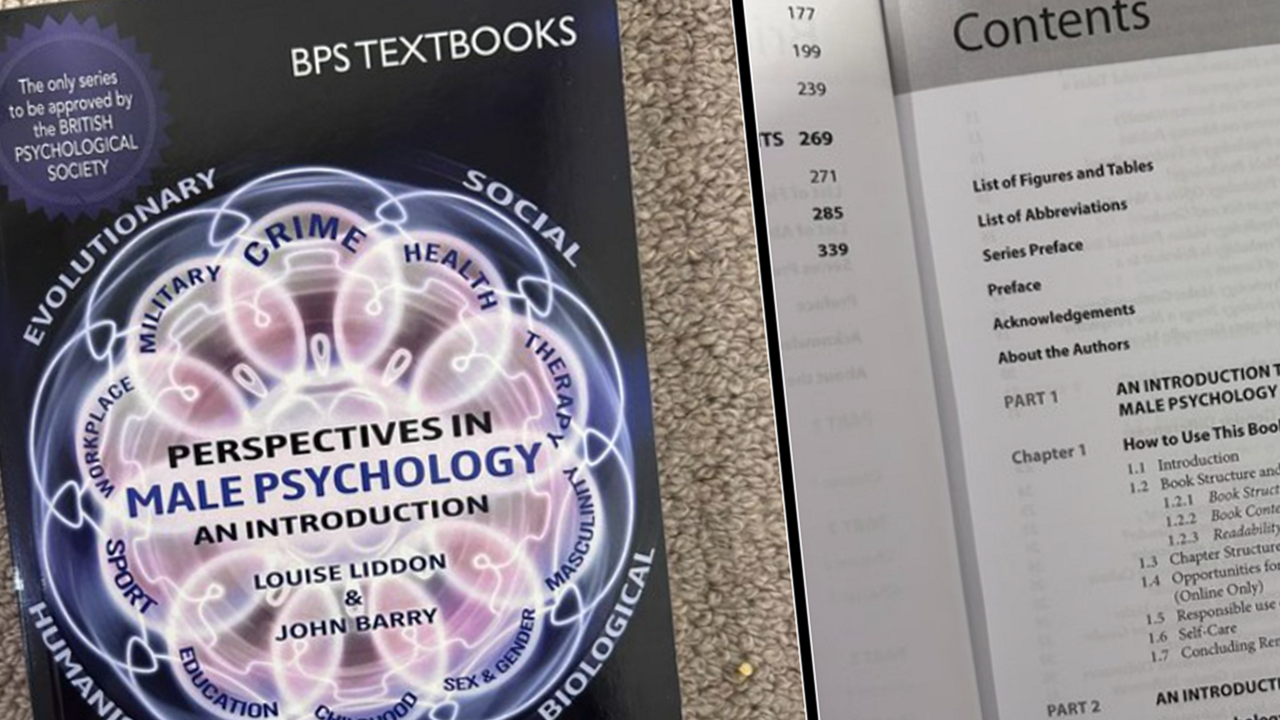
El dr. John Barry es psicólogo, investigador, hipnoterapeuta clínico y cofundador de la Male Psychology Network (Red de Psicología Masculina), la BPS Male Psychology Section (Sección de Psicología Masculina de la BPS) y The Centre for Male Psychology (Centro de Psicología Masculina). También co-editor del Palgrave Handbook of Male Psychology & Mental Health (Manual Palgrave de Psicología Masculina y Salud Mental), y coautor del nuevo libro Perspectives in Male Psychology: An Introduction (Wiley) (Perspectivas en Psicología Masculina: Una Introducción [Wiley]).