

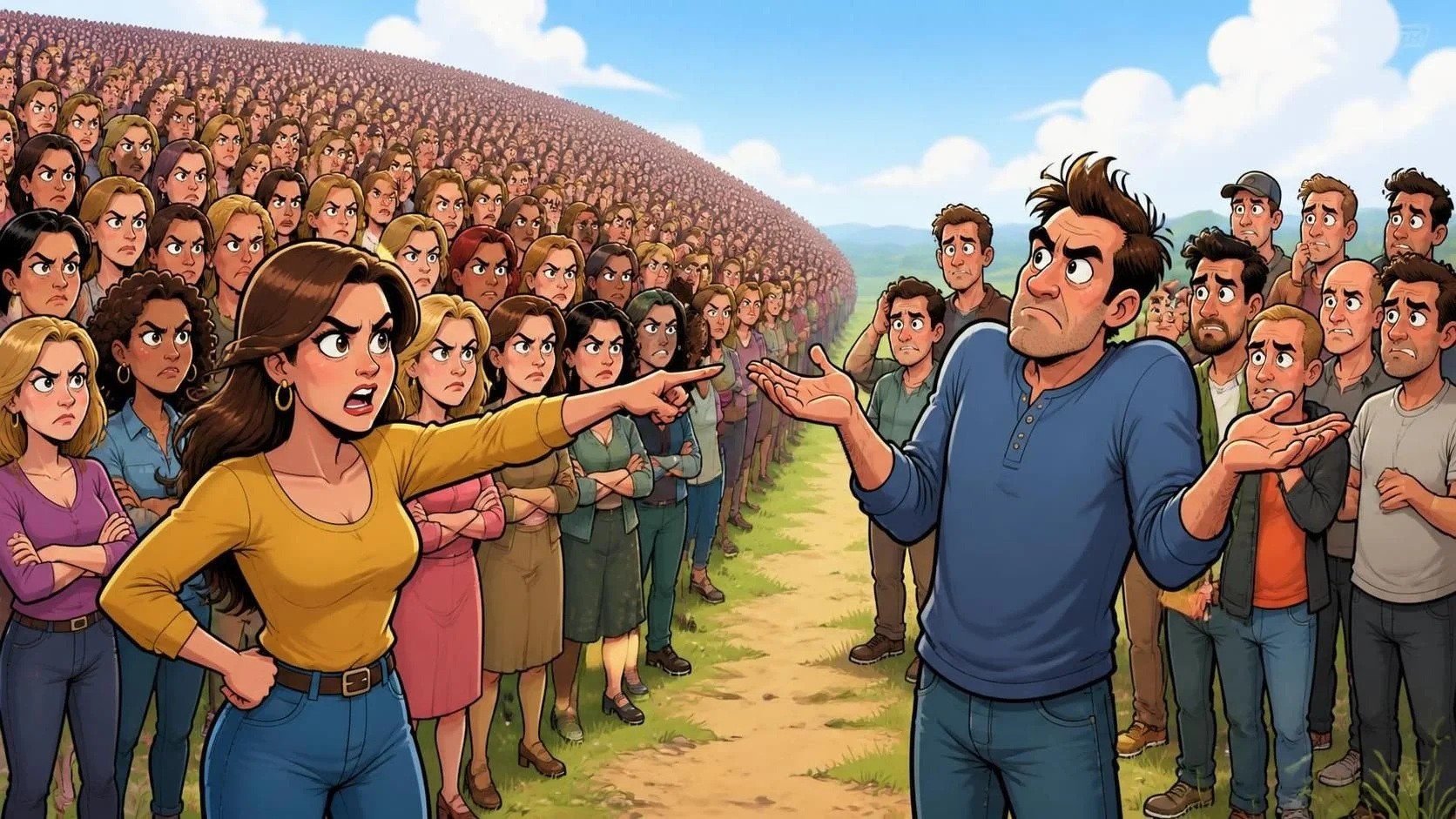
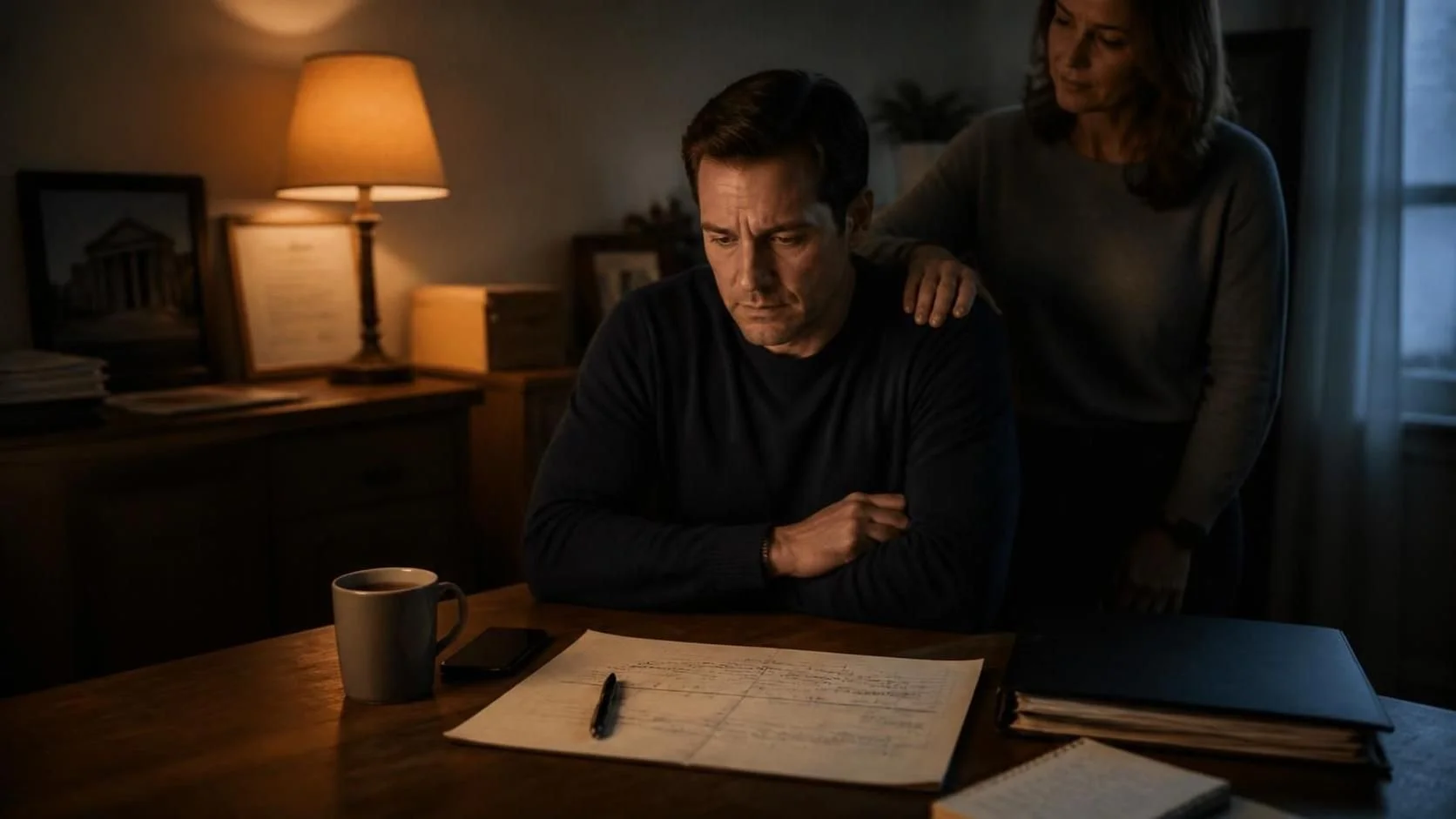
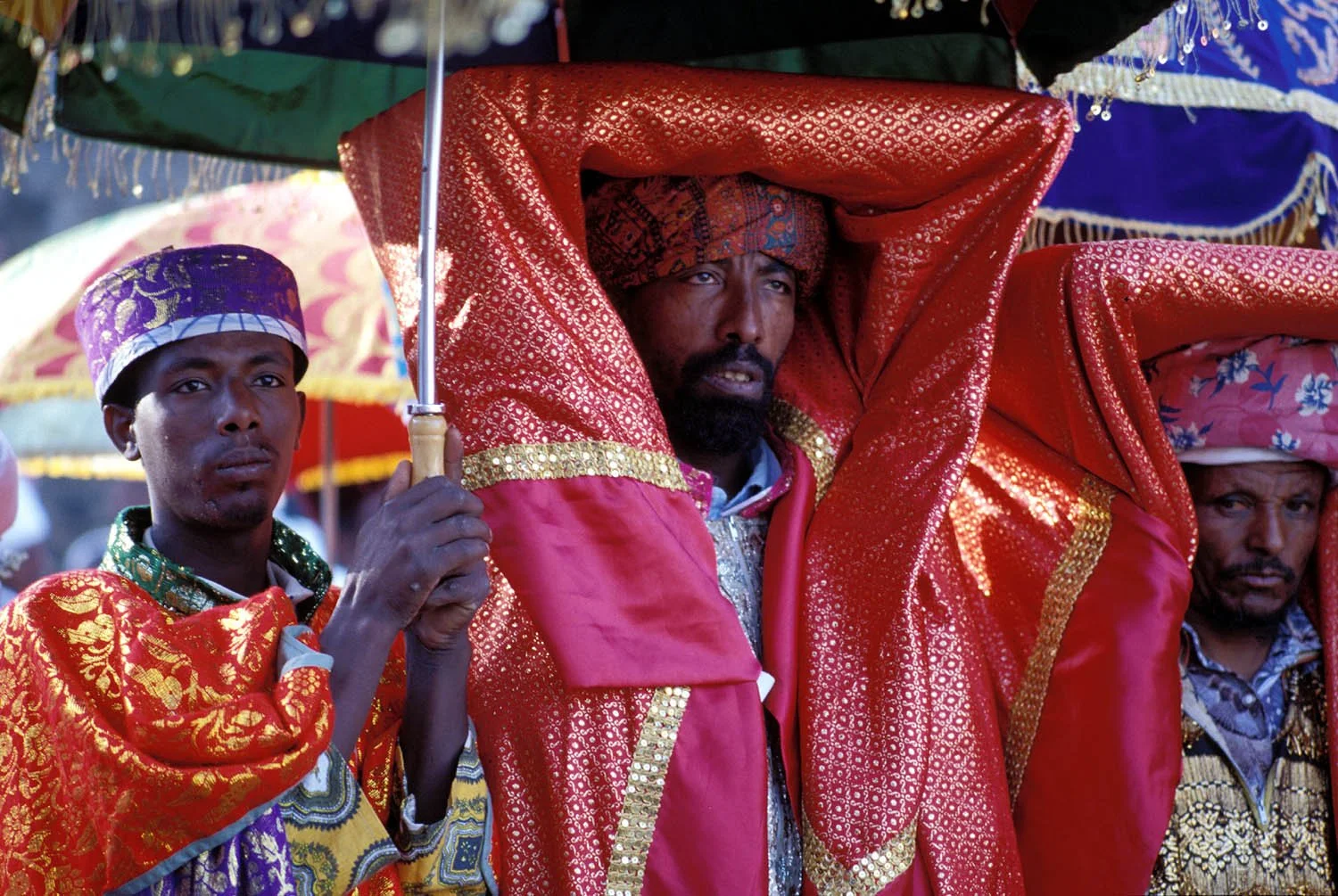
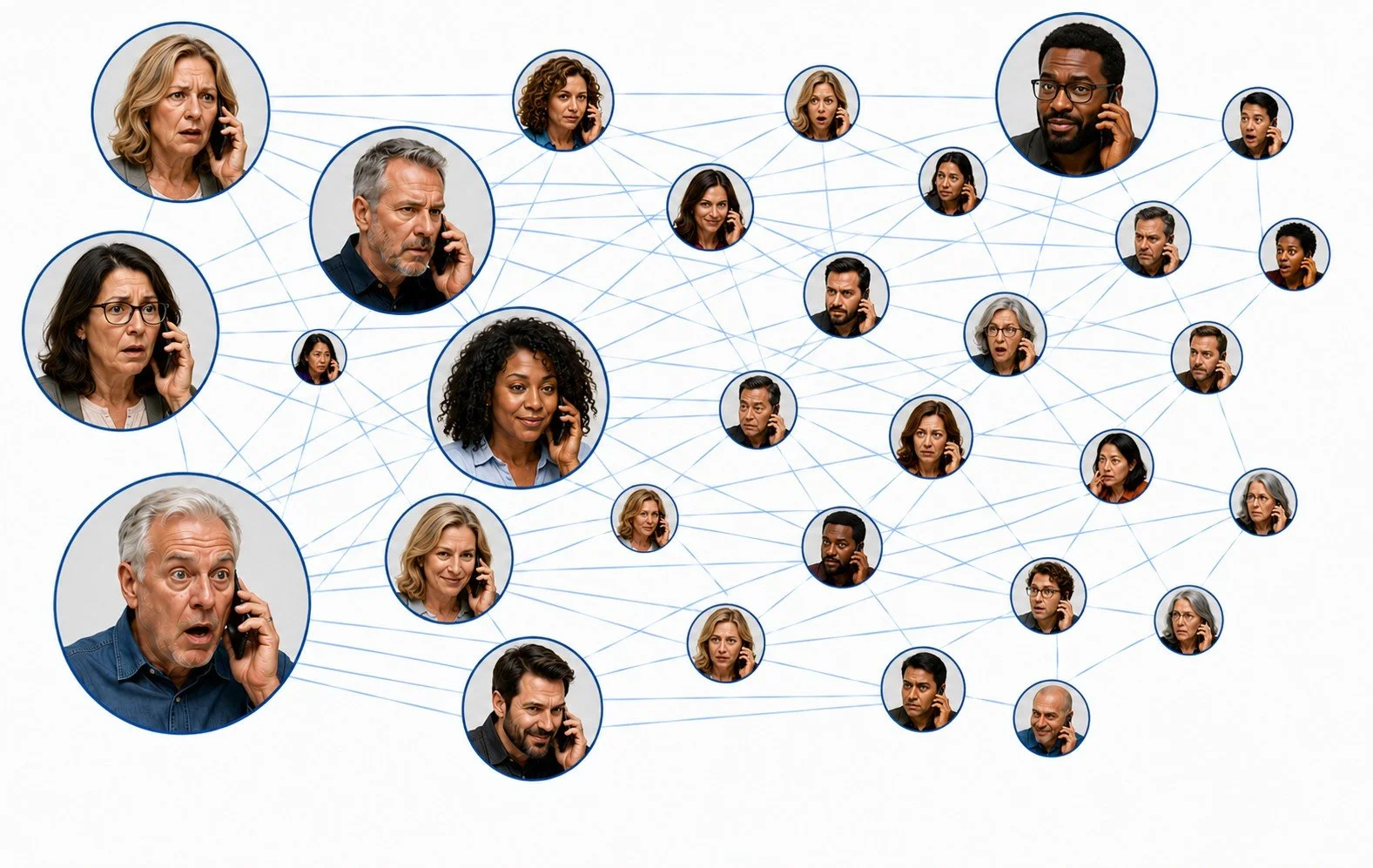
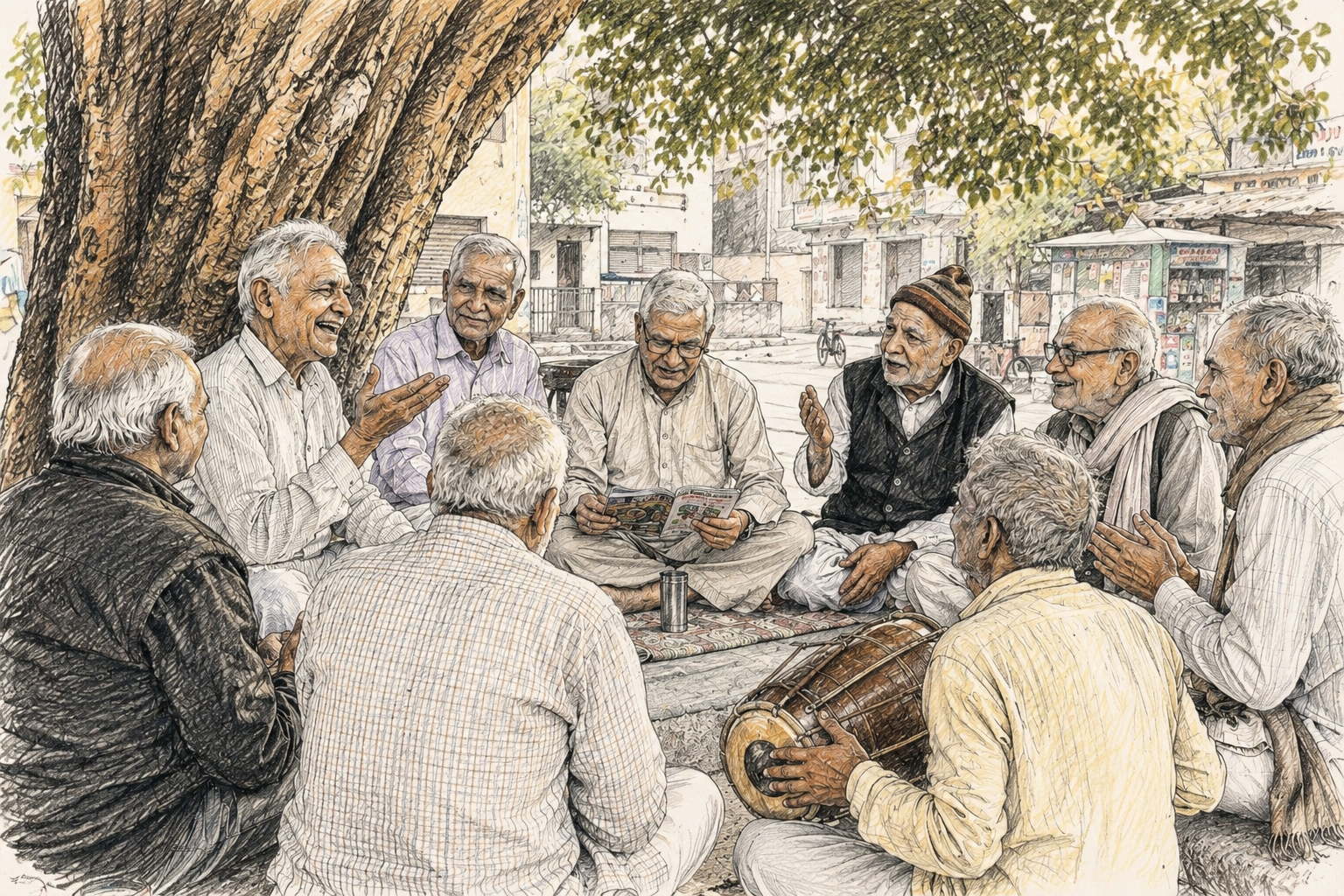
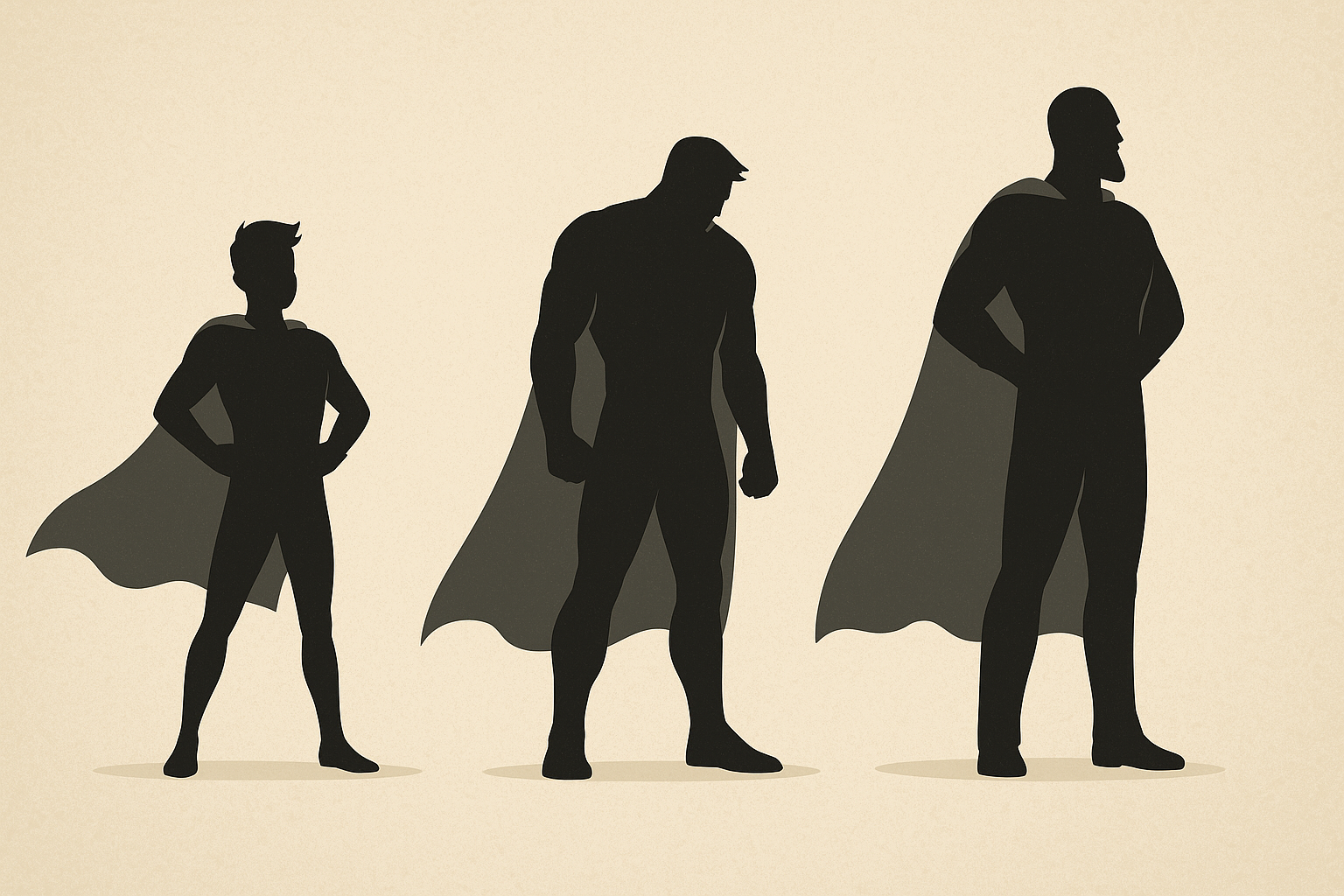
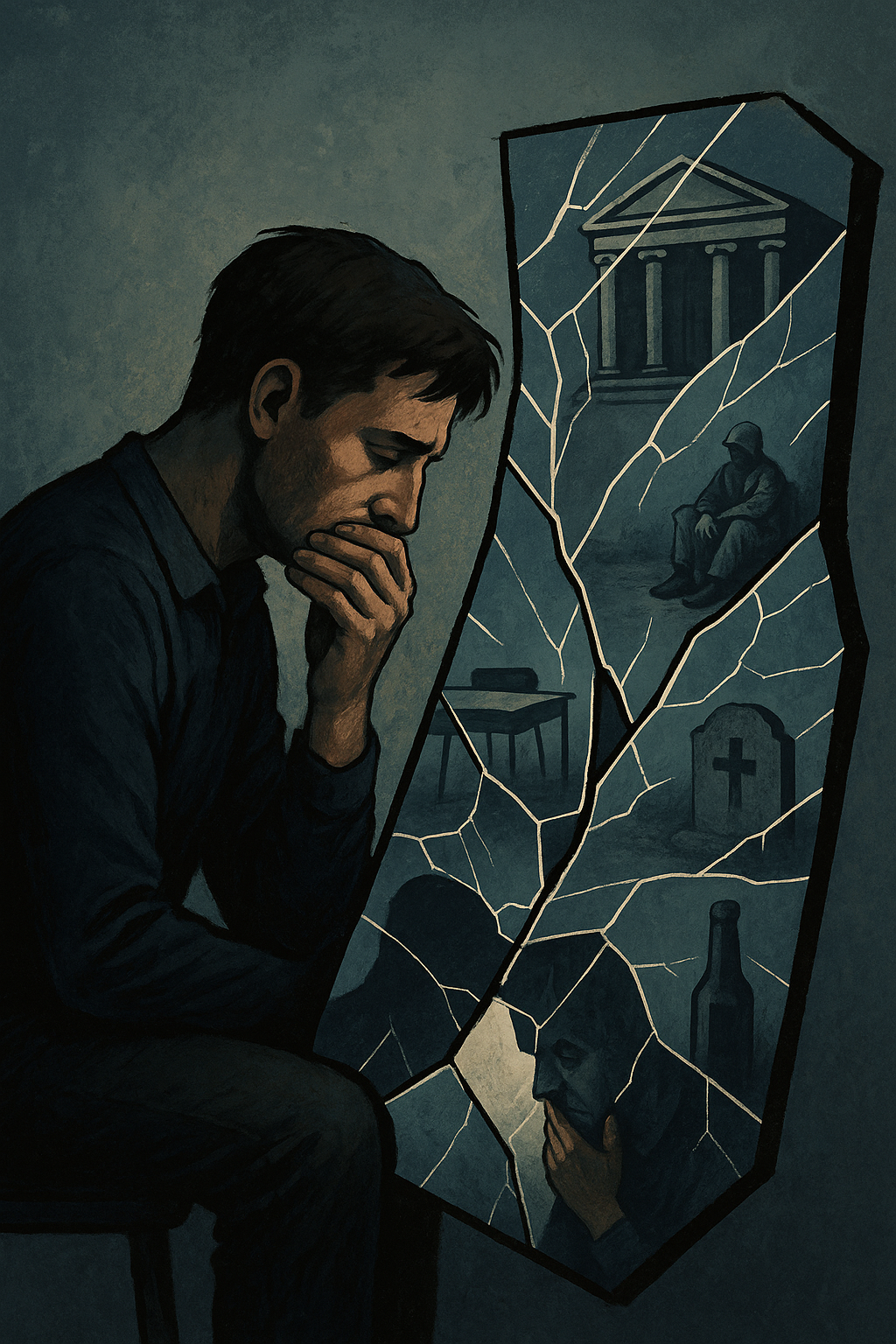
Image: Why Communities win and Teams lose. Created using AI image generation (ChatGPT 5.6 Luna) from suggestion by John Barry.
We’re about 50 years into the so-called second wave of feminism; known originally as women's liberation in the 1970s. We see all sorts of negative impact for men but almost no resistance to this. Am I the only man who sees this as a feminine dominated society in need of an injection of masculinity? Masculinity is a positive term, not something to be vilified as evil or toxic. But where then is the men’s movement?
I have one simple observation. Women build communities. Men build teams.
This single difference in social organisation helps explain one of the most striking imbalances of the last sixty years: the extraordinary institutional success of the women’s movement and the persistent fragmentation of anything resembling a men’s movement.
The pattern is not a moral failing on either side. It is a deeply rooted difference in how the two sexes have solved the problems of survival and reproduction for hundreds of thousands of years. Understanding it is the first step toward changing the outcomes it produces.
The evolutionary architecture
I think of the human race as a circle inside a square.
The circle is the core reproductive unit: women and the children they bear and raise. Because human infants are unusually helpless and childhood unusually long, a mother cannot raise offspring alone. Anthropologist Sarah Blaffer Hrdy (Book - Mothers and others: The evolutionary origins of mutual understanding) has shown that humans are cooperative breeders. Survival required allomaternal care, grandmothers, sisters, aunts, and unrelated women sharing food, protection, and childcare. One woman’s illness, widowhood, or overload became a collective problem, a threat to the tribe. Psychologist Shelley E. Taylor’s “tend-and-befriend” model (Psychological Review article, 2000, p411) describes the same pattern under stress: women respond by nurturing offspring and strengthening bonds with other women, mediated by oxytocin. The result is long-term, reciprocal, emotionally maintained networks. Cross-cultural data from groups such as the Hadza (Tanzanian tribe) and Tsimané (Bolivian tribe) show women routinely exchanging foraging, food, and childcare in enduring relationships.
“UN Women operates with a biennial budget in the region of one billion dollars. The National Organisation for Women claims hundreds of thousands of members. Parallel structures exist across political parties, NGOs, and philanthropic foundations. The wide variety of issues they campaign on need not be similar; they are woven together under a shared identity.”
Around that circle sits the square: the men. Their primary contribution is protection and provision, hunting large game, defending territory, raiding or resisting other groups. These tasks favoured temporary, purpose-driven coalitions. The Male Warrior Hypothesis (Mark van Vugt and colleagues. Psychology Today: Study: The Male Warrior Hypothesis May Be Real, 2016) argues that ancestral inter-group conflict selected for male psychology that forms alliances rapidly for competition or defence, then lets them dissolve once the goal is met. Status, dominance, and visible competence mattered because reproductive success for men was highly variable: the strongest or most successful coalitions secured more resources and more mates. Competition is therefore overt. A man must not only win; he must be seen to win.
Women’s competition, by contrast, is usually covert. Open conflict risks the network that keeps children alive. Outward cooperation is the safer strategy. Any threat to one woman, real or perceived, is treated as a threat to the reproductive core.
These are average tendencies, not rigid rules. Culture, personality, and context modulate them heavily. Yet the underlying architecture remains visible in modern life: women’s friendship circles and mutual-aid networks versus men’s sports teams, military units, project crews, and hunting parties that disband after the season or the mission.
Until recent times, this would have been a basis of mutual respect and admiration, not to mention monogamy.
How the pattern shapes social movements
When a problem is framed as affecting women as a class, the community response activates almost automatically. One woman’s difficulty is every woman’s concern. The demand is collective, sustained, and directed outward, often at men as a group, whether the actual harm comes from a minority of men or from broader social arrangements. The result is institutional power: ministries for women in Western governments, university departments (many now rebranded as gender studies), international bodies, and well-funded advocacy networks.
“The notion of men fighting for men just because they’re other men and in distress seems almost non-existent. I’ve spoken to men who agree it’s a problem but when you say ‘Let’s go and fix it’ they find something more important elsewhere, say a famine or whales to be saved”.
UN Women operates with a biennial budget in the region of one billion dollars. The National Organisation for Women claims hundreds of thousands of members. Parallel structures exist across political parties, NGOs, and philanthropic foundations. The wide variety of issues they campaign on need not be similar; they are woven together under a shared identity. Childcare, domestic violence, workplace equity, reproductive rights, and cultural representation become facets of one overarching project.
Men’s organising follows the team logic. A specific problem arises, loss of contact with children after separation, false accusations, male suicide rates, workplace deaths, educational underperformance, and a group forms to address it. Once the immediate goal is met (or proves intractable), energy dissipates. The next problem generates a separate team. There is little instinctive impulse to treat another man’s distant issue as one’s own.
The organisational landscape reflects this. Bodies that support men by offering practical solutions to problems, self-reliance and non-ideological support receive only modest public grants. Larger, better-resourced entities that work with men (MenEngage Alliance, Equimundo) are typically funded to engage men in advancing equality goals defined elsewhere; they are not independent advocates for male-specific interests.
“The team model is highly effective for discrete, time-limited goals. It built cathedrals, won wars, and invented technologies. It is poorly suited to the long, multi-front cultural and institutional work that characterises successful social movements.”
I’ve been to the International Conference of Men’s Issues in London in 2016. About 200 people concerned with all men’s issues from around the world. Women’s groups can get level of attendance like that from one issue in one city.
Historical examples illustrate the pattern. Fathers 4 Justice achieved striking visibility in the mid-2000s through high-profile protests. Its core membership, however, consisted overwhelmingly of men adversely affected by the family-court system. I was one of the few members without children and therefore without family court and visitation issues. indeed one man helping out even said “I don't need to be here. I get along with my ex-wife”.
I was once part of a small campaign outside Parliament for Father's Rights. There were six of us each with separate books or websites. Of course, it had no effect and we had a demonstration of the pervasive feminist perspective when one woman stopped a little past our group, perhaps in case we were hostile or so we couldn’t answer back and said “Men should pay for their children”.
This kind of pervasive indoctrination about men makes it almost impossible to have a real conversation, Something we badly need after 50 years of feminism. Yet no men’s organisation wants to do anything about any problem except the one it deals with.
Some years ago, I ran the “Men’s Hour” an online radio programme. I tried to cover all sorts of men’s issues, e.g. father's rights, false accusations and, of course, suicide. There was almost no result. The notion of men fighting for men just because they’re other men and in distress seems almost non-existent.
I’ve spoken to men who agree it’s a problem but when you say ‘Let’s go and fix it’ they find something more important elsewhere, say a famine or whales to be saved.The same dynamic appears elsewhere. A man who has never faced a false accusation feels no urgency about reforming that area of law; a charitable donor who supports wildlife conservation or women’s shelters may still regard male domestic violence services as a niche concern.
The asymmetry of demands
Because women's networks convert an individual woman's complaint into a collective cause, criticisms of men in general - even when in reality based on the behaviour of a small minority of men - carry moral force and institutional follow-through. Equivalent demands from men are more easily dismissed as special pleading by the particular men affected. Other men, operating in team mode, do not automatically rally. The cultural default becomes: women’s problems require systemic correction; men’s problems require the individual men concerned to sort themselves out.
This is not conspiracy. It is the predictable outcome of two different organising logics colliding with modern institutions that reward sustained, identity-based advocacy.
“for progress to be made, men would need to treat another man’s problem as potentially their own, even when they are not personally affected.”
Toward a different men’s response
The team model is highly effective for discrete, time-limited goals. It built cathedrals, won wars, and invented technologies. It is poorly suited to the long, multi-front cultural and institutional work that characterises successful social movements. Younger men appear to be noticing the imbalance. Educational gaps, rising male suicide and loneliness figures, and the steady expansion of female-preferential policies are no longer invisible. The question is whether awareness will translate into broader coalitions.
That would require men to do something slightly unnatural: for progress to be made, men would need to treat another man’s problem as potentially their own, even when they are not personally affected. It would mean building organisations that can hold multiple issues under one roof, fatherhood, mental health, education, criminal-justice disparities, workplace safety, without demanding that every member share the same personal grievance. It would also mean accepting that sustained advocacy requires the same patience and reciprocity that women’s networks have long practised. It would ensure that men’s and boys’ needs can be discussed honestly, supported institutionally, and addressed without shame or hostility.
None of this requires denying women have rights. In fact, it would ensure that everybody has rights, not just the loudest complainers. It would recognise that two different social styles produce two different political outcomes. Communities scale; teams specialise and dissolve. Until men learn to organise more like communities when the stakes are cultural and institutional, the asymmetry will persist. I think it could be achieved if we recognise masculinity as our central goal. Not a by-product. Not toxic. I do not believe there is any such thing as toxic masculinity. Masculinity is not complete without femininity, and femininity is not complete without masculinity. They are two sides of the same coin, yin and yang, each carrying a little of the other within it. Masculinity is central if you want to protect or build things. Under an umbrella like that we could move forward. Masculinity needs protection and respect.
The circle and the square both served the tribe. In a world of permanent institutions and permanent narratives, the circle has proved the more durable political form. Men who care about the next generation of boys would do well to study how it works.
Scroll down to join the discussion
Disclaimer: This article is for information purposes only and is not a substitute for therapy, legal advice, or other professional opinion. Never disregard such advice because of this article or anything else you have read from the Centre for Male Psychology. The views expressed here do not necessarily reflect those of, or are endorsed by, The Centre for Male Psychology, and we cannot be held responsible for these views. Read our full disclaimer here.
Like our articles?
Click here to subscribe to our FREE newsletter and be first
to hear about news, events, and publications.














Have you got something to say?
Check out our submissions page to find out how to write for us.












.

people are more aware of the fact men can be victims of this type of violence, but this often isn’t translated into policy, practice or indeed provision of resources