
My Experience from the Front Lines
I am an education professional specialising in behaviour & wellbeing, with well over 15,000 hours of experience across Social Emotional and Mental Health education (SEMH), mainstream education, youth work, residential care, outreach, and the youth justice service. During this time, I have worked predominantly with boys and young men, and seen first-hand how societal narratives impact them.
I am aware that I am in a fairly unique position to have witnessed the “Malehood” crisis unfold, across multiple fields, for nearly 15 years now. With thousands of hours of ground-level experience and a career dedicated to understanding human behaviour, I’ve watched the “Toxic Masculinity” narrative inevitably evolve into something detrimental to our boys and young men. That’s why I believe it’s crucial for me to speak out and call on other professionals to challenge the narrative.
Let’s dive in…
Question 1: Do We Actually Need Men…?
The short answer is a resounding Yes — and the data proves it.
In the UK, men dominate the vast majority of essential, high-risk, and physically demanding jobs that keep society moving:
88.3% of Regular Armed Forces personnel are male (MOD, 2024).
Among firefighters, around 90–91% are men (International Fire & Safety Journal, 2024).
63.9% of police officers are male (Home Office, 2025),
Engineering is also heavily male-dominated, with 84.3% of the workforce being men in 2023 (EngineeringUK, 2023)
In science, men account for 79% of chemical scientists, 74% of physical scientists, and 60% of biological scientists (UK Parliament, 2020).
The broader STEM workforce is 76% male (STEM Women, 2019),
Vehicle technicians, mechanics, and electricians, men make up over 99% (UK Parliament, 2020).
84–85% of construction workers are men BCIS.
Manufacturing roles remain similarly male-skewed, with 74% male representation
Waste management, including refuse collection, is about 73% male Biffa; specifically, at SUEZ Recycling & Recovery UK, 83.4% of staff and 92.6% of manual workers are male suez.co.uk.
Skilled trades are even more skewed—98% of tradespeople are male, with just 2% female The Times.
“These disadvantages in childhood can spill into adult life, a vicious cycle in which I’ve witnessed first-hand time and time again.”
Without men, the backbone of UK infrastructure, emergency services, and physical labour would collapse.
Strange times call for obvious statements: Men required. Confirmed.
The Malehood Crisis Behind the “Toxic Masculinity” Narrative
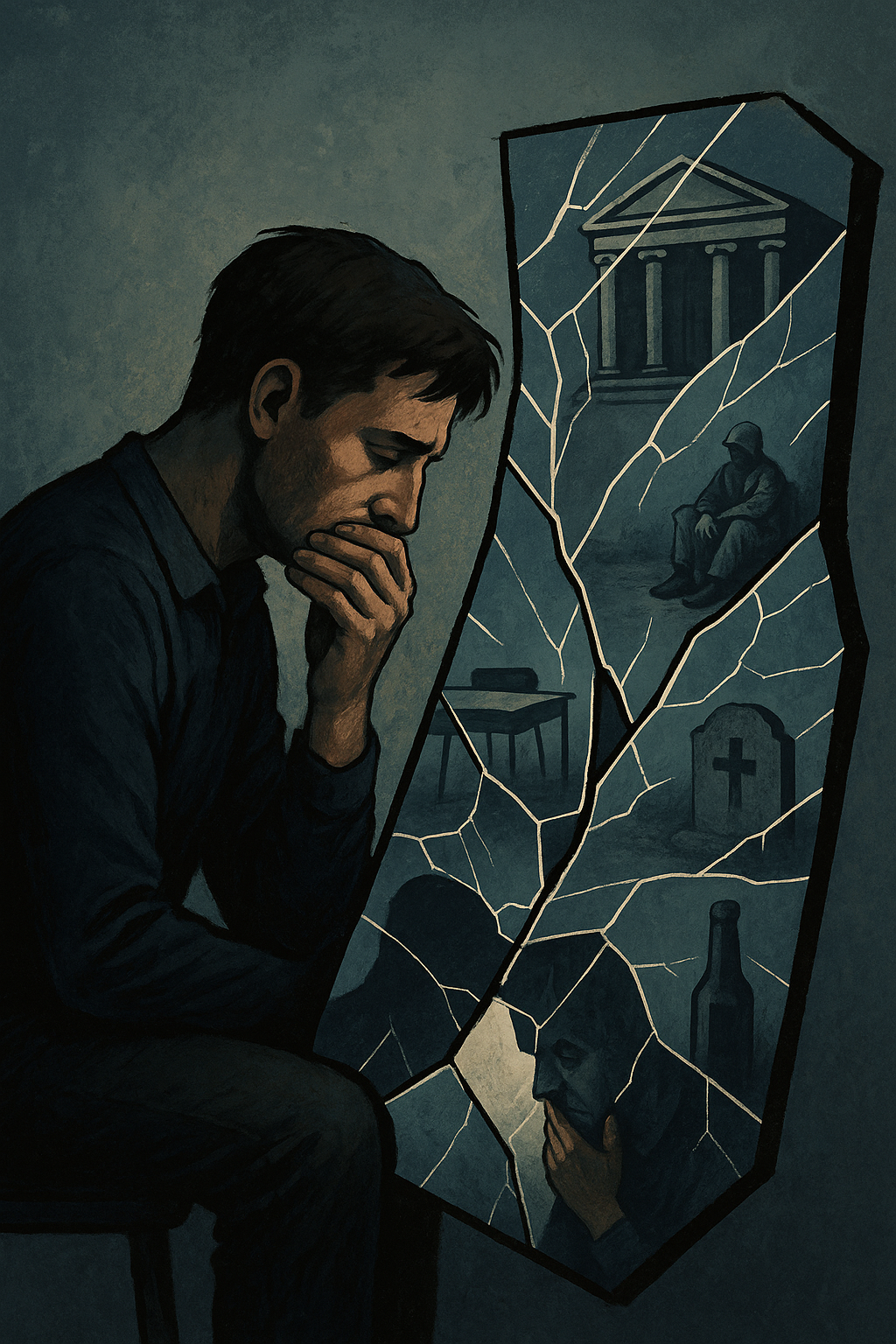
While public debate often fixates on the idea of “toxic masculinity,” the deeper and more pressing male crisis rages on. Men account for around 75–76% of all suicides in the UK, making it the leading cause of death for men under 50(Men’s Health Forum). In education, boys consistently underperform at every educational stage and are three times more likely to be excluded from school than girls (Men’s Health Forum).
The pattern continues across additional needs and vulnerabilities. 77% of pupils with an Education, Health and Care Plan (EHCP) and 73% of those receiving SEN support for Social, Emotional and Mental Health needs, are boys, according to the Department for Education (DfE, 2024). These disadvantages in childhood can spill into adult life, a vicious cycle in which I’ve witnessed first-hand time and time again.
Furthermore, men make up 95–96% of the prison population (Men’s Health Forum), and 85% of rough sleepers are male (MHCLG, 2021). Men’s life expectancy is nearly four years shorter than women’s (around 79 years compared to 83) (Equi-Law). Men also face higher risks of violence, men are almost twice as likely as women to be victims of violent crime (Men & Boys Coalition) and are 72% of homicide victims (ONS). The justice system shows a similar imbalance. Government data indicates that men are often handed tougher sentences than women for the same or comparable offences (UK Government, 2022). Beyond that, problems with addiction and substance misuse remain widespread. Research has long shown that men are more likely to drink heavily or use drugs at higher rates, which over time feeds into the health inequalities they already face (Wilsnack et al., 2000).
The Fatherlessness Epidemic
Society needs men. That’s not opinion, that’s fact. But here’s the hard truth: while men are vital for a healthy and functioning society, millions of our boys and girls are being raised without them.
Father absence compounds these problems, particularly for boys:
Lower academic performance and higher school exclusion rates, especially for boys lacking male role models (Allen & Daly, 2007)
Higher rates of aggression, delinquency, and emotional distress (Sarkadi et al., 2008).
Greater likelihood of antisocial behaviour and criminal justice involvement (Flouri & Buchanan, 2002).
Higher rates of depression (Culpin et al. (2014)
Higher rates of anxiety (Fitzsimons et al., 2019)
Increased poverty risk, reduced social mobility, and intergenerational cycle of family breakdown (McLanahan et al., 2013).
Society cannot afford to ignore the fatherless epidemic anymore. The outcomes of fatherless children are painfully clear and highlighted so poignantly in Warren Farrell’s “The Boy Crisis.”
“The boy crisis resides where dads do not reside. Boys living without their dads are more likely to drop out of school, drink, do drugs, become delinquent, be depressed, and commit suicide. Dad-deprivation is the single biggest predictor of suicide, along with a host of other social and mental health issues.”
— Warren Farrell, The Boy Crisis
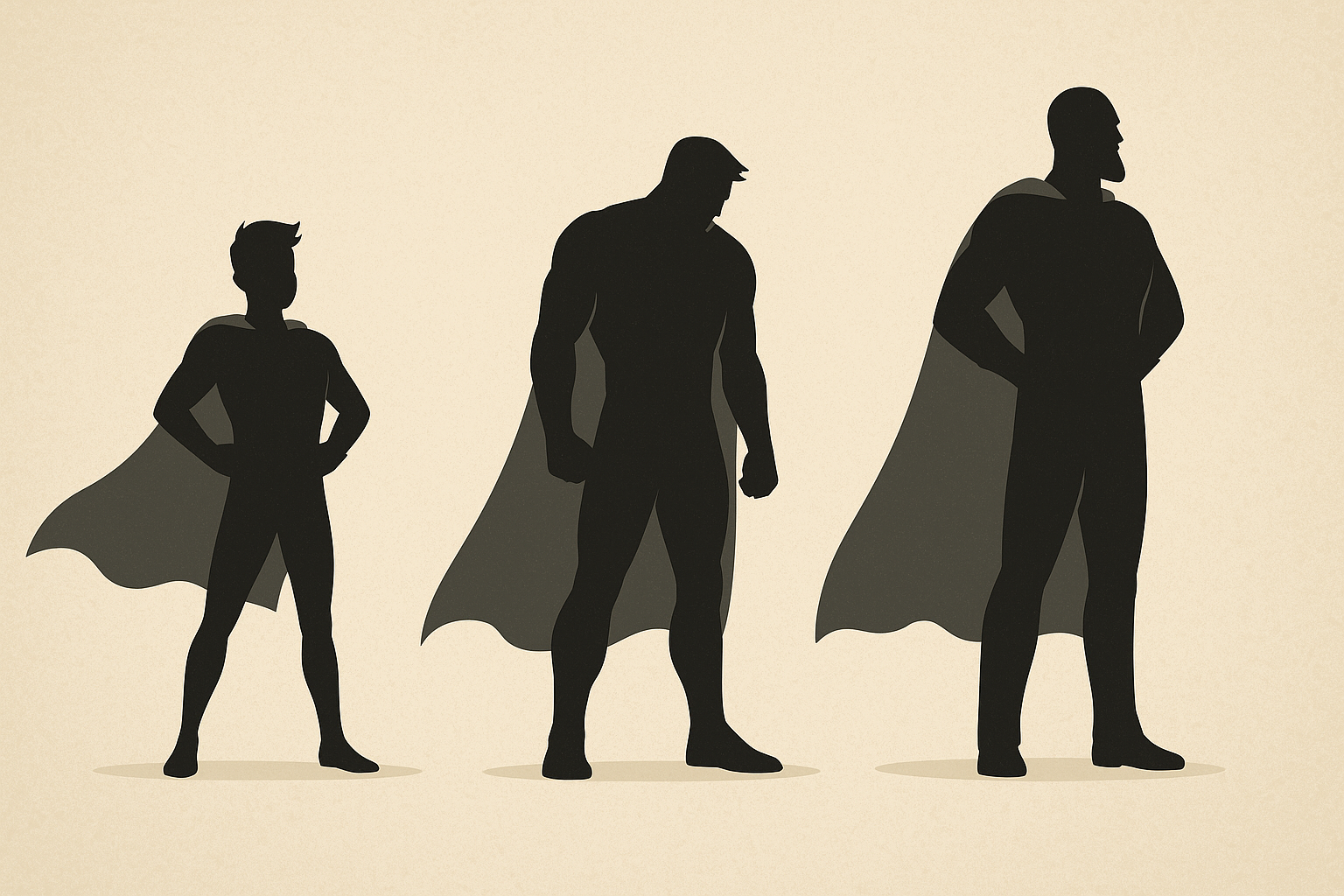
“When boys are shamed for their natural instincts to compete, to be strong, to protect, to be emotionally reserve, to lead, and then labelled toxic, it’s no wonder why our boys and young men feel frustrated, useless and undervalued.”
Question 2: Does fatherlessness run downstream from the “malehood crisis”?
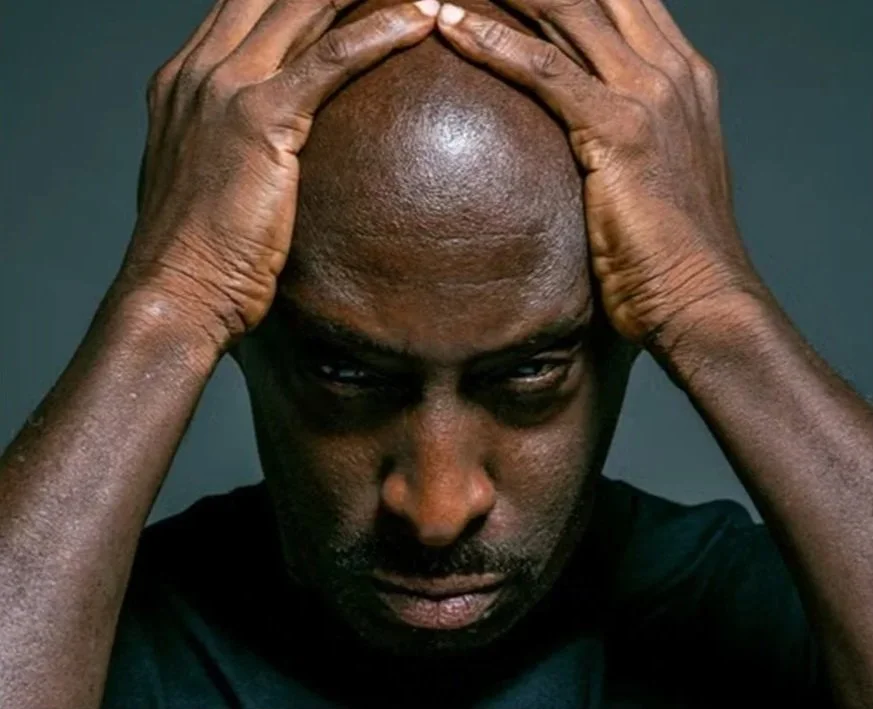
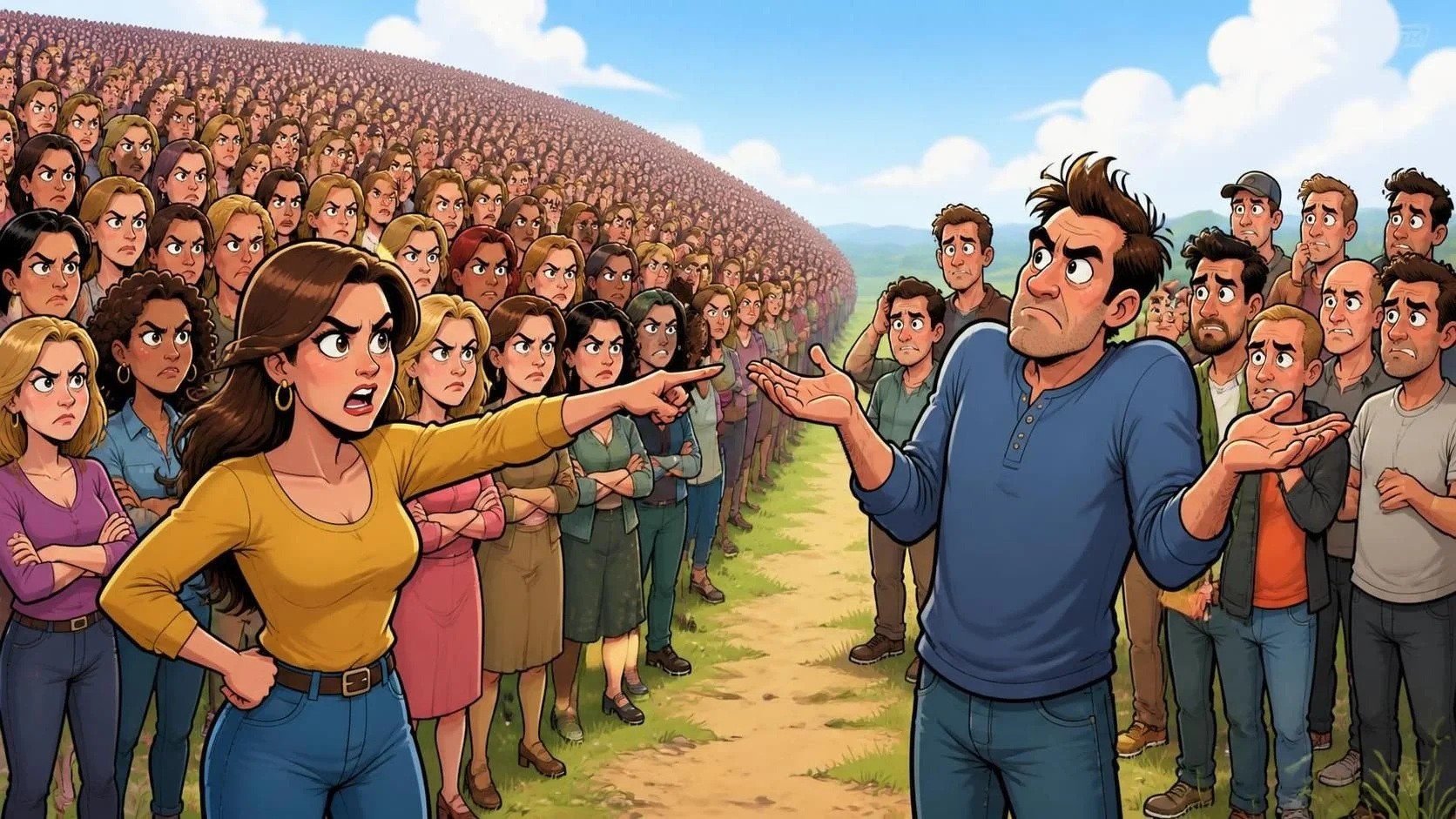
With government initiatives labelling masculinity toxic, problematic and something that our society needs rid of, it’s easy to see why our boys and are men are feeling frustrated, useless, and undervalued. The impact on male identity, meaning and purpose hits so deep within the male psyche it causes harm even on a spiritual level,. Without a healthy grasp of these internal concepts, we struggle to stay grounded, we feel lost and socially useless. When boys are shamed for their natural instincts to compete, to be strong, to protect, to be emotionally reserve, to lead, and then labelled toxic, it’s no wonder why our boys and young men feel frustrated, useless, and undervalued.
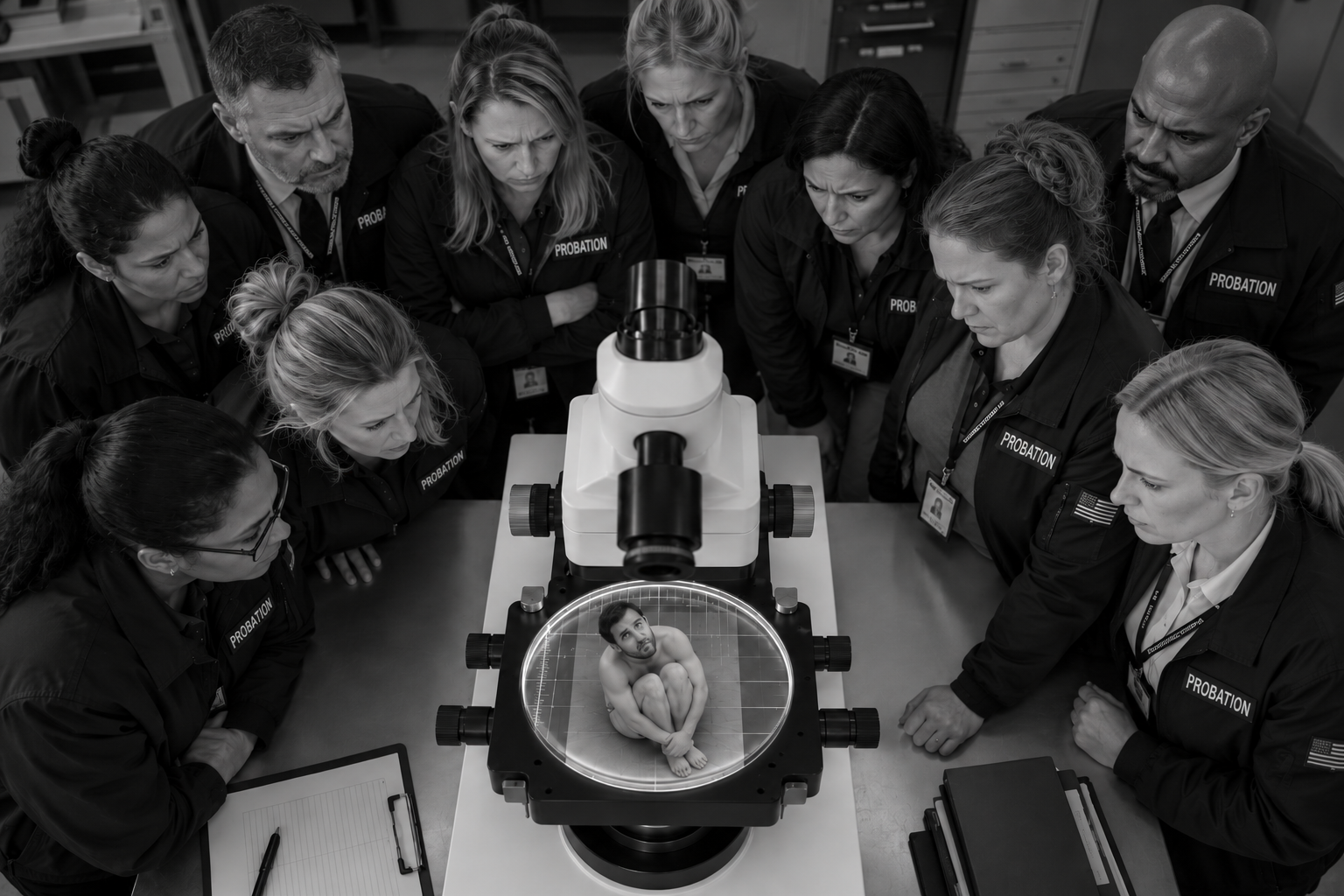
Their Masculinity is treated like a pathology with no vaccine.
Why “We Don’t Need Men” is Dangerous
This phrase doesn’t just undermine male identity — it ignores fundamental truths, such as, interdependence.
Men and women together raise healthier, more stable, better-educated children. (Terry-Ann L Craigie, 2012)
Men dominate the physically demanding, high-risk jobs that keep infrastructure working.
Women dominate care professions that nurture health, education, and wellbeing.
Without one, the other cannot sustain society.
Furthermore, this phrase devalues male identity and the contribution men make to society. It undermines healthy feminine goals, such as mutual respect and dismantling harmful stereotypes. It widens the gender divides rather than solving them. I guess ultimately what I am trying to say is that, we are two sides of the same coin.
Toxic Masculinity and Targeted CPD (Continuing Professional Development)
Over the years, I’ve taken part in hundreds of hours of CPD. Unfortunately, some of these trainings have focused on so-called “toxic masculinity,” framing masculinity itself as harmful, portraying boys’ behaviour as inherently problematic, and demonising traits such as boisterousness or emotional reserve — while the concept of “toxic femininity” is never even mentioned. This isn’t just unbalanced; it’s damaging. It alienates boys, erodes self-worth, and ignores the reality that masculine traits, like feminine ones, evolved for survival and have value.
This isn’t a zero sum game where valuing women means devaluing men
The masculine and feminine are not enemies — they are complementary forces honed over thousands of years. Trying to erase one harms both. Such attitudes towards males may not be the sole cause of the degradation of male’s mental health but the toxic rhetoric is not helping, it just adds fuel to the fire in a way that most don’t understand or even seek to understand. These derogatory attitudes toward our boys and men don’t just harm them, they harm everyone.
I believe it’s imperative that we challenge - today - the negative perception of masculinity, realistically assess the impact it has on boys and men, and understand that valuing masculinity strengthens us all.
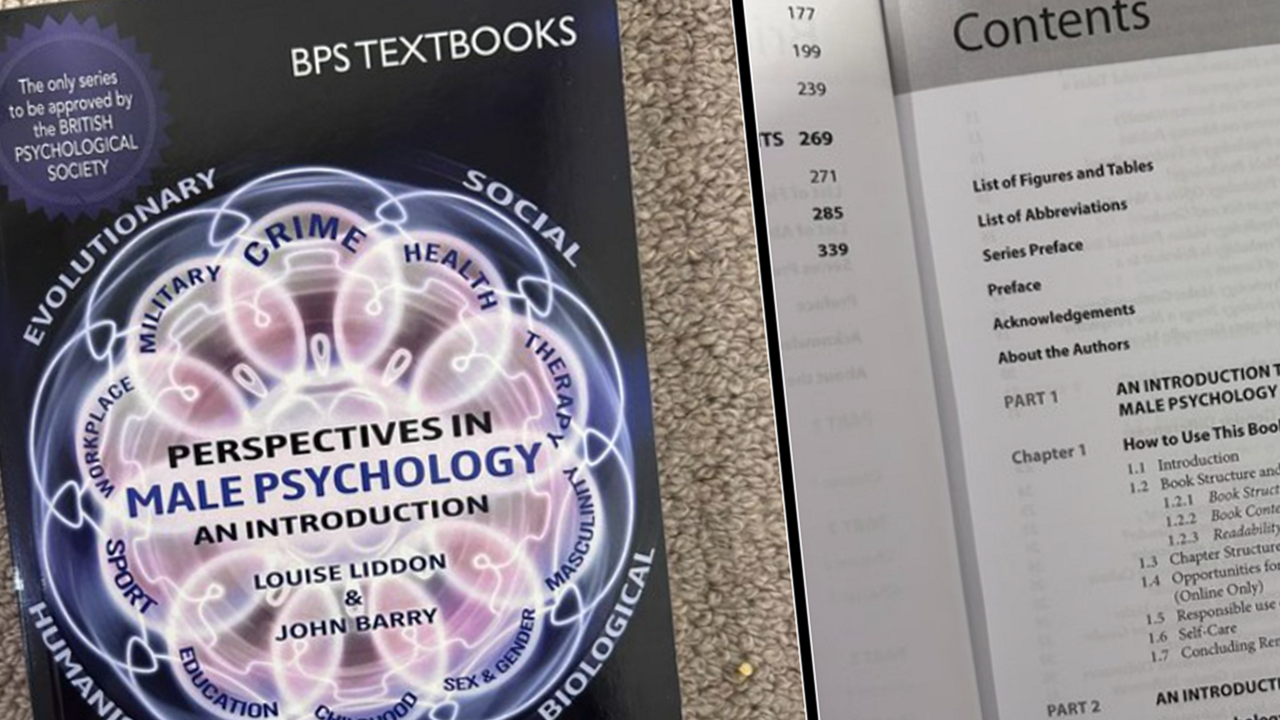
Disclaimer: This article is for information purposes only and is not a substitute for therapy, legal advice, or other professional opinion. Never disregard such advice because of this article or anything else you have read from the Centre for Male Psychology. The views expressed here do not necessarily reflect those of, or are endorsed by, The Centre for Male Psychology, and we cannot be held responsible for these views. Read our full disclaimer here.
Like our articles?
Click here to subscribe to our FREE newsletter and be first
to hear about news, events, and publications.


















.