

The tragic death of Atul Subhash: A case study beyond media narratives.
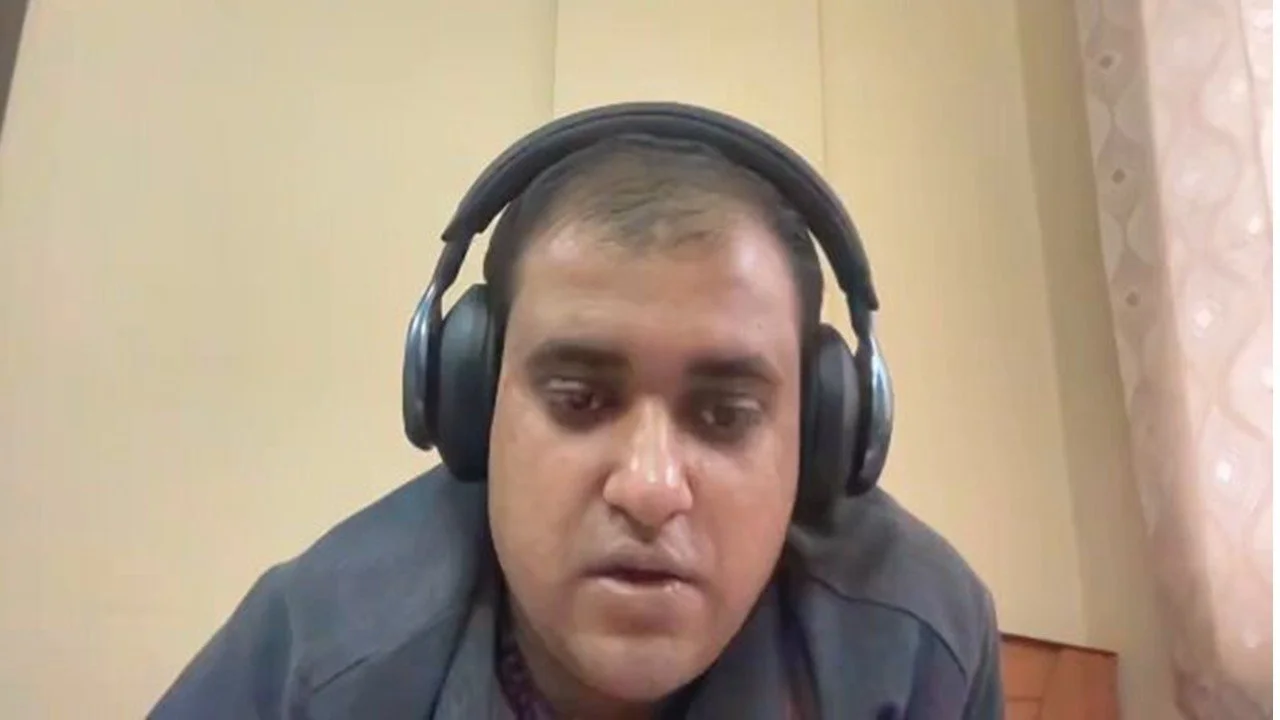
Picture: Atul Subhash
The news left many of us shocked and confused, unable to understand how and why this had happened. On the evening of 9th December 2024, while returning home after a tiring day, I saw a shocking message on the WhatsApp group of SIFF, also known as Save Indian Family Foundation, a non-profit men’s rights organisation in India. The message said that one of our members, Atul Subhash, had died by suicide earlier that morning.
Atul Subhash was a 34-year-old AI engineer. He was originally from Uttar Pradesh in northern India, but was working in Bengaluru in southern India. He ended his life at his residence. Before doing so, he left behind a detailed 24-page suicide note and a 1.5 hour long video explaining what he had been going through. Atul had left a clear and deliberate record in his own words.
On the social media platform X (formerly Twitter), Atul also posted a message tagging public figures such as U.S President Donald Trump and Entrepreneur Elon Musk. In that post, he wrote that by the time it was read, he would be dead, and that a “legal genocide” of men was taking place in India. By this, he meant the systematic harassment of men through legal and institutional processes that, in his view, push them towards suicide.
Facts versus narratives
Most mainstream coverage of male suicide relies on assumptions and narratives rather than facts. In Atul Subhash’s case, this meant ignoring that he had already documented his experiences in detail before his death. He had uploaded the full scanned copy of his suicide note to his Google Drive, which was later deleted soon after the case went viral, for reasons that remain unclear. However, fortunately, the document was preserved by others beforehand.
Once the document was no longer available to the public, the discussion quickly shifted away from Atul’s own account, and towards assumptions. This article takes a different approach. It relies mainly on what Atul himself wrote and recorded, and uses this information as a case study to examine the wider psychological, social, and systemic issues faced by men.
“Atul described the emotional pain of being reduced from a father to a financial provider, expected to pay but not allowed to parent. Over time, this separation deeply affected his sense of identity, purpose, and dignity.”
Atul Subhash’s state of mind
Atul began his suicide note by clearly stating that he was writing it in a sound and conscious state of mind. He mentioned his name, his profession, and his location. The note was structured, detailed, and methodical, not confused or impulsive.
Throughout the document, Atul emphasised that his decision was not sudden. He described years of ongoing pressure, legal harassment, emotional distress, and repeated humiliation despite making continuous efforts to fight back and find solutions.
His note focused on events, timelines, conversations, and patterns that he believed had slowly pushed him towards this outcome.
Legal harassment
Atul’s suicide note contained extensive details about multiple legal cases involving matrimonial disputes and maintenance proceedings. For the purpose of this article, I have not listed every case. Readers can refer to his suicide note for details. What matters here is the pattern of legal harassment he described and its psychological impact on him.
Atul wrote about frequent court appearances in another state, repeated adjournments, financial strain, and the harassment of his elderly parents and brother. He believed the legal process itself had become punitive, regardless of outcome. Over time, he lost faith that the system was interested in resolution or fairness.
However, Atul’s case cannot be understood as a legal dispute alone. The psychological damage came from what accompanied the legal process.
Parental alienation and psychological harm
One of the most significant aspects of Atul Subhash’s suicide note was his repeated description of parental alienation. He wrote about being denied contact with his young son for years, despite multiple attempts to communicate and seek visitation through legal means.
Atul described the emotional pain of being reduced from a father to a financial provider, expected to pay but not allowed to parent. Over time, this separation deeply affected his sense of identity, purpose, and dignity. The note makes it clear that the loss of his relationship with his child was not a side issue, but a central source of psychological suffering.
Alongside parental alienation, Atul documented repeated instances of verbal abuse, humiliation, and threats directed at him and his family. According to his account, these included remarks suggesting that his death would be financially beneficial, and threats of further legal action if he resisted demands. This created a state of constant psychological pressure.
This combination of parental alienation and emotional harassment represents a form of prolonged psychological harm that is rarely acknowledged when men die by suicide.
“The problem was not that Atul failed to seek help, but that meaningful help was not available to him from the system. His experience points to a failure of institutions, policies, and social attitudes, not a failure of masculinity or communication.”
Moral injury
He could have paid bribes, entered financial settlements, or complied with demands that he believed were unjust. He acknowledged that doing so might have reduced his immediate suffering. However, he chose not to take that path.
Atul wrote that he did not want to continue feeding a system he believed was corrupt and abusive, whether through bribes, coerced payments, or even taxes, when that same system was being used against him and his family. His decision was not the result of passivity or resignation, but of moral injury, the feeling of being forced to choose between survival and integrity.
Men’s suicide as a systemic issue
After men die by suicide, public discussion often shifts towards blaming masculinity, patriarchy, or men themselves for not expressing emotions or seeking help. Atul Subhash’s case challenges these narratives.
Atul did express himself. He wrote extensively, recorded a long video, approached courts, documented his suffering in detail and tried everything that he could. His case was not the one of silence, but of not being heard.
The problem was not that Atul failed to seek help, but that meaningful help was not available to him from the system. His experience points to a failure of institutions, policies, and social attitudes, not a failure of masculinity or communication.
Framing male suicide as a personal defect shifts responsibility away from systems that consistently fail men in distress.
The aftermath : Society’s response
After Atul Subhash’s suicide, a fresh conversation on men’s issues soon emerged across the country. Many men found his situation familiar to their own and were able to closely relate to it.
This conversation, however, was met with resistance. In one widely shared comment, a female television actor and model remarked that Atul was too focused on money and should have spent it on a psychiatrist instead. Another popular film actress went further and claimed that men are at fault in 99 per cent of marriage-related cases. Such remarks were deeply insensitive and based on baseless generalisations. A complex case involving systemic pressure and psychological harm was reduced to individual blame leading to a lot of negative stereotypes against men.
Alongside this, the woke Ideological discourse treated discussions on men’s issues as an attack on progressivism rather than a human rights concern. Men’s suffering was debated and dismissed on the assumption that men are inherently privileged. Instead of engaging with the issues raised, the focus shifted to defending the ideology.
This exposes a deeper problem. Equality is often spoken about, but men’s issues are not approached with equal concern. Men have little to no legal protection in areas such as family law, domestic violence, and parental alienation. At the same time, much of the academic work done on men, portrays men negatively and places blame on them rather than addressing the problems they face. Biased research produces biased data, which then shapes biased laws and policies that affect men. This vicious cycle leaves men structurally unprotected. The reaction to Atul Subhash’s suicide makes this reality more clearly visible to us.
Why This Case Matters
Atul Subhash left behind more than a suicide note. He left a case study that exposes how parental alienation, emotional harassment, legal pressure, and social dismissal can combine to destroy a man over time.
The purpose of this article is to ensure that Atul’s voice is heard, and that his death is understood not as an individual failure, but as a warning about systemic neglect.
At the very least, Atul Subhash deserved to be listened to.
Author’s note
This article is based primarily on the suicide note and recorded video left behind by Atul Subhash. The claims described are presented as they appear in his own account and are not intended as legal findings or verdicts.
Helplines
If you or someone you know is experiencing difficulties of the kind described in this article, please reach out and get help. There are various helplines on our support page, including links to helplines internationally. Men in India experiencing these issues can contact these helplines.
Scroll down to join the discussion
Disclaimer: This article is for information purposes only and is not a substitute for therapy, legal advice, or other professional opinion. Never disregard such advice because of this article or anything else you have read from the Centre for Male Psychology. The views expressed here do not necessarily reflect those of, or are endorsed by, The Centre for Male Psychology, and we cannot be held responsible for these views. Read our full disclaimer here.
Like our articles?
Click here to subscribe to our FREE newsletter and be first
to hear about news, events, and publications.

















Have you got something to say?
Check out our submissions page to find out how to write for us.














.