‘Chivalry’ and ‘Endearment’. (Part 3 of the five-part ‘Chivalry and Endearment’ article series).

Definition of chivalry:
The combination of qualities expected of an ideal knight, especially courage, honor, courtesy, justice, and a readiness to help the weak.
Definition of endearment:
A word or phrase expressing love or affection, fondness, sweet nothings.
Men often find themselves instinctively inclined to serve others due to what is commonly referred to as the Protector/Provider-Zeus Instinct. However, this inclination does not imply an endless willingness to engage in one-sided or uncompensated actions, where the arrangement appears perpetual and unfair.
“the Zeus Instinct, symbolic of the act of providing and protecting, requires acknowledgment and appreciation […] This exchange should not be viewed merely as a transaction but rather as a dance”
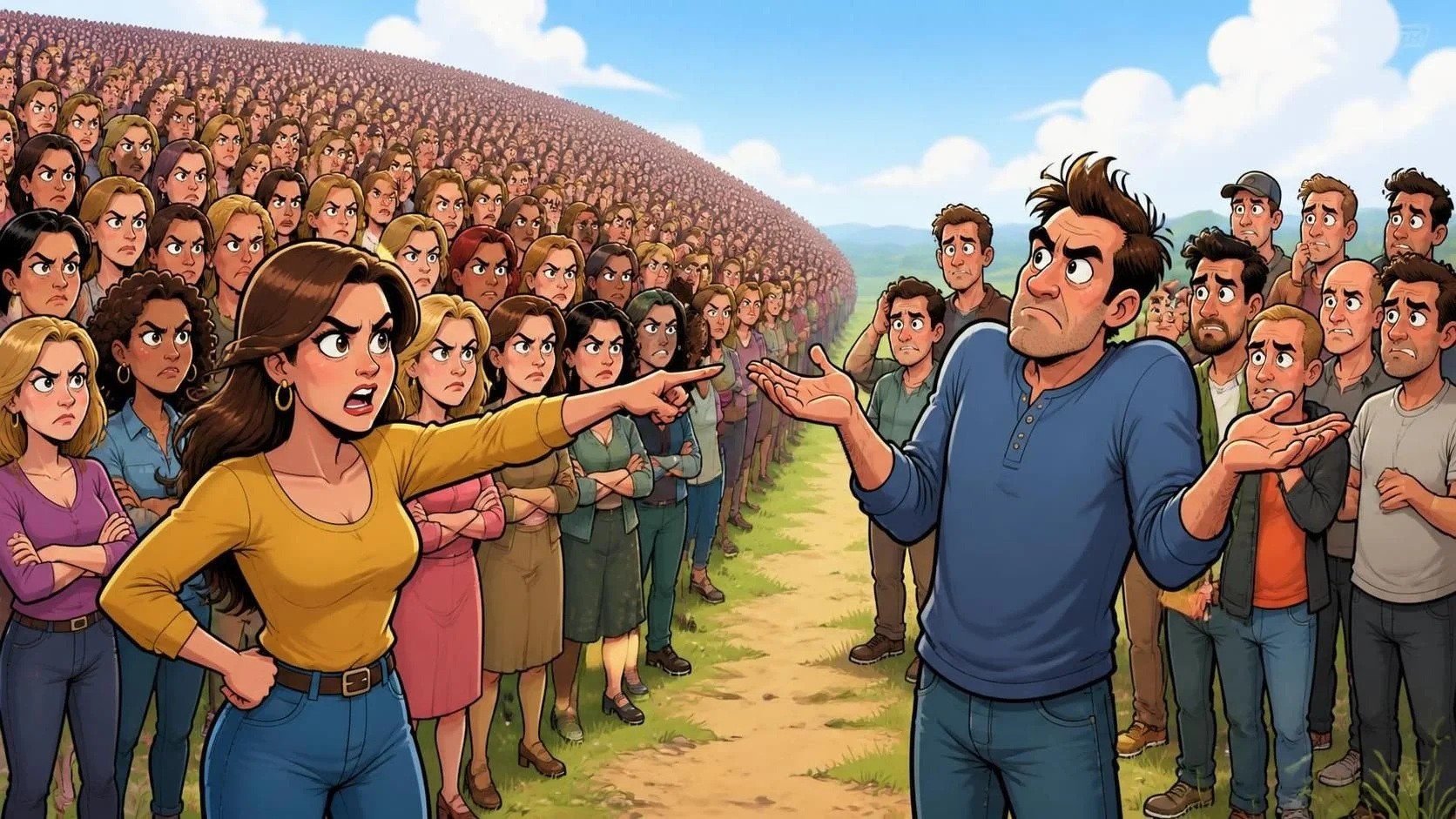
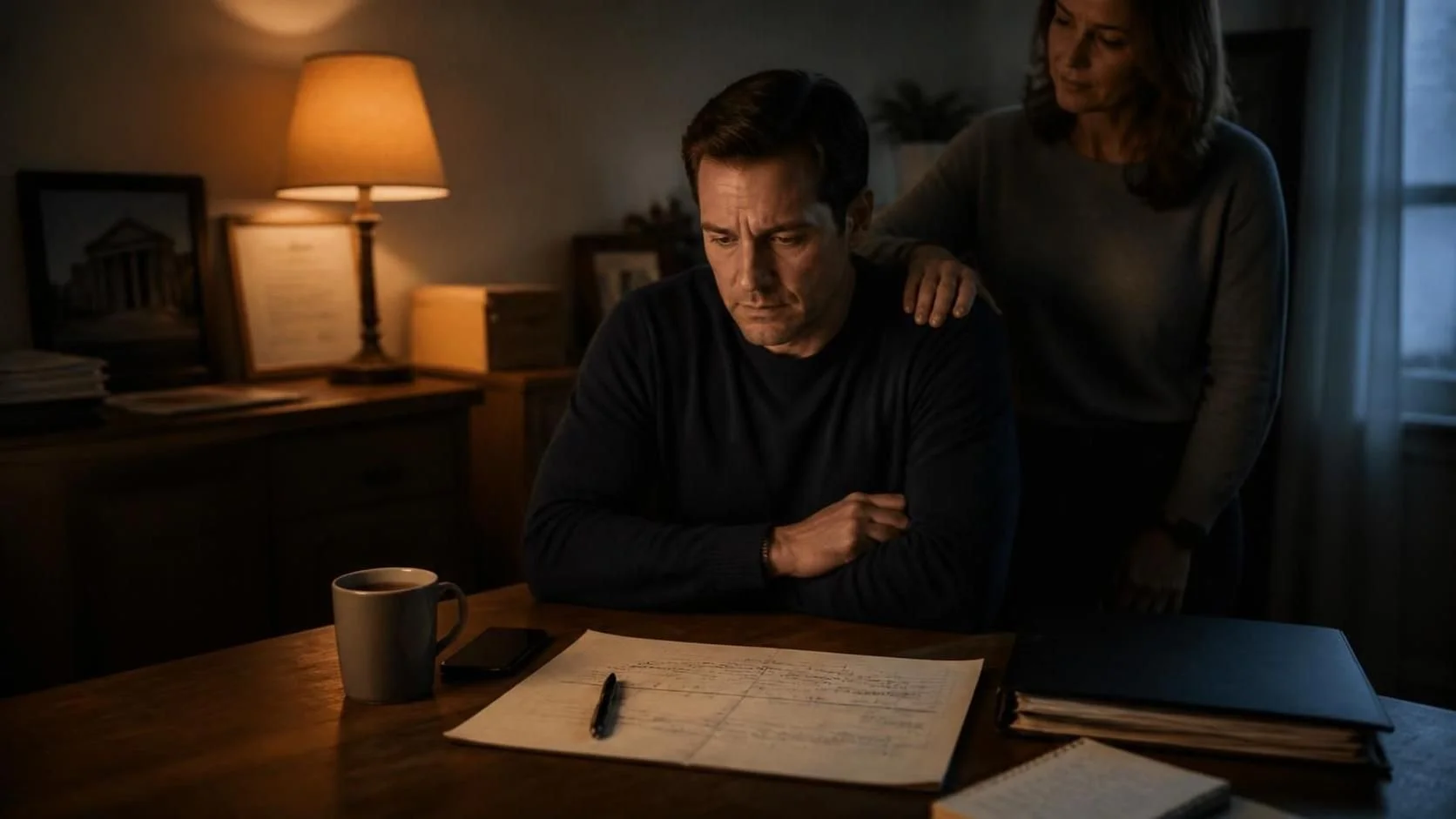
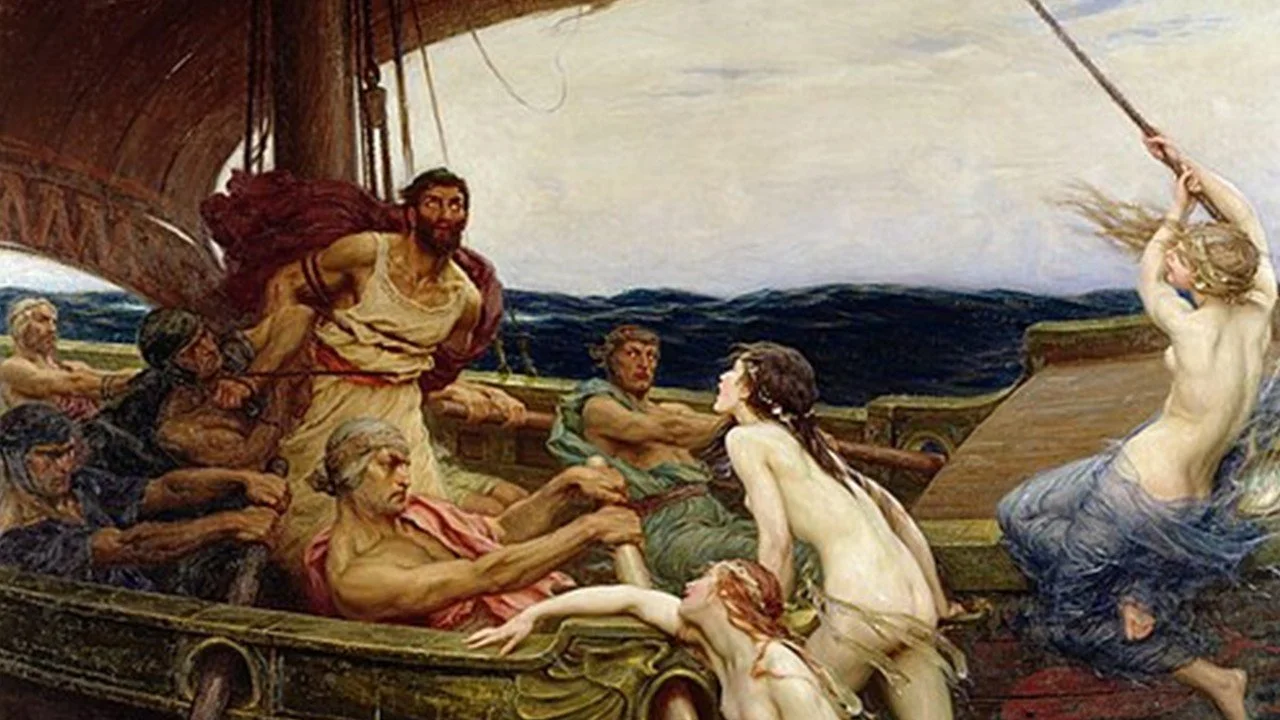
In reciprocity, the Zeus Instinct, symbolic of the act of providing and protecting, requires acknowledgment and appreciation, which is expressed through the affectionate and appreciative demeanor of the Hera Instinct, as depicted in the caption.
This exchange should not be viewed merely as a transaction but rather as a dance, akin to a courtship. Should either partner falter, withhold, or dominate excessively, the delicate balance of the dance is disrupted, leading to a disjointed performance and potential collapse.
The interplay of endearment and effort encapsulates the essence of love and passion, uniting masculine energy (Zeus) and feminine essence (Hera) into a collective partnership. In the initial phase of human courtship, as I elaborate elsewhere, they converge towards mutual attachment, underpinned by the evolutionary manifestation of "endearment," an innate feminine trait towards the masculine.
Their interactions characterized by passion and the joy of endearment towards each other epitomize the core of love, as defined on Romantipedia: "mutually uplifting each other's self-esteem and fostering happiness."
Exploring how the Hera Instinct and Zeus Instinct shape individual dignity and psychological identity at a cultural level delves beyond the scope of mere explanation; it is a concept meant for collective exploration, without the pretext of "mansplaining," but instead embraced with shared curiosity by individuals of all backgrounds.
Employing Greek mythology helps me articulate insights related to primitive instincts, also recognized in Jungian Psychology and Evolutionary Psychology, despite the temporal and cultural distinctions among them. While alternative mythologies like Ancient Chinese, Hindu, Mayan, or Norse beliefs could serve a similar purpose, my expertise lies primarily with Greek mythology, intricately woven into modern storytelling and cine masterpieces.
Returning to Greek mythology, we encounter the gods of Olympus, including Zeus, who symbolizes the male instinct of protection and provision. In their wisdom the ancient Greeks seemingly unraveled centuries ago what contemporary understanding now identifies as the primal instincts of masculinity and femininity.
These are biologically sex-based instincts that govern general communication styles, the romantic steps of human courtship (my life’s work), and everything from consumer spending patterns to political affiliation.
Part 4 of this series of five articles follows soon…
Scroll down to join the discussion
Disclaimer: This article is for information purposes only and is not a substitute for therapy, legal advice, or other professional opinion. Never disregard such advice because of this article or anything else you have read from the Centre for Male Psychology. The views expressed here do not necessarily reflect those of, or are endorsed by, The Centre for Male Psychology, and we cannot be held responsible for these views. Read our full disclaimer here.
Like our articles?
Click here to subscribe to our FREE newsletter and be first
to hear about news, events, and publications.




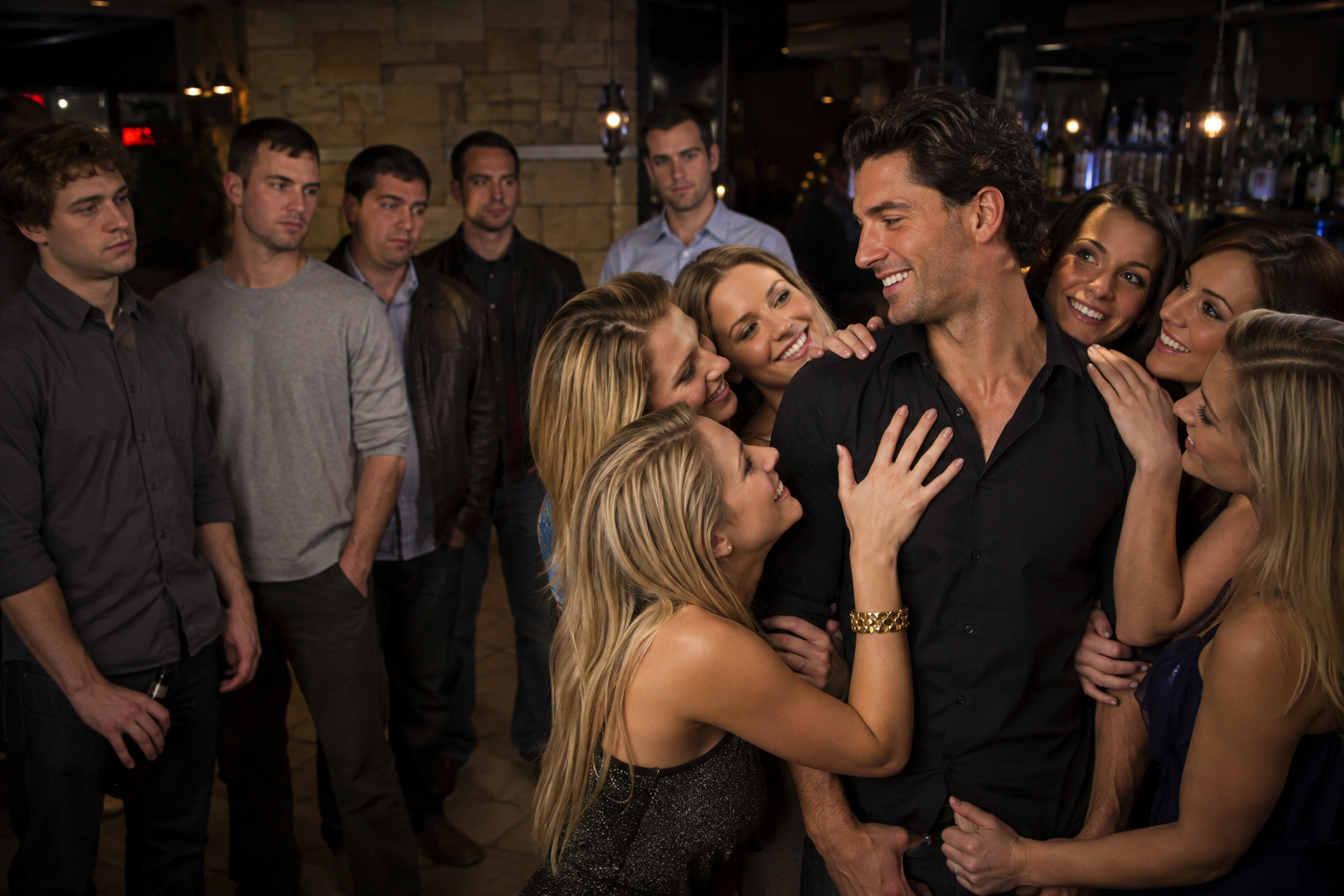
When a male is in a power imbalance, at least two masculine instincts are disempowered…

…people – men and women alike – respond less positively to male-favouring sex differences than they do to female-favouring sex differences.
hyper-masculine gender norms are typically embedded within military institutions, and while adherence to these norms can contribute to combat and military success, they conversely make clinical work challenging
Men might benefit greatly from a government strategy aimed at improving their health. Here are suggestions from the Centre for Male Psychology on how that might be done. This article ends with some comments on potential pitfalls in the process of putting this strategy in place.



…people – men and women alike – respond less positively to male-favouring sex differences than they do to female-favouring sex differences.

… many papers do not even bother to identify or justify the nationality of their samples…
hyper-masculine gender norms are typically embedded within military institutions, and while adherence to these norms can contribute to combat and military success, they conversely make clinical work challenging
Have you got something to say?
Check out our submissions page to find out how to write for us.
…people – men and women alike – respond less positively to male-favouring sex differences than they do to female-favouring sex differences.
There is social power, there is structural power, and there is physical power. What women have in our society is the power of the state behind them, and men do not. Men only have that physical power, and most men don’t want to use it


Masculinity may be just the tonic (remedy) needed by society at a time when it has recently suffered so many fractures.

“The place that people feel least free to speak their minds are oftentimes university, which I found absolutely stunning.”
Peer reviewers seem to be more accepting of my research on physiological differences between men and women (e.g., muscle fatigability) and less accepting of my research on psychological differences.

Generally speaking men’s humour is a good predictor of relationship satisfaction, as long as the woman appreciates it. A lot of studies show that men try to impress women with humour.

I was left with no doubt that men were struggling in myriad ways with stress and psychological illness – yet it has always been the discourse of the ‘desperate housewife’ that has attracted the most publicity, both in medicine and popular culture

…many professionals seem to interpret the evidence “most convicted child sex offenders are men”, as “children are more at risk from their father than their mother.

…people – men and women alike – respond less positively to male-favouring sex differences than they do to female-favouring sex differences.
IMD is not recognized by the UN because many believe we live in a patriarchal world and that the focus of the UN should be on women and children.

I’ve become curious why people, including very smart people with Ph.Ds, tend to leap at moralistic conclusions, adhere to them and consider them “science” when they are no such thing.

…critical gerontology focuses on the political-economic approach and consequently had a limited perspective on women and men: economically the former were seen as deprived and men privileged. Men were therefore disregarded.

…There is a reason why men who speak up on these issues tend to be retired or unemployed.

People depart a man in trouble [but as] soon as a man's got someone to talk to he will pour his heart out.
people are more aware of the fact men can be victims of this type of violence, but this often isn’t translated into policy, practice or indeed provision of resources
The brutality of the person's offence is generally related to the brutality of what they've experienced during childhood.

There is social power, there is structural power, and there is physical power. What women have in our society is the power of the state behind them, and men do not. Men only have that physical power, and most men don’t want to use it

90% of men in prisons have come from generational family violence… So when they're violent - which is what they've learned - we then perpetuate the violence by putting them in prison.

“I feel very strongly that the pendulum has swung too far, as it always does, the swing from a very male dominated patriarchal society to a very, very female dominated society where men …”

…the feminist movement has done inestimable damage to the mental health of boys and men. Making boys second class at school, teaching them that males are bad by nature and that women have suffered at the hands of men inevitably leads to boys feeling unhappy about themselves and adopting the unruly, delinquent behaviour which is expected of them.

Some people blame drill music – a form of rap - for the rising murder rate in London. Drill is known for aggressive lyrics about gang violence, but rather than seeing this as a valuable way for young men to express their feelings, some people want to ban it.

Gender scholars and activists were aghast a few years ago at the depiction of a feminist, in a documentary movie called The Red Pill, who unexpectedly learned to empathise with men. In a rare interview, director and star of The Red Pill, Cassie Jaye, reflects upon the impact the movie has had on herself and others.
.
 Paul Dobransky
Dr Paul Dobransky is a psychiatrist based in the US, specializing in the psychology of love, work, and character growth. He is author of the book, The Secret Psychology of How We Fall in Love, from Penguin/Plume. Dr. Paul’s Substack.