
Survey finds most students disagree with woke views but are reluctant to admit it.

A survey of 1,453 students in the US found high levels of compliance with woke views. The key findings of the survey were that:
88% of students said they had pretended to hold more progressive views in order to succeed socially or academically, and over 80% submitted classwork that misrepresented their views in order to align with professors.
87% identified as exclusively heterosexual and supported a binary model of gender. However,
78% said they self-censor regarding gender identity, and
77% said gender identity shouldn’t override biological sex in sports, healthcare, or public data — but would never voice that disagreement aloud.
73% were mistrustful of revealing these values to close friends, and nearly half routinely conceal beliefs in intimate relationships.
72% said they self-censor regarding politics.
68% said they self-censor regarding family values.
38% described themselves as “morally confused,” uncertain whether honesty was still ethical if it meant exclusion.
These findings paint a painful picture of students who pretend to each other they hold views that most of them don’t really agree with, in order that – paradoxically - they don’t fall out with each other for holding the wrong views. They also feel the need to express views they don’t agree with for fear of getting a bad grade.
I am reminded of the passage at the start of the book Knots by RD Laing: “They are playing a game. They are playing at not playing a game. If I show them I see they are, I shall break the rules and they will punish me. I must play their game, of not seeing I see the game”.
The authors of the survey, which is as yet unpublished in a peer-reviewed journal, express concern at the moral and emotional damage this compliance is inflicting on the students, who are at a critical period of development in their lives: “This split between outer presentation and inner conviction not only fragments identity but arrests its development… Authenticity, once considered a psychological good, has become a social liability.”
Students “pretend to each other they hold views that most of them don’t really agree with, in order that – paradoxically - they don’t fall out with each other for holding the wrong views”.
Many of the students described the experience of participating in the survey as ‘clarifying’: “They weren’t escaping responsibility — they were reclaiming it. For students trained to perform, the act of telling the truth felt radical”.
This survey is not simply about woke views or fitting in. Universities are supposed to be seats of learning, but what students are learning is that fitting in and getting by are more important than discussing ideas and feeling ok about saying what you believe is true. This situation, as the survey authors say, “is unsustainable”. The authors note that universities “often justify these dynamics in the name of inclusion.” But if the majority of students are being excluded, then what does ‘inclusion’ really mean in this context?
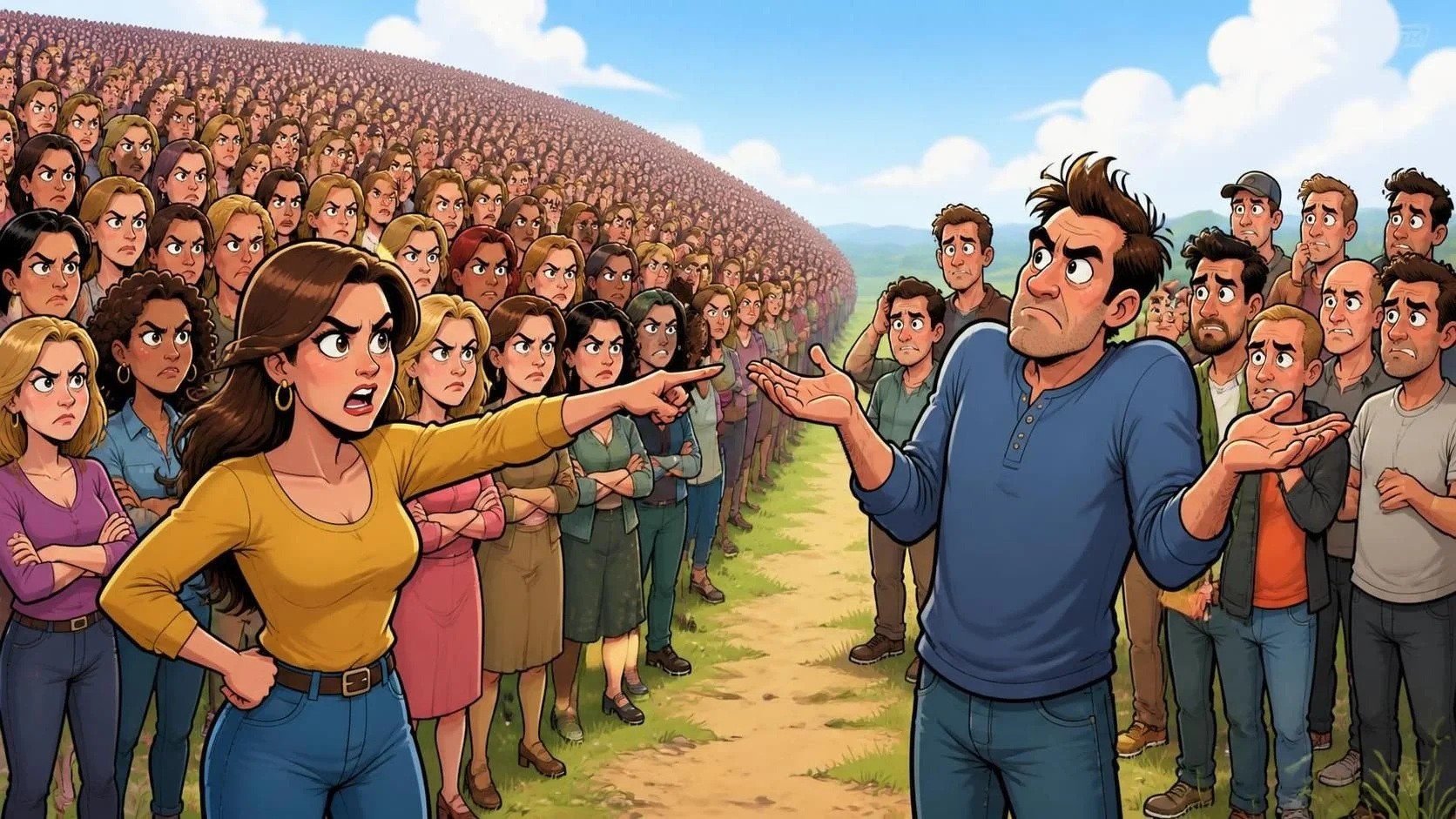
It seems that students – and perhaps staff – are being forced to live through a real-life Asch study, influencing them to outwardly comply with views they don’t believe in, and views they might even strongly object to. The cognitive dissonance created must come at some degree of emotional or psychological cost. One wonders if the bulk of the damage is to the male students. A Swedish survey from last year (reported in this interview) found that 60% of women agreed with woke views, whereas 85% of men rejected woke views. It will be interesting to see how much these findings replicate in UK universities.
In my opinion, the finding that students submitted classwork they didn’t really agree with in order to get a good grade is probably a universal experience to some extent, though the magnitude of the gap between what the students believe and what they feel they have to say is probably larger than usual in more woke-influenced fields. Indeed this gap might be so large and normalised it might teach students to have an unhealthy scepticism about academia. It would also be interesting to know whether students of the social sciences feel greater cognitive dissonance than those in subject areas less influenced by woke ideology.
The fact that universities are left-leaning has been recognised for decades, as too has the tendency for compliance to these views. Rob Henderson says that when he started studying psychology at Yale in 2015, another student quietly told him “Whatever people say in public, you’ll usually find that in private their views shift about three notches to the right.” However it could be that the addition of the woke worldview is stretching compliance to its breaking point. One wonders how many of the professors don’t fully believe everything they teach either, which means the students are putting on an act to please the professors, who are also putting on an act. So who then are the true believers, the source of the influence? Probably even the most leading academics have less influence than the senior leadership (provost etc), board of trustees, and Human Resources / Diversity, Equality & Inclusion (DEI) officers.
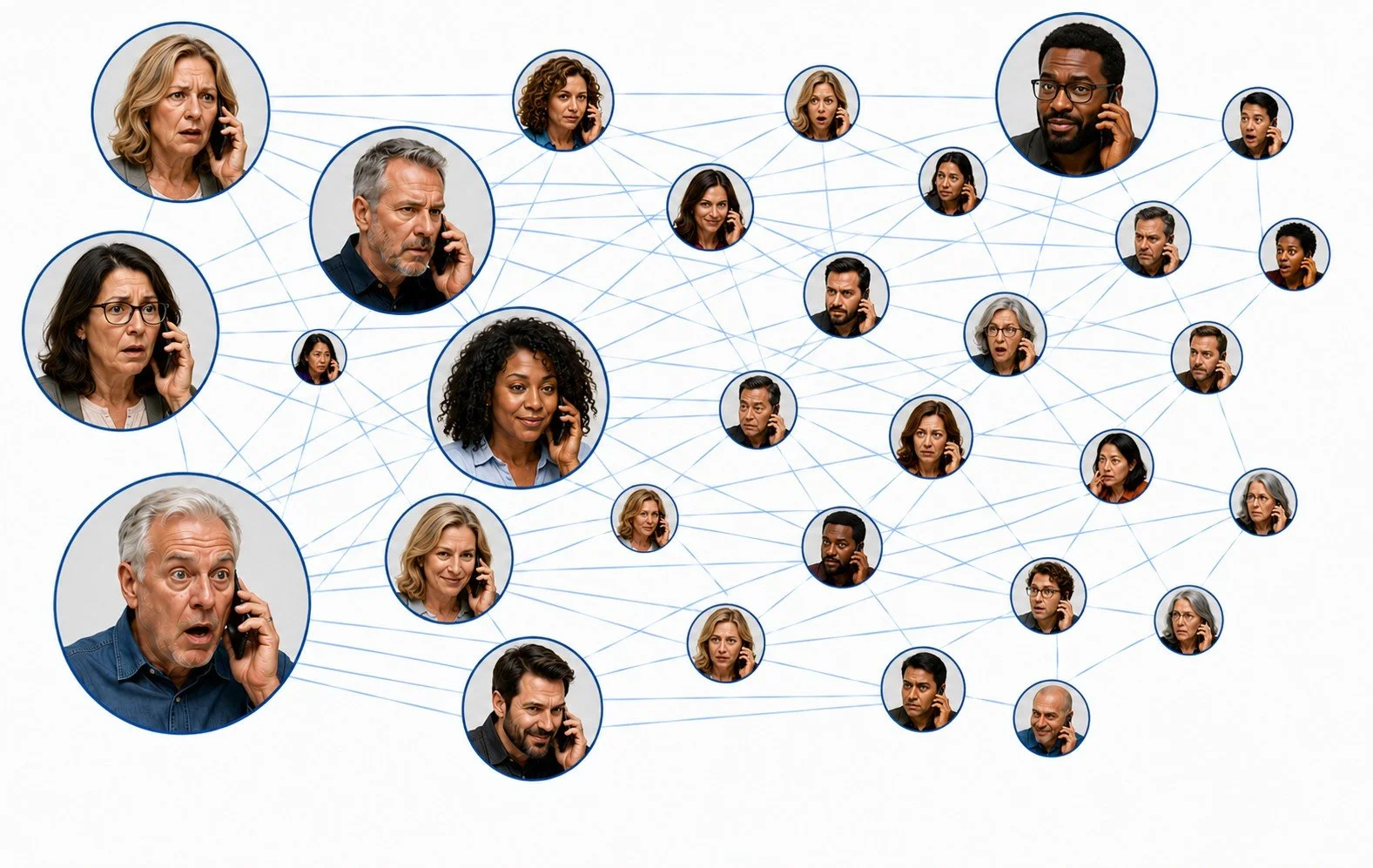
For students starting university in a few weeks time, or those returning to university, it will be interesting to see how much the façade of compliance remains as firmly intact as it has been in recent years. In the Asch series of studies, compliance fell dramatically when people found they were not isolated in their opinion and had even one ally who shared their views. In these days when we are so connected by the internet and smartphones, it’s difficult to see how students will continue to not begin to realise that most people have been complying with a worldview that most people don’t really agree with.
Further reading
Waldman K, & Romm, F (2025). The Neuropsychological Crisis of Forced Ideological Performance in College Men. Male Psychology (available online https://www.centreformalepsychology.com/male-psychology-magazine-listings/the-neuropsychological-crisis-of-forced-ideological-performance-in-college-men ).
Barry, J (2024). Mindfulness, mental health, and attitudes to critical social justice: Interview with psychologist Dr Oskari Lahtinen. Male Psychology (available online https://www.centreformalepsychology.com/male-psychology-magazine-listings/mindfulness-mental-health-and-attitudes-to-critical-social-justice-interview-with-psychologist-dr-oskari-lahtinen ).
Thomas, V (2022). Woke therapy weakens the client. Male Psychology (available online https://www.centreformalepsychology.com/male-psychology-magazine-listings/woke-therapy-weakens-the-client ).
Disclaimer: This article is for information purposes only and is not a substitute for therapy, legal advice, or other professional opinion. Never disregard such advice because of this article or anything else you have read from the Centre for Male Psychology. The views expressed here do not necessarily reflect those of, or are endorsed by, The Centre for Male Psychology, and we cannot be held responsible for these views. Read our full disclaimer here.
Like our articles?
Click here to subscribe to our FREE newsletter and be first
to hear about news, events, and publications.





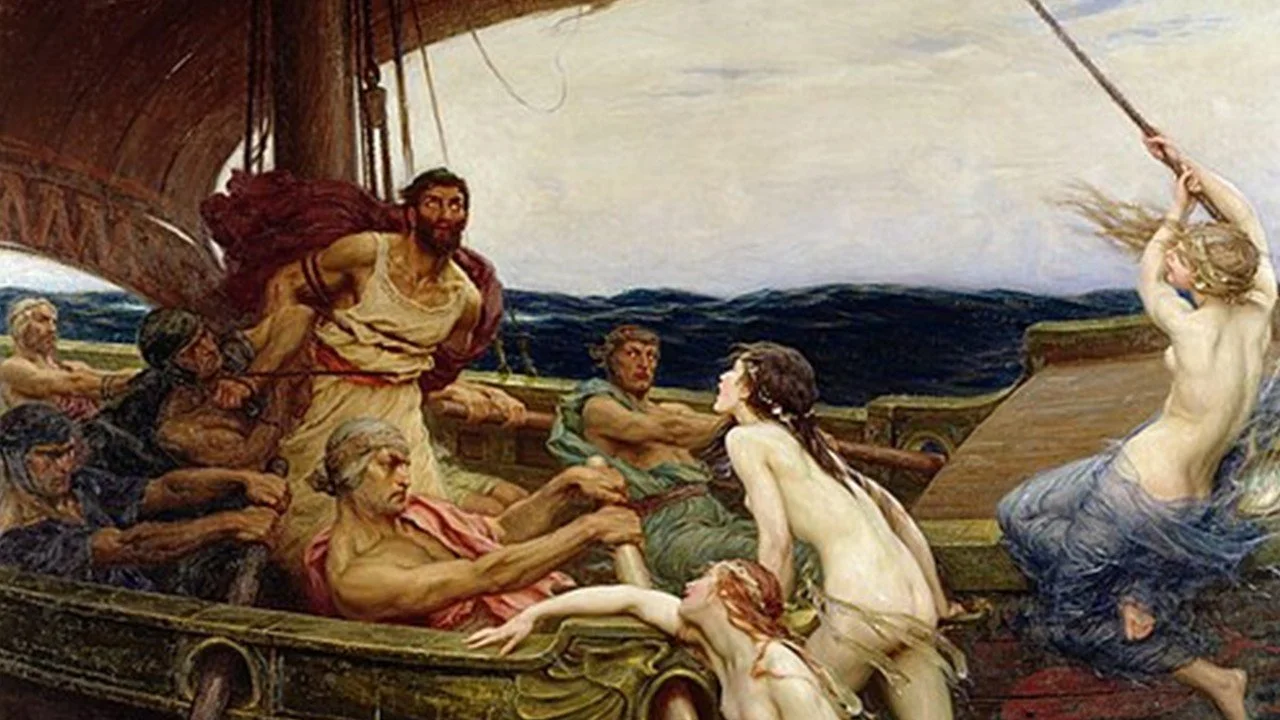

When a male is in a power imbalance, at least two masculine instincts are disempowered…

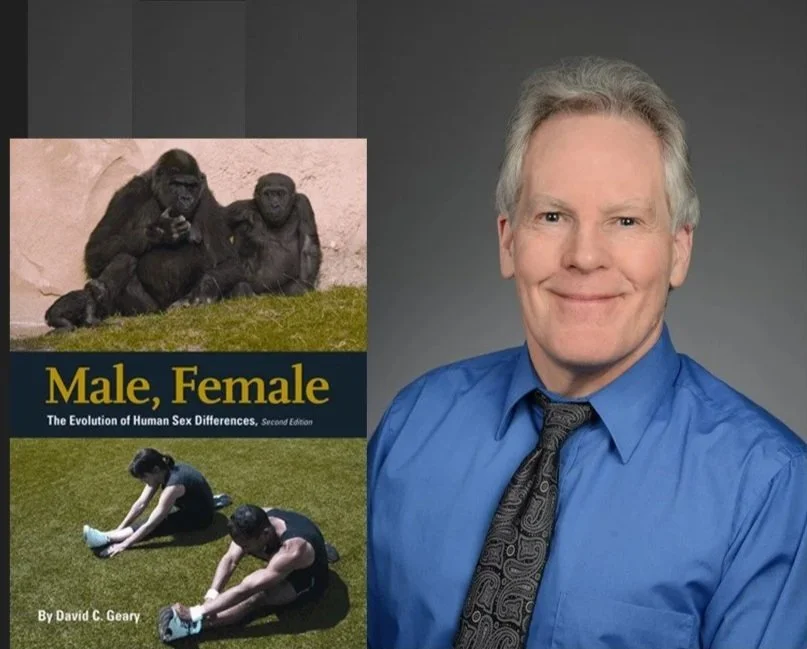
…people – men and women alike – respond less positively to male-favouring sex differences than they do to female-favouring sex differences.
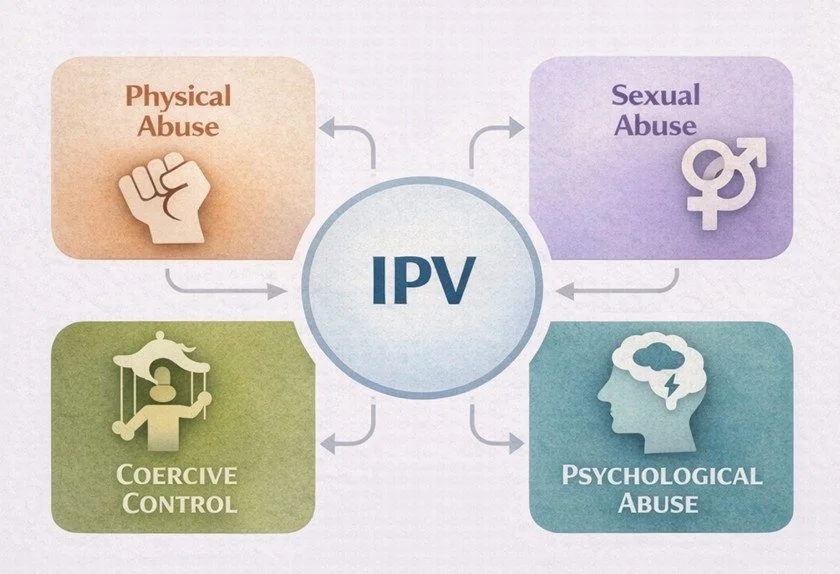
hyper-masculine gender norms are typically embedded within military institutions, and while adherence to these norms can contribute to combat and military success, they conversely make clinical work challenging
Men might benefit greatly from a government strategy aimed at improving their health. Here are suggestions from the Centre for Male Psychology on how that might be done. This article ends with some comments on potential pitfalls in the process of putting this strategy in place.



…people – men and women alike – respond less positively to male-favouring sex differences than they do to female-favouring sex differences.


… many papers do not even bother to identify or justify the nationality of their samples…

hyper-masculine gender norms are typically embedded within military institutions, and while adherence to these norms can contribute to combat and military success, they conversely make clinical work challenging


Have you got something to say?
Check out our submissions page to find out how to write for us.
hyper-masculine gender norms are typically embedded within military institutions, and while adherence to these norms can contribute to combat and military success, they conversely make clinical work challenging

hyper-masculine gender norms are typically embedded within military institutions, and while adherence to these norms can contribute to combat and military success, they conversely make clinical work challenging
hyper-masculine gender norms are typically embedded within military institutions, and while adherence to these norms can contribute to combat and military success, they conversely make clinical work challenging

hyper-masculine gender norms are typically embedded within military institutions, and while adherence to these norms can contribute to combat and military success, they conversely make clinical work challenging

hyper-masculine gender norms are typically embedded within military institutions, and while adherence to these norms can contribute to combat and military success, they conversely make clinical work challenging

Much of our attitudes, theorizing and public debate around men and masculinity is influenced by high profile feminist and Gender Studies scholars in academia. But what is the scientific quality of publications from these scholars?

Some people blame drill music – a form of rap - for the rising murder rate in London. Drill is known for aggressive lyrics about gang violence, but rather than seeing this as a valuable way for young men to express their feelings, some people want to ban it.

To survive… cultures have to use men and women effectively and … in fact, most cultures have used men and women in different ways… what our culture does is [grant] greater status to men and greater protection to women

hyper-masculine gender norms are typically embedded within military institutions, and while adherence to these norms can contribute to combat and military success, they conversely make clinical work challenging
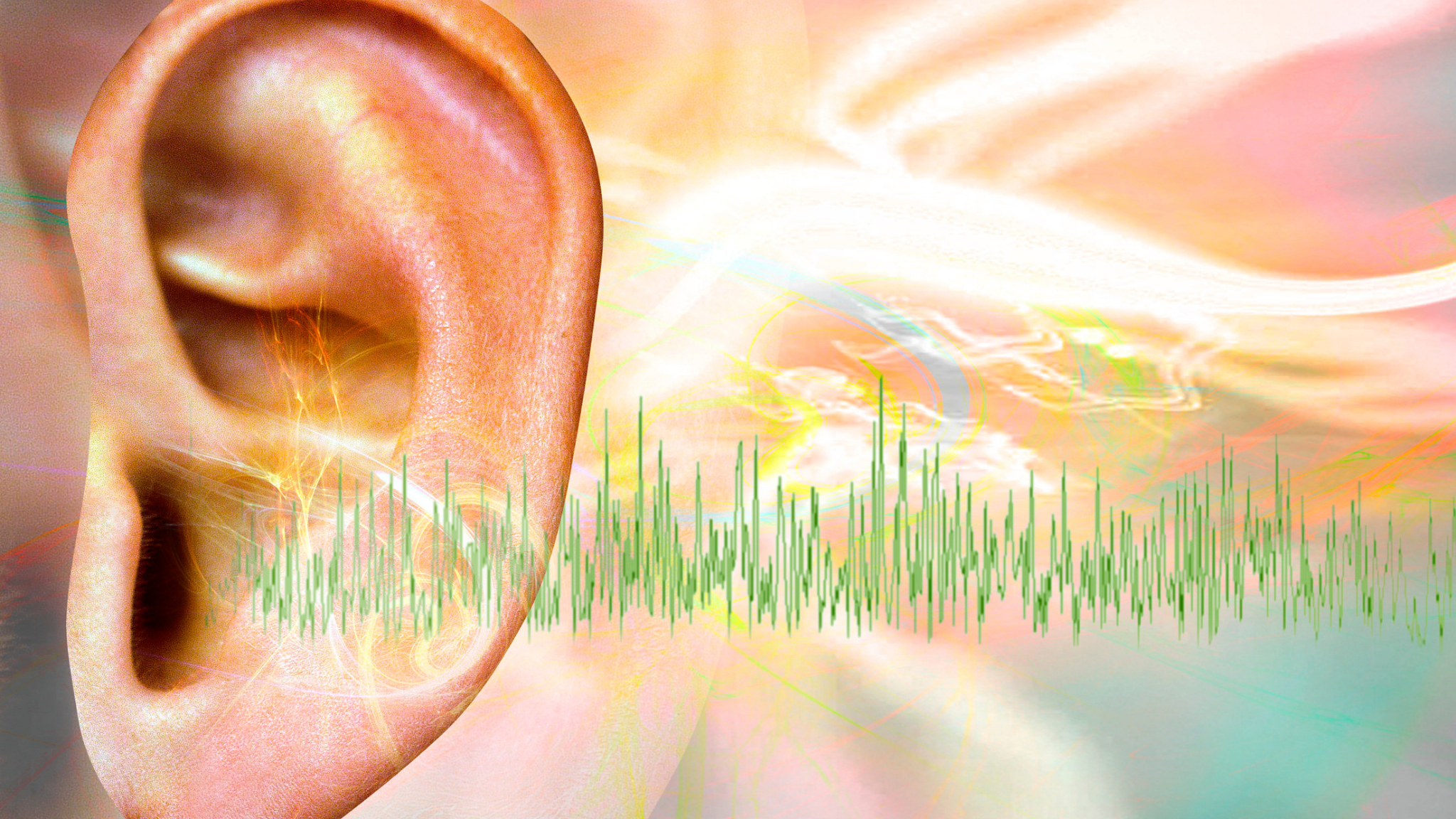
There are around 300,000 veterans living with hearing loss in the UK, according to The Royal British Legion. In addition to being at a greater risk of PTSD, depression, and anxiety, many vets are also battling psychological distress from hearing problems.

The book begins with a description of her therapeutic approach, and an illustration of how to understand and work with the rage often seen in male CSA clients.

I felt in my dealings with some police officers, as though I were treated firstly as a man (assumed to be a perpetrator), but they’d overlooked risks associated with my impairment. Example: How can you dodge a missile you don’t see coming?

The Panorama programme on domestic violence failed to adequately highlight two important issues: male victims and female perpetrators.

your photograph, name and address, might appear in the local and national press and on TV, insinuating what an evil monster you are

…an attack upon masculinity is an attack upon one’s sense of self, of identity. …What, then, is the right psychological defence against such an attack?

The male has been designed to “look”, not only at the female, but to “look out” for prey, for danger, and for ways to protect his family unit.

If his child is allowed to live, this man must be available, for the rest of his life, to love and provide for his child… If, on the other hand, it is decided that his child is to be destroyed, he should be able to go about his life as if nothing has happened

Socialising is a basic human need. The opposite – social isolation – is one of the worst forms of torture. Some people look down on the local pub as a place for undesirable riff raff, but that narrow viewpoint misses entirely the community value of the pub

Male psychology is a recent development in academia. Unlike gender studies, feminism, and men’s studies, male psychology takes the view that we can gain more by recognising and harnessing the positive aspects of masculinity than we can by taking a relentlessly negative approach to men.

.
 John Barry
Dr John Barry is a chartered psychologist, researcher, clinical hypnotherapist and co-founder of the Male Psychology Network, BPS Male Psychology Section, and The Centre for Male Psychology (CMP). Also co-editor of the Palgrave Handbook of Male Psychology & Mental Health, co-author of the textbook Perspectives in Male Psychology: An Introduction (Wiley), and presenter on Centre for Male Psychology training courses.