

What’s happened to the blue collar male, and why does it matter?
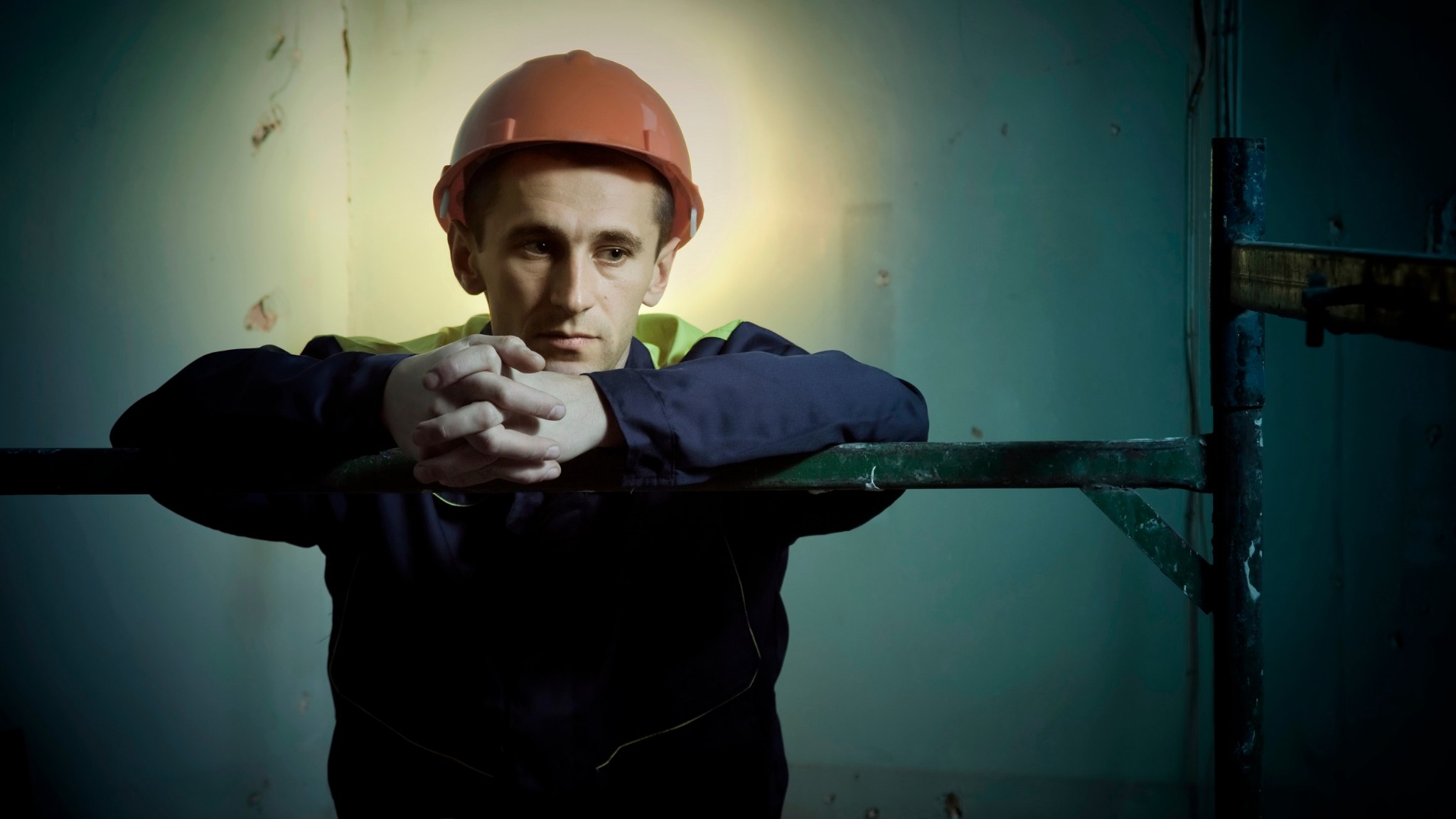
While researching a 2019 book on the shrinking of the American middle class, I discovered the issue of what I called then, in good academic parlance, the “socio-economic decline of males.” Back in 2013 the non-partisan Pew Research Center wrote that there is a “disappearing male worker”. Things have not changed much over the past decade. Just this year, the venerable Washington, D.C. think tank Brookings Institute confirmed the same. Top economists have unpacked the overall trend into the core findings that blue collar males in the U.S. are experiencing higher incarceration rates, dying younger, using drugs more, and marrying less than ever before. Why? Because manufacturing jobs once readily available in developed countries such as the U.S. and Great Britain have eroded.
“there is a profound sadness that has grown alongside this decrease in life prospects among blue collar males.”
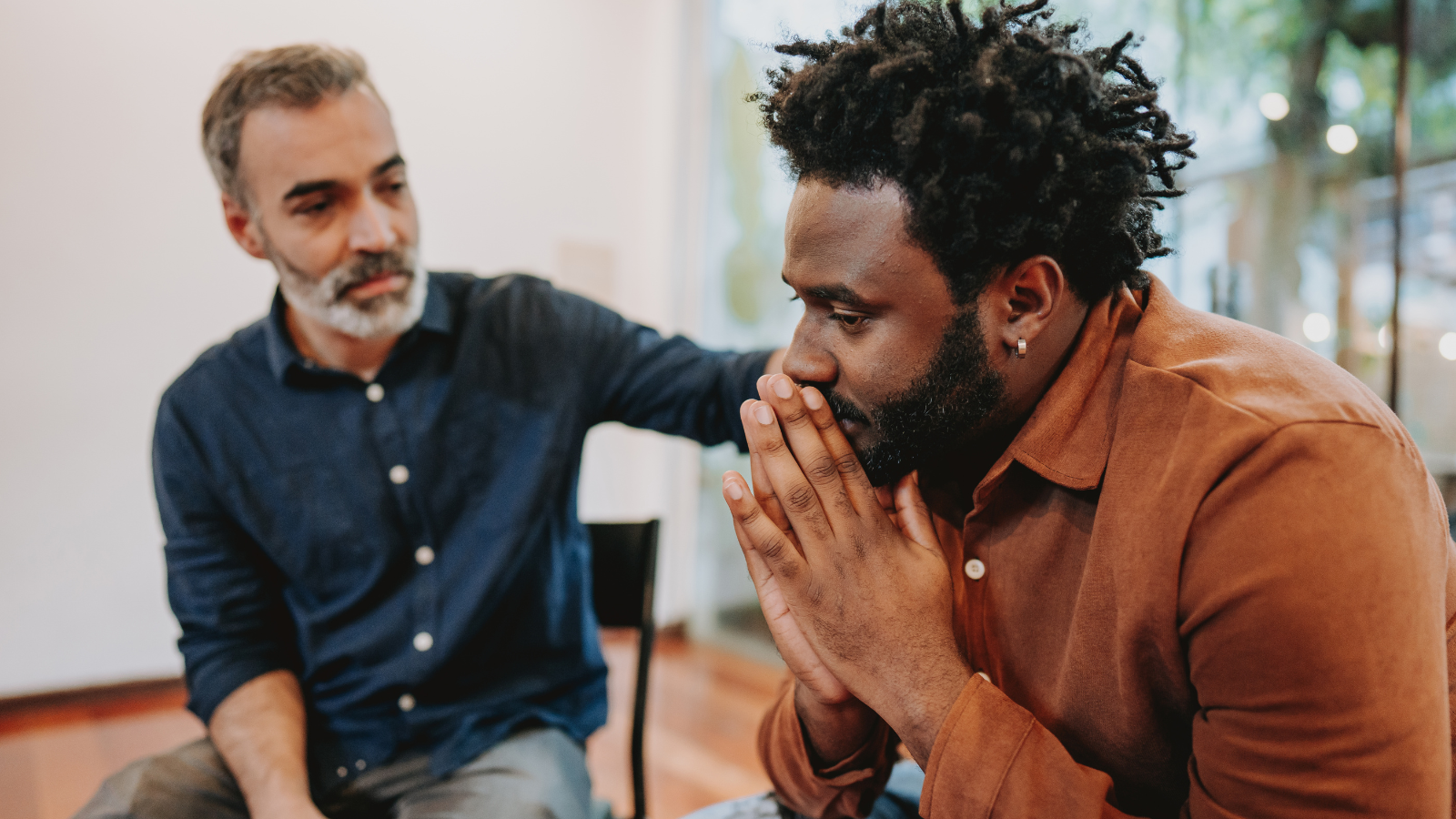
But there is more to the story than a set of statistics demonstrating social and economic decline among men who work as laborers. I learned that there is a profound sadness that has grown alongside this decrease in life prospects among blue collar males. The Pew report from 8 years ago uncovered that not only were men having a hard time finding jobs, they were also having a hard time keeping them.
Males are dropping out of the workforce more, and not keeping up in the educational attainments needed to compete successfully in the employment market. A recent article in the Wall Street Journal backs up this early finding almost ten years later, and now, it’s a crisis. The American Economic Association calls this malaise among working class men “The Blue Collar Blues.”
“when jobs become unstable, social structures become unstable too, and people drop out of families and the labor market. They grow depressed and hopeless”.
I am not a psychologist. My bailiwick is public policy, but it is clear we are not just dealing here with a bump in the Keynesian economic roadmap of postwar Western democracy. Depression has been documented as more widespread in the blue collar universe than in the white collar world. Suicides have also surged. Simply put, when jobs become unstable, social structures become unstable too, and people drop out of families and the labor market. They grow depressed and hopeless. The economic manifestation of this crisis is that we are in for a terrifying multi-generational prospect of downward mobility. It doesn’t take more than a second to understand that the widespread loss of economically reliable two-parent homes, combined with men finding less employment and using more drugs, spells dimmed prospects for children born into this environment. Scholars support the intuitive sense that the initial shock of manufacturing sector job loss a generation ago has morphed into “male idleness, premature mortality, and [a] raise [in] the share of mothers who are unwed and the share of children living in below-poverty, single-headed households.”
There is a vast literature documenting the terrible socio-economic consequences of this loss of the secure middle class family and the decline of regularly employed fathers. Liberal Harvard political scientist Robert Putnam writes that “Increasingly, kids from college-educated homes live in stable, two-parent families, while a growing majority of kids from high-school educated homes live in fragile, one-parent families. These different launching pads powerfully determine their life trajectories.” This chasm in opportunity only adds to the intractability of the income gap and takes a bite out of democracy. University is a necessary first step towards better life prospects, but working class men, and their children, just aren’t getting there.
Pandemics don’t help much either. For all the talk of the restructuring of work, the daily reality of those few who are indeed able to find and sustain reliable blue collar employment is that they are in a more dangerous position than those in white collar jobs. Regardless of the boon in remote employment during the time of COVID, that kind of white collar work is the antithesis of the essence of hands-on manual labor. The Financial Times reports that male manual workers are “twice as likely” to die from COVID-19. In fact, in Britain, they accounted for two-thirds of almost 2,500 coronavirus-related deaths in adults aged 20-64 that had been reported by April 2020 in England and Wales, or 9.9 per 100,000 men, according to the Office for National Statistics.
“There are calls for the newly formed White House Gender Policy Council to be more inclusive and incorporate the kinds of issues discussed here that impact males.”
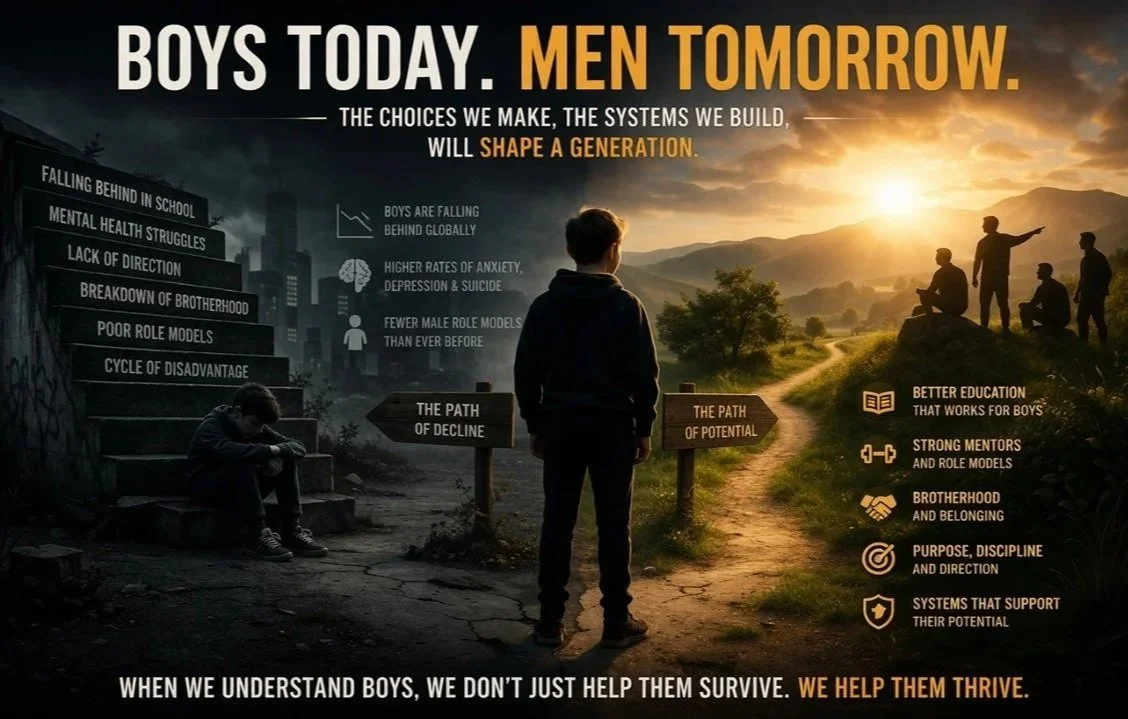
The picture then may be bleak, but that’s when good public policy is most needed. Given we are talking about nothing less than a basic belief that democracy ought to offer the chance at realizing individual potential, something urgent needs to be done. Hopelessness begets a politics of desperation, which can harm both free expression and free markets. We need to address this situation right now. The first step is to recognize that the blue collar male deserves much more attention. In the U.S., there is now the beginning of recognition regarding the gender gap in education, thanks to articles such as those cited earlier from the Wall Street Journal, as well as organizations such as The Boys Initiative. There are calls for the newly formed White House Gender Policy Council to be more inclusive and incorporate the kinds of issues discussed here that impact males. Globally, scholars and policy makers should convene and form a congress to address the social impact of the loss of manufacturing. Given the “blue-collar blues” among working class men, addressing male joblessness and educational attainment have to be important sections in this research and policy think tank. The future of healthy democracies, in which all participants feel they have the potential to realize their aspirations for a better life, rests upon this work.
Scroll down to join the discussion
Disclaimer: This article is for information purposes only and is not a substitute for therapy, legal advice, or other professional opinion. Never disregard such advice because of this article or anything else you have read from the Centre for Male Psychology. The views expressed here do not necessarily reflect those of, or are endorsed by, The Centre for Male Psychology, and we cannot be held responsible for these views. Read our full disclaimer here.
Like our articles?
Click here to subscribe to our FREE newsletter and be first
to hear about news, events, and publications.





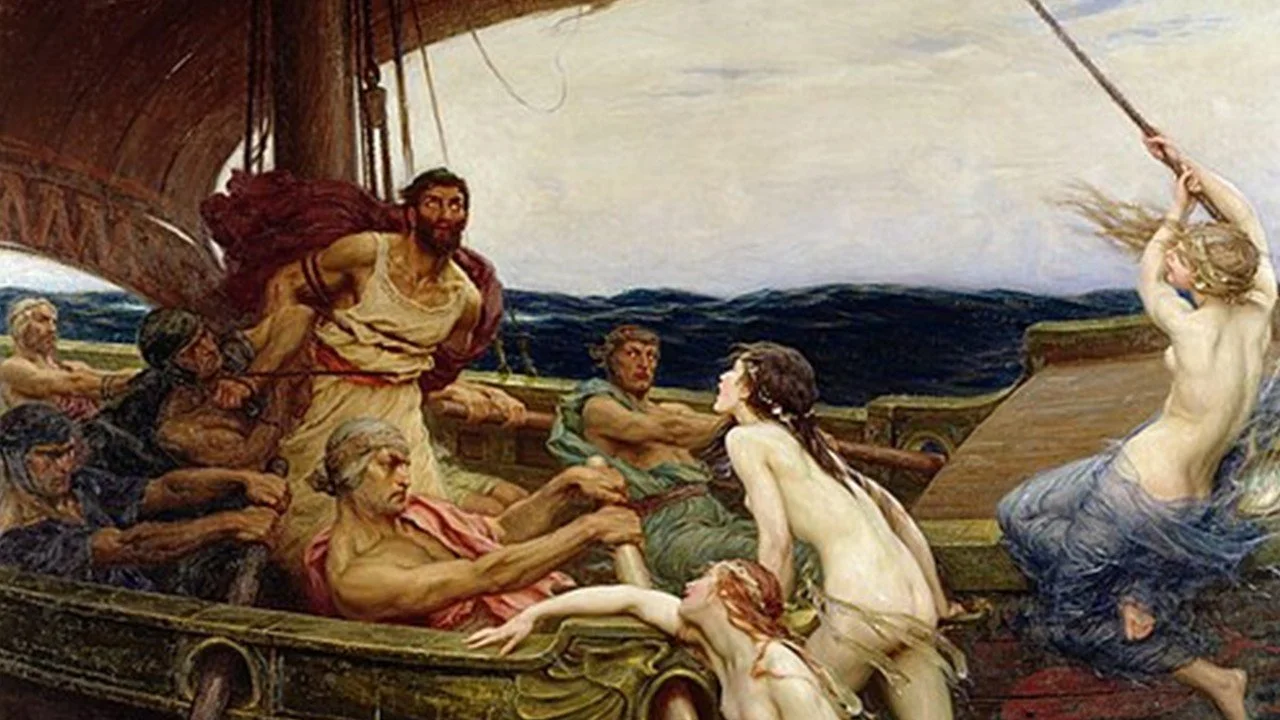

When a male is in a power imbalance, at least two masculine instincts are disempowered…

…people – men and women alike – respond less positively to male-favouring sex differences than they do to female-favouring sex differences.
hyper-masculine gender norms are typically embedded within military institutions, and while adherence to these norms can contribute to combat and military success, they conversely make clinical work challenging
Men might benefit greatly from a government strategy aimed at improving their health. Here are suggestions from the Centre for Male Psychology on how that might be done. This article ends with some comments on potential pitfalls in the process of putting this strategy in place.



…people – men and women alike – respond less positively to male-favouring sex differences than they do to female-favouring sex differences.


… many papers do not even bother to identify or justify the nationality of their samples…

hyper-masculine gender norms are typically embedded within military institutions, and while adherence to these norms can contribute to combat and military success, they conversely make clinical work challenging


Have you got something to say?
Check out our submissions page to find out how to write for us.
hyper-masculine gender norms are typically embedded within military institutions, and while adherence to these norms can contribute to combat and military success, they conversely make clinical work challenging
hyper-masculine gender norms are typically embedded within military institutions, and while adherence to these norms can contribute to combat and military success, they conversely make clinical work challenging
hyper-masculine gender norms are typically embedded within military institutions, and while adherence to these norms can contribute to combat and military success, they conversely make clinical work challenging

hyper-masculine gender norms are typically embedded within military institutions, and while adherence to these norms can contribute to combat and military success, they conversely make clinical work challenging

hyper-masculine gender norms are typically embedded within military institutions, and while adherence to these norms can contribute to combat and military success, they conversely make clinical work challenging

Much of our attitudes, theorizing and public debate around men and masculinity is influenced by high profile feminist and Gender Studies scholars in academia. But what is the scientific quality of publications from these scholars?

Some people blame drill music – a form of rap - for the rising murder rate in London. Drill is known for aggressive lyrics about gang violence, but rather than seeing this as a valuable way for young men to express their feelings, some people want to ban it.

To survive… cultures have to use men and women effectively and … in fact, most cultures have used men and women in different ways… what our culture does is [grant] greater status to men and greater protection to women

hyper-masculine gender norms are typically embedded within military institutions, and while adherence to these norms can contribute to combat and military success, they conversely make clinical work challenging

There are around 300,000 veterans living with hearing loss in the UK, according to The Royal British Legion. In addition to being at a greater risk of PTSD, depression, and anxiety, many vets are also battling psychological distress from hearing problems.

The book begins with a description of her therapeutic approach, and an illustration of how to understand and work with the rage often seen in male CSA clients.

I felt in my dealings with some police officers, as though I were treated firstly as a man (assumed to be a perpetrator), but they’d overlooked risks associated with my impairment. Example: How can you dodge a missile you don’t see coming?

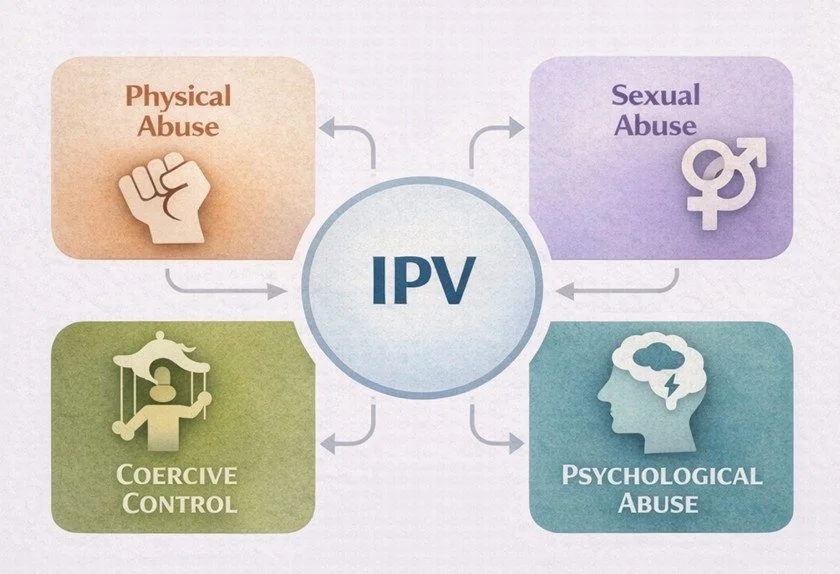
The Panorama programme on domestic violence failed to adequately highlight two important issues: male victims and female perpetrators.

your photograph, name and address, might appear in the local and national press and on TV, insinuating what an evil monster you are

…an attack upon masculinity is an attack upon one’s sense of self, of identity. …What, then, is the right psychological defence against such an attack?

The male has been designed to “look”, not only at the female, but to “look out” for prey, for danger, and for ways to protect his family unit.

If his child is allowed to live, this man must be available, for the rest of his life, to love and provide for his child… If, on the other hand, it is decided that his child is to be destroyed, he should be able to go about his life as if nothing has happened
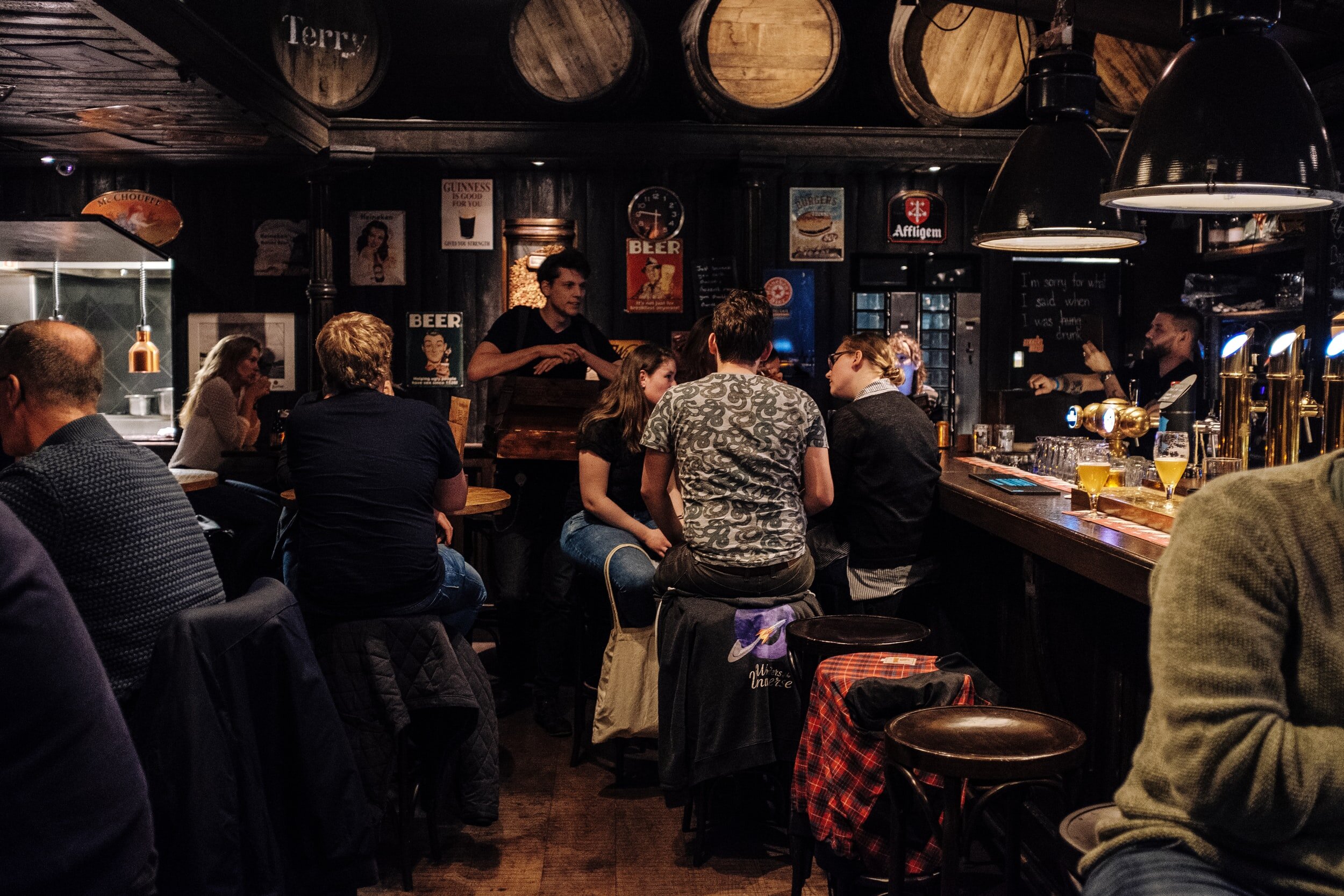
Socialising is a basic human need. The opposite – social isolation – is one of the worst forms of torture. Some people look down on the local pub as a place for undesirable riff raff, but that narrow viewpoint misses entirely the community value of the pub

Male psychology is a recent development in academia. Unlike gender studies, feminism, and men’s studies, male psychology takes the view that we can gain more by recognising and harnessing the positive aspects of masculinity than we can by taking a relentlessly negative approach to men.

.
 Abe Unger
Abe Unger, Ph.D, is author of The Death and Life of the American Middle Class and Business Improvement Districts in the United States. He served as Director of Urban Programs at Wagner College, Staten Island, USA, and is Executive Director of the Gender Equity Network, U.S. Email: abe.unger@genderequitynetwork.org