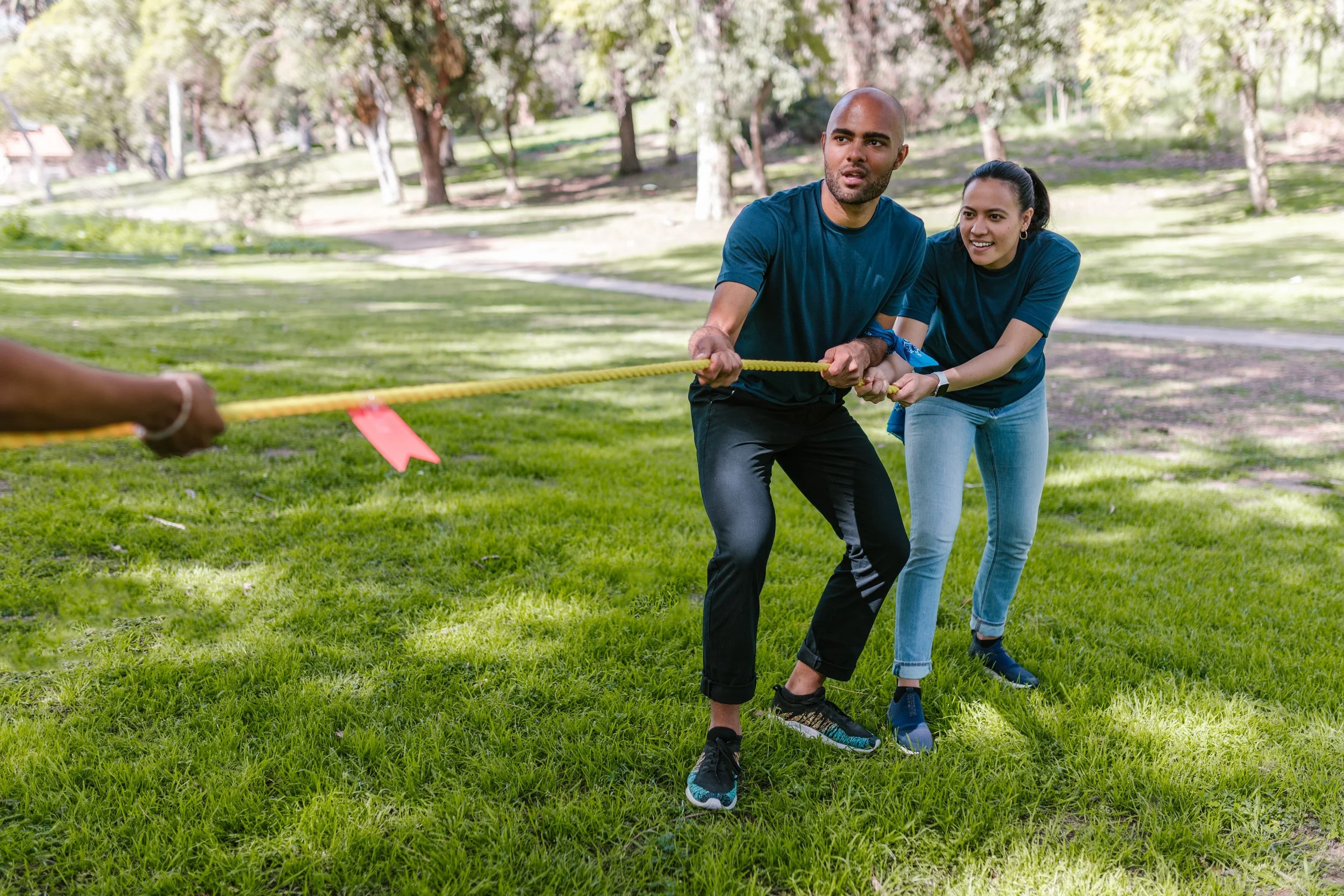
Image: Pulling together. Photo by RDNE Stock project via Pexels
.
My hope is that each of us will continue to strive for, as Rabi Nahum Ward-Lev says, ‘a moral imagination to articulate an alternative future’.
Below is an extended ‘post’ as to why I believe ‘a change in conversation’ is essential. This really matters if we are serious in building healthy, compassionate and respectful homes and communities – the creation of a society that is flourishing and equitable for all – women and men, boys and girls. A world where grace is shown and received, and where there is fair treatment for all.
Feel free to read in your own time…. if you so wish 😊
~~~~~~~~~~~~~~~~~~~~~~~~~~~
I believe IMD is one opportunity to intentionally ‘hold in mind’ the millions and millions and millions of men globally, who don’t make the headlines. Whose stories and narratives go unnoticed. IMD is an opportunity to notice them, promote them and to celebrate masculinity.
Men who within their families, communities, teams and workplaces, are full-time carers, nurturers, builders, creators, leaders, achievers, protectors and adventurers. Men who are lovers, husbands, partners, fathers, sons, brothers, uncles, grandfathers, loyal friends and colleagues.
Men and boys who have sacrificed much and who succeed against the odds. Not forgetting those who have tragically not flourished or survived purely based on the fact they are male i.e. executions, forced conscription into armies and warfare, and various forms of slavery.
My childhood and teenage years were spent between the UK and the majority world. Due to my parents work and the contexts in which we lived, I witnessed first-hand, and heard stories of, the best and the worst of humanity – from both men and women. Across more than three decades, this exposure to humanity has continued in my career in the worlds of psychology, education, children’s services and research.
“any conversation about disadvantage, or harm across gender should not be ‘an either or’. It is not ‘a competition’ or having a ‘winning’ mindset. It is very much a ‘both and’, as we all matter”.
I am acutely aware of the violence, discrimination and vulnerability that exists for some girls and women. It is paramount that any harmful behaviour and oppression is not legitimised, not excused or ignored. It is vital that any resulting distress and trauma from this harm is responded to with compassion, support and justice.
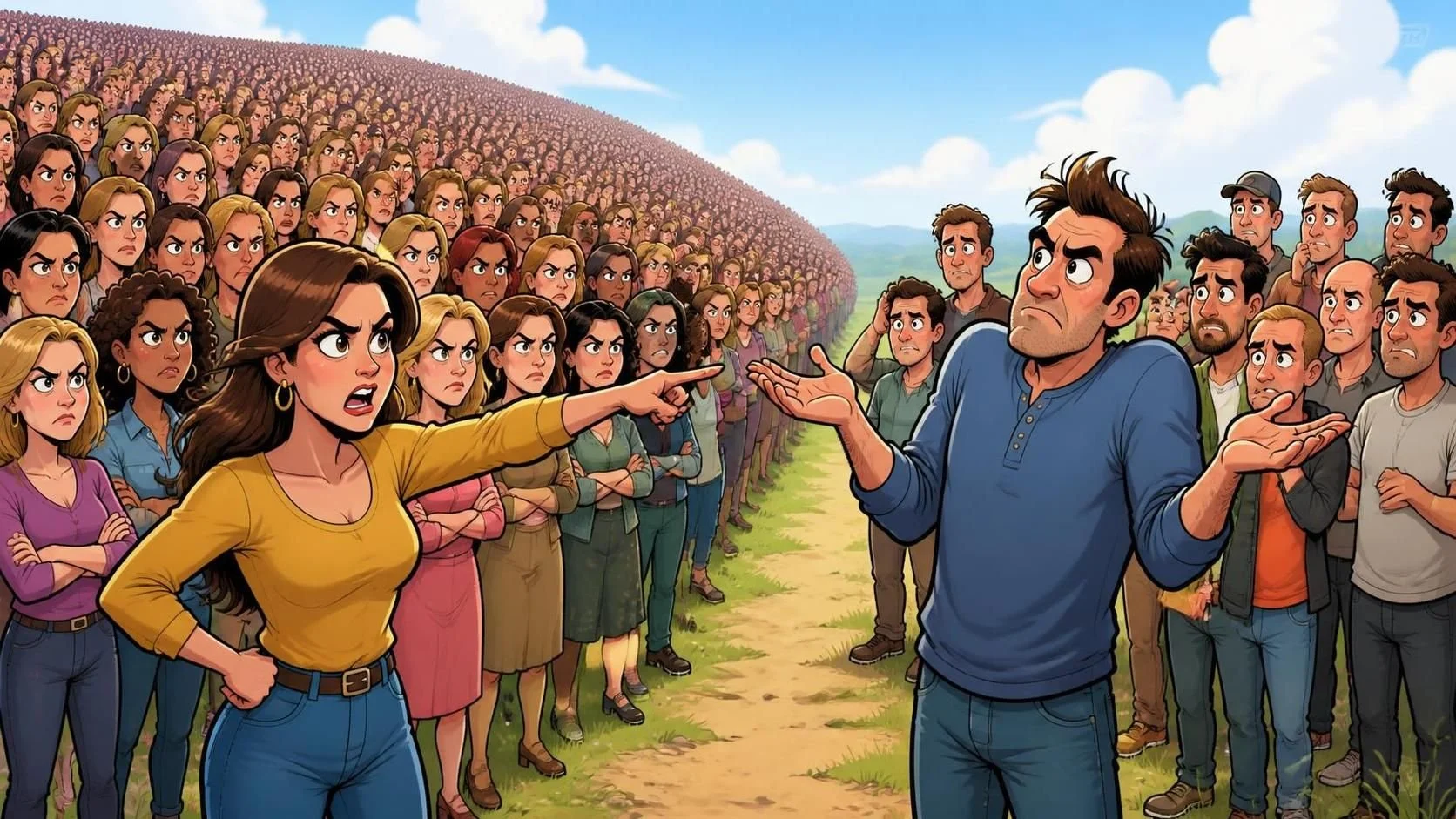
I am also keen to highlight that any conversation about disadvantage, or harm across gender should not be ‘an either or’. It is not ‘a competition’ or having a ‘winning’ mindset. It is very much a ‘both and’, as we all matter. One conversation or perspective is not a call to close down another. Spotlighting one issue or group of people, is not an ignoring or minimising the trauma and harm and distress that happens to others. I really believe that men can be women’s best allies and women can be men’s best allies. This is certainly my experience being privileged to have met some of the most amazing women and men in my working and personal life.
Within all of this, I am also aware that the male victim can often be ‘hidden’; global research is very clear that those who cause harm can be men and boys and can also be women and girls. There are millions and millions of male victims across the globe - victims of domestic abuse, coercive behaviour, sexual assault, violence - and men and boys who are marginalised and discriminated against within certain societal structures and within some government policies.
Language updates rapidly through use and misuse - including language that denigrates, reduces, excludes, shames and is reductionist. Words and terminology can shape identity and shape what we assume or expect of boys and men, as much as it can of women and girls. The terms we use about men and boys need to be used with responsibility, care and not as a weapon.
I urge us not to fall into the trap of the ‘empathy gap’ and ‘gender blindness’ towards men; this can exist in some corners of public media, and mainstream and popular culture. These ‘gaps and blindness’ can be particularly evident when it comes to the disadvantage and discrimination that some men can experience.
It also really matters to me that we are not seduced by rhetoric and ideologies that suggest a ‘deficit masculinity’ that needs fixing or correcting or a masculinity that is ‘a latent threat’ and is to be feared. We can all be susceptible in making something ‘fit’ what we already think, automatically rejecting another perspective because it doesn’t fit the current or dominant narrative. All of this can deepen social divides.
I am aware that certain internet platforms, and social media headlines can amplify, distort, magnify and minimise information and ideas. This can often lead to the ‘flattening’ of complex issues into simplistic sound bites that lack any nuance and are more binary in nature. It can also lead into the voicing of generalisations about men and boys without restrain or challenge. Men and boys are individuals. They are not a homogenous group.
All of the above matters because of the impact on men’s lived experiences now, and the development of boys’ identity as they grow into men.
For many aspects of life, may we all lead with interest rather than ideology and unrevised assumptions. Let us understand a man or boys world before making it fit certain theories. Listen to their lived, biological and social realities, and to the strengths, celebrations, challenges, privileges and ideas they bring to us.
I will end with a quote from one of my psychology colleagues, Sundesh Hemraj:
“Let us be curious about the boys and men who inhabit our lives so that our relationships are with who they are, and who they might become, rather than with the narrower versions of them we may have already constructed. “
Thanks for taking the time to read and may your day be filled with kindness.
Scroll down to the comments section to join the discussion
Disclaimer: This article is for information purposes only and is not a substitute for therapy, legal advice, or other professional opinion. Never disregard such advice because of this article or anything else you have read from the Centre for Male Psychology. The views expressed here do not necessarily reflect those of, or are endorsed by, The Centre for Male Psychology, and we cannot be held responsible for these views. Read our full disclaimer here.
Like our articles?
Click here to subscribe to our FREE newsletter and be first
to hear about news, events, and publications.


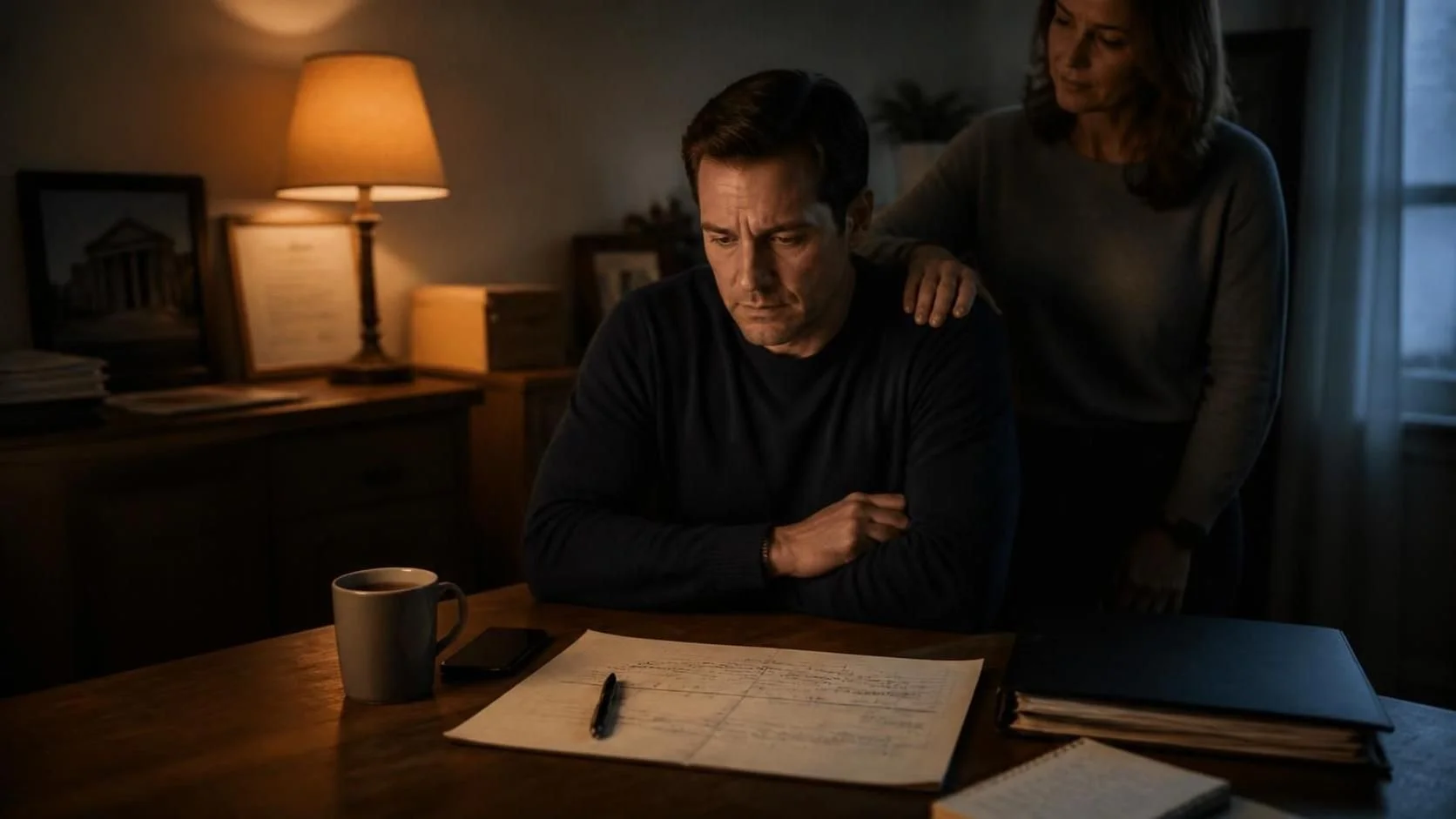
When a male is in a power imbalance, at least two masculine instincts are disempowered…

London Transport trains are used by people of all kinds from all over the world, including ordinary people from cultures where staring is not seen as threatening e.g. Spain

people are more aware of the fact men can be victims of this type of violence, but this often isn’t translated into policy, practice or indeed provision of resources



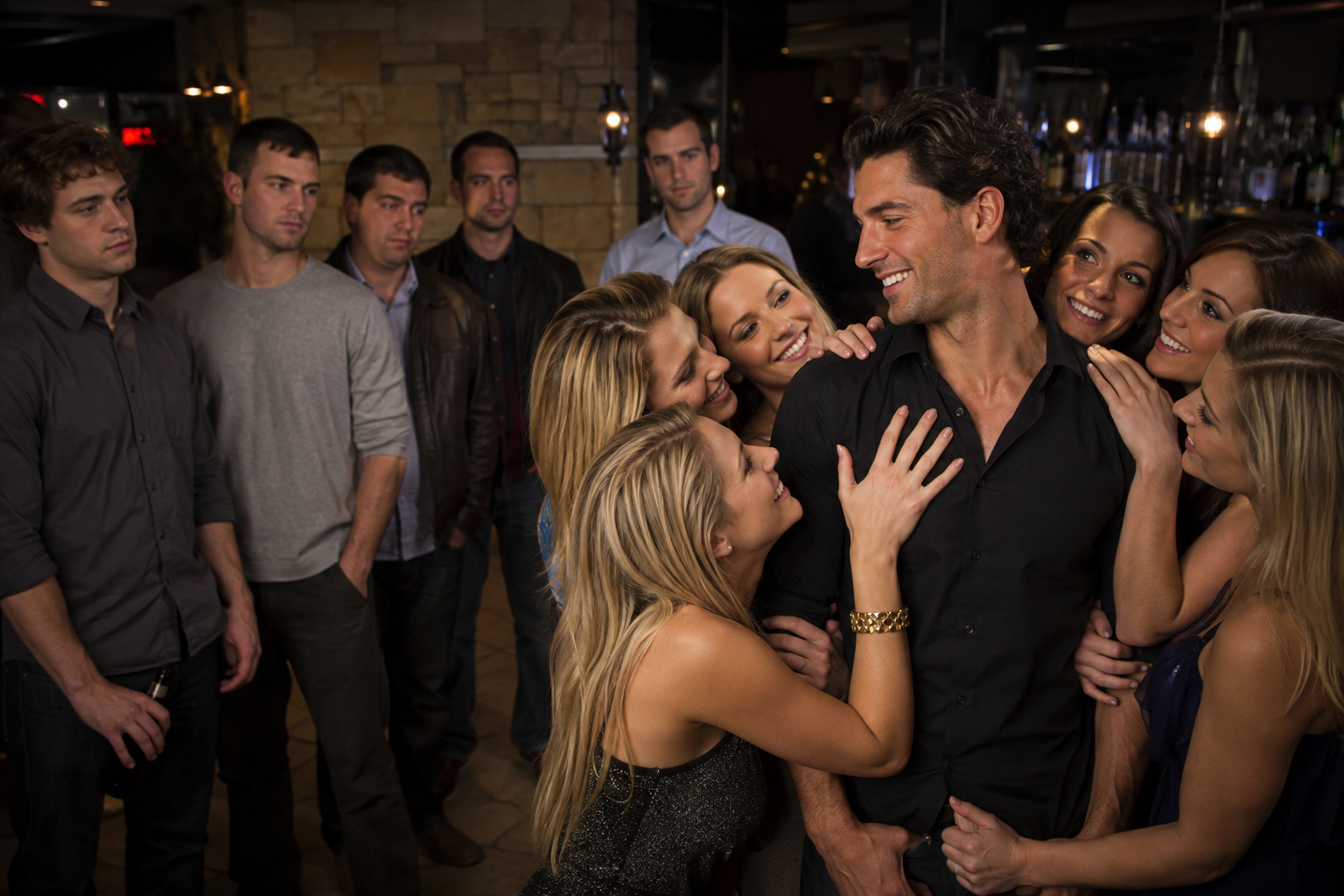
When a male is in a power imbalance, at least two masculine instincts are disempowered…

…people – men and women alike – respond less positively to male-favouring sex differences than they do to female-favouring sex differences.
hyper-masculine gender norms are typically embedded within military institutions, and while adherence to these norms can contribute to combat and military success, they conversely make clinical work challenging
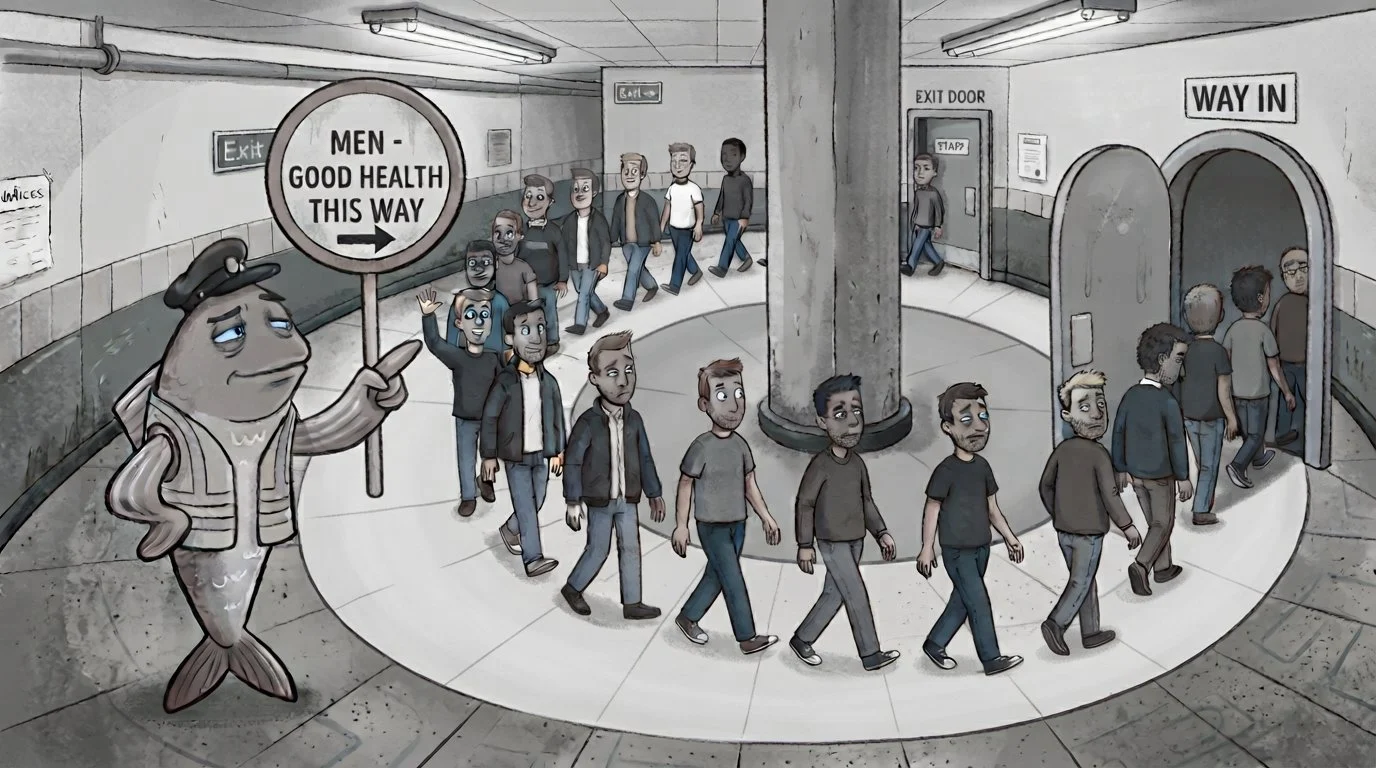
Men might benefit greatly from a government strategy aimed at improving their health. Here are suggestions from the Centre for Male Psychology on how that might be done. This article ends with some comments on potential pitfalls in the process of putting this strategy in place.



Have you got something to say?
Check out our submissions page to find out how to write for us.
hyper-masculine gender norms are typically embedded within military institutions, and while adherence to these norms can contribute to combat and military success, they conversely make clinical work challenging
hyper-masculine gender norms are typically embedded within military institutions, and while adherence to these norms can contribute to combat and military success, they conversely make clinical work challenging
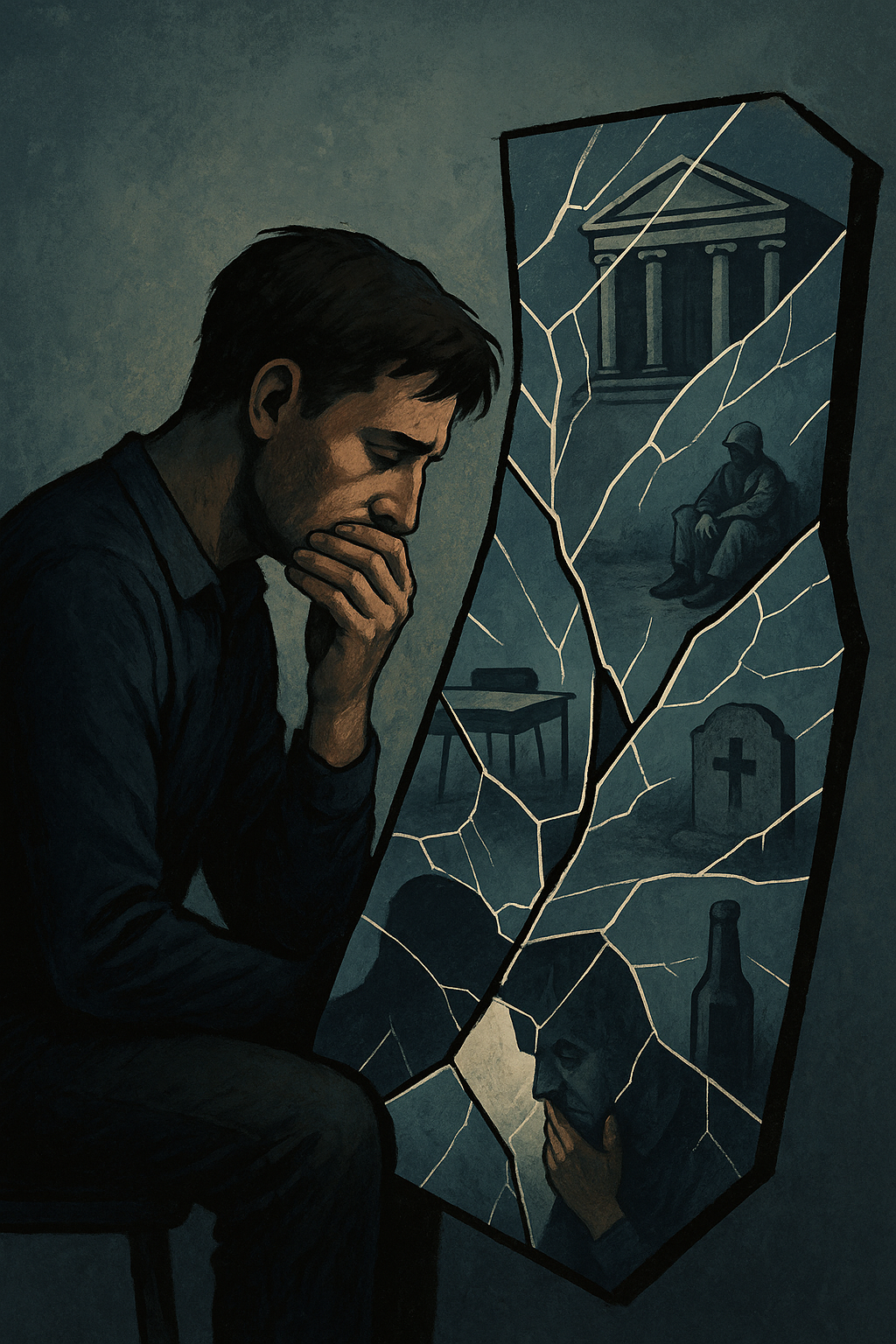
hyper-masculine gender norms are typically embedded within military institutions, and while adherence to these norms can contribute to combat and military success, they conversely make clinical work challenging

hyper-masculine gender norms are typically embedded within military institutions, and while adherence to these norms can contribute to combat and military success, they conversely make clinical work challenging

hyper-masculine gender norms are typically embedded within military institutions, and while adherence to these norms can contribute to combat and military success, they conversely make clinical work challenging

Much of our attitudes, theorizing and public debate around men and masculinity is influenced by high profile feminist and Gender Studies scholars in academia. But what is the scientific quality of publications from these scholars?

Some people blame drill music – a form of rap - for the rising murder rate in London. Drill is known for aggressive lyrics about gang violence, but rather than seeing this as a valuable way for young men to express their feelings, some people want to ban it.

To survive… cultures have to use men and women effectively and … in fact, most cultures have used men and women in different ways… what our culture does is [grant] greater status to men and greater protection to women

hyper-masculine gender norms are typically embedded within military institutions, and while adherence to these norms can contribute to combat and military success, they conversely make clinical work challenging
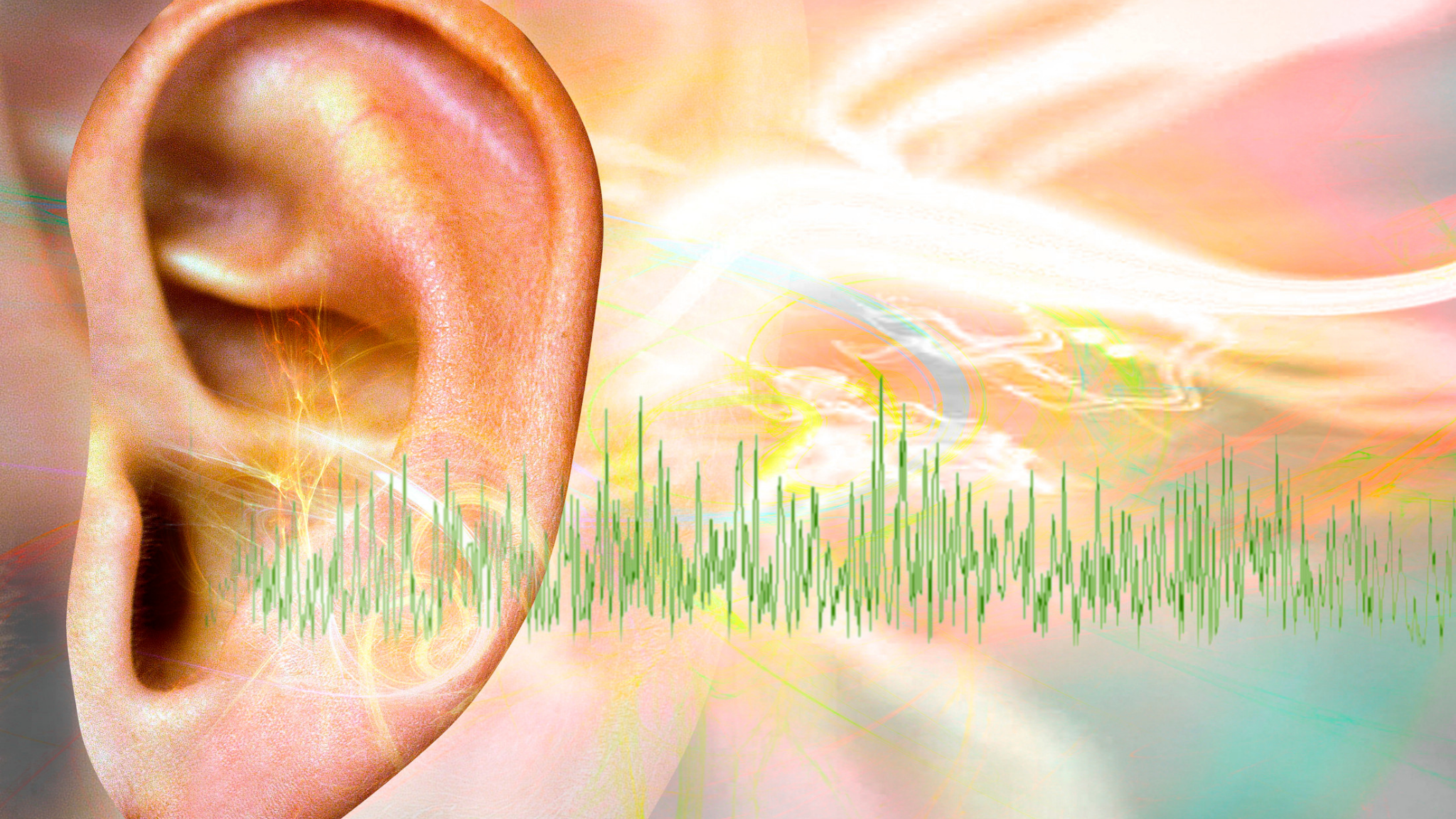
There are around 300,000 veterans living with hearing loss in the UK, according to The Royal British Legion. In addition to being at a greater risk of PTSD, depression, and anxiety, many vets are also battling psychological distress from hearing problems.
The book begins with a description of her therapeutic approach, and an illustration of how to understand and work with the rage often seen in male CSA clients.

I felt in my dealings with some police officers, as though I were treated firstly as a man (assumed to be a perpetrator), but they’d overlooked risks associated with my impairment. Example: How can you dodge a missile you don’t see coming?

The Panorama programme on domestic violence failed to adequately highlight two important issues: male victims and female perpetrators.

your photograph, name and address, might appear in the local and national press and on TV, insinuating what an evil monster you are

…an attack upon masculinity is an attack upon one’s sense of self, of identity. …What, then, is the right psychological defence against such an attack?

The male has been designed to “look”, not only at the female, but to “look out” for prey, for danger, and for ways to protect his family unit.

If his child is allowed to live, this man must be available, for the rest of his life, to love and provide for his child… If, on the other hand, it is decided that his child is to be destroyed, he should be able to go about his life as if nothing has happened
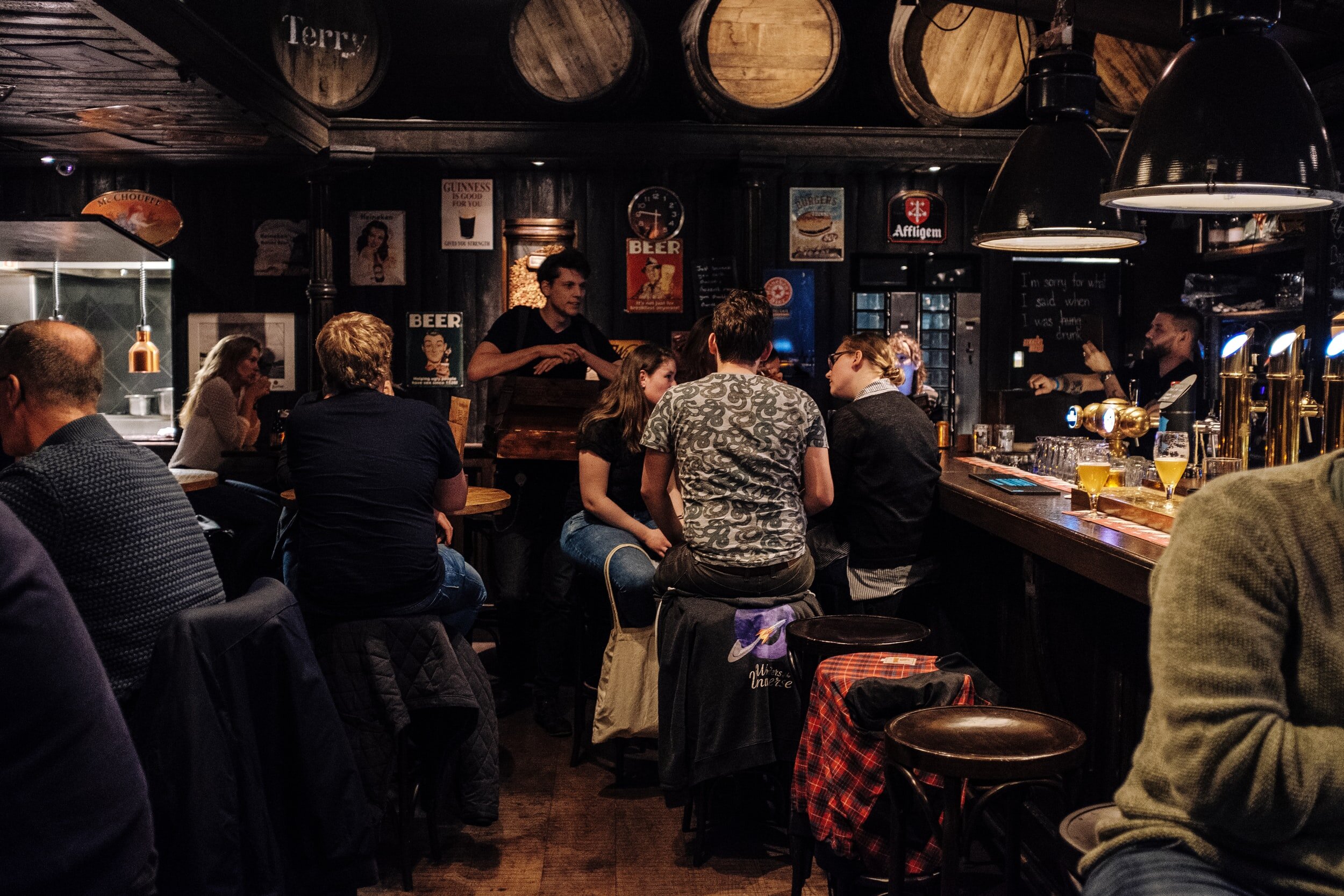
Socialising is a basic human need. The opposite – social isolation – is one of the worst forms of torture. Some people look down on the local pub as a place for undesirable riff raff, but that narrow viewpoint misses entirely the community value of the pub

Male psychology is a recent development in academia. Unlike gender studies, feminism, and men’s studies, male psychology takes the view that we can gain more by recognising and harnessing the positive aspects of masculinity than we can by taking a relentlessly negative approach to men.

.
