O Dia do Homem no Brasil: 15 de julho ou 19 de novembro?
This article is also available in English here.
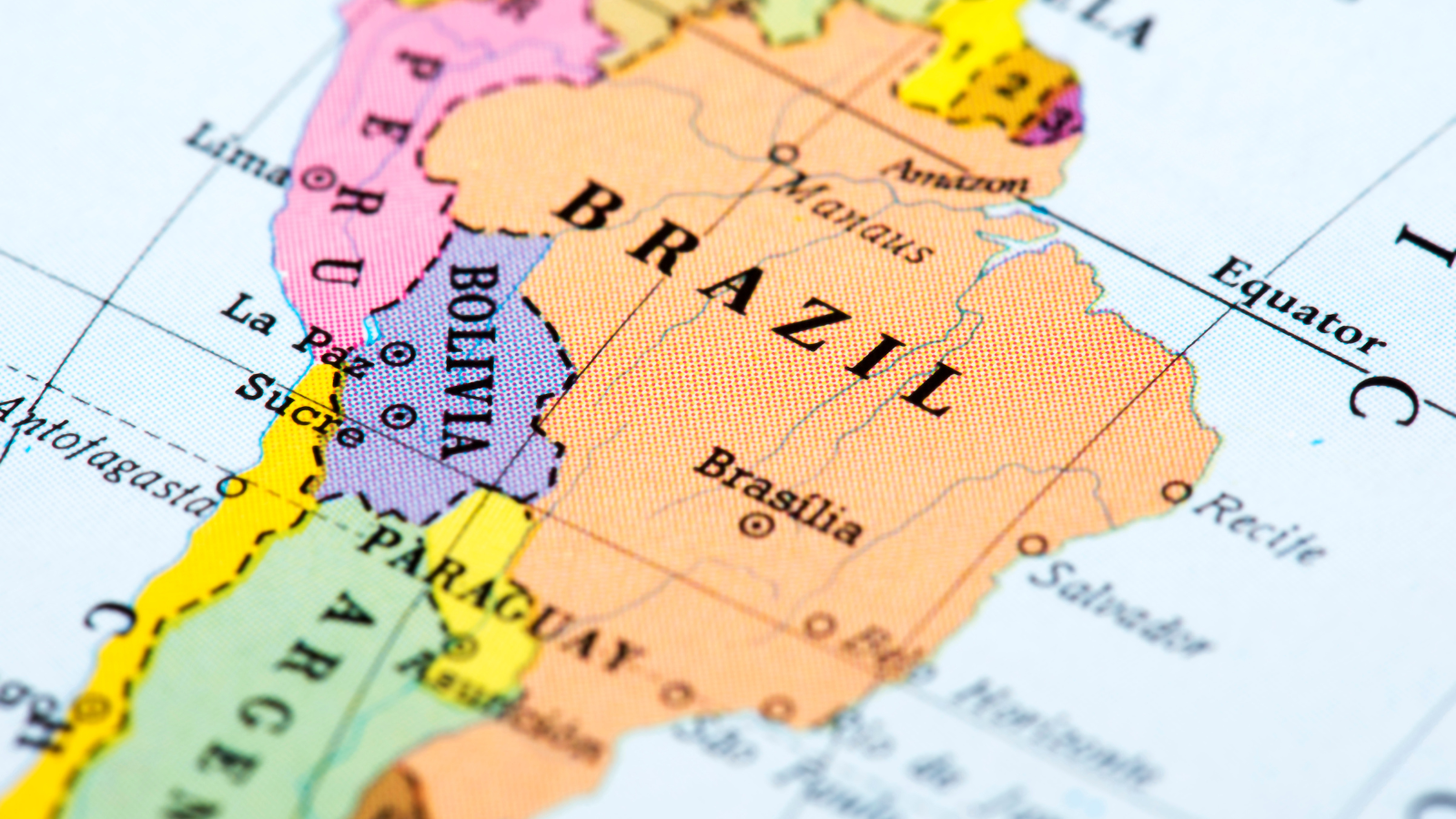
Vez ou outra vi a mim ou pessoas próximas perguntando “Se 8 de março é o dia da mulher, quando é o Dia do Homem?” A resposta jocosa era sempre “no dia de São Nunca”. Essa é uma reação curiosa se considerarmos que o Brasil possui oficialmente um Dia do Homem desde 1992, segundo a Agência Nacional de Saúde Suplementar (ANS). O Dia do Homem é 15 de julho.
Encontrar informações sobre esse dia, no entanto, é surpreendentemente difícil. Ao procurarmos, não é incomum encontrar reportagens que, visando chamar a atenção do leitor, fazem piadas como “O Dia do Homem existe”, encontradas nos sites do Colégio Sapiens e do portal UOL.
O que sabemos sobre a origem do Dia do Homem no Brasil resume-se a que sua criação se deve à Ordem Nacional dos Escritores, em 1992, como uma brincadeira. Encontramos um pouco mais de detalhes numa reportagem do jornal A Folha de São Paulo, publicada em 1999. O grupo de criadores continuou se reunindo anualmente na Pensão Jundiaí com o objetivo de “irradiar calor humano”, homenageando, a cada edição, três homens brasileiros e um estrangeiro, dentre os quais estão Nelson Mandela, Paulo Vanzolini e Pasquale Cipro Neto. Apesar do Dia do Homem ser 15 de julho, a “noite de gala” ocorreria em 20 de julho, por ser o dia em que um homem pisou na Lua pela primeira vez.
“Se perguntar quando é o Dia do Homem a um brasileiro comum, a resposta ainda será “no dia de São Nunca”.”
Essa história, cuja veracidade ninguém parece ser capaz de atestar, é tudo o que sabemos sobre o Dia do Homem no Brasil. Não há comerciais incentivando a compra de presentes para homens, nem programas de TV ou discursos políticos homenageando os homens. Se perguntar quando é o Dia do Homem a um brasileiro comum, a resposta ainda será “no dia de São Nunca”.
Entretanto, para ser justo, devo dizer que algo tem mudado na última década. A campanha Novembro Azul, que objetiva conscientizar a população sobre a importância do exame de toque retal na prevenção do câncer de próstata, tem recebido muita visibilidade e, com isso, algumas pessoas já sabem que existe também o Dia Internacional do Homem, comemorado em 19 de novembro.
O Dia Internacional dos Homens foi celebrado pela primeira vez pelo professor Thomas Oaster nos EUA em fevereiro de 1992 e popularizado por Jerome Teelecksingh como sendo em 19 de fevereiro. Mas a coincidência de o Dia Internacional do Homem cair no mês de combate ao câncer de próstata faz com que o Dia Internacional do Homem acabe reduzido a um dia para falar da saúde masculina e do câncer de próstata (como ocorre no website da ANS). Normalmente, o homem é retratado meramente como um preconceituoso teimoso, que não cuida de sua própria saúde apenas por medo de ser visto como fraco, acompanhado das piadas, estilo 5ª série, que implicam uma relação entre o exame de toque retal e a homossexualidade.
Contudo, mesmo essa modesta atenção às questões masculinas dura pouco, porque o dia seguinte, 20 de novembro, é o Dia da Consciência Negra no Brasil. Dia dedicado à rememoração do sofrimento e resistência dos escravos pretos, o que inevitavelmente eclipsa um dia para os homens.
Embora me pareça que a tendência é o dia 15 de julho cair no esquecimento e celebrarmos o Dia do Homem apenas no dia 19 de novembro, junto de outros países, o dia 19 de novembro parece-me, infelizmente, inadequado para promover, no Brasil pelo menos, os ideais de promoção de modelos masculinos positivos, melhoria das relações entre os sexos e celebração das contribuições masculinas ao mundo. Apesar disso, enquanto 15 de julho não cair, eu desejo de coração a todos um feliz Dia do Homem.
Scroll down to join the discussion
Disclaimer: This article is for information purposes only and is not a substitute for therapy, legal advice, or other professional opinion. Never disregard such advice because of this article or anything else you have read from the Centre for Male Psychology. The views expressed here do not necessarily reflect those of, or are endorsed by, The Centre for Male Psychology, and we cannot be held responsible for these views. Read our full disclaimer here.
Like our articles?
Click here to subscribe to our FREE newsletter and be first
to hear about news, events, and publications.



When a male is in a power imbalance, at least two masculine instincts are disempowered…

…people – men and women alike – respond less positively to male-favouring sex differences than they do to female-favouring sex differences.
hyper-masculine gender norms are typically embedded within military institutions, and while adherence to these norms can contribute to combat and military success, they conversely make clinical work challenging
Men might benefit greatly from a government strategy aimed at improving their health. Here are suggestions from the Centre for Male Psychology on how that might be done. This article ends with some comments on potential pitfalls in the process of putting this strategy in place.



…people – men and women alike – respond less positively to male-favouring sex differences than they do to female-favouring sex differences.

… many papers do not even bother to identify or justify the nationality of their samples…

hyper-masculine gender norms are typically embedded within military institutions, and while adherence to these norms can contribute to combat and military success, they conversely make clinical work challenging
Have you got something to say?
Check out our submissions page to find out how to write for us.
hyper-masculine gender norms are typically embedded within military institutions, and while adherence to these norms can contribute to combat and military success, they conversely make clinical work challenging
hyper-masculine gender norms are typically embedded within military institutions, and while adherence to these norms can contribute to combat and military success, they conversely make clinical work challenging
hyper-masculine gender norms are typically embedded within military institutions, and while adherence to these norms can contribute to combat and military success, they conversely make clinical work challenging

hyper-masculine gender norms are typically embedded within military institutions, and while adherence to these norms can contribute to combat and military success, they conversely make clinical work challenging

hyper-masculine gender norms are typically embedded within military institutions, and while adherence to these norms can contribute to combat and military success, they conversely make clinical work challenging

Much of our attitudes, theorizing and public debate around men and masculinity is influenced by high profile feminist and Gender Studies scholars in academia. But what is the scientific quality of publications from these scholars?

Some people blame drill music – a form of rap - for the rising murder rate in London. Drill is known for aggressive lyrics about gang violence, but rather than seeing this as a valuable way for young men to express their feelings, some people want to ban it.

To survive… cultures have to use men and women effectively and … in fact, most cultures have used men and women in different ways… what our culture does is [grant] greater status to men and greater protection to women

hyper-masculine gender norms are typically embedded within military institutions, and while adherence to these norms can contribute to combat and military success, they conversely make clinical work challenging
There are around 300,000 veterans living with hearing loss in the UK, according to The Royal British Legion. In addition to being at a greater risk of PTSD, depression, and anxiety, many vets are also battling psychological distress from hearing problems.

The book begins with a description of her therapeutic approach, and an illustration of how to understand and work with the rage often seen in male CSA clients.
I felt in my dealings with some police officers, as though I were treated firstly as a man (assumed to be a perpetrator), but they’d overlooked risks associated with my impairment. Example: How can you dodge a missile you don’t see coming?

The Panorama programme on domestic violence failed to adequately highlight two important issues: male victims and female perpetrators.

your photograph, name and address, might appear in the local and national press and on TV, insinuating what an evil monster you are

…an attack upon masculinity is an attack upon one’s sense of self, of identity. …What, then, is the right psychological defence against such an attack?

The male has been designed to “look”, not only at the female, but to “look out” for prey, for danger, and for ways to protect his family unit.

If his child is allowed to live, this man must be available, for the rest of his life, to love and provide for his child… If, on the other hand, it is decided that his child is to be destroyed, he should be able to go about his life as if nothing has happened
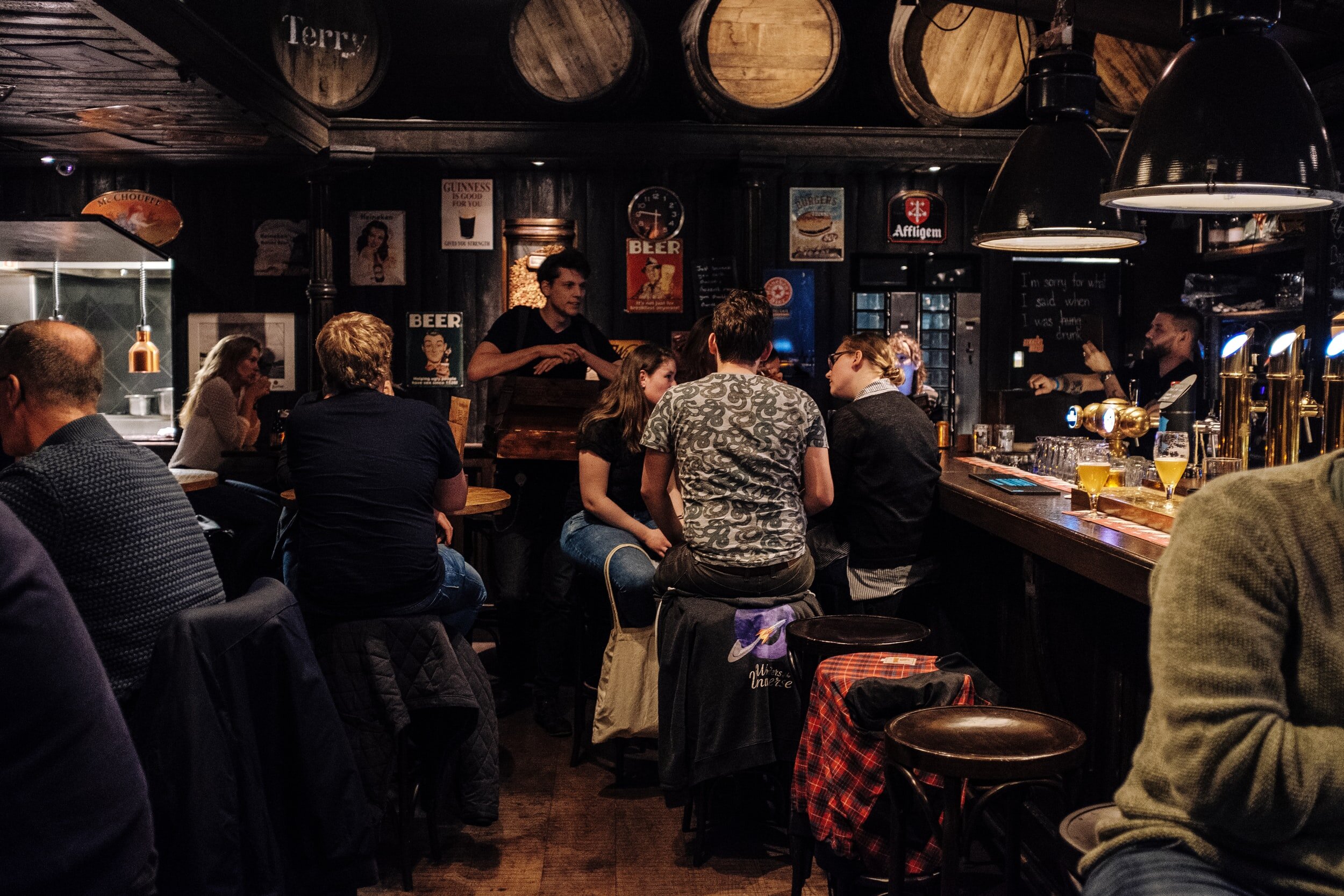
Socialising is a basic human need. The opposite – social isolation – is one of the worst forms of torture. Some people look down on the local pub as a place for undesirable riff raff, but that narrow viewpoint misses entirely the community value of the pub

Male psychology is a recent development in academia. Unlike gender studies, feminism, and men’s studies, male psychology takes the view that we can gain more by recognising and harnessing the positive aspects of masculinity than we can by taking a relentlessly negative approach to men.

.
 Dr Yago Luksevicius de Moraes
O Dr. Yago é um psicólogo brasileiro e professor da Fundação Santo André. Sua pesquisa básica concentra-se em psicologia evolucionista, psicologia masculina, jogos eletrônicos, competição e metodologia. Ele colabora em um projeto de pesquisa sobre transtorno de jogos eletrônicos coordenado pelo Programa Ambulatorial Integrado para Transtornos de Impulso (PROAMITI). É autor dos boletins informativos Psicoandrologia e dos canais do YouTube Psicoandrologia e Psicologia Científica.