Whilst attending interviews this year, hopeful to be chosen for a place to be trained as a clinical psychologist in our NHS, I managed to talk to many other hopeful candidates. After the textbook icebreaking questions, once they knew how far I travelled to get there and if I had anymore interviews lined up, the next question was usually about my gender. “How does it feel to be the only man here?” or “I have never worked with a male clinical psychologist”. Of course there was no offence to be taken, to me it was harmless, but one comment struck me:
“I would love to be male in this process, it’s such an advantage”.
I felt a bit awkward; I did not want to be selected purely because of my gender. But was it true? Was I at an advantage because I was male? Just as with some of these candidates, every psychologist I have worked with to date has also been female. I knew it was well documented that clinical psychology is a female-majority profession, and I knew concern was growing about the lack of males in clinical psychology. I also remembered reading when applying on the clearing house for postgraduate clinical psychology training courses website (www.chpccp.leeds.ac.uk) the statement: ‘We welcome applications from people from ethnic minority backgrounds, people with disabilities and men as these groups are currently under-represented in the profession’. But did this mean, compared to the female who made this comment, my chances of getting a place were higher as a male?
No. In fact, they might not have even been equal. What I have recently discovered is that overall, male applicants are statistically and systematically less likely to be accepted onto clinical psychology doctorate courses than females.
The clearing house website has published equal opportunities data since 2005, stating numbers and percentages of the applicant demographic compared to the accepted demographic. Let’s take for instance 2015. In total, 633 males applied and 84 were accepted onto a course. For females, 2,922 applied and 498 were accepted. Of course, there are going to be more female clinical psychologists, after all, there are far fewer males applying. However, what deeply concerns me is when we look at these numbers in relative percentages.
Those 633 males applying made up 18% of the total applicants for courses, and the 2,922 made up the other 82%. Yet, those 84 males that were accepted only made up 14% of total acceptances, with the 498 female acceptances making up the other 86%. Seemingly then, in 2015, females had a statistically higher chance of being accepted onto training than males. In fact, every male had roughly a 13% chance of selection, while females had roughly a 17% chance.
Hoping this was just a one off, I decided to look at other years. The pattern, however, was almost systematic. Apart from 2011, the relative percentage of males accepted onto courses were lower than the relative percentage of male applicants in every single year after 2005, when data started to be collected.
I think it is fair to say that the NHS could benefit with more male clinical psychologists. It makes sense that men and boys entering NHS psychological services can request to see a male psychologist; after all, we all reasonably expect to be able to request to see a same-sex GP when we have personal or private physical health issues. More male psychologists could also inform a more gender-inclusive service, which is critical when we consider that 75% of suicides are male. It is even more critical when we consider that 25% of these males seek help from a health professional in the week leading to their suicide. There are obvious questions as to whether the NHS is meeting their needs effectively; in 2015, over 88 males on average committed suicide each week, meaning suicide is the biggest killer of men under 50 in the UK.
Many ideas have been offered to try and explain the shortage of male clinical psychologists, such as men are more reluctant to pursue the profession because of its association with ‘caring’ aspects of human nature, that fewer males undertake an undergraduate degree in psychology, and commonly that there are far fewer applicants for doctoral training. The explanation is far simpler. There are enough males applying; enough to fill over 50% of places in any given year. They are just not given the chance to be accepted; at least not as fair a chance as females.
I do not have enough experience or knowledge of doctorate course selection procedures to evaluate them, though, I do speculate that male applicants typically have lower academic achievement than their female counterparts. I also wonder if male personal statements are less warm-hearted and reflective, and whether males come across less compassionately at interviews.
It makes sense that the top scoring candidates get accepted; presumably they would make higher-quality clinical psychologists. However, the entry requirements from the clearing house for postgraduate clinical psychology training courses website states you ideally need at least a 2:1 in a degree that confers graduate basis for chartered membership (GBC) and an unspecified amount of clinically relevant experience. It would be reasonable to assume that all, if not the majority, of male applicants have met all of these entry requirements before paying £23 to submit an application. Therefore, it is reasonable to say, some university selection procedures, which are not controlled directly by the NHS, Government or the clearing house, are disadvantaging male applicants.
Of course, to look at this through the lens of gender is a one-dimensional and narrowminded view. I may come across bias; I may even come across supporting the comment made to me at my interview, that males should have an advantage in the process. I absolutely do not believe this. The best clinical psychologists I have met are female. Instead, I think the profession needs to look into this issue further and think of its implications if it were to continue. More diversity in the profession will only better meet the needs of our diverse range of service users. But things could get worse yet; less success could be further pushing males away from the profession. In the last three years of data published (2013-2016), the number of females applying each year has fallen 2%, however, for males this has fallen a staggering 8%, from an already relatively small number applying anyway in 2013.
Given clinical psychology training is funded by public taxpayers’ money, directed from our NHS, is it fair to say males should have at least an equal chance of getting onto such programmes as females? If the relative percentages were equal in the years where less males were accepted since 2005 (i.e. 18% of applicants being male lead to 18% of acceptances being male), we might have over 130 additional male clinical psychologists working in our NHS today.
This article was first published on the Male Psychology Network website in 2018.
Scroll down to join the discussion
Disclaimer: This article is for information purposes only and is not a substitute for therapy, legal advice, or other professional opinion. Never disregard such advice because of this article or anything else you have read from the Centre for Male Psychology. The views expressed here do not necessarily reflect those of, or are endorsed by, The Centre for Male Psychology, and we cannot be held responsible for these views. Read our full disclaimer here.
Like our articles?
Click here to subscribe to our FREE newsletter and be first
to hear about news, events, and publications.






When a male is in a power imbalance, at least two masculine instincts are disempowered…

…people – men and women alike – respond less positively to male-favouring sex differences than they do to female-favouring sex differences.
hyper-masculine gender norms are typically embedded within military institutions, and while adherence to these norms can contribute to combat and military success, they conversely make clinical work challenging
Men might benefit greatly from a government strategy aimed at improving their health. Here are suggestions from the Centre for Male Psychology on how that might be done. This article ends with some comments on potential pitfalls in the process of putting this strategy in place.



…people – men and women alike – respond less positively to male-favouring sex differences than they do to female-favouring sex differences.


… many papers do not even bother to identify or justify the nationality of their samples…

hyper-masculine gender norms are typically embedded within military institutions, and while adherence to these norms can contribute to combat and military success, they conversely make clinical work challenging
Have you got something to say?
Check out our submissions page to find out how to write for us.
hyper-masculine gender norms are typically embedded within military institutions, and while adherence to these norms can contribute to combat and military success, they conversely make clinical work challenging
hyper-masculine gender norms are typically embedded within military institutions, and while adherence to these norms can contribute to combat and military success, they conversely make clinical work challenging
hyper-masculine gender norms are typically embedded within military institutions, and while adherence to these norms can contribute to combat and military success, they conversely make clinical work challenging

hyper-masculine gender norms are typically embedded within military institutions, and while adherence to these norms can contribute to combat and military success, they conversely make clinical work challenging

hyper-masculine gender norms are typically embedded within military institutions, and while adherence to these norms can contribute to combat and military success, they conversely make clinical work challenging

Much of our attitudes, theorizing and public debate around men and masculinity is influenced by high profile feminist and Gender Studies scholars in academia. But what is the scientific quality of publications from these scholars?

Some people blame drill music – a form of rap - for the rising murder rate in London. Drill is known for aggressive lyrics about gang violence, but rather than seeing this as a valuable way for young men to express their feelings, some people want to ban it.

To survive… cultures have to use men and women effectively and … in fact, most cultures have used men and women in different ways… what our culture does is [grant] greater status to men and greater protection to women

hyper-masculine gender norms are typically embedded within military institutions, and while adherence to these norms can contribute to combat and military success, they conversely make clinical work challenging

There are around 300,000 veterans living with hearing loss in the UK, according to The Royal British Legion. In addition to being at a greater risk of PTSD, depression, and anxiety, many vets are also battling psychological distress from hearing problems.

The book begins with a description of her therapeutic approach, and an illustration of how to understand and work with the rage often seen in male CSA clients.

I felt in my dealings with some police officers, as though I were treated firstly as a man (assumed to be a perpetrator), but they’d overlooked risks associated with my impairment. Example: How can you dodge a missile you don’t see coming?

The Panorama programme on domestic violence failed to adequately highlight two important issues: male victims and female perpetrators.

your photograph, name and address, might appear in the local and national press and on TV, insinuating what an evil monster you are

…an attack upon masculinity is an attack upon one’s sense of self, of identity. …What, then, is the right psychological defence against such an attack?

The male has been designed to “look”, not only at the female, but to “look out” for prey, for danger, and for ways to protect his family unit.

If his child is allowed to live, this man must be available, for the rest of his life, to love and provide for his child… If, on the other hand, it is decided that his child is to be destroyed, he should be able to go about his life as if nothing has happened
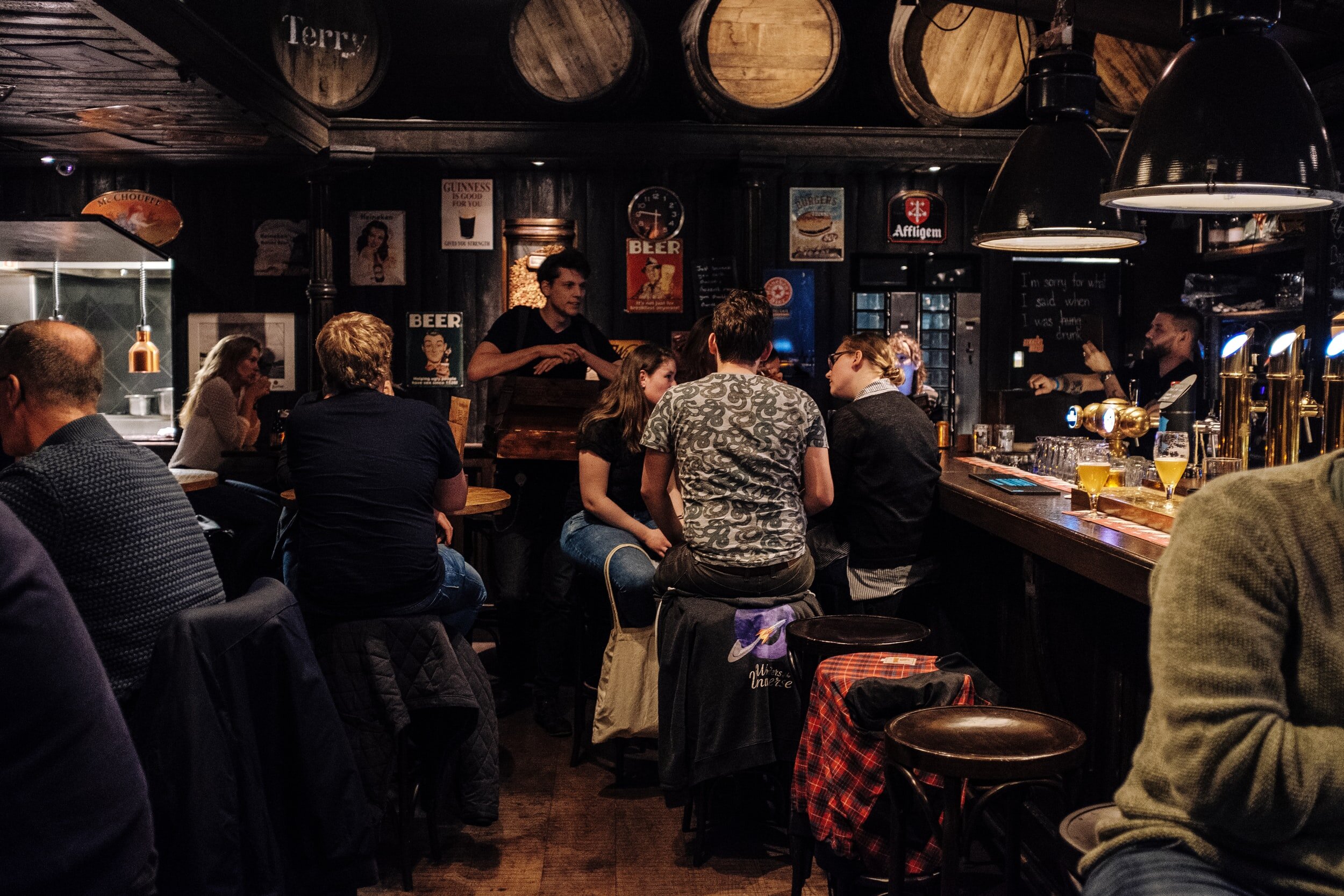
Socialising is a basic human need. The opposite – social isolation – is one of the worst forms of torture. Some people look down on the local pub as a place for undesirable riff raff, but that narrow viewpoint misses entirely the community value of the pub

Male psychology is a recent development in academia. Unlike gender studies, feminism, and men’s studies, male psychology takes the view that we can gain more by recognising and harnessing the positive aspects of masculinity than we can by taking a relentlessly negative approach to men.

.