
Prostate cancer and men’s wellbeing

This year two reports appeared that demonstrate the impact of prostate cancer on men. Data from Prostate Cancer UK revealed that it has become the third most common cause of cancer death in the UK, with almost 12,000 men dying from it every year. Strikingly, more men now die from this disease than do women from breast cancer. Separate data from the men’s health charity Orchid showed that over a third of prostate cancers are diagnosed at an advanced stage and that over 40% of men with the disease experience delays in diagnosing it. These figures apply to men generally, but there are also important differences between groups of men. The most striking of these is the fact that African Caribbean men have almost a three-times greater risk of developing the disease than white men. They also develop the disease, on average, at a younger age and in a more aggressive form.
Prostate cancer is clearly a very significant physical health issue for men, but it also poses major psychological challenges for them and those close to them. These challenges occur at each stage of the cancer “journey”, from noticing symptoms to undergoing tests through receiving a diagnosis and undergoing treatment to life after treatment.
Prostate cancer is not always accompanied by clear and distinct symptoms and a number of studies have shown that men are, in any case, poorly informed about the prostate itself and the nature and risk of prostate cancer. This means that they are unlikely to be prompted to consult their GP on the basis of clear and well-understood symptoms. The fact that there is no reliable and effective screening tool for prostate cancer, as there is for breast and bowel cancers, compounds this. Men can request a blood test (called the PSA test), which detects the presence of a protein associated with prostate cancer. However, current advice tends to recommend that GPs discuss the costs and benefits of this, largely with the aim of dissuading men from having it, because positive results are not definitive and result in further unpleasant and potentially risky tests such as digital rectal examination and transrectal biopsies. Research indicates that these tests are especially aversive for some groups of men, such as Latinos and African Caribbean men, because of anxieties associating anal penetration with homosexuality.
If testing confirms the presence of prostate cancer men are faced with further difficult and fraught decisions. There is currently no “gold standard” treatment available and what men are offered will depend on the speciality and preferences of the clinician they consult, in addition to objective considerations such as the rate of growth and the clinical stage of the tumor. All treatments entail significant and distressing side effects. Tumors that are confined to the prostate are usually treated with surgery and some form of radiation treatment. These generally result in temporary and sometimes permanent erectile dysfunction and urinary incontinence as well as other effects, including retrograde ejaculation and shortening of the penis. Tumors that have spread beyond the prostate may be treated with drugs aimed at reducing the circulating levels of androgens. These are associated with symptoms similar to the menopause in women along with weight gain and gynomastia.
These side effects have in common the fact that they affect characteristics that, in many cultures and certainly the developed West, are seen as key signifiers of masculinity. For this reason psychologists have drawn attention to the ways in which dominant understandings of what it is to be a man (referred to as hegemonic masculinity) shape men’s response to diagnosis and treatment of prostate cancer. It is certainly the case that very many men struggle to come to terms with the consequences of even successful treatments for prostate cancer. Research has shown that concerns about urinary and sexual function are associated with greater levels of psychological distress. The side effects can be distressing for any man, but often particularly so for African Caribbean and African American men, in part because they are often much younger than white men when they develop the disease and therefore live with the side effects for longer. Interestingly, studies indicate that the female partners of men with prostate cancer report greater levels of distress than the men.
Having started with the bad news about mortality and missed diagnoses it is important to emphasise that the picture for prostate cancer is broadly positive. Treatments continue to improve and survival rates are good. This means, however, that more and more men are living with the side effects described above and many of these men and their partners are in need of support. Returning to the metaphor of a journey, there is a real need for psychological involvement at all stages, from diagnosis, through making decisions about treatment to living as a survivor.
This article was first published on the Male Psychology Network website in 2018
Scroll down to join the discussion
Disclaimer: This article is for information purposes only and is not a substitute for therapy, legal advice, or other professional opinion. Never disregard such advice because of this article or anything else you have read from the Centre for Male Psychology. The views expressed here do not necessarily reflect those of, or are endorsed by, The Centre for Male Psychology, and we cannot be held responsible for these views. Read our full disclaimer here.
Like our articles?
Click here to subscribe to our FREE newsletter and be first
to hear about news, events, and publications.

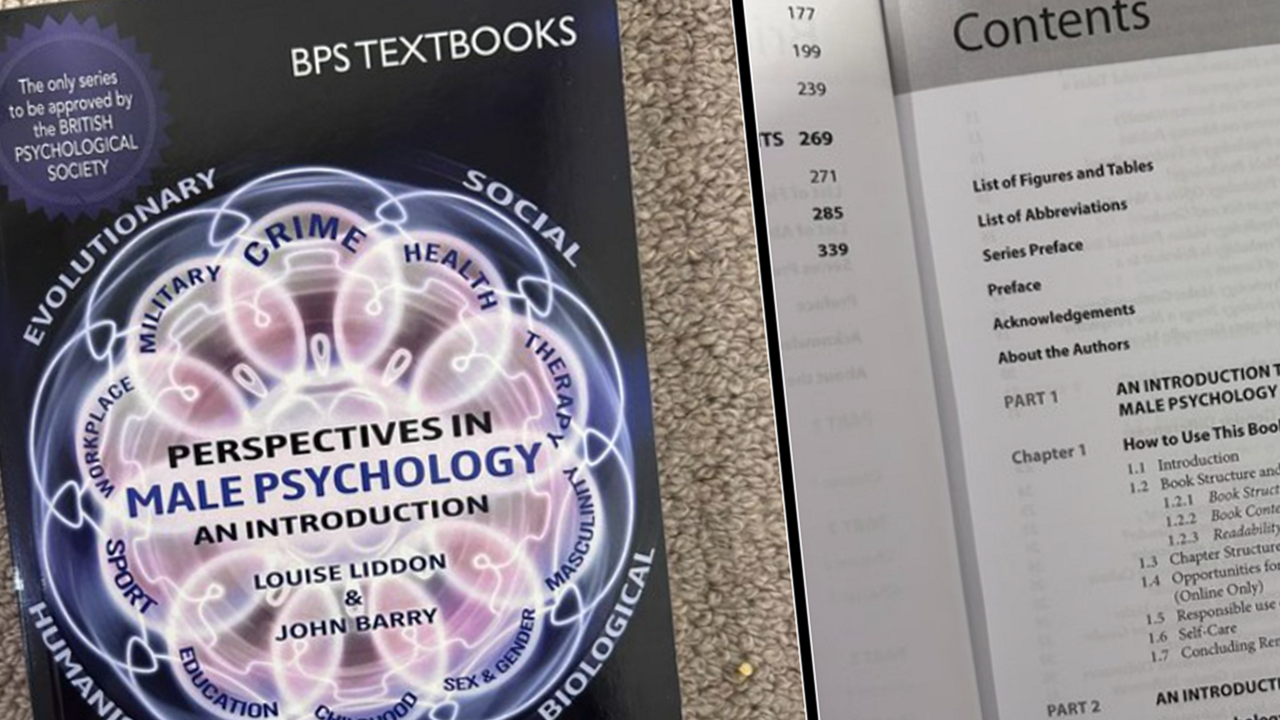
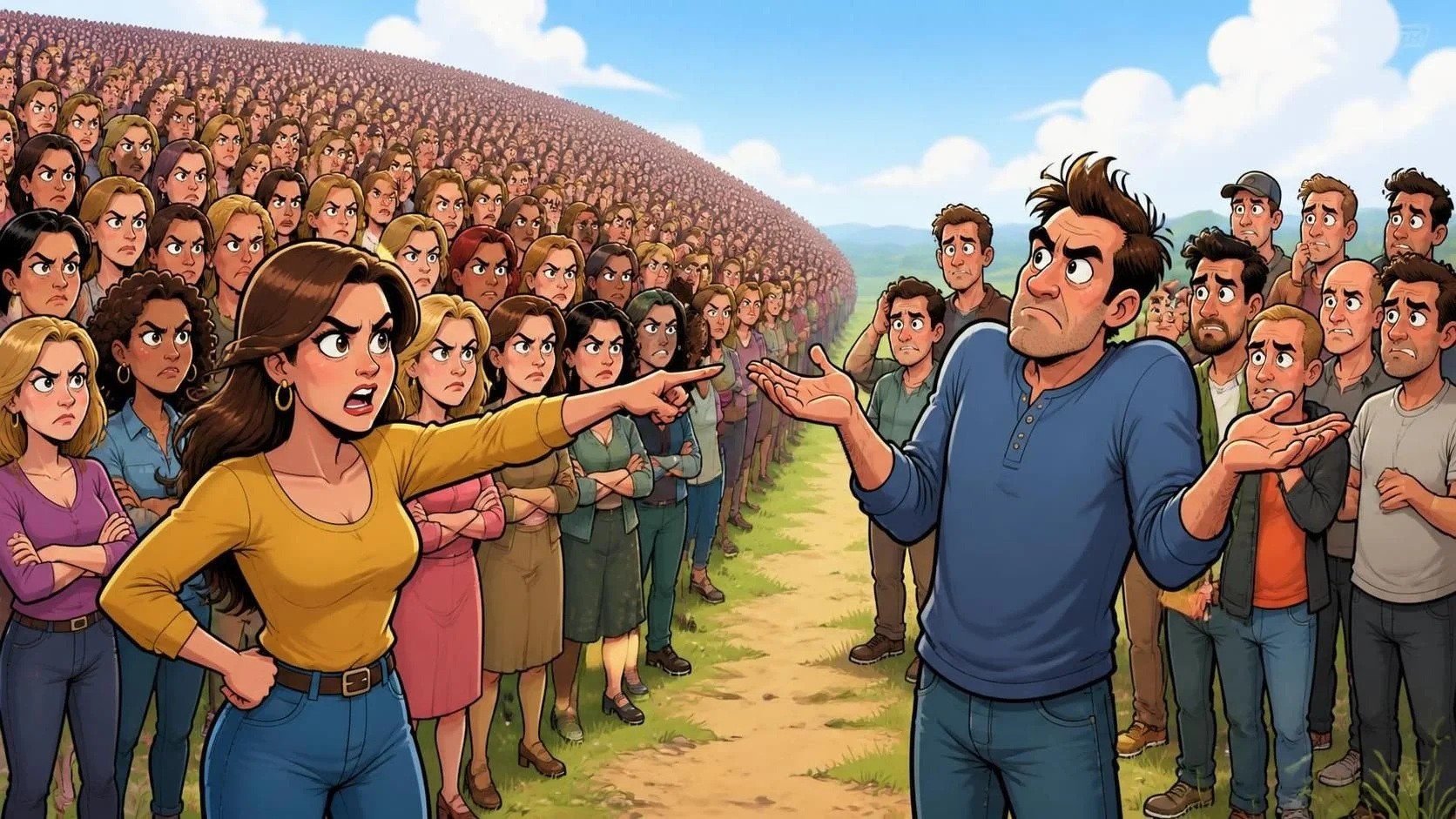




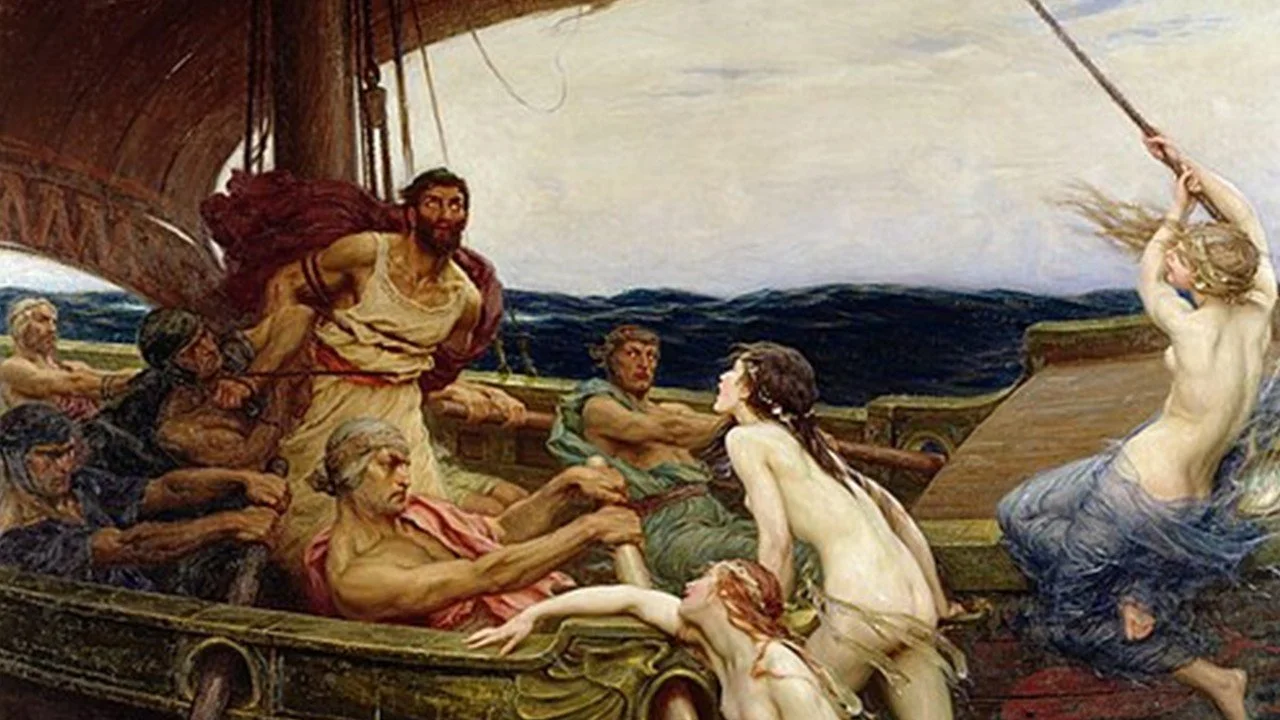

When a male is in a power imbalance, at least two masculine instincts are disempowered…

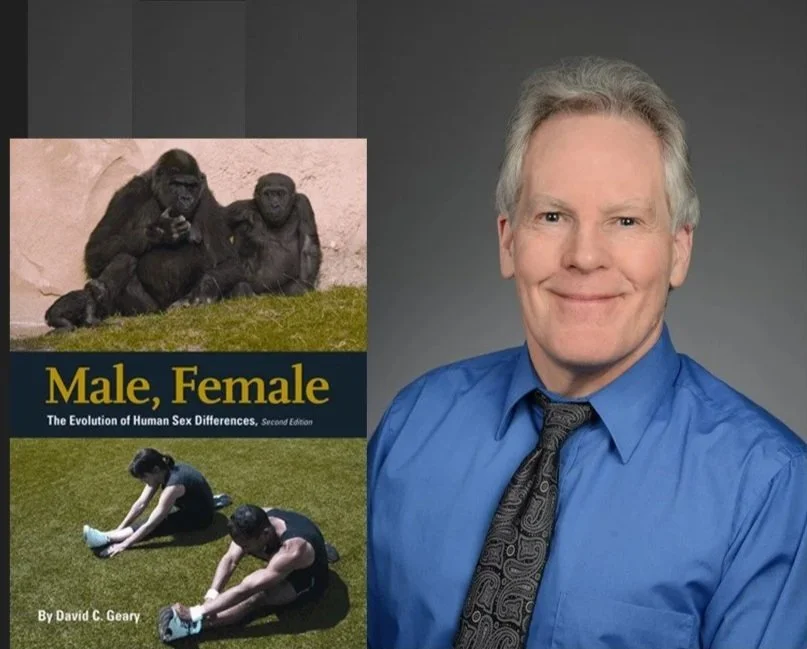
…people – men and women alike – respond less positively to male-favouring sex differences than they do to female-favouring sex differences.
hyper-masculine gender norms are typically embedded within military institutions, and while adherence to these norms can contribute to combat and military success, they conversely make clinical work challenging
Men might benefit greatly from a government strategy aimed at improving their health. Here are suggestions from the Centre for Male Psychology on how that might be done. This article ends with some comments on potential pitfalls in the process of putting this strategy in place.



…people – men and women alike – respond less positively to male-favouring sex differences than they do to female-favouring sex differences.
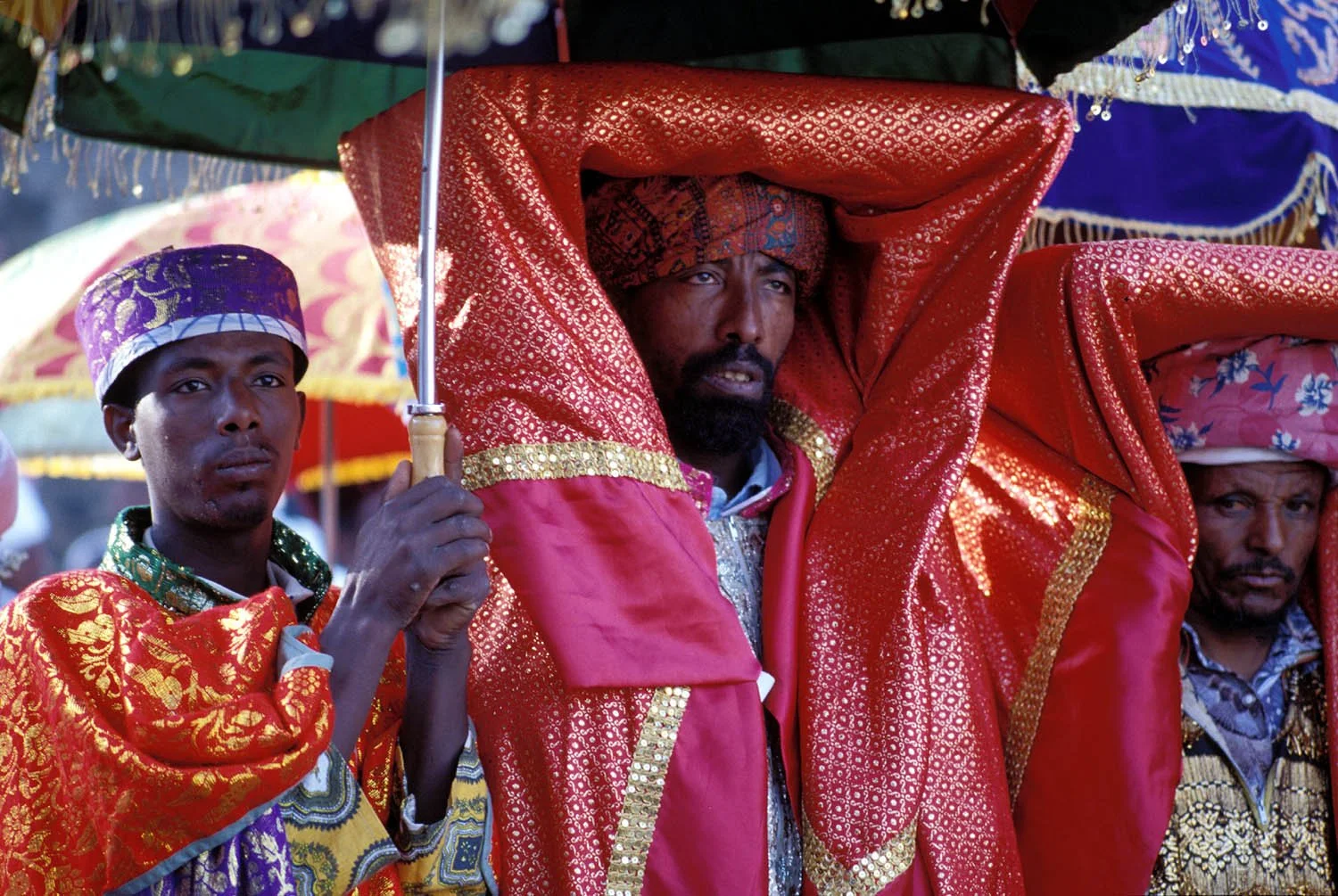


… many papers do not even bother to identify or justify the nationality of their samples…

hyper-masculine gender norms are typically embedded within military institutions, and while adherence to these norms can contribute to combat and military success, they conversely make clinical work challenging

Have you got something to say?
Check out our submissions page to find out how to write for us.
hyper-masculine gender norms are typically embedded within military institutions, and while adherence to these norms can contribute to combat and military success, they conversely make clinical work challenging

hyper-masculine gender norms are typically embedded within military institutions, and while adherence to these norms can contribute to combat and military success, they conversely make clinical work challenging
hyper-masculine gender norms are typically embedded within military institutions, and while adherence to these norms can contribute to combat and military success, they conversely make clinical work challenging

hyper-masculine gender norms are typically embedded within military institutions, and while adherence to these norms can contribute to combat and military success, they conversely make clinical work challenging

hyper-masculine gender norms are typically embedded within military institutions, and while adherence to these norms can contribute to combat and military success, they conversely make clinical work challenging

Much of our attitudes, theorizing and public debate around men and masculinity is influenced by high profile feminist and Gender Studies scholars in academia. But what is the scientific quality of publications from these scholars?

Some people blame drill music – a form of rap - for the rising murder rate in London. Drill is known for aggressive lyrics about gang violence, but rather than seeing this as a valuable way for young men to express their feelings, some people want to ban it.

To survive… cultures have to use men and women effectively and … in fact, most cultures have used men and women in different ways… what our culture does is [grant] greater status to men and greater protection to women

hyper-masculine gender norms are typically embedded within military institutions, and while adherence to these norms can contribute to combat and military success, they conversely make clinical work challenging

There are around 300,000 veterans living with hearing loss in the UK, according to The Royal British Legion. In addition to being at a greater risk of PTSD, depression, and anxiety, many vets are also battling psychological distress from hearing problems.

The book begins with a description of her therapeutic approach, and an illustration of how to understand and work with the rage often seen in male CSA clients.

I felt in my dealings with some police officers, as though I were treated firstly as a man (assumed to be a perpetrator), but they’d overlooked risks associated with my impairment. Example: How can you dodge a missile you don’t see coming?

The Panorama programme on domestic violence failed to adequately highlight two important issues: male victims and female perpetrators.

your photograph, name and address, might appear in the local and national press and on TV, insinuating what an evil monster you are

…an attack upon masculinity is an attack upon one’s sense of self, of identity. …What, then, is the right psychological defence against such an attack?

The male has been designed to “look”, not only at the female, but to “look out” for prey, for danger, and for ways to protect his family unit.

If his child is allowed to live, this man must be available, for the rest of his life, to love and provide for his child… If, on the other hand, it is decided that his child is to be destroyed, he should be able to go about his life as if nothing has happened

Socialising is a basic human need. The opposite – social isolation – is one of the worst forms of torture. Some people look down on the local pub as a place for undesirable riff raff, but that narrow viewpoint misses entirely the community value of the pub

Male psychology is a recent development in academia. Unlike gender studies, feminism, and men’s studies, male psychology takes the view that we can gain more by recognising and harnessing the positive aspects of masculinity than we can by taking a relentlessly negative approach to men.

.
 Kenneth Gannon
Dr Kenneth Gannon is the Clinical Research Director and Research Degree Leader at the University of East London. Ken presented his work at the 2015 Male Psychology Conference at University College London (UCL). His book chapter will appear in the forthcoming Handbook of Male Psychology: Theory and Practice (Palgrave Macmillan) in 2019. Contact here.