


Homelessness, substance abuse, and help-seeking are important issues in the field of male psychology.
Homelessness
Homelessness is a hugely complex problem, involving people who are literally the ‘hard to reach’ category that services typically find difficult to make contact with. 82% of rough sleeping homeless people in England are male, as are 67% of people in hostels and temporary shelter. Frequently cited reasons for male homelessness are relationship breakdown, substance misuse, or leaving an institution (e.g. prison, care, hospital or the military). Less obvious reasons include autism, a condition diagnosed more often in men than women, which leaves people vulnerable to dealing with problems, such as job loss, which can spiral into homelessness.
An example of the complexity of homelessness is that you cannot always solve it by providing housing, because some people associate housing with vulnerability, especially if they have experienced childhood abuse or neglect. As well as physical shelter, emotional shelter is needed, as well as healthy relationships with others at the shelter, including staff.
Substance abuse
Twice as many men as women have substance abuse problems, which is often attributed to self-medicating for emotional issues that aren’t been dealt with in a more productive way. Substance abuse can certainly be a symptom of male depression, and although social factors influence how people approach alcohol and other substances, the fact that across the world men abuse substances more than women do suggests the roots of substance abuse are more than just social.
Help-seeking
Men are often criticised for not seeking help for their problems. The reason most commonly used these days is that masculinity prevents them from seeking help, because seeking help is a sign of weakness. This explanation may have some truth to it, but is exaggerated and deflects attention away from the other larger barriers that prevent men from seeking help. In regards seeking help for mental health problems, these barriers include not recognising the signs they have a mental health issue, not trusting the mental health services, and not being able to get an appointment that fits their schedule.
“…he felt that the receptionist had seen this scene a thousand times before, and there was no acknowledgement of the effort and internal struggle it took for him to seek help.”
Help-seeking for detox: one man’s experience
There are many reasons why men don’t seek help, and this article explores the case of a man seeking help for substance abuse. The example comes from the story of man – let’s call him Frank – who was interviewed as part of a study of barriers to homeless people, and those at risk of being homeless, accessing substance misuse services in London. Frank’s feedback on the services[i], summarised below, gives some very useful insights into help-seeking in this population.
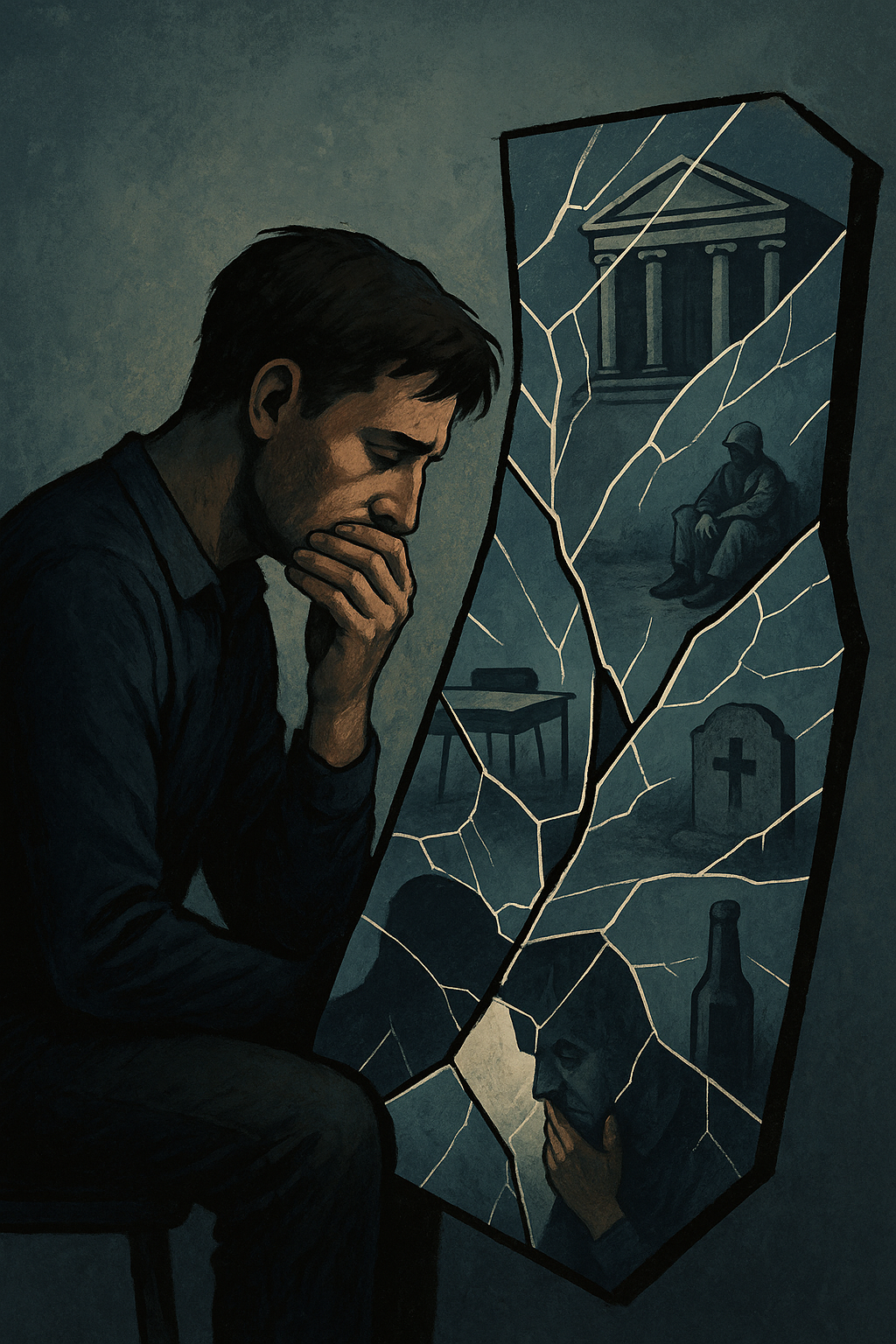
Frank was in temporary accommodation at the time of seeking help for his substance abuse, and his mental health was at a low ebb. He knew he needed help, even though this meant turning his back on his peers. This was a big step, because his peers – fellow substance abusers - accepted him even at his worst. Although they saw seeking help as surrendering to a ‘normal’ way of living, Frank had come to believe that people often don’t seek help because they believe they can no longer have a normal life. He put a lot of work into motivating himself to seek help, telling himself it was the right thing for him and society, and that the services would recognise his genuine desire to change and respect what a big step this was for him.
He approached the public health service with high hopes, but rapidly became very disheartened by the help he felt was being offered to him. Although this was an unfamiliar and momentous experience for him, he felt that the receptionist had seen this scene a thousand times before, and there was no acknowledgement of the effort and internal struggle it took for him to seek help. Instead of being welcomed back into the fold and offered immediate help, he was dispassionately put on a waiting list. The long wait for detox seemed to him designed to screen out people who were likely to drop out of the programme. The warnings of his peers that the services weren’t sincere with their help, and that he would fail, appeared to Frank to be coming true.
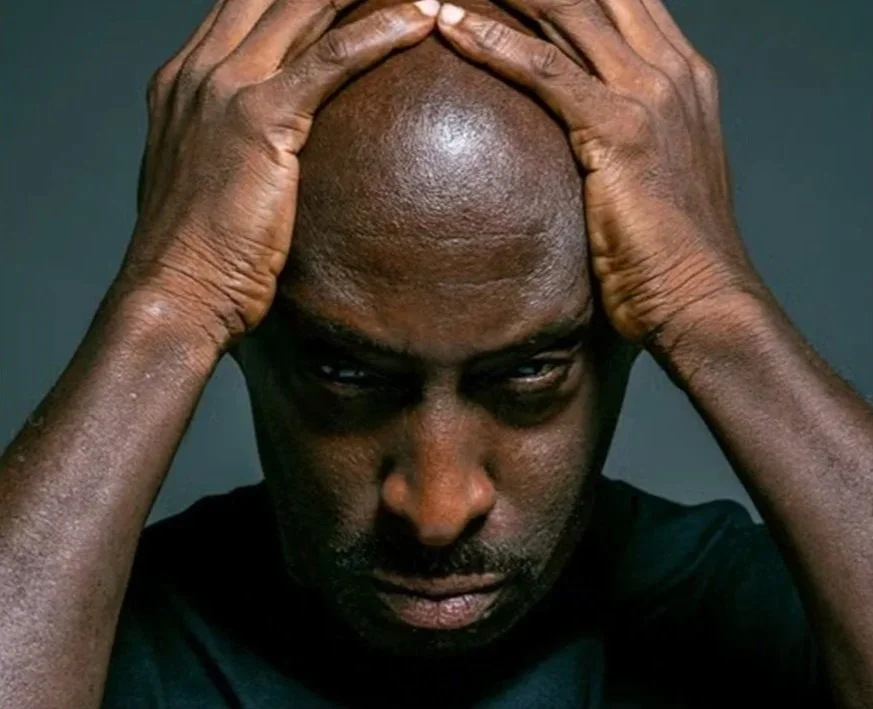
His engagement with the services ended there. The experience left him feeling humiliated at a time when he was at his most vulnerable. He felt let down by the services and dreaded the response of his peers when he told them what had happened. Already at a low point, his life took several turns for the worse. He rapidly experienced a decline in his mental health, unemployment, eviction from his housing and eventually being sectioned under the Mental Health Act. Frank never went on the detox programme.
Give a to-do list, not just a waiting list
Frank made some suggestions as to how services could be improved:
· The receptionist should acknowledge the effort of seeking help, emphasising that this is the start of a journey, and that
· The waiting time is an opportunity to make some important progress e.g.
o Registering with a GP (family doctor) and dentist
o Signing up for counselling to address other underlying issues, which will start to emerge again once the person has stopped taking drugs.
o Identify local clothing banks – looking smarter will improve self-esteem
o Sign up to the Department of Work and Pensions (DWP) if needed
o Contact support groups and peer mentors who can discuss your journey with you.
o Start thinking about your plans and ambitions for after detox
Frank says some people will say this is a tall order rather than at realistic list, but nonetheless it is important to realise that when a person is seeking help, they are ready to change, so rather than give them the void of a waiting list, help them see this time as an opportunity to begin the process in a realistic and meaningful way.
“…they should be made aware they won’t be treated by therapists who believe men’s problems are caused by privilege, patriarchy or masculinity, but will be met by professionals who see them as a human being deserving empathy and support.”
Final thoughts
Reading Frank’s story is a humbling experience. As therapists we take it for granted that people seek our help – that’s what we are here for – but reading Frank’s story forced me to think about how much effort a first contact may have taken someone, even if it’s just a brief email. Perhaps we don’t have to tell potential clients they are at the start of a heroic journey, but there’s no reason we can’t make clear that we are taking their contact seriously and doing what we can to expedite their recovery, even if that means just signposting them to other services that are more specialised in their specific issue.
Frank’s experience reminds us we must all do what we can to support people not only who are actively seeking help, but do everything we can to create an environment were men will want to seek help. For men seeking help for issues related to mental health, this will mean they should be made aware they won’t be treated by therapists who believe men’s problems are caused by privilege, patriarchy or masculinity, but will be met by professionals who see them as a human being deserving empathy and support.
Some may say that Frank’s expectations were somewhat unrealistic, and his experience not representative of everyone who seeks help, many of whom successfully detox. The receptionist might well have done better, but we should bear in mind that National Health Services are overstretched and waiting lists are often long. Service users can get frustrated with these conditions, and their frustration might be sensed by the staff. Receptionists are only human, and are often overworked and underappreciated, even sometimes abused. In a private clinic that is better resourced, there might be little or no waiting time, more staff, and less stress all round, but nonetheless Frank’s feedback applies: we should help the person in front of us – from the reception desk to the last day of their recovery programme - to make the most of the opportunity to improve their lives, and offer effective follow-up to help ensure their enduring recovery.
[i] Frank’s feedback is summarised here by kind permission of Dr Caroline Shulman, Senior clinical fellow, Pathway homeless health charity.
If you or someone you know needs help with mental health, homelessness or substance abuse, please see our Support page here.
Disclaimer: This article is for information purposes only and is not a substitute for therapy, legal advice, or other professional opinion. Never disregard such advice because of this article or anything else you have read from the Centre for Male Psychology. The views expressed here do not necessarily reflect those of, or are endorsed by, The Centre for Male Psychology, and we cannot be held responsible for these views. Read our full disclaimer here.
Like our articles?
Click here to subscribe to our FREE newsletter and be first
to hear about news, events, and publications.























Have you got something to say?
Check out our submissions page to find out how to write for us.















.

people are more aware of the fact men can be victims of this type of violence, but this often isn’t translated into policy, practice or indeed provision of resources