The male experience of Prolonged Ruptured Attachment Syndrome (PRAS) in prison life
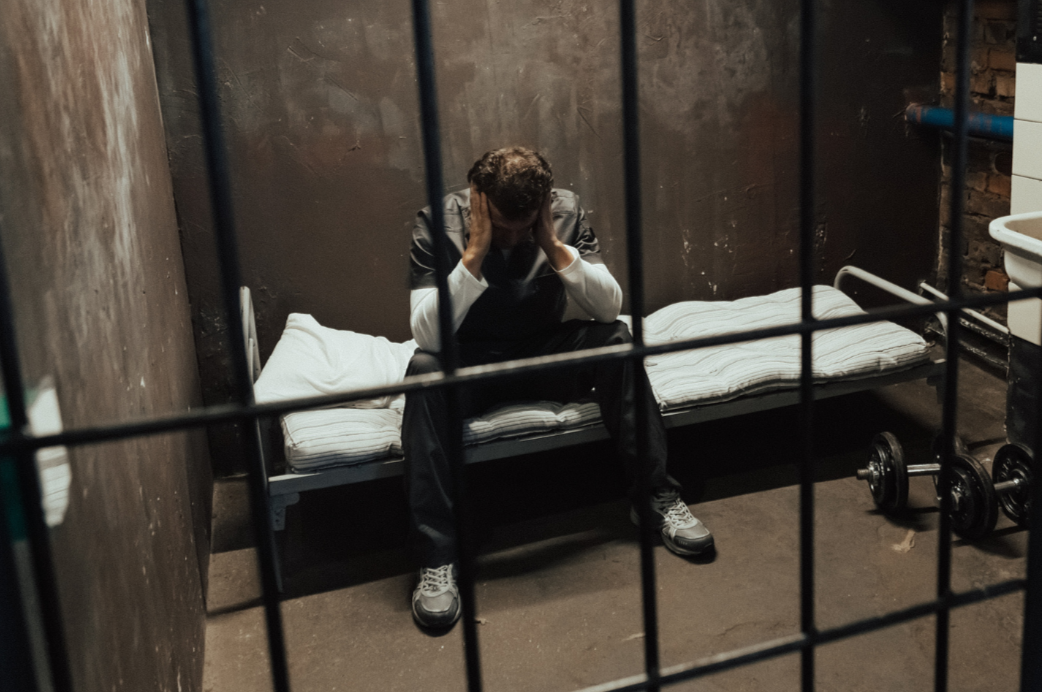
I worked with a man in his 20s who had served eight years for violent crime. He'd been feared in the underworld but seemed like a child as he learned to speak the language of connection. He said he wanted stability and loyalty. "In my past life we weren't loyal to each other, we were dogs, I saw it sold cheap." He wanted trusting relationships but hadn't experienced them yet. "I've got to believe in people more, be less cynical." I could see that would be hard for him. He was alone. He had relocated. He hadn't known his father and had a difficult relationship with his mother and brother. I wondered, how does someone build a life with no attachments?
Prolonged Ruptured Attachment Syndrome (PRAS) is a new concept in psychology ”(Seager, Sinason and Fine 2024). PRAS describes a special kind of distress that extends beyond conventional notions of grief and trauma. It concerns the psychological impact of cherished attachments that remain stuck in a state of indeterminate rupture, leaving individuals unable to process their pain or find closure.
In this article the male experience of prison life will be explored using PRAS as a lens, to see if it improves our understanding of men's suffering. This is the first in a series of three articles looking at PRAS in different contexts: prison, military postings abroad and alienation from children. These contexts are almost exclusively male , given that 96% of prisoners are male, 88% of the armed forces are male, and 90% of non-resident parents are male.
PRAS
Losing a cherished attachment is painful yet unavoidable, and humans can and do metabolise their grief to find new life and meaning. However they can't do this when their loss is ambiguous, and the impact of such ambiguity can be devastating for them and those around them.
Ruptures, or breaks to important human bonds, become more damaging to the human psyche the more they are:
· uncontrollable and enforced;
· of unpredictable duration;
· lacking in closure; and
· involving a loved one (partner, child, close family) for whom there are instinctive yearnings and drives for closeness
More men, longer sentences
In March 2024 the prison population was 97,700. The experience of male prisoners has been worsening at an accelerating rate. The UK's incarceration rate is among the highest in Western Europe, and prisons have been officially overcrowded since 2008.
Between 1993 and 2013, the average prison population in England and Wales increased by 89%. In 2023 the average custodial sentence in England and Wales was 20.9 months, an 83% rise since 2000. There were 17,000 prisoners awaiting trial or sentencing in June 2024, up 87% since 2019.
Tragically, fewer than half of the people in our prisons grew up with both their parents, a quarter spent time in care and almost a third suffered abuse, so this is usually an intergenerational story, meaning PRAS experienced by fathers is passed on to sons. This article hopefully conveys how men in the criminal justice system are haunted by the inbetween state of PRAS which has a corrosive effect on their lives far beyond the duration of their sentences.
“Lord Farmer recommended "a very simple principle of reform that needs to be ‘a golden thread running through the prison system…that relationships are fundamentally important if people are to change'". He said families and prisoners should be helped to keep in touch and strengthen their relationships.”
'Unacceptable inconsistency of respect for the role families can play'
The Farmer Review (2017) published by the Ministry Of Justice cited evidence showing a 39% lower reoffending rate for prisoners who receive visits from family members. This landmark report on male prisoners found an unacceptable inconsistency of respect for the role families can play in boosting rehabilitation and assisting in resettlement.
Lord Farmer recommended "a very simple principle of reform that needs to be ‘a golden thread running through the prison system…that relationships are fundamentally important if people are to change'". He said families and prisoners should be helped to keep in touch and strengthen their relationships.
It is possible Lord Farmer’s recommendation would be an ameliorating factor to offset the key features of PRAS:
· Loss, mourning and grief but without closure or resolution
· Trauma through emotional damage that may have elements of perpetration and victimhood if involving deliberate separation or alienation
· Lack of control, helplessness, depression, low mood
· Fear and anxiety arising from uncertainty, risk of loss and powerlessness over the future
· Stress arising from constant conflict, constant reminders, anxiety, or despair
PRAS = grief + trauma
The most harmful type of ruptured attachments are indeterminate and uncertain (in contrast to temporary or permanent ruptures). About one in five prisoners are on remand. Some don't know how long they will have to wait until trial and no one knows what the outcome of their trial will be. The rest are awaiting sentencing and have some idea about what to expect, and so by now the uncertainty is reduced but not removed entirely. It will depend on the judge's discretion, which can be affected by innumerable factors, including cognitive biases such as gamma bias, which may be a factor in gender sentencing disparities. For instance, after controlling for plea, prior record, and offense characteristics, male offenders found guilty of assault were 2.84 times more likely to receive a custodial sentence than female offenders.
Losses
· Family — 67% of children do not visit their incarcerated parent, and 37% have no contact at all. Male prisoners in England and Wales lose child-focused visits as a disciplinary measure, whereas female prisoners don't (Barnardo’s Locked Out report, 2015). Children and other family members may avoid or limit their relationship with the prisoner after their release.
· Home — the prisoner loses access to his home and belongings. An institutional environment strips him of his sense of place, belonging and safety.
· Relationships and friendships — intimate relationships and friendships may not survive a prison term, for reasons including stigma and shame of association.
· Pets, places and hobbies — bonds with pets and beloved places and hobbies are lost.
· Financial security — loss of work may result in long-term economic setbacks, with vehicles, houses and businesses lost, and perhaps mounting debt.
· Respectability —after release a prisoner may not be able to establish the trust needed to start employment or new relationships, or believe in his ability to build a new life.
· Masculinity — if a released prisoner struggles to find work, he may struggle to re-establish his role as a providing and protective father, husband or partner. He may feel shame because his innate drive to provide and protect is frustrated. If his role as a father and a husband or partner is lost, he may feel shame and experience a loss of identity as a man because of social proof that his masculinity is diminished.
· Life / desire to live — unemployment, loss of relationship and loss of children are correlated with suicide risk, an unintentional outcome of men's experience of prison. In England and Wales suicide among male prisoners is five times the rate of the general population.
Traumas
PRAS predicts that the severity of the trauma a prisoner experiences in the face of these kinds of losses depends in part on whether they have a history of relationship based trauma. If they do, new trauma may trigger unhealed wounds from older traumas that happened within previous relationships.
This dynamic resembles the mechanisms underlying complex PTSD, where current traumatic events—especially those involving loss or abandonment—can reactivate unresolved trauma from earlier relational experiences. In both cases, the individual’s history of interpersonal trauma sensitises them to future relational disruptions, leading to more intense and prolonged psychological distress.
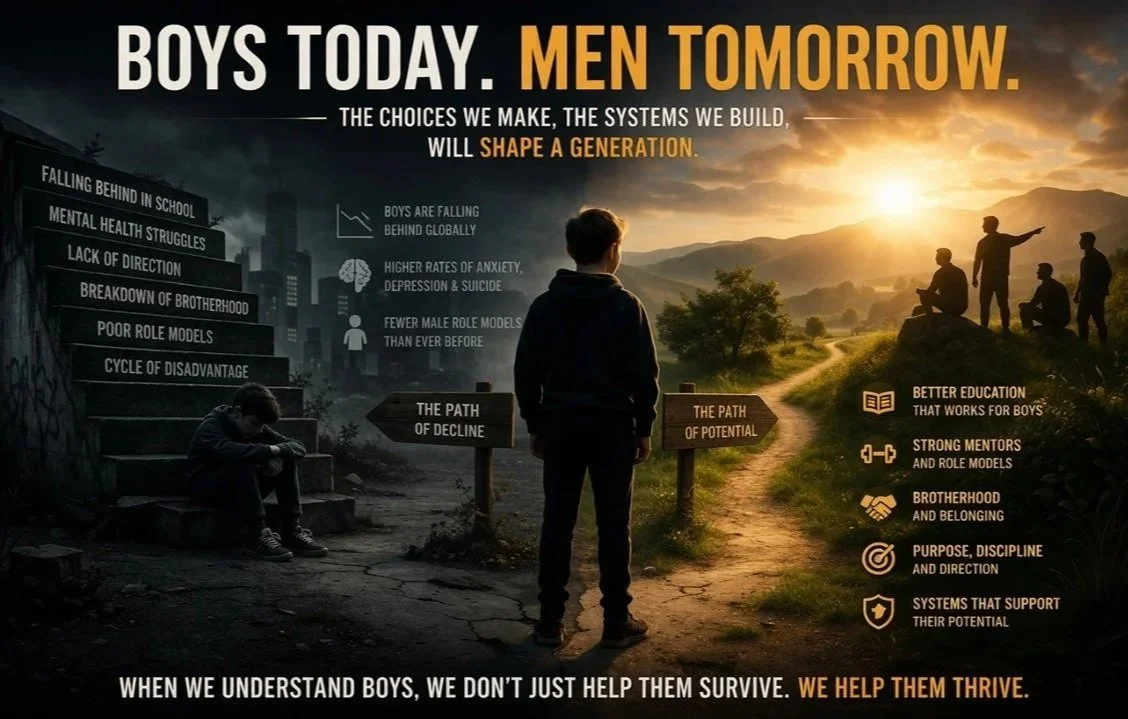
This seems to be the experience of many male prisoners. For example, in the 'A Boy Today' Report Dr Naomi Murphy says male prisoners have disproportionately high rates of abuse and neglect in early life. Among her clients at HMP Whitemoor, 73% experienced abuse, 81% were physically or emotionally neglected, 81% were subjected to emotional abuse by their parents, 66% had been sexually abused, 44% had witnessed domestic violence, and 53% had been in local authority care. In short, they had universally high ACE (Adverse Childhood Experiences) scores.
A landmark longitudinal project, the Cambridge Study in Delinquent Development, found that about three-quarters of convicted fathers had at least one convicted child, suggesting that intergenerational criminality matches intergenerational PRAS. This fits the experience of Valerie Sinason (co-author of the PRAS paper), a child psychoanalyst working with many boys who "longed to get to prison to be where father was".
Violence, self harm and suicide
In the 12 months to March 2025 there were 88 suicides in prisons (England and Wales) of which 96.6% were male; in the 12 months to December 2024 there were 30,490 assaults of which 94.4% were male and 76,365 self harm incidents of which 72.8% were male.
The Harris Review (2015) was an independent review commissioned by the UK government into self-inflicted deaths in custody of 18 to 24 year olds. It highlighted the emotional distress caused by lost attachments and found that many inmates experience chronic feelings of hopelessness, alienation and despair, exacerbating self-harm and suicidal ideation.
The report says, "We acknowledge that this [the purpose of prison] must include protecting the public and preventing those being held from escaping, and also ensuring that the sentence of loss of liberty is enforced.
The report found that the "ultimate aim to 'rehabilitate and reintegrate back into society' is one that the panel feels is unfortunately not given the due precedence it warrants"
"However, the evidence we have considered has demonstrated that beyond these objectives there is something more profound than this that makes the custodial experience particularly distressing" (page 30). The report found that the "ultimate aim to 'rehabilitate and reintegrate back into society' is one that the panel feels is unfortunately not given the due precedence it warrants, either in HMPS's statement of purpose or in any current description of what prison is for" (page 32).
PRAS measures pain
We can say that male prisoners are likely to experience all five key features of PRAS (see above) given their significant losses, powerlessness, uncertainty and violent living conditions.
All prisoners face uncontrollable and enforced ruptures to important attachments. They live at least for a time not knowing how long those ruptures will last. Their lives are on hold at least until their release but sometimes long after that, if the open wound of their ruptured attachments cannot be closed by re-establishing predictable relationships with loved ones and stable living arrangements and work.
The PRAS scale
If we tried to quantify the pain and distress of male prisoners, we could use the PRAS scale (described in Seager et al (2024) but as yet not validated psychometrically) with these eight dimensions:
1. Defining the object of attachment: loved one, home, way of life, cherished dream
2. The intensity and strength of the attachment being ruptured
3. The duration of the detachment
4. The probability of the rupture being maintained vs healed
5. The degree of lack of control over the repair of the rupture
6. The degree of human malevolence or animosity behind the separation
7. The absence vs. availability of other compensatory attachments, support and comforts
8. The degree to which the rupture is shared with others vs. experienced in isolation
In this scale we score each of the dimensions out of five, five being the most toxic to the individual. The total gives us a measure of the individual's distress. We can immediately see that all prisoners are likely to score highly in dimensions 1 and 2 because deprivation of core attachments such as family, work and home is the essential function of our penal system.
It would be interesting to compare PRAS scores between prisoners who are given:
· different sentences for the same crime (dimension 3)
· different levels of support to reduce their sentence via good behaviour (dimension 4)
· different levels of support to re-establish lost attachments (dimension 5)
· different levels of facilitated peer community and connection in prison such as, for example, training inmates as Samaritans listeners (dimensions 7 and 8)
Regarding dimension 6, "The degree of human malevolence or animosity behind the separation", some prisoners may feel mistreated by police, judges, prison staff and probation officers. This perception will depend in part on the ability of the individual to take accountability for their actions and accept the consequences in an imperfect system run by error-prone human beings. However in wrongful convictions, we would score dimension 6 highly and, if unfairness or corruption is perceived by the prisoner, we would expect it to cause them further harm over and above the loss of attachments.
Ameliorating factors
The concept of PRAS is intended to broaden psychological understanding and encourage the development of more humane and targeted responses to this universal yet under-recognised form of human suffering.
It's therefore encouraging that recommendations in Lord Farmer's 2017 report on male prisoners and his post-Covid report (2022) emphasised the need for much greater focus on maintaining family attachments among prisoners, and the consequences of failing to do so.
"Getting contact with family and significant others right at what is often the most stressful – and strategic – point in sentences can make the difference between life and death, as around a third of all prison suicides occur very early (within the first week) in custody. Isolation from relationships or a breakdown in communication can play a decisive role. At HMP Durham we were made aware of the suddenness of severed relationships and heard that it could be weeks before people knew how to get in touch with families, and how to organise visits."
Lord Farmer reflected: "As one prisoner told me, ‘If I don’t see my family I will lose them, if I lose them what have I got left?’" Many inmates were active in their children's lives before prison and describe themselves as having good and strong relationships with their children.
"The severing of these very active relationships and absence from home can produce profound guilt and be another source of poor mental health and badly managed anger. Accordingly, another important aspect of family work...is the alleviation of guilt through supporting the individual to continue to play a role within the family, which can in turn prevent violence and self-harm."
Lord Woolf's 1991 report on prisons identified the same need. One of his 12 recommendations was that there should be "better prospects for prisoners to maintain their links with families and the community through more visits and home leaves and through being located in community prisons as near to their homes as possible."
"The team involved is very committed to embedding the golden thread of relationships throughout the processes of prison and probation […] For example, there is ongoing work to help fathers as well as mothers not lose their parental rights when they enter prison.”
In terms of closure and healing from the prolonged ruptures of prison, much depends on the ability of the individual to reconnect with family and home. Lord Farmer writes: "Far too little attention has been given by prisons to the roles of families in the resettlement process. A determined strategic effort and national guidance are required to address this."
It is unclear how much progress has been made in this direction, not least because of successive government policy changes and short stints by successive Justice Secretaries (there have been 11 incumbents since 2015), in addition to the chaos wrought by Covid policies.
In response to a question I submitted to Lord Farmer's Parliamentary Advisor, she said the Prison Service has been implementing his two reviews since all the recommendations were accepted by the Government: "The team involved is very committed to embedding the golden thread of relationships throughout the processes of prison and probation and going beyond those 2017 and 2019 reports.
"They and he are aware this is fundamentally an issue of slow burn cultural change that needs constant pushing, hence his continued involvement. Whilst there has not been time to do the kind of longitudinal or retrospective study that could give a high standard of evidence of that change, we see a greater emphasis on relationships throughout the estate, including from those designing future prisons. For example, there is ongoing work to help fathers as well as mothers not lose their parental rights when they enter prison."
Conclusion
Reading decades of studies and reports by government, charities and academics that all say the same thing has been depressing. We don't need further evidence to understand what is happening at an escalating rate to an increasing number of men in our prisons. They usually grew up with ruptured core attachments, and that became the story of their lives in ever more painful ways. That is not to minimise their responsibility for their own behaviour. However we can clearly see in the statistics I've mentioned above the direct link between PRAS, self harm, suicide and violence to others. If HMPS wants to understand that link better, perhaps the PRAS scale could be of use. A man with a very high PRAS score, let's say between 35 and the maximum of 40, needs to see his family urgently.
The All Party Parliamentary Group (APPG) On Issues Affecting Men And Boys found in its 'A Boy Today' report (2022) that a better understanding of male psychology is vital in addressing the impact of crime, mental health and fatherlessness. The government accepted the need for a Men's Health Strategy in February 2025, and I hope this article (and the next two in the series of articles on PRAS) demonstrates how the concept of PRAS might be a useful tool for that project.
Disclaimer: This article is for information purposes only and is not a substitute for therapy, legal advice, or other professional opinion. Never disregard such advice because of this article or anything else you have read from the Centre for Male Psychology. The views expressed here do not necessarily reflect those of, or are endorsed by, The Centre for Male Psychology, and we cannot be held responsible for these views. Read our full disclaimer here.
Like our articles?
Click here to subscribe to our FREE newsletter and be first
to hear about news, events, and publications.




















Have you got something to say?
Check out our submissions page to find out how to write for us.













.