
Can an improved therapy for men reduce male suicide? Some reflections on a clinical psychologist’s appraisal of CBT

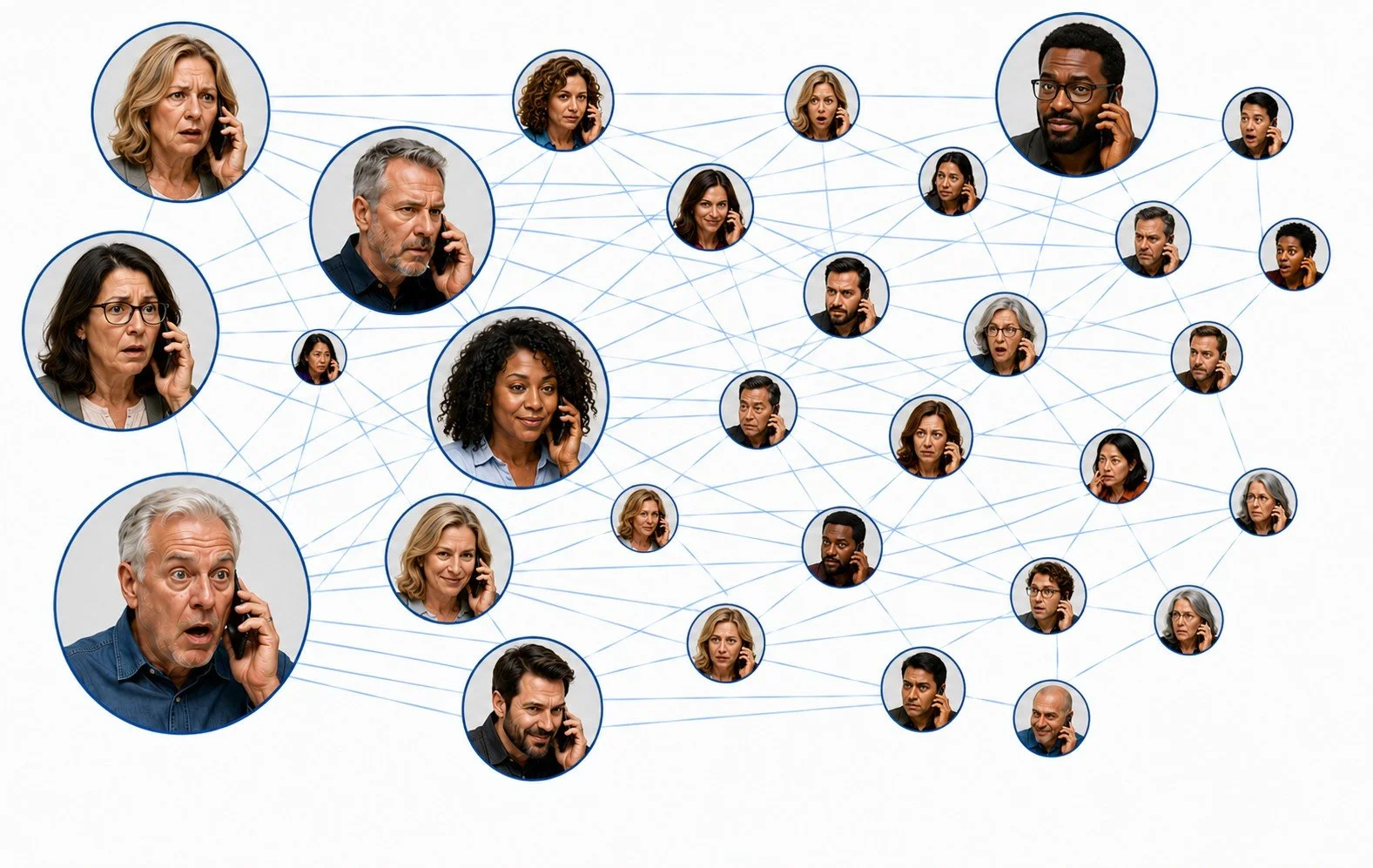
Image: A supportive conversation. Created using AI image generation (GPT Image 2 and Gemini) from suggestion by John Barry.
World Suicide Prevention Day is 10th September. This year’s theme is ‘Changing the narrative on suicide’, with the call to action ‘Start the conversation’.
The World Health Organization (WHO) says: “This theme calls on us all to challenge harmful myths, reduce stigma, and foster open, compassionate conversations about suicide. It is about shifting from silence and misunderstanding to openness, empathy, and support, creating environments where people feel able to speak up and seek help.” These are certainly worthy aims, and I’ll do my best to address the substance of the theme.
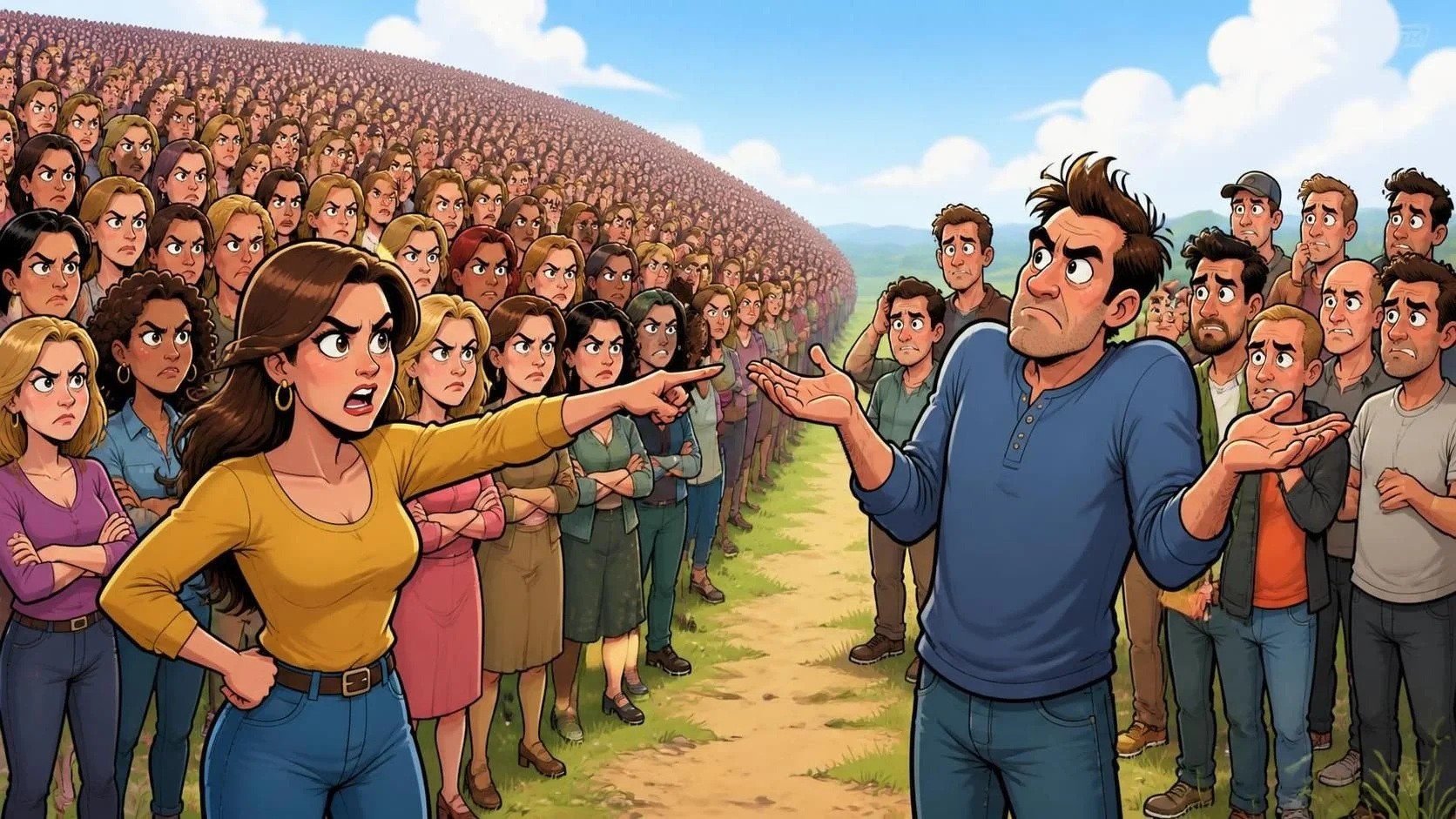
Men are around 75% of suicides in the US, UK, Canada, Australia and New Zealand, according to statistics from the WHO. Regarding the WHO’s call to “challenge harmful myths” and “foster open, compassionate conversations about suicide”, what comes immediately to mind is that we need open and compassionate conversations challenging the myth that masculinity is one of the main causes of suicide. So let’s start that conversation.
A common explanation is that more men die by suicide because men don’t seek help, because seeking help makes them look weak. Although this might be true for some men, this narrative is so common it detracts attention from issues that are almost certainly more significantly related to suicide for many other men.
Two groups of issues are of key importance here, and I agree with the WHO that it’s important that we create “environments where people feel able to speak up” about them:
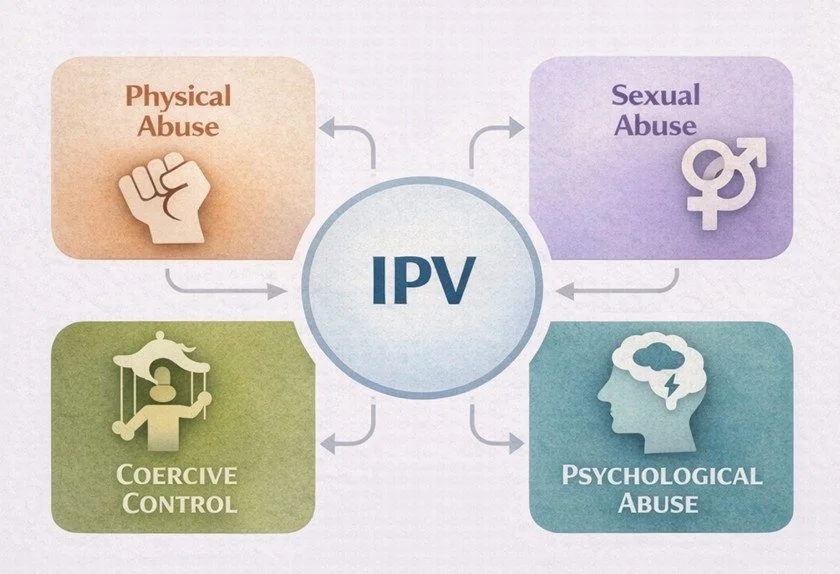
1/ Invisible problems facing men: men struggling with stressful life events that are not recognised as being a problem, such as family breakdown, false allegations of abuse, being a male victim of violence by their female partner etc, in tandem with…
2/ Therapists not adequately trained to treat men: an approach to mental health that not only is geared towards a female way of dealing with stress (e.g. talking about feelings) rather than male ways of dealing with stress, but trains therapists to see men as privileged, masculinity as hegemonic etc.
This second point is crucial because it speaks to not only a failure of health services to meet men where they are, but of promoting a view of men that fails to help therapists develop the skills to adapt their therapy to the typical needs of men, or even to properly empathise with men. Moreover, men who have a negative view of masculinity tend to have worse mental wellbeing, which means therapists should be careful not to convey to male clients that masculinity is bad. This also means that linking the idea that masculinity adds to suicide risk is a potentially counterproductive part of to a suicide prevention strategy.
“men can’t be expected to seek help from therapists if they think therapists aren’t going to empathise with their problem. This might be especially true if the therapist is a woman, and the male client’s stress is caused by violence from their wife, or the stress of being falsely accused of a sexual offence.”
These two points are strongly related, because men can’t be expected to seek help from therapists if they think therapists aren’t going to empathise with their problem. This might be especially true if the therapist is a woman, and the male client’s stress is caused by violence from their wife, or the stress of being falsely accused of a sexual offence.
In light of this, it is very welcome to see this appraisal of CBT – one of the most common therapies – for men. Chris Ferguson is a clinical psychologist in the US. The academic journal Current Opinions in Psychology recently published his paper ‘Toxic/problematic masculinity: A critical appraisal of its role in CBT’.
In his review, Ferguson focuses on probably, at present, the most widely-read guidelines and the most widely used therapy, but many people will know there are other guidelines for men and other types of therapy, and indeed other activities beyond talking therapies that men find therapeutic e.g. lifting weights.
“Portraying traditional masculinity as “toxic” is likely to cause harm, not only in stigmatizing many men and their families, but also by reducing trust in the profession”
The review begins by introducing readers to the main points covered: “Recent years have seen the psychological community focus on traditional masculinity as a problem that needs to be addressed. Concurrently, cognitive behavioral therapists have increasingly been women or men who identify with feminist theory. Concerns have been raised that good intentions to address women’s issues have transmogrified into open antimale bias even as men’s functioning has declined, including their enrollment in the behavioral health professions. Portraying traditional masculinity as “toxic” is likely to cause harm, not only in stigmatizing many men and their families, but also by reducing trust in the profession.” I will highlight some of these points in more detail below.
The paper starts by pointing out that although the APA wrote guidelines for various other groups (girls and women, transgender and gender nonconforming individuals, older adults etc) that were deeply sympathetic, when it came to their guidelines for boys and men the tone regarding masculinity was so negative “the concern arose that, in essence, the APA was endorsing clinical malpractice.” (p.1). The APA guidelines have been widely criticised for being ideological and having a weak evidence base, and Ferguson contrasts them with the guidance from the British Psychological Society (BPS) (authored by Martin Seager and I) which are respectful of men and masculinity.
Ferguson notes that “when I was trained in CBT [in the early 2000s] cultural awareness was emphasized, meaning that we were meant to be alert that our own backgrounds and perspectives could differ from those of our patients.” This has become an important issue in regards therapy for men, because women have become the majority of therapists today (according to the APA, 75% of new doctorates since 2011).
Ferguson continues: “in the early 2000s, we were encouraged to leave our own sociopolitical beliefs at the door and act in the best interest of the patient. We were not to lecture them on their politics or beliefs in ways that had little to do with their reason for therapy. By contrast, the APA guidelines appear to mark a shift in that therapeutic culture, where in the sociopolitical agenda of radical/intersectional feminist theory has become the raison d’etre of therapy, such that it emphasizes constructs such as male oppression and privilege and pushes for ending “traditional” masculinity”. Ferguson points out that masculinity is too often defined in negative ways, ignoring positive aspects of masculinity, reframing positive traits (e.g. stoicism) as negative, and including negative characteristics that are far from exclusive in men. It is little wonder that so many people have come to conflate the terms ‘traditional masculinity’ and ‘toxic masculinity’.
Ferguson suggests six ways that therapy can change to be more male-friendly, with additional points of special reference to the practice of CBT:
1/ A return to leaving politics at the door. Therapy should be based on empirical evidence, not ideology. This should be especially true for CBT practitioners, for whom there is a good amount of evidence regarding behavioural activation etc.
2/ A reinforcement of the code of ethics, in particular ‘do no harm’.
3/ More respect for traditional values, rather than the presumption that ‘progressive’ views are the correct ones for clients to have. Practitioners of CBT will be familiar with the idea of being supportive of the client’s ego-syntonic goals, that is, beliefs and behaviors that align with an individual's values and identity. For some male clients these goals (e.g. being a provider and protector) might align with traditional masculinity but not align with the feminist values of the therapist. In such cases, it’s important to recognise when the clients’ goals are perfectly healthy for him and should not be undermined by the therapist.
4/ Therapy based on feminist views might be a poor fit for non-feminist men
5/ Stop treating masculinity as if it is a problem. For example, cognitive restructuring of beliefs around masculinity should only happen if they are directed by the needs and goals of the client, rather than directed by the therapist’s concepts of what masculinity should be like.
6/ Respect for all men and all expressions of masculinity. Fixed ideas about masculinity that are not in line with those of the client will weaken the therapeutic alliance.
My concluding comments
This is a very informative paper and I recommend any therapist to read it in full (the full paper is available for free here). Regarding Word Suicide Prevention Day: clearly this topic is no laughing matter, but when I read that part of this year’s theme is “creating environments where people feel able to speak up and seek help”, I couldn’t help thinking of the caricatured response often lampooned online, that goes something like:
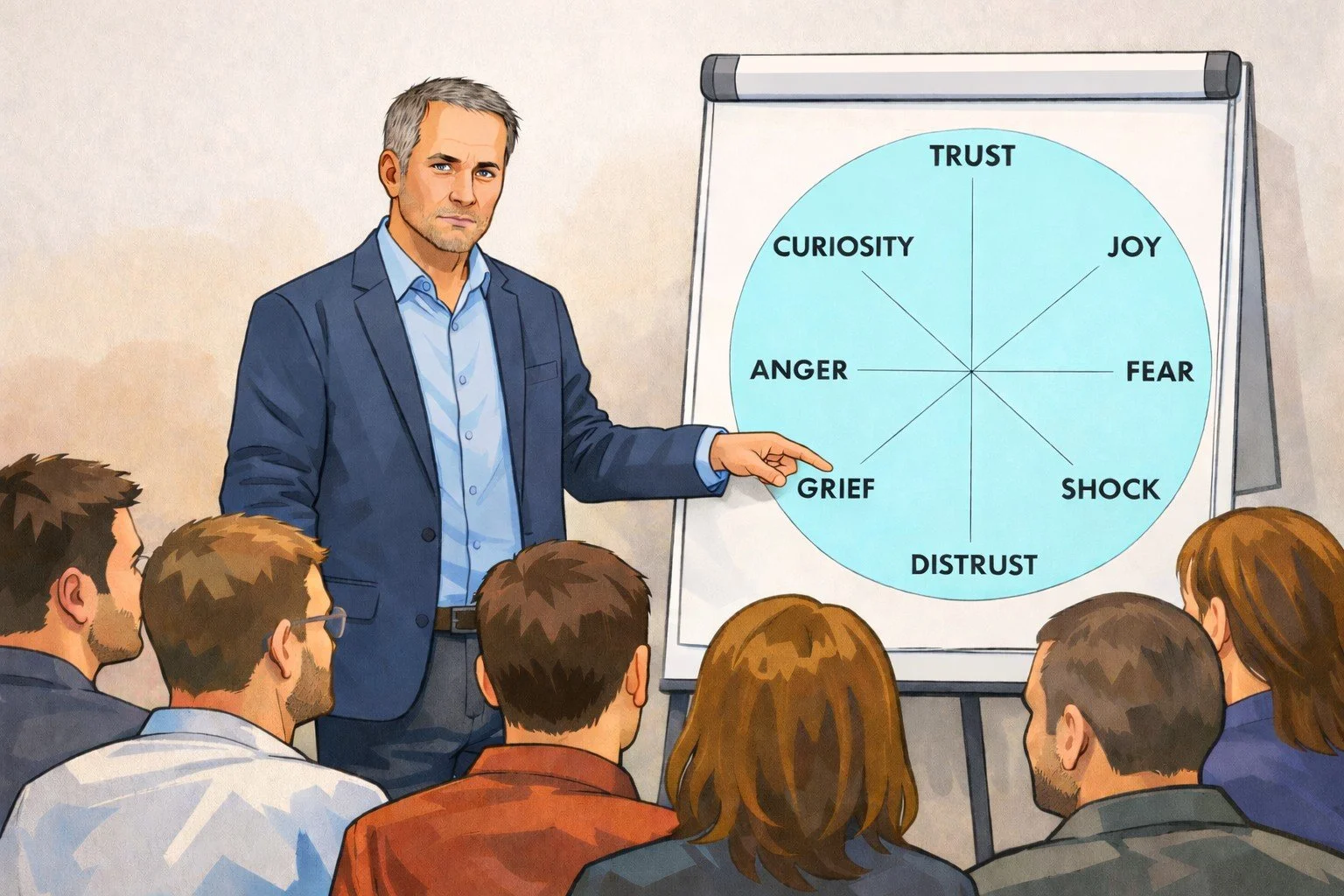
Psychologist: “Men, tell us how you feel”
Men: “We feel that therapy is too feminist and totally misunderstands us”
Psychologist: “Argh you idiots! Patriarchal misogynists!!”
But on a more serious note, I think any change in the narrative around suicide needs to include the idea that being negative about masculinity is probably counterproductive if we want men to seek therapy. When men experience major life stressors such as occur as part of family breakdown, they may become suicidal. It is likely they will prefer to find help from someone who understands their point of view, but increasingly talking therapies are gaining a reputation a not being a place where men will feel heard. Men need therapists who understand them, and a survey of therapists conducted by myself and colleagues found that therapists who consider themselves male-friendly tended to believe the training they received was not male-friendly.
What is urgently needed is more therapists who are trained to understand men’s mental health, not a therapist who is trained to see masculinity as a problem, or – almost as bad – someone trained to have an ambivalent approach to men, where they are encouraged to identify and work with male-typical ways of communication and coping, but also encouraged to see masculinity as a problem for their client’s mental health. At present a truly male-centred training is rare, which isn’t good news for men experiencing mental health problems. Will the WHO be more clearly male-centred next year? Let’s see.
If you are a man experiencing psychological distress, you can find contact details for help and support here.
Scroll down to join the discussion
Disclaimer: This article is for information purposes only and is not a substitute for therapy, legal advice, or other professional opinion. Never disregard such advice because of this article or anything else you have read from the Centre for Male Psychology. The views expressed here do not necessarily reflect those of, or are endorsed by, The Centre for Male Psychology, and we cannot be held responsible for these views. Read our full disclaimer here.
Like our articles?
Click here to subscribe to our FREE newsletter and be first
to hear about news, events, and publications.





















Have you got something to say?
Check out our submissions page to find out how to write for us.














.