Three reasons you will miss pubs when they go extinct
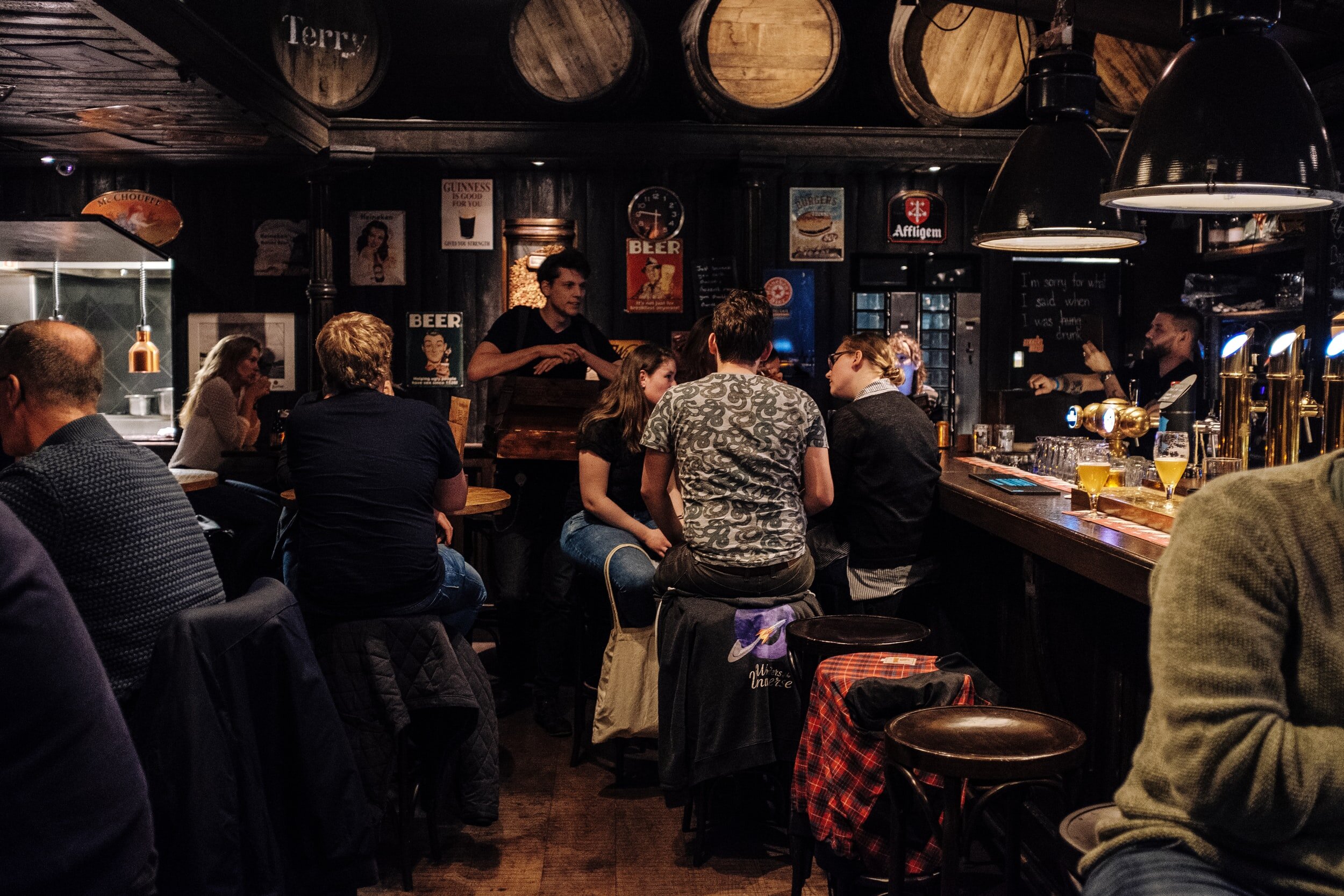
It has often been said that the local pub is an invaluable social hub, especially in rural communities. To those of you who weren’t convinced of this already, perhaps now that the pub is becoming an endangered species due to covid-19 lockdowns, you might be changing your minds.
So what exactly are we losing? Within the rather nebulous idea of the social hub you could unpack many useful activities that are important on a human level, and here are three related to men’s mental health.
“One of the key needs of human beings, according to Maslow, is social belonging. The pub is a place that creates a space for people to feel that they are part of a group e.g. a place to meet an old friend”
1/ Socialising is good for your wellbeing
One of the key needs of human beings, according to Maslow, is social belonging. The pub is a place that creates a space for people to feel that they are part of a group e.g. a place to meet an old friend or make new friends, a great place to tell jokes and stories, to meet for a quick drink before going somewhere else. It can even provide a sense of being among others to someone who is feeling lonely or isolated, as so many people are during lockdown. In any case, research suggests that social drinkers tend to have a better support network, and feel more connected with their community… or at least they used to before covid-19.
2/ Pubs can be a good for your mental health
Apart from the boost to wellbeing of a fun night out, the pub can be one of the few places people can unwind after the demands of a stressful day. This can be especially important to men because it’s well documented that men are less likely than women to seek therapy, and the pub is a place they can talk about their feelings without it feeling like they are on the therapists coach. Even if it’s just looks to the casual observer like someone having a laugh with mates, or sharing a pint with a colleague, it can provide a welcome decompression chamber before getting the train home.
So during lockdown when we can’t go to the pub – or engage in other valuable social activities such as going to sporting events – how can we stay in touch and share a laugh together? It’s important to stay connected with others in whatever way we can, whether via the phone, Zoom etc. One idea is to get a few friends together on a Zoom with a glass of your favourite drink – it can be non-alcoholic of course – and create your own online pub. Maybe one day soon pubs will start doing deliveries for such occasions, who knows – they might need to in order to stay in business.
Note: drinking to excess is bad for your mental health and social life, and can have legal and medical consequences. If you think you might be drinking too much, don’t just tell the barman, seek some professional help.
3/ People will become unemployed
Pubs have been closing at a frightening rate since the lockdowns began, and it looks like even the iconic Wetherspoons is in trouble. Lots of people enjoy working in pubs, and although job satisfaction is especially good for men’s psychological wellbeing, unemployment is especially bad for men’s mental health.
In conclusion, it all looks a bit grim at present, and it can feel like there’s not a lot you can do. However one positive thing that you can take control of is to join the campaign to save your local pub from closure https://camra.org.uk/pubs-and-clubs/current-campaigns/ Even if you are not a regular, it might do others some good. And you never know when you might need to drop by for a friendly drink. So let’s not let them wither in the vine – let’s do the community some good and do what we can to keep pubs alive.
This article was first published on the Male Psychology Network website in January 2021
Scroll down to join the discussion
Disclaimer: This article is for information purposes only and is not a substitute for therapy, legal advice, or other professional opinion. Never disregard such advice because of this article or anything else you have read from the Centre for Male Psychology. The views expressed here do not necessarily reflect those of, or are endorsed by, The Centre for Male Psychology, and we cannot be held responsible for these views. Read our full disclaimer here.
Like our articles?
Click here to subscribe to our FREE newsletter and be first
to hear about news, events, and publications.






When a male is in a power imbalance, at least two masculine instincts are disempowered…


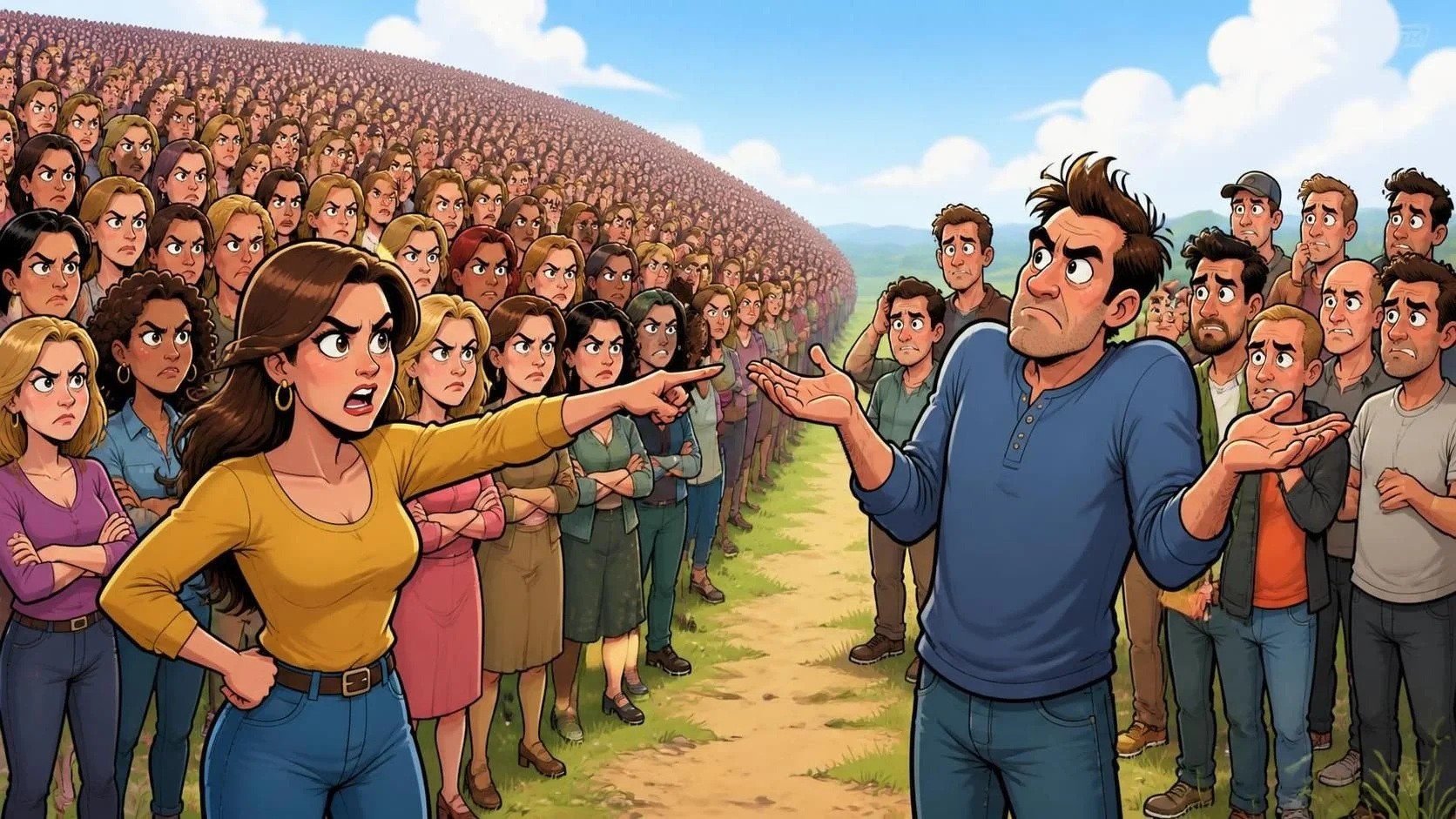
…people – men and women alike – respond less positively to male-favouring sex differences than they do to female-favouring sex differences.
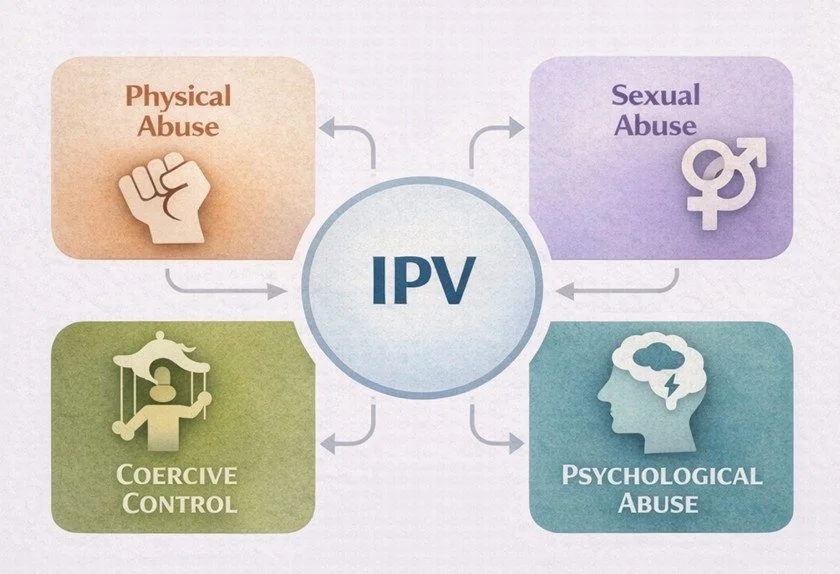
hyper-masculine gender norms are typically embedded within military institutions, and while adherence to these norms can contribute to combat and military success, they conversely make clinical work challenging
Men might benefit greatly from a government strategy aimed at improving their health. Here are suggestions from the Centre for Male Psychology on how that might be done. This article ends with some comments on potential pitfalls in the process of putting this strategy in place.


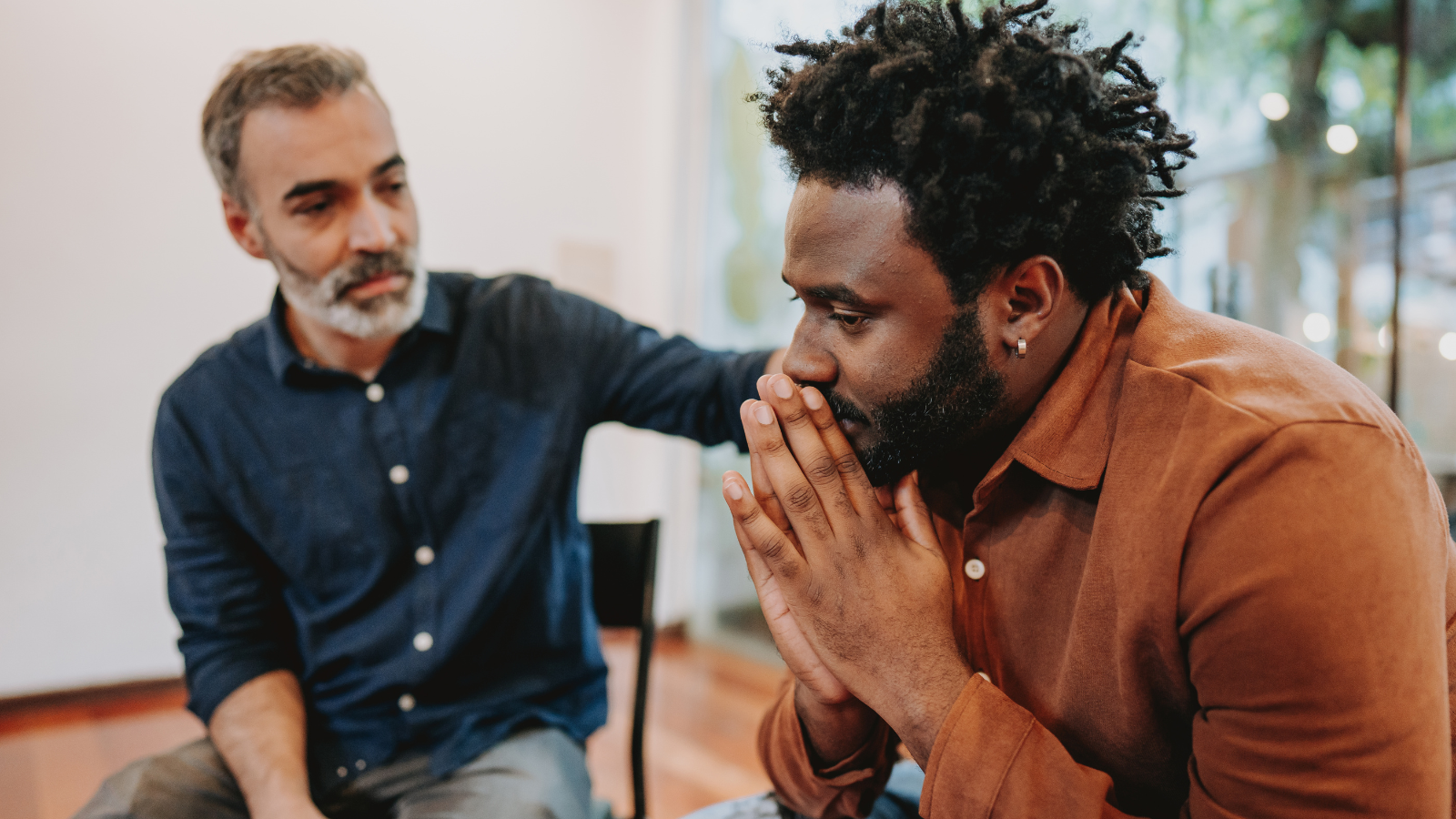

…people – men and women alike – respond less positively to male-favouring sex differences than they do to female-favouring sex differences.



hyper-masculine gender norms are typically embedded within military institutions, and while adherence to these norms can contribute to combat and military success, they conversely make clinical work challenging


Have you got something to say?
Check out our submissions page to find out how to write for us.
hyper-masculine gender norms are typically embedded within military institutions, and while adherence to these norms can contribute to combat and military success, they conversely make clinical work challenging
hyper-masculine gender norms are typically embedded within military institutions, and while adherence to these norms can contribute to combat and military success, they conversely make clinical work challenging
hyper-masculine gender norms are typically embedded within military institutions, and while adherence to these norms can contribute to combat and military success, they conversely make clinical work challenging
hyper-masculine gender norms are typically embedded within military institutions, and while adherence to these norms can contribute to combat and military success, they conversely make clinical work challenging

hyper-masculine gender norms are typically embedded within military institutions, and while adherence to these norms can contribute to combat and military success, they conversely make clinical work challenging

Much of our attitudes, theorizing and public debate around men and masculinity is influenced by high profile feminist and Gender Studies scholars in academia. But what is the scientific quality of publications from these scholars?

Some people blame drill music – a form of rap - for the rising murder rate in London. Drill is known for aggressive lyrics about gang violence, but rather than seeing this as a valuable way for young men to express their feelings, some people want to ban it.

To survive… cultures have to use men and women effectively and … in fact, most cultures have used men and women in different ways… what our culture does is [grant] greater status to men and greater protection to women

hyper-masculine gender norms are typically embedded within military institutions, and while adherence to these norms can contribute to combat and military success, they conversely make clinical work challenging
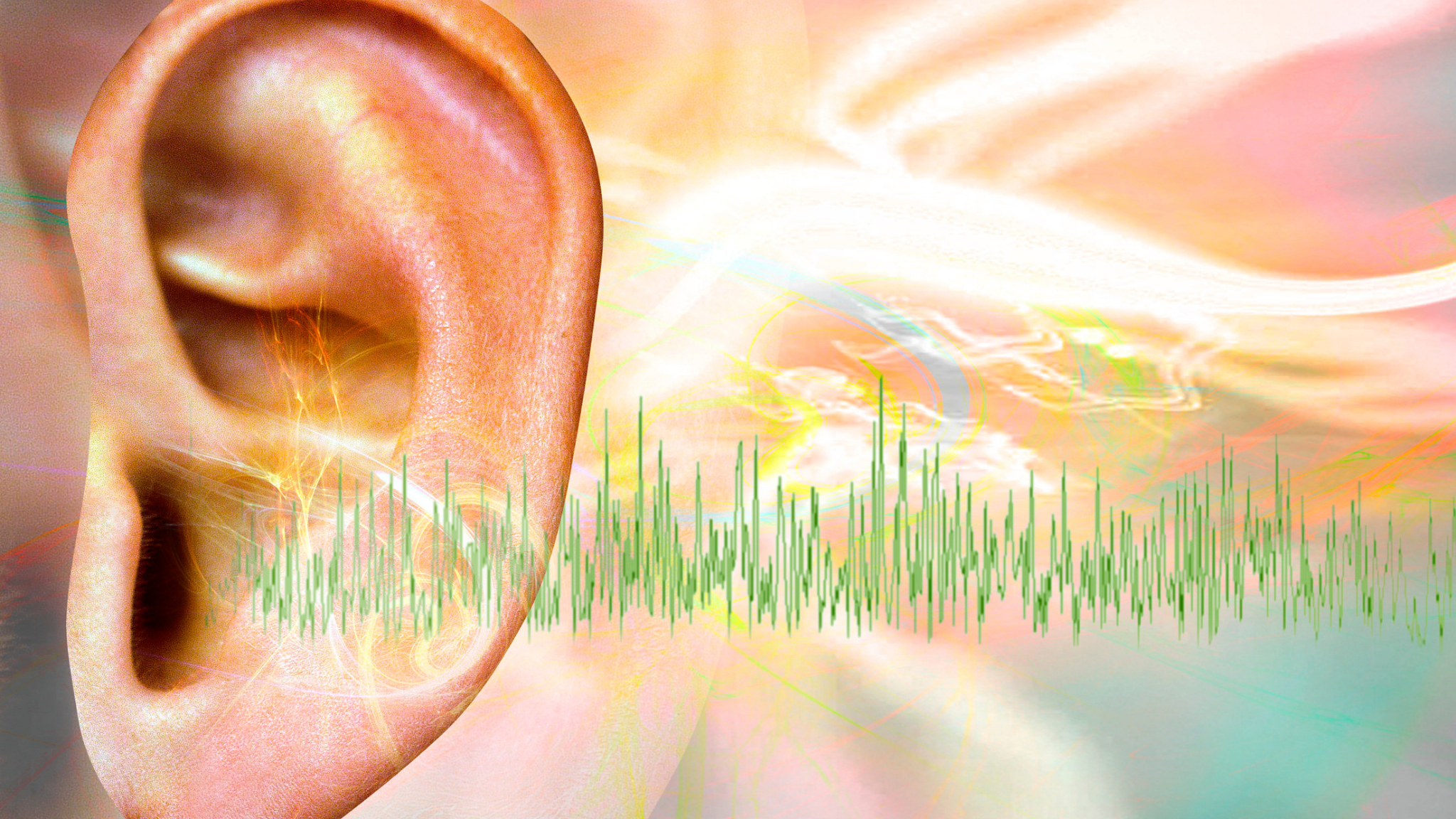
There are around 300,000 veterans living with hearing loss in the UK, according to The Royal British Legion. In addition to being at a greater risk of PTSD, depression, and anxiety, many vets are also battling psychological distress from hearing problems.

The book begins with a description of her therapeutic approach, and an illustration of how to understand and work with the rage often seen in male CSA clients.

I felt in my dealings with some police officers, as though I were treated firstly as a man (assumed to be a perpetrator), but they’d overlooked risks associated with my impairment. Example: How can you dodge a missile you don’t see coming?

The Panorama programme on domestic violence failed to adequately highlight two important issues: male victims and female perpetrators.

your photograph, name and address, might appear in the local and national press and on TV, insinuating what an evil monster you are

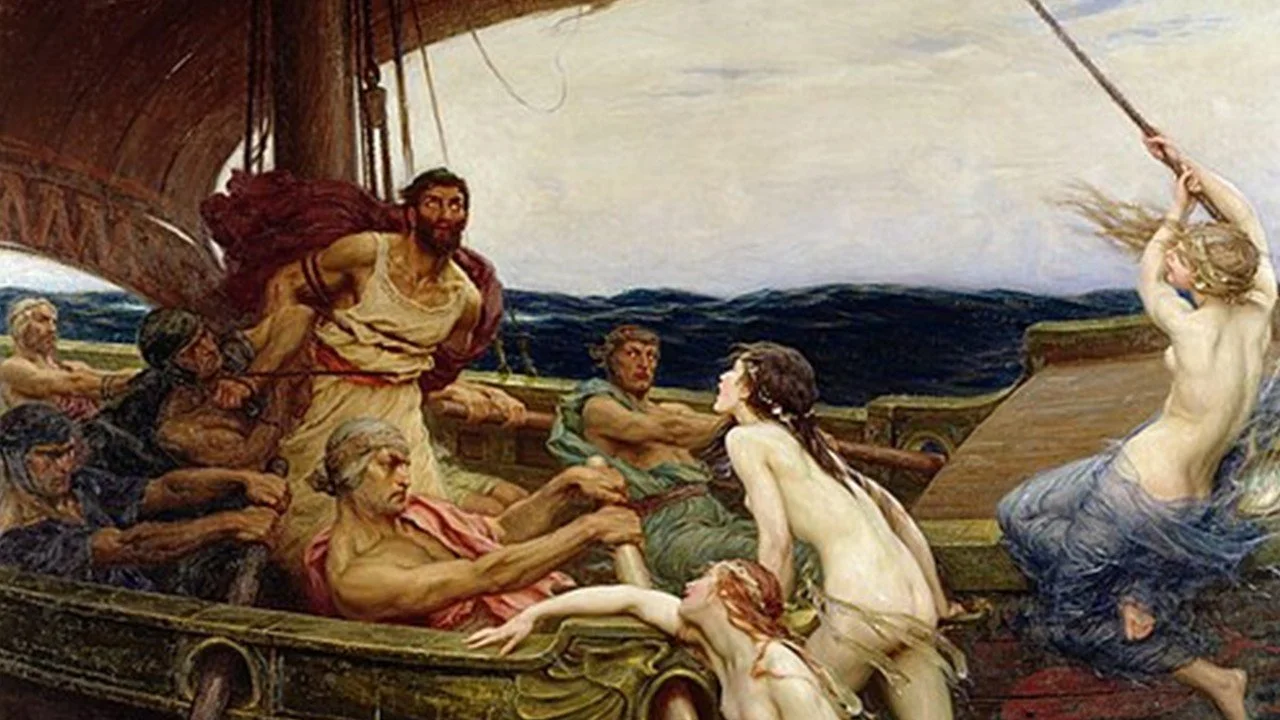
…an attack upon masculinity is an attack upon one’s sense of self, of identity. …What, then, is the right psychological defence against such an attack?

The male has been designed to “look”, not only at the female, but to “look out” for prey, for danger, and for ways to protect his family unit.

If his child is allowed to live, this man must be available, for the rest of his life, to love and provide for his child… If, on the other hand, it is decided that his child is to be destroyed, he should be able to go about his life as if nothing has happened
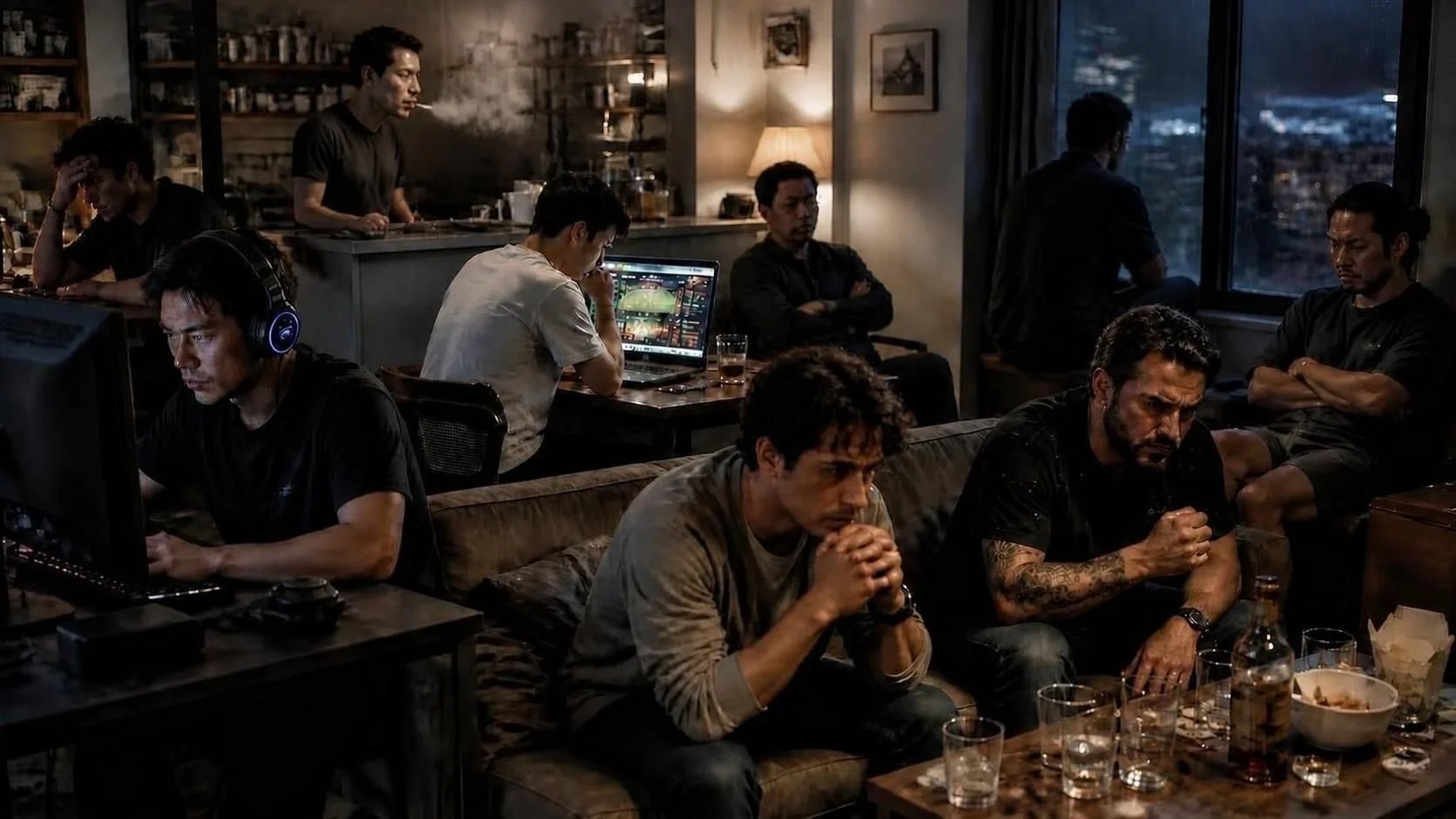
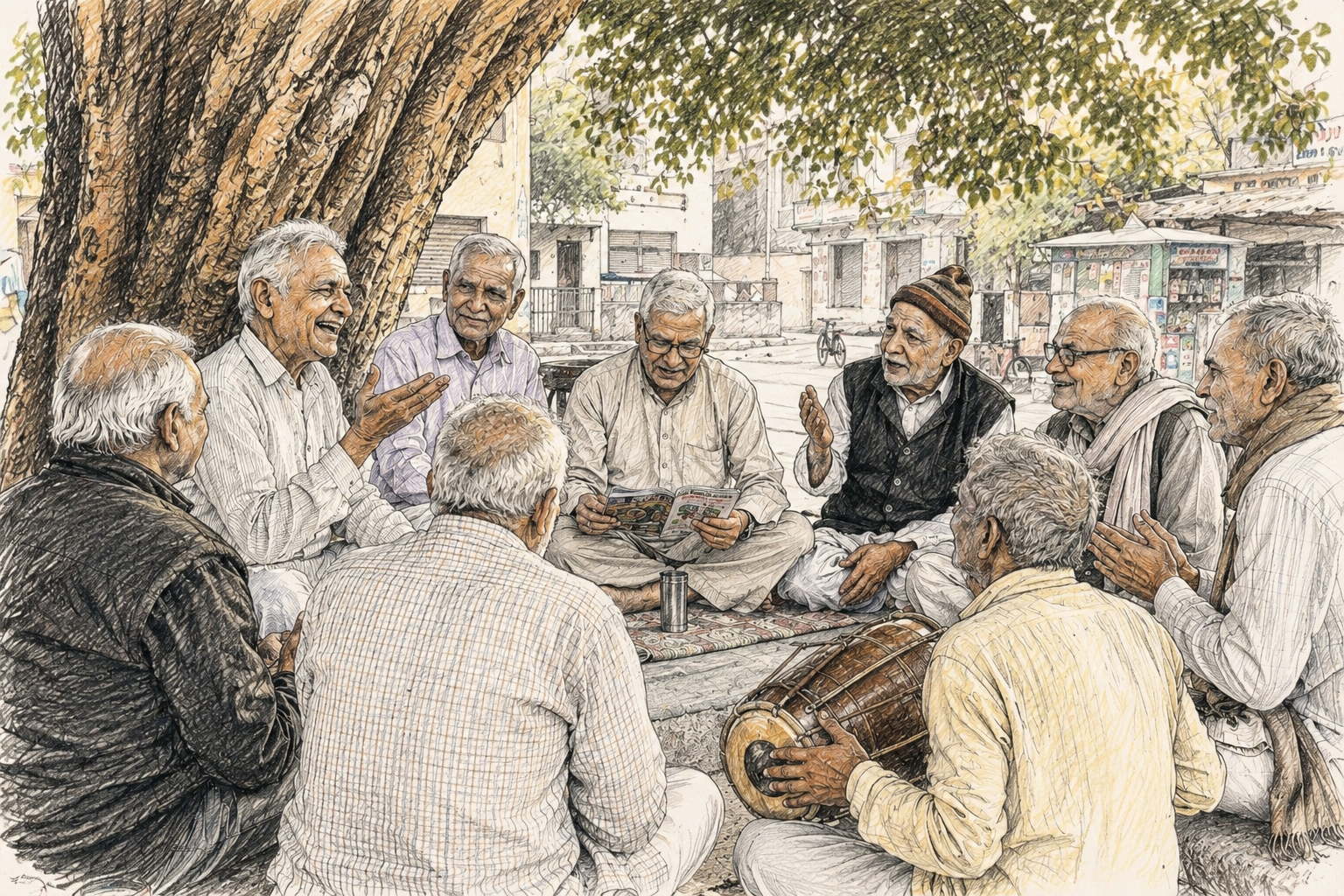
Socialising is a basic human need. The opposite – social isolation – is one of the worst forms of torture. Some people look down on the local pub as a place for undesirable riff raff, but that narrow viewpoint misses entirely the community value of the pub

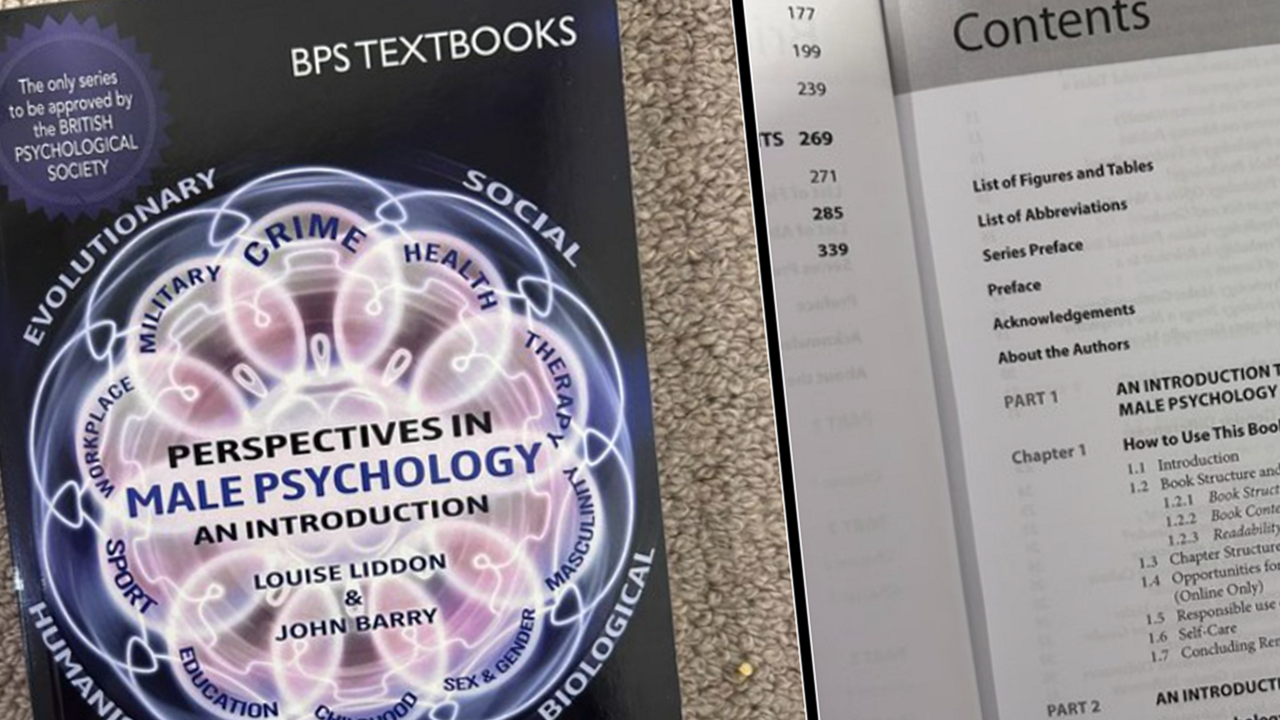
Male psychology is a recent development in academia. Unlike gender studies, feminism, and men’s studies, male psychology takes the view that we can gain more by recognising and harnessing the positive aspects of masculinity than we can by taking a relentlessly negative approach to men.

.
 John Barry
Dr John Barry is a chartered psychologist, researcher, clinical hypnotherapist and co-founder of the Male Psychology Network, BPS Male Psychology Section, and The Centre for Male Psychology (CMP). Also co-editor of the Palgrave Handbook of Male Psychology & Mental Health, co-author of the textbook Perspectives in Male Psychology: An Introduction (Wiley), and presenter on Centre for Male Psychology training courses.