
The Positive Mindset Index (PMI) is a freely available validated measure of mental wellbeing
Measures of mental health can be difficult to get right. For example, if you want to measure suicidality, the most obvious thing to do is ask people questions about how much they have been thinking about suicide, have they ever attempted suicide etc. This can make for an uncomfortable time for many participants, and can result in people dropping out of studies.
But what about if you can tap into mental health by asking people about their mental wellbeing? This would make the participant’s experience a lot less awkward, but can it be done in practice? Well, the Positive Mindset Index (PMI) (Barry, Folkard & Ayliffe, 2014), which asks people to rate their level of happiness, confidence etc, has proved to be strongly negatively correlated with suicidality (r = -.539) and strongly positively correlated with the SF-12 measure of mental health quality of life (r = .678). Phillips et al (2018) found good concurrent validity with PsyCap (an appealing personality) (r = .687) and the Subjective Happiness Scale (r = .689). Barry et al (2020) found good concurrent validity between the PMI and Rosenberg’s (1965) self-esteem scale (r = .766). This scale shows good internal reliability (Cronbach’s alpha = 0.926) and good concurrent validity with the mental health subscale of the SF-12 (r = .678). So not only does the PMI give you a sense of a person’s mental positivity, but it also gives you a sense of their mental health.
The PMI has proved it’s worth in several published projects since 2014, with a variety of demographics (people with health problems, men and women of various ages and ethnicities etc). But the PMI also has an advantage for people who interested in men’s mental health: it just so happens to be very male-friendly.
A male-friendly measure
What makes the PMI so male-friendly? Well, it is a very short questionnaire, and easy to fill in. Men are notorious in the research world for being difficult to recruit and having little time for research, so brief measures are definitely the way to go. It is also useful for people with limited reading skills, because it uses very few words, and all of them are relatively simple. It also also uses a neutral midpoint, which means participants aren’t under pressure to give strong opinions if they don’t want to. If participants become frustrated or bored, they can drop out of studies.
Because of this male-friendly aspect, the PMI has been used on several of the Male Psychology Network research projects, but has been used by other research teams too. The PMI has been so far used in twelve peer-reviewed published studies and a conference presentation, with a total of 10,208 participants.
Male and female patients with uveitis (an eye condition) (N = 200) (Barry, Folkard & Ayliff, 2014)
Men and women from general population (N = 348 women & 170 men) (Seager, Sullivan & Barry, 2014).
Men and women from general population (N = 217) (Barry, Seager & Brown, 2015)
Black men & women (N=53) and White men & women (N=149) (Roper & Barry, 2016)
Men and women from general population (N = 115 men & 232 women) (Liddon, Kingerlee & Barry, 2017).
Men in the British Isles (N = 2000) (Barry & Daubney, 2017)
Audit of mentoring scheme (conference presentation) (N = 16) (Doyle & Harney, 2018)
Men in the US (N = 5000) (Barry, 2018)
Disabled men and women in the US (N = 330) (Phillips et al, 2018).
Men and women in the UK aged over 50 years old (N = 394) (Hadley, Newby & Barry, 2019)
Men and women from general population (N = 203 men & 52 women)(Barry, Walker, Liddon and Seager, 2020)
Men in the UK (N = 29) (Barry & Liddon, 2020)
Men and women with disabilities in the US (N = 292) (Fry et al, 2020)
Men and women in the UK (N = 408) (Barry & Liddon, in press)
These populations vary by age, race, and ability, though are mostly from either the US or UK so are culturally relatively homogenous.
So what does the PMI look like?
The Positive Mindset Index scale consists of six items (happiness, confidence, being in control, emotional stability, motivation and optimism) on a 5-point Likert scale.
Participants are asked:
Please select one of the options (e.g. “happy” or “unhappy”) for the words in each row, indicating how you are feeling at this moment.
The response options are selected in each row:

The PMI is scored from 1 to 5, with lower scores indicating a less positive mindset. The mean of the 6 scores is used. The average score is around 3.5, with slight variation for age and culture. The scale shows excellent psychometric properties, and further details for researchers can be found here.
Is positive mindset related to positive psychology, or positive masculinity?
Although not specifically derived from positive psychology, there is some common ground between positive psychology and the PMI. Up until the 1990s, men and masculinity were seen in fairly benign terms in the field of psychology. However the 1990s saw a new deficit model of masculinity, which defined masculinity in negative terms (including misogyny and homophobia) and explored the ways in which masculinity might be damaging to the mental health of men, boys, and everyone around them. It’s been a relief to many people that the past decade has seen the birth of ‘positive masculinity‘. Positive masculinity has it’s roots in positive psychology, so brings not just the return of masculinity as a benign construct, but sees masculinity as something which is potentially an asset. In tandem with positive psychology / positive masculinity (PPPM), we have seen the development of the Male Gender Script (Seager, Sullivan & Barry, 2014), which takes a realistic view of masculinity, rather than the excessively harsh view of the 1990s.
Using the PMI in your research
The PMI is free to use and is very handy because it is short and therefore easy to add to a study without adding a burden to the person filling in your study. It is also very easy to score, so is attractive to researchers at all levels of experience. It’s not simply a measure for men’s mental health either, and although it hasn’t been standardised for children or non-English speakers, is perfect for use with adults in general.
For a more detailed description of the scale and it’s properties, see here.
Reference
Barry, J. A., Folkard, A., & Ayliffe, W. (2014). Validation of a brief questionnaire measuring positive mindset in patients with uveitis. Psychology, Community & Health, 3(1), 1-10. Full text available here
A downloadable version of this webpage can be found here.
This article was first published on the Male Psychology Network website in 2019
Scroll down to join the discussion
Disclaimer: This article is for information purposes only and is not a substitute for therapy, legal advice, or other professional opinion. Never disregard such advice because of this article or anything else you have read from the Centre for Male Psychology. The views expressed here do not necessarily reflect those of, or are endorsed by, The Centre for Male Psychology, and we cannot be held responsible for these views. Read our full disclaimer here.
Like our articles?
Click here to subscribe to our FREE newsletter and be first
to hear about news, events, and publications.









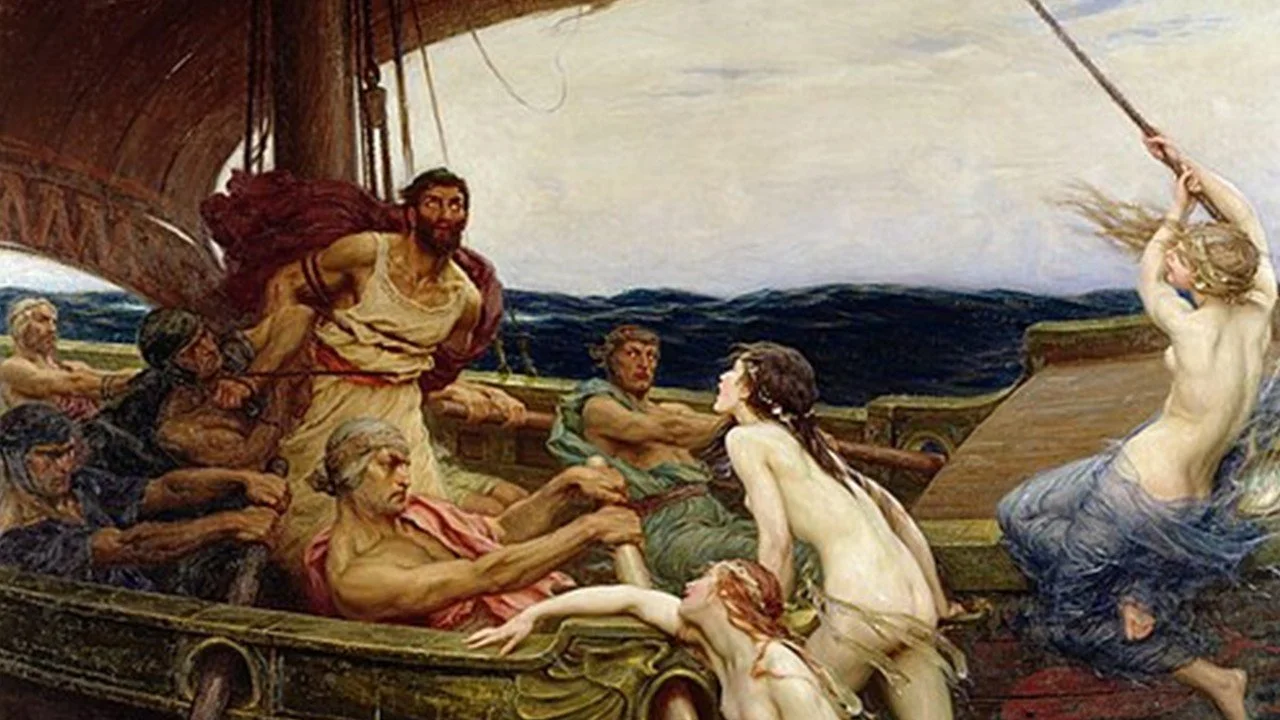

When a male is in a power imbalance, at least two masculine instincts are disempowered…

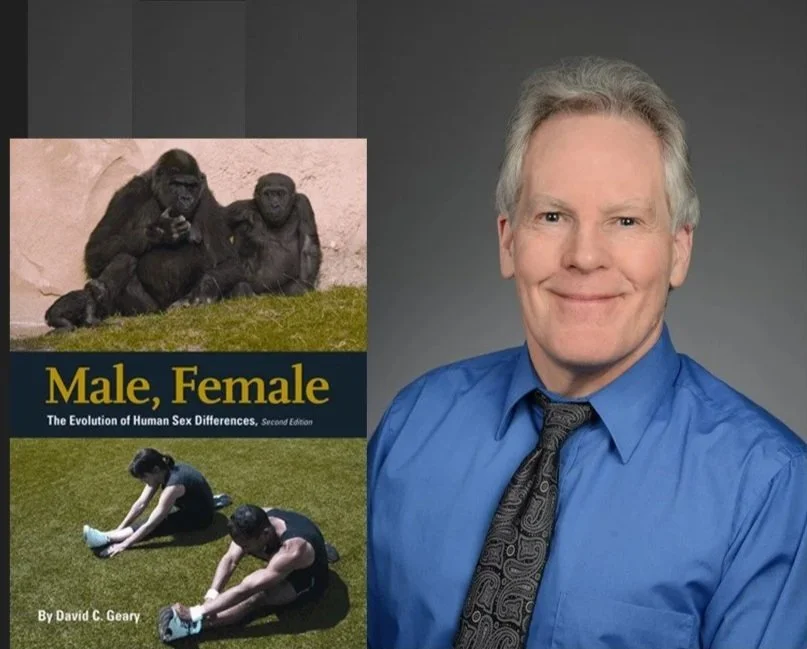
…people – men and women alike – respond less positively to male-favouring sex differences than they do to female-favouring sex differences.
hyper-masculine gender norms are typically embedded within military institutions, and while adherence to these norms can contribute to combat and military success, they conversely make clinical work challenging
Men might benefit greatly from a government strategy aimed at improving their health. Here are suggestions from the Centre for Male Psychology on how that might be done. This article ends with some comments on potential pitfalls in the process of putting this strategy in place.




…people – men and women alike – respond less positively to male-favouring sex differences than they do to female-favouring sex differences.





Have you got something to say?
Check our our submissions page to find out how to write for us.
hyper-masculine gender norms are typically embedded within military institutions, and while adherence to these norms can contribute to combat and military success, they conversely make clinical work challenging

hyper-masculine gender norms are typically embedded within military institutions, and while adherence to these norms can contribute to combat and military success, they conversely make clinical work challenging

hyper-masculine gender norms are typically embedded within military institutions, and while adherence to these norms can contribute to combat and military success, they conversely make clinical work challenging

hyper-masculine gender norms are typically embedded within military institutions, and while adherence to these norms can contribute to combat and military success, they conversely make clinical work challenging

hyper-masculine gender norms are typically embedded within military institutions, and while adherence to these norms can contribute to combat and military success, they conversely make clinical work challenging

Much of our attitudes, theorizing and public debate around men and masculinity is influenced by high profile feminist and Gender Studies scholars in academia. But what is the scientific quality of publications from these scholars?

Some people blame drill music – a form of rap - for the rising murder rate in London. Drill is known for aggressive lyrics about gang violence, but rather than seeing this as a valuable way for young men to express their feelings, some people want to ban it.

To survive… cultures have to use men and women effectively and … in fact, most cultures have used men and women in different ways… what our culture does is [grant] greater status to men and greater protection to women

hyper-masculine gender norms are typically embedded within military institutions, and while adherence to these norms can contribute to combat and military success, they conversely make clinical work challenging
There are around 300,000 veterans living with hearing loss in the UK, according to The Royal British Legion. In addition to being at a greater risk of PTSD, depression, and anxiety, many vets are also battling psychological distress from hearing problems.

The book begins with a description of her therapeutic approach, and an illustration of how to understand and work with the rage often seen in male CSA clients.

I felt in my dealings with some police officers, as though I were treated firstly as a man (assumed to be a perpetrator), but they’d overlooked risks associated with my impairment. Example: How can you dodge a missile you don’t see coming?

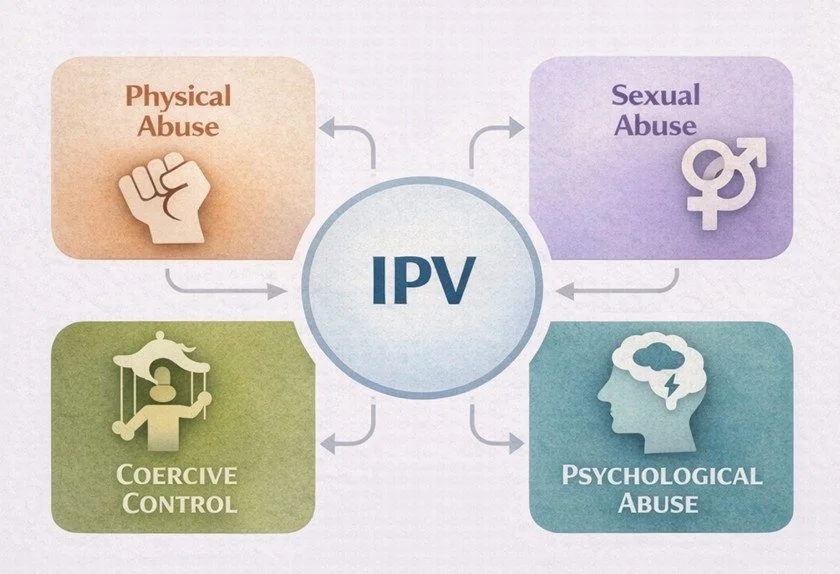
The Panorama programme on domestic violence failed to adequately highlight two important issues: male victims and female perpetrators.

your photograph, name and address, might appear in the local and national press and on TV, insinuating what an evil monster you are

…an attack upon masculinity is an attack upon one’s sense of self, of identity. …What, then, is the right psychological defence against such an attack?

The male has been designed to “look”, not only at the female, but to “look out” for prey, for danger, and for ways to protect his family unit.

If his child is allowed to live, this man must be available, for the rest of his life, to love and provide for his child… If, on the other hand, it is decided that his child is to be destroyed, he should be able to go about his life as if nothing has happened

Socialising is a basic human need. The opposite – social isolation – is one of the worst forms of torture. Some people look down on the local pub as a place for undesirable riff raff, but that narrow viewpoint misses entirely the community value of the pub

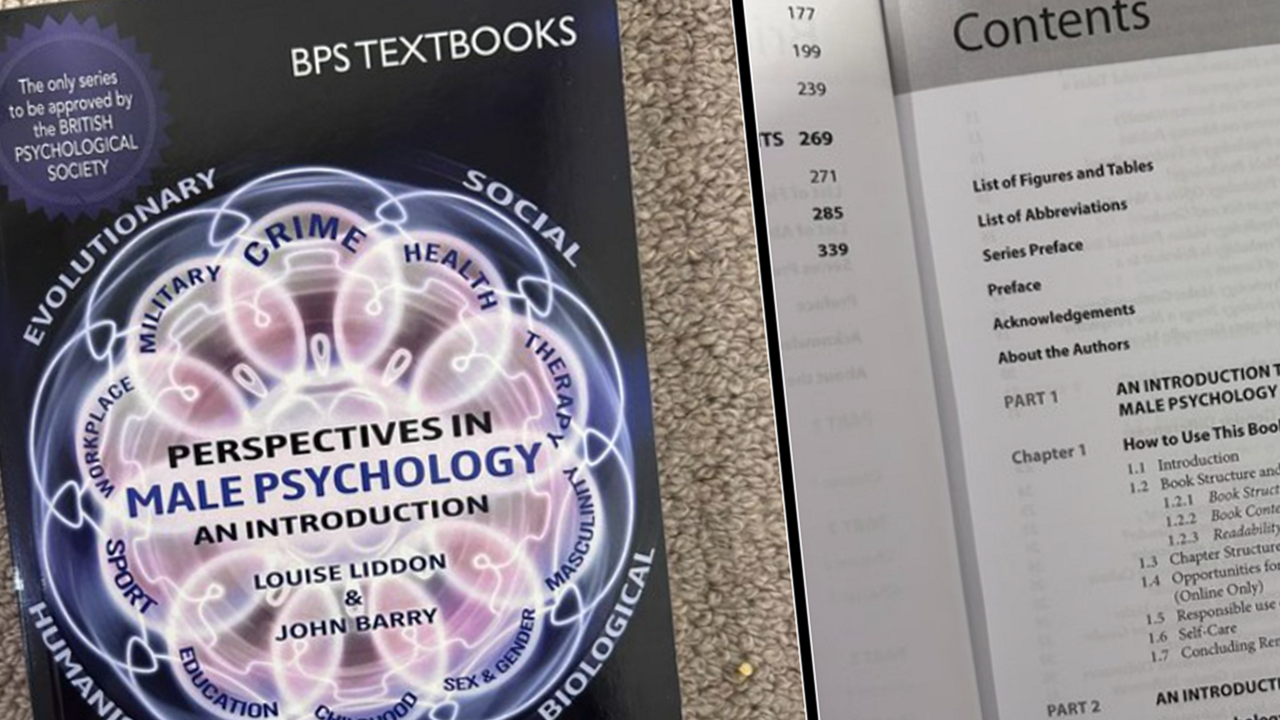
Male psychology is a recent development in academia. Unlike gender studies, feminism, and men’s studies, male psychology takes the view that we can gain more by recognising and harnessing the positive aspects of masculinity than we can by taking a relentlessly negative approach to men.
.