Who is best placed to help male victims of domestic violence?
According to new data from the Mankind Initiative charity, 41% of men who experience domestic violence suffer from mental or emotional problems as a result. Male victims of domestic violence have been largely invisible of the years, but a change is in the air: finally there is recognition that not only do men experience abuse, but also that their needs should be supported. The BBC documentary about the life of Alex Skeel cannot be underestimated in terms of its impact in the corridors of power and on the frontline in Police and Local Authority offices. Real investment in developing services for men is on the agenda, yet the favoured groups to secure this new cash are perhaps surprising, because they hold the view that domestic violence is caused mainly by patriarchy, and that the most important victims are female.
The past 10 years have been a roller-coaster experience for male victims of domestic violence. Back in 2007/8 the British Crime survey found that as many as 15% of victims of abuse were men. Ten years on that has grown to more than 37% in the latest Crime Survey of England and Wales. The Mankind Initiative – the UK’s leading specialist support service for male victims remind us that for every 3 victims of DV – 2 will be women and 1 will be a man.
In a survey of 728 male victims of abuse undertaken by our charity we asked ‘How important is it that services for male victims should be grounded in the experience of men and separated from services primarily designed for women?’ More than 84% though it essential or important. We agree.
You might be forgiven for assuming that support services, strategies and funding would have mirrored this meteoric rise in the number of men suffering abuse. But that wouldn’t be entirely true.
“Welsh Government also fund a helpline for ALL victims of abuse called ‘Live Fear Free’ – also delivered by Welsh Women’s Aid. Sadly just 2% of callers to the service are men”.
In Wales new legislation to combat domestic abuse was introduced in 2015. It’s called the Violence against Women, Domestic Abuse and Sexual Violence (Wales) Act. There is a clue in the title. It has spawned a range of programmes, initiatives and strategies such as Ask & Act – delivered by Welsh Women’s Aid – where public sector workers are trained to understand the ‘Violence against Women’ agenda. Welsh Government also fund a helpline for ALL victims of abuse called ‘Live Fear Free’ – also delivered by Welsh Women’s Aid. Sadly just 2% of callers to the service are men.
The Welsh Government’s National Strategy emphasizes that: ’…violence against women is a violation of human rights and both a cause and consequence of inequality between women and men, and it happens to women because they are women and that women are disproportionately impacted by all forms of violence.’
Male victims get a somewhat less significant statement about their experience, ‘Whilst it is important that this Strategy acknowledges and communicates the disproportionate experience of women and girls this does not negate violence and abuse directed towards men and boys or perpetrated by women’.
That will be little comfort to the 1 in 3 victims who experience abuse and have the misfortune of being male.
In terms of practical help there is a chasm between need and provision for men. In Gwent, the official data shows that 36% of victims – over 8,000 in total – recorded by the Police were male – yet support services helped just 69 men compared to 2678 women in 2015/16 across the five local authorities. In North Wales it’s even worse –2,401 women were supported and just 32 men.
“Should ‘Women’s Aid’ organisations receive public funding to provide support to men as well?”
There have been some important changes, and surprising ones at that. You’ll struggle to find many organisations called ‘Women’s Aid’ across huge swathes of Wales. Whilst some have retained the clue in the title many have changed their name – Cyfannol, Threshold, Calan, Atal Y Fro, DASU, Thrive and many more. Almost all are still member organisations of Welsh Women’s Aid and retain their commitment to a gendered view of domestic abuse that emphasizes the role of the patriarchy, and mirrors the Welsh Government strategy’s statement about this happening to women BECAUSE they are women. To be clear, these organisations are powerful advocates for the women who experience domestic violence and abuse, who undeniably make up a majority by all ways of calculation in the UK. If you were a woman you’d want these people on your side. But what if you’re a man?
The question that will come before local politicians in 2019 will be – ‘Should ‘Women’s Aid’ organisations receive public funding to provide support to men as well?’ There is also a question about potential conflicts of interest where both parties are supposedly being supported by ‘women’s aid’ as victims / survivors of abuse? We think that’s another important reason for separate services delivered by separate organisations.
It has never been more important for men’s voices to be heard.
This article was first published on the Male Psychology Network website in 2019
Scroll down to join the discussion
Disclaimer: This article is for information purposes only and is not a substitute for therapy, legal advice, or other professional opinion. Never disregard such advice because of this article or anything else you have read from the Centre for Male Psychology. The views expressed here do not necessarily reflect those of, or are endorsed by, The Centre for Male Psychology, and we cannot be held responsible for these views. Read our full disclaimer here.
Like our articles?
Click here to subscribe to our FREE newsletter and be first
to hear about news, events, and publications.

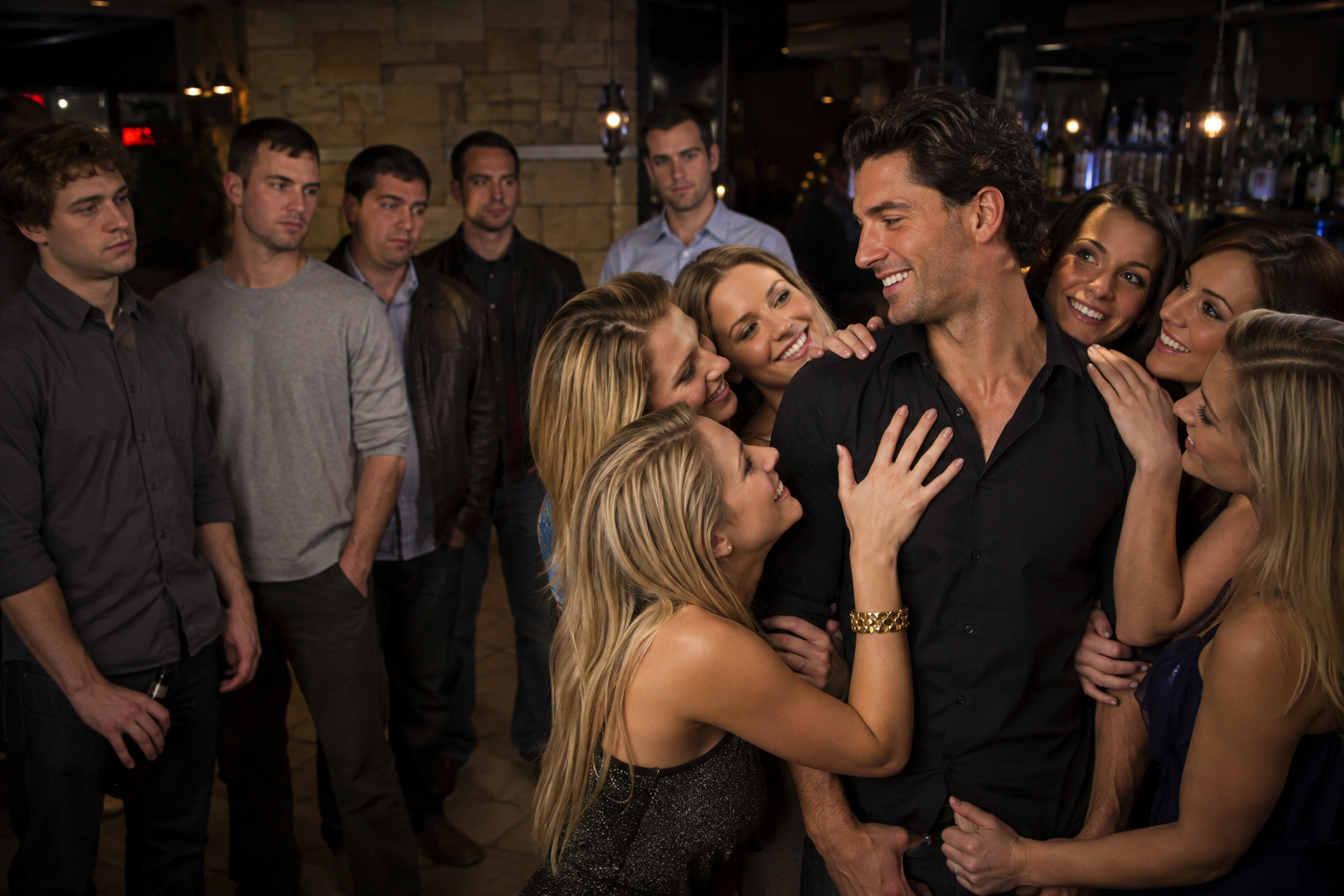
When a male is in a power imbalance, at least two masculine instincts are disempowered…

…people – men and women alike – respond less positively to male-favouring sex differences than they do to female-favouring sex differences.
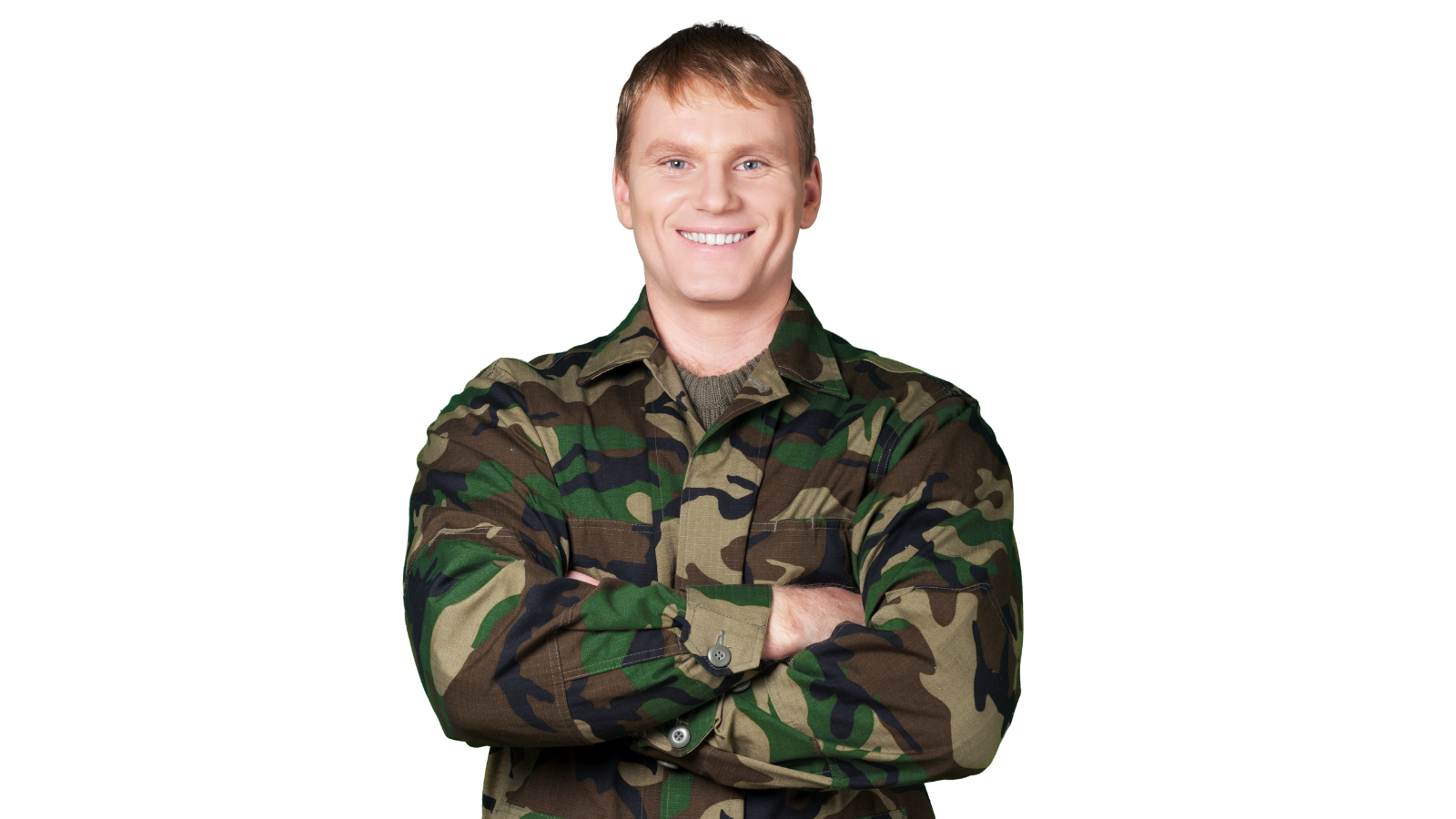
hyper-masculine gender norms are typically embedded within military institutions, and while adherence to these norms can contribute to combat and military success, they conversely make clinical work challenging
Men might benefit greatly from a government strategy aimed at improving their health. Here are suggestions from the Centre for Male Psychology on how that might be done. This article ends with some comments on potential pitfalls in the process of putting this strategy in place.



…people – men and women alike – respond less positively to male-favouring sex differences than they do to female-favouring sex differences.
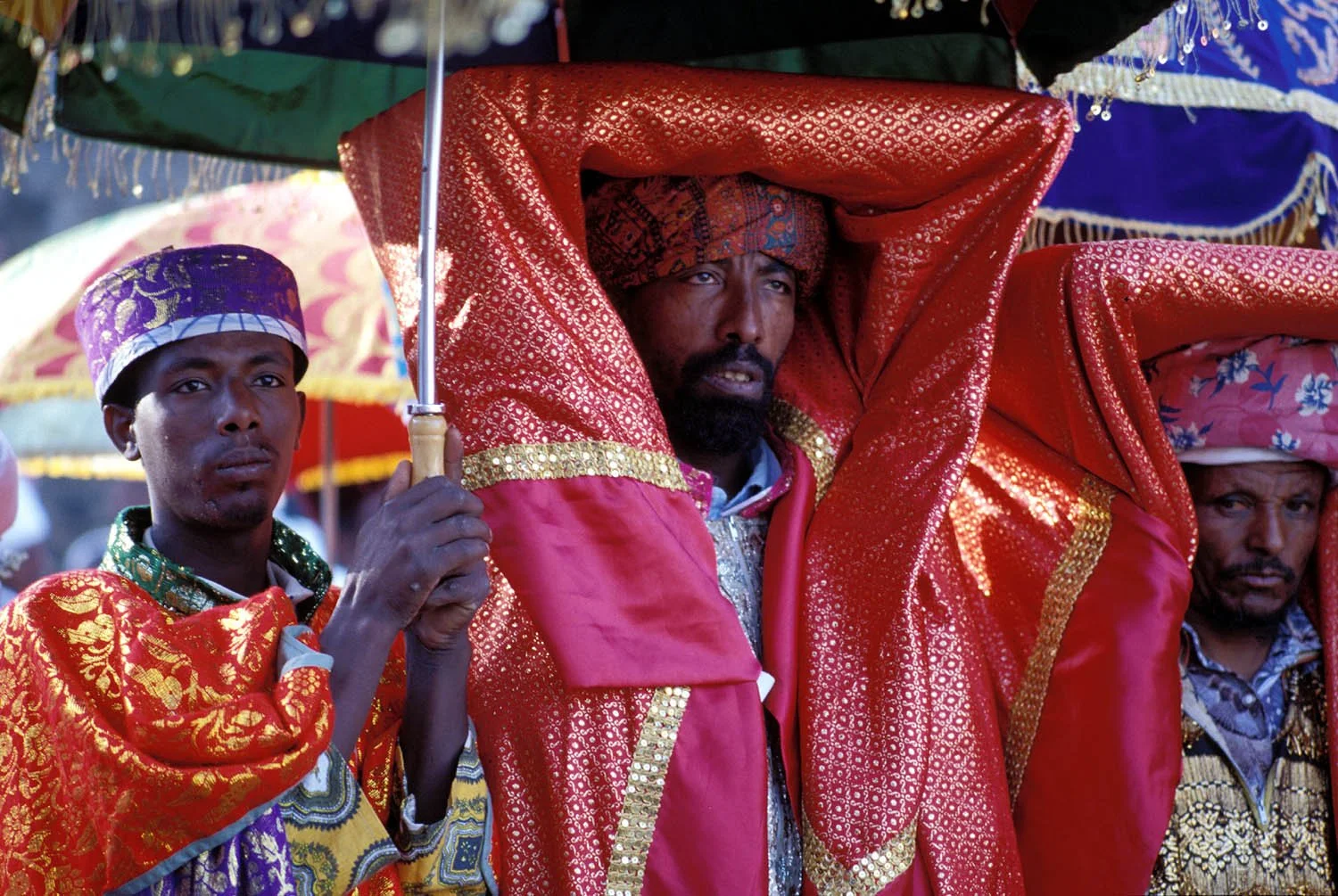

… many papers do not even bother to identify or justify the nationality of their samples…
hyper-masculine gender norms are typically embedded within military institutions, and while adherence to these norms can contribute to combat and military success, they conversely make clinical work challenging
Have you got something to say?
Check out our submissions page to find out how to write for us.
hyper-masculine gender norms are typically embedded within military institutions, and while adherence to these norms can contribute to combat and military success, they conversely make clinical work challenging
hyper-masculine gender norms are typically embedded within military institutions, and while adherence to these norms can contribute to combat and military success, they conversely make clinical work challenging
hyper-masculine gender norms are typically embedded within military institutions, and while adherence to these norms can contribute to combat and military success, they conversely make clinical work challenging
hyper-masculine gender norms are typically embedded within military institutions, and while adherence to these norms can contribute to combat and military success, they conversely make clinical work challenging

hyper-masculine gender norms are typically embedded within military institutions, and while adherence to these norms can contribute to combat and military success, they conversely make clinical work challenging

Much of our attitudes, theorizing and public debate around men and masculinity is influenced by high profile feminist and Gender Studies scholars in academia. But what is the scientific quality of publications from these scholars?

Some people blame drill music – a form of rap - for the rising murder rate in London. Drill is known for aggressive lyrics about gang violence, but rather than seeing this as a valuable way for young men to express their feelings, some people want to ban it.

To survive… cultures have to use men and women effectively and … in fact, most cultures have used men and women in different ways… what our culture does is [grant] greater status to men and greater protection to women

hyper-masculine gender norms are typically embedded within military institutions, and while adherence to these norms can contribute to combat and military success, they conversely make clinical work challenging
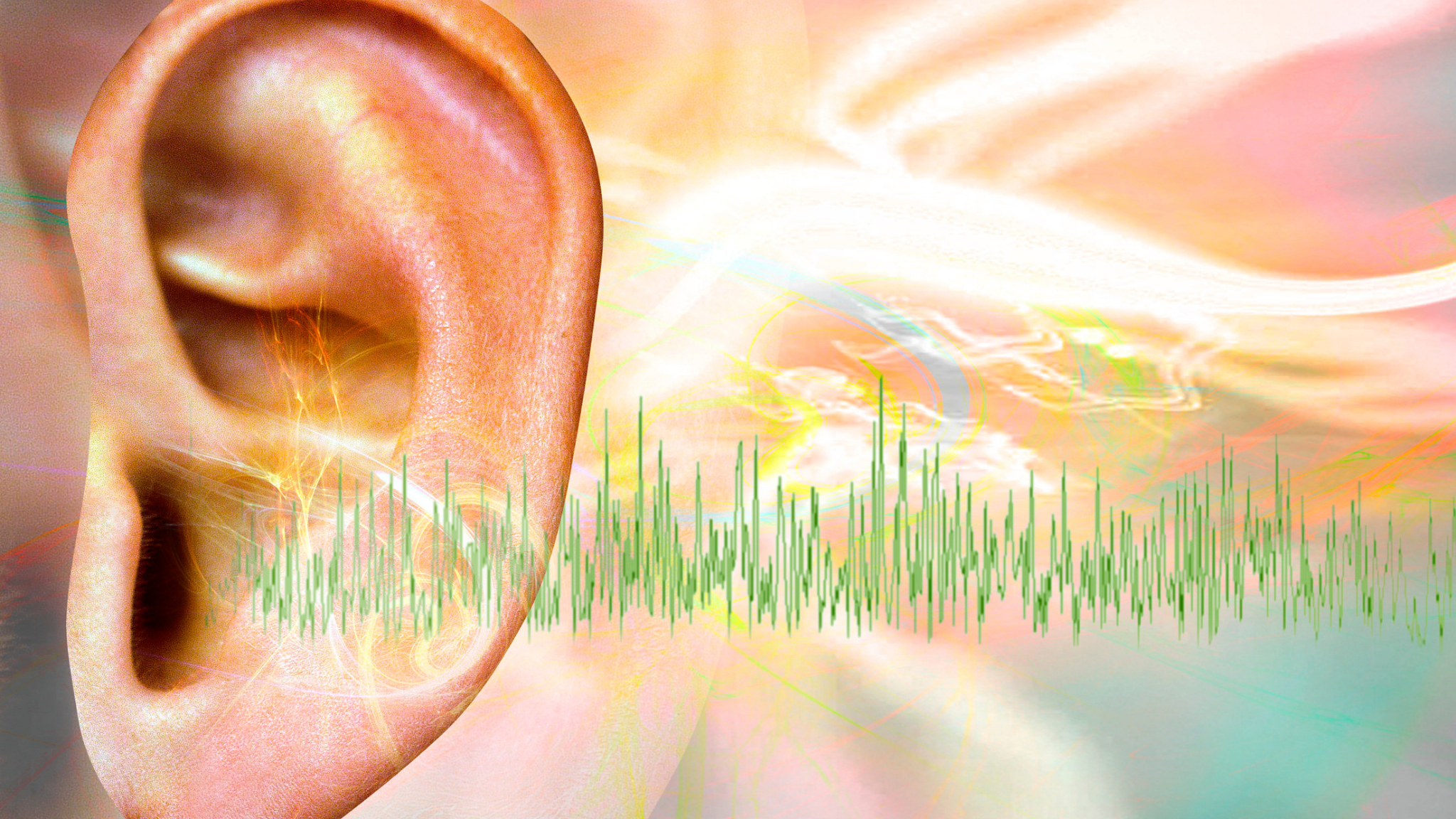
There are around 300,000 veterans living with hearing loss in the UK, according to The Royal British Legion. In addition to being at a greater risk of PTSD, depression, and anxiety, many vets are also battling psychological distress from hearing problems.
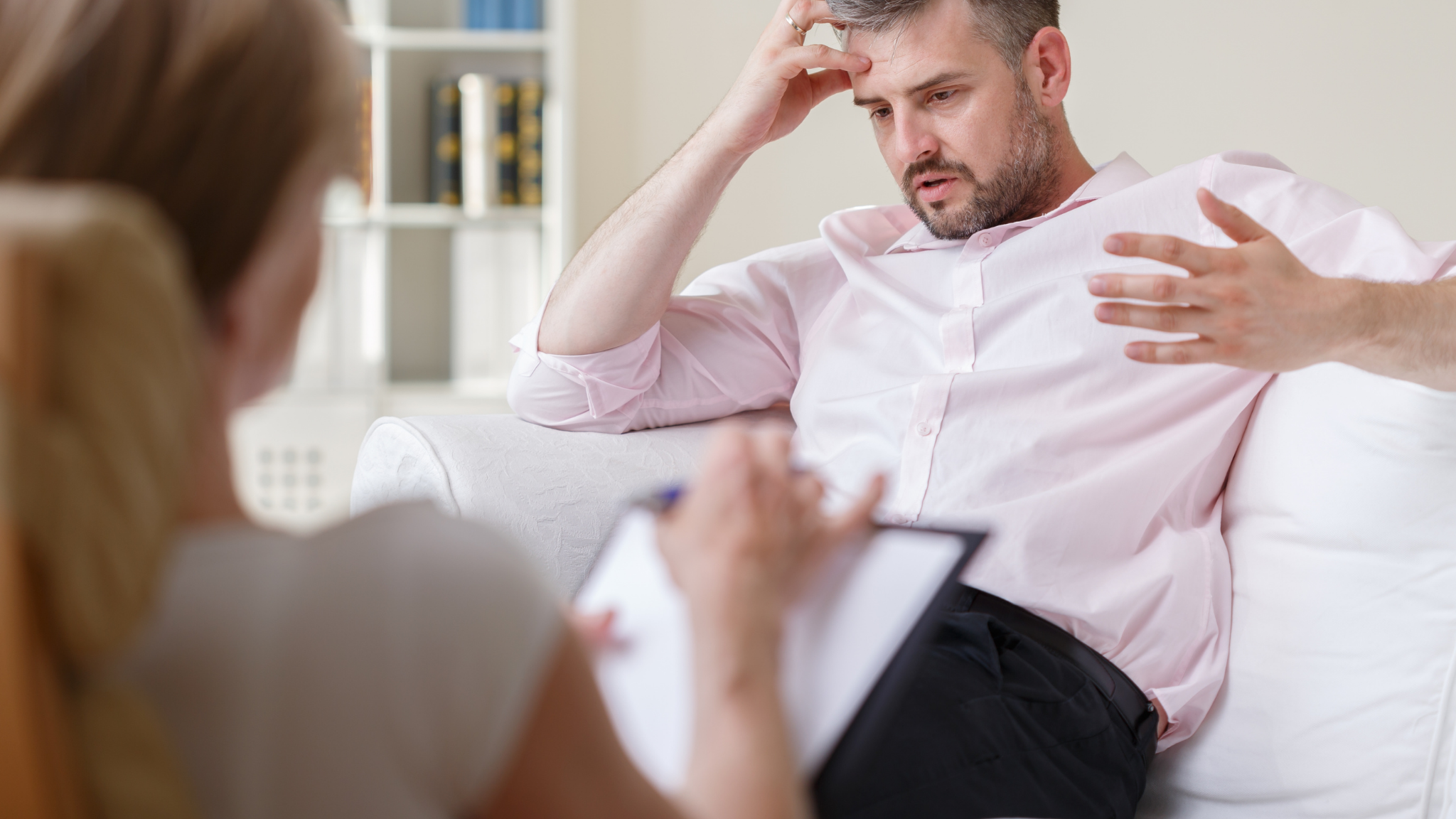
The book begins with a description of her therapeutic approach, and an illustration of how to understand and work with the rage often seen in male CSA clients.
I felt in my dealings with some police officers, as though I were treated firstly as a man (assumed to be a perpetrator), but they’d overlooked risks associated with my impairment. Example: How can you dodge a missile you don’t see coming?

The Panorama programme on domestic violence failed to adequately highlight two important issues: male victims and female perpetrators.

your photograph, name and address, might appear in the local and national press and on TV, insinuating what an evil monster you are

…an attack upon masculinity is an attack upon one’s sense of self, of identity. …What, then, is the right psychological defence against such an attack?

The male has been designed to “look”, not only at the female, but to “look out” for prey, for danger, and for ways to protect his family unit.

If his child is allowed to live, this man must be available, for the rest of his life, to love and provide for his child… If, on the other hand, it is decided that his child is to be destroyed, he should be able to go about his life as if nothing has happened
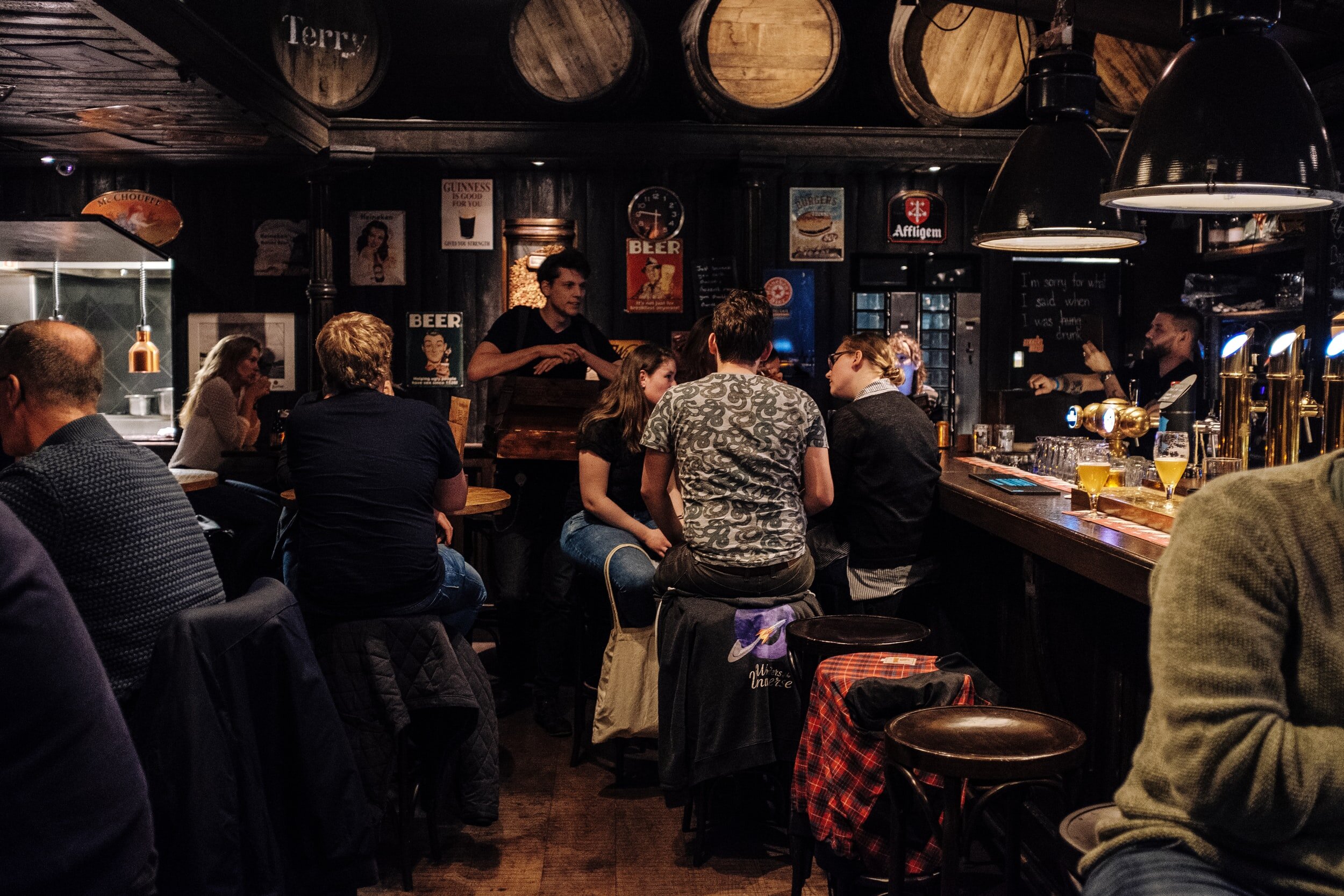
Socialising is a basic human need. The opposite – social isolation – is one of the worst forms of torture. Some people look down on the local pub as a place for undesirable riff raff, but that narrow viewpoint misses entirely the community value of the pub

Male psychology is a recent development in academia. Unlike gender studies, feminism, and men’s studies, male psychology takes the view that we can gain more by recognising and harnessing the positive aspects of masculinity than we can by taking a relentlessly negative approach to men.

.
Paul Apreda is National Manager of Both Parents Matter (BPM) in Wales. BPM is a service of FNF Both Parents Matter Cymru – a registered charity that provides information, advice and assistance to parents and grandparents with child contact problems. Since 2017 the charity has responded to the growing number of service users who identified as male victims of domestic violence and has developed a service to provide drop-in support as well as helping men (and some women) to access Legal Aid for Family Court proceedings. Facebook. Twitter.