
“Let people be themselves! If they defy traditional gender norms, that’s fine. But if they conform to traditional gender norms, that’s fine too. In the absence of harm or injustice, we should let people do their own thing.”
This quote from Professor of psychologySteve Stewart-Williams’ new book captures the idea of gender-role individualism, and echos my own position very well. As a therapist favouring a humanistic approach, I believe you will get the best out of people by helping to engage those parts of themselves that are going to bring them the most happiness and minimise their pain.
One of the interesting things about life is that if you let people be themselves, they will tend to – on average - opt for behaviours and lifestyles that look a lot like traditional gender norms. In other words, the differences between men and women tend to become larger when they have freedom to choose how to live. As Stewart-Williams says: “in societies with better living standards and greater gender equality […] sex differences are often larger, rather than smaller”.
By extension, it follows that just because there are modest sex differences on average doesn’t mean all men should do X and all women do Y: that would be turning something that is generally true of people by choice into a rule enforced on people, depriving them of choice. We should always leave room for the choices of the outliers in the distribution.
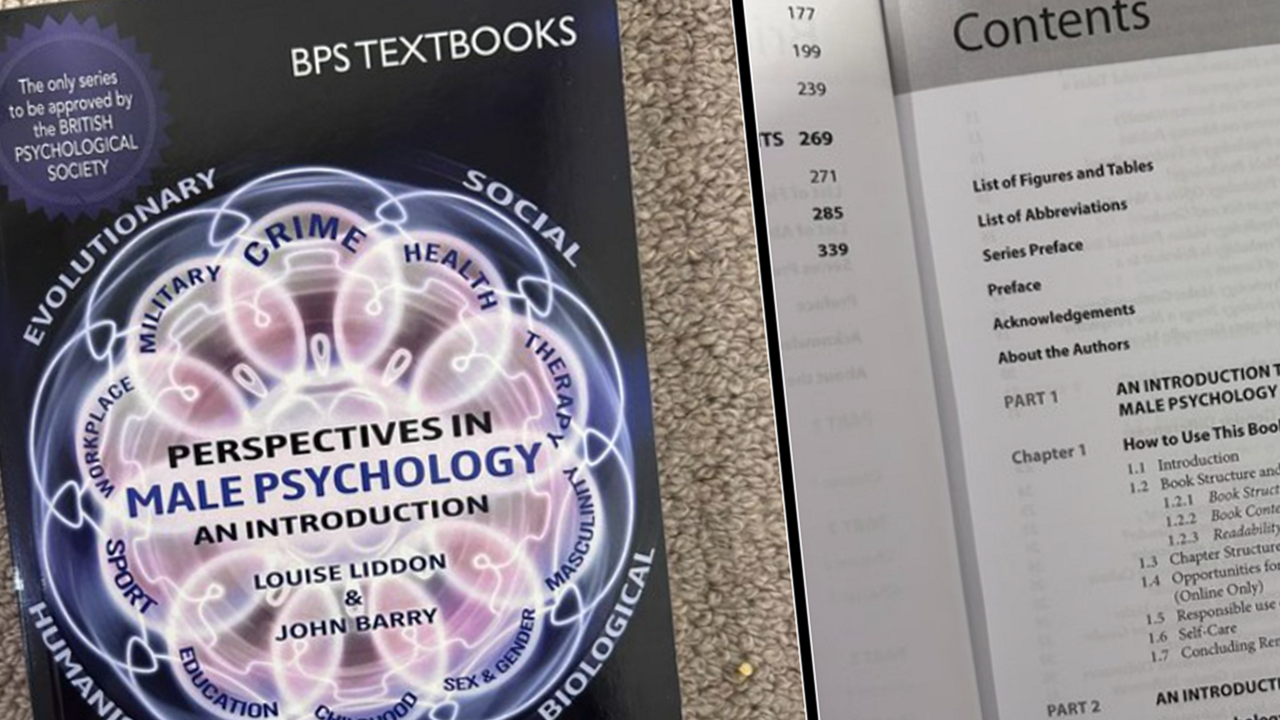
But there’s a lot more to the book than that. Let’s take a look at the table of contents:
“Chapter 1: A Can of Worms Everything You Wanted to Know About Sex Differences but Were Too PC to Ask
Chapter 2: What’s the Difference? The Landscape of Human Sex Differences
Chapter 3: Born and Bred The Nature and/or Nurture of Human Sex Differences
Chapter 4: Nature’s Blueprint The Evolution of Human Sex Differences
Chapter 5: Sex on the Brain Men and Women in the Bedroom
Chapter 6: Sex, Love, and Rock ‘n’ Roll Dating, Mating, Deviating
Chapter 7: Breaking Bad Sex and the Dark Side of Human Nature
Chapter 8: Family Matters Mum, Dad, and the Green-Eyed Monster
Chapter 9: Sex at the Frontier New Directions in the Evolutionary Psychology of Sex Differences
Chapter 10: The Peacock’s Predicament Why Sex Differences Matter – and How We Can Learn to Live with Them”.
There is also a very useful appendix listing the effect sizes for the most common sex differences.
I don’t want to pick out too much from the book because I don’t want to deprive you the pleasure of reading the book and finding them for yourself, but I’ll just highlight one or two points that will be of particular interest. Many readers of Male Psychology are interested in men’s mental health, and Chapter 9 has lots of thought-provoking explanations for issues such as suicide and help-seeking. As Stewart-Williams cautions: “we need to get our facts straight if we want a decent chance of improving people’s lives”.
In Chapter 1, Stewart-Williams unpacks some of the basic problems facing people who want to understand the topic of sex differences. One of the issues is “the war on sex differences”, which stems from the problem that some people are “deeply uncomfortable with the suggestion that men and women differ above the neck, and especially with the possibility that the differences might come from nature rather than nurture.”
Part of the reason for this discomfort is encapsulated in the concept of ‘gamma bias’, where some types of sex differences are systematically celebrated but other types of sex differences are systemiatically not. (Declaration: Martin Seager and I coined this term, and welcome the inclusion of it – and the term delta bias – in this book). Although gamma bias is a concept that is catching on, delta bias has been less recognised. Delta bias is the “simultaneous denigration or celebration – depending on the gender of the performer – of an archetypal masculine gender behaviour or characteristic”. For example, competitiveness has been discouraged in schoolboys as a problematic aspect of masculinity, whereas girls are encouraged to engage more in competitive sports. In Chapter 10, Stewart-Williams gives the example of marks given for maths and sciences in school, where the motivation to boost girls’ confidence in subjects which are traditionally seen as male dominated may lead teachers to inadvertently inflate girls’ marks.
There are lots of other gems in this book. If you are concerned that it is a rehash of The Ape that Understood the Universe, don’t be – there is a world of difference. Both books are similar though in that they are written in an intelligent but accessible way.
The spirit of gender-role individualism, as shown by the quote at the start of this review, pervades the book, and is a breath of fresh air in a world where the rejection of gender roles seems almost to be a rite of passage in the West since the 1960s, when liberation seemed to lead to just another kind of knee-jerk conformity. The paradox here is that people can often be derailed from being themselves not just by being forced into gender conformity, but also being forced into gender non-conformity. For example, when people are taught that masculinity is a bad thing, this potentially causes all kinds of problems, including damaging men’s mental wellbeing. Being taught to reject or minimise core parts of yourself isn’t going to lead you to achieving your full potential.
In conclusion, people who don’t like evolutionary psychology, or those who are wed to the idea that gender roles should be rejected on principle, are probably going to find reasons not to like this book. But for everyone else, it’s hard to find examples of where Stewart-Williams puts a foot badly wrong. This book is a mine of interesting and sensible information, engagingly written, and I thoroughly recommend it.
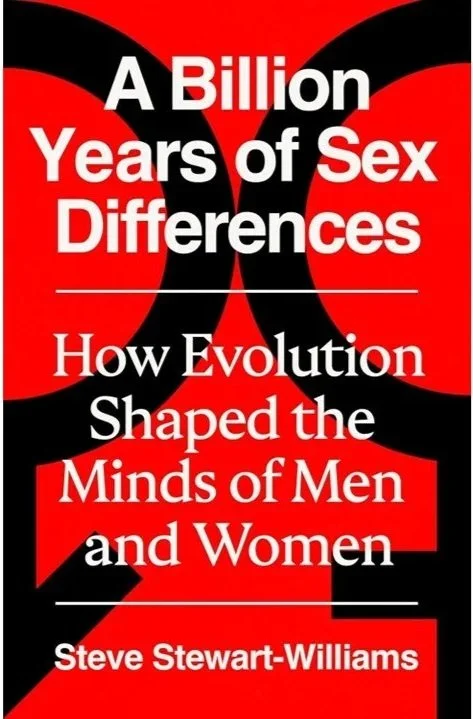
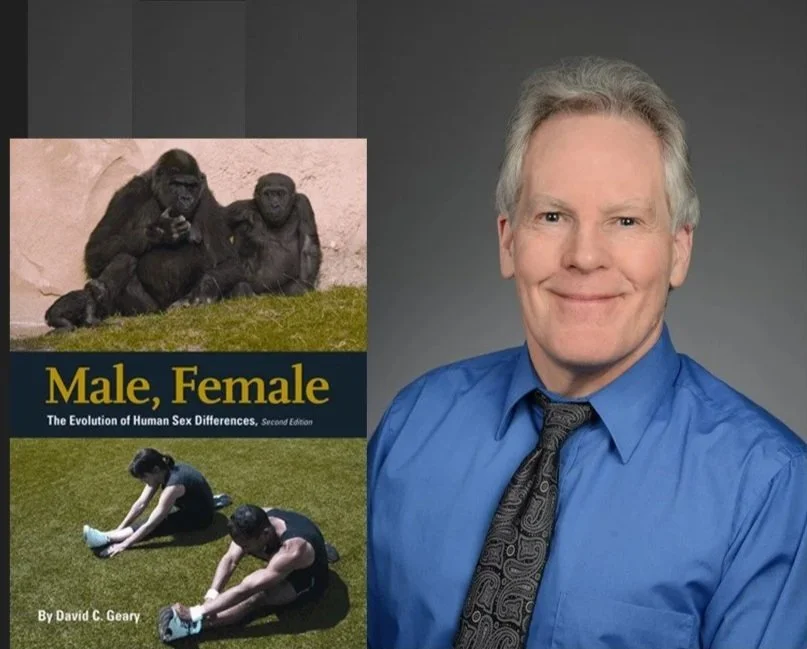
Steve Stewart-Williams’ new book ‘A Billion Years of Sex Differences: How Evolution Shaped the Minds of Men and Women’ is out today, and can be purchased online from various outlets including Amazon.
You can read the interview with Steve Stewart-Williams for Male Psychology magazine here.
Scroll down to the comments section to join the conversation
Disclaimer: This article is for information purposes only and is not a substitute for therapy, legal advice, or other professional opinion. Never disregard such advice because of this article or anything else you have read from the Centre for Male Psychology. The views expressed here do not necessarily reflect those of, or are endorsed by, The Centre for Male Psychology, and we cannot be held responsible for these views. Read our full disclaimer here.
Like our articles?
Click here to subscribe to our FREE newsletter and be first
to hear about news, events, and publications.









When a male is in a power imbalance, at least two masculine instincts are disempowered…

…people – men and women alike – respond less positively to male-favouring sex differences than they do to female-favouring sex differences.
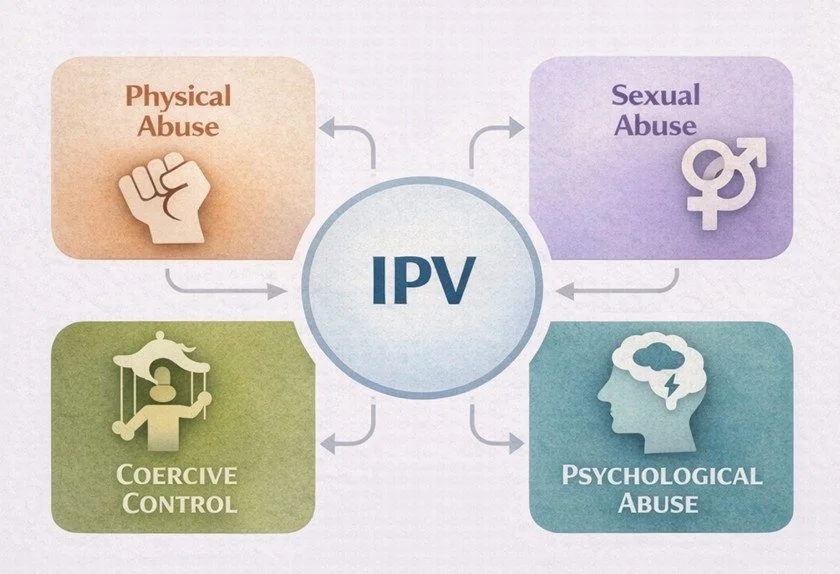
hyper-masculine gender norms are typically embedded within military institutions, and while adherence to these norms can contribute to combat and military success, they conversely make clinical work challenging
Men might benefit greatly from a government strategy aimed at improving their health. Here are suggestions from the Centre for Male Psychology on how that might be done. This article ends with some comments on potential pitfalls in the process of putting this strategy in place.




…people – men and women alike – respond less positively to male-favouring sex differences than they do to female-favouring sex differences.


… many papers do not even bother to identify or justify the nationality of their samples…

Have you got something to say?
Check out our submissions page to find out how to write for us.
…people – men and women alike – respond less positively to male-favouring sex differences than they do to female-favouring sex differences.
There is social power, there is structural power, and there is physical power. What women have in our society is the power of the state behind them, and men do not. Men only have that physical power, and most men don’t want to use it



Masculinity may be just the tonic (remedy) needed by society at a time when it has recently suffered so many fractures.

“The place that people feel least free to speak their minds are oftentimes university, which I found absolutely stunning.”

Peer reviewers seem to be more accepting of my research on physiological differences between men and women (e.g., muscle fatigability) and less accepting of my research on psychological differences.

Generally speaking men’s humour is a good predictor of relationship satisfaction, as long as the woman appreciates it. A lot of studies show that men try to impress women with humour.

I was left with no doubt that men were struggling in myriad ways with stress and psychological illness – yet it has always been the discourse of the ‘desperate housewife’ that has attracted the most publicity, both in medicine and popular culture

…many professionals seem to interpret the evidence “most convicted child sex offenders are men”, as “children are more at risk from their father than their mother.

…people – men and women alike – respond less positively to male-favouring sex differences than they do to female-favouring sex differences.

IMD is not recognized by the UN because many believe we live in a patriarchal world and that the focus of the UN should be on women and children.

I’ve become curious why people, including very smart people with Ph.Ds, tend to leap at moralistic conclusions, adhere to them and consider them “science” when they are no such thing.

…critical gerontology focuses on the political-economic approach and consequently had a limited perspective on women and men: economically the former were seen as deprived and men privileged. Men were therefore disregarded.

…There is a reason why men who speak up on these issues tend to be retired or unemployed.

People depart a man in trouble [but as] soon as a man's got someone to talk to he will pour his heart out.
people are more aware of the fact men can be victims of this type of violence, but this often isn’t translated into policy, practice or indeed provision of resources

The brutality of the person's offence is generally related to the brutality of what they've experienced during childhood.

There is social power, there is structural power, and there is physical power. What women have in our society is the power of the state behind them, and men do not. Men only have that physical power, and most men don’t want to use it

90% of men in prisons have come from generational family violence… So when they're violent - which is what they've learned - we then perpetuate the violence by putting them in prison.

“I feel very strongly that the pendulum has swung too far, as it always does, the swing from a very male dominated patriarchal society to a very, very female dominated society where men …”

…the feminist movement has done inestimable damage to the mental health of boys and men. Making boys second class at school, teaching them that males are bad by nature and that women have suffered at the hands of men inevitably leads to boys feeling unhappy about themselves and adopting the unruly, delinquent behaviour which is expected of them.

Some people blame drill music – a form of rap - for the rising murder rate in London. Drill is known for aggressive lyrics about gang violence, but rather than seeing this as a valuable way for young men to express their feelings, some people want to ban it.

Gender scholars and activists were aghast a few years ago at the depiction of a feminist, in a documentary movie called The Red Pill, who unexpectedly learned to empathise with men. In a rare interview, director and star of The Red Pill, Cassie Jaye, reflects upon the impact the movie has had on herself and others.
.