

Much of our attitude towards men comes from high profile feminist and Gender Studies scholars in academia. There is a strong association between the theorizing amongst such academics and the ideologies expressed in public debate. In fact, it is often the same individuals who write op-eds, scholarly papers, and pamphlets, and engage in political activism. It is only the type of platform that varies. Much of the ideas about male privilege, quotas, “rape culture”, and the patriarchy, for example, began in academic departments. But what is the scientific quality of publications from the world of gender studies?
We were compelled to investigate the quality of gender studies publications after some alluring lectures given at Umeå University, arguing that Gender Studies (GS) outperforms the old-fashioned, bigoted, and boring positivist methods. GS, it was argued, is an alternative and superior kind of science.
“we compiled a database of all GS [Gender Studies] publications we could find in a certain time frame, written by scholars active in Sweden.”
This aroused our interest, so we compiled a database of all GS publications we could find in a certain time frame, written by scholars active in Sweden. This Swedish Gender Studies List (SGSL) contains 12,414 cases, and has to date been used in three studies, all published in the journal Scientometrics (Söderlund & Madison, 2015; 2017; Madison & Söderlund, 2018). As they are already reported in detail, we provide only a brief summary of selected results here.
“GS articles are substantially more often book chapters, dissertations, and conference contributions, and less often peer-reviewed journal articles… [and] significantly higher proportions of biased and normative statements”
The 2015 study found that the annual growth rate of GS publications was greater than for research in general. In the period 2000 to 2010, GS publications from Sweden increased ~12% per year and ~7% internationally, while other research both in Sweden and internationally grew ~3-7%.
GS articles are substantially more often book chapters, dissertations, and conference contributions, and less often peer-reviewed journal articles (~20% of GS and 70% on non-GS publications).
Overall, non-GS articles had 2-3 times more citations than GS articles, and ~90% have 3 citations or more compared to only ~28% of GS articles.
50% of GS journals were not even indexed in Thomson’s Journal Citation Reports, and the bulk of the remaining journals’ had an impact factor of less than half that of the average for non-GS journals (~1.0, as compared to ~2.0).
The 2016 and 2018 studies were based on ~2,800 statements culled from 36 journal articles with more and less gender perspective, and found significantly higher proportions of biased and normative statements in GS articles, and lower proportions of statements about biology/genetics and individual/group differences, than in non-GS articles. Consistent with this, non-GS articles had significantly lower proportions of statements about environment/culture and societal institutions.
The 2018 study found that GS texts were more abstract, less empirical, and focussed to a greater extent on societal factors. The proportion of statement of fact was 82% for GS articles but 48% for non-GS articles. Correlations were mentioned as a relationship between variables in 10% of GS statements and 37% of non-GS statements, but there was no difference in the proportion of causal relations (~5% for both GS and non-SG).
GS articles had less mention of limitations and earlier theories, results, and research in general, and had less support for their statements in terms of arguments or references.
In conclusion, GS articles appear to focus on communicating examples of different experiences and viewpoints of certain groups of people, rather than comprehensive models of the real world.
It is quite unusual that scholars comment on each other’s articles in print, but our 2015 article was challenged by ten pages listing alleged errors, asserting that it “falls well short of adequate good practice”, that we “distort” the conceptual framework, are “unreflecting”, and “lack…understanding” and ”…knowledge”. We were, however, unable to find any argument as to how the many but relatively minor concerns listed might, separately or taken together, challenge the main result that more gender perspective was associated with lower scientific quality. The implication was not lost upon us that only gender studies scholars can be trusted to criticize gender studies publications..
“it is interesting and potentially illuminating that GS [Gender Studies] scholars find it worthwhile to launch arrows that so clearly miss the mark”.
From an epistemological perspective it is interesting and potentially illuminating that GS scholars find it worthwhile to launch arrows that so clearly miss the mark. The data are in. We are just saying what they look like. A comment to our 2018 article was just published, again with a long list of grievances about definitions of concepts and our lack of competence. In essence, however, both comments argue that the differences we document are expected, and are therefore not valid critique. Maybe so, but that does not refute our argument that this field could achieve a greater impact if those differences were reduced.
Surely, it stands to reason that any communication would be more useful as a source of knowledge and guide for action and change if its scientific quality were higher? Is it not obvious that such quality is associated with more, rather than less, data, reliability, validity, non-bias, self-criticism, and most other quality indicators addressed in our studies, the very same indicators that scientific journals in general apply as criteria for peer-review? (Although perhaps not all journals).
We welcome the debate, and look forward to hear representatives of GS develop their arguments for why these criteria are undesirable for, or do not apply to, their field.
This article was first published on the Male Psychology Network website in January 2018
Scroll down to view comments
Disclaimer: This article is for information purposes only and is not a substitute for therapy, legal advice, or other professional opinion. Never disregard such advice because of this article or anything else you have read from the Centre for Male Psychology. The views expressed here do not necessarily reflect those of, or are endorsed by, The Centre for Male Psychology, and we cannot be held responsible for these views. Read our full disclaimer here.
Like our articles?
Click here to subscribe to our FREE newsletter and be first
to hear about news, events, and publications.








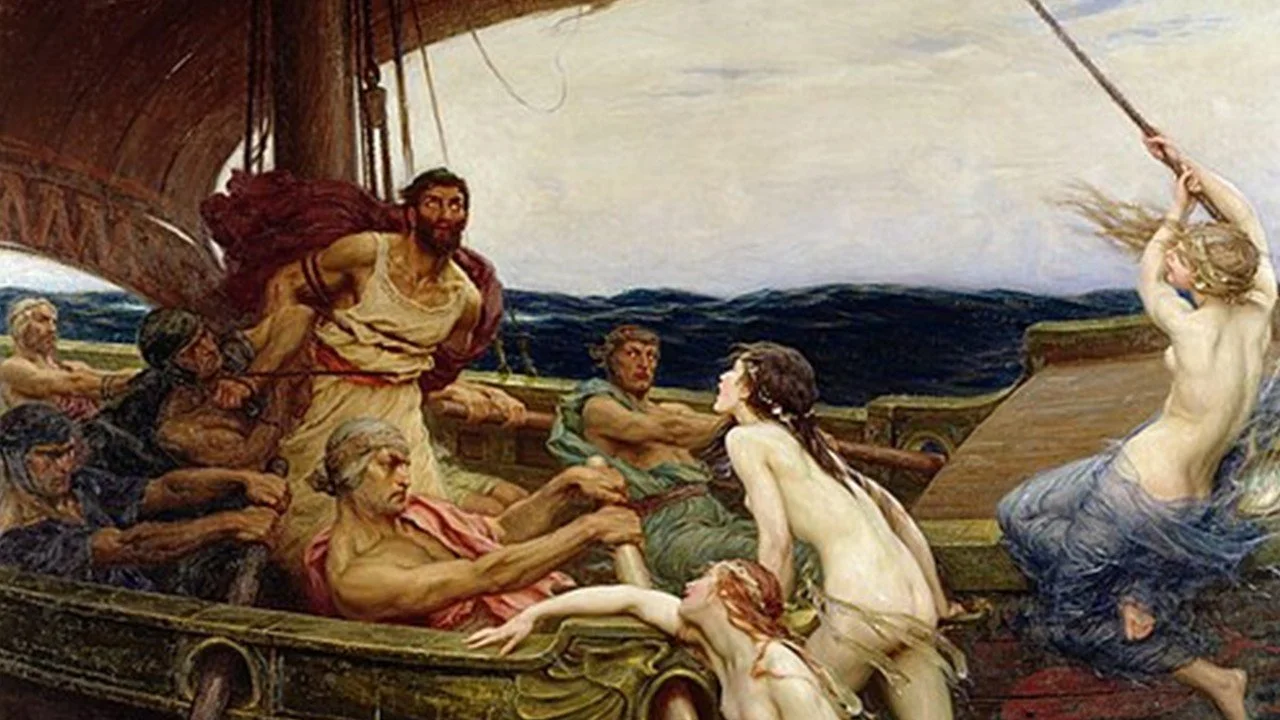

When a male is in a power imbalance, at least two masculine instincts are disempowered…


…people – men and women alike – respond less positively to male-favouring sex differences than they do to female-favouring sex differences.
hyper-masculine gender norms are typically embedded within military institutions, and while adherence to these norms can contribute to combat and military success, they conversely make clinical work challenging
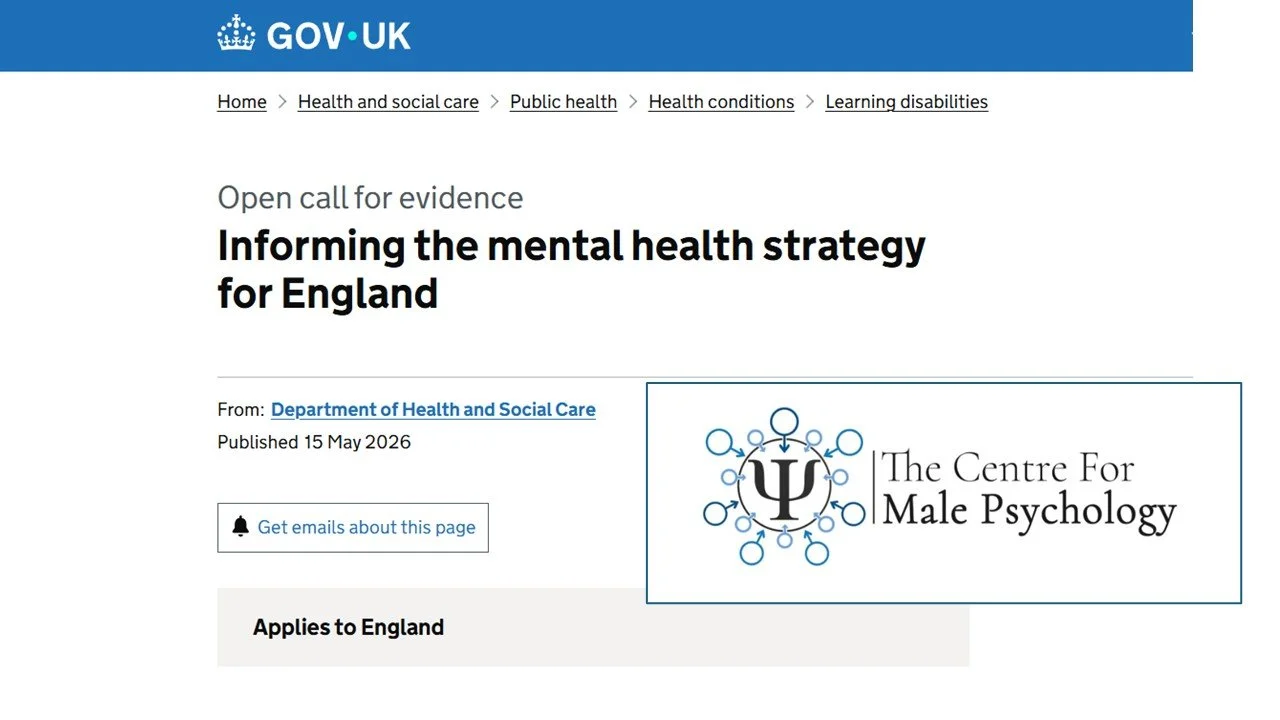
Men might benefit greatly from a government strategy aimed at improving their health. Here are suggestions from the Centre for Male Psychology on how that might be done. This article ends with some comments on potential pitfalls in the process of putting this strategy in place.




…people – men and women alike – respond less positively to male-favouring sex differences than they do to female-favouring sex differences.


… many papers do not even bother to identify or justify the nationality of their samples…
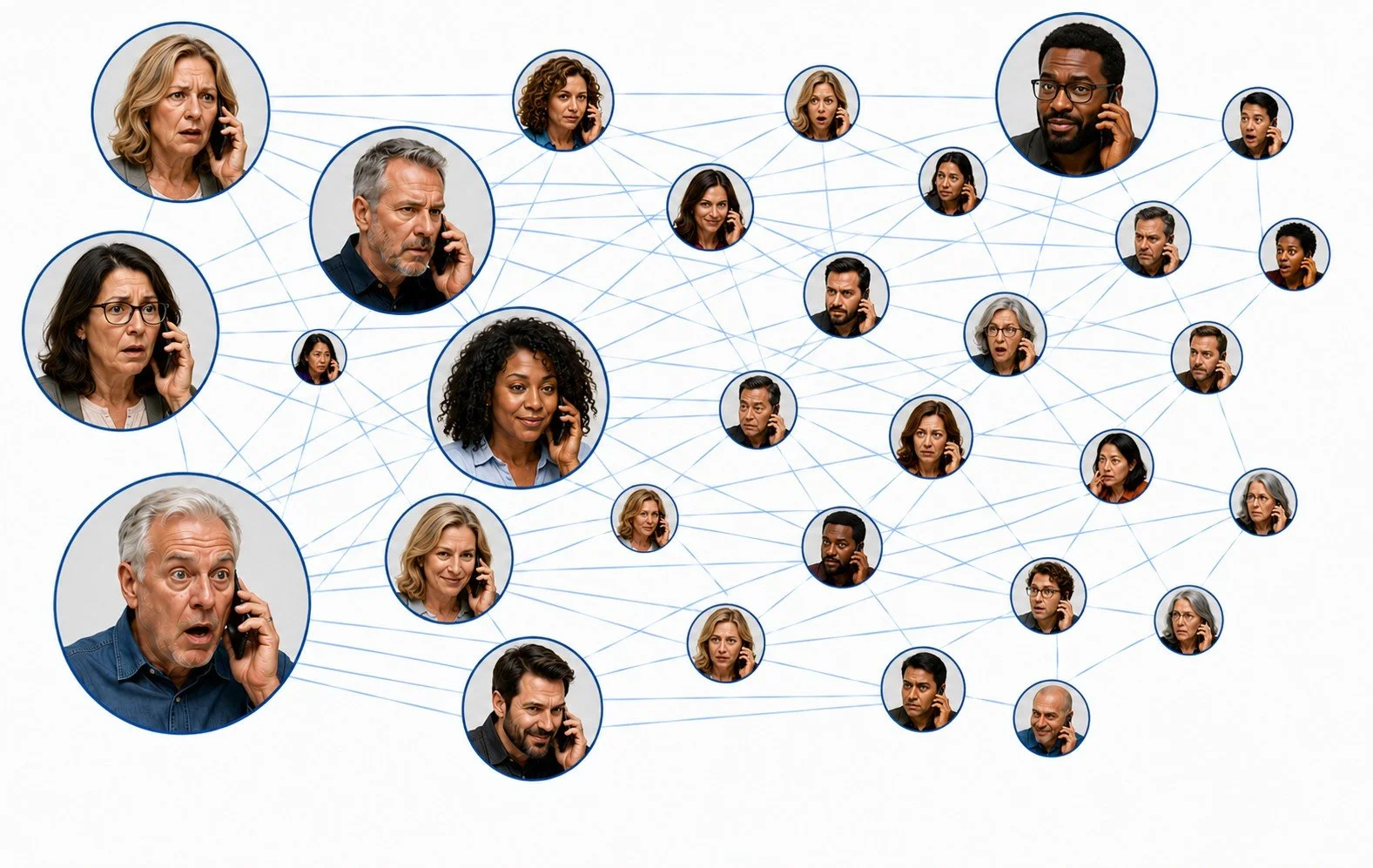


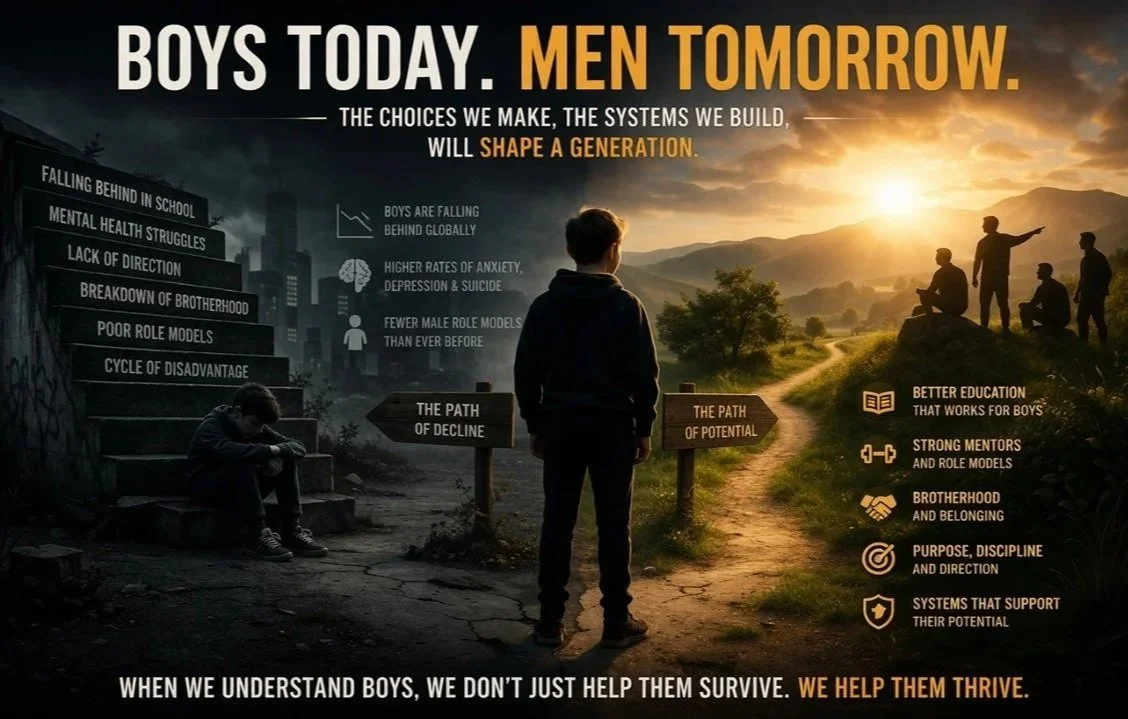
hyper-masculine gender norms are typically embedded within military institutions, and while adherence to these norms can contribute to combat and military success, they conversely make clinical work challenging
hyper-masculine gender norms are typically embedded within military institutions, and while adherence to these norms can contribute to combat and military success, they conversely make clinical work challenging

hyper-masculine gender norms are typically embedded within military institutions, and while adherence to these norms can contribute to combat and military success, they conversely make clinical work challenging
hyper-masculine gender norms are typically embedded within military institutions, and while adherence to these norms can contribute to combat and military success, they conversely make clinical work challenging

hyper-masculine gender norms are typically embedded within military institutions, and while adherence to these norms can contribute to combat and military success, they conversely make clinical work challenging

hyper-masculine gender norms are typically embedded within military institutions, and while adherence to these norms can contribute to combat and military success, they conversely make clinical work challenging
Much of our attitudes, theorizing and public debate around men and masculinity is influenced by high profile feminist and Gender Studies scholars in academia. But what is the scientific quality of publications from these scholars?

Some people blame drill music – a form of rap - for the rising murder rate in London. Drill is known for aggressive lyrics about gang violence, but rather than seeing this as a valuable way for young men to express their feelings, some people want to ban it.

To survive… cultures have to use men and women effectively and … in fact, most cultures have used men and women in different ways… what our culture does is [grant] greater status to men and greater protection to women

hyper-masculine gender norms are typically embedded within military institutions, and while adherence to these norms can contribute to combat and military success, they conversely make clinical work challenging
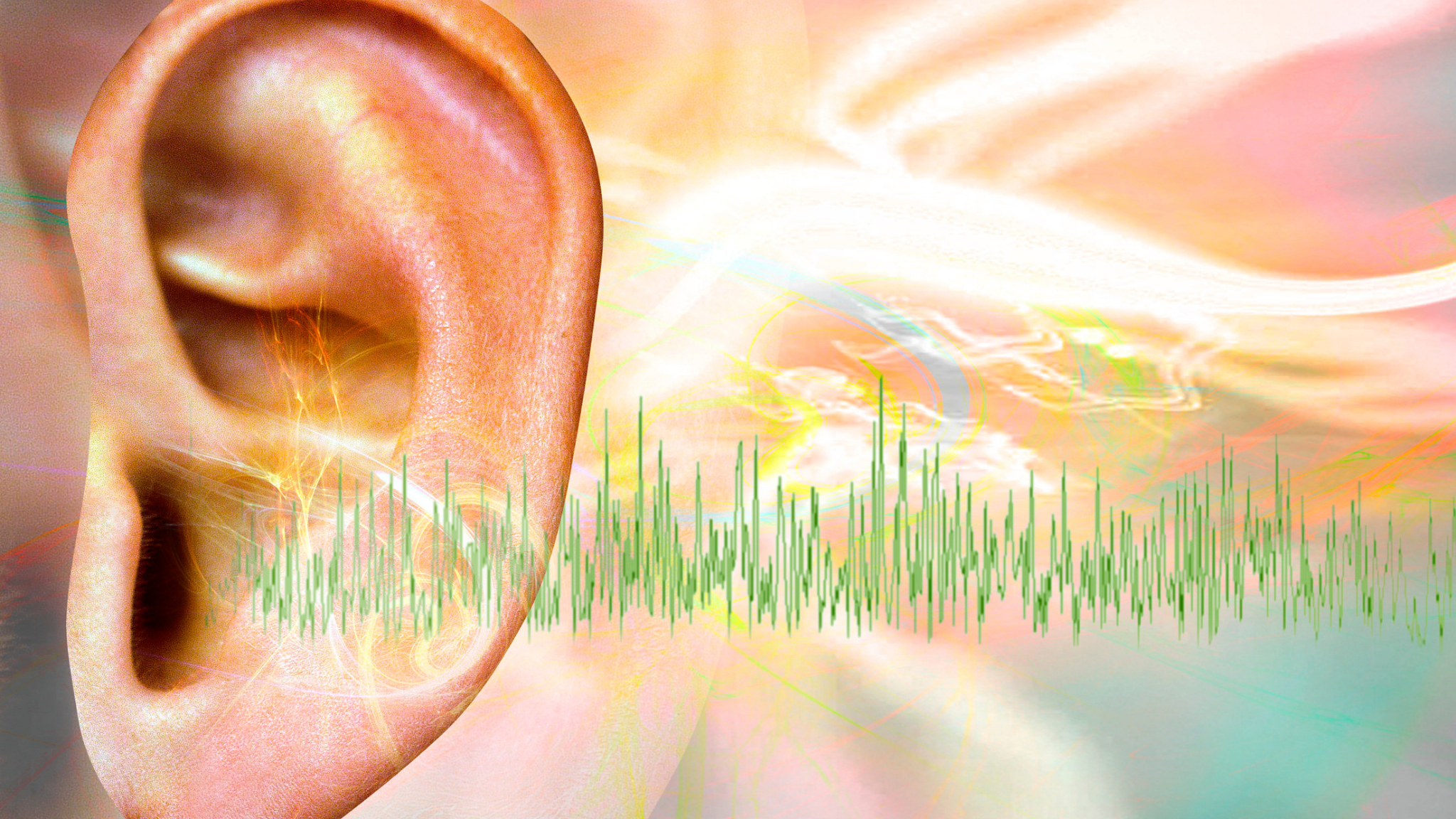
There are around 300,000 veterans living with hearing loss in the UK, according to The Royal British Legion. In addition to being at a greater risk of PTSD, depression, and anxiety, many vets are also battling psychological distress from hearing problems.

The book begins with a description of her therapeutic approach, and an illustration of how to understand and work with the rage often seen in male CSA clients.

I felt in my dealings with some police officers, as though I were treated firstly as a man (assumed to be a perpetrator), but they’d overlooked risks associated with my impairment. Example: How can you dodge a missile you don’t see coming?

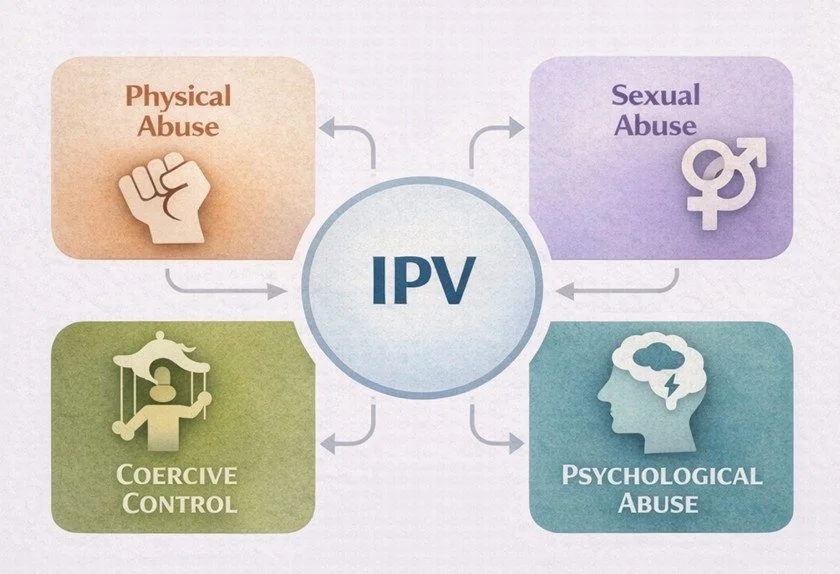
The Panorama programme on domestic violence failed to adequately highlight two important issues: male victims and female perpetrators.

your photograph, name and address, might appear in the local and national press and on TV, insinuating what an evil monster you are

…an attack upon masculinity is an attack upon one’s sense of self, of identity. …What, then, is the right psychological defence against such an attack?

The male has been designed to “look”, not only at the female, but to “look out” for prey, for danger, and for ways to protect his family unit.

If his child is allowed to live, this man must be available, for the rest of his life, to love and provide for his child… If, on the other hand, it is decided that his child is to be destroyed, he should be able to go about his life as if nothing has happened

Socialising is a basic human need. The opposite – social isolation – is one of the worst forms of torture. Some people look down on the local pub as a place for undesirable riff raff, but that narrow viewpoint misses entirely the community value of the pub

Male psychology is a recent development in academia. Unlike gender studies, feminism, and men’s studies, male psychology takes the view that we can gain more by recognising and harnessing the positive aspects of masculinity than we can by taking a relentlessly negative approach to men.

.