
When did Psychology start adopting a negative view of masculinity?

The popular discourse on men and masculinity has become toxic in the past few decades, and it looks like the profession of psychology has not been immune.
There are many places where one can easily observe this, but none quite as blatant as in the ways that psychologists have labeled the “norms” for men and women. I ran into the Conformity to Masculine Norms Inventory (CMNI; Mahalik, 2003) and was shocked to see this misandry starkly presented. I wrote an article criticizing this inventory and a part of the criticism was looking at the history of labels psychologists had used in describing men and their norms. I was shocked to see that the CMNI labels used for men were things such as violence, power over women, disdain for homosexuality, and being a playboy. As I noted in my article, these four “norms” seemed to pass harsh judgment on men and boys. Moreover, they seemed much more like cartoonish stereotypes than norms, and begged the question: do they even belong in a science of human behaviour?
My doubts about the validity of the description nudged me to pull together examples of terms that had been used as norms for men previously in psychology. and the CMNI. The chart below offers examples of the terms that have been used to describe masculine norms during the period of 1974 to 1986, and Mahalik’s (2003) CMNI for comparison:

Notice that the norms that were used prior to the 1990s seem to be neutral. Examples included competency, level headed, independence, aggressive, forceful, suppressing emotion, willing to take a stand, assertive, and self-contained. All of these could be seen as being close to neutral with some like “level headed” or “self-confident” seeming even a bit complimentary. Someone could have some of any of these qualities, like some aggressiveness, some forcefulness or some assertiveness and depending on the situation would be considered okay. Now think of having some violence. Nope, you can’t even have a little bit of that before you are judged harshly. Same thing with power over women, playboy or disdain for homosexuals. A little bit of any of those and you are sunk. These four categories from the CMNI seem quite different from all of those from 1970-1986.
It seemed obvious to me that anti-male ideas were leaking into psychological journals. Those four “norms” had no clear research showing that they were common among men. They simply seemed to appear. I contacted the researcher and asked about his reasons for including those four norms and he didn’t have much of an explanation. Very odd and what I thought at the time was this was simply a psychological version of male bashing.
Still I wondered if maybe I was a bit too critical. I found that the same researcher had done an inventory for women, the CFNI or Conformity to Feminine Norms Inventory. I thought that maybe the harsh treatment of men in the CMNI might be a shift in the times and that a similar harshness would be played out in the female version of the inventory. Would they talk about relational aggression? Queen bee? Hypergamy? Gossip? I found the CFNI and the feminine norms. The chart below will show you those norms and list the CMNI along with the CFNI.

Needless to say, that earlier wondering was put to rest. The female norms were sweet and nice while the male norms were harsh and unforgiving.
At the time I was looking into this I was a member of the APA Division 51 (the study of men and masculinity) mailing list. I brought this idea up to the list and it was immediately dismissed as ridiculous. Among the hundreds on that list, not one would admit that the norms for men were anti-male and not one would admit that the female norms were very different from the males. They either couldn’t see it or they couldn’t admit it.
The redefinition of masculinity is one small indication of the confused state of our psychological world today, but here is a novel idea for you to think about:
Men are good!
Further information on this topic
Read the full article which is part 5 in a five part series on bias against boys and men in psychological research. It goes into much greater detail. Or have a look at a short video on this topic.
This article was first published on the Male Psychology Network website in 2019.
Scroll down to join the discussion
Disclaimer: This article is for information purposes only and is not a substitute for therapy, legal advice, or other professional opinion. Never disregard such advice because of this article or anything else you have read from the Centre for Male Psychology. The views expressed here do not necessarily reflect those of, or are endorsed by, The Centre for Male Psychology, and we cannot be held responsible for these views. Read our full disclaimer here.
Like our articles?
Click here to subscribe to our FREE newsletter and be first
to hear about news, events, and publications.




When a male is in a power imbalance, at least two masculine instincts are disempowered…

…people – men and women alike – respond less positively to male-favouring sex differences than they do to female-favouring sex differences.
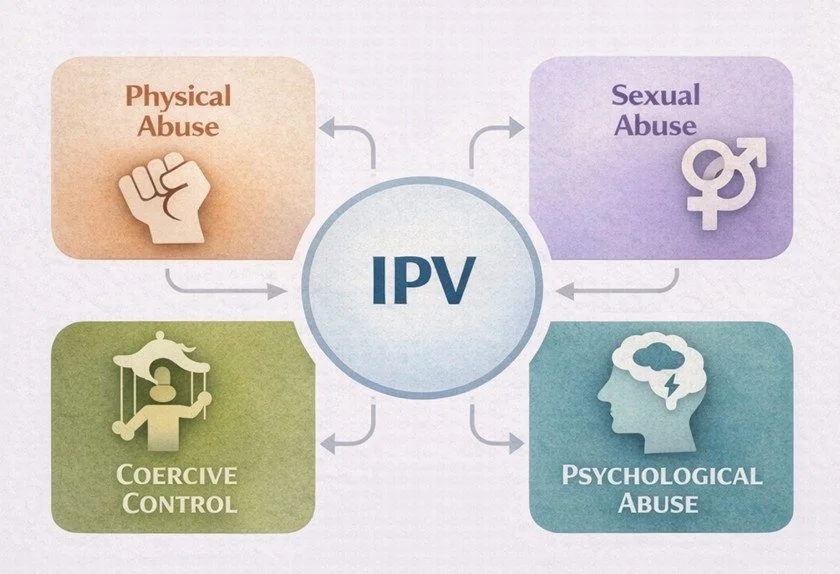
hyper-masculine gender norms are typically embedded within military institutions, and while adherence to these norms can contribute to combat and military success, they conversely make clinical work challenging
Men might benefit greatly from a government strategy aimed at improving their health. Here are suggestions from the Centre for Male Psychology on how that might be done. This article ends with some comments on potential pitfalls in the process of putting this strategy in place.




…people – men and women alike – respond less positively to male-favouring sex differences than they do to female-favouring sex differences.
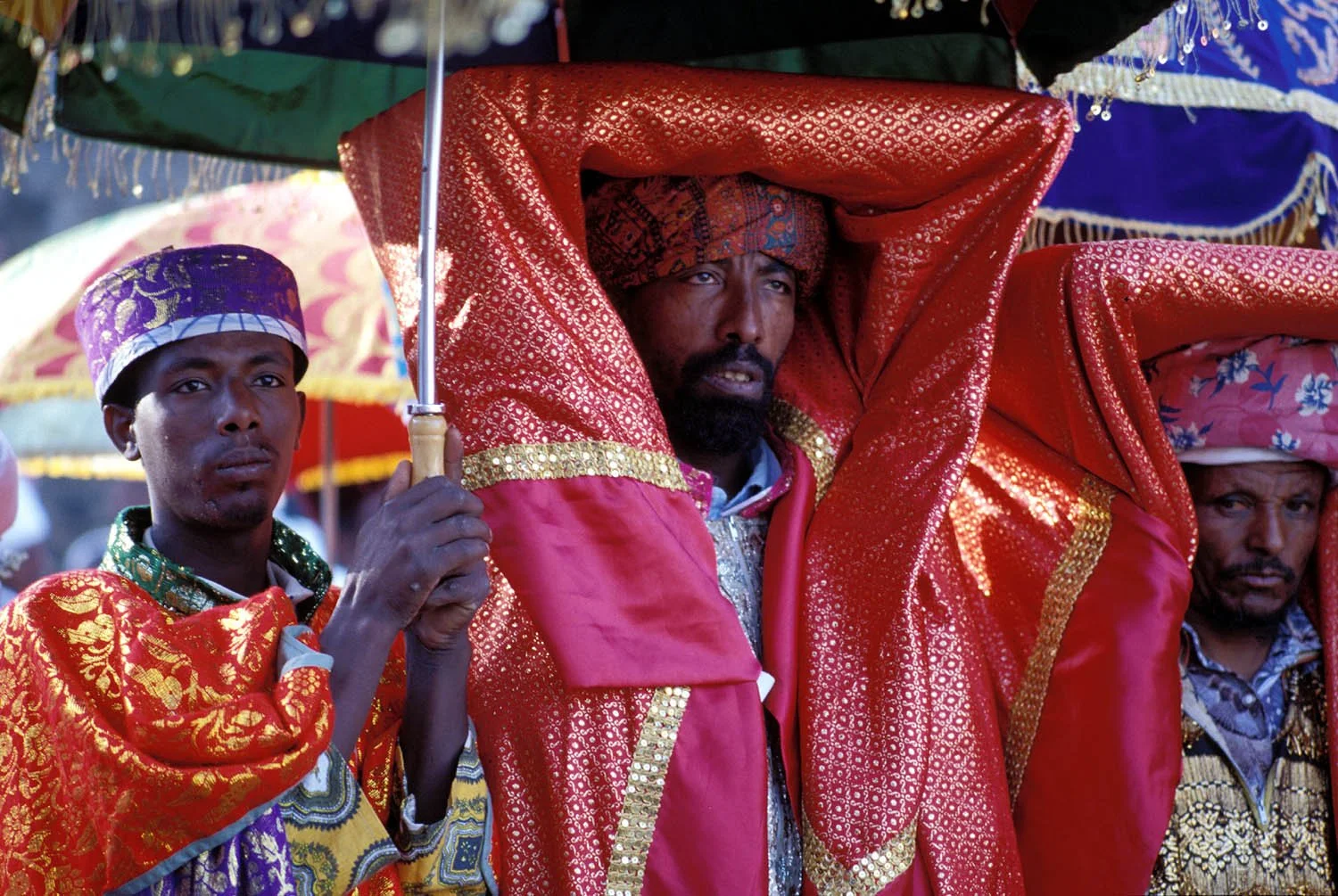


… many papers do not even bother to identify or justify the nationality of their samples…


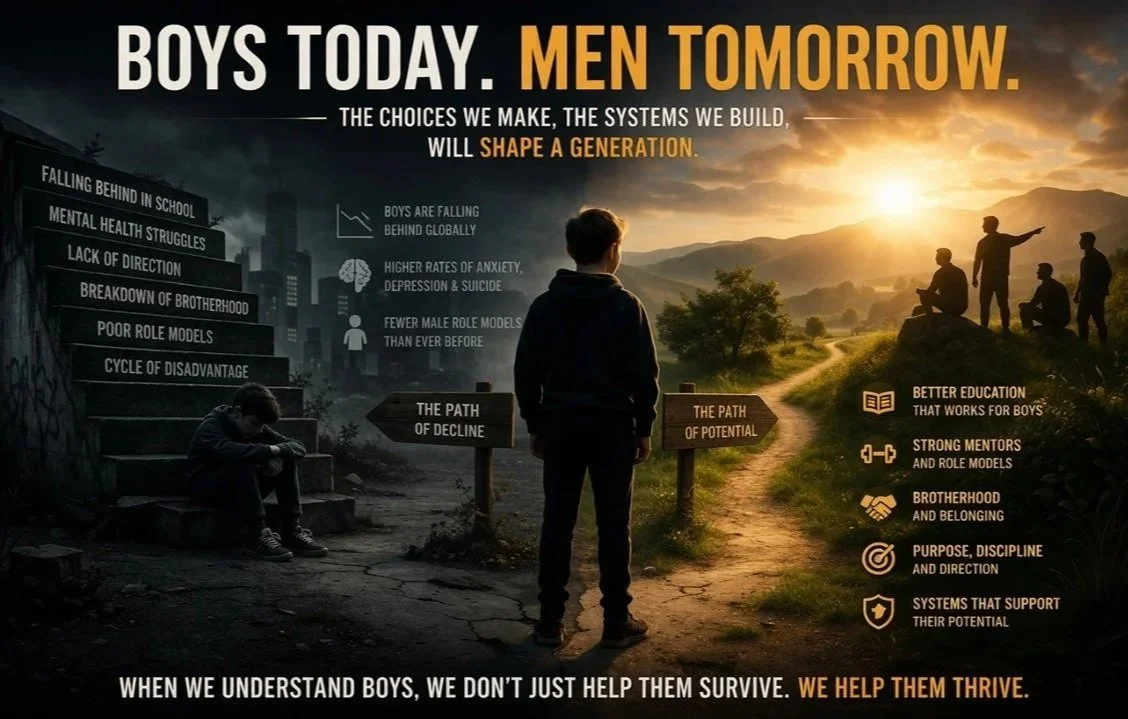
hyper-masculine gender norms are typically embedded within military institutions, and while adherence to these norms can contribute to combat and military success, they conversely make clinical work challenging


Have you got something to say?
Check out our submissions page to find out how to write for us.
hyper-masculine gender norms are typically embedded within military institutions, and while adherence to these norms can contribute to combat and military success, they conversely make clinical work challenging

hyper-masculine gender norms are typically embedded within military institutions, and while adherence to these norms can contribute to combat and military success, they conversely make clinical work challenging
hyper-masculine gender norms are typically embedded within military institutions, and while adherence to these norms can contribute to combat and military success, they conversely make clinical work challenging

hyper-masculine gender norms are typically embedded within military institutions, and while adherence to these norms can contribute to combat and military success, they conversely make clinical work challenging

hyper-masculine gender norms are typically embedded within military institutions, and while adherence to these norms can contribute to combat and military success, they conversely make clinical work challenging

Much of our attitudes, theorizing and public debate around men and masculinity is influenced by high profile feminist and Gender Studies scholars in academia. But what is the scientific quality of publications from these scholars?

Some people blame drill music – a form of rap - for the rising murder rate in London. Drill is known for aggressive lyrics about gang violence, but rather than seeing this as a valuable way for young men to express their feelings, some people want to ban it.

To survive… cultures have to use men and women effectively and … in fact, most cultures have used men and women in different ways… what our culture does is [grant] greater status to men and greater protection to women

hyper-masculine gender norms are typically embedded within military institutions, and while adherence to these norms can contribute to combat and military success, they conversely make clinical work challenging
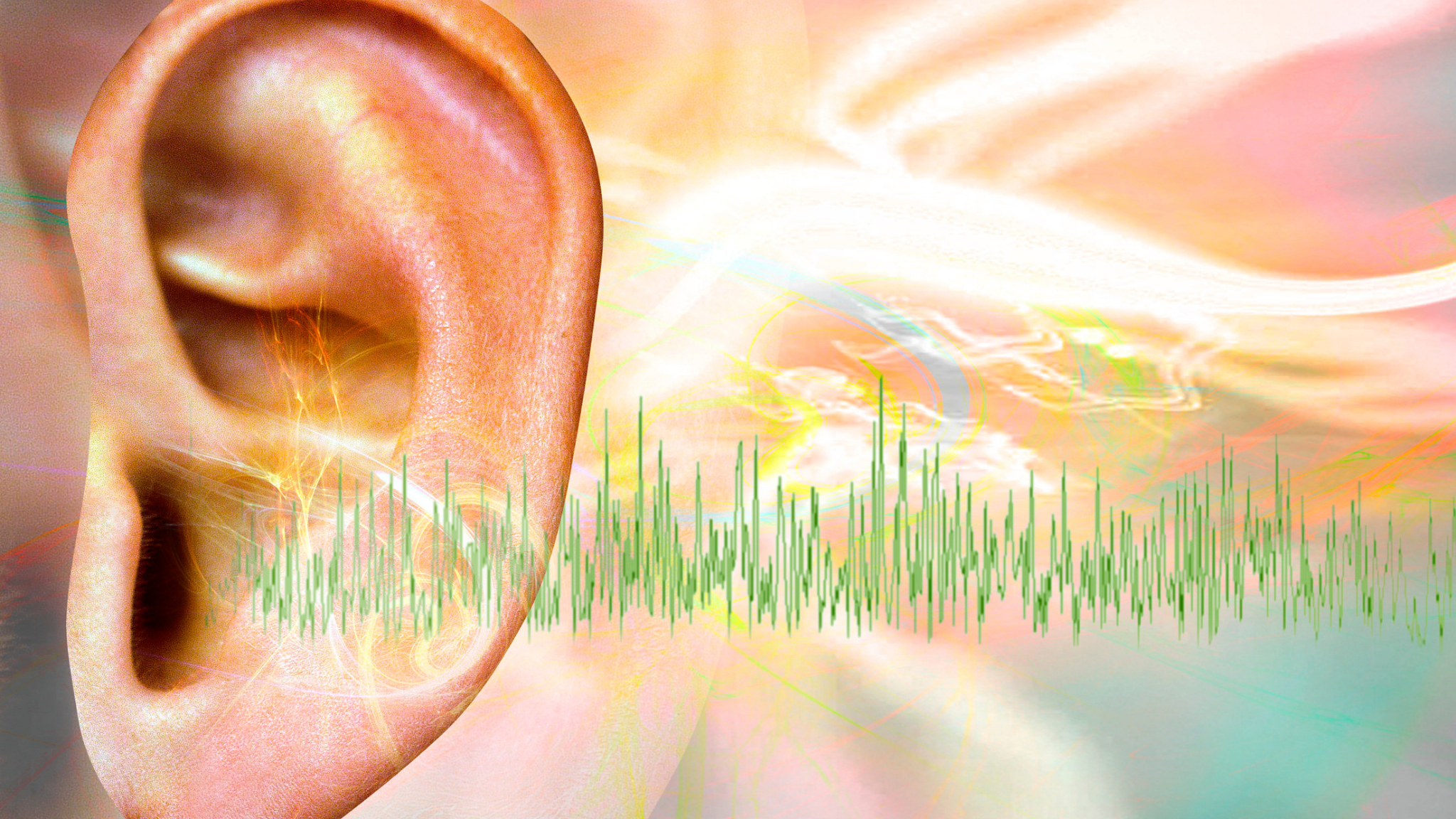
There are around 300,000 veterans living with hearing loss in the UK, according to The Royal British Legion. In addition to being at a greater risk of PTSD, depression, and anxiety, many vets are also battling psychological distress from hearing problems.

The book begins with a description of her therapeutic approach, and an illustration of how to understand and work with the rage often seen in male CSA clients.

I felt in my dealings with some police officers, as though I were treated firstly as a man (assumed to be a perpetrator), but they’d overlooked risks associated with my impairment. Example: How can you dodge a missile you don’t see coming?

The Panorama programme on domestic violence failed to adequately highlight two important issues: male victims and female perpetrators.

your photograph, name and address, might appear in the local and national press and on TV, insinuating what an evil monster you are

…an attack upon masculinity is an attack upon one’s sense of self, of identity. …What, then, is the right psychological defence against such an attack?

The male has been designed to “look”, not only at the female, but to “look out” for prey, for danger, and for ways to protect his family unit.

If his child is allowed to live, this man must be available, for the rest of his life, to love and provide for his child… If, on the other hand, it is decided that his child is to be destroyed, he should be able to go about his life as if nothing has happened

Socialising is a basic human need. The opposite – social isolation – is one of the worst forms of torture. Some people look down on the local pub as a place for undesirable riff raff, but that narrow viewpoint misses entirely the community value of the pub

Male psychology is a recent development in academia. Unlike gender studies, feminism, and men’s studies, male psychology takes the view that we can gain more by recognising and harnessing the positive aspects of masculinity than we can by taking a relentlessly negative approach to men.

.
Tom Golden is a counsellor and author of several acclaimed books. He gained note for his first book Swallowed by a Snake: The Gift of the Masculine Side of Healing which is seminal in the psychology of men’s grief. It was acclaimed by notable psychologists and psychotherapists such as Kubler-Ross, Hope Edelman, Robert Bly and others. Tom has also written The Way Men Heal and recently a book for mothers called Helping Mothers be Closer to Their Sons: Understanding the Unique World of Boys. Tom conducts workshops in the U.S., Canada, Europe and Australia, having been named the “1999 International Grief Educator” by the Australian Centre for Grief Education. His work and his web site webhealing.com (which was the first interactive site (1995) on the internet to serve grieving people) have been featured in the NY Times, Washington Post, as well as on CNN, CBS Evening News, ESPN and the NFL Channel. He served as the Vice Chair of the Maryland Commission for Men’s Health and maintains a private practice in Gatihersburg Md.