


It was two in the morning when Tilda woke me up with the sound of her nails clicking against the floor. She was pacing and agitated. I assumed she had to pee, or maybe there was a cat or rodent prowling outside.
Tilda is our intrepid Norwich terrier. She’s more like a child than a dog. Tilda and I were holding down the fort while my wife was out of town.
We stepped outside under a bright moon. Looking out from the front door, my yard stretches left to right in a long rectangle enclosed on three sides by tall hedges. Sloping down to the right is a metal fence and a gate leading to the street and driveway. I had secured the gate with a piece of wire because the latch doesn’t work half the time.
Tilda sniffed around a while and did her business. As she was heading towards the door, a blur caught my eye down by the gate. Unbelievably, two dogs running at full speed suddenly bashed the gate open and streaked into the yard.
My brain switched into pure response mode. I sprinted across the yard. Tilda had run towards the dogs and then sought shelter under the hedge.
A large white dog loped around harmlessly like he was enjoying a run in the park. But a smaller dog — whom I would later learn was a pit bull — was lunging at Tilda and growling furiously. Tilda was making terrible yelping noises.
“My entire life I’ve had trouble owning my strength and my masculine sense of power. My father was often violent, abusive, and cruel. This was what I thought “manliness” was about. I shunned this and instead became more passive and soft.”
I reached the mayhem and instinctively scooped up the attacking dog. I managed to clamp its neck in the crook of my left arm and squeeze its squirming body against mine with my right. Its hind legs were churning against my bare leg. Somehow I crossed the yard back towards the front door. Tilda was dangling from the pit bull’s jaws like a lunch sack, screaming in terror. The dog’s jaws were clamped shut.
With adrenaline pumping, I cranked the beast’s head back with all my strength. Finally, it dropped Tilda. I marched down to the gate with the dog thrashing in my arms. Its hide was slick and muscled like a horse. When I got to the wide-open gate, a car pulled up just as I was heaving the dog into the drive. It landed heavily on its haunches. It turned and stared at me, a dazed look in its eyes like it was coming out of a killing trance.
Two men and a woman piled out of the car. The men rounded up the dogs while the woman ran with me into the house to assess Tilda’s injuries.
Tilda was upstairs huddled under the bed, shaking and crying. It was a good sign she was able to run upstairs, and a good sign she was able to make noise. Once I coaxed her into the open, I could see that she was barely able to put weight on one of her front legs, but there wasn’t copious blood or gaping wounds. I wiped her down with a damp towel and examined her. There didn’t seem to be any broken bones. She was in pain, but mostly scared.
My leg was scratched and bruised in a couple of places, but other than that I was no worse for wear and tear. I was in mild shock. It felt like a bad dream to be standing in my underwear in the dead of night conversing with a woman I’d never seen before about the fact that her dog had tried to kill mine with incomprehensible aggression.
The woman who owned the dogs was sorry as hell. She left her name and number, promised to pay the vet bill, and said, “Tomorrow I must kill my dog.”
The Aftermath
Once the dogs and their owners left, I sat alone on the couch. Tilda was under the bed on a blanket, and I’d done all I could for her. She wanted to be left alone.
I felt calm and focused, which surprised me. I couldn’t grasp what had happened, or worse, what had almost happened. Tilda could have easily been killed. I thought about the millions of people who have experienced unthinkable horror, and how they somehow kept going in the hours that followed.
The next morning, a neighbor came to the rescue and drove me and Tilda to her vet. I don’t have a car, so this was vital. The vet gave Tilda an ultrasound and determined there were no broken ribs or internal injuries. Tilda’s pain was mostly from her skin being pulled violently by the dog’s teeth clamped on her fur. She had a small wound and swelling near her eye, and some abrasions on her skin. We left with antibiotics and some medicine for pain and inflammation.
Another friend came by and took me to the police station to fill out a report. We learned that the dog would not be euthanized, but somebody would come by and talk with the owners.
Three days after the attack, the vet checked Tilda again. She was healing rapidly. Her gait was almost back to normal. Her thick fur was still matted in several places from being mauled. I had to be careful picking her up or she’d yelp in pain. She was a bit skittish and spent more time sleeping under the bed, but she didn’t show overt signs of fear when we went out at night.
An Unexpected Gift
My entire life I’ve had trouble owning my strength and my masculine sense of power. My father was often violent, abusive, and cruel. This was what I thought “manliness” was about. I shunned this and instead became more passive and soft. I always felt a kind of weakness in me, a deeply ingrained learned helplessness.
During grade school and into high school, I didn’t fare well in the rituals of aggression that established the pecking order. Under fire, I would cave in and feel terrible anxiety rather than wanting to wade into battle.
“The pit bull coming into my yard was a violation that tested my ability to respond. […] I picked that son of a bitch up and threw him out of my yard. I passed the test. Since the event, something has calmed down deep inside.”
After years of therapy, I learned I had complex PTSD from childhood abuse. Under stress, and as a general coping mechanism, I often dissociated. I also discovered I harbored a cold, murderous rage inside. I had walled this off and papered it over with a nice guy act.
In a dramatic session of therapy, I released a volcano of rage and this seemed to resolve the main symptoms of PTSD. But I didn’t fully trust myself to show up with the necessary force if a situation demanded it. I knew in my bones that peace rests on inner strength. Masculine and feminine forces must be integrated to become fully human and whole.
The pit bull coming into my yard was a violation that tested my ability to respond. It was a real-life encounter with Grendel, an enactment from the allegory of Beowulf. And, I showed up without any waffling or equivocation. I picked that son of a bitch up and threw him out of my yard. I passed the test.
Since the event, something has calmed down deep inside. The unspoken question of my integrity has been settled. I’m more at peace with the possibility of violence, and less anxious and scattered.
As far as the woman who owned the pit bull, I could sense she was a kind, sensitive soul. But her life was out of control. Neighbors reported screaming fights in the middle of the night and cops showing up.
The day after the attack, she sent pleading messages asking that I refrain from filing reports. She feared they’d come and euthanize her dog.
I knew she needed to feel the full weight of her life on her shoulders and take responsibility. Yet, there was no need to heap shame on her or act nasty. I felt like hugging her and wishing her the best. She’s going to need all the love she can get if she’s going to turn things around.
This article was originally published in Medium on 19th July 2024
Scroll down to join the discussion
Disclaimer: This article is for information purposes only and is not a substitute for therapy, legal advice, or other professional opinion. Never disregard such advice because of this article or anything else you have read from the Centre for Male Psychology. The views expressed here do not necessarily reflect those of, or are endorsed by, The Centre for Male Psychology, and we cannot be held responsible for these views. Read our full disclaimer here.
Like our articles?
Click here to subscribe to our FREE newsletter and be first
to hear about news, events, and publications.






When a male is in a power imbalance, at least two masculine instincts are disempowered…

…people – men and women alike – respond less positively to male-favouring sex differences than they do to female-favouring sex differences.
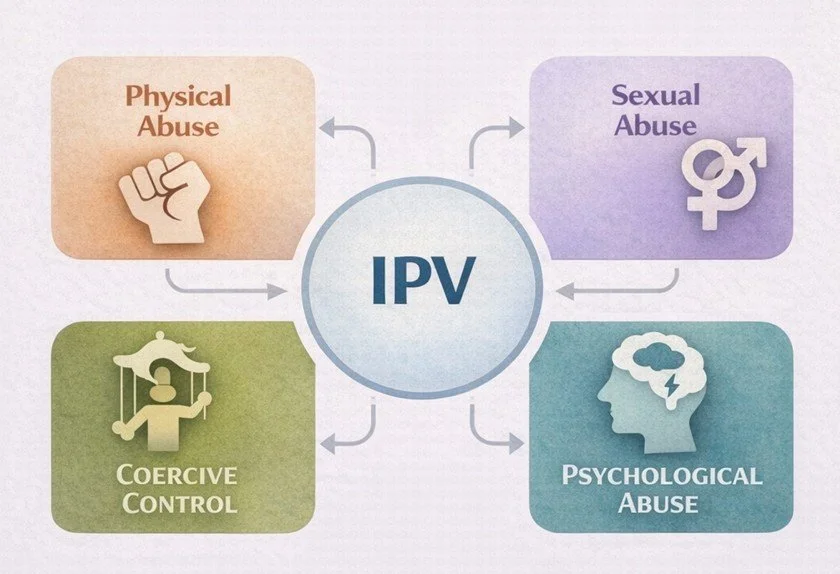
hyper-masculine gender norms are typically embedded within military institutions, and while adherence to these norms can contribute to combat and military success, they conversely make clinical work challenging
Men might benefit greatly from a government strategy aimed at improving their health. Here are suggestions from the Centre for Male Psychology on how that might be done. This article ends with some comments on potential pitfalls in the process of putting this strategy in place.




…people – men and women alike – respond less positively to male-favouring sex differences than they do to female-favouring sex differences.



… many papers do not even bother to identify or justify the nationality of their samples…

Have you got something to say?
Check out our submissions page to find out how to write for us.
hyper-masculine gender norms are typically embedded within military institutions, and while adherence to these norms can contribute to combat and military success, they conversely make clinical work challenging
hyper-masculine gender norms are typically embedded within military institutions, and while adherence to these norms can contribute to combat and military success, they conversely make clinical work challenging
hyper-masculine gender norms are typically embedded within military institutions, and while adherence to these norms can contribute to combat and military success, they conversely make clinical work challenging

hyper-masculine gender norms are typically embedded within military institutions, and while adherence to these norms can contribute to combat and military success, they conversely make clinical work challenging

hyper-masculine gender norms are typically embedded within military institutions, and while adherence to these norms can contribute to combat and military success, they conversely make clinical work challenging

Much of our attitudes, theorizing and public debate around men and masculinity is influenced by high profile feminist and Gender Studies scholars in academia. But what is the scientific quality of publications from these scholars?

Some people blame drill music – a form of rap - for the rising murder rate in London. Drill is known for aggressive lyrics about gang violence, but rather than seeing this as a valuable way for young men to express their feelings, some people want to ban it.

To survive… cultures have to use men and women effectively and … in fact, most cultures have used men and women in different ways… what our culture does is [grant] greater status to men and greater protection to women

hyper-masculine gender norms are typically embedded within military institutions, and while adherence to these norms can contribute to combat and military success, they conversely make clinical work challenging
There are around 300,000 veterans living with hearing loss in the UK, according to The Royal British Legion. In addition to being at a greater risk of PTSD, depression, and anxiety, many vets are also battling psychological distress from hearing problems.

The book begins with a description of her therapeutic approach, and an illustration of how to understand and work with the rage often seen in male CSA clients.
I felt in my dealings with some police officers, as though I were treated firstly as a man (assumed to be a perpetrator), but they’d overlooked risks associated with my impairment. Example: How can you dodge a missile you don’t see coming?

The Panorama programme on domestic violence failed to adequately highlight two important issues: male victims and female perpetrators.

your photograph, name and address, might appear in the local and national press and on TV, insinuating what an evil monster you are

…an attack upon masculinity is an attack upon one’s sense of self, of identity. …What, then, is the right psychological defence against such an attack?

The male has been designed to “look”, not only at the female, but to “look out” for prey, for danger, and for ways to protect his family unit.

If his child is allowed to live, this man must be available, for the rest of his life, to love and provide for his child… If, on the other hand, it is decided that his child is to be destroyed, he should be able to go about his life as if nothing has happened
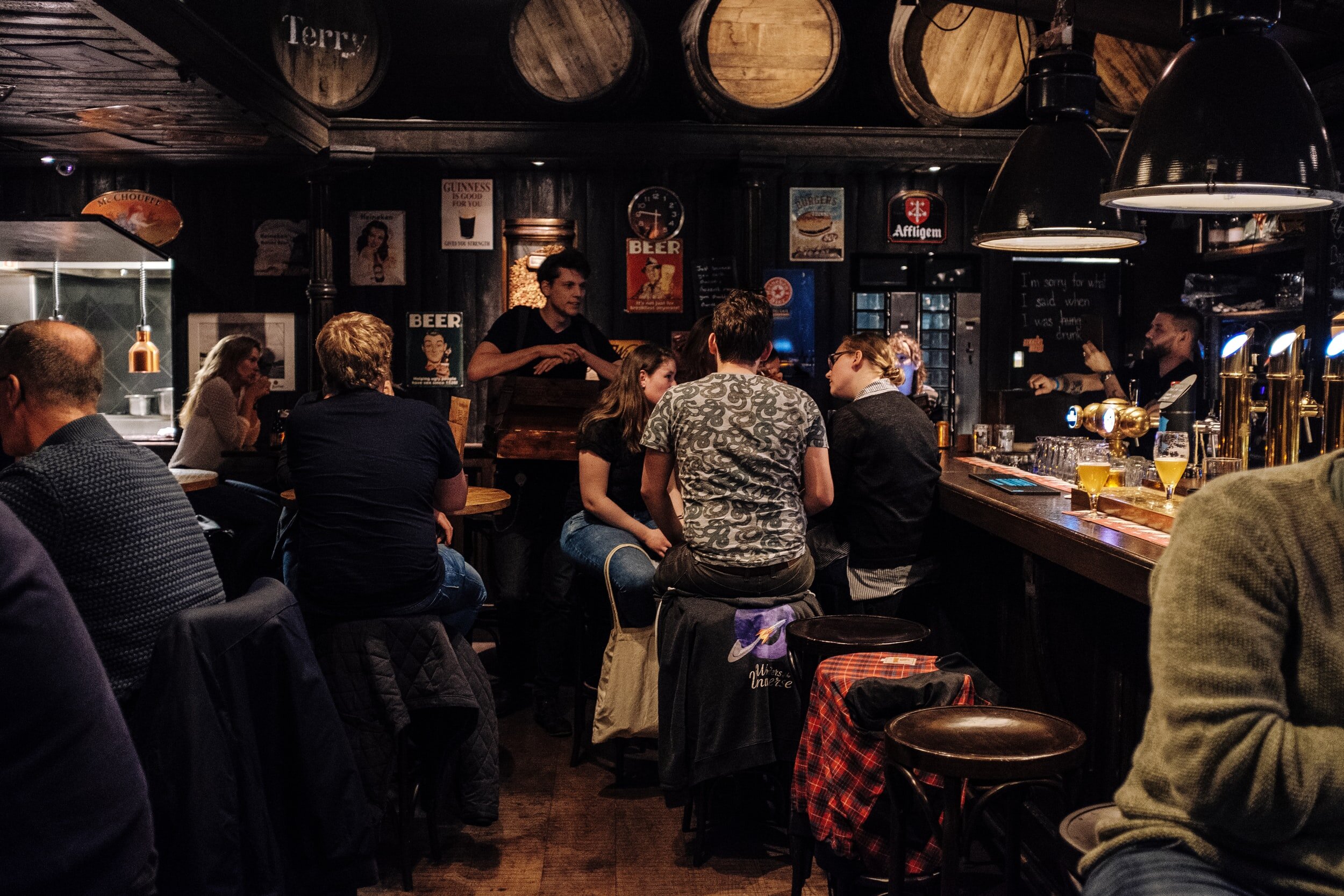
Socialising is a basic human need. The opposite – social isolation – is one of the worst forms of torture. Some people look down on the local pub as a place for undesirable riff raff, but that narrow viewpoint misses entirely the community value of the pub

Male psychology is a recent development in academia. Unlike gender studies, feminism, and men’s studies, male psychology takes the view that we can gain more by recognising and harnessing the positive aspects of masculinity than we can by taking a relentlessly negative approach to men.

.
