
Social Science Matters: bridging the knowledge gap in men’s mental health.
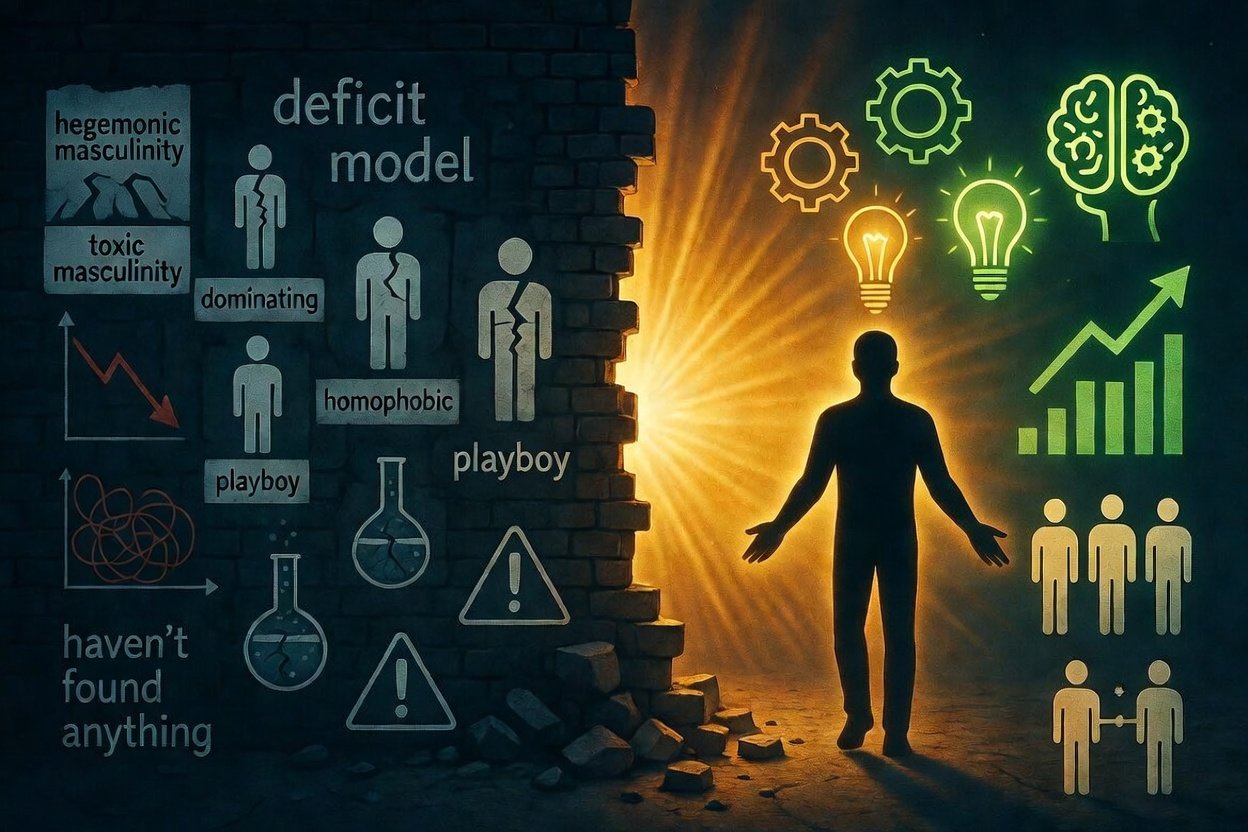
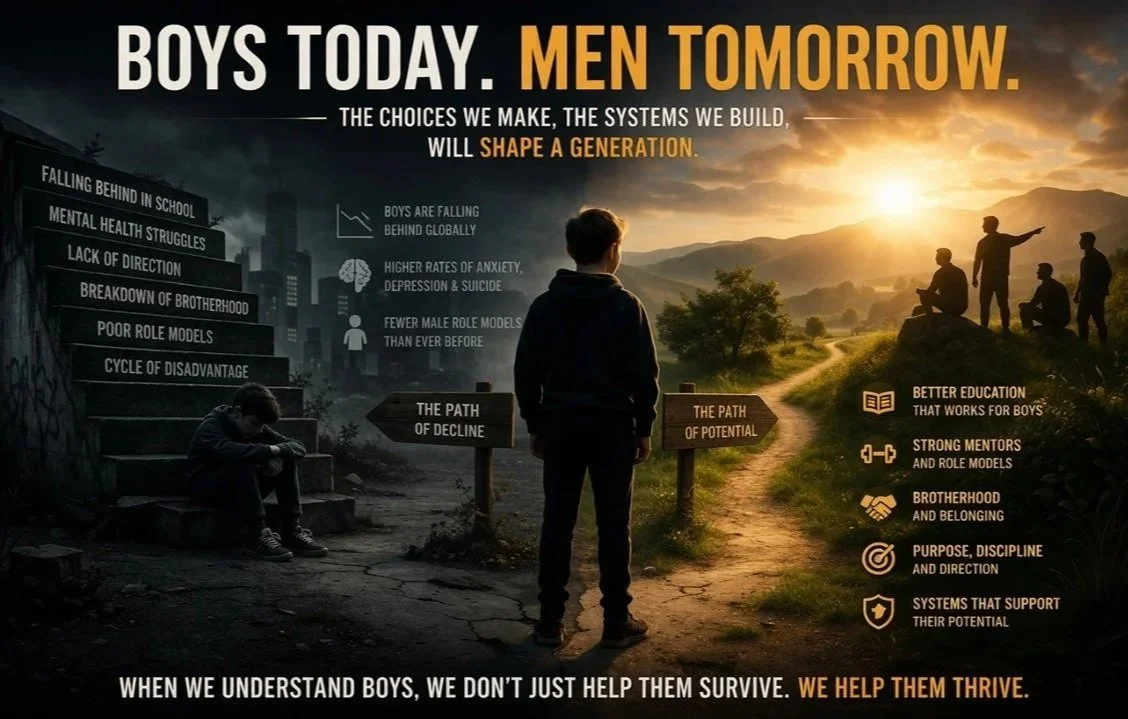
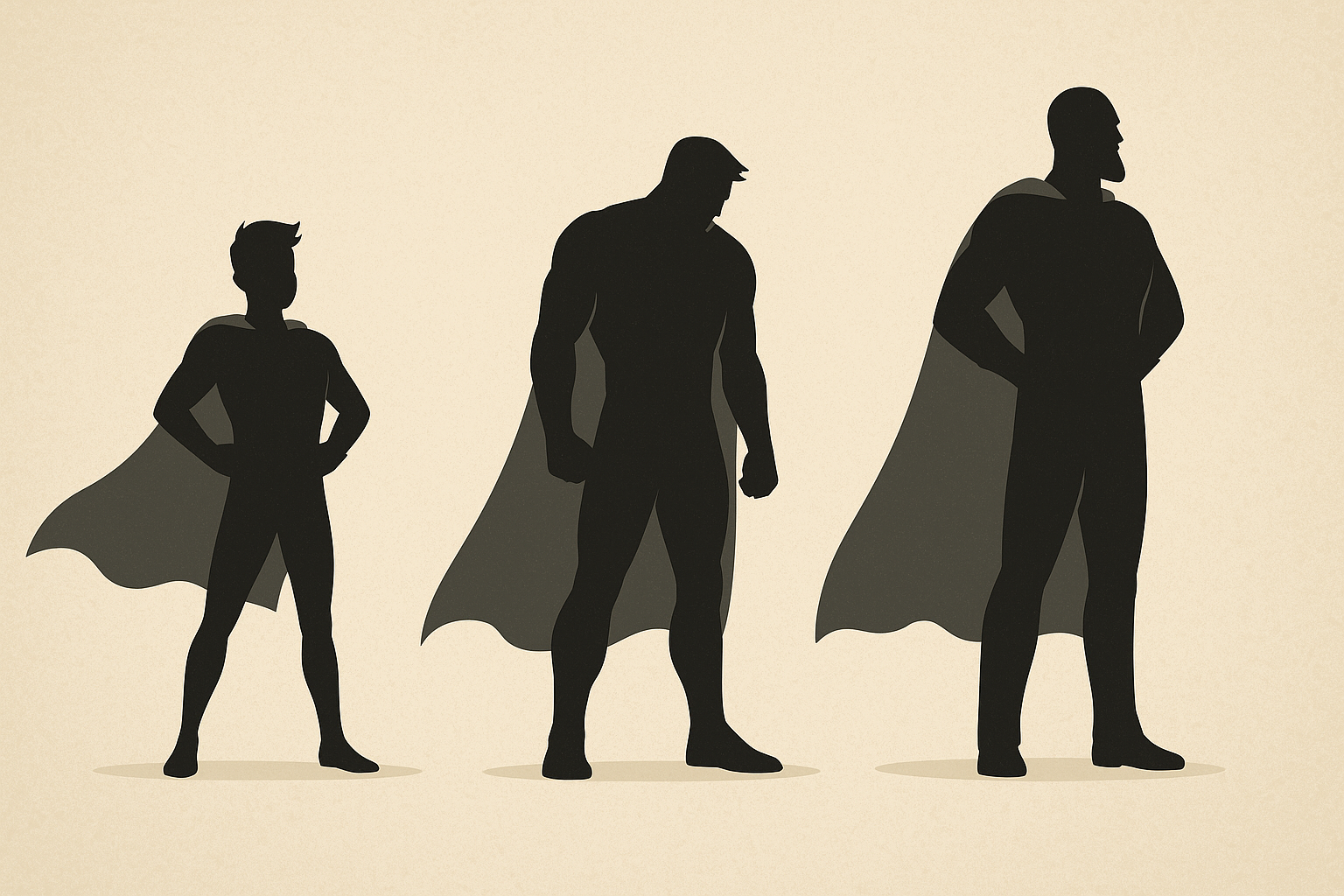
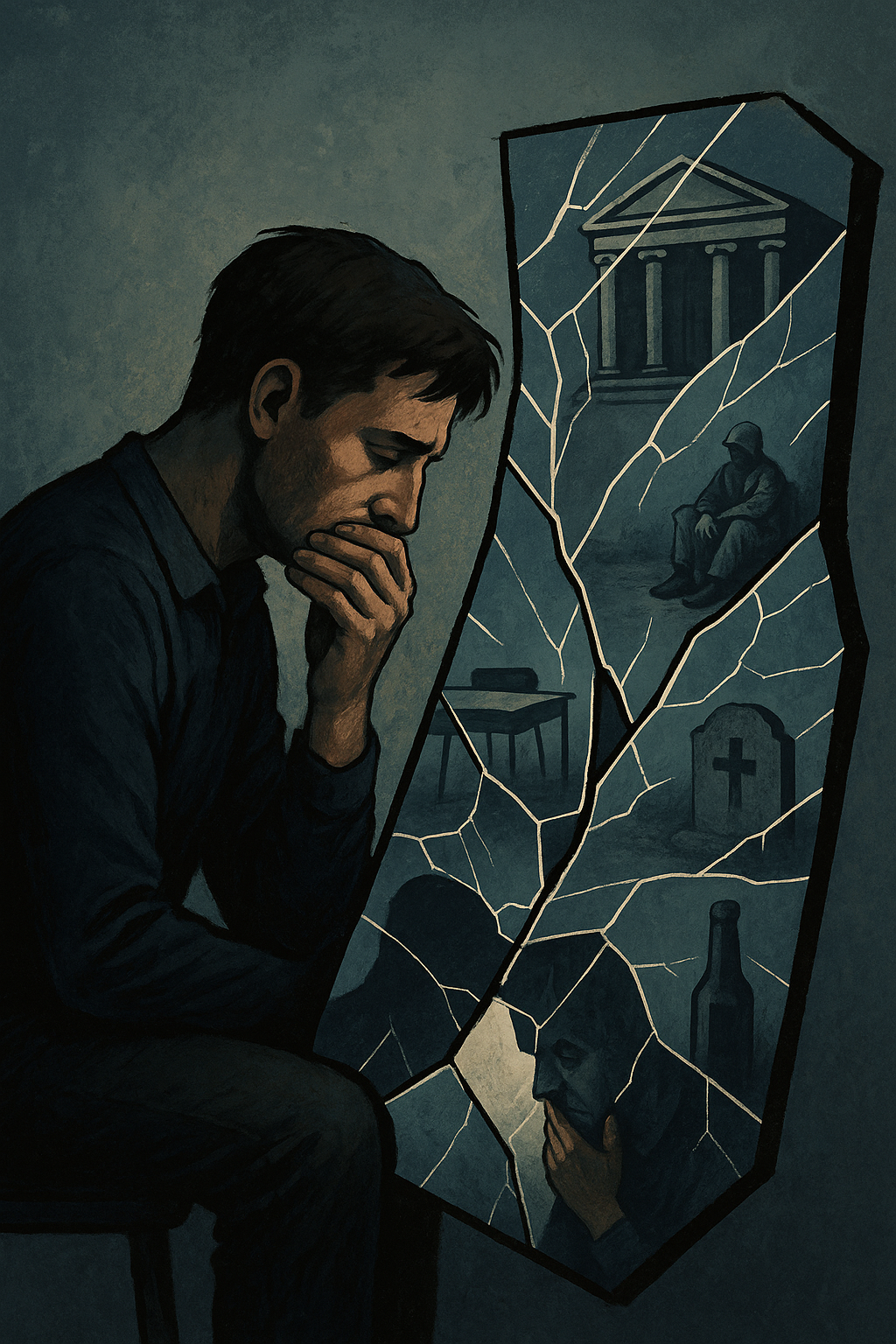
Image: ‘Getting beyond the deficit model of masculinity’. Created using AI image generation (Grok) based on full text of article,with prompts by John Barry.
This article was originally published on the Research Communities by Springer Nature. You can find it here.
Prof Richard Feynman, the acclaimed theoretical physicist and Nobel prize winner who worked on the Manhattan Project, is widely hailed as a genius. That may be true, but I think the great man got it wrong when he said in a 1981 interview that “Social science is an example of a science which is not a science. They follow the forms… but they don’t get any laws. They haven’t found out anything.”
Contrary to his claims, the social sciences had already for decades produced several verifiable laws (e.g. Thorndike’s Law of Effect in operant conditioning, and the Yerkes-Dodson law). Nonetheless what Feynman said struck a chord with many, and if I am honest, his suggestion that “they haven’t found out anything” touches a nerve. To explain what I mean I will take examples from research into masculinity and mental health.
Paradigm fixation
Thomas Khun proposed that science typically goes through long periods of normal scientific activities (discovery, research, application etc) interrupted by occasional paradigm shifts i.e. major rethinking of a topic. Before the 1980s, masculinity was described in the social sciences in fairly benign terms (e.g. competitive, aggressive, decisive), but from the 1980s, the definition suddenly became increasingly negative (e.g. homophobic, dominating women, a playboy).
Subsequent research which depicts masculinity negatively is sometimes referred to as the ‘deficit model’ of masculinity. By the 1990s, questions were being asked about this new direction, and three recurring flaws were identified:
Relying on negative stereotypes of men, and not considering positive aspects of masculinity
Generalising findings from student samples to all men, as if even mature men have the same opinions as teenagers
Correlational studies were discussed as if they proved causation e.g. a finding that masculinity (with definitions including misogyny and homophobia etc.) is correlated with poor mental doesn’t mean masculinity causes poor mental health. One (of several) plausible interpretations is that poor mental health makes men view more inclined to misogyny and homophobia etc.
“This paradigm fixation on the deficit model of masculinity means we know less now about men and masculinity than we did before the 1980s”
Studies that fixated on this narrow paradigm, using the same methods over and over, unsurprisingly found similar results over and over. However this ‘paradigm fixation’ had dug itself – without anyone seeming to have noticed - into a huge validity crisis, where the studies were not actually measuring what they claimed to be measuring, nor finding what they claim to be finding. In other words this paradigm fixation on the deficit model of masculinity means we know less now about men and masculinity than we did before the 1980s, and I am guessing Feynman would claim this as evidence that social scientists "haven't found out anything" It could be argued that if the deficit model had helped men’s mental health, we would probably see more men willingly go to therapy, stay in therapy, and have good long term outcomes from therapy, but instead since the 1980s we have seen increases in depression and anxiety in men in the US and UK, and many other countries.
Shifting up a gear
To escape from this fixated mindset, first we must start to recognise that despite a huge amount of work, research based on the deficit model of masculinity has been a scientific dead end. Second, we need a fresh start based on some of the interesting findings that run counter to the deficit model e.g. findings showing that masculinity is correlated with better mental health.
“Quick et al. advocate a positive psychology approach to physical and mental health. I agree, especially in the field of men’s mental health, where ‘negative psychology’ has become the norm.”
In my recent article I make a few basic suggestions in this direction. These include using the principles of Rogers’ person-centred therapy e.g. being non-judgemental will help people to get away from the presumption that masculinity is a problem. In their chapter ‘Well-Being by Design: Social Science for Healthier Lives’in the book Why the Social Sciences Matter, Quick et al. advocate a positive psychology approach to physical and mental health. I agree, especially in the field of men’s mental health, where ‘negative psychology’ has become the norm.
We need also to recognise that science is not just a factory production line for data that confirms a particular view, but a method that highly values counter-instances as opportunities to improve a theory. Unfortunately, in some places it has become verboten to question ideas such as patriarchy theory, or to acknowledge that some aspects of sex differences are due to nature. As human beings we are inclined to many biases and errors in our thinking, and it’s important that people in the social sciences realise how common bias against men is too.
Thomas Kuhn described how paradigms in science shift, and I believe that if social science is any kind of genuine science, then masculinity research is due a shift. In the present state of fixation, we are missing huge opportunities to improve men’s mental health. Depressed and suicidal men don’t make for a happier world, and it makes sense that happier men will benefit the wellbeing of society as a whole.
At present, those who enter the social sciences wanting to help men are not standing on the shoulders of giants, but standing in a cul-de-sac staring at a wobbly brick wall festooned with faded revolutionary slogans of the past. We at the Centre for Male Psychology are doing everything we can to move knowledge forward, but paradigms are slow to shift, and new pathways can feel scary for people to take, at least at first. Lots of people have been trained to believe the solution to men’s mental health problems lie in smashing the patriarchy and reforming masculinity, so it can understandably be difficult for them to imagine that those negative views of masculinity might actually be contributing to the problems they are trying to solve.
I feel very hopeful for the future of the social sciences. Richard Feynman got a lot right, but not everything, and I believe that field of masculinity research can one day prove that his withering assessment of the social sciences was ultimately wrong.
Scroll down to the comments section to join in the discussion
Disclaimer: This article is for information purposes only and is not a substitute for therapy, legal advice, or other professional opinion. Never disregard such advice because of this article or anything else you have read from the Centre for Male Psychology. The views expressed here do not necessarily reflect those of, or are endorsed by, The Centre for Male Psychology, and we cannot be held responsible for these views. Read our full disclaimer here.
Like our articles?
Click here to subscribe to our FREE newsletter and be first
to hear about news, events, and publications.





When a male is in a power imbalance, at least two masculine instincts are disempowered…

…people – men and women alike – respond less positively to male-favouring sex differences than they do to female-favouring sex differences.
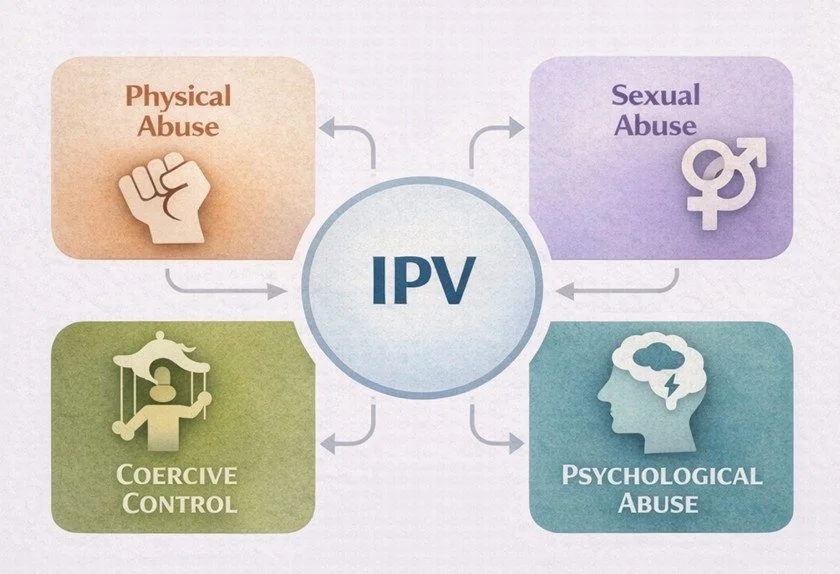
hyper-masculine gender norms are typically embedded within military institutions, and while adherence to these norms can contribute to combat and military success, they conversely make clinical work challenging
Men might benefit greatly from a government strategy aimed at improving their health. Here are suggestions from the Centre for Male Psychology on how that might be done. This article ends with some comments on potential pitfalls in the process of putting this strategy in place.




…people – men and women alike – respond less positively to male-favouring sex differences than they do to female-favouring sex differences.



… many papers do not even bother to identify or justify the nationality of their samples…


hyper-masculine gender norms are typically embedded within military institutions, and while adherence to these norms can contribute to combat and military success, they conversely make clinical work challenging



There is social power, there is structural power, and there is physical power. What women have in our society is the power of the state behind them, and men do not. Men only have that physical power, and most men don’t want to use it

people are more aware of the fact men can be victims of this type of violence, but this often isn’t translated into policy, practice or indeed provision of resources
Have you got something to say?
Check out our submissions page to find out how to write for us.
hyper-masculine gender norms are typically embedded within military institutions, and while adherence to these norms can contribute to combat and military success, they conversely make clinical work challenging

hyper-masculine gender norms are typically embedded within military institutions, and while adherence to these norms can contribute to combat and military success, they conversely make clinical work challenging
hyper-masculine gender norms are typically embedded within military institutions, and while adherence to these norms can contribute to combat and military success, they conversely make clinical work challenging

hyper-masculine gender norms are typically embedded within military institutions, and while adherence to these norms can contribute to combat and military success, they conversely make clinical work challenging

hyper-masculine gender norms are typically embedded within military institutions, and while adherence to these norms can contribute to combat and military success, they conversely make clinical work challenging

Much of our attitudes, theorizing and public debate around men and masculinity is influenced by high profile feminist and Gender Studies scholars in academia. But what is the scientific quality of publications from these scholars?

Some people blame drill music – a form of rap - for the rising murder rate in London. Drill is known for aggressive lyrics about gang violence, but rather than seeing this as a valuable way for young men to express their feelings, some people want to ban it.

To survive… cultures have to use men and women effectively and … in fact, most cultures have used men and women in different ways… what our culture does is [grant] greater status to men and greater protection to women

hyper-masculine gender norms are typically embedded within military institutions, and while adherence to these norms can contribute to combat and military success, they conversely make clinical work challenging

There are around 300,000 veterans living with hearing loss in the UK, according to The Royal British Legion. In addition to being at a greater risk of PTSD, depression, and anxiety, many vets are also battling psychological distress from hearing problems.

The book begins with a description of her therapeutic approach, and an illustration of how to understand and work with the rage often seen in male CSA clients.

I felt in my dealings with some police officers, as though I were treated firstly as a man (assumed to be a perpetrator), but they’d overlooked risks associated with my impairment. Example: How can you dodge a missile you don’t see coming?

The Panorama programme on domestic violence failed to adequately highlight two important issues: male victims and female perpetrators.

your photograph, name and address, might appear in the local and national press and on TV, insinuating what an evil monster you are

…an attack upon masculinity is an attack upon one’s sense of self, of identity. …What, then, is the right psychological defence against such an attack?

The male has been designed to “look”, not only at the female, but to “look out” for prey, for danger, and for ways to protect his family unit.

If his child is allowed to live, this man must be available, for the rest of his life, to love and provide for his child… If, on the other hand, it is decided that his child is to be destroyed, he should be able to go about his life as if nothing has happened

Socialising is a basic human need. The opposite – social isolation – is one of the worst forms of torture. Some people look down on the local pub as a place for undesirable riff raff, but that narrow viewpoint misses entirely the community value of the pub

Male psychology is a recent development in academia. Unlike gender studies, feminism, and men’s studies, male psychology takes the view that we can gain more by recognising and harnessing the positive aspects of masculinity than we can by taking a relentlessly negative approach to men.

.
 John Barry
Dr John Barry is a chartered psychologist, researcher, clinical hypnotherapist and co-founder of the Male Psychology Network, BPS Male Psychology Section, and The Centre for Male Psychology (CMP). Also co-editor of the Palgrave Handbook of Male Psychology & Mental Health, co-author of the textbook Perspectives in Male Psychology: An Introduction (Wiley), and presenter on Centre for Male Psychology training courses.