

La versión en español de este artículo está aquí
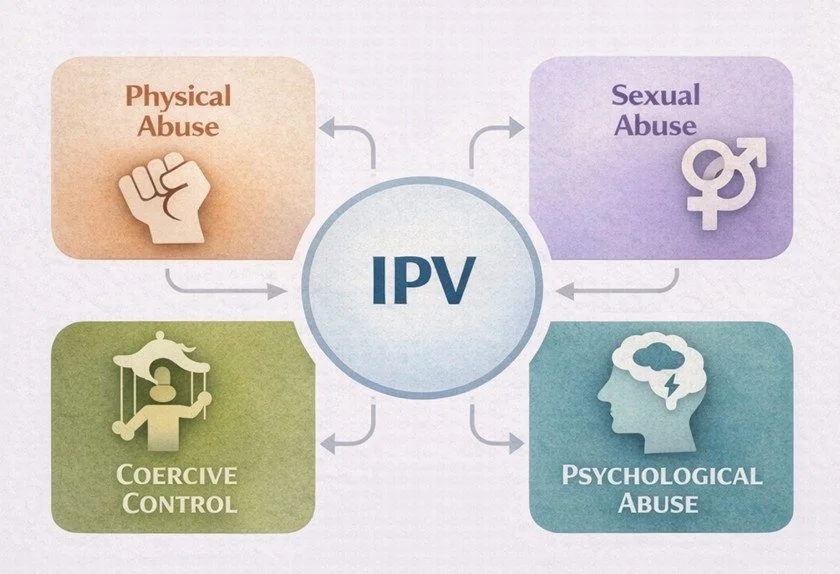
Intimate partner violence (IPV) is a multidimensional construct that includes physical violence, sexual violence and psychological violence, especially coercive and controlling behaviors. In this article I will address a type of intimate partner violence that has not been studied as much although - because of its frequency and consequences - it deserves it. This is legal and administrative violence which is the manipulation of legal and administrative resources as an attempt to control or inflict emotional and financial harm on one’s partner.
Legal and administrative aggression or violence (LAV) occurs when one partner uses the legal and administrative system (courts, law enforcement, the police, child protection services) either during or after the termination of a relationship in an abusive manner that often includes false allegations against the victims. Hines et al. have developed an instrument to measure this, which includes both threats to use the legal and administrative system and its actual use.
“Victims of LAV are more likely to be male, though this may not be recognized because the professional and legal systems responsible for intervening in cases of IPV often hold stereotypes that men cannot be victims of IPV”
LAV can be perpetrated by both men and women, and can include frivolous lawsuits, false accusations of child abuse and other manipulations of the legal system. However, victims of LAV are more likely to be male, though this may not be recognized because the professional and legal systems responsible for intervening in cases of IPV often hold stereotypes that men cannot be victims of IPV, and that only men are capable of perpetrating serious IPV. Furthermore, most IPV services have traditionally been set up to serve women, and the legal system has a bias in most Western countries that favors the interests of women. Specifically, One study found that 12.9% of men reported that their partner threatened them with LAV, and 3.9% reported that their partner actually carried out a form of LAV against them. In contrast, 5.3% of the men reported threatening their partners with LAV and 1.1% reported actually perpetrating at least one form of LAV against their partner.
The consequences of LAV are significant on many levels. Many men have to spend money, time and other resources to prove their innocence. Some spend time in prison or with restraining orders against their children based on false allegations. Cook provides data that some male victims of intimate partner violence have unjustly lost their homes, possessions, and contact with their children and feel powerless in the face of a judicial system that they believe is rigged against them. A study that assessed the concerns of men who called a hotline for battered men, found that nearly half of them reported that their partner had perpetrated LAV by demanding restraining orders with false allegations and manipulating the court system to gain custody of children. In another study, when male victims of intimate partner violence were asked about their reasons for not leaving an abusive relationship, one of the most commonly cited reasons was fear of never seeing their children again. The men also reported having suffered threats from their partner that they would ruin their reputation at work and in the community, as well as threats to make false claims accusing them of violence against themselves and the children. In fact, two-thirds of men report having been victims of such false allegations. In male victims of physical partner violence, one study found that 91.4% report that their partner has threatened some form of LAV and 78.9% say that their partner carried it out. All of these data suggest that a large proportion of male victims of intimate partner violence are victims of LAV.
Apart from the previously cited effect of constraining the victim within an abusive relationship, LAV has been shown to be a direct predictor of poor outcomes in the physical health (including poor general health, poor sleep, fatigue, aches and pains) and mental health (depression, PTSD). One study found that VLA (both threats and actually exerted) were associated with symptoms of Post Traumatic Stress Disorder (PTSD) and depression in male sufferers as well as increased anxious, affective and somatic symptoms in school-aged children. In summary, LAV is associated with poorer mental health in male sufferers as well as in children who live or have lived in homes where LAV was experienced by their fathers. Therefore, it is important that men who experience LAV have access to mental health services to treat these symptoms of depression and PTSD. In the next section, I discuss the possible repercussions that the negative mental health consequences of LAV may have on suicide and homicide.
“Recognition of the link between intimate partner conflicts and homicide-suicide incidents and strategies involving collaboration among the court/legal and mental health systems might prevent these incidents”
Implications for suicide and homicide-suicide
One area that would merit further study is the contribution of this legal and administrative aggression to men's suicide and homicide followed by suicide. We know that divorce is a risk factor for suicide in men and various researchers have found that relationship problems are an important risk factor not only for men's suicide (e.g. Brown and Seals, 2019; Logan, 2011; Stone, 2018) but also for homicide followed by suicide (Logan et al., 2008; Logan et al. 2019). It stands to reason that all legal and administrative circumstances that complicate already traumatic divorce processes may negatively influence the psychology and mental health of those involved.
According to Logan et al (2008): “Over 55% of male homicide-suicide perpetrators versus 26.4% of other male suicide decedents had prior intimate partner conflicts. In fact, having a history of intimate partner conflicts was even common among homicide-suicide perpetrators who did not victimize their intimate partners. Recognition of the link between intimate partner conflicts and homicide-suicide incidents and strategies involving collaboration among the court/legal and mental health systems might prevent these incidents”.
A later study by Logan et al found that homicide-suicide perpetration was more prevalent among suicides who had civil legal problems versus those who did not. Feelings of having been unfairly treated (whether real or imagined) may be a risk factor for suicide and for homicide-suicide, so greater sensitivity of the judicial system to men’s circumstances would be beneficial to all concerned. Better coordination between the judicial and health systems could help prevent both suicides and homicides followed by suicide.
In short, LAV is a type of intimate partner violence that has received little attention but has important repercussions for the people who suffer it (both men and women) and for their family members. More attention and research would be desirable.
Scroll down to join the discussion
Disclaimer: This article is for information purposes only and is not a substitute for therapy, legal advice, or other professional opinion. Never disregard such advice because of this article or anything else you have read from the Centre for Male Psychology. The views expressed here do not necessarily reflect those of, or are endorsed by, The Centre for Male Psychology, and we cannot be held responsible for these views. Read our full disclaimer here.
Like our articles?
Click here to subscribe to our FREE newsletter and be first
to hear about news, events, and publications.










When a male is in a power imbalance, at least two masculine instincts are disempowered…


…people – men and women alike – respond less positively to male-favouring sex differences than they do to female-favouring sex differences.
hyper-masculine gender norms are typically embedded within military institutions, and while adherence to these norms can contribute to combat and military success, they conversely make clinical work challenging
Men might benefit greatly from a government strategy aimed at improving their health. Here are suggestions from the Centre for Male Psychology on how that might be done. This article ends with some comments on potential pitfalls in the process of putting this strategy in place.




…people – men and women alike – respond less positively to male-favouring sex differences than they do to female-favouring sex differences.



… many papers do not even bother to identify or justify the nationality of their samples…
Have you got something to say?
Check out our submissions page to find out how to write for us.
hyper-masculine gender norms are typically embedded within military institutions, and while adherence to these norms can contribute to combat and military success, they conversely make clinical work challenging

hyper-masculine gender norms are typically embedded within military institutions, and while adherence to these norms can contribute to combat and military success, they conversely make clinical work challenging
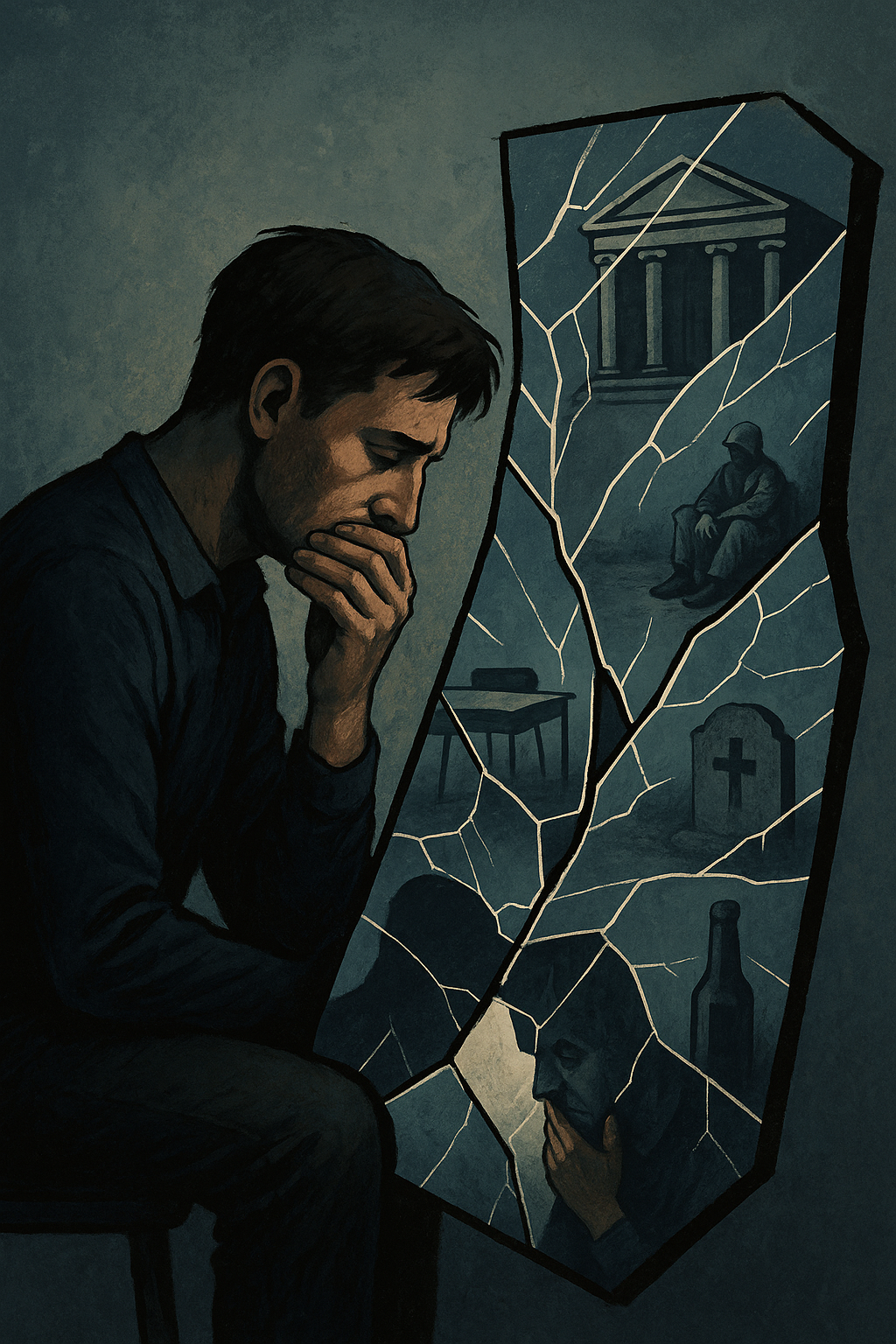
hyper-masculine gender norms are typically embedded within military institutions, and while adherence to these norms can contribute to combat and military success, they conversely make clinical work challenging

hyper-masculine gender norms are typically embedded within military institutions, and while adherence to these norms can contribute to combat and military success, they conversely make clinical work challenging

hyper-masculine gender norms are typically embedded within military institutions, and while adherence to these norms can contribute to combat and military success, they conversely make clinical work challenging

Much of our attitudes, theorizing and public debate around men and masculinity is influenced by high profile feminist and Gender Studies scholars in academia. But what is the scientific quality of publications from these scholars?

Some people blame drill music – a form of rap - for the rising murder rate in London. Drill is known for aggressive lyrics about gang violence, but rather than seeing this as a valuable way for young men to express their feelings, some people want to ban it.

To survive… cultures have to use men and women effectively and … in fact, most cultures have used men and women in different ways… what our culture does is [grant] greater status to men and greater protection to women

hyper-masculine gender norms are typically embedded within military institutions, and while adherence to these norms can contribute to combat and military success, they conversely make clinical work challenging

There are around 300,000 veterans living with hearing loss in the UK, according to The Royal British Legion. In addition to being at a greater risk of PTSD, depression, and anxiety, many vets are also battling psychological distress from hearing problems.

The book begins with a description of her therapeutic approach, and an illustration of how to understand and work with the rage often seen in male CSA clients.

I felt in my dealings with some police officers, as though I were treated firstly as a man (assumed to be a perpetrator), but they’d overlooked risks associated with my impairment. Example: How can you dodge a missile you don’t see coming?

The Panorama programme on domestic violence failed to adequately highlight two important issues: male victims and female perpetrators.

your photograph, name and address, might appear in the local and national press and on TV, insinuating what an evil monster you are

…an attack upon masculinity is an attack upon one’s sense of self, of identity. …What, then, is the right psychological defence against such an attack?

The male has been designed to “look”, not only at the female, but to “look out” for prey, for danger, and for ways to protect his family unit.

If his child is allowed to live, this man must be available, for the rest of his life, to love and provide for his child… If, on the other hand, it is decided that his child is to be destroyed, he should be able to go about his life as if nothing has happened
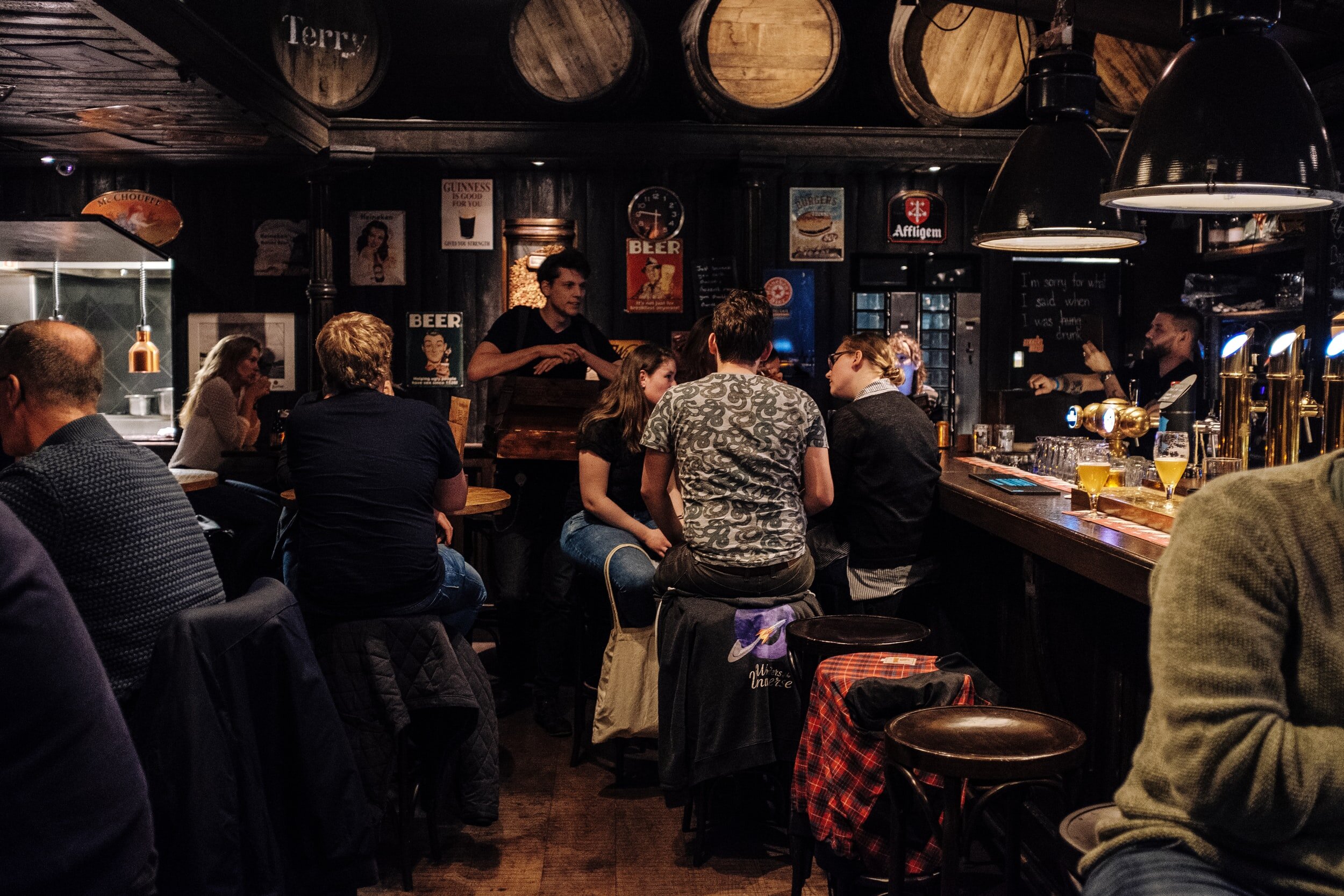
Socialising is a basic human need. The opposite – social isolation – is one of the worst forms of torture. Some people look down on the local pub as a place for undesirable riff raff, but that narrow viewpoint misses entirely the community value of the pub

Male psychology is a recent development in academia. Unlike gender studies, feminism, and men’s studies, male psychology takes the view that we can gain more by recognising and harnessing the positive aspects of masculinity than we can by taking a relentlessly negative approach to men.

.

people are more aware of the fact men can be victims of this type of violence, but this often isn’t translated into policy, practice or indeed provision of resources