
Election 2024 in Ireland: Lots of talk from politicians, but complete silence on issues that matter to men

The Irish electorate goes to the polls on November 29th to elect 174 candidates to the Dáil (House of Representatives). The election campaign is trundling along with the cost of living, housing, health and immigration among the headline issues, but nothing about issues that can often cause severe distress to men, such as being a male victim of domestic abuse.
A major problem facing disaffected Irish voters is the absence of any populist party, of the kind seen in Europe recently, sufficiently well established to offer a credible alternative to the current alliance of Fianna Fáil (FF) and Fine Gael (FG). That alliance is hoping this lack will force voters back into the arms of what is at least regarded as a stable coalition. Nevertheless, considerable speculation surrounds the number of independent candidates that will be elected. It is astonishing that that there are 680 candidates, compared to 530 in 2020, and many of these are independents. As seasoned an observer as Senator Michael McDowell has written that “middle Ireland needs a new government, [and] Independents might provide it.”
Can the male voter hope for any easing of the many ills affecting men and boys today? He will search in vain through the party manifestos for any relief of conditions which affect men most. Instead he will find a stupefying servility, an insensate conformity of thought. No major nor indeed minor party has evinced any interest in male concerns; it is a taboo subject where groupthink reigns and conformity is universal. Although the concerns of men in Britain were at least recognised in a debate in the House of Commons on November 19th (International Men’s Day), Irish political parties are still incapable of even such a modest gesture.
But issues regarding women are not ignored. A look at the election manifestos of the six main parties - FF, FG, Sinn Fein, Labour, Social Democrats (SDP) and Greens - reveals several policies held in common, such as a zero tolerance approach to Domestic Sexual and Gender-Based Violence (DSGBV). For example, all six parties promise more refuge places - for women only of course; there are no refuge places for men and none are promised. In all manifestos, except that of FF, the phrase “violence against women” is echoed like a mantra.
“Both FF and FG promise to introduce a Domestic Violence and Abuse Disclosure Scheme [but] this could be open to abuse since anybody could walk into a Garda station and claim to be entering into a relationship with a named person and ask to see if that person is on the register.”
There are several promises which are cause for concern for men. Both FF and FG promise to introduce a Domestic Violence and Abuse Disclosure Scheme which would establish a coercive control register, included in the sex offenders register, so that a person can find out from the Garda Siochána (police) whether someone they are entering a relationship with has committed an offence which is on the register. Obviously this could be open to abuse since anybody could walk into a Garda station and claim to be entering into a relationship with a named person and ask to see if that person is on the register. Secondly, why only for coercive control, now a criminal offence; why not for any violent offence, or for fraud, or other offences?
Fianna Fáil is committed “to building a victim-centred criminal justice system”. One already existing example of “putting victims at the centre of our justice system” is Section 4.2 of the Victims of Crime Act 2017, where the ‘victim’ is defined and declared to be independent of any offence having to be established, which in effect presumes the guilt of the accused. We could note too that the ease with which Section 4.2 of the Victims of Crime Act 2017 was accepted is itself cause for alarm.
The main parties appear to almost compete with each other to show how seriously they take violence against women. For example, Sinn Fein declares there is an epidemic of violence against women and a culture in Ireland that facilitates this violence. Not to be outdone the SDP claims that violence against women is the most prevalent human rights violation in the world. In contrast, hardships of any kind facing men do not appear to be on the agenda of any of the main parties, including violence against men.
“The statutory agency which coordinates and manages all activities in the Domestic Sexual and Gender-Based Violence (DSGBV) area, Cuan, was set up in February 2024. Among its tasks is to decide how best to distribute their €47m of funding.”
Men’s Voices Ireland sent a letter to all candidates for whom it could find addresses. The letter included a list of issues facing men, and asked candidates what they would do about these issues if elected. As in previous elections, the response was disappointing. Fianna Fail and Fine Gael showed no interest, and Sinn Fein candidates are known to be discouraged from expressing individual opinions. There were responses from some smaller parties and independents, and welcome as these were, none of them promised any change in the medium term.
The statutory agency which coordinates and manages all activities in the Domestic Sexual and Gender-Based Violence (DSGBV) area, Cuan, was set up in February 2024. Among its tasks is to decide how best to distribute their €47m of funding. Soon after their launch, Men’s Voices Ireland wrote to the CEO requesting a meeting, but received no reply. In March we wrote to the Manager of News and Current Affairs in RTÉ (the national TV and radio service) asking for media coverage of topics of concern to men which had been denied coverage by RTE previously. We received no reply. With no interest from politicians or the national media in issues that impact men, such as being the victim of domestic violence, or being falsely accused of violence or coercive control, it seems unlikely that any new government can be considered to be genuinely representative of the needs of men in Ireland.
Scroll down to join the discussion
Disclaimer: This article is for information purposes only and is not a substitute for therapy, legal advice, or other professional opinion. Never disregard such advice because of this article or anything else you have read from the Centre for Male Psychology. The views expressed here do not necessarily reflect those of, or are endorsed by, The Centre for Male Psychology, and we cannot be held responsible for these views. Read our full disclaimer here.
Like our articles?
Click here to subscribe to our FREE newsletter and be first
to hear about news, events, and publications.



When a male is in a power imbalance, at least two masculine instincts are disempowered…


…people – men and women alike – respond less positively to male-favouring sex differences than they do to female-favouring sex differences.
hyper-masculine gender norms are typically embedded within military institutions, and while adherence to these norms can contribute to combat and military success, they conversely make clinical work challenging
Men might benefit greatly from a government strategy aimed at improving their health. Here are suggestions from the Centre for Male Psychology on how that might be done. This article ends with some comments on potential pitfalls in the process of putting this strategy in place.




…people – men and women alike – respond less positively to male-favouring sex differences than they do to female-favouring sex differences.
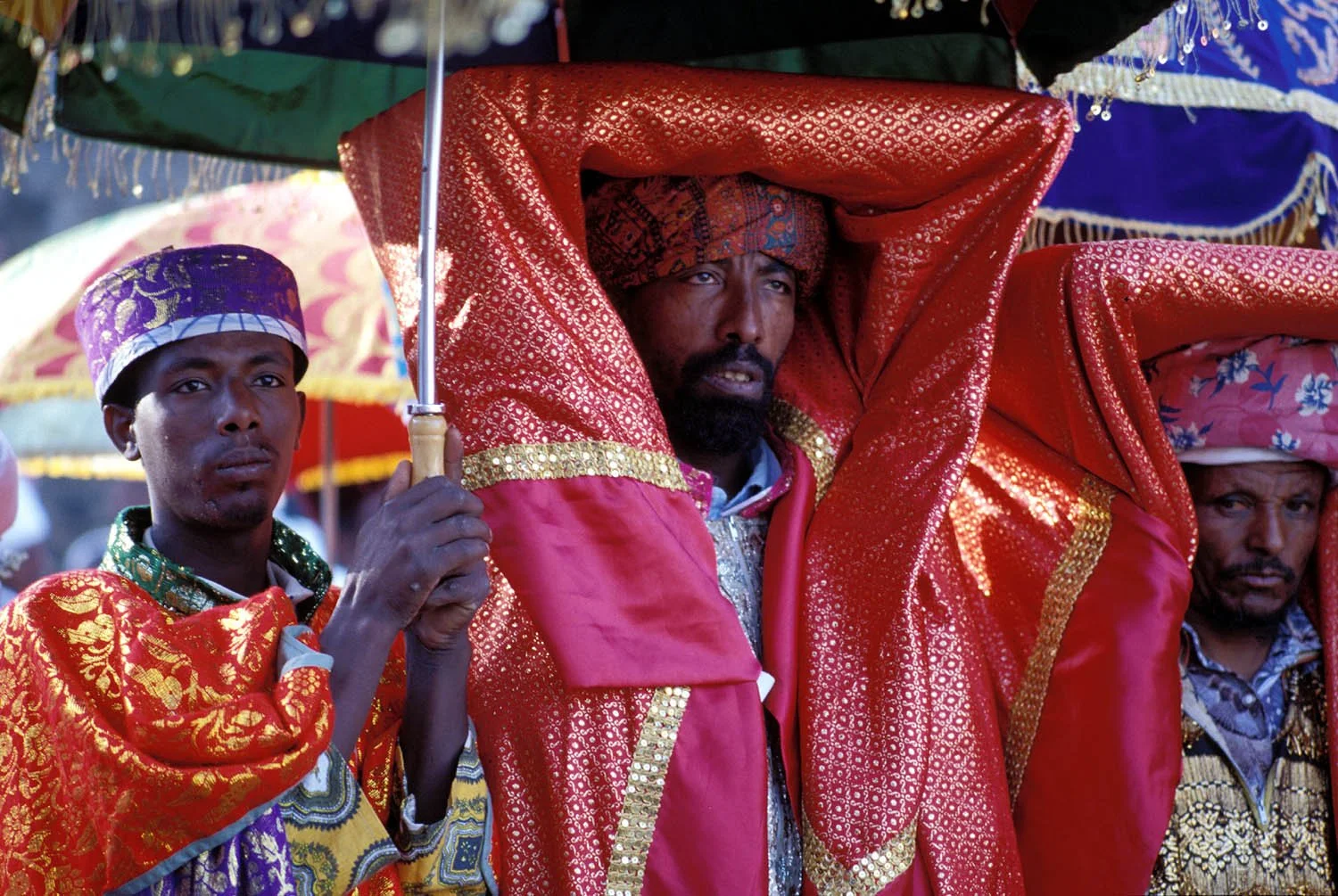


… many papers do not even bother to identify or justify the nationality of their samples…
hyper-masculine gender norms are typically embedded within military institutions, and while adherence to these norms can contribute to combat and military success, they conversely make clinical work challenging


Have you got something to say?
Check out our submissions page to find out how to write for us.
hyper-masculine gender norms are typically embedded within military institutions, and while adherence to these norms can contribute to combat and military success, they conversely make clinical work challenging
hyper-masculine gender norms are typically embedded within military institutions, and while adherence to these norms can contribute to combat and military success, they conversely make clinical work challenging
hyper-masculine gender norms are typically embedded within military institutions, and while adherence to these norms can contribute to combat and military success, they conversely make clinical work challenging

hyper-masculine gender norms are typically embedded within military institutions, and while adherence to these norms can contribute to combat and military success, they conversely make clinical work challenging

hyper-masculine gender norms are typically embedded within military institutions, and while adherence to these norms can contribute to combat and military success, they conversely make clinical work challenging

Much of our attitudes, theorizing and public debate around men and masculinity is influenced by high profile feminist and Gender Studies scholars in academia. But what is the scientific quality of publications from these scholars?

Some people blame drill music – a form of rap - for the rising murder rate in London. Drill is known for aggressive lyrics about gang violence, but rather than seeing this as a valuable way for young men to express their feelings, some people want to ban it.

To survive… cultures have to use men and women effectively and … in fact, most cultures have used men and women in different ways… what our culture does is [grant] greater status to men and greater protection to women

hyper-masculine gender norms are typically embedded within military institutions, and while adherence to these norms can contribute to combat and military success, they conversely make clinical work challenging

There are around 300,000 veterans living with hearing loss in the UK, according to The Royal British Legion. In addition to being at a greater risk of PTSD, depression, and anxiety, many vets are also battling psychological distress from hearing problems.

The book begins with a description of her therapeutic approach, and an illustration of how to understand and work with the rage often seen in male CSA clients.

I felt in my dealings with some police officers, as though I were treated firstly as a man (assumed to be a perpetrator), but they’d overlooked risks associated with my impairment. Example: How can you dodge a missile you don’t see coming?

The Panorama programme on domestic violence failed to adequately highlight two important issues: male victims and female perpetrators.

your photograph, name and address, might appear in the local and national press and on TV, insinuating what an evil monster you are

…an attack upon masculinity is an attack upon one’s sense of self, of identity. …What, then, is the right psychological defence against such an attack?

The male has been designed to “look”, not only at the female, but to “look out” for prey, for danger, and for ways to protect his family unit.

If his child is allowed to live, this man must be available, for the rest of his life, to love and provide for his child… If, on the other hand, it is decided that his child is to be destroyed, he should be able to go about his life as if nothing has happened
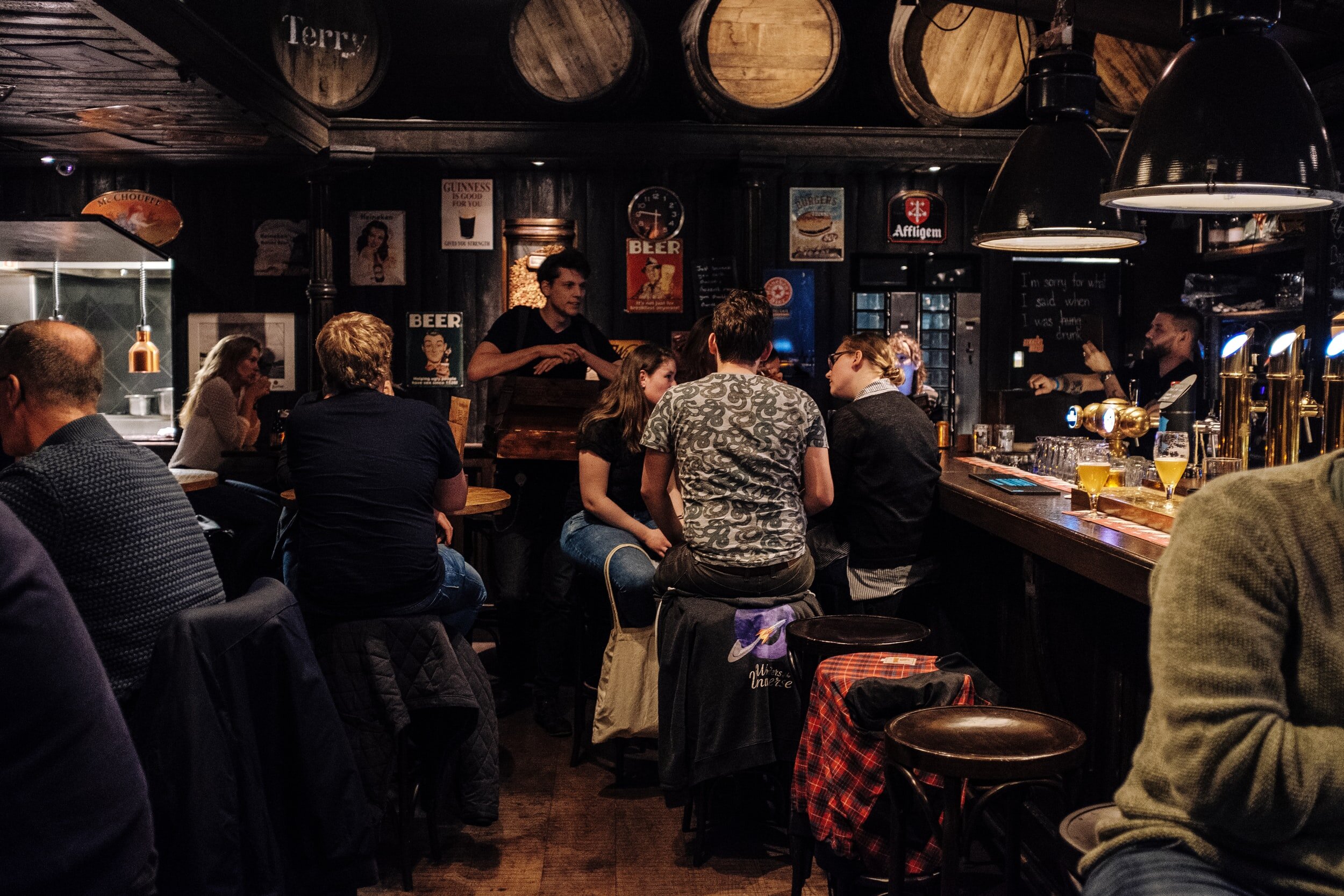
Socialising is a basic human need. The opposite – social isolation – is one of the worst forms of torture. Some people look down on the local pub as a place for undesirable riff raff, but that narrow viewpoint misses entirely the community value of the pub

Male psychology is a recent development in academia. Unlike gender studies, feminism, and men’s studies, male psychology takes the view that we can gain more by recognising and harnessing the positive aspects of masculinity than we can by taking a relentlessly negative approach to men.

.
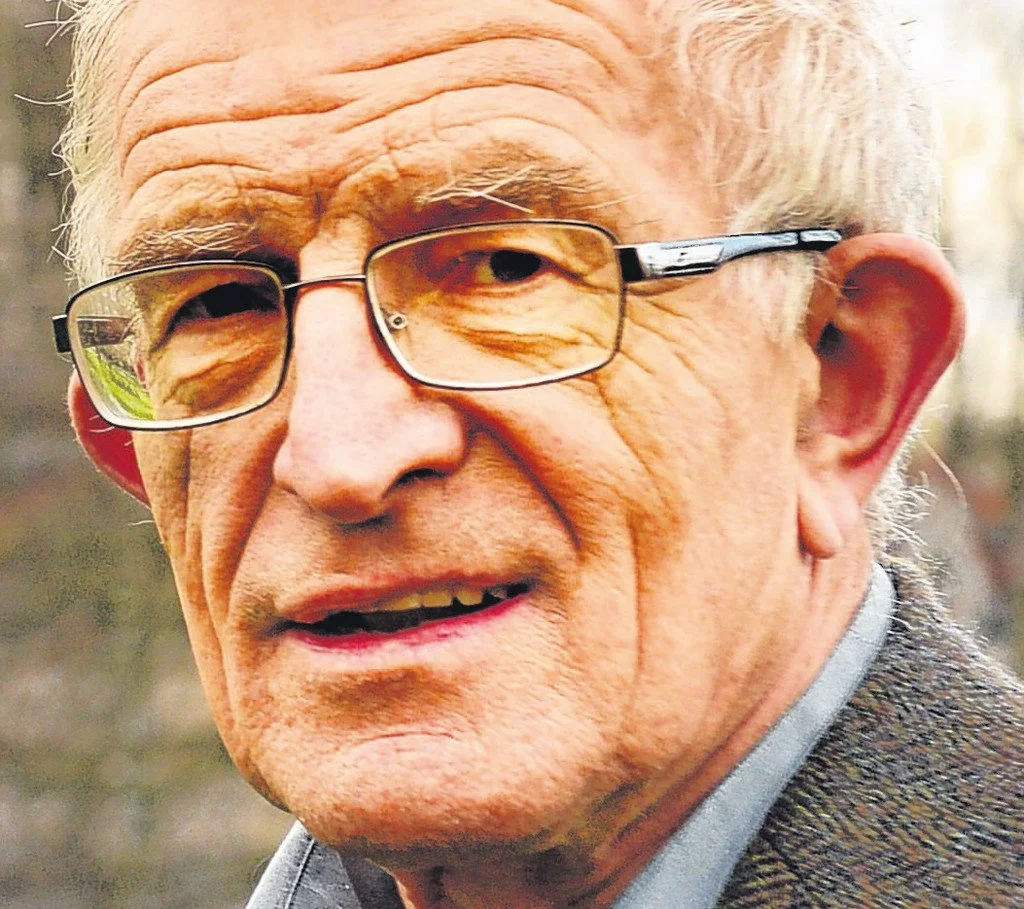 David Walsh
David Walsh is Chairman of Men’s Voices Ireland, a male advocacy group which he co-founded in 2015. You can follow or contact David via Twitter / X @mensvoices_irl