Why do the World Health Organizations’ gender equity gatekeepers struggle to acknowledge that masculinity can be good for health?
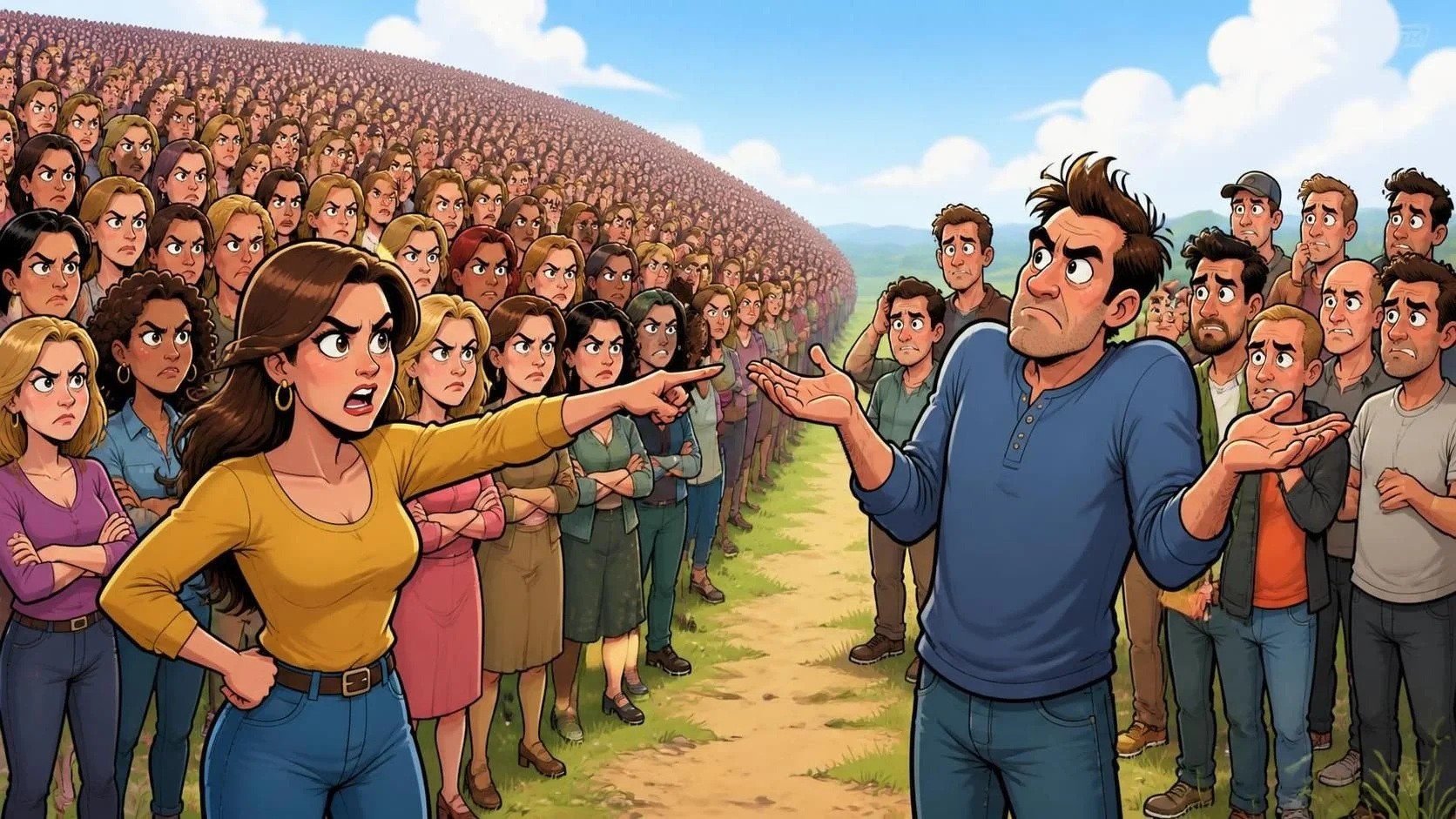
Social psychologists describe stereotypes as a generalized belief about a particular category of people, leading to expectations about every person in that particular group. Such generalizations can sometimes be useful when, for example, making quick decisions, but they can also often be extremely erroneous when applied to particular individuals, and are recognised to be one of the primary causes of prejudicial attitudes and discrimination.
The identification and avoidance of harmful stereotyping has long been recognised as an important discipline that public policy makers and service providers must be aware of, especially when seeking to identify the most effective and ethical solutions to addressing the diverse needs of any particular population of people.
In the specific context of gender stereotyping, the United Nations proactively encourage Member States to take all necessary steps to eliminate ‘practices based on the idea of the inferiority or the superiority of either of the sexes’, or that ‘ascribe to an individual specific attributes, characteristics, or roles by reason only of a person’s particular sex.
“…none of the other experts around the table initially disagreed with, or objected to, her exclusively glass half empty perspective about boys and men”
It was, therefore, disappointing to hear a representative from the World Health Organisation (WHO) promote a stereotypically stereotyping perspective about men at the start of a recent discussion they hosted for Men’s Health Week. Observing that men’s health can often be impacted by ‘harmful gender norms’ and ‘rigid masculinites’ that ‘contribute to boys and men perpetrating violence against women and girls and also contributes to violence perpetrated against men including homicide, youth and gang violence, which are among leading causes of morbidity and mortality among young men.’
In all fairness to the representative from the WHO’s Gender, Equity and Human Rights Team, none of the other experts around the table initially disagreed with, or objected to, her exclusively glass half empty perspective about boys and men of all colours, creeds and cultures, from all around the world. Stereotypical masculine traits such as stoicism and risk taking are also certainly relevant to a conversation about negative men’s health outcomes, and yet, I couldn’t help thinking that on a different day, were a WHO expert to propose such a sweeping and negative perspective about another half of the entire human race, one might have expected to witness at least some sort of push back, and quite possibly angry accusations of victim blaming.
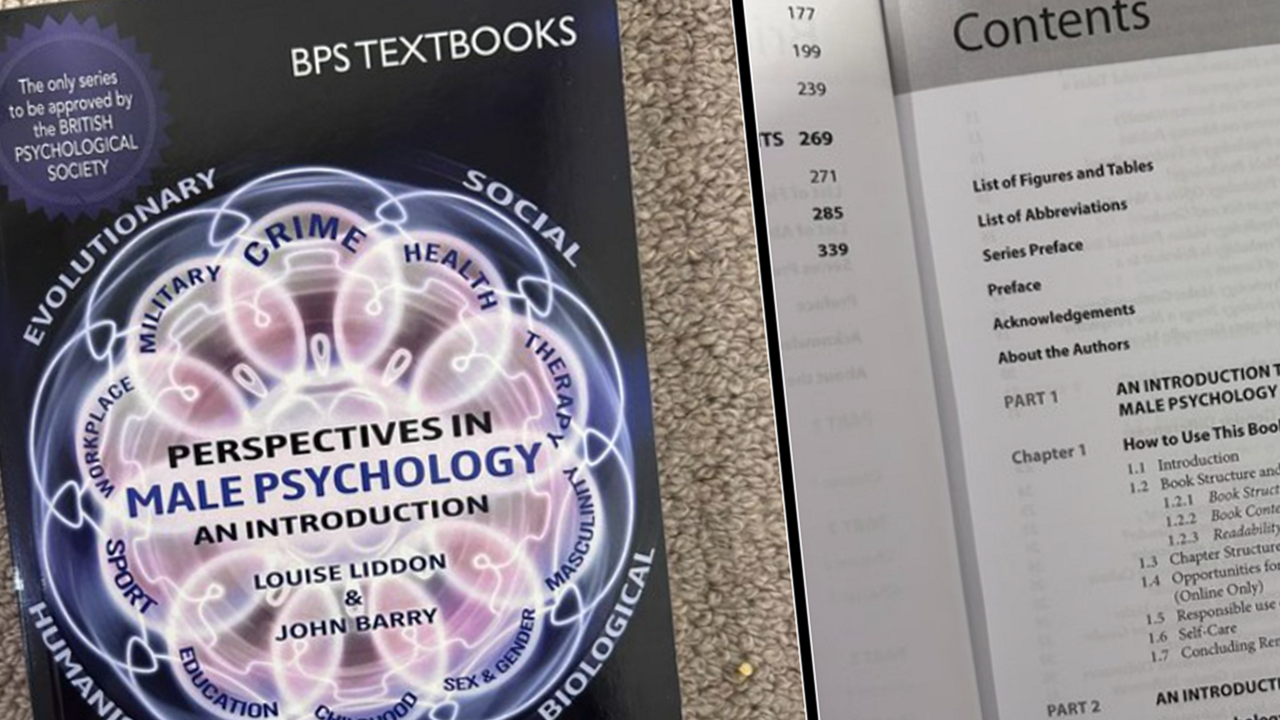
Happily however, the panel were also responding to questions from the twittersphere, and one submitted by none other than one of the Male Psychology Magazine’s editors, Dr John Barry, turned out to make the difference that made all the difference to the tone and direction that this one hour discussion ultimately took. Dr Barry noted that: ‘Although many researchers focus on finding ways that masculinity can be bad for health, there is evidence that it is good for health, though this is usually overlooked’. Consequently he asked the panel: ‘Will the WHO include evidence that masculinity can be good for health in their reports on this topic?’.
This intervention led another member of the panel to acknowledge that when experts talk about men’s health, they often have a tendency to imply that ‘men are just hopeless’ and that ‘everything they do is terrible when it comes to their health’. He went on to observe that not only is this unfair but, it also happens to be untrue. We know, for example, that most men around the world do actually take enough physical exercise. Most men also don’t smoke, don’t drink too much alcohol, or involve themselves in gang violence and consequently there are, in fact, plenty of positive examples of where men are actually doing very well; and that, logically, it makes more sense to focus and build upon such examples than push unhelpful terms like ‘toxic masculinity’ that suggest there is somehow something inherently wrong with men.
“Refreshingly however, the discussion instead turned towards a consensus from the expert panel about the importance of promoting positive masculinities and pro social ideals”
On another day, this might have been the point in the discussion where someone would have proposed that feminist theories like toxic masculinity, and male privilege, are in no way intended to demonise men and are only mistakenly perceived as such by people who don’t understand what such theories actually propose. Refreshingly however, the discussion instead turned towards a consensus from the expert panel about the importance of promoting positive masculinities and pro social ideals such as how men can be a good parent or help to provide financially for their family.
Crucially, they also stressed the important role that parents, positive role models, educators, professional caregivers and public policy makers all have to play in promoting such messages, particularly during the crucial developmental years when so much socialization and character development occurs. By doing this. they also extended the scope of the potential sphere of influence around positive, or for that matter negative, men’s health outcomes beyond the sole responsibility of people with one specific sex, factoring in the important role that health professionals like them can also play.
Yet another of the participating International Health Experts also acknowledged that comparatively negative health outcomes for men: ‘are not only due to individual health behaviours, but also a lack of attention from both a policy and programatic standpoint in addressing these issues at a larger level, or even building the body of educators who actually focus on them.’ This despite the fact that for decades we have known that in almost every country around the globe, men have higher rates of premature morbidity and mortality than their female peers.
Given such a reality, it is hardly surprising that health inequalities emerged as the first area of public policy where it has become relatively acceptable and uncontroversial for equality practitioners to acknowledge and seek to address potential sex discrimination and inequality of outcomes as they impact directly on boys and men. Education has followed, but relatively uniquely in the context of conversations about people with protected equality characteristics, such matters do still, all too often, seem to provoke all sorts of caveats, concessions and conditions that direct the narrative towards strictly defined and zealously patrolled tramlines. A discriminating and strictly defined narrative that, frustratingly, all too frequently only seems to expose the fundamental flaw in adopting such a restrictive and paternalistic approach to addressing a problem that impacts on all our lives.
All of which brings me to a second significant challenge encountered by public policy makers seeking to avoid participating in practices based on the idea of the inferiority or superiority of either sex, or that ascribe to an individual specific attributes, characteristics, or roles by reason only of that person’s sex.
Gatekeeping
In human communication terms, social psychologists describe gatekeeping as the process through which ideas and information are filtered. In the 1940’s German psychologist Kurt Lewin coined the term gatekeeping in this context and was the first to consider how such a concept can be applied in the process of relaying or withholding information from the media to the masses. His theories are still studied by students of mass communication and journalism around the world, a central tenet of which is that the practice of ‘gatekeeping’ inevitably requires ‘gatekeepers’ who get to influence - and to a fair extent dictate - what can and can’t be said about any particular thing.
“…the very presence of an expert on ‘gender equity’ can, intentionally or otherwise, perform the function of a gatekeeper in relation to what should or shouldn’t be said”
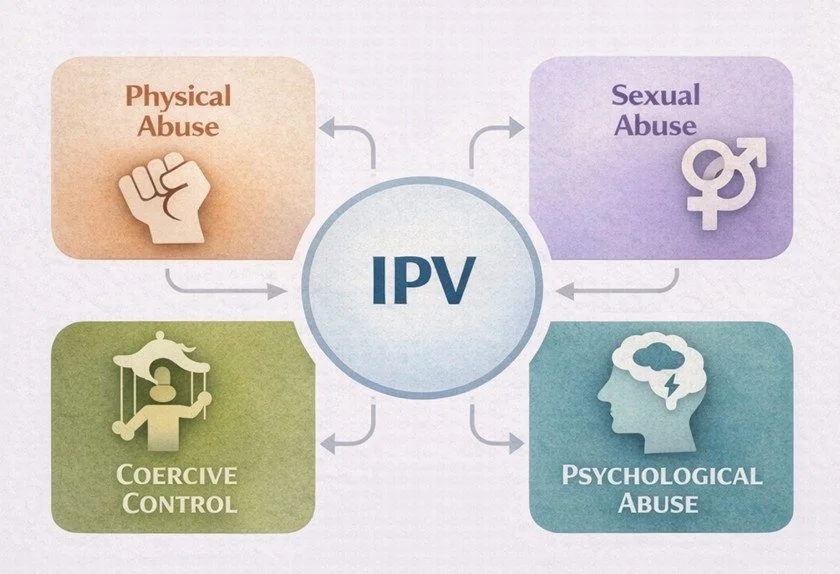
Gatekeeping theory proposes that communication gatekeepers can and do exist at different levels and areas of any organisation, and that external gatekeepers also have a highly significant role to play. For example, we recently witnessed evidence of the significant influence that external gatekeepers can have on Government Policy impacting on men’s health outcomes when the UK’s Minister for Home Affairs admitted that perceived, and arguably hypothetical, objections from the powerful feminist lobby is apparently the main reason why her Department are reluctant to move forward with addressing the relatively obvious need for a strategy to tackle intimate violence experienced by boys and men.
In my experience, the very presence of an expert on ‘gender equity’ can, intentionally or otherwise, perform the function of a gatekeeper in relation to what should or shouldn’t be said during a discussion between men and women about men’s health. But once again, in all fairness to the WHO’s nominated expert on men’s heath, from a gender equity perspective, she was simply doing her job by promoting the WHO’s official policy lines about intersections around gender and health. This is a job that, as her Team’s webpages indicate, more generally involves ‘coordinating the mainstreaming of gender equity approaches in health at all levels of the WHO’ as they apply mostly to the relatively rigid binary concept of women and girls.
Meanwhile, at least at this global level of public policy influence, male inequalities still all too often seem to be something of an afterthought, a taboo subject even, and noticeably, unlike numerous noticeably female focused international days and weeks of observance, men’s health week isn’t even an officially endorsed UN campaign.
So should we really be all that surprised to witness one of their experts promote such a stereotypically stock answer when asked to comment on, the not insignificant matter of, global gendered health inequality trends?
Rigid gender norms can absolutely be harmful to men and women in some circumstances, but then again, so can an individual’s psychological separation from healthy perspectives about their sex. For example, at this year’s annual BPS conference on Male Psychology, the aforementioned Dr Barry presented findings from his recent study that found evidence in a survey of over 2000 men in the UK indicating that the more men internalise negative ideas about masculinity, the lower their overall mental wellbeing will be.
But why should men feel negatively about masculinity? Not only can masculinity be good for men’s health, but the very existence of all the physical infrastructure and buildings required to maintain twenty first century standards of civilization would seem to point to the reality that traditional, or stereotypical, masculine traits can also have an extremely positive impact on global health outcomes. This is equally true of stereotypically feminine traits like nurturing, caring and empathy, traits that strike me as especially crucial characteristic criteria for success in predominantly female dominated professions such as Education, Health Care and Gender Equity Mainstreaming.
It may be convenient, politically correct even, for the WHO and others to project the blame onto men for unequal health outcomes the world over but, at least in my opinion, public policy makers will never, for example, establish effective strategies to tackle the western world phenomenon of male suicide if they continue to place so much emphasis on stereotypes like the notion that men don’t talk about their problems, while at the same time turning a blind eye and deaf ear to all the men and boys desperately seeking to talk about directly related experiences such as inequitable parental rights, domestic violence, sexual abuse, false allegations, discrimination in family courts, working in dirty and dangerous jobs (DADs), discrimination in public service provision, cancel culture, media misandry and just how toxic and unhelpful language like ‘toxic masculinity’ really can be.
Noticeably no one involved in the panel discussion directly addressed the specific question posed by Dr Barry, so I think it bears repeating: Will the WHO include evidence that masculinity can be good for health in their reports on this topic?’
Scroll down to join the discussion
Disclaimer: This article is for information purposes only and is not a substitute for therapy, legal advice, or other professional opinion. Never disregard such advice because of this article or anything else you have read from the Centre for Male Psychology. The views expressed here do not necessarily reflect those of, or are endorsed by, The Centre for Male Psychology, and we cannot be held responsible for these views. Read our full disclaimer here.
Like our articles?
Click here to subscribe to our FREE newsletter and be first
to hear about news, events, and publications.












Have you got something to say?
Check out our submissions page to find out how to write for us.














.