The Power Threat Meaning Framework (PTMF) takes a dim view of the male gender

Many psychologists question the wisdom of the DSM diagnostic system and would like to see it replaced or modified to something more ‘human’. The fact that the Power Threat Meaning Framework (PTMF) is an alternative model makes it immediately appealing to some, but closer inspection reveals that the PTMF contains within it a highly questionable view of the male gender.
The PTMF is a vast document of 400 pages with the grand aim of replacing a psychiatric categorisation system for mental health with an equivalent psycho-social system. It is written using a narrow band of evidence by a small clique of clinical psychologists who don’t speak for many others even among our own profession. One problem with the PTMF is that it is emotionally driven by a (perhaps understandable) resentment of psychiatric culture.
“In essence we are splitting mind from body and simply swapping biological determinism for social determinism”.
However taking an anti-psychiatric stance can too easily become an anti-biology / pro social constructionist stance, therefore becoming naive in relation to the biological and embodied aspects of the human condition. In essence we are splitting mind from body and simply swapping biological determinism for social determinism. Leaving out the “bio” in “bio-psycho-social” is no better than leaving out the “psycho-social”.
In no area of human science is naïve social constructionism more dangerous and misleading than in the field of human sex and gender. Through such a constructionist lens, the evolution of human beings as a mammalian species becomes totally and arrogantly disregarded. Biological sex is presumed to have no direct bearing on psychological gender. Body and mind are naively split.
In the PTMF there are 3 pages devoted to men and masculinity. Nestled in a 400 page document, these 3 pages (pp. 124-8) might be easily overlooked, but they represent a sad indictment of current post-feminist attitudes to the male gender based on untested political theories and prejudices rather than empirical bio-psycho-social science and empathic humanity. For a profession that claims to be rooted in values of science and compassion for human suffering, these unexamined and lazy prejudices towards the male gender represent a complete failure to meet core standards. In essence, the PTMF takes a judgmental and a negative stance towards the male gender. All psychologists, therapists and counsellors should know that being “judgmental” or “negative” is the worst starting point for helping any group of people and can only undermine empathy and scientific understanding.
“The idea of female power within certain domains of life (e.g. over children, education and family life) is considered a form of oppression, and the equivalent idea of male vulnerability or disadvantage (e.g. suicide, deaths at work, reduced life expectancy) register little sympathy”.
The primary presumption made by the PTMF is that being of the male gender somehow confers a “dominant” status. This vague notion of male power is simply accepted without proper definition, self-reflection or question. In a framework that is all about “power” and “threat”, the implication here then is clear that men are presumed to be more “powerful and threatening” than women. Nowhere, however, in a supposedly serious scientific document, is the concept of power adequately defined or measured. The idea of female power within certain domains of life (e.g. over children, education and family life) is considered a form of oppression, and the equivalent idea of male vulnerability or disadvantage (e.g. suicide, deaths at work, reduced life expectancy) register little sympathy. Substantial evidence (e.g. relating to dangerous situations in war and peace time) showing that men are generally protective of women and children (to the point of self-sacrifice) is completely ignored. Ignoring male protective behaviour or reframing it as “dominant” represents a failure of science. Equally, ignoring the evidence of high levels of female domestic and interpersonal violence towards males or downplaying it as “defensive” can hardly be considered a serious and objective scientific approach.
The PTMF notes the relationship between male gender and suicide but does not even consider this as possible evidence against its own theory of male dominance. Instead the tragic male suicide statistics are twisted to fit the assumption. According to the PTMF, men must be killing themselves because of their own “hegemonic” masculinity which entails a pathological need for power and control. Rather than re-designing research and therapy to be more male-friendly, therefore, the implication of the PTMF is that men need to change their masculinity to express their emotions differently to fit the gender neutral or perhaps “feminised” therapies that already exist. The PTMF also notes the link between unemployment and male suicide but again the implication is not that we must help men with employment issues (thus showing empathy) but that men must learn to be less dependent on work as part of their masculine identity (thus showing judgmentalism).
All in all, the PTMF is unashamedly biased and a recipe for misunderstanding and negatively judging the male gender. For a document that claims to represent a breakthrough in anti-psychiatric and empathic psychological thinking this is rather ironic. This document offers no proper evidence or balance. It offers nothing practical that will help vulnerable men and boys and a lot that will reinforce or exacerbate their problems through prejudice and bad science.
This article was first published on the Male Psychology Network website in 2018
Scroll down to view comments
Disclaimer: This article is for information purposes only and is not a substitute for therapy, legal advice, or other professional opinion. Never disregard such advice because of this article or anything else you have read from the Centre for Male Psychology. The views expressed here do not necessarily reflect those of, or are endorsed by, The Centre for Male Psychology, and we cannot be held responsible for these views. Read our full disclaimer here.
Like our articles?
Click here to subscribe to our FREE newsletter and be first
to hear about news, events, and publications.



When a male is in a power imbalance, at least two masculine instincts are disempowered…

…people – men and women alike – respond less positively to male-favouring sex differences than they do to female-favouring sex differences.
hyper-masculine gender norms are typically embedded within military institutions, and while adherence to these norms can contribute to combat and military success, they conversely make clinical work challenging
Men might benefit greatly from a government strategy aimed at improving their health. Here are suggestions from the Centre for Male Psychology on how that might be done. This article ends with some comments on potential pitfalls in the process of putting this strategy in place.



…people – men and women alike – respond less positively to male-favouring sex differences than they do to female-favouring sex differences.


… many papers do not even bother to identify or justify the nationality of their samples…

hyper-masculine gender norms are typically embedded within military institutions, and while adherence to these norms can contribute to combat and military success, they conversely make clinical work challenging


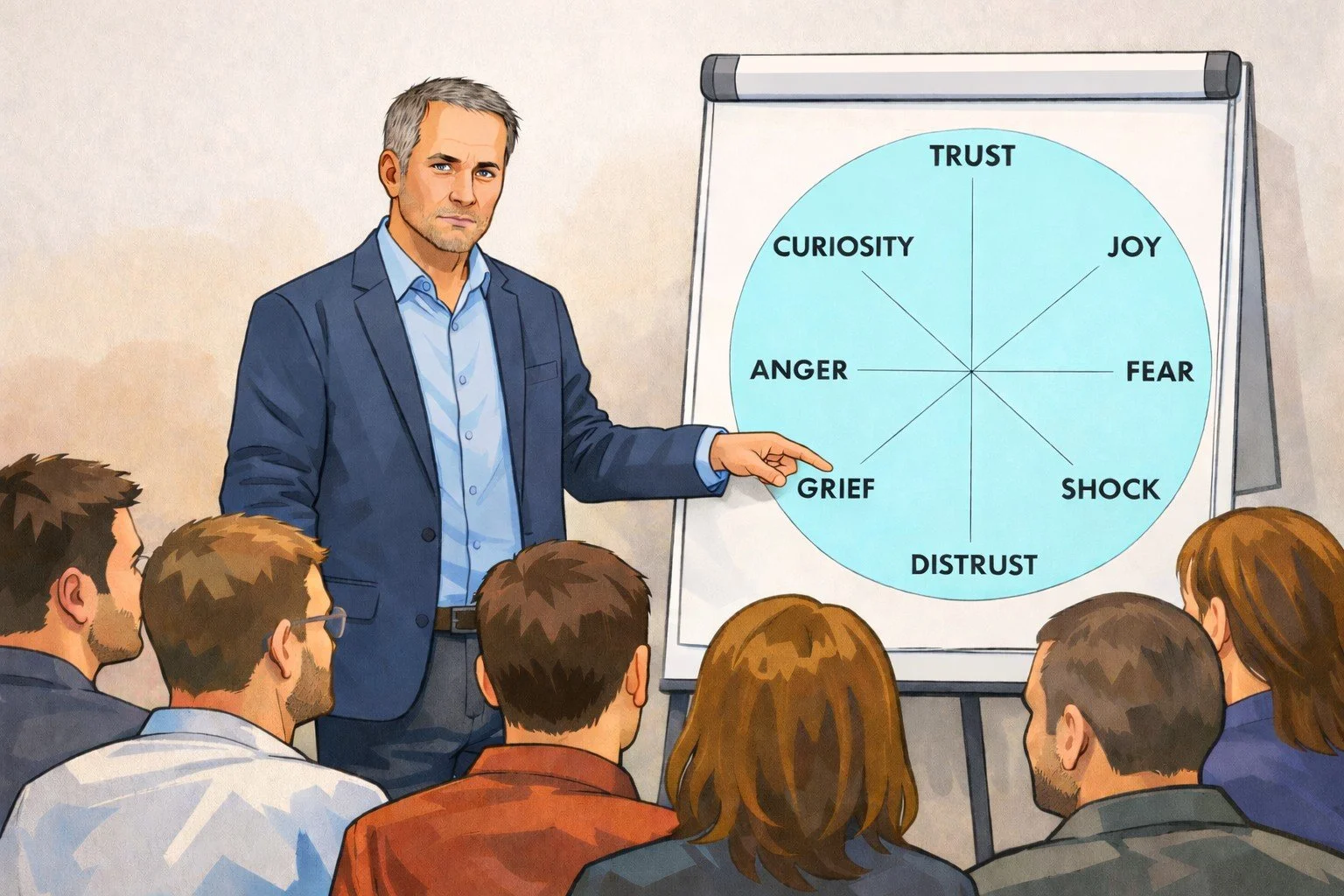
There is social power, there is structural power, and there is physical power. What women have in our society is the power of the state behind them, and men do not. Men only have that physical power, and most men don’t want to use it
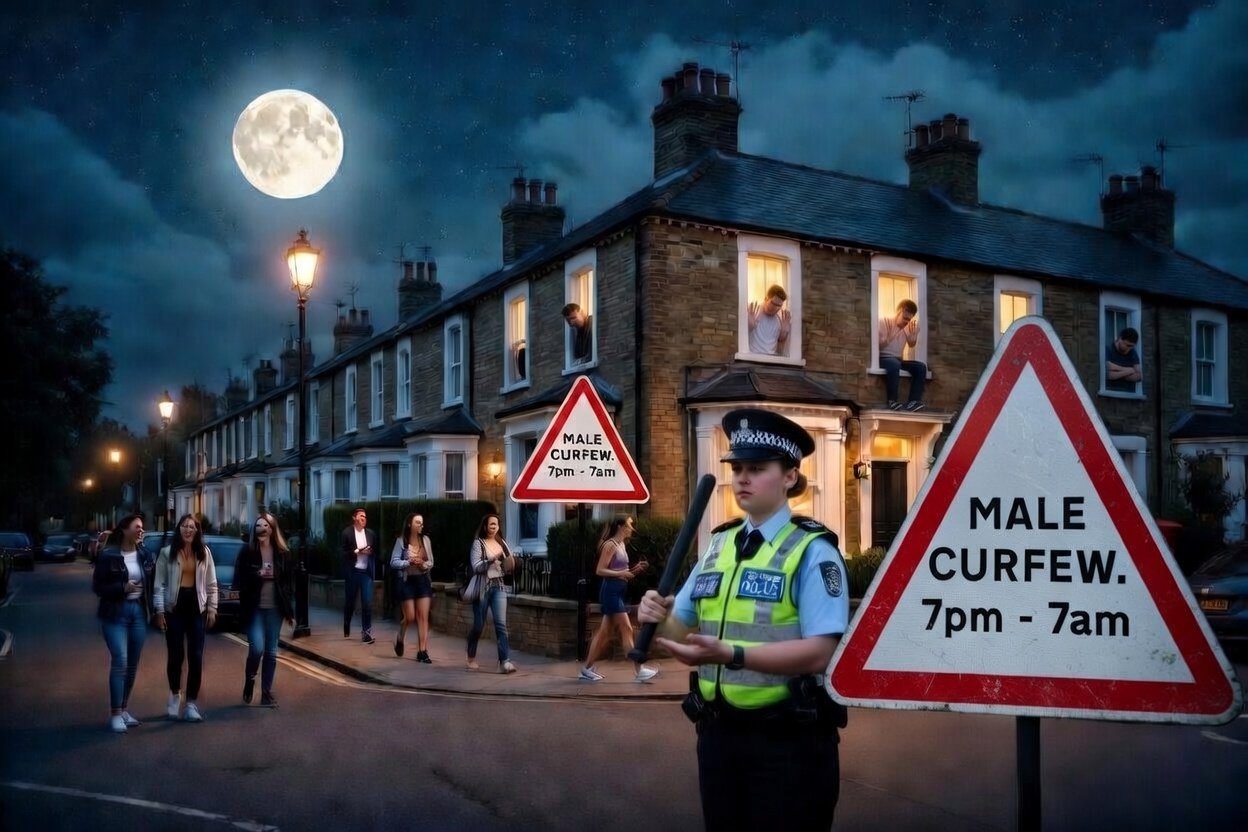
people are more aware of the fact men can be victims of this type of violence, but this often isn’t translated into policy, practice or indeed provision of resources
Have you got something to say?
Check out our submissions page to find out how to write for us.
hyper-masculine gender norms are typically embedded within military institutions, and while adherence to these norms can contribute to combat and military success, they conversely make clinical work challenging
hyper-masculine gender norms are typically embedded within military institutions, and while adherence to these norms can contribute to combat and military success, they conversely make clinical work challenging
hyper-masculine gender norms are typically embedded within military institutions, and while adherence to these norms can contribute to combat and military success, they conversely make clinical work challenging
hyper-masculine gender norms are typically embedded within military institutions, and while adherence to these norms can contribute to combat and military success, they conversely make clinical work challenging

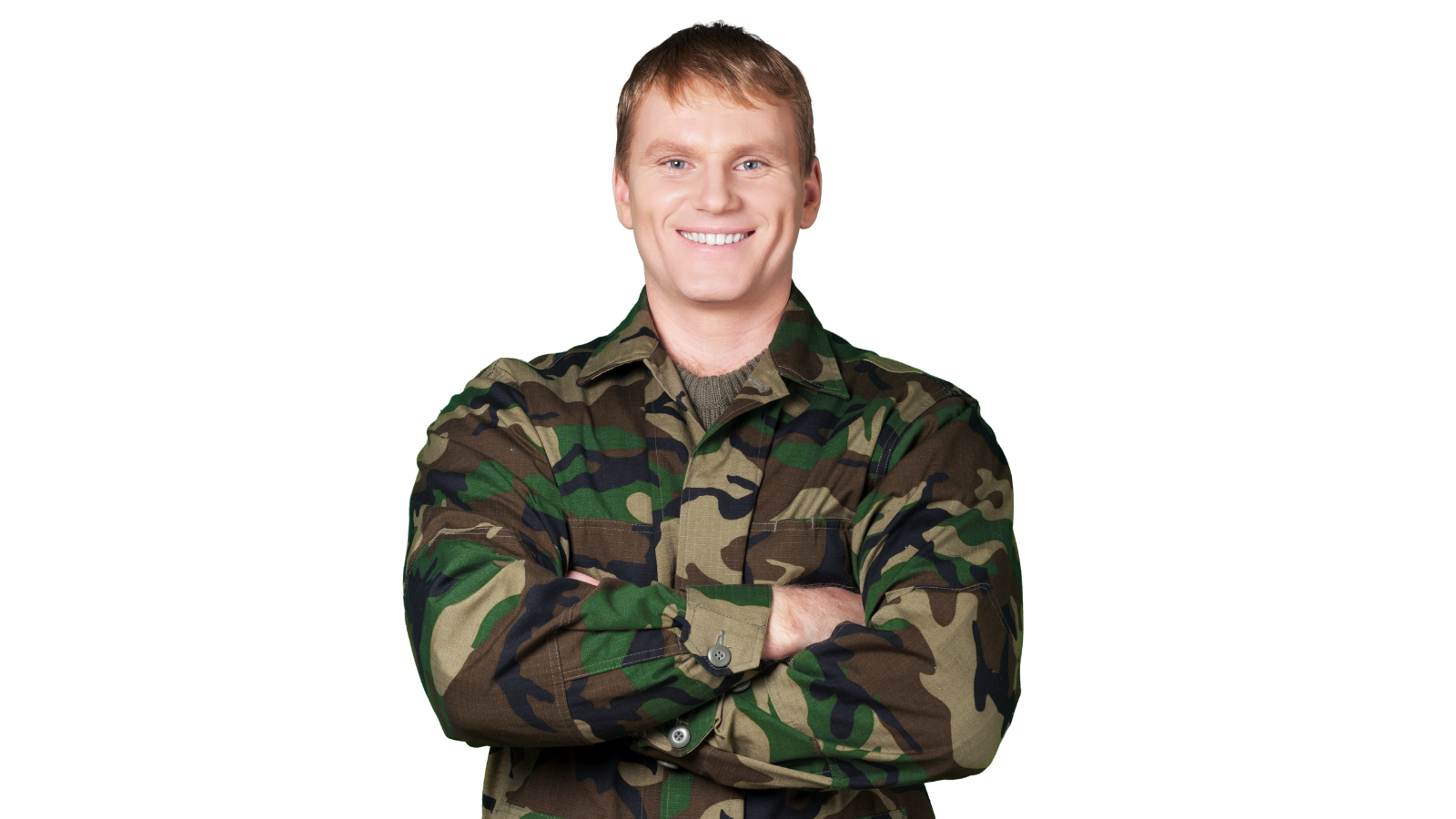
hyper-masculine gender norms are typically embedded within military institutions, and while adherence to these norms can contribute to combat and military success, they conversely make clinical work challenging

Much of our attitudes, theorizing and public debate around men and masculinity is influenced by high profile feminist and Gender Studies scholars in academia. But what is the scientific quality of publications from these scholars?

Some people blame drill music – a form of rap - for the rising murder rate in London. Drill is known for aggressive lyrics about gang violence, but rather than seeing this as a valuable way for young men to express their feelings, some people want to ban it.

To survive… cultures have to use men and women effectively and … in fact, most cultures have used men and women in different ways… what our culture does is [grant] greater status to men and greater protection to women

hyper-masculine gender norms are typically embedded within military institutions, and while adherence to these norms can contribute to combat and military success, they conversely make clinical work challenging
There are around 300,000 veterans living with hearing loss in the UK, according to The Royal British Legion. In addition to being at a greater risk of PTSD, depression, and anxiety, many vets are also battling psychological distress from hearing problems.

The book begins with a description of her therapeutic approach, and an illustration of how to understand and work with the rage often seen in male CSA clients.

I felt in my dealings with some police officers, as though I were treated firstly as a man (assumed to be a perpetrator), but they’d overlooked risks associated with my impairment. Example: How can you dodge a missile you don’t see coming?

The Panorama programme on domestic violence failed to adequately highlight two important issues: male victims and female perpetrators.

your photograph, name and address, might appear in the local and national press and on TV, insinuating what an evil monster you are

…an attack upon masculinity is an attack upon one’s sense of self, of identity. …What, then, is the right psychological defence against such an attack?

The male has been designed to “look”, not only at the female, but to “look out” for prey, for danger, and for ways to protect his family unit.

If his child is allowed to live, this man must be available, for the rest of his life, to love and provide for his child… If, on the other hand, it is decided that his child is to be destroyed, he should be able to go about his life as if nothing has happened
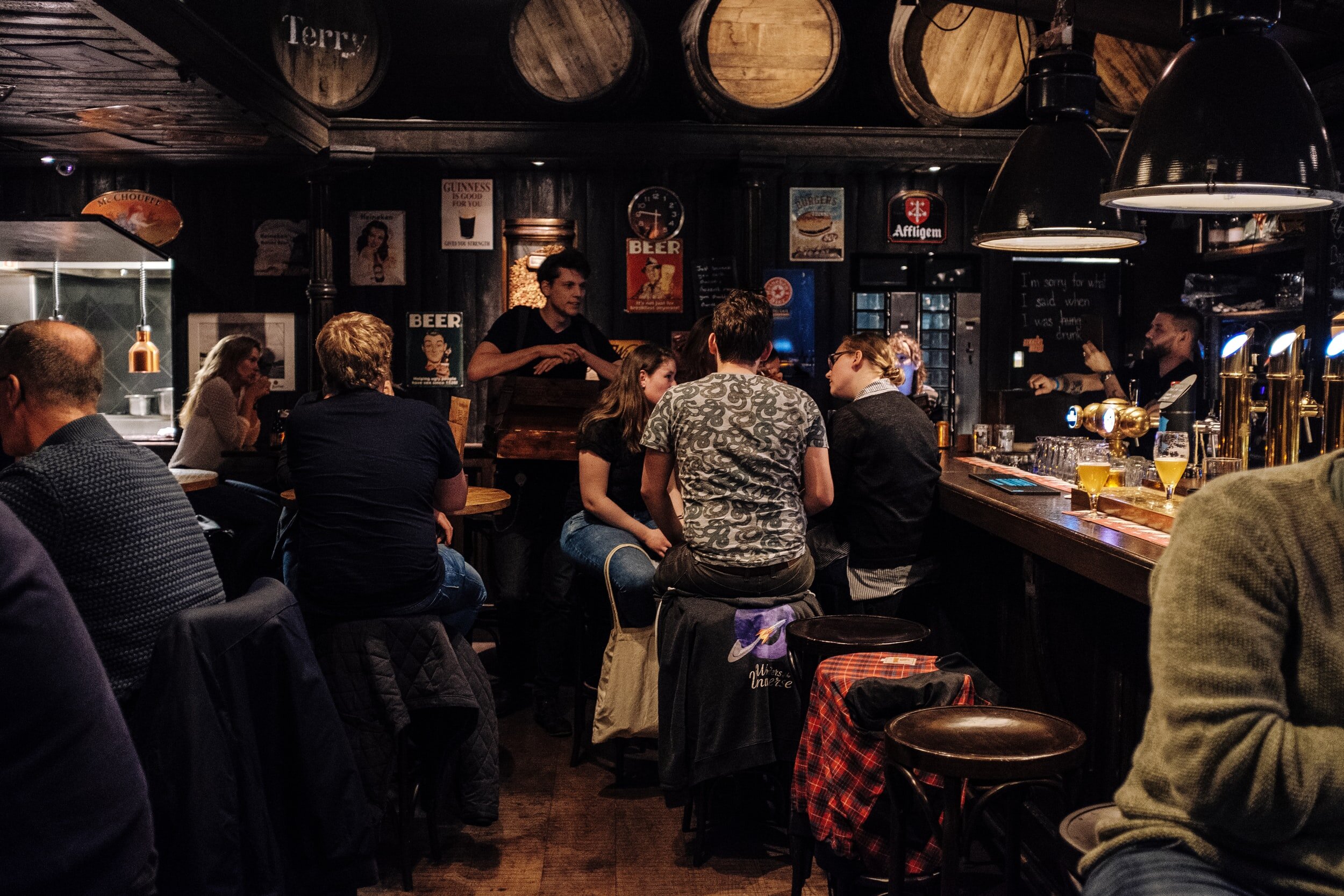
Socialising is a basic human need. The opposite – social isolation – is one of the worst forms of torture. Some people look down on the local pub as a place for undesirable riff raff, but that narrow viewpoint misses entirely the community value of the pub

Male psychology is a recent development in academia. Unlike gender studies, feminism, and men’s studies, male psychology takes the view that we can gain more by recognising and harnessing the positive aspects of masculinity than we can by taking a relentlessly negative approach to men.

.
 Martin Seager
Martin Seager is a consultant clinical psychologist and psychotherapist, lecturer, author, campaigner, and broadcaster. He worked in the NHS for 30 years, becoming head of psychological services in two mental health Trusts. He has advised government and regularly broadcast with the BBC on mental health. He is co-founder and original proponent of the Male Psychology Section of the BPS.