

Academia in recent years has taken a decidedly dim view of masculinity. However people of the general public are a lot more clear in recognising that men are not merely blank screens onto which academics can project their latest ideas about masculinity, but are husbands, sons, boyfriends, grandfathers etc.
Perhaps impressed with some work I did on the mental health benefits of visiting the barber, the US barber’s products firm Harry’s asked me to work on two major projects in 2017 and 2018. Both of these studies found that men are far more than stereotypes of toxic masculinity, and perhaps it was no great surprise that the general public were far more interested in these results than were the gender mandarins in academia.
“the findings, being very positive about men’s views on life, were in stark contrast to the fashionably negative view of masculinity in the media and academia.”
So what were the main findings of the reports? I conducted two surveys – one of 2,000 men in the UK in 2017, co-authored with journalist and campaigner Martin Daubney, and the other of 5,000 men in the US in 2018. Both surveys assessed men’s core value system and wellbeing. Both surveys found that men typically aspire to moral values such as honesty and reliability more than physical values such as fitness and being athletic. In both surveys, taking other variables into account (such as age and social class), the strongest predictor - by far - of mental positivity was job satisfaction. Also highly significant was relationship stability, which was the second strongest predictor of wellbeing in the UK sample, and fifth in the US sample. Valuing one’s health was ranked third in the UK and second in the US. There were a myriad of other findings that cast light on the factors that most predicted men’s mental wellbeing, described here.
I have been part of many research projects, but the Harry’s surveys have probably been the ones that have got the most emphatically positive reaction from the public. This was probably because the findings, revealing some very positive insights into how men feel about the world, were in stark contrast to the fashionably negative view of masculinity in the media and academia.
“Everyone seemed to find something different in the results they wanted to talk about. Psychology Today noted the finding about the importance of job satisfaction might be explained in evolutionary terms by the centrality to men of the provider role.”
Soon after the launch of the 2017 report in Westminster on International Men’s Day, there appeared were many positive newspaper articles and blogs on this interesting news, and not only because of Martin’s prolific writing. Everyone seemed to find something different in the results they were eager to talk about. Psychology Today noted the finding about the importance of job satisfaction might be explained in evolutionary terms by the centrality to men of the provider role. Martin Daubney in The Times explored what the findings meant to how millennial men view dating and relationships. The London-based Evening Standard highlighted the relatively low mental wellbeing in London men compared to the rest of the country. The trendy Wired magazine led with the message that “masculinity is about reliability, honesty and emotion” while the even trendier GQ magazine in Germany seemed a bit surprised that job satisfaction was so important to men. The equal-parenting charity Families Need Fathers focused on the finding that men had better mental health if they reported wanting to be like their dads. The Telegraph focused on the importance of the results for helping men with their mental health. The diversity and equality newsletter at my department in UCL included a short piece about the UK report.

In addition to the mainstream press, there were countless social media posts on the two studies, and a handful of very enjoyable interviews (especially Honey Badger Radio and receiving an ad hoc Humanitarian of the Year award on Tom Golden’s Regarding Men show). Somehow Gillette didn’t learn from any of this, and in 2020 lost an estimated eight billion dollars in revenue due to their tone-deaf video depicting men and boys in a negative light.
With so many people writing about the study, perhaps inevitably not all of the reporting was accurate. For example, the Daily Star inexplicably ran with the headline: “Young men desperate for romance want more cuddles and LESS sex”. When it came to the US report issued by Harry’s, there was a note of scepticism from the highly respected Prof Janice Fiamengo, who suggested that although it gave a validating picture of American men, there were places that appeared to eager to celebrate ‘healthy masculinity’ rather than qualities associated with traditional masculinity, such as competitiveness. This perhaps highlights the difference between the technical reports written by me and posted on the Male Psychology Network website (the forerunner of the CMP), and the more publicity-orientated in-house reports (see 2017 and 2018 reports) compiled by Harry’s over which I had lessinfluence. However, overall much of what has been written has been accurate and positive.
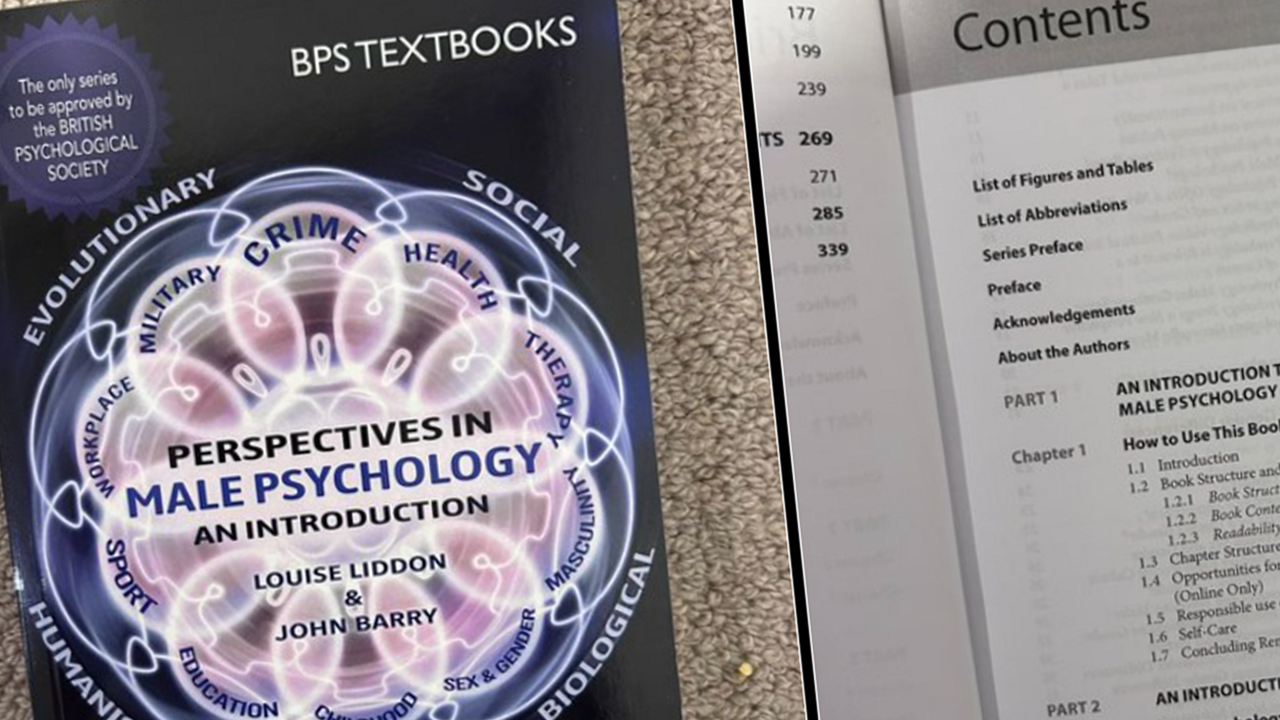
Despite all of the press attention, the Harry’s research has received little recognition in academia. This might be because the publicity-orientated reports have been the ones pitched to the general public, despite there also being publicly available technical reports (see 2017 and 2018 reports). Also, it is perhaps fair to say that masculinity is seen in a negative light in academia these days, so something positive like the Harry’s reports just doesn’t fit the narrative, so is naturally more likely to be overlooked. However I have aimed the research more squarely at psychologists since then. In Sept 2019 I presented the research at the BPS East of England annual conference; in Dec 2020 the two reports were published together as a single paper in peer-reviewed academic journal; and in June 2021 they were cited in the first BPS textbook on male psychology, so it seems more likely that more academics and therapists will take note now.
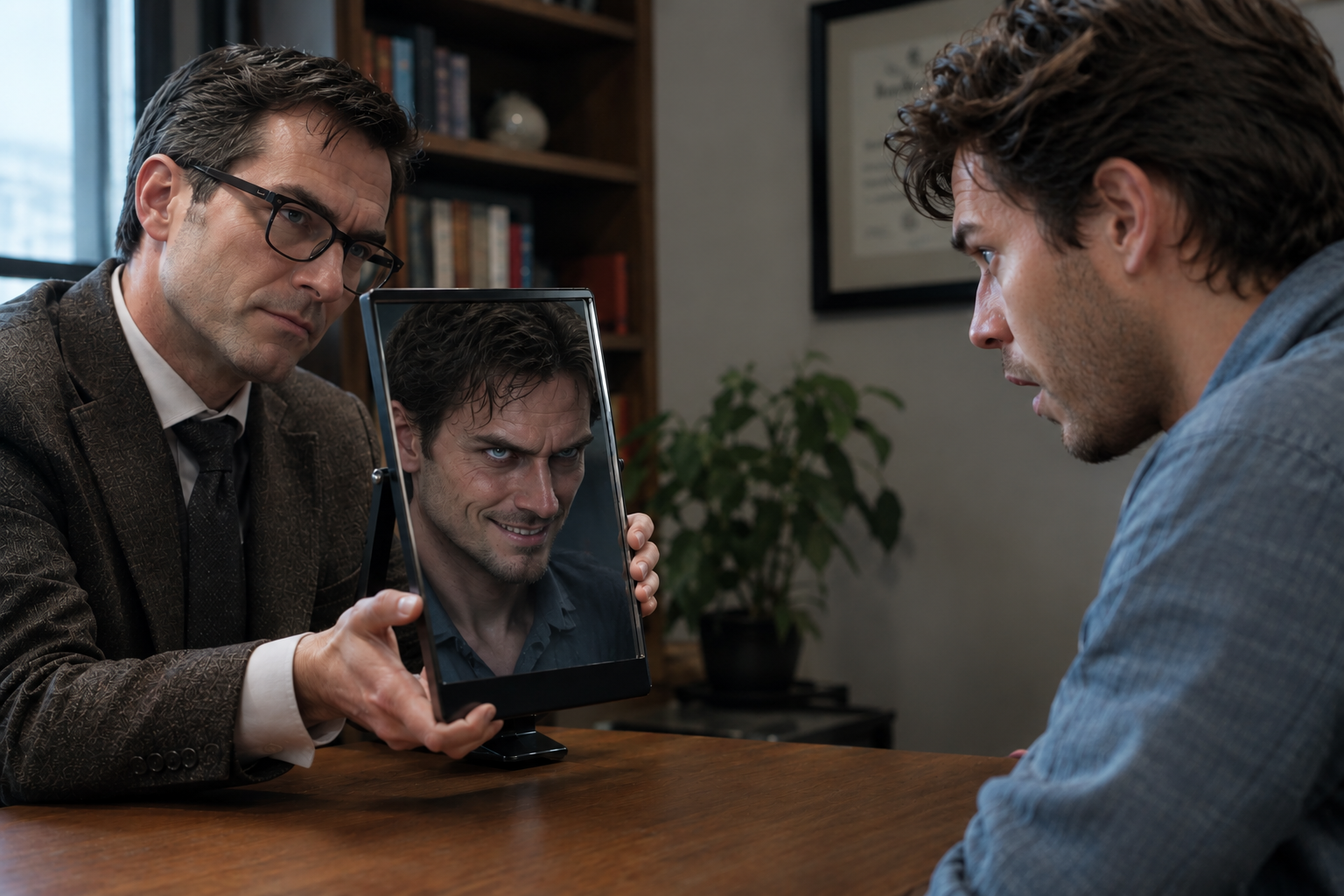
What have I learned from working on these two studies? I think there are two lessons. Firstly, if you are prepared to just ask men some simple questions of the kind that are not leading or loaded, and look without judgement at their responses, you might be surprised at what a decent bunch of people men are. And secondly, in a world where men appear to be increasingly demonised in the media, academia, and other areas of life, there are a great number of men who will react very positively when you hold up a mirror that shows a realistic image of themselves they can recognise.
So it seems that most people are right to feel good about the Harry’s reports. In fact, in these times where the field of psychology is anxious about the ‘replication crisis’ (where a research study should show the same results if repeated, but doesn’t) the fact that the results of the two Harry’s studies are so similar should give the field of psychology some cause for relief.
All things considered, well done Harry’s for your work in this area, and may you have a very happy International Men’s Day!
Scroll down to join the discussion
Disclaimer: This article is for information purposes only and is not a substitute for therapy, legal advice, or other professional opinion. Never disregard such advice because of this article or anything else you have read from the Centre for Male Psychology. The views expressed here do not necessarily reflect those of, or are endorsed by, The Centre for Male Psychology, and we cannot be held responsible for these views. Read our full disclaimer here.
Like our articles?
Click here to subscribe to our FREE newsletter and be first
to hear about news, events, and publications.








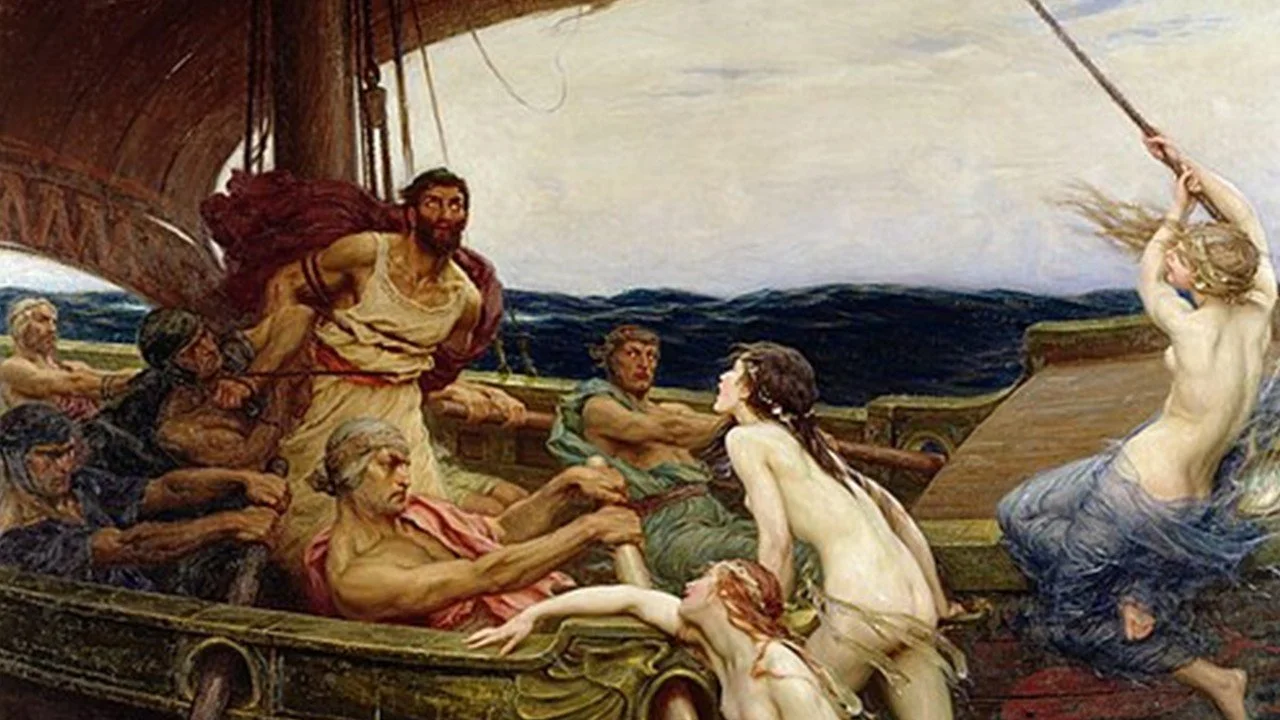

When a male is in a power imbalance, at least two masculine instincts are disempowered…

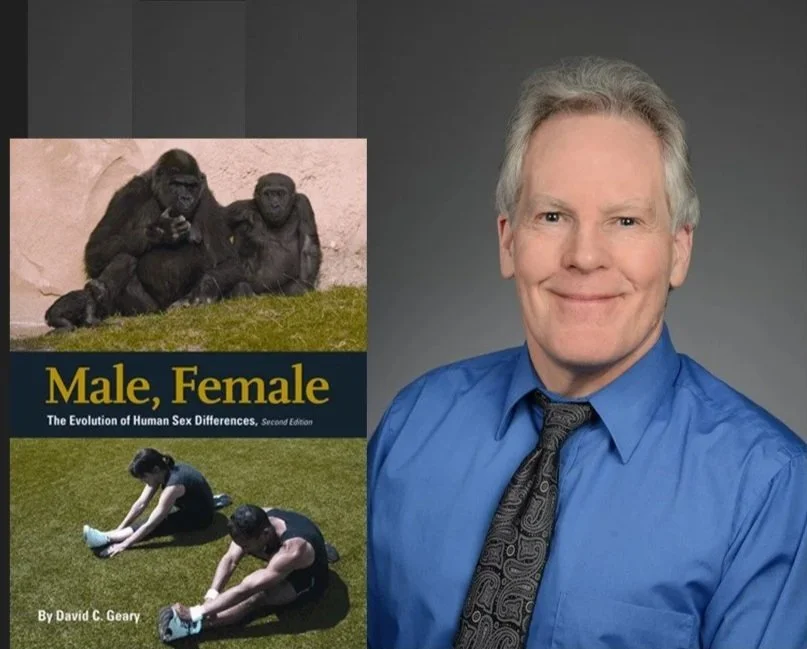
…people – men and women alike – respond less positively to male-favouring sex differences than they do to female-favouring sex differences.
hyper-masculine gender norms are typically embedded within military institutions, and while adherence to these norms can contribute to combat and military success, they conversely make clinical work challenging
Men might benefit greatly from a government strategy aimed at improving their health. Here are suggestions from the Centre for Male Psychology on how that might be done. This article ends with some comments on potential pitfalls in the process of putting this strategy in place.




…people – men and women alike – respond less positively to male-favouring sex differences than they do to female-favouring sex differences.


… many papers do not even bother to identify or justify the nationality of their samples…


Have you got something to say?
Check out our submissions page to find out how to write for us.
hyper-masculine gender norms are typically embedded within military institutions, and while adherence to these norms can contribute to combat and military success, they conversely make clinical work challenging

hyper-masculine gender norms are typically embedded within military institutions, and while adherence to these norms can contribute to combat and military success, they conversely make clinical work challenging
hyper-masculine gender norms are typically embedded within military institutions, and while adherence to these norms can contribute to combat and military success, they conversely make clinical work challenging

hyper-masculine gender norms are typically embedded within military institutions, and while adherence to these norms can contribute to combat and military success, they conversely make clinical work challenging

hyper-masculine gender norms are typically embedded within military institutions, and while adherence to these norms can contribute to combat and military success, they conversely make clinical work challenging

Much of our attitudes, theorizing and public debate around men and masculinity is influenced by high profile feminist and Gender Studies scholars in academia. But what is the scientific quality of publications from these scholars?

Some people blame drill music – a form of rap - for the rising murder rate in London. Drill is known for aggressive lyrics about gang violence, but rather than seeing this as a valuable way for young men to express their feelings, some people want to ban it.

To survive… cultures have to use men and women effectively and … in fact, most cultures have used men and women in different ways… what our culture does is [grant] greater status to men and greater protection to women

hyper-masculine gender norms are typically embedded within military institutions, and while adherence to these norms can contribute to combat and military success, they conversely make clinical work challenging

There are around 300,000 veterans living with hearing loss in the UK, according to The Royal British Legion. In addition to being at a greater risk of PTSD, depression, and anxiety, many vets are also battling psychological distress from hearing problems.

The book begins with a description of her therapeutic approach, and an illustration of how to understand and work with the rage often seen in male CSA clients.

I felt in my dealings with some police officers, as though I were treated firstly as a man (assumed to be a perpetrator), but they’d overlooked risks associated with my impairment. Example: How can you dodge a missile you don’t see coming?

The Panorama programme on domestic violence failed to adequately highlight two important issues: male victims and female perpetrators.

your photograph, name and address, might appear in the local and national press and on TV, insinuating what an evil monster you are

…an attack upon masculinity is an attack upon one’s sense of self, of identity. …What, then, is the right psychological defence against such an attack?

The male has been designed to “look”, not only at the female, but to “look out” for prey, for danger, and for ways to protect his family unit.

If his child is allowed to live, this man must be available, for the rest of his life, to love and provide for his child… If, on the other hand, it is decided that his child is to be destroyed, he should be able to go about his life as if nothing has happened
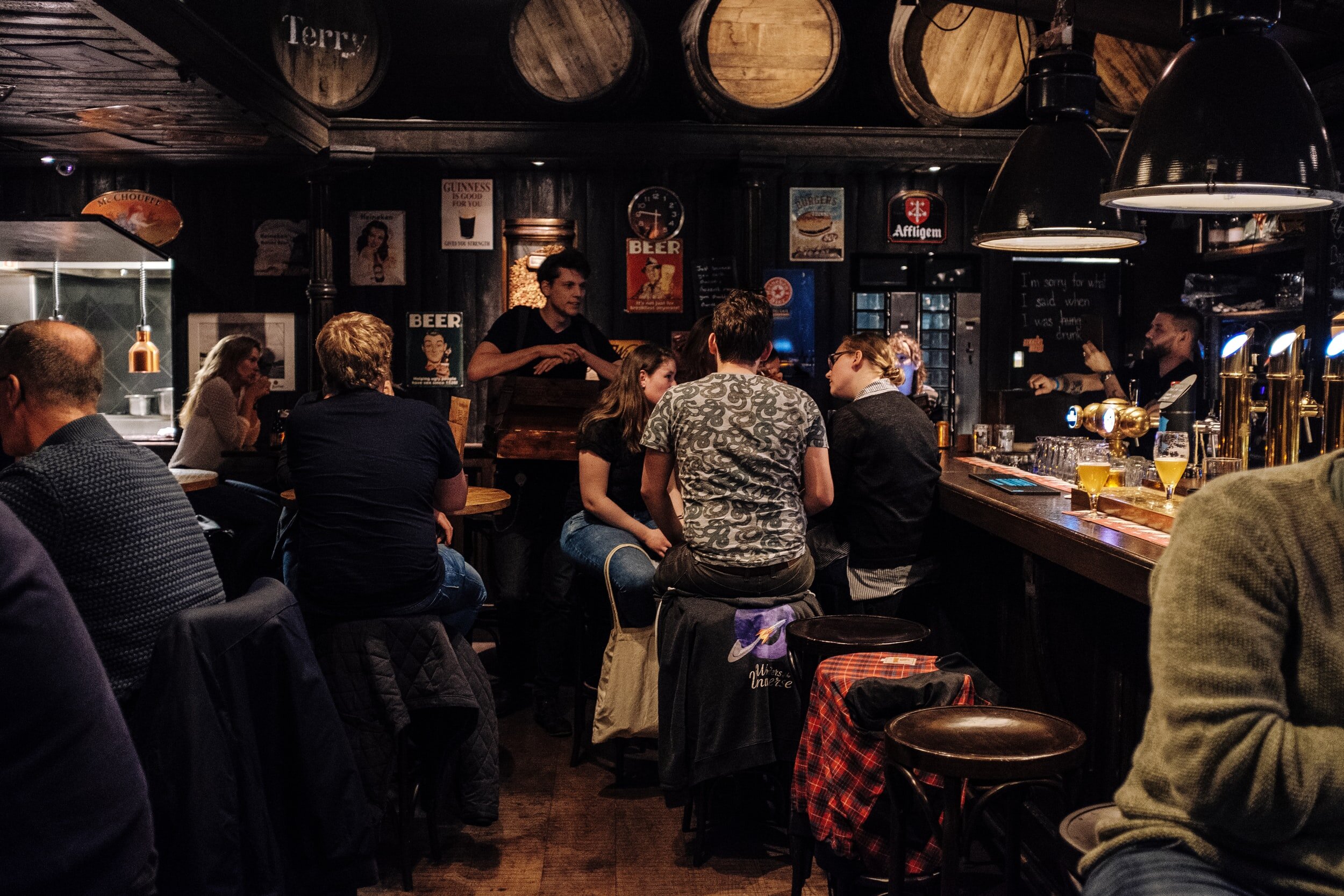
Socialising is a basic human need. The opposite – social isolation – is one of the worst forms of torture. Some people look down on the local pub as a place for undesirable riff raff, but that narrow viewpoint misses entirely the community value of the pub

Male psychology is a recent development in academia. Unlike gender studies, feminism, and men’s studies, male psychology takes the view that we can gain more by recognising and harnessing the positive aspects of masculinity than we can by taking a relentlessly negative approach to men.

.