
Is drinking in the pub a bad way to deal with stress?

Picture this: Tommy goes to the pub with his mates two or three times a week for a pint or two. His wife knows they just joke around and talk football. She thinks going to the pub is a waste of time at best and unhealthy at worst. Tommy says he works hard all day and the pub is a good way to unwind. So who is right? Is the pub good or bad?
Although alcohol abuse is around twice as common in men than women, Liddon et al (2017) found that around a quarter of both men and women use drinking as a way of coping with stress. We know that women also deal with stress by talking about their feelings more than men do (Holloway et al, 2018), and men see a therapist less than women do, even when they are suicidal (Kung et al, 2003). Taken together, this suggests some men might tend to over-rely on the banter therapy of Dr Booze when facing emotional problems, thus more prone to getting drunk, externalising their feelings, getting into arguments, and ending up being treated by the prison services rather than the mental health services.
But what about men who drink moderately in the pub, and chat with their friends there? Well it seems this is a different category of behaviour, and there is evidence that moderate social drinking has mental / emotional health benefits.
A couple of recent studies, one from University of Oxford and the other from Glasgow Caledonian University, have good news for social drinkers. Dunbar et al (2017) ran a randomly stratified survey of 2254 UK adults and found that social drinkers tend to have a better support network, and feel more connected with their community. Emslie et al (2013) ran focus groups, and the feedback from 22 middle aged men was that the pub is a useful place where it is acceptable to talk about their feelings and mental health.
These two studies suggest that chatting with friends over a beer in the pub can be a way to prevent everyday stresses from building up. Although banter has got a bad name recently, perhaps this is part of the way that men feel more comfortable with talking about their feelings. Isolated or uncontrolled drinking isn’t healthy, but obviously that’s not what I am talking about here.
In reaching out to men, CALM leave their beer mats in pubs with their contact details. This is a smart move and throws a lifeline to men for whom social drinking isn’t getting rid of their stress, or who are drinking in unhealthy ways. These men might get a lot out of chatting on the CALM helpline, and might find themselves signposted to more traditional types of talking cures.
Perhaps it’s time to seriously reassess the high street pub as not a den of iniquity but a potentially beneficial source of community and social support, a place that facilitates connection with our fellow human beings. To the disinterested observer the pub might seem noisy and unsophisticated, but if the pub is a facilitator of wellbeing then maybe the disinterested observer needs to get a drink, relax, and join in. It’s easy to overlook the benefits of the high street pub, but perhaps we should see its demise as a cause for concern from a community mental health point of view.
CALM (campaign against living miserably) can be contacted here https://www.thecalmzone.net/help/get-help/
Find out how to save your local pub from closure http://www.camra.org.uk/pubs
This article was first published on the Male Psychology Network website in 2018
Scroll down to join the discussion
Disclaimer: This article is for information purposes only and is not a substitute for therapy, legal advice, or other professional opinion. Never disregard such advice because of this article or anything else you have read from the Centre for Male Psychology. The views expressed here do not necessarily reflect those of, or are endorsed by, The Centre for Male Psychology, and we cannot be held responsible for these views. Read our full disclaimer here.
Like our articles?
Click here to subscribe to our FREE newsletter and be first
to hear about news, events, and publications.









When a male is in a power imbalance, at least two masculine instincts are disempowered…


…people – men and women alike – respond less positively to male-favouring sex differences than they do to female-favouring sex differences.
hyper-masculine gender norms are typically embedded within military institutions, and while adherence to these norms can contribute to combat and military success, they conversely make clinical work challenging
Men might benefit greatly from a government strategy aimed at improving their health. Here are suggestions from the Centre for Male Psychology on how that might be done. This article ends with some comments on potential pitfalls in the process of putting this strategy in place.




…people – men and women alike – respond less positively to male-favouring sex differences than they do to female-favouring sex differences.



… many papers do not even bother to identify or justify the nationality of their samples…

hyper-masculine gender norms are typically embedded within military institutions, and while adherence to these norms can contribute to combat and military success, they conversely make clinical work challenging

Have you got something to say?
Check out our submissions page to find out how to write for us.
hyper-masculine gender norms are typically embedded within military institutions, and while adherence to these norms can contribute to combat and military success, they conversely make clinical work challenging

hyper-masculine gender norms are typically embedded within military institutions, and while adherence to these norms can contribute to combat and military success, they conversely make clinical work challenging
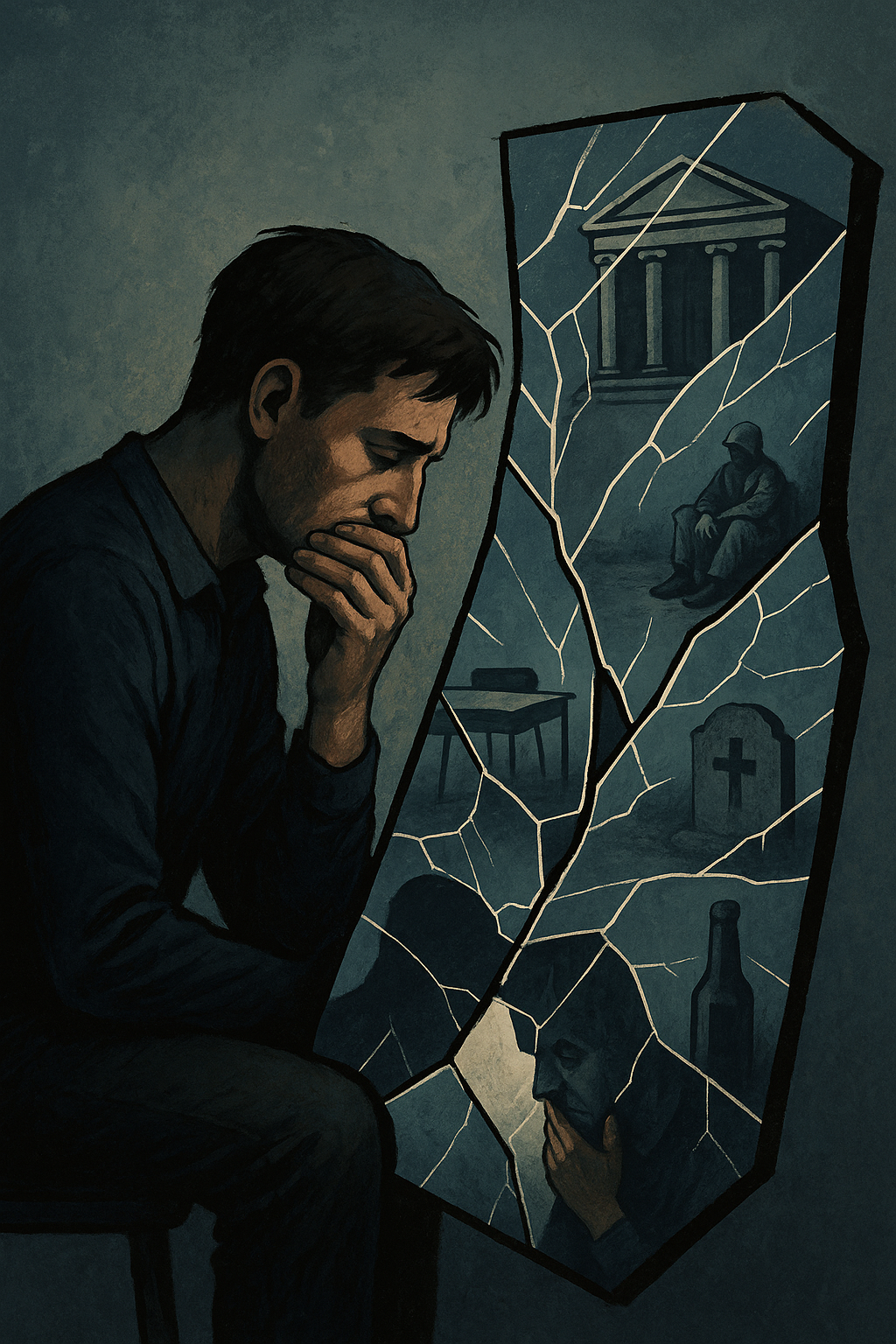
hyper-masculine gender norms are typically embedded within military institutions, and while adherence to these norms can contribute to combat and military success, they conversely make clinical work challenging

hyper-masculine gender norms are typically embedded within military institutions, and while adherence to these norms can contribute to combat and military success, they conversely make clinical work challenging

hyper-masculine gender norms are typically embedded within military institutions, and while adherence to these norms can contribute to combat and military success, they conversely make clinical work challenging

Much of our attitudes, theorizing and public debate around men and masculinity is influenced by high profile feminist and Gender Studies scholars in academia. But what is the scientific quality of publications from these scholars?

Some people blame drill music – a form of rap - for the rising murder rate in London. Drill is known for aggressive lyrics about gang violence, but rather than seeing this as a valuable way for young men to express their feelings, some people want to ban it.

To survive… cultures have to use men and women effectively and … in fact, most cultures have used men and women in different ways… what our culture does is [grant] greater status to men and greater protection to women

hyper-masculine gender norms are typically embedded within military institutions, and while adherence to these norms can contribute to combat and military success, they conversely make clinical work challenging
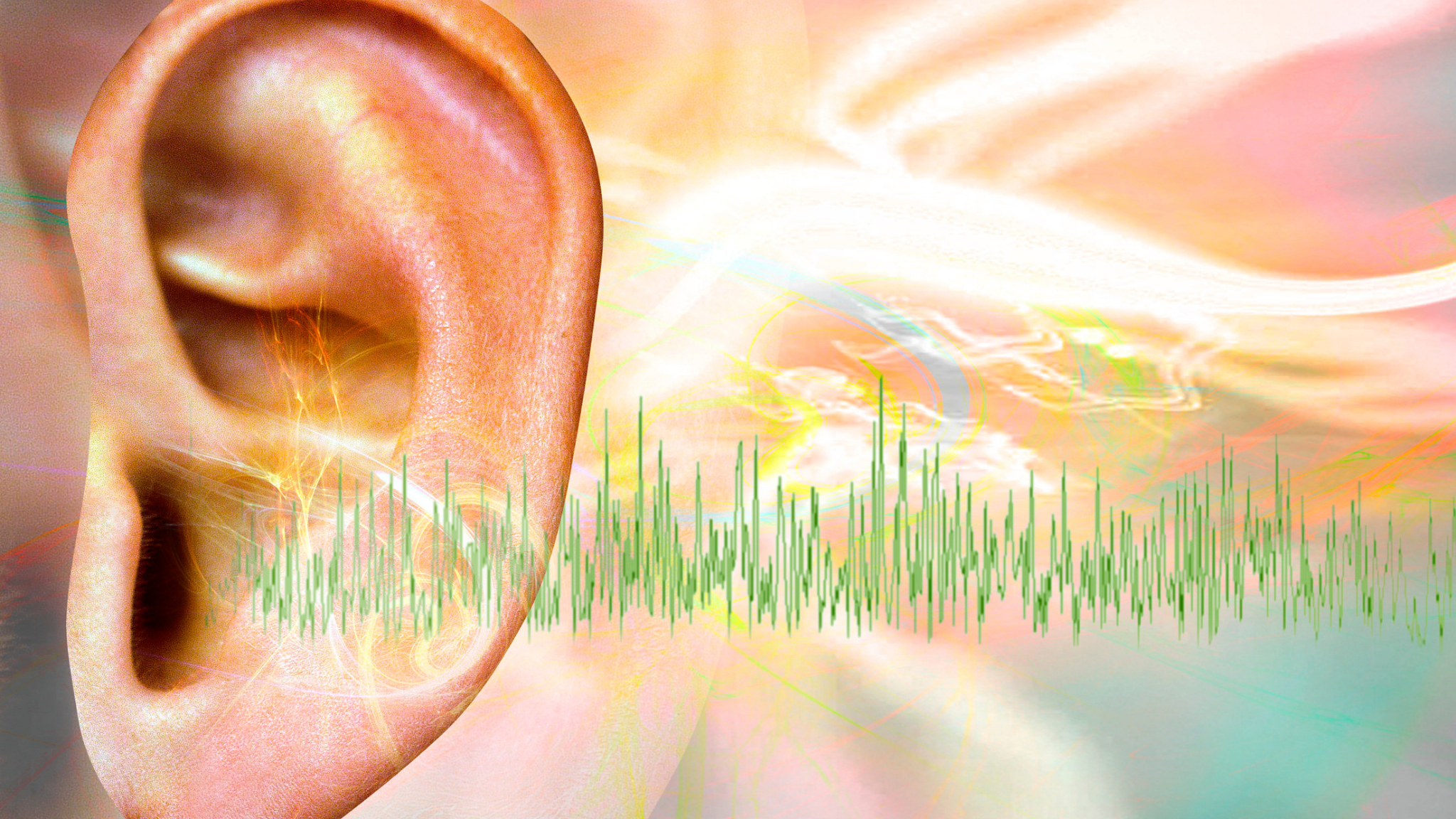
There are around 300,000 veterans living with hearing loss in the UK, according to The Royal British Legion. In addition to being at a greater risk of PTSD, depression, and anxiety, many vets are also battling psychological distress from hearing problems.

The book begins with a description of her therapeutic approach, and an illustration of how to understand and work with the rage often seen in male CSA clients.

I felt in my dealings with some police officers, as though I were treated firstly as a man (assumed to be a perpetrator), but they’d overlooked risks associated with my impairment. Example: How can you dodge a missile you don’t see coming?

The Panorama programme on domestic violence failed to adequately highlight two important issues: male victims and female perpetrators.

your photograph, name and address, might appear in the local and national press and on TV, insinuating what an evil monster you are

…an attack upon masculinity is an attack upon one’s sense of self, of identity. …What, then, is the right psychological defence against such an attack?

The male has been designed to “look”, not only at the female, but to “look out” for prey, for danger, and for ways to protect his family unit.

If his child is allowed to live, this man must be available, for the rest of his life, to love and provide for his child… If, on the other hand, it is decided that his child is to be destroyed, he should be able to go about his life as if nothing has happened
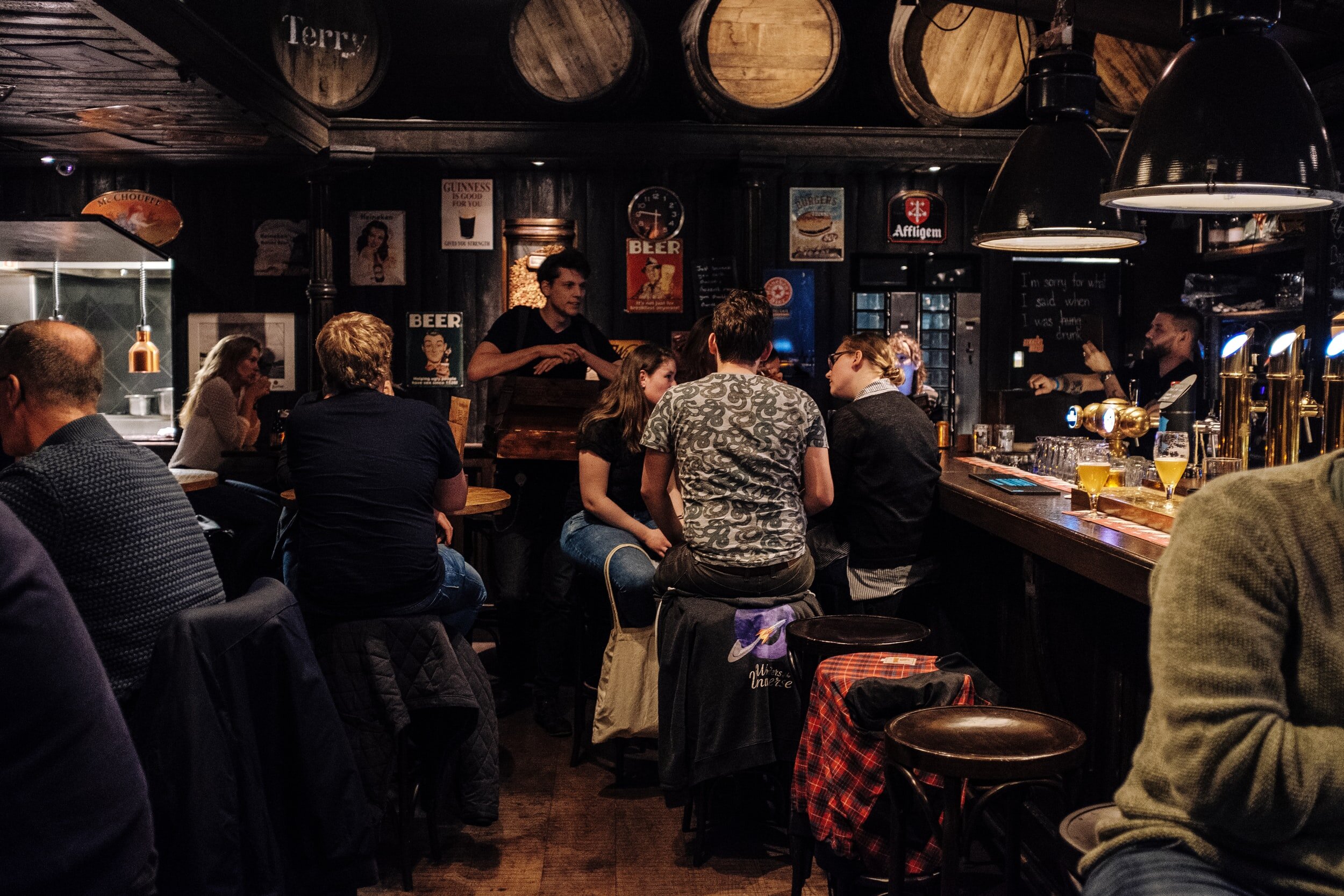
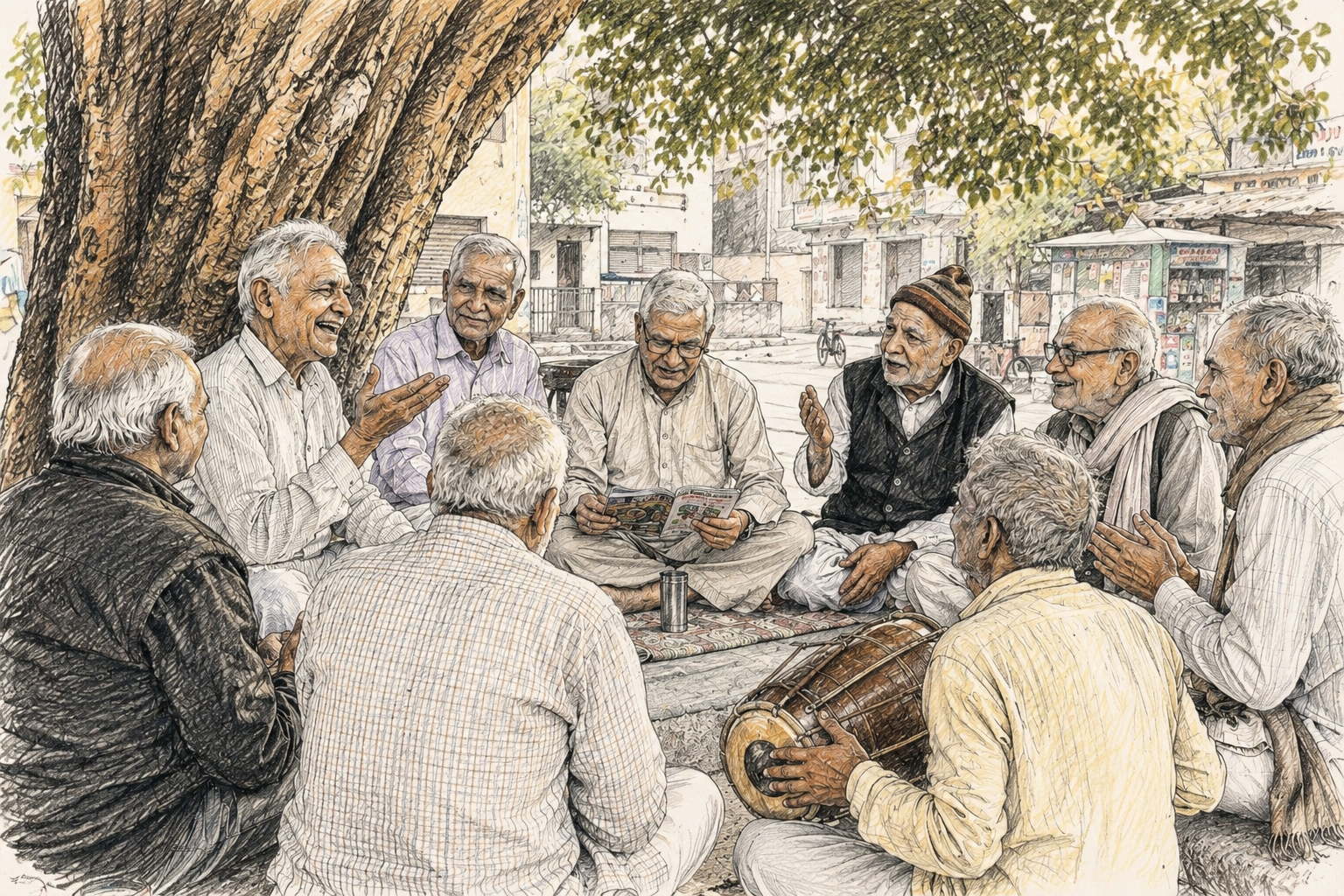
Socialising is a basic human need. The opposite – social isolation – is one of the worst forms of torture. Some people look down on the local pub as a place for undesirable riff raff, but that narrow viewpoint misses entirely the community value of the pub

Male psychology is a recent development in academia. Unlike gender studies, feminism, and men’s studies, male psychology takes the view that we can gain more by recognising and harnessing the positive aspects of masculinity than we can by taking a relentlessly negative approach to men.

.
 John Barry
Dr John Barry is a chartered psychologist, researcher, clinical hypnotherapist and co-founder of the Male Psychology Network, BPS Male Psychology Section, and The Centre for Male Psychology (CMP). Also co-editor of the Palgrave Handbook of Male Psychology & Mental Health, co-author of the textbook Perspectives in Male Psychology: An Introduction (Wiley), and presenter on Centre for Male Psychology training courses.