
The BPS Annual Conference 2018: a high point or low point for Male Psychology?

As I finish writing this blog, the words of one delegate are still ringing in my ears:
“I completely see the point in starting a Male Psychology BPS Section. It would really help us to begin to properly tackle things like men’s mental health. But some [psychologists] I know are saying “You know what, I really think the men can take care of themselves”. They think men already have enough privileges, so they are going to vote against a Male Psychology Section. But if there is a Psychology of Women Section, then why not a Male Psychology Section?
I guess one person’s medicine is another’s poison, but it’s sad to think that something that is potentially useful to a huge number of people might well be scuppered by the misguided views of some psychologists. No doubt they think of themselves as taking the moral high ground, but what they are really doing is nothing less than preventing advances in the field of psychology that will not only help countless men and boys around the UK and wider world, but will by extension help the women and girls who share their lives with these men.
Gender wars aside, what can I say about the BPS annual conference in Nottingham? Well, where else would you find such an eclectic mix of studies, bringing together all sorts of topics and methodologies, all colourfully displayed like a wonderful sweetshop of science.
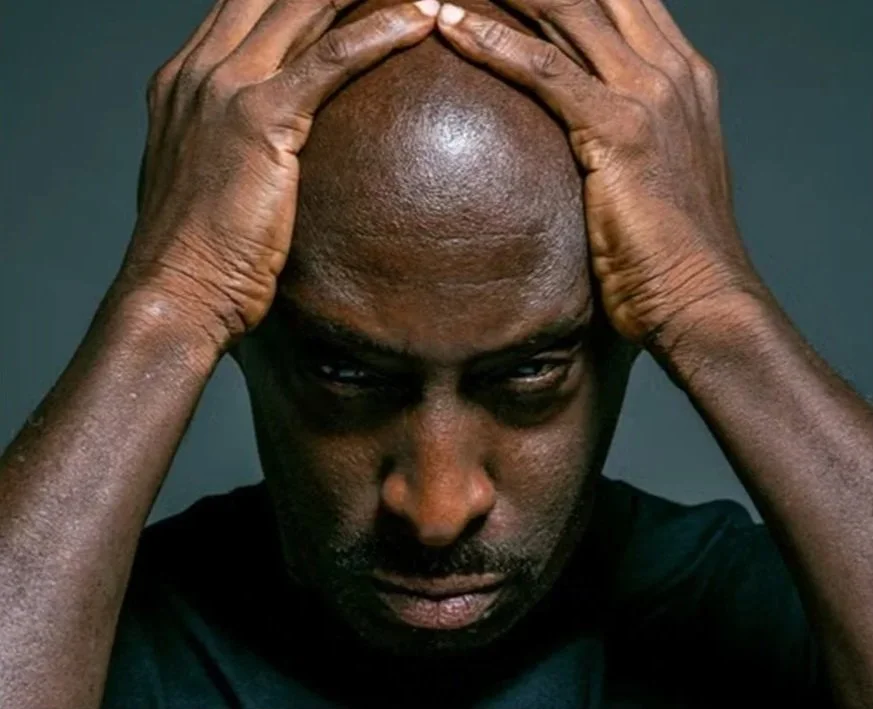
Amid such a high standard of material, I had been lucky enough this year to be able to give a presentation on each day of the conference. On Weds I co-presented a study with fellow founder of the Male Psychology Section, consultant clinical psychologist Martin Seager. With Katie Holloway, we interviewed 20 experienced therapists, who identified ways in which therapy might be made to appeal more to men (paper currently in review). On Thursday I presented a survey of 2000 men, which found that that men value their mental health more than their physical health, and that job satisfaction and relationship stability are key factors in their wellbeing http://www.malepsychology.org.uk/wp-content/uploads/2017/11/The-Harrys-Masculnity-Report-2017.pdf On Friday I co-presented a study with Tamika Roper (pictured above), which found that having a haircut is good for your mental health, especially if you are a black man. This finding probably won’t surprise black people but it’s intriguing for an Irishman like me, who traditionally finds getting a haircut a chore [link]. I also presented a poster describing my new psychological intervention for polycystic ovary syndrome [link]. PCOS was the subject of my PhD and continues to be a topic I write about and research.
Some of the most interesting feedback I got was from therapists, who – as usual – say that the Male Psychology research on gender differences in aspects of therapy reflects their clinical experience, highlighting patterns they hadn’t really thought about much before. But although these therapists saw the clinical value in having relevant gender differences highlighted, for some other psychologists highlighting gender differences is anathema. We can all agree that there are ‘more similarities than differences’ between men and women, but some psychologists almost make this their mantra, twisting it into the extremist view that ‘thou shalt not examine sex differences’. This self-inflicted disability makes them blind to gender differences, and although gender blindness vaunted as a virtue, it is in reality more likely to be an impediment to good science.
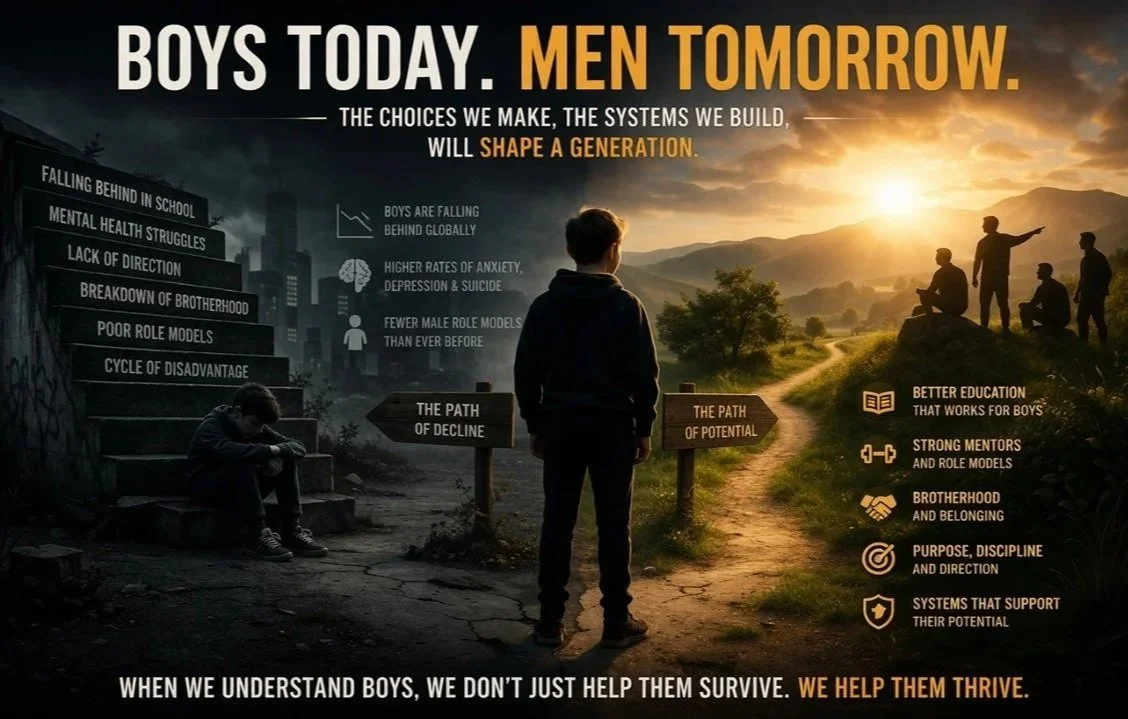
Predictably then the idea of having a new Male Psychology Section of the BPS got a mixed reception. Some people said they would vote for us – a national newspaper even wants to interview me about it – but I hear that some others say they will vote against it. Opposition to the creation of a Male Psychology Section is generally based around two false assumptions: 1/ men already have enough privileges; 2/ anyone who supports it is a men’s rights activist (MRA). Even if the first point were true, is it right to do nothing to intervene while (a) the privileged half the population is killing itself at three times the rate of the dominated half, (b) in education, the privileged children have been falling behind the dominated half for over 30 years, and (c) 90% of the prison population is made up of privileged half of the population? And even if was true that people who support Male Psychology are MRAs, then if helping to reduce male suicide, preventing boys educational underachievement, and saving men from a life of crime means that you are an MRA, then everyone with any common decency should be an MRA. I doubt that most people who support men’s mental health would consider themselves MRAs, but of course that won’t stop the label being bandied around.
In a way some opposition to a Male Psychology Section is understandable: 40 years ago the field of psychology was dominated by men, and was accused of taking a male-centric view of the world. However times have changed radically since then, and today 80% of clinical psychologists are women. I hope this doesn’t mean that psychology hasn’t become a field that no longer has compassion for men and boys.
This article was first published on the Male Psychology Network website in 2018.
Scroll down to join the discussion
Disclaimer: This article is for information purposes only and is not a substitute for therapy, legal advice, or other professional opinion. Never disregard such advice because of this article or anything else you have read from the Centre for Male Psychology. The views expressed here do not necessarily reflect those of, or are endorsed by, The Centre for Male Psychology, and we cannot be held responsible for these views. Read our full disclaimer here.
Like our articles?
Click here to subscribe to our FREE newsletter and be first
to hear about news, events, and publications.


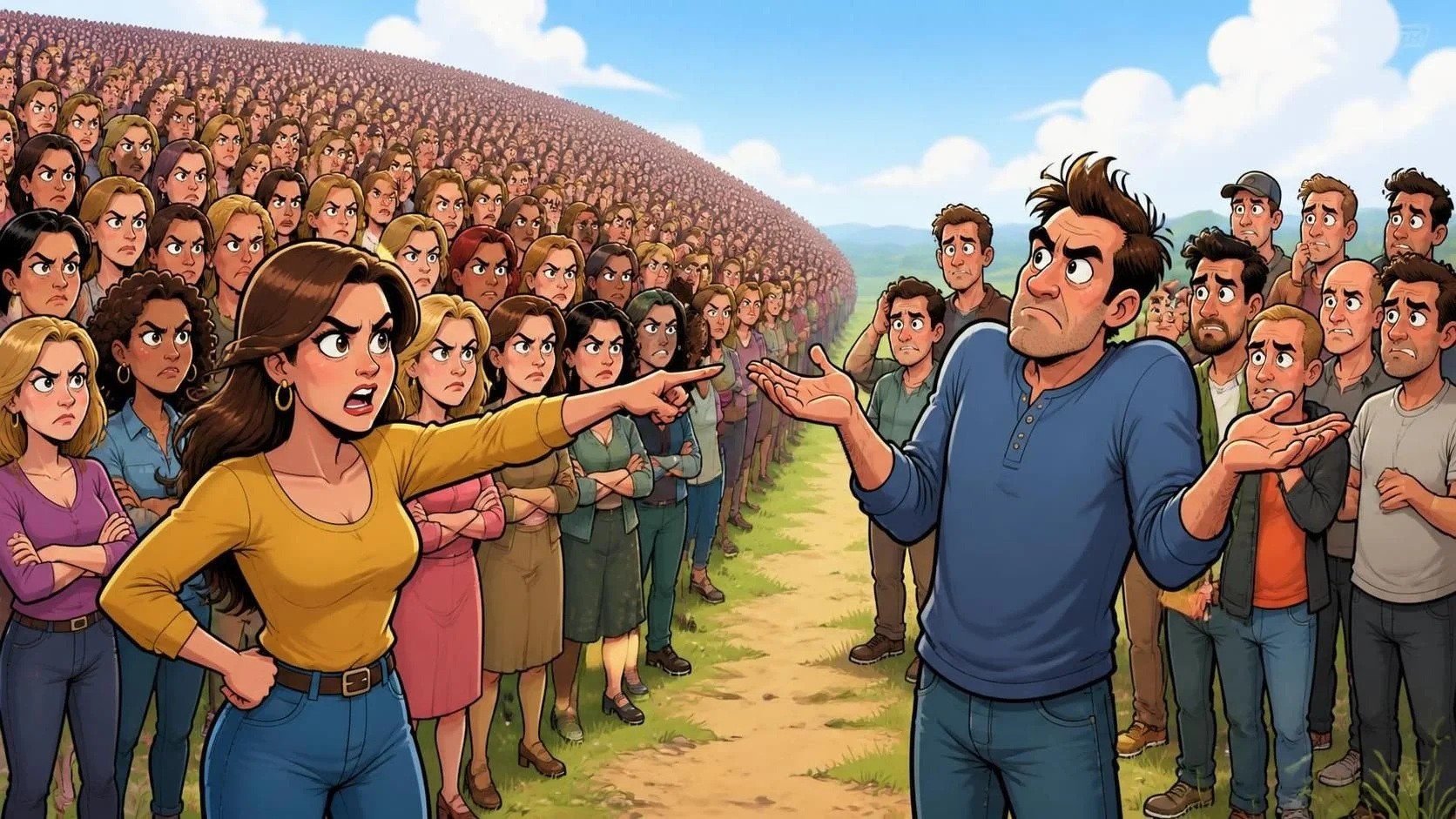




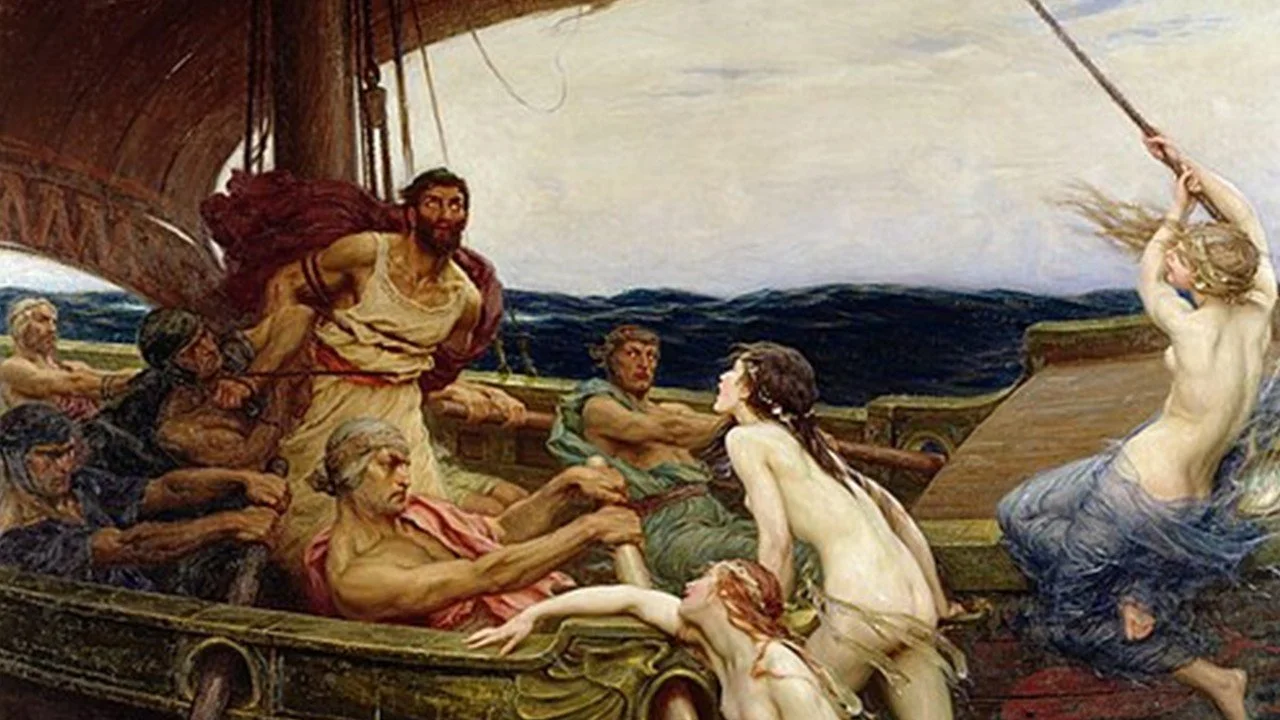

When a male is in a power imbalance, at least two masculine instincts are disempowered…

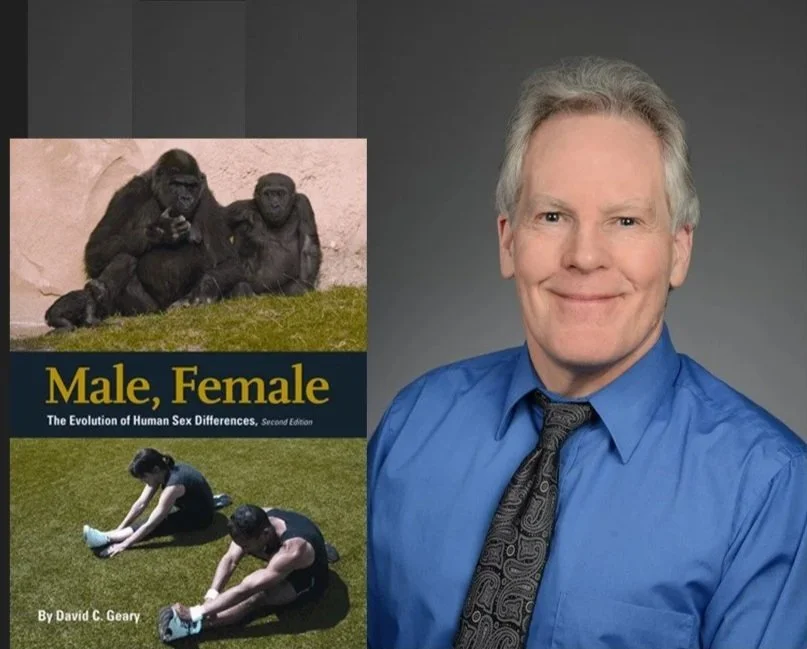
…people – men and women alike – respond less positively to male-favouring sex differences than they do to female-favouring sex differences.
hyper-masculine gender norms are typically embedded within military institutions, and while adherence to these norms can contribute to combat and military success, they conversely make clinical work challenging
Men might benefit greatly from a government strategy aimed at improving their health. Here are suggestions from the Centre for Male Psychology on how that might be done. This article ends with some comments on potential pitfalls in the process of putting this strategy in place.



…people – men and women alike – respond less positively to male-favouring sex differences than they do to female-favouring sex differences.


… many papers do not even bother to identify or justify the nationality of their samples…

hyper-masculine gender norms are typically embedded within military institutions, and while adherence to these norms can contribute to combat and military success, they conversely make clinical work challenging

Have you got something to say?
Check out our submissions page to find out how to write for us.
hyper-masculine gender norms are typically embedded within military institutions, and while adherence to these norms can contribute to combat and military success, they conversely make clinical work challenging

hyper-masculine gender norms are typically embedded within military institutions, and while adherence to these norms can contribute to combat and military success, they conversely make clinical work challenging
hyper-masculine gender norms are typically embedded within military institutions, and while adherence to these norms can contribute to combat and military success, they conversely make clinical work challenging

hyper-masculine gender norms are typically embedded within military institutions, and while adherence to these norms can contribute to combat and military success, they conversely make clinical work challenging

hyper-masculine gender norms are typically embedded within military institutions, and while adherence to these norms can contribute to combat and military success, they conversely make clinical work challenging

Much of our attitudes, theorizing and public debate around men and masculinity is influenced by high profile feminist and Gender Studies scholars in academia. But what is the scientific quality of publications from these scholars?

Some people blame drill music – a form of rap - for the rising murder rate in London. Drill is known for aggressive lyrics about gang violence, but rather than seeing this as a valuable way for young men to express their feelings, some people want to ban it.

To survive… cultures have to use men and women effectively and … in fact, most cultures have used men and women in different ways… what our culture does is [grant] greater status to men and greater protection to women

hyper-masculine gender norms are typically embedded within military institutions, and while adherence to these norms can contribute to combat and military success, they conversely make clinical work challenging
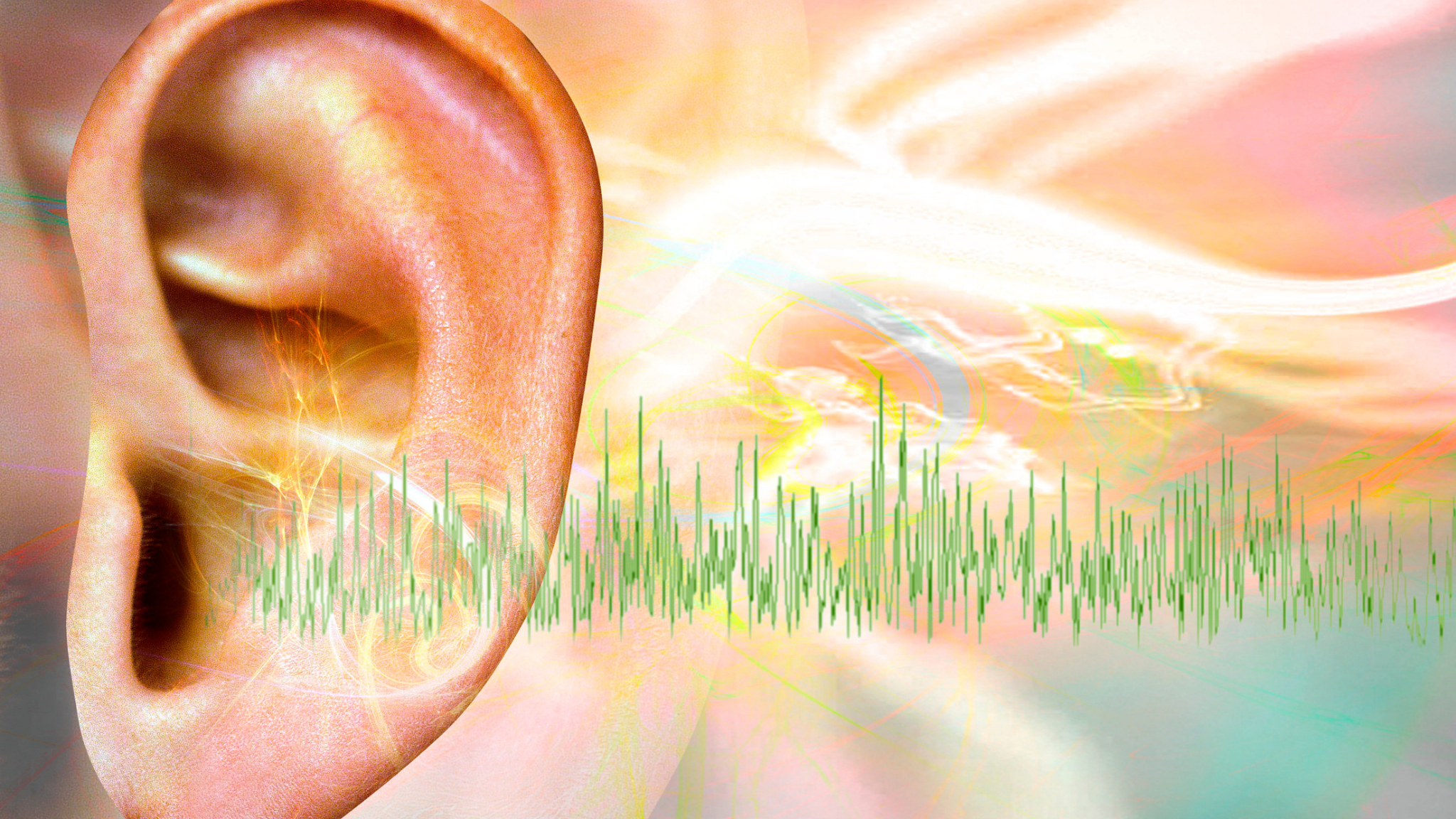
There are around 300,000 veterans living with hearing loss in the UK, according to The Royal British Legion. In addition to being at a greater risk of PTSD, depression, and anxiety, many vets are also battling psychological distress from hearing problems.

The book begins with a description of her therapeutic approach, and an illustration of how to understand and work with the rage often seen in male CSA clients.

I felt in my dealings with some police officers, as though I were treated firstly as a man (assumed to be a perpetrator), but they’d overlooked risks associated with my impairment. Example: How can you dodge a missile you don’t see coming?

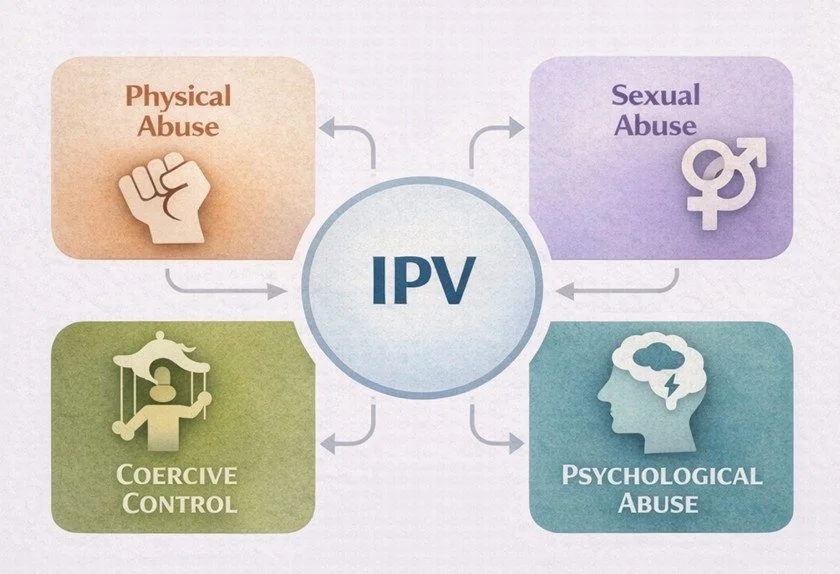
The Panorama programme on domestic violence failed to adequately highlight two important issues: male victims and female perpetrators.

your photograph, name and address, might appear in the local and national press and on TV, insinuating what an evil monster you are

…an attack upon masculinity is an attack upon one’s sense of self, of identity. …What, then, is the right psychological defence against such an attack?

The male has been designed to “look”, not only at the female, but to “look out” for prey, for danger, and for ways to protect his family unit.

If his child is allowed to live, this man must be available, for the rest of his life, to love and provide for his child… If, on the other hand, it is decided that his child is to be destroyed, he should be able to go about his life as if nothing has happened
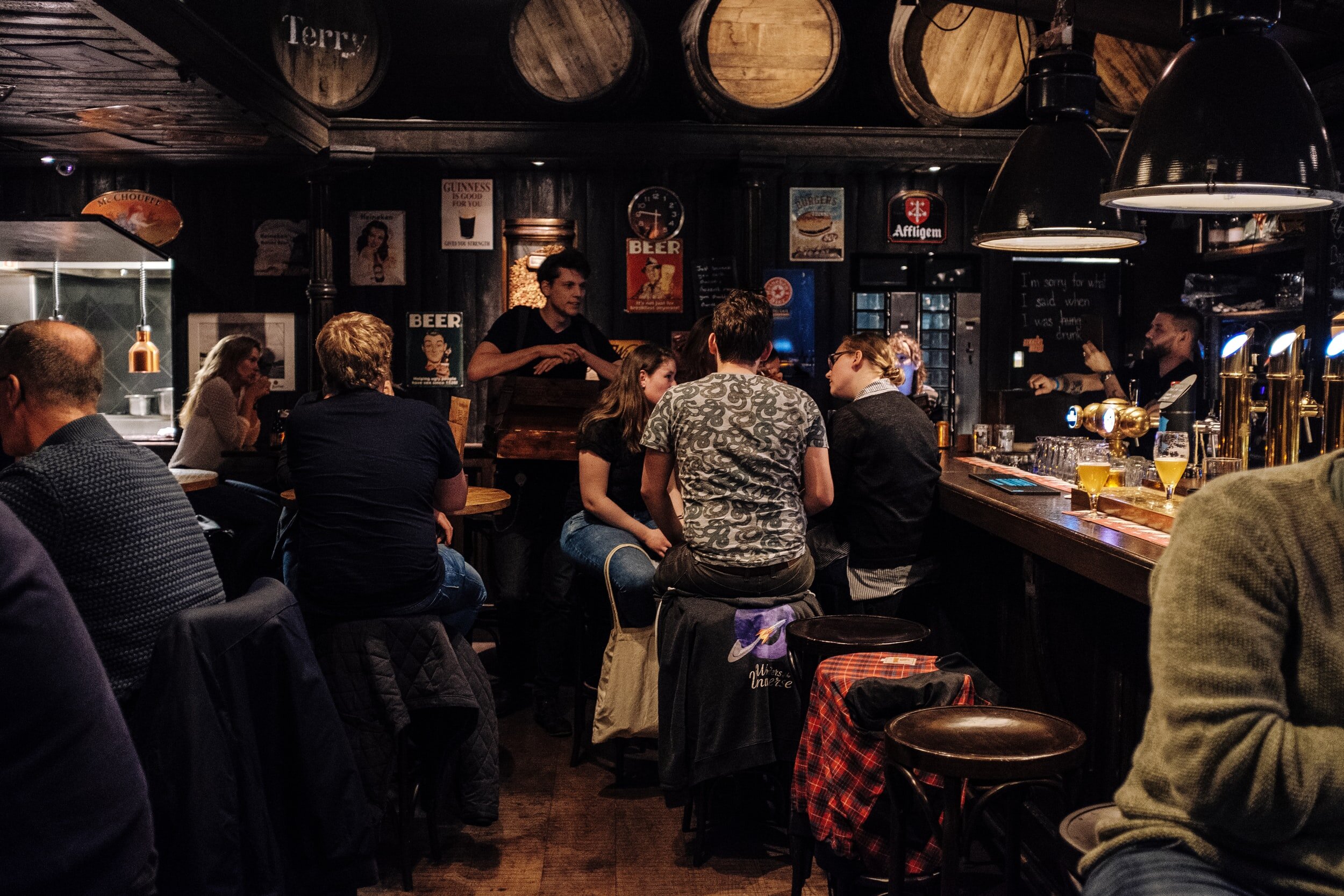
Socialising is a basic human need. The opposite – social isolation – is one of the worst forms of torture. Some people look down on the local pub as a place for undesirable riff raff, but that narrow viewpoint misses entirely the community value of the pub

Male psychology is a recent development in academia. Unlike gender studies, feminism, and men’s studies, male psychology takes the view that we can gain more by recognising and harnessing the positive aspects of masculinity than we can by taking a relentlessly negative approach to men.

.
 John Barry
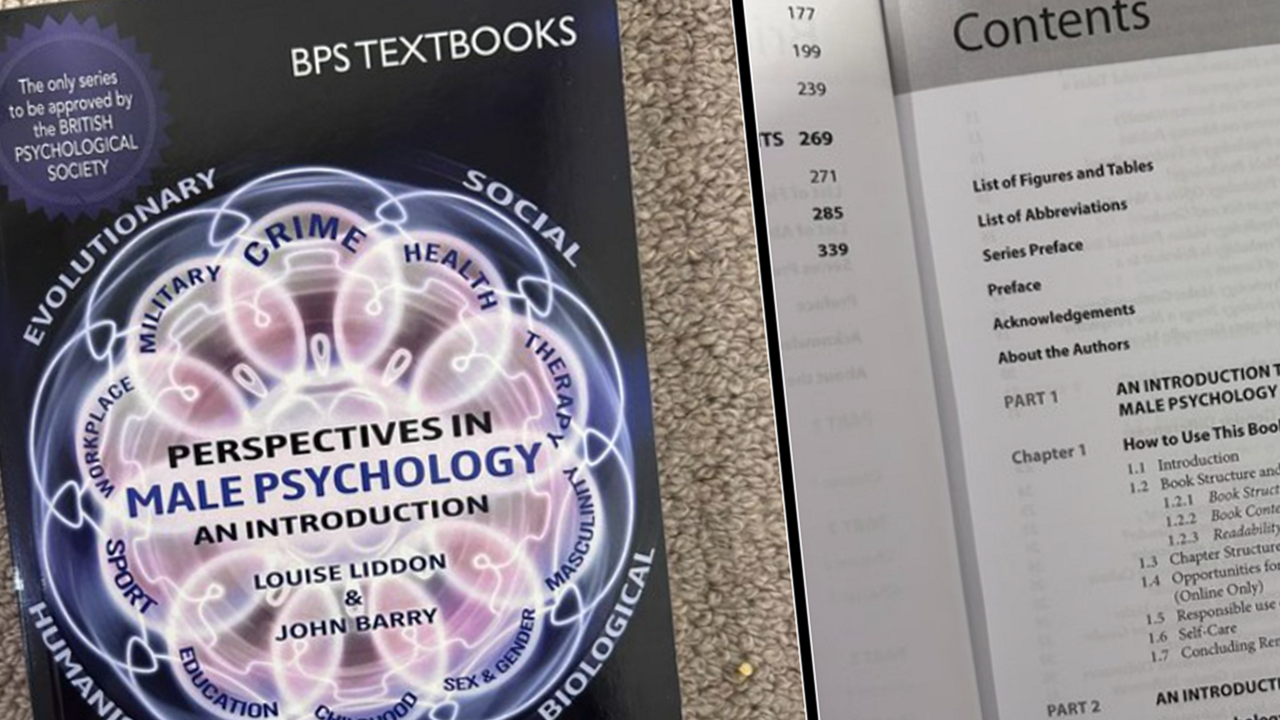
Dr John Barry is a chartered psychologist, researcher, clinical hypnotherapist and co-founder of the Male Psychology Network, BPS Male Psychology Section, and The Centre for Male Psychology (CMP). Also co-editor of the Palgrave Handbook of Male Psychology & Mental Health, co-author of the textbook Perspectives in Male Psychology: An Introduction (Wiley), and presenter on Centre for Male Psychology training courses.