

This is the first in a series of blogs about views of Male Psychology and masculinity around the world. To start us off, Professor Miles Groth of Wagner College, New York, relates his thoughts on masculinity in the United States compared to Southern Europe.
I return to Italy every year for many reasons but have also traveled in Spain, Portugal and France, Europe’s other “Latin” counties. I’ve just returned from my annual stay in Venice and have a few “anthropological” observations to make related to so-called “toxic masculinity”.
Latin men are such a contrast to American men and, it seems, to other Anglophone groups. They enjoy their masculinity and take pride in it. So do Latin women, who as a group are among the strongest women I’ve seen anywhere. I’ve visited more than a dozen countries in my lifetime, but if you can believe it, never the UK, so I must withhold adding British males to the generalization I’m making about men in America, Canada, Australia and New Zealand, whom I’ve seen first-hand. What I see and read second-hand, however, suggests including British men. I should add I don’t trust any “representations” in the media about a people and their culture, and trust only what I have seen in person. It’s among my plans for retirement to remedy this and visit a friend who’s located in Scarborough and do a road trip as well as visit London and Edinburgh. I want to get to Ireland, Scotland and Wales as well.
My point here is not autobiography, however, but rather that Anglophone males, above all Americans, seem more confused about their gender, sex and sexuality than males in the “Latin” countries I’ve mentioned. I’ll bracket for now Scandinavian, German and Austrian men, many of whom I know and have seen in their natural habitat, but they, too, seem to be less confused about being male.
I watch a bit of local television everywhere to get a sense of the national and local “scene,” but most of my “field work” is simply observing people in public places and casual settings, having sorted them out from the tourists. Venice is not the best place for such an anthropologist as I am, but in northern Italy, which will be my point of reference in these generalizations, “gender trouble” seems much less severe. I should add that I also know men from other parts of Italy and they share the features of northern Italians.
Italian men (and women) continue to enjoy the traditional gender roles we now oddly enough call sex roles, while seeming to have little trouble accepting differences in sexual orientation in both males and females, even though for most Italians homosexuality is still a puzzling option. I think this is because both men and women freely kiss members of the same sex. They do less hugging than Americans now do. The kissing, while very intimate indeed, is not at all sexual. (So, which is more intimate—lips to cheek or chest to chest?)
The question then becomes for us in the States and in our parent country, Britain: why is the USA the source of the bleak and harmful notion of “toxic masculinity”? At the source of this destructive way speaking, and the current anti-male movement related to it, is what I will call “male trouble” among men and boys in the States.
There is trouble it is said in being male, trouble from which emanates the notion of masculinity being “toxic.” This strikes Latin-European men and women as nonsense. Being male and masculinity are prized and enjoyed by males and females, just as being female and femininity are by females and males. This is not limited to high-profile “stars” and media “personalities.”
A pop TV show I watched for a few minutes through jet-lag haze my first night in Venice is a case in point in this, my brief anthropological investigation. The guests were playing a “dating game.” With equal dignity, the males and females were masculine and feminine in the traditional ways. Interestingly enough, neither groups smile all over the place as much as Americans do, even for the television camera. The point is that both groups were strong and beautiful. To have spoken of masculinity as “toxic” would have been as outrageous as talking about femininity as “poisonous.” So, where has this American notion of males as dangerous, sickening and bad come from? That is my question. To repeat: it’s missing elsewhere, not only in Southern Europe among all “classes,” but also, as far as I can tell, in the Middle East, Asia, India and South America.
I think it will be a very long time indeed for Latin European and Eastern European, Asian and all Islam-based cultures to find any of this talk of masculinity as poisonous at all believable let alone acceptable.
This article was first published on the Male Psychology Network website in 2018
Scroll down to join the discussion
Disclaimer: This article is for information purposes only and is not a substitute for therapy, legal advice, or other professional opinion. Never disregard such advice because of this article or anything else you have read from the Centre for Male Psychology. The views expressed here do not necessarily reflect those of, or are endorsed by, The Centre for Male Psychology, and we cannot be held responsible for these views. Read our full disclaimer here.
Like our articles?
Click here to subscribe to our FREE newsletter and be first
to hear about news, events, and publications.








When a male is in a power imbalance, at least two masculine instincts are disempowered…

…people – men and women alike – respond less positively to male-favouring sex differences than they do to female-favouring sex differences.
hyper-masculine gender norms are typically embedded within military institutions, and while adherence to these norms can contribute to combat and military success, they conversely make clinical work challenging
Men might benefit greatly from a government strategy aimed at improving their health. Here are suggestions from the Centre for Male Psychology on how that might be done. This article ends with some comments on potential pitfalls in the process of putting this strategy in place.



…people – men and women alike – respond less positively to male-favouring sex differences than they do to female-favouring sex differences.
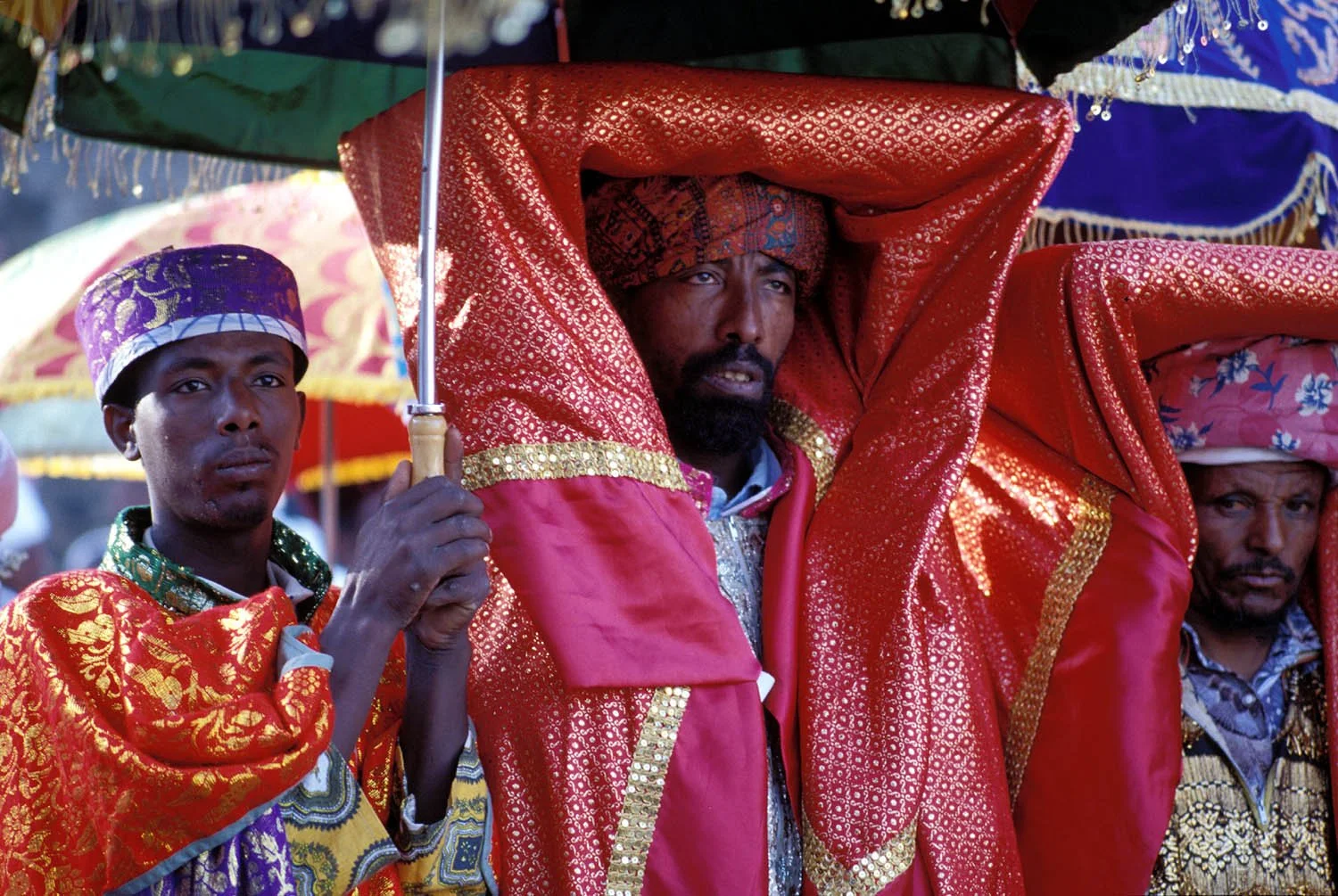

… many papers do not even bother to identify or justify the nationality of their samples…


Have you got something to say?
Check out our submissions page to find out how to write for us.
hyper-masculine gender norms are typically embedded within military institutions, and while adherence to these norms can contribute to combat and military success, they conversely make clinical work challenging

hyper-masculine gender norms are typically embedded within military institutions, and while adherence to these norms can contribute to combat and military success, they conversely make clinical work challenging
hyper-masculine gender norms are typically embedded within military institutions, and while adherence to these norms can contribute to combat and military success, they conversely make clinical work challenging

hyper-masculine gender norms are typically embedded within military institutions, and while adherence to these norms can contribute to combat and military success, they conversely make clinical work challenging

hyper-masculine gender norms are typically embedded within military institutions, and while adherence to these norms can contribute to combat and military success, they conversely make clinical work challenging

Much of our attitudes, theorizing and public debate around men and masculinity is influenced by high profile feminist and Gender Studies scholars in academia. But what is the scientific quality of publications from these scholars?

Some people blame drill music – a form of rap - for the rising murder rate in London. Drill is known for aggressive lyrics about gang violence, but rather than seeing this as a valuable way for young men to express their feelings, some people want to ban it.

To survive… cultures have to use men and women effectively and … in fact, most cultures have used men and women in different ways… what our culture does is [grant] greater status to men and greater protection to women

hyper-masculine gender norms are typically embedded within military institutions, and while adherence to these norms can contribute to combat and military success, they conversely make clinical work challenging
There are around 300,000 veterans living with hearing loss in the UK, according to The Royal British Legion. In addition to being at a greater risk of PTSD, depression, and anxiety, many vets are also battling psychological distress from hearing problems.

The book begins with a description of her therapeutic approach, and an illustration of how to understand and work with the rage often seen in male CSA clients.

I felt in my dealings with some police officers, as though I were treated firstly as a man (assumed to be a perpetrator), but they’d overlooked risks associated with my impairment. Example: How can you dodge a missile you don’t see coming?

The Panorama programme on domestic violence failed to adequately highlight two important issues: male victims and female perpetrators.

your photograph, name and address, might appear in the local and national press and on TV, insinuating what an evil monster you are

…an attack upon masculinity is an attack upon one’s sense of self, of identity. …What, then, is the right psychological defence against such an attack?

The male has been designed to “look”, not only at the female, but to “look out” for prey, for danger, and for ways to protect his family unit.

If his child is allowed to live, this man must be available, for the rest of his life, to love and provide for his child… If, on the other hand, it is decided that his child is to be destroyed, he should be able to go about his life as if nothing has happened
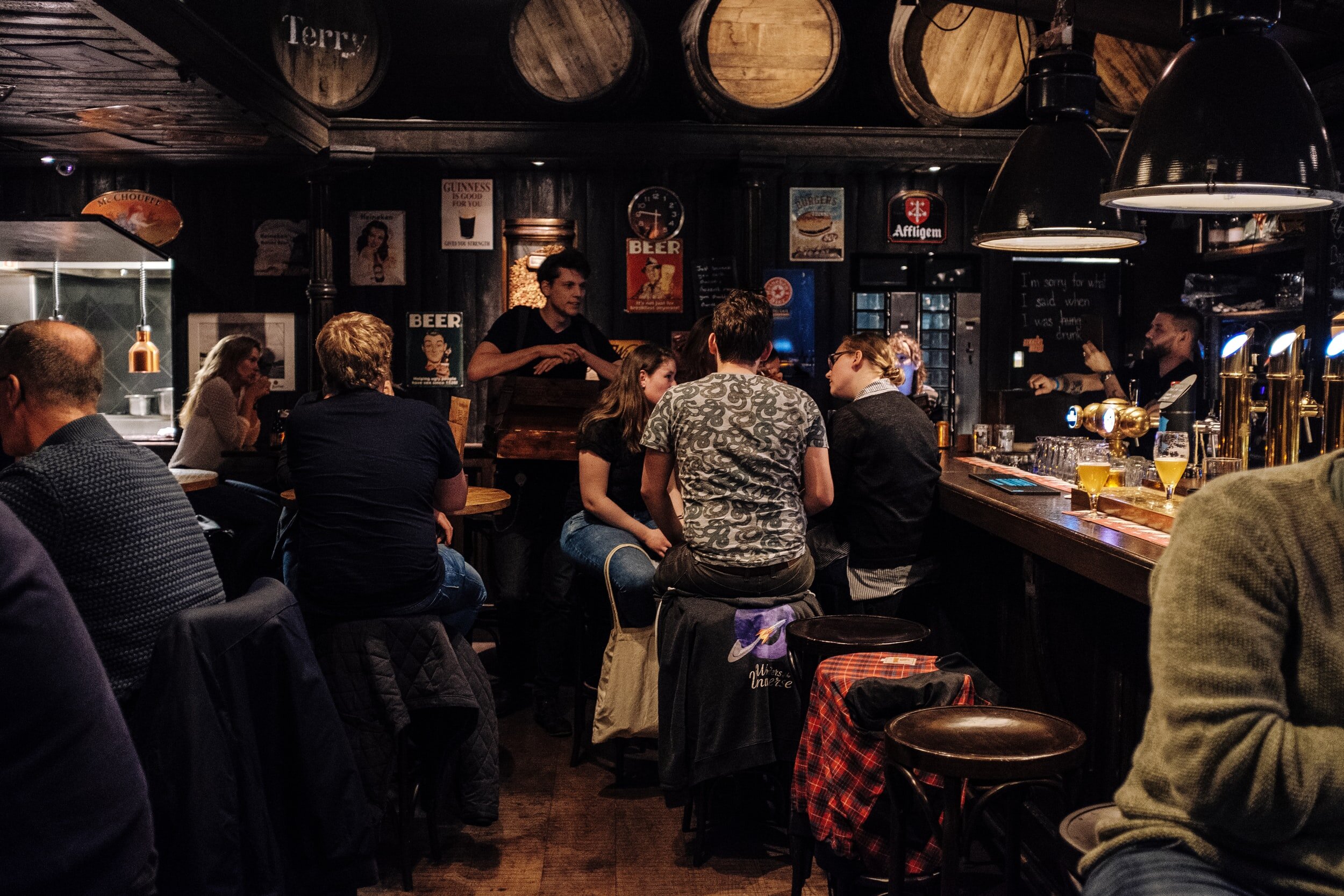
Socialising is a basic human need. The opposite – social isolation – is one of the worst forms of torture. Some people look down on the local pub as a place for undesirable riff raff, but that narrow viewpoint misses entirely the community value of the pub

Male psychology is a recent development in academia. Unlike gender studies, feminism, and men’s studies, male psychology takes the view that we can gain more by recognising and harnessing the positive aspects of masculinity than we can by taking a relentlessly negative approach to men.

.
