
Does it matter what country a psychology study is conducted in?

After two years of covid restrictions and holidays cancelled at the last minute, many of us will be looking forward - very eagerly - to getting away from it all. For some this will mean taking time of work, going to the library and escaping into a world of fiction, but if you are really lucky you might escape somewhere overseas, somewhere new and different. In which case, while you are sitting in your deckchair by the pool (or climbing a mountain, or whatever you to relax), you might think a bit about the local people, their way of life, and how much their culture impacts the way they view the world.
For example, as a student I was very interested to learn that in the US people tend to think others are responsible for the their problems (a dispositional attribution), whereas in India people are more likely to see others’ problems as being caused by the situation they are in (a situational attribution). It struck me that there could be all sorts of implications of this cultural difference. For example, some non-Western countries might, as a result of their attributional style, blame people less for causing their own problems, and this idea deepened my appreciation of the potential significance of cross-cultural differences.
“many papers do not even bother to identify or justify the nationality of their samples”.
This also made me curious to know the country in which research studies were being conducted, and whether this would make a difference to the findings. For example, would the results a study of attitudes to prison sentencing be the same if done in a country that sees people as fully responsible for their behaviour compared to a country that sees peoples’ behaviour more as the result of their circumstances, such as a brutal childhood? This led to the realisation that much of the time, studies that I read about in textbooks made no reference to the country in which they were conducted.
Recently I was interested to find a paper which lent support to what I had been thinking years before: “many papers do not even bother to identify or justify the nationality of their samples”. This is not so surprising when you consider that most psychology research is done in the US with American participants.
But things are changing, and there is now in psychology there is a buzz of interest in how we focus too much on Western, Educated, Industrialized, Rich, and Democratic societies (cheekily acronymed ‘WEIRD’). Although this type of culture accounts for about 5% of the world, in the top six APA journals, 96% of research participants were from ‘WEIRD’ countries.
So in 2020 when Louise Liddon and I were writing Perspectives in Male Psychology: An Introduction, I felt it was important to flag up as much as possible the country in which each study was conducted. Although, predictably, we are unable to identify this information for all research, we were able to cover quite a bit of the globe with what information we had. Although most of the studies were conducted in the US, it was interesting to see how many other countries are involved in cutting-edge research. For example, we included work from:
Afghanistan, Australia, Belgium, Brazil, Bulgaria, Canada, China, Cuba, Cyprus, Denmark, England, Estonia, France, Germany, Holland, India, Iran, Iraq, Ireland, Israel, Italy, Japan, Mexico, New Zealand, Norway, Puerto Rico, Russia, Scotland, South Africa, Spain, Sri Lanka, Sweden, Turkey, Uganda, Ukraine, USA, Vietnam, and last but not least, Wales.
Given that it’s important to be aware of how people in different parts of the world may have very different experiences of the same type of event, the Centre for Male Psychology encourages the expression of viewpoints from around the world, and translations where possible. For example, the Male Psychology magazine has original articles and/or articles translated for readers in places such as:
Brazil, France, Germany, The Mediterranean, South Africa, South Korea and Spain.
Of course people move around from one country to another, so in Perspectives in Male Psychology we included, where relevant, information about other demographic aspects that might be important in a given study e.g. African American, Asian American, French-Canadian etc. We also noted which cities a study was conducted in (e.g. London, New York), and which region (e.g. the American mid-west, the Persian Gulf, North of England, Eastern Europe, South America, Africa, Asia etc.) where we thought it interesting or relevant.
“How would Zimbardo’s prison study have worked out in a yoga retreat in Bali…?”
All of this might sound a bit arduous, but nobody has told us that we have gone too far in including this information, and in fact you would probably not notice unless you found yourself experiencing a momentary buzz of recognition from seeing your country or city flagged up. I think most people will agree that knowing information about location adds potentially important dimensions to our understanding of the various aspects of men’s lives (e.g. education, sports, crime, health etc), and at the very least, there is no harm in having this information included.
So wherever you are in the world this summer, please take a moment to think about how the local people there might have reacted if they were participants in one of your favourite studies. How would Zimbardo’s prison study have worked out in a yoga retreat in Bali, in Amsterdam, or a remote tropical island…?
And wherever you are, I hope you have a lovely lockdown-free summer.
Scroll down to join the discussion
Disclaimer: This article is for information purposes only and is not a substitute for therapy, legal advice, or other professional opinion. Never disregard such advice because of this article or anything else you have read from the Centre for Male Psychology. The views expressed here do not necessarily reflect those of, or are endorsed by, The Centre for Male Psychology, and we cannot be held responsible for these views. Read our full disclaimer here.
Like our articles?
Click here to subscribe to our FREE newsletter and be first
to hear about news, events, and publications.










When a male is in a power imbalance, at least two masculine instincts are disempowered…


…people – men and women alike – respond less positively to male-favouring sex differences than they do to female-favouring sex differences.
hyper-masculine gender norms are typically embedded within military institutions, and while adherence to these norms can contribute to combat and military success, they conversely make clinical work challenging
Men might benefit greatly from a government strategy aimed at improving their health. Here are suggestions from the Centre for Male Psychology on how that might be done. This article ends with some comments on potential pitfalls in the process of putting this strategy in place.




…people – men and women alike – respond less positively to male-favouring sex differences than they do to female-favouring sex differences.
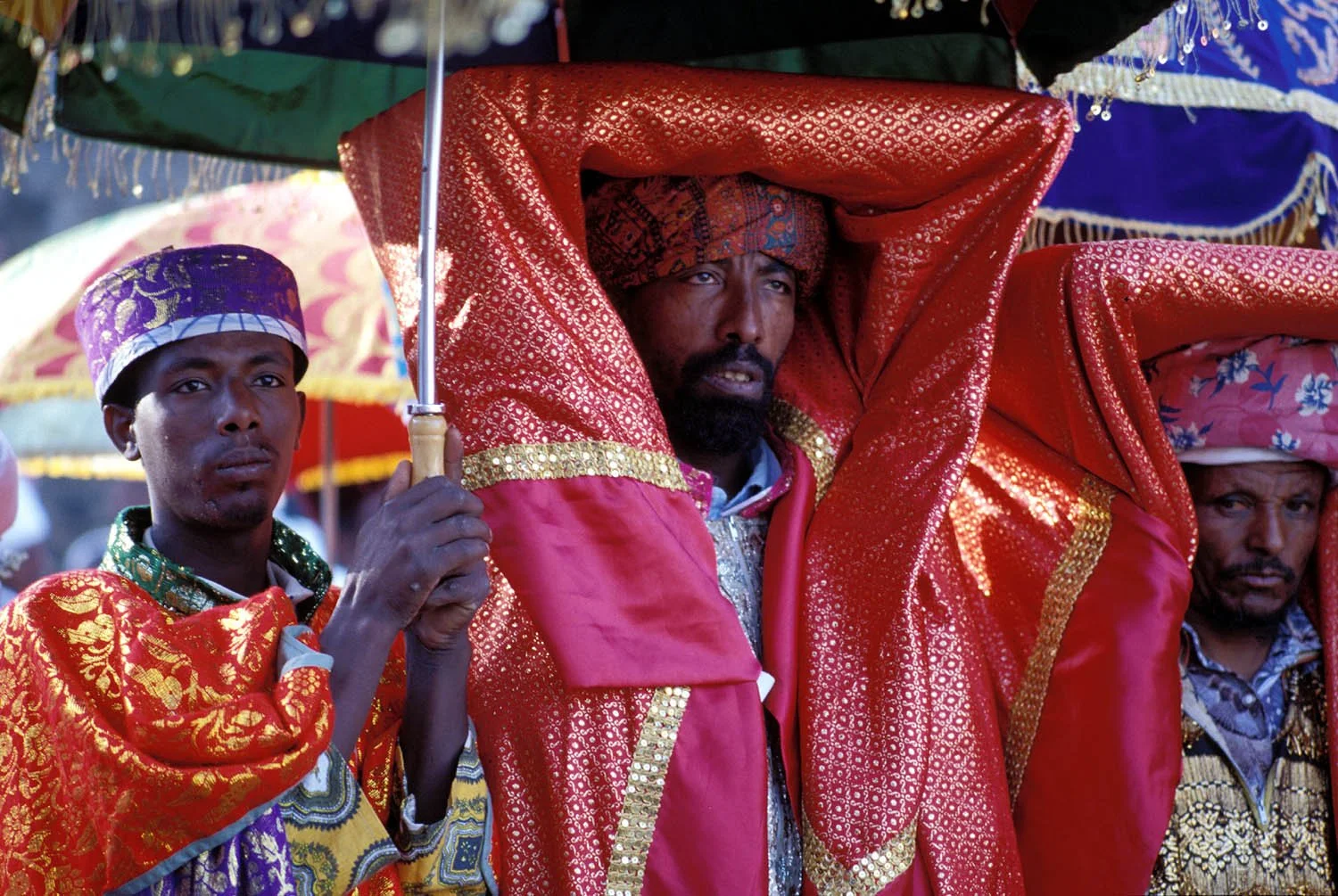


… many papers do not even bother to identify or justify the nationality of their samples…

hyper-masculine gender norms are typically embedded within military institutions, and while adherence to these norms can contribute to combat and military success, they conversely make clinical work challenging

Have you got something to say?
Check out our submissions page to find out how to write for us.
hyper-masculine gender norms are typically embedded within military institutions, and while adherence to these norms can contribute to combat and military success, they conversely make clinical work challenging
hyper-masculine gender norms are typically embedded within military institutions, and while adherence to these norms can contribute to combat and military success, they conversely make clinical work challenging
hyper-masculine gender norms are typically embedded within military institutions, and while adherence to these norms can contribute to combat and military success, they conversely make clinical work challenging

hyper-masculine gender norms are typically embedded within military institutions, and while adherence to these norms can contribute to combat and military success, they conversely make clinical work challenging

hyper-masculine gender norms are typically embedded within military institutions, and while adherence to these norms can contribute to combat and military success, they conversely make clinical work challenging

Much of our attitudes, theorizing and public debate around men and masculinity is influenced by high profile feminist and Gender Studies scholars in academia. But what is the scientific quality of publications from these scholars?

Some people blame drill music – a form of rap - for the rising murder rate in London. Drill is known for aggressive lyrics about gang violence, but rather than seeing this as a valuable way for young men to express their feelings, some people want to ban it.

To survive… cultures have to use men and women effectively and … in fact, most cultures have used men and women in different ways… what our culture does is [grant] greater status to men and greater protection to women

hyper-masculine gender norms are typically embedded within military institutions, and while adherence to these norms can contribute to combat and military success, they conversely make clinical work challenging

There are around 300,000 veterans living with hearing loss in the UK, according to The Royal British Legion. In addition to being at a greater risk of PTSD, depression, and anxiety, many vets are also battling psychological distress from hearing problems.

The book begins with a description of her therapeutic approach, and an illustration of how to understand and work with the rage often seen in male CSA clients.

I felt in my dealings with some police officers, as though I were treated firstly as a man (assumed to be a perpetrator), but they’d overlooked risks associated with my impairment. Example: How can you dodge a missile you don’t see coming?

The Panorama programme on domestic violence failed to adequately highlight two important issues: male victims and female perpetrators.

your photograph, name and address, might appear in the local and national press and on TV, insinuating what an evil monster you are

…an attack upon masculinity is an attack upon one’s sense of self, of identity. …What, then, is the right psychological defence against such an attack?

The male has been designed to “look”, not only at the female, but to “look out” for prey, for danger, and for ways to protect his family unit.

If his child is allowed to live, this man must be available, for the rest of his life, to love and provide for his child… If, on the other hand, it is decided that his child is to be destroyed, he should be able to go about his life as if nothing has happened
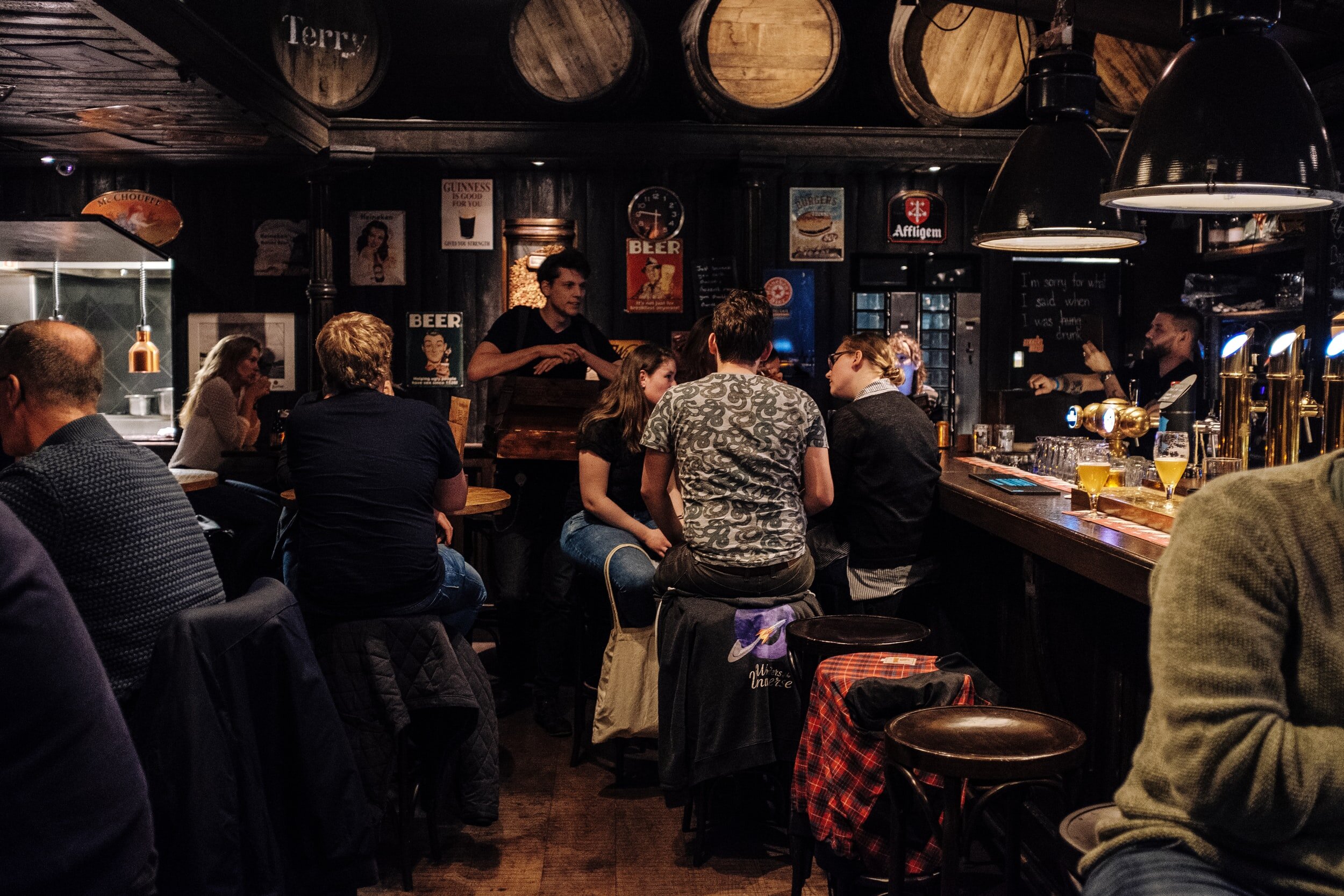
Socialising is a basic human need. The opposite – social isolation – is one of the worst forms of torture. Some people look down on the local pub as a place for undesirable riff raff, but that narrow viewpoint misses entirely the community value of the pub

Male psychology is a recent development in academia. Unlike gender studies, feminism, and men’s studies, male psychology takes the view that we can gain more by recognising and harnessing the positive aspects of masculinity than we can by taking a relentlessly negative approach to men.

.
 John Barry
Dr John Barry is a chartered psychologist, researcher, clinical hypnotherapist and co-founder of the Male Psychology Network, BPS Male Psychology Section, and The Centre for Male Psychology (CMP). Also co-editor of the Palgrave Handbook of Male Psychology & Mental Health, co-author of the textbook Perspectives in Male Psychology: An Introduction (Wiley), and presenter on Centre for Male Psychology training courses.